
Inactive· since Jan 21, 2026
- 28
- days it ran
- 13
- relaunches
Ad copy
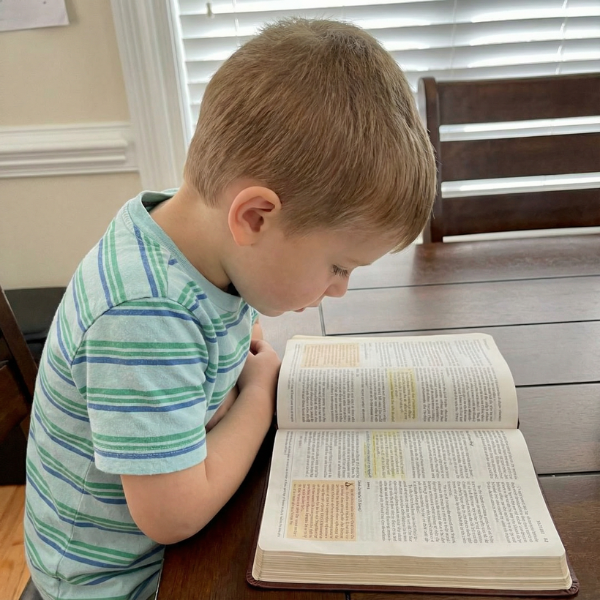
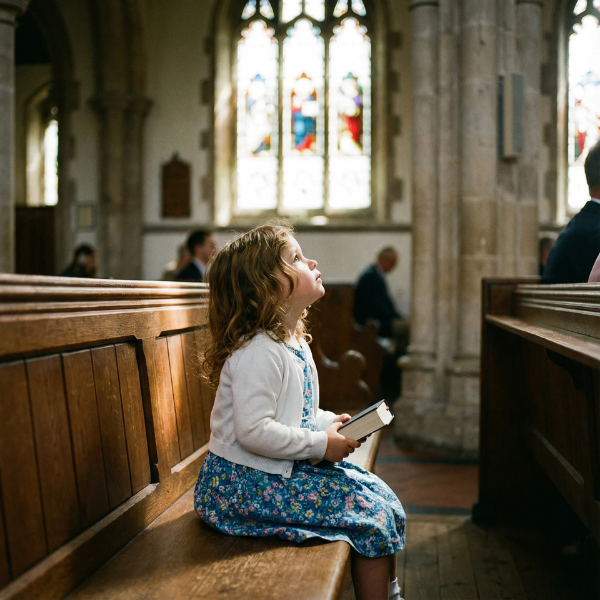
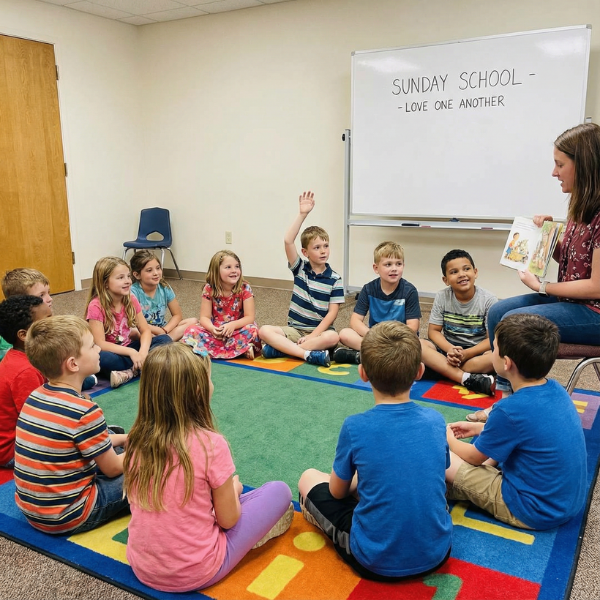
After 25 Years Watching College Students Lose Their Faith, I Can Tell You Exactly When It Happens - And It's Not When You Think I've been a campus pastor for 25 years. In that time, I've watched over 3,000 students walk through our ministry doors. Kids who grew up in church. Kids who knew every Bible story. Kids whose parents did everything "right." And I've watched 73% of them abandon their faith before graduation. But here's what's going to shock you: The moment they lose their faith doesn't happen in college. It doesn't happen when they meet their atheist professor or when they're challenged by skeptical roommates. It happens years earlier. Usually around age 10 or 11. In Sunday school. While their parents think everything is going perfectly. Let me tell you about Sarah. Sarah's parents brought her to see me during her freshman year. She'd been raised in a solid Christian home. Homeschooled. Perfect church attendance. Could recite 200+ Bible verses from memory. Led worship at youth group. Went on every mission trip. Two months into college, she announced she was done with Christianity. Her parents were devastated. "We did everything right," her mom sobbed in my office. "How could this happen?" I asked Sarah to join us for the conversation. What she told me changed how I understand faith development forever. "I never actually believed any of it," she said quietly. "I just knew what answers you wanted me to give." Her parents were shocked. "But you knew all the stories! You could answer every question in Sunday school!" Sarah looked at them with sad eyes. "I knew the stories. I never knew if they were true. I knew what Christians believe. I never knew WHY we believe it. When my philosophy professor asked me how I know God exists, I realized I'd never actually thought about it. I just repeated what you told me to repeat." This conversation haunted me. How could 18 years of "perfect" Christian parenting result in a child who never actually developed real faith? I started analyzing every student who'd walked away from faith over my 25 years of ministry. The pattern was devastating. The kids who left weren't the rebels. They were the compliant ones. They'd learned to perform Christianity perfectly without ever understanding what it meant or why it mattered. They knew WHAT to believe but never learned WHY to believe it. They'd been entertained into compliance but never educated into conviction. And when the first real intellectual challenge came, their faith collapsed like a house of cards. Here's the timeline I see over and over: Ages 2-7: Kids accept everything parents say without question. Bible stories feel as real as any other story. Ages 8-12: Kids start developing critical thinking. They begin asking "why" and "how do you know?" This is the crucial window. Ages 13-17: If they didn't get answers during the 8-12 window, they stop asking questions and start just going through the motions to please parents. Ages 18-22: First real intellectual challenge exposes that their faith was built on sand. They walk away. The tragedy? It's completely preventable. But most parents miss the 8-12 window entirely. They think their kid's obedience means their faith is strong. They assume Sunday school is building foundations when it's really just entertaining them. I started paying attention to the 27% who kept their faith through college. What made them different? The difference wasn't church attendance or Bible knowledge or good behavior. The difference was that someone had taught them to THINK about their faith, not just ACCEPT it. These students could explain why they believed God exists using logic and evidence. They understood why the Bible is reliable. They could articulate why Christianity is unique among world religions. They saw challenges to their faith as opportunities to engage, not threats to avoid. Most importantly, they owned their faith instead of just borrowing their parents' faith. Let me tell you about David - one of the 27%. David's parents brought him to our ministry as a freshman, just like Sarah's parents did. But the conversation was completely different. "I'm excited to be here," David told me. "I love talking about faith with people who see things differently. My dorm mate is an atheist, and we have the most amazing conversations about God and science and meaning. He's really making me think deeper about what I believe." David's parents weren't worried. They were proud. They knew their son could handle intellectual challenges because they'd prepared him for them. "We realized when David was around 9 that Sunday school wasn't enough," his mom explained. "He was starting to ask really deep questions that we couldn't answer. So we found resources that taught him how to think about faith, not just what to think about faith." The difference between Sarah and David didn't happen in college. It happened when they were in elementary school. Sarah's parents assumed someone else would build her theological foundation. David's parents took responsibility for it themselves. And here's what breaks my heart: Sarah's outcome was completely preventable. If someone had taught her at age 9 how to evaluate truth claims... If someone had shown her at age 10 the historical evidence for Christianity... If someone had helped her at age 11 understand why Christianity is unique among world religions... She would have walked into that philosophy classroom equipped instead of vulnerable. The professor's challenges would have strengthened her faith instead of destroying it. But nobody did. And by the time she got to me at 18, it was too late. This is why I'm sharing this with you. Because I see parents every day making the same mistakes Sarah's parents made. They think church attendance equals faith development. They think Bible memory equals spiritual foundation. They think good behavior equals genuine belief. But none of that prepares kids for what's coming. Your elementary-aged child is going to face intellectual challenges to their faith. Maybe not today, maybe not next year, but definitely before they graduate high school. The only question is whether they'll be prepared for them. Here's what I've learned after 25 years of watching kids either thrive or crumble: The kids who keep their faith aren't the ones who went to church the most. They're the ones who learned to think about their faith the deepest. The kids who walk away aren't the ones who were exposed to bad influences. They're the ones who were never given good reasons to believe. The kids who become confident defenders of Christianity aren't the ones who memorized the most verses. They're the ones who understand what those verses mean and why they matter. And the window for this kind of foundation building is narrow. Ages 8-12 is when kids are old enough to understand logic but young enough to have their worldview shaped. Miss this window, and you're essentially hoping for a miracle. I've seen too many families hope for miracles instead of building foundations. Sarah's family hoped for a miracle. They didn't get one. David's family built a foundation. They didn't need a miracle. The choice is yours. But you need to understand: Sunday school was never designed to build the kind of faith that survives college. It was designed for a different era, when cultural Christianity provided enough support that intellectual understanding wasn't necessary. That era is over. Today's kids need what David got. They need to understand not just what Christians believe, but why we believe it's true. They need to be prepared for questions, not protected from them. And if you're reading this thinking, "But I don't know how to teach that kind of thing..." You're not alone. Most parents feel completely unequipped for this. But here's the secret: you don't need to become a theologian. You just need better tools. The families who succeed aren't the ones with seminary degrees. They're the ones who found resources specifically designed to teach kids how to think about faith during that crucial 8-12 window. I've seen these families transform their children from passive believers into confident defenders of their faith. I've watched kids go from being intimidated by questions to being excited by them. It's not magic. It's just intentional. But it requires action during that narrow window of opportunity. If your child is between 8 and 12 right now, you're in the perfect position to build the kind of foundation that will last a lifetime. If they're younger, you have time to prepare. If they're older... well, it's harder, but not impossible. I've seen older kids benefit too, though it takes more work. The question is: Are you going to hope for a miracle, or are you going to build a foundation? I documented everything I've learned about what separates the kids who keep their faith from the kids who lose it. The specific resources that work, the timing that matters, and the approach that builds unshakeable foundations. Because after 25 years of watching families succeed and fail, I can tell you this: Your child's eternal destiny doesn't have to be left to chance. [Read the complete guide that's helping families build lasting faith]
If you have a child or grandchild read this ☝️
"The shocking discovery that broke my cycle of broken resolutions - and could save your child's faith before it's too late"
SHOP NOWLike this ad? Make it yours.
Crush rebuilds this exact creative around your product — your brand, your colors, your offer — in about a minute.