I Love My Poodle
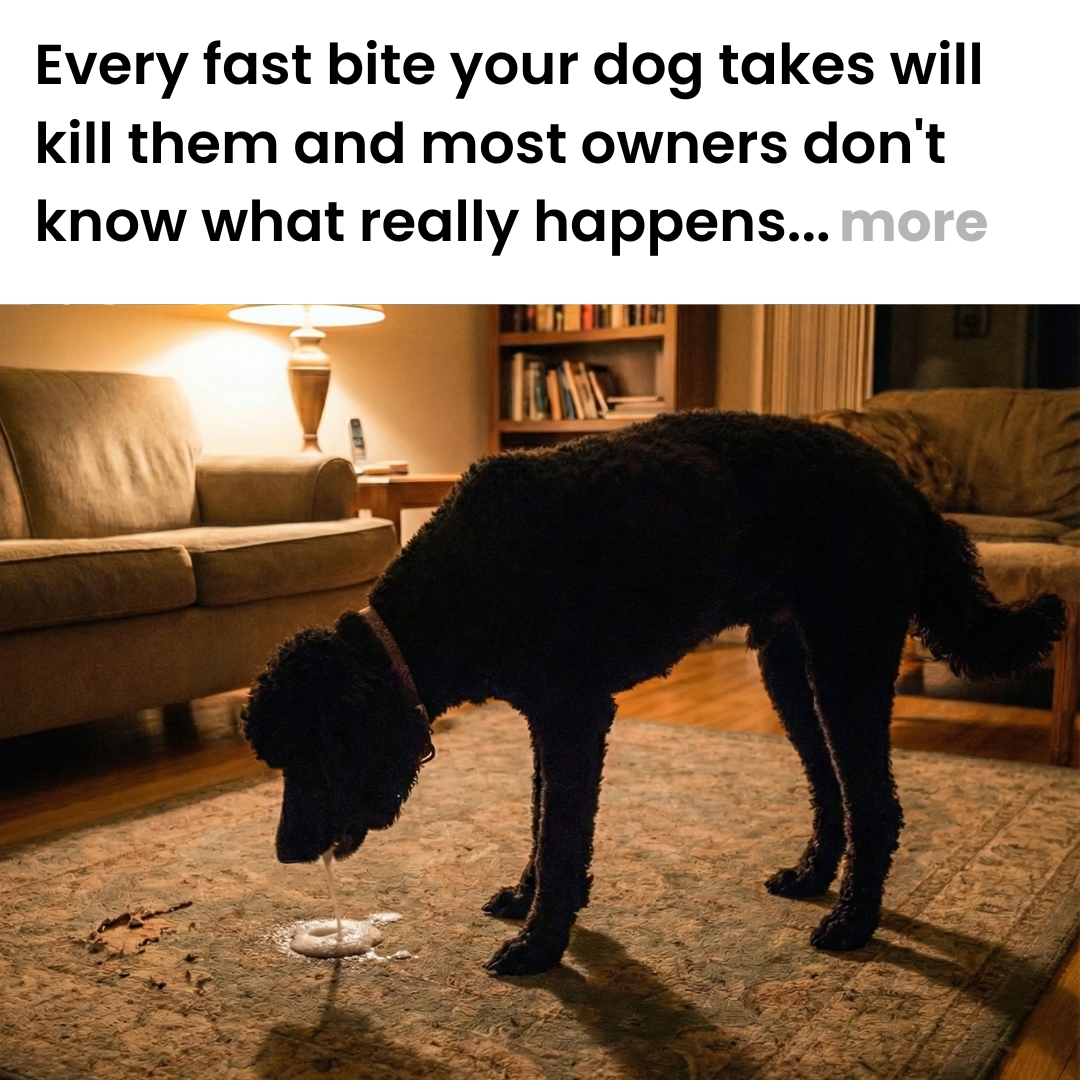
I Love My Poodle Facebook ad: “Read If Your Poodle Eats Too Fast”
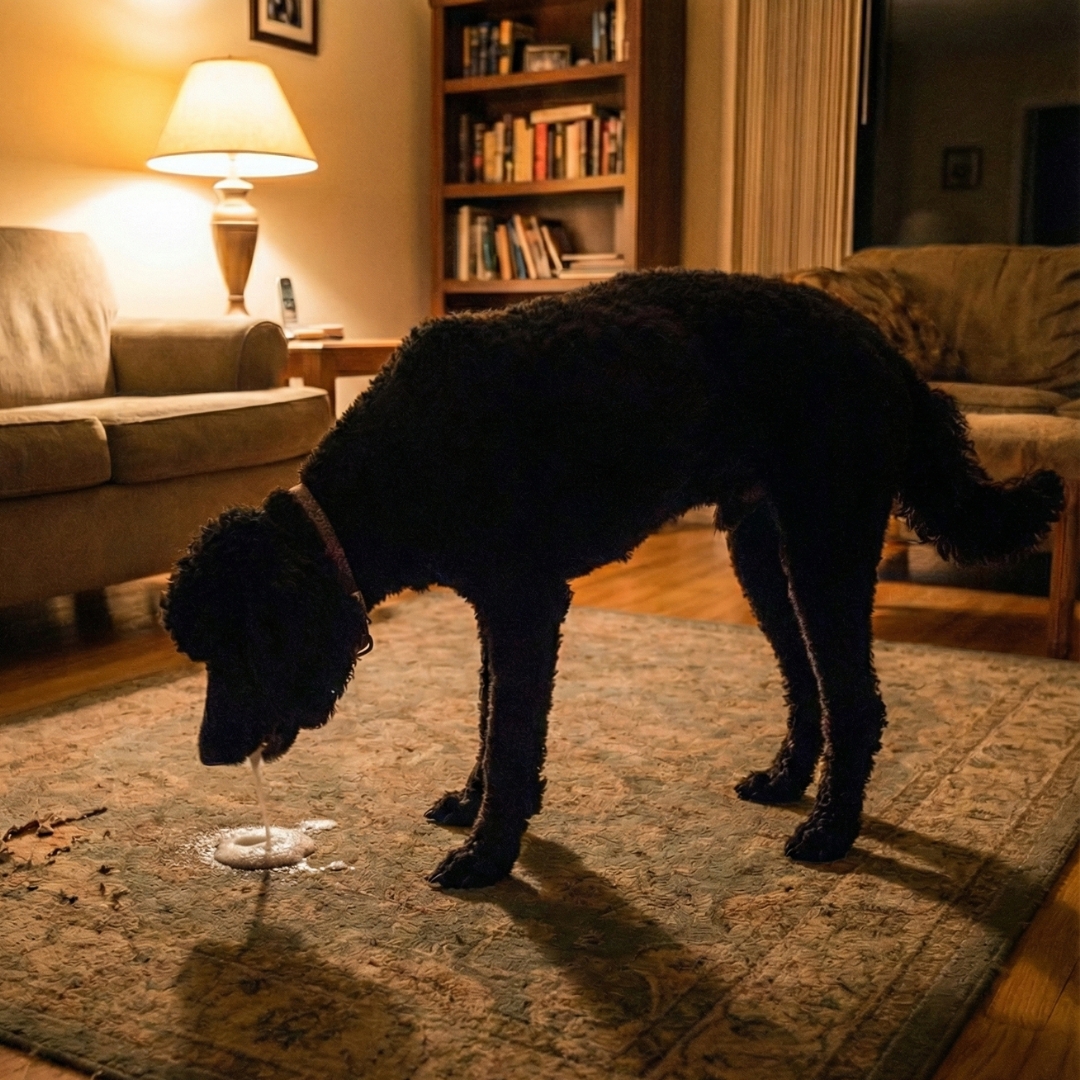
Ran for 26 days, from January 6 to February 1, 2026, the last day Crush saw it.
Run by I Love My Poodle on Facebook. Crush is not the advertiser and does not verify its claims. See this ad in Meta's Ad Library(opens in a new tab)
Want an ad like this for your product?
Crush makes new ad images for your product from this ad: your logo, your product photo, your offer.
Trials from $19.95 USD, then $79.95 USD a month. Cancel anytime.
About this ad
- Meta Ad Library ID
- 905426085344223
- Platforms
- Facebook, Instagram, Audience Network, Messenger and Threads
- Relaunches
- 0
Ad text
At midnight I touched Pemi's swollen belly and my heart stopped. Every poodle owner's nightmare just came for us. If your standard poodle inhales food in under 60 seconds, what I'm about to share could save their life. Sunday night started normal. Our 7-year-old standard poodle Pemi vomited around 7pm. I noticed panting while laying down at 8:30pm. By 10pm—pacing and panting. We'd always joked about how Pemi ate like he was starving. Sixty seconds flat for a whole bowl. "Look at him go!" my husband would say. "He must really love that salmon recipe!" We bought an expensive traditional slow feeder with raised ridges. Top rated. Pemi still gulped frantically. Just took him 2 minutes instead of 60 seconds. I thought we were protecting him. I was wrong. That Sunday, Pemi attacked his slow feeder at 7pm like always. Then hell started. The vomiting. The panting while lying down. The desperate pacing. By midnight, his belly felt like a rock. Tight. Distended. Terrifying. "We need to go NOW," I told my husband. Racing through empty streets at 80mph, Pemi's breathing got shallower in the backseat. The emergency vet took one look and rushed him straight to surgery. "GDV. His stomach has flipped. We have maybe 30 minutes before tissue dies." Four hours later. $6,800. One blood transfusion. Pemi survived by minutes. "Even though we used a slow feeder bowl?" I asked Dr. Stevens, still shaking. Her answer changed everything I thought I knew about dog feeding. "Slow feeders don't prevent air gulping," she said. "They just slow down the speed. Your dog was still in competitive feeding mode." She pulled up Pemi's X-rays. Dark areas of trapped gas. "Every fast meal creates this bomb in their stomach. Your slow feeder slowed him down but didn't stop the gulping reflex." "When food is presented in any pile formation—even in traditional slow feeders—it triggers ancient pack-hunting instincts. Their brain thinks other wolves might steal their food." She showed me a study from the Journal of Veterinary Behavior. Traditional slow feeders reduced eating speed by 40% but only reduced air intake by 10%. The competitive feeding trigger was still firing every meal. For three years, I thought that slow feeder was protecting Pemi. Really, we'd been playing Russian roulette twice a day. During Pemi's recovery week, something happened that saved his life. I was pet-sitting my neighbor's Golden Retriever, Max. Sarah left this strange bowl with circular blade barriers and a note: "Please use this—Max has sensitive digestion." I watched Max eat that first night. Ten minutes of calm, methodical eating. No frantic gulping. No neck lurching. Completely different from Pemi's desperate feeding frenzies. I texted Sarah immediately: "Where did you get this bowl?" "Something called a CalmBowl from Waggier - a US company. Our vet recommended it after Max's near-bloat episode. The blade barriers physically prevent gulping so his brain can't trigger the competitive response." That night, alone in my kitchen with Pemi sleeping off surgery, I researched until 2am. What I discovered changed everything. The rotating blade barrier system doesn't just create obstacles like regular slow feeders. The circular blade channels make scooping physically impossible, forcing dogs to navigate around each barrier and retrieve food piece by piece. Instead of triggering "compete mode," it activates "forage mode." Like hunting for scattered prey instead of fighting over a carcass. No competitive response means no gulping motion. No gulping means no deadly air intake. When Pemi came home with 8 inches of staples, I had the CalmBowl waiting. His reaction was immediate and shocking. Instead of his usual food attack, he paused. Sniffed. Started exploring with deliberate, careful movements. No desperate gulping. No neck lurching. Just calm eating. The meal that used to take 60 seconds took 10 minutes. But here's what made me cry with relief: I could hear the difference. Before: Gulp-gulp-gulp-gulp like he was drowning in his food. Now: Crunch... pause... explore... crunch. The sound of a dog eating safely. Eight months later, Pemi hasn't had a single bloat scare. But I think about other standard poodles every night. The ones whose owners are watching them vacuum dinner right now, thinking it's cute. Not knowing that stomach is filling with deadly air bubbles. Not knowing about the 30-minute death window. Not knowing they're one normal meal away from losing everything. My friend's poodle died from GDV last month. Twenty-five minutes after eating. They didn't make it to the vet in time. She said what I used to say: "I thought he just loved his food." But without that midnight crisis forcing me to learn the truth, I never would have discovered the competitive feeding trigger. Never would have found the solution that actually addresses the real problem. Never would have stopped gambling with Pemi's life twice a day. Your standard poodle might not get lucky like Pemi did. GDV doesn't give second chances. One stomach flip, one 30-minute timer, one desperate race to save their life. Every day you wait is another day of invisible dice rolls. Those gas bubbles don't disappear. They accumulate meal after meal until the wrong moment triggers a deadly flip. The CalmBowl isn't just another slow feeder. It's the special bowl designed with rotating blade barriers that make gulping physically impossible, deactivating the neurological trigger that causes air gulping in the first place. Don't wait for your midnight belly touch that changes everything. Don't wait to hear "if only you'd known sooner." Because now you know.
Where the ad sends people
waggier.com
Read If Your Poodle Eats Too Fast 👆
Waggier
Learn more: waggier.com(opens in a new tab)