Sarah Malone
Sarah Malone Facebook ad: “Read if you own a fridge”
Ran for 46 days, from March 22 to May 7, 2026, the last day Crush saw it.
Run by Sarah Malone on Facebook. Crush is not the advertiser and does not verify its claims. See this ad in Meta's Ad Library(opens in a new tab)
Want an ad like this for your product?
Crush makes new ad images for your product from this ad: your logo, your product photo, your offer.
Trials from $19.95 USD, then $79.95 USD a month. Cancel anytime.
About this ad
- Meta Ad Library ID
- 906337065728890
- Platforms
- Facebook and Instagram
- Relaunches
- 1
- Niche
- Home & Garden
Ad text
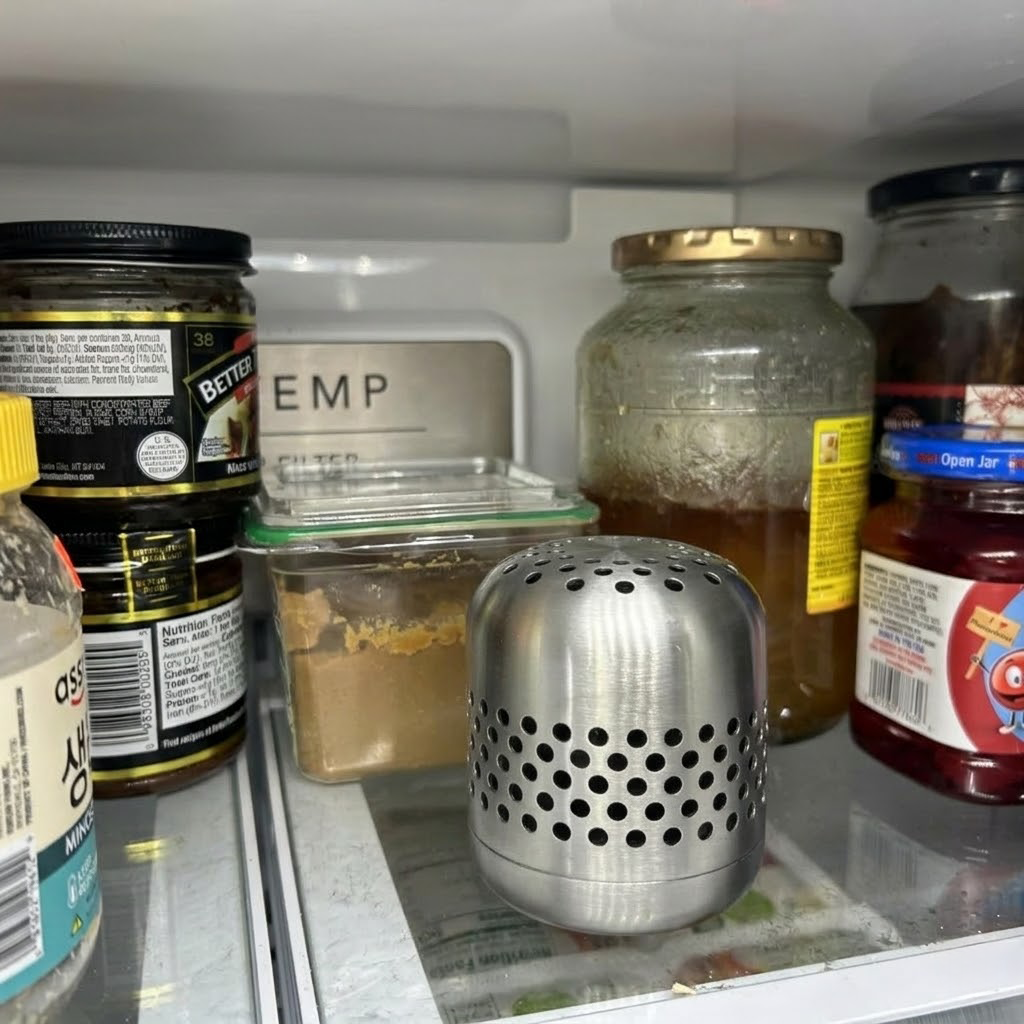
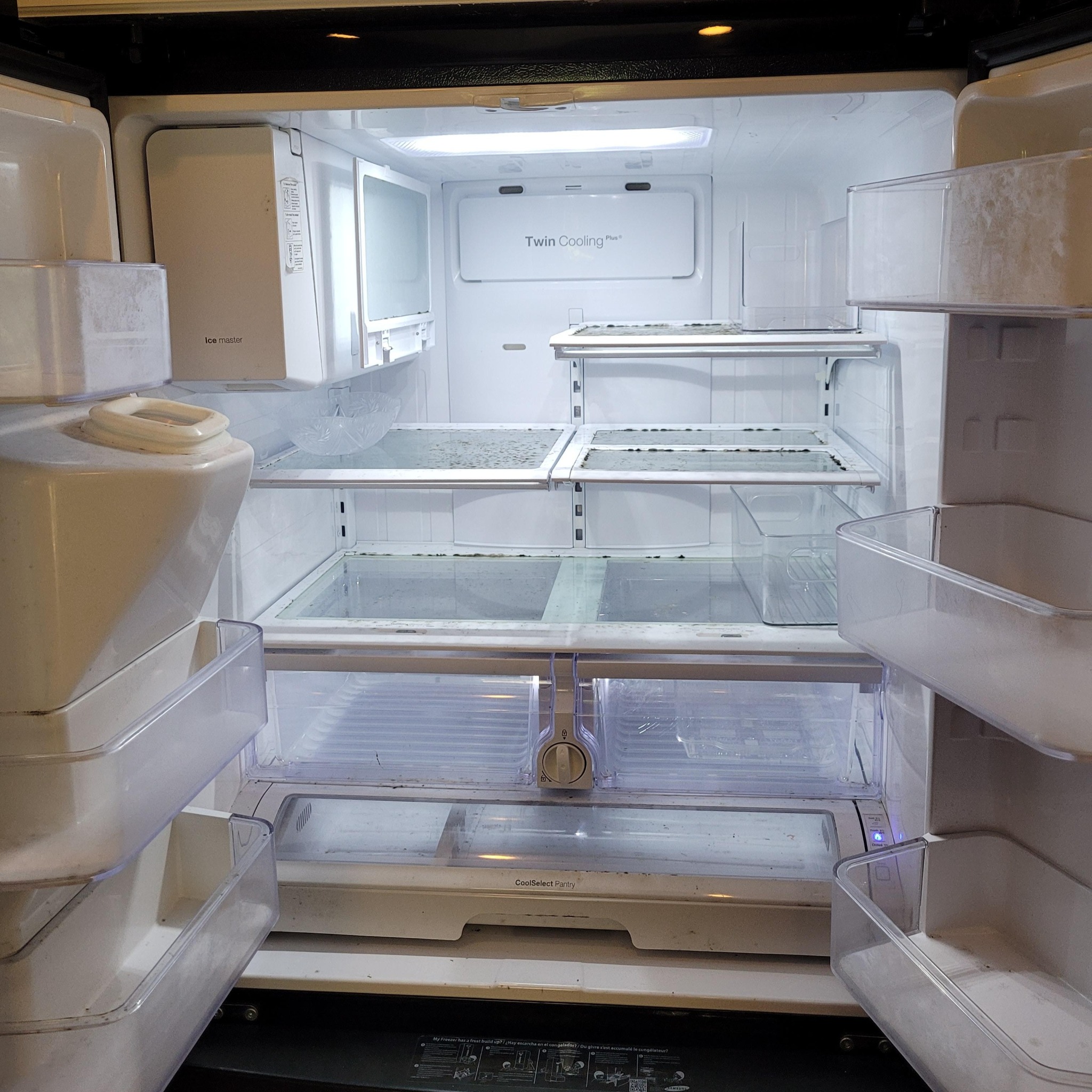
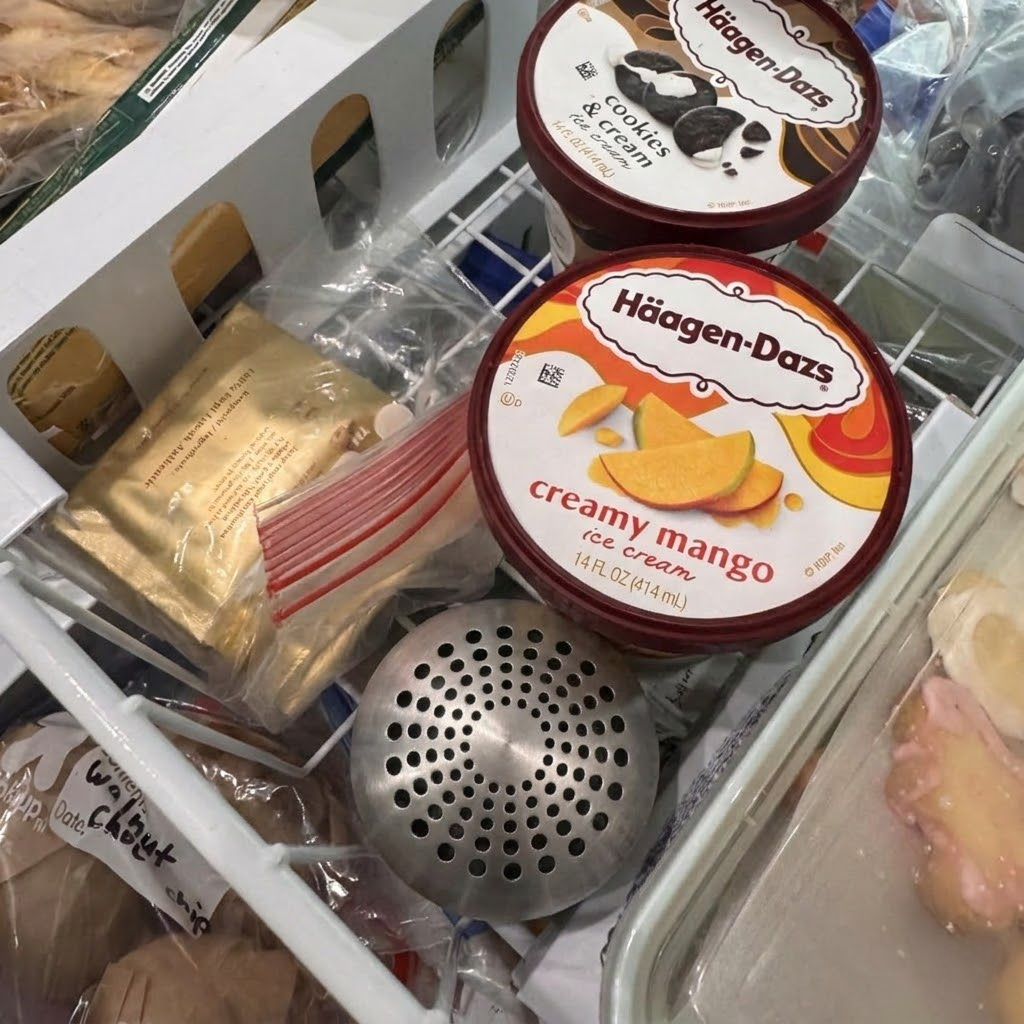
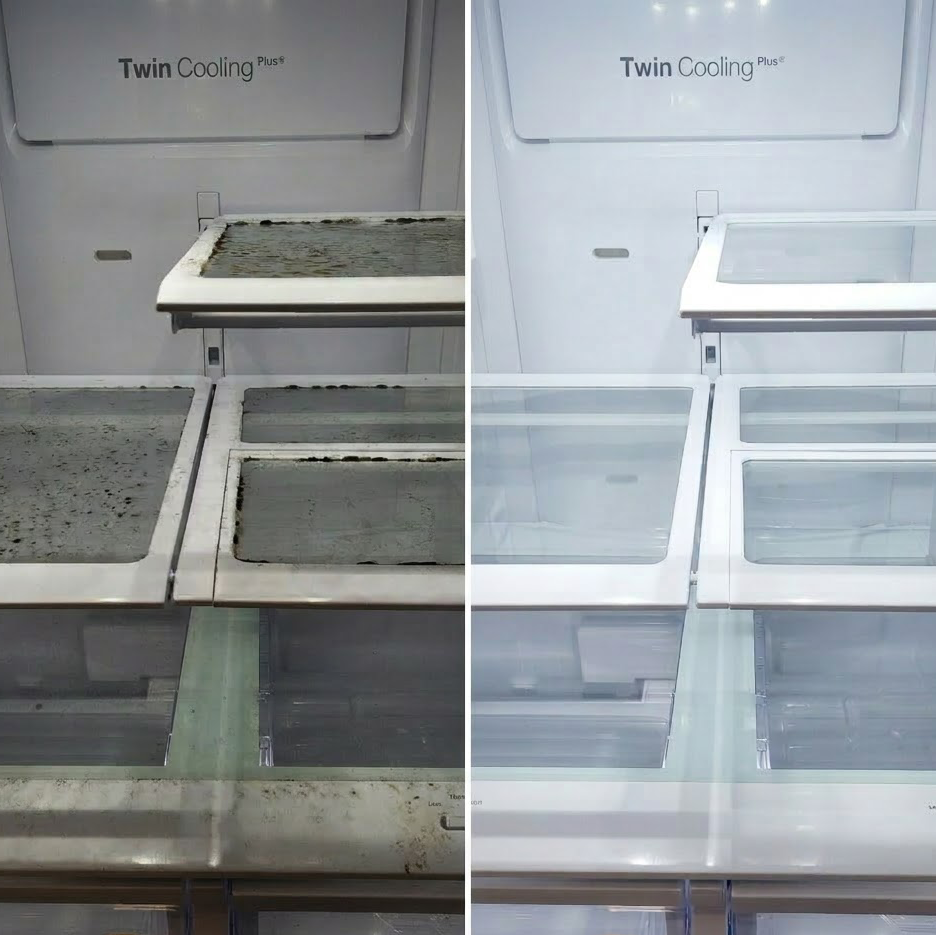
We came home from a week at my parents' house and our refrigerator had been off the entire time and I almost called a dumpster company to haul the whole thing to the curb. An eighteen-hundred-dollar refrigerator. Two years old. Works perfectly. And I was ready to throw it in the garbage because of a smell. My name is Sarah. I'm forty-four. My husband Mike and I live outside Dallas with our two kids. We'd gone to visit my parents for the week. Somewhere during that week, the power cut out and nobody was there to catch it. We don't know when. Could have been day one. Could have been day three. All we know is that when we walked through the front door eight days later, the smell hit me from the hallway. Not the kitchen. The hallway. Mike covered his mouth. My twelve-year-old gagged and ran back outside. My nine-year-old started crying because she thought something had died in the house. Something had. Everything in our refrigerator. Two pounds of ground beef. A pack of chicken thighs. Fish fillets I'd bought the Friday before we left. A full gallon of milk. Yogurt. Deli meat. Produce that had turned into brown liquid pooling in the crisper drawer. Eight days with no power. The smell was beyond anything I've ever experienced. Thick. Sweet. Rotten. The kind of smell that gets into your throat and stays there for hours after you've left the room. I tied a shirt around my face, grabbed a trash bag, and started pulling things out. Blood from the thawed meat had leaked through every shelf and dripped down into the drip tray underneath the fridge. Liquefied vegetables had pooled in the crisper drawers. Something in the door had burst open and run down the entire interior panel. It took me three hours to empty everything and bag it up. Then the real work started. I pulled out every shelf. Every drawer. Every removable piece. I scrubbed the inside with hot water and dish soap. Then bleach. Then a vinegar solution. Then a baking soda paste. Mike wiped down every gasket with a toothbrush. We cleaned the drip tray. We left the doors open overnight with a fan blowing inside. The next morning I walked into the kitchen hoping for a miracle. The smell was still there. Fainter. But absolutely still there. That flat, sour, rotting undertone that lived underneath whatever cleaning product we'd just used. I went to the hardware store and bought activated charcoal. Put bowls of it on every shelf. Closed the door. Waited three days. Still there. I bought four boxes of baking soda. Spread them on baking sheets to maximize surface area like somebody online suggested. Closed the door. Waited four more days. Still there. Mike stuffed the entire fridge with crumpled newspaper. We waited a week. Still there. I tried coffee grounds in every compartment. I tried vanilla extract on cotton balls. I tried hydrogen peroxide. I tried an enzyme cleaner designed for pet urine. Three and a half weeks of trying everything anyone on the internet had ever suggested. The smell would fade slightly after each attempt then creep right back within a day or two. Every single time. I was standing in the kitchen at eleven o'clock on a Tuesday night seriously looking up the price of a new refrigerator. Eighteen hundred dollars. For a fridge that runs perfectly. That cools perfectly. That has absolutely nothing mechanically wrong with it. Eighteen hundred dollars because of a smell I couldn't get rid of. We didn't have that money. We'd just spent a week traveling. We'd lost over four hundred dollars in groceries. Insurance said the fridge wasn't covered because it wasn't damaged — it was just smelly. Just smelly. I wanted to scream. That same night, somewhere around midnight, I stopped looking at new refrigerators and started reading about why the smell wouldn't go away. That's when I found something that changed everything I understood about what was happening inside my fridge. The smell wasn't floating in the air. It had been absorbed into the plastic. The interior liner of a refrigerator is made of molded plastic. When organic material decomposes and produces volatile compounds at warm temperatures over multiple days, those compounds don't just sit on the surface. They penetrate the porous structure of the plastic itself. The gaskets absorb it. The shelf surfaces absorb it. The drainage channels absorb it. And once it's in there, it slowly off-gasses back into the refrigerator air. Continuously. Day after day. That's why every absorption product failed. Baking soda, charcoal, coffee grounds, newspaper — they all work the same way. They absorb odor molecules from the air. But the plastic keeps releasing new odor molecules faster than any absorption product can capture them. It's a race that absorption can never win. Every product I used would absorb until it was full. Then it would just sit there while the plastic kept off-gassing. And the smell would come right back. I wasn't failing. The approach was fundamentally wrong. Every single suggestion anyone had given me — every article, every video, every well-meaning neighbor — was based on the same flawed principle. Absorb the smell. You can't absorb your way out of a problem that's embedded in the material itself. I kept reading. At twelve-thirty I found what commercial cold storage facilities use when they have contamination events. Not absorption. Not filtration. Catalytic decomposition. A process that doesn't try to capture odor molecules. It destroys them. Breaks them apart at the molecular level into water vapor and carbon dioxide. The key difference is that catalytic decomposition works continuously and never saturates. It doesn't fill up. It doesn't stop working. It destroys molecules as fast as the plastic releases them. Over time, the plastic exhausts its absorbed compounds. The catalytic device keeps destroying what comes out. The source depletes. And the smell disappears permanently. This is standard technology in every commercial food warehouse in America. It's used in hospital surgical suites. It's used in pharmaceutical clean rooms. Someone had finally miniaturized it into a stainless steel cylinder that fits on a refrigerator shelf. No electricity. No filters. No maintenance. A nano-catalytic core that runs continuously for ten years. I ordered one at twelve-forty-seven in the morning. It arrived two days later. I placed it on the middle shelf of my empty, clean, still-smelly refrigerator and closed the door. The next morning I opened it. I stood there for a long time. The smell was gone. Not masked. Not underneath something else. Not faintly lingering. Gone. The air inside smelled like absolutely nothing. Clean. Neutral. Like a refrigerator that had never held a single piece of food. I called Mike over. He opened the door. Closed it. Opened it again. He looked at me and said what did you do? I put a steel cylinder on a shelf. That's what I did. By the end of the week we had restocked the fridge completely. Meat, produce, dairy, leftovers. Nothing absorbed any smell. Nothing tasted off. The strawberries I bought on Monday were still firm on Friday. That was four months ago. The smell has never come back. Not a trace. I ordered two more the following week. One for our garage mini fridge that Mike uses for drinks and leftover barbecue. That thing had its own smell long before the power outage. He opened it the morning after I placed the device inside and just stood there. Didn't say a word. Just looked at me and nodded. The other one I sent to my mother. She'd been complaining about her fridge smell for over a year. Baking soda every month. Charcoal bags on every shelf. Vinegar wipes every Sunday. Nothing worked. She called me two days later. Sarah, she said. It's gone. What did you put in here? A steel cylinder, Mom. That's it. An eighteen-hundred-dollar refrigerator. Saved by a device that cost less than what we lost in groceries that week. I've since given one to my neighbor whose garage freezer lost power while they were on vacation. She'd been keeping it unplugged with the door open for six weeks hoping the smell would air out. It hadn't. She put the device in on a Thursday. By Saturday the freezer was clean. My sister had a chest freezer full of meat that lost power during a storm last winter. Same story. Bleach, charcoal, vinegar, coffee grounds, weeks of trying. She put the device in and the smell was gone in forty-eight hours. The device is called CoolerFresh. The company offers a sixty-day money-back guarantee. If you've come home to a dead fridge after a trip. If your breaker tripped while you were away. If the power went out during a storm and you didn't know until it was too late. If you've tried everything and the smell won't leave. You are not crazy and it is not your fault. The products you've been using were never designed to solve a problem that's embedded in the material of your refrigerator. This one is. Don't throw away a perfectly good appliance over a smell. CoolerFresh has sold through their inventory multiple times this year. You won't find it in any store. Click below to check if it's still available. Your fridge isn't broken. It just needs the one thing that actually works.
Where the ad sends people
alghamri.com
Read if you own a fridge ☝️
Struggling with chronic cough from smoking? ALGHAMRI's portable mesh nebulizer provides effective respiratory relief anywhere, anytime. Compact, easy-to-use design delivers targeted treatment to help manage persistent coughing. Breathe easier with our medical-grade nebulizer solution.
Learn more: alghamri.com(opens in a new tab)