
Inactive· since Feb 10, 2026
- 9
- days it ran
- 0
- relaunches
Ad copy
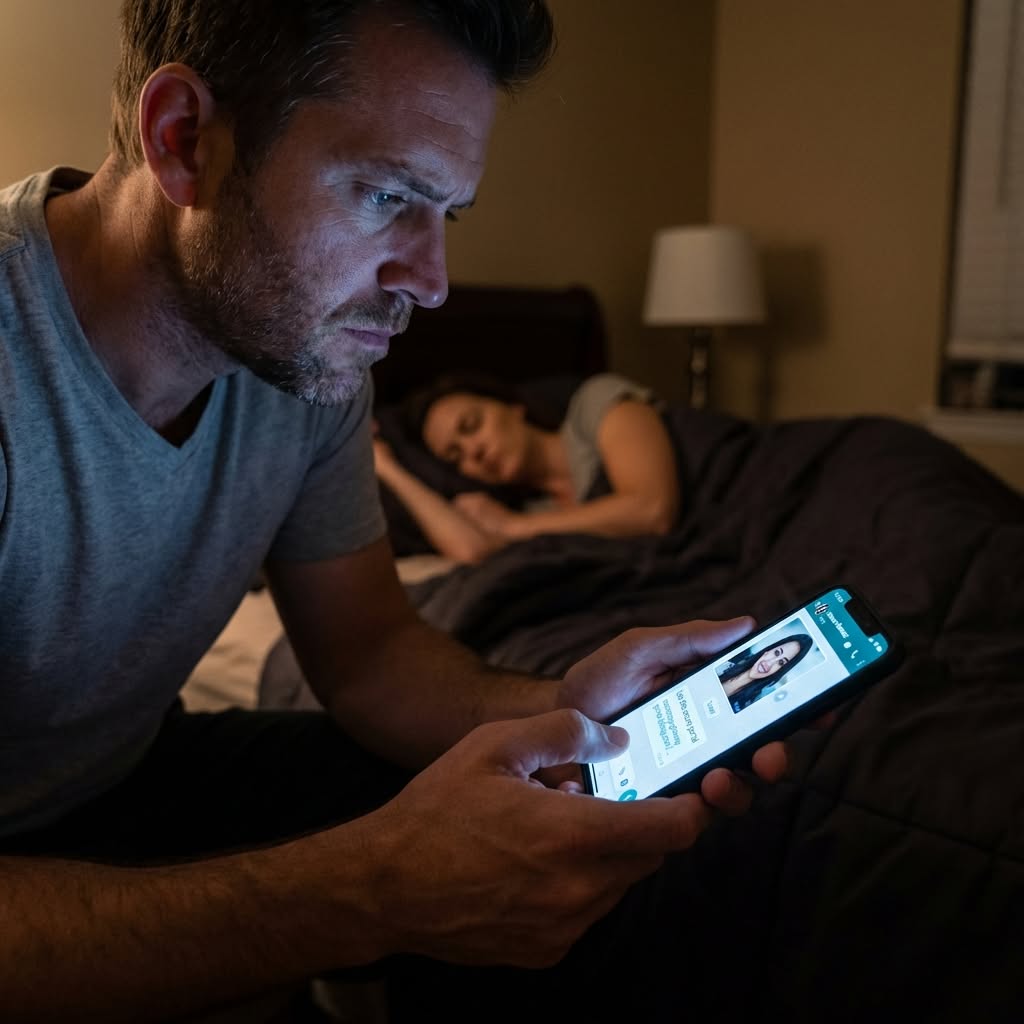
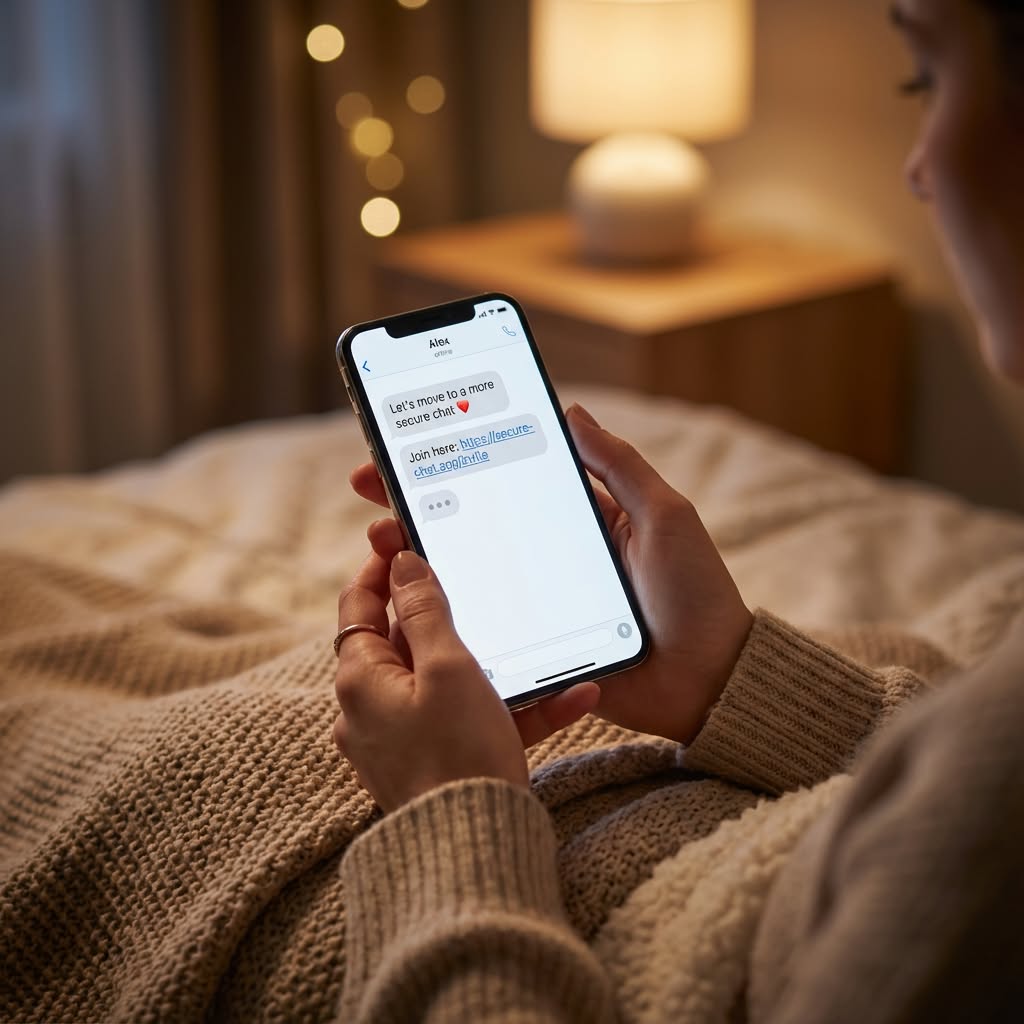
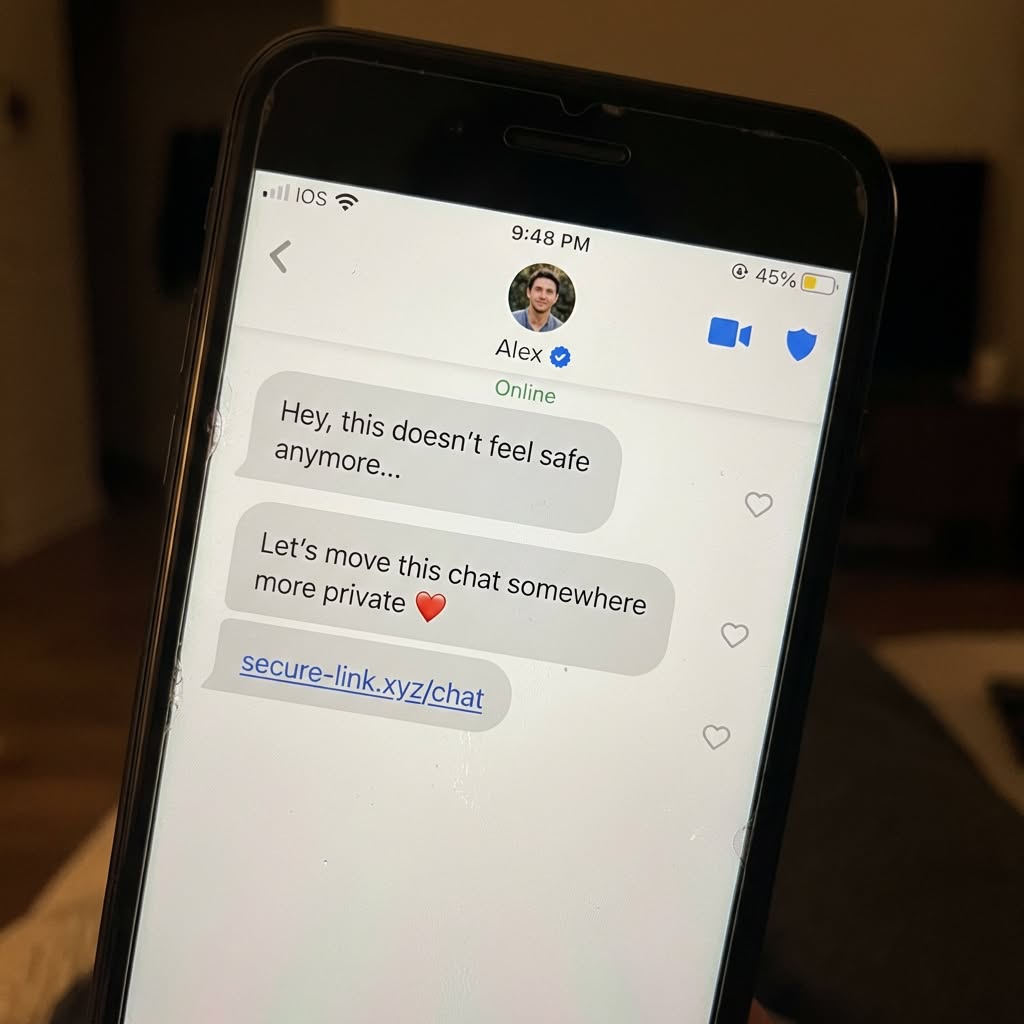
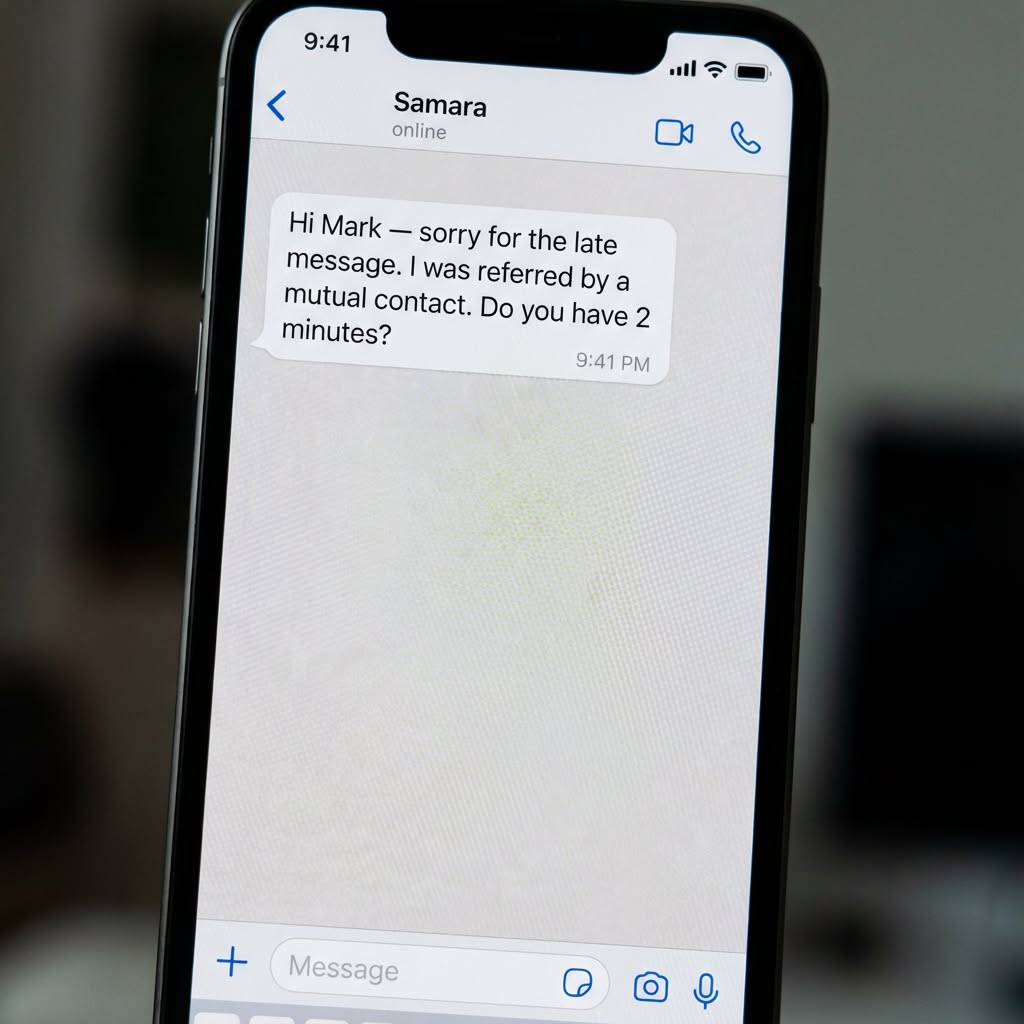
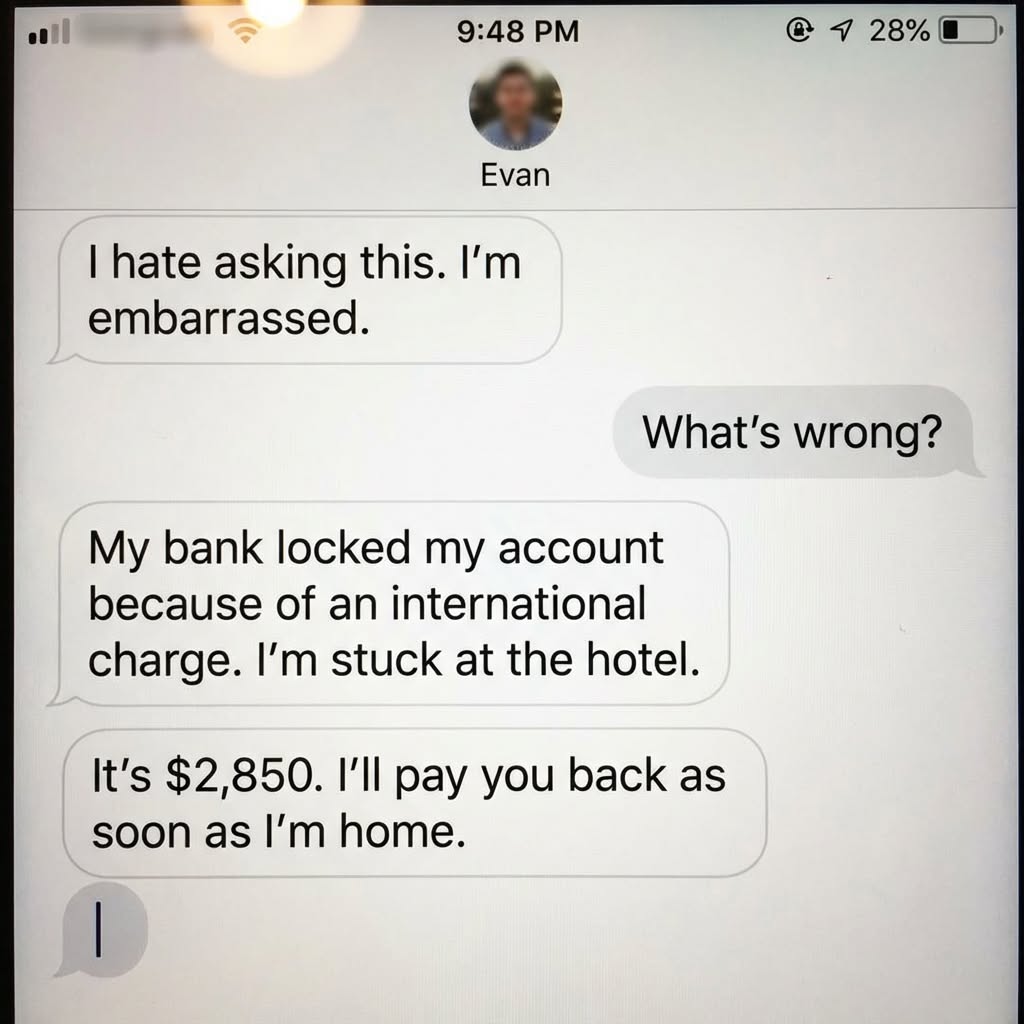
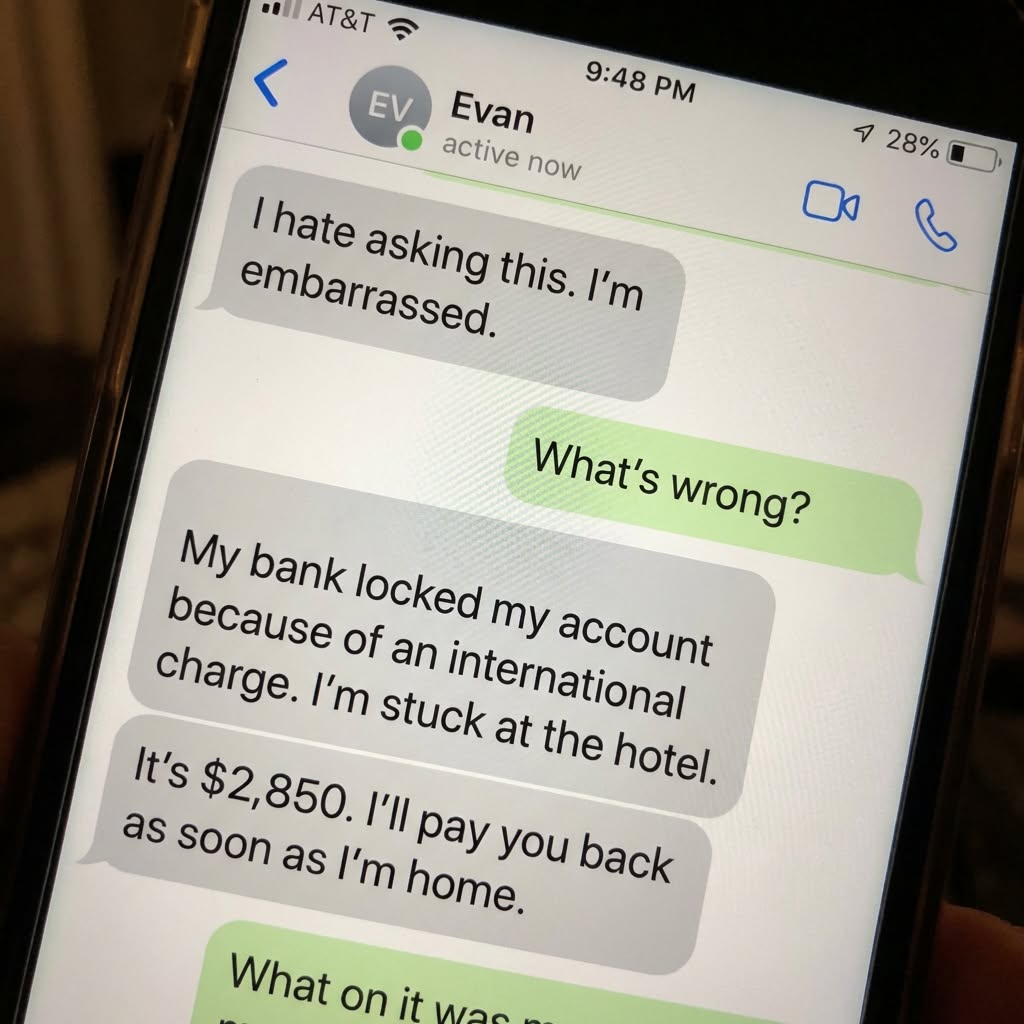
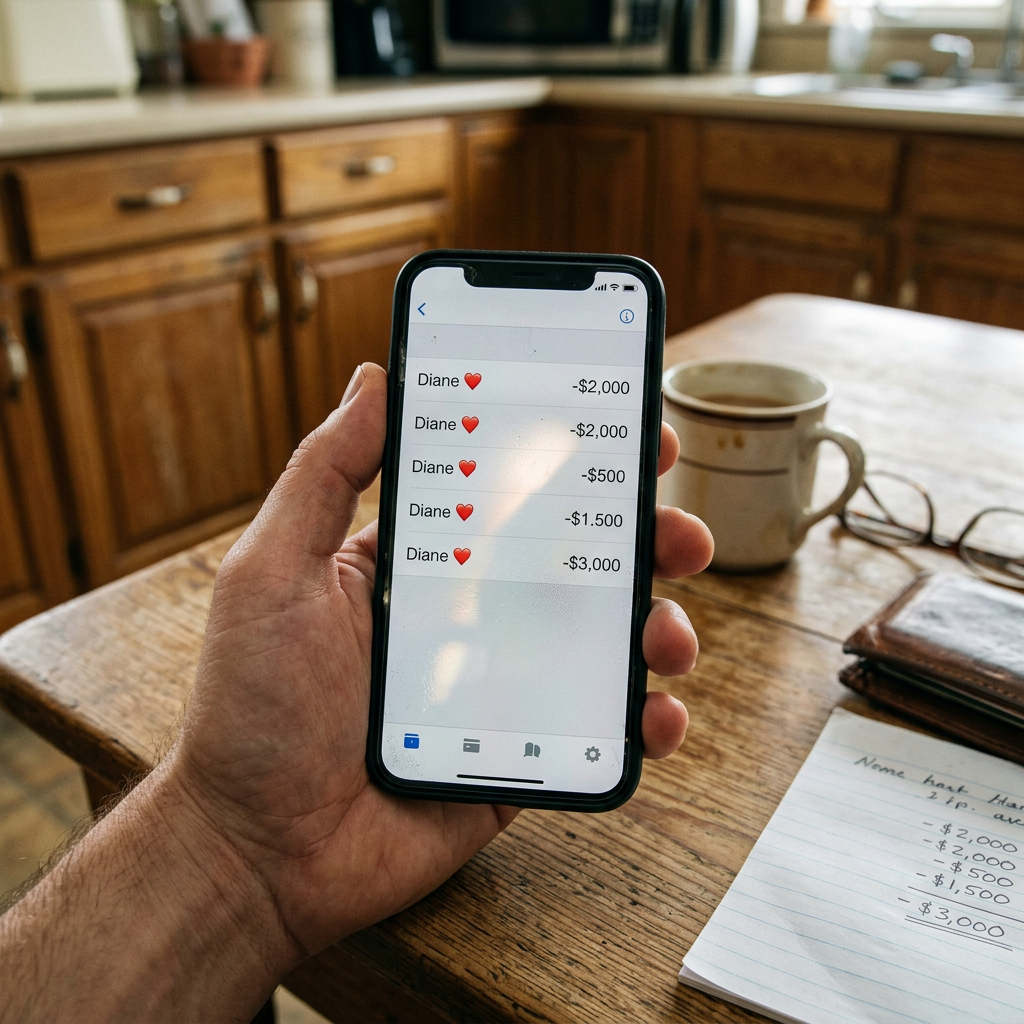
I didn’t get scammed in the way people talk about. No drained account, no stolen card. What I got was worse: I got pulled in. Men like me — alone, older, grieving — don’t always see the trap for what it is. We mistake attention for affection. We mistake flattery for connection. And that’s all someone like Samara needs. That was when her message appeared. “Hi, David. I hope you contact me.” Her name was Samara. Her profile picture showed a woman with long dark hair, flawless skin, and a smile that seemed to radiate warmth. She looked younger than me by at least twenty years. A part of me knew immediately it couldn’t be real. Too good to be true. A scam, maybe. But I didn’t delete it. I stared at her picture too long. Since my wife Linda passed away, the evenings had been lonely. My daughter Emily visited when she could, the grandkids kept her busy, but most nights it was just me, the dog, and the sound of the refrigerator humming. Seeing someone — anyone — reach out to me directly made something stir inside I hadn’t felt in years. I didn’t click anything. But I did type back. “Hello.” Her reply came quickly. “I’m glad you wrote back. I saw you in a group we both follow. You seem kind.” Kind. Not handsome, not strong, not the cheap compliments spam usually throws around. Just kind. We kept talking. At first it was small things. She told me she was a nurse working abroad for a few months. She loved gardening, reading, traveling. She said her family was back home and she was lonely. I told her about Emily, about my little garden, about the dog snoring at my feet. She responded like she cared. She told me I sounded strong, that she admired me. That night, I closed the laptop with a smile I hadn’t worn in years. The next morning, there was a new message. “Good morning 🌞.” That night, another. “Sweet dreams ❤️.” And then the day after. And the next. It became routine. Coffee in the morning with her words. Tea in the evening with her messages. She asked about my day, remembered the little details. She wanted to know about Linda, and when I told her, she sent back words that felt like a balm: “She was lucky to have you. You must have been such a good husband.” It warmed me and it hurt, both at once. Emily noticed. One Sunday afternoon she caught me grinning at my phone. “You’re glowing, Dad,” she teased. I tried to brush it off. “Just someone I’ve been chatting with.” “Online?” she pressed. “Through one of my groups. Her name’s Samara.” Emily frowned. “Dad… you know there are romance scams everywhere now, right? Please be careful. They take stolen pictures, they make up fake stories, they trick people into sending money.” I sighed. “She’s not like that, Em. We’re just talking.” She didn’t argue, but I saw the worry in her eyes. I kept writing to Samara. Weeks passed. She told me more about herself. She said she grew up in a small town, that her father had been strict but loving, that she wanted a family of her own one day. She sent selfies — sitting in a café, standing in a garden, holding a mug with the words Love You More. They looked real. She looked real. And then one night, she wrote: “David, I don’t like chatting here. Too many people watching. Let’s talk somewhere more private ❤️.” She sent me something to open. It looked neat. Official enough. My hand hovered over it. Then a small warning appeared on my screen. ⚠️ This site may be unsafe. I froze. I told myself maybe it was a mistake. Maybe it was nothing. I didn’t confront Samara. I ignored it and changed the subject. She didn’t push. Instead, she grew sweeter. She told me she thought about me all the time. That she felt safe talking to me. That maybe one day we could meet. Her words were intoxicating. I hadn’t felt wanted in years. But Emily’s warnings kept gnawing at me. When she visited again, she tried to bring it up. “Dad, I don’t like this. She’s too young, it’s too fast.” “She’s kind,” I said. “Dad, please. These people know exactly what to say. That’s their job.” “She’s not like that!” The anger in my voice surprised even me. Emily’s expression softened, but her eyes were full of worry. That night, Samara messaged me again. “Darling, I’m embarrassed to ask this, but I need your help.” My heart sank. “I can’t access something for a couple days. I just need a quick favor. Could you help? I’ll pay you back right away.” She sent another link. My pulse raced. She had shared so much with me, told me so much. How could I say no? I hovered over it. And again, the warning appeared. ⚠️ This site may be unsafe. “Samara,” I typed, “my browser is warning me about that link.” Her reply was sharp, immediate. “Don’t you trust me? After everything I’ve shared? Maybe you’re just like all the others. Maybe you don’t really care.” Guilt stabbed at me. But something shifted. I did something I should’ve done earlier. The same face appeared again and again. Different names. Same pictures. Samara wasn’t real. The messages turned bitter when I didn’t comply. “You’ll regret this.” “I thought you were different.” And then silence. Her account vanished overnight. I sat staring at the empty screen, shame burning in my chest. I’d almost given her everything. I’d almost lost more than money. I couldn’t sleep that night. I lay in bed staring at the ceiling, replaying her words in my mind. The way she called me darling. The way she said she felt safe. The way she slipped that link into the middle of her story like it was nothing. In the morning, Emily called. “Morning, Dad. Did you sleep?” “Not much.” “What happened?” I told her everything. About the request. About the links. About the warnings. About how the profile disappeared. There was silence on the other end, then she sighed. “Dad… these people are professionals. They know exactly how to find a weak spot and press on it.” “If it weren’t for that warning,” I said quietly, “I nearly clicked.” “You didn’t,” she reminded me. “That’s what matters.” That evening, I went back online out of habit. My inbox was empty. But there were others. New profiles. Friendly greetings. Photos that looked just a little too perfect. One message read: “Hello dear. You look kind. Can we talk?” I didn’t answer. The nights were long again. Quiet. Lonely. I hated to admit it, but I missed Samara. Not the person. The illusion. A few days later, Emily came by with groceries. As she put them away, she said gently, “You know, Dad, if you want to meet someone, there are safer ways. You just need to slow down. To question things. To listen when something feels off.” “I promise,” I said. That night, I saw her name again. Samara. New profile. Same photo. Same smile. A message appeared. “Hi David. Did you miss me? ❤️” My stomach dropped. I blocked the account without replying. And that’s when I understood something. This wasn’t about one person. It was about a pattern. I still think about Samara sometimes. Not because I miss her — but because I remember how close I came. How real it felt. How badly I wanted to believe. And I remember the moment that stopped me — simple and quiet: ⚠️ This site may be unsafe. That moment changed everything. The next time my phone buzzes with a stranger’s too-perfect words, I won’t just have hope. I’ll have caution. And if you’re reading this, wondering if it could happen to you — believe me: it can. It almost happened to me. Don’t let a scammer write your love story.
Click to Read 👉
LEARN MORELike this ad? Make it yours.
Crush rebuilds this exact creative around your product — your brand, your colors, your offer — in about a minute.