
Inactive· since Mar 10, 2026
- 23
- days it ran
- 0
- relaunches
Ad copy
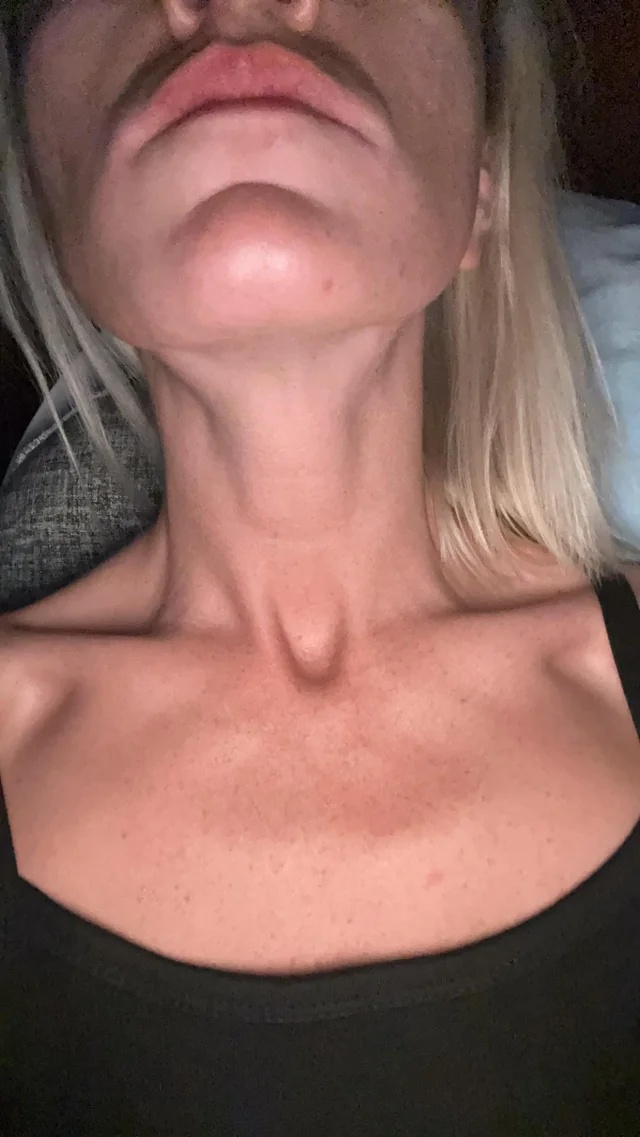
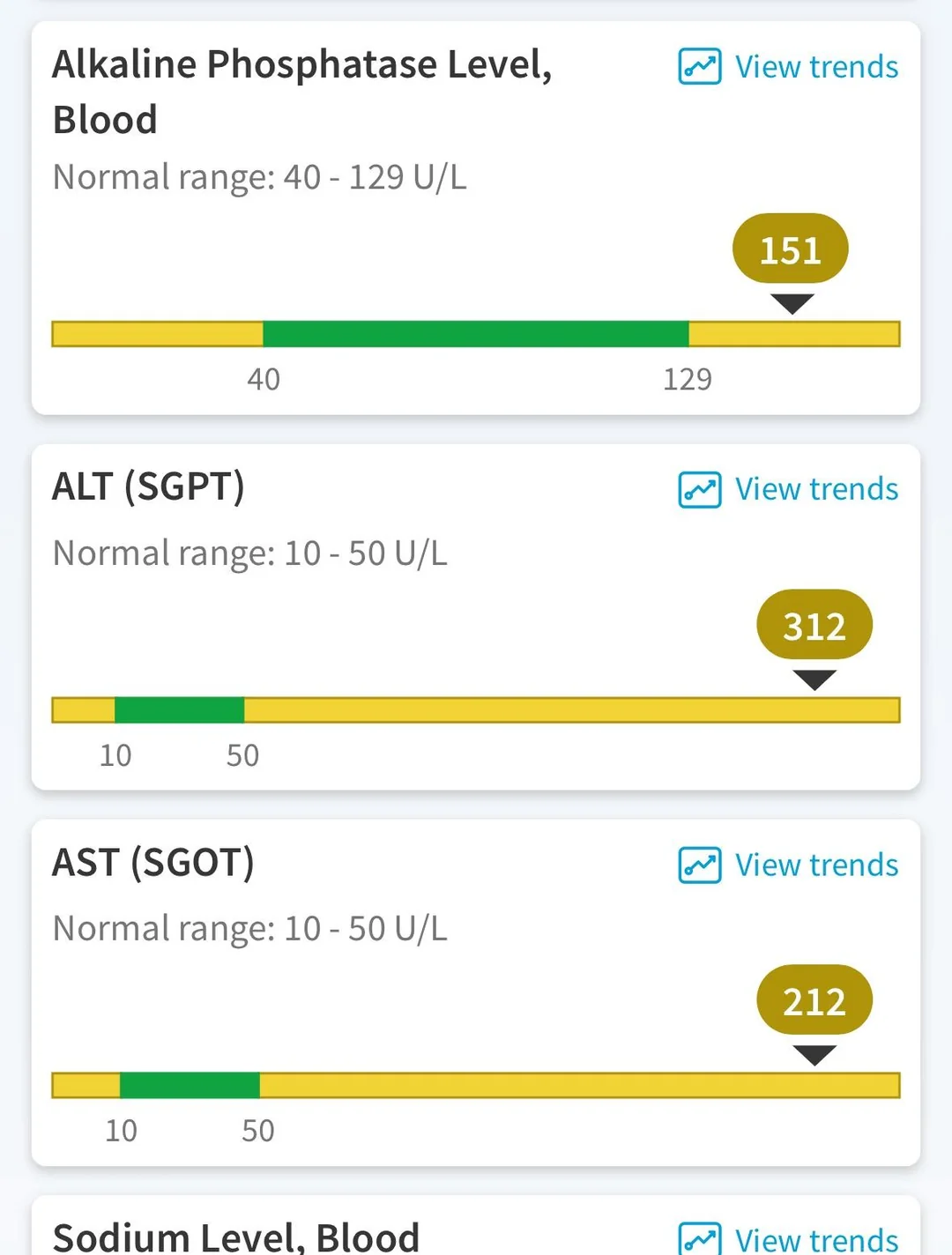
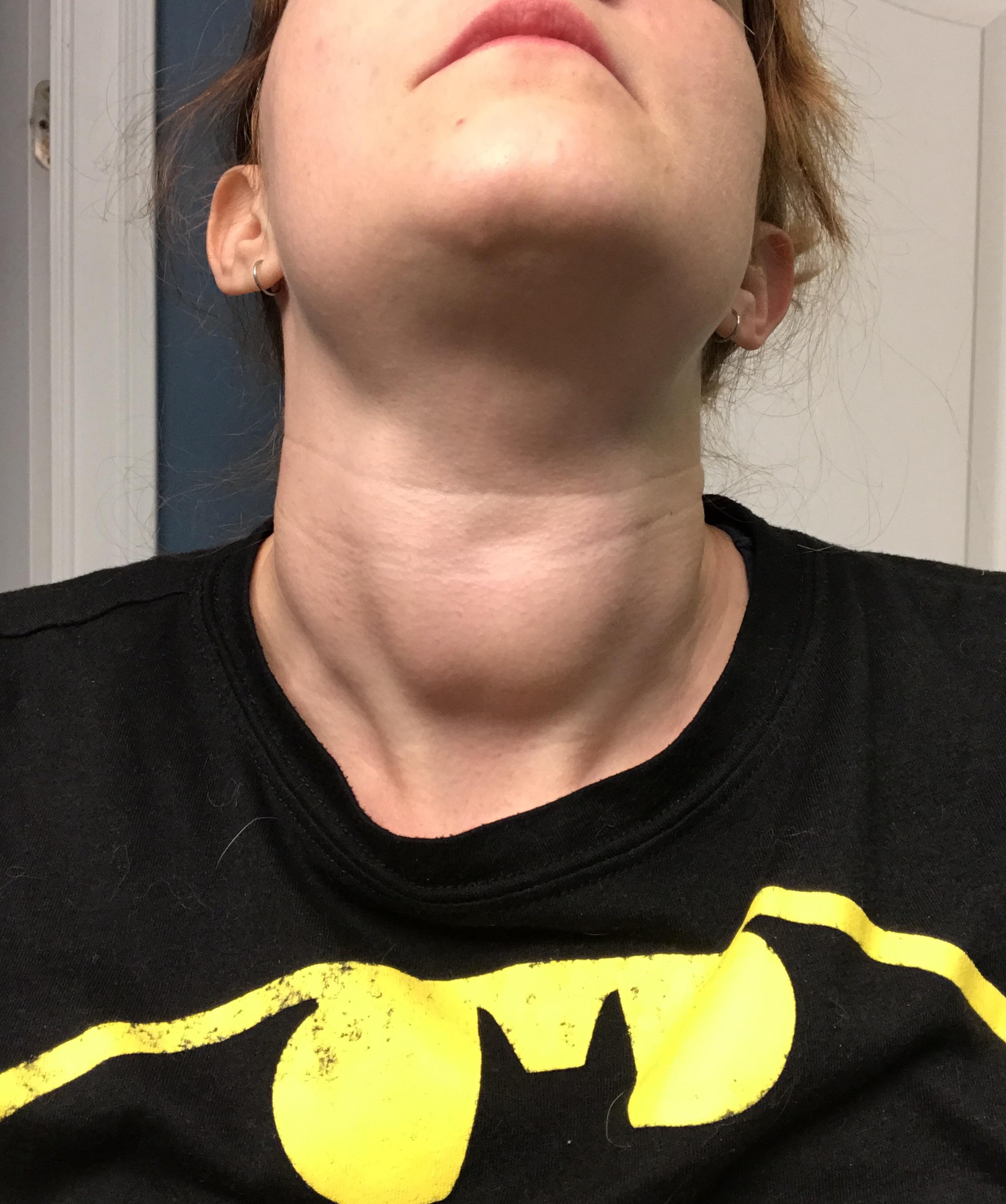
It was a Saturday morning this January when I walked into the bedroom and found my sister sitting on the edge of the bed, fully dressed, staring at the wall. Not crying. Not sleeping. Not reading. Just sitting. Staring. Like the lights were on but nobody was home. "Laura? LAURA." I touched her shoulder. She flinched. Looked at me like she didn't recognize me for a second. "Oh. Hey. Sorry. I was just... sitting." She'd been sitting there for two hours. Fully dressed for a brunch she'd planned herself. Hadn't moved. Hadn't left. Just sat there. That's when I knew something was seriously wrong. Not the kind of wrong you mention at a doctor's appointment. The kind of wrong where the person you love is disappearing in front of you and nobody in the medical system seems to notice or care. Laura is 46. A teacher. The most organized, energetic, sharp person I've ever known. She used to plan everything — birthdays, holidays, road trips, lesson plans six weeks in advance. She was the person everyone called when they needed something handled. Three years ago, she was diagnosed with Hashimoto's thyroiditis. Put on levothyroxine. 100 micrograms, then 112, then 125. Her TSH was "managed" the entire time. Every six months, her endocrinologist pulled up the labs, smiled, and said "looks great." But Laura wasn't great. She was vanishing. The exhaustion came first. Not tiredness — a bone-deep fatigue that sleep couldn't touch. She'd sleep ten, twelve hours and wake up like she'd run a marathon in her dreams. By 2pm every day, she was done. Collapsed on the couch. Eyes glazed. Unable to form complete sentences. Then the weight. She was eating 1,200 calories a day. Walking four times a week. And gaining. Fifteen pounds the first year. Then twenty-five. Then thirty-five. Her doctor told her to "try eating less." She was eating 1,200 calories. Less than what? The brain fog terrified her more than anything. She's a teacher — stands in front of 30 kids every day. She started blanking on words she'd used ten thousand times. Would stop mid-sentence and just... freeze. Her students noticed. Her principal noticed. The hair. Clumps in the shower every morning. Ponytail half the size it used to be. Outer third of her eyebrows gone. She started wearing scarves. Then hats. Then she stopped looking in mirrors altogether. And her face — the puffiness that crept in so gradually I didn't notice until I saw a photo from two years ago and almost didn't recognize her. Swollen. Round. A different person. But her TSH was 2.4. "Within normal range." Her endocrinologist smiled at every appointment. And Laura was dying inside a body that looked "fine" on paper. That Saturday morning — finding her sitting on the bed, staring at nothing, unable to move for two hours — was my bathroom floor moment. Not a medical emergency. Something worse. The moment I realized my sister had given up. "I can't do this anymore," she said quietly. "I'm so tired of being tired. I'm tired of gaining weight while starving. I'm tired of losing my hair. I'm tired of forgetting words. I'm tired of doctors telling me I'm fine." Her voice cracked. "I just want to be me again. And I don't think that's coming back." I've never felt so helpless in my life. Because here's what haunts me — I'd watched this before. Our mother had Hashimoto's for 20 years. Same medication. Same "stable" labs. Same smile from her endocrinologist every six months while she disappeared. Lost her hair. Lost her job. Lost 20 years of her life to fatigue and brain fog and puffiness that nobody could explain because her TSH was "normal." Mom spent the last decade of her life on the couch. "Well-managed." And now Laura was following the exact same path. I refused to let it happen again. That week, I became obsessed. Not with accepting this. With understanding it. I researched everything Laura had already tried: She'd been on levothyroxine for three years — numbers "perfect," symptoms worsening every quarter. She'd taken selenium for 18 months. Her antibodies dipped for six weeks then climbed right back above 800. She went gluten-free for eight months. Bloating improved slightly. Everything else — fatigue, weight, hair, fog — exactly the same. Ashwagandha for six months. Energy improved for two weeks, then nothing. The full supplement stack — selenium, zinc, magnesium, B12, vitamin D, iron, CoQ10. Eight bottles on her bathroom counter. Over $120 a month. AIP diet for four months. The most restrictive elimination diet that exists. Lost six pounds. Reintroduced one food. Everything came right back. None of it worked. None of it even came close. I was exhausted and terrified, watching her face every morning for any sign of the light coming back behind her eyes. That's when I found a Hashimoto's support group online. Post after post mentioned the same thing: lymphatic drainage. But these weren't theories — they were recovery stories: "My TPO antibodies dropped from 920 to 280 after we addressed the drainage around my thyroid instead of just supplementing the gland." "Three years post-diagnosis, Free T3 in the upper third of the range, and my endocrinologist credits whatever I'm doing for the turnaround." "The only approach that actually addresses WHY thyroid medication fails so many women. It's not about replacing the hormone — it's about draining the congestion that's preventing the hormone from reaching your cells." I was skeptical but desperate. Laura's life — not her physical life, her REAL life, her identity, her joy, her presence — depended on something changing. They all mentioned the same formula. Sculptique. Eight compounds specifically targeting cervical lymphatic drainage around the thyroid. I ordered it that night. Gave it to Laura with low expectations. Another gamble. But something was different about this one. It wasn't trying to "support" the thyroid gland. It was designed to drain the system surrounding it. Echinacea to modulate immune function at the cervical lymph nodes directly surrounding the thyroid. Cleavers to sweep waste through congested drainage channels. Dandelion to flush the trapped fluid causing her puffiness. Bromelain to dissolve the fibrin deposits blocking the drainage vessels. Burdock for gut and liver conversion support. Rutin to seal the leaking capillaries flooding her tissue with fluid. Lemon Peel for lymphatic flow. Kelp with Fucoxanthin — not for iodine, trace amount — to cool the inflammatory pathway driving both the autoimmune attack and the drainage damage. All working together to restore what her thyroid actually needed — the ability to drain. Laura's improvement shocked us both. The first two weeks — honestly, not much. She almost stopped taking it. I told her to give it eight weeks minimum. By week three, the brain fog started lifting. She was mid-conversation and realized she hadn't lost a single word. Hadn't blanked. Hadn't drifted. She called me that evening. "Something is happening." By week four, the 2pm crash faded. She had energy after work. She cooked dinner for the first time in months. Her husband looked at her from the doorway and didn't say anything. Just watched. Like he was afraid to jinx it. By week six, I looked at her face and felt tears streaming down mine. The puffiness was going down. Her cheekbones were emerging. Her jawline was visible for the first time in years. She looked like Laura again. "What?" she asked, alarmed. "What's wrong?" "Nothing's wrong," I said. "You look like you." By the end of the second month, the change was undeniable: Her hair stopped falling out. The shower drain was clear for the first time in three years. She stood in the shower and sobbed. Her energy was back — real energy, not caffeine survival. The brain fog was gone. She was teaching full days without losing words. The weight started moving. Not from a diet. From her body finally draining the fluid it had been holding for years. Most importantly, she was LIVING again, not just existing. At her three-month follow-up, her endocrinologist was visibly surprised. "Your TPO antibodies dropped from 847 to 312," she said, reviewing the labs. "Your Free T3 is in the upper third of the range. On the same dose of levothyroxine. What changed?" When Laura mentioned lymphatic drainage, her doctor paused. Then nodded slowly. "That makes sense. The thyroid can't function if the tissue around it can't drain. Most patients focus on the hormone when the real problem is congestion." She explained what made the difference: "Compounds that clear the cervical lymphatic channels allow the medication to actually reach the cells. The conversion enzymes can function again. The immune debris gets cleared instead of accumulating." "This addresses the ROOT CAUSE — not just the hormone number on a screen." Five months later, Laura's thyroid function has stabilized. Her antibodies are the lowest since diagnosis. Her Free T3 holds in the upper third. Her endocrinologist hasn't mentioned a dose increase in three visits. But here's what keeps me up at night: If we'd known about cervical lymphatic drainage earlier — if we'd just addressed the congestion before Laura hit that wall — she might never have spent three years disappearing while her labs said "normal." That Saturday morning didn't have to happen. The years of fatigue, the hair loss, the weight gain, the brain fog, Laura sitting on the bed staring at nothing because she'd given up — all preventable. And Mom. Twenty years of "well-managed" decline. If someone had told us about the drainage system around the thyroid in 2004, Mom might have had twenty more years of actually living instead of twenty years on the couch. Since Laura's recovery, I've become evangelical about thyroid lymphatic drainage. I've shared her story with everyone I know: My coworker who's been on levothyroxine for five years with "normal" labs and crippling fatigue — started Sculptique, brain fog lifted in three weeks. My neighbor who thought her hair loss was just "getting older" — her endocrinologist found Hashimoto's, she started drainage support alongside her medication, hair stopped falling out in six weeks. My mother-in-law who'd accepted that thyroid decline was inevitable — her antibodies dropped 40% in four months. The tragedy is that most women over 40 with Hashimoto's are slowly losing their lives while their labs say they're fine. Your thyroid is suffocating right now, trying to function while the drainage system around it is clogged. Every month, inflammatory debris accumulates. Cervical lymphatic vessels take more damage. The congestion gets harder to reverse. By the time your endocrinologist adjusts your dose again, the drainage has gotten worse. And the new dose won't work any better than the last one — because the problem was never the dose. It was the delivery. But it doesn't have to be this way. Sculptique isn't about "supporting" the thyroid — it's about providing drainage support in the form your thyroid actually needs to heal. Every time I look at Laura now — clear eyes, sharp mind, energy to teach all day and still have a life afterward, hair growing back, face that looks like HER face — I'm grateful we caught it before she followed Mom's path completely. You might not catch it in time. Hashimoto's is called the "slow thief" because women lose their identity so gradually they don't realize it's happening until they're sitting on the edge of the bed, staring at the wall, unable to move. Don't wait for your "Saturday morning" moment. Don't wait for the day you find yourself sitting in a room, fully dressed, unable to leave. Don't wait until your sister or daughter or husband finds you and realizes you've given up. Support your thyroid's drainage now, while you can still prevent instead of treat. While addressing the root cause can save you from years of needless decline. Sculptique contains: • Echinacea purpurea Extract — 500mg for immune modulation at cervical lymph nodes • Dandelion Leaf — 250mg for potassium-sparing fluid drainage • Burdock Root — 200mg for lymphatic drainage, gut, and liver support • Cleavers Extract — 100mg for cervical lymphatic channel clearing • Rutin — 100mg for vessel strength and reduced capillary leakiness • Bromelain — 100mg at 2400 GDU/g for inflammatory protein and fibrin breakdown • Lemon Peel — 50mg for lymphatic flow and detox support • Kelp Extract — 30mg with 10% Fucoxanthin for NF-kB inflammatory pathway modulation Two capsules a day. That's all it takes to give your thyroid the drainage it desperately needs. Right now they're running buy two get one free — three months, exactly the window where most women see real changes in their labs — with a 90-day money-back guarantee. After what we've been through, I tell every woman I know to start immediately. The peace of mind alone is worth ten times the price. 👉 https://trysculptique.com/products/lymph-cc-select P.S. — Laura just turned 47 last month. She's teaching full days. Hiking on weekends. Planning family dinners again. Her husband said "you're back" and meant it. Every day she's present is a gift — one that almost didn't happen. Don't risk your thyroid over something so simple to address.
Reactivate your body.
Clinically formulated 7 active ingredient formula developed to make you feel good about your cellulite. First ever solution for thighs that works from within. 🍑 Strengthens skin and connective tissue, smoothing out the appearance of cellulite.❤️ Enhances blood flow to help tighten and firm yo...
LEARN MORELike this ad? Make it yours.
Crush rebuilds this exact creative around your product — your brand, your colors, your offer — in about a minute.