
Active· since Jul 25, 2026
- 57
- days running
- 1
- relaunches
Ad copy
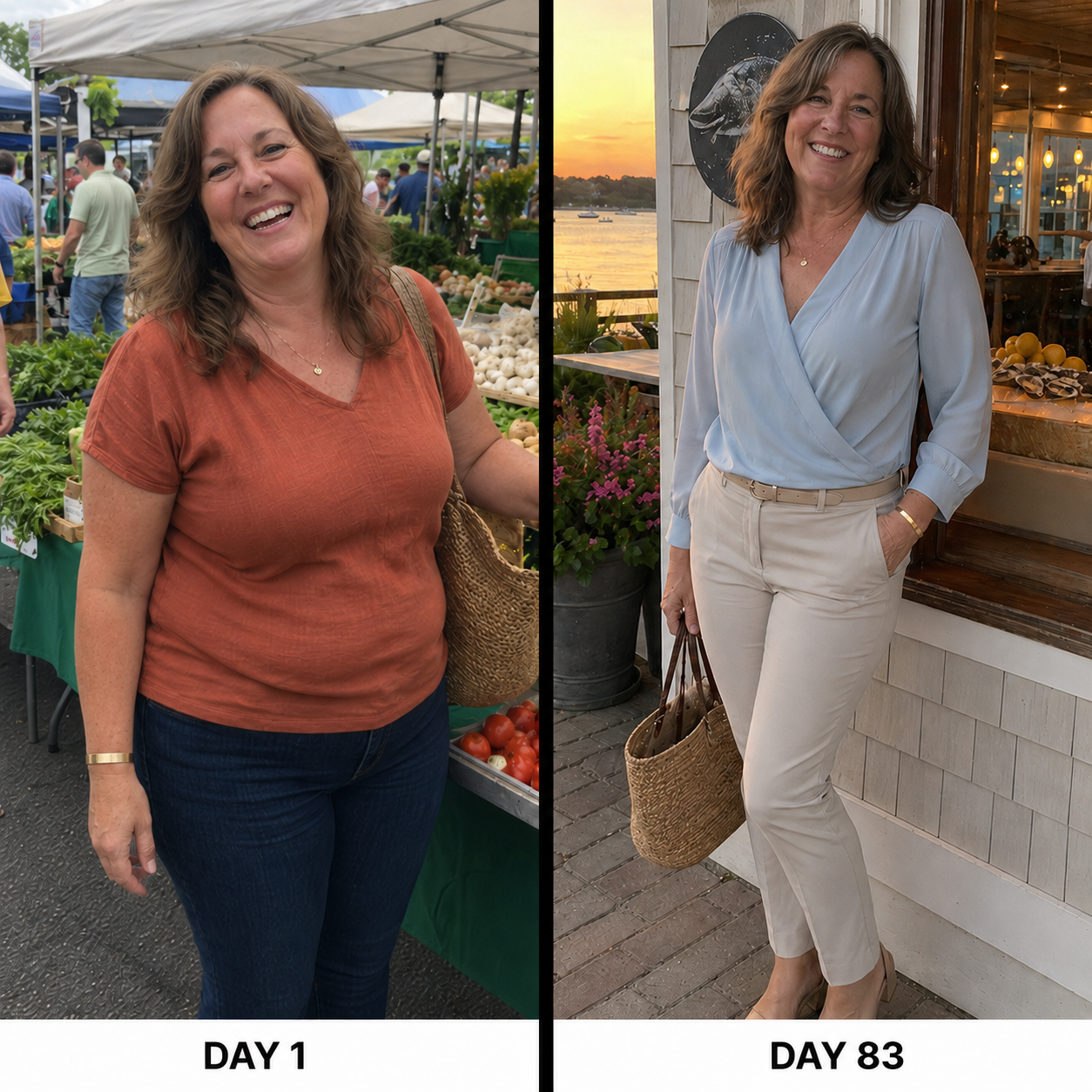
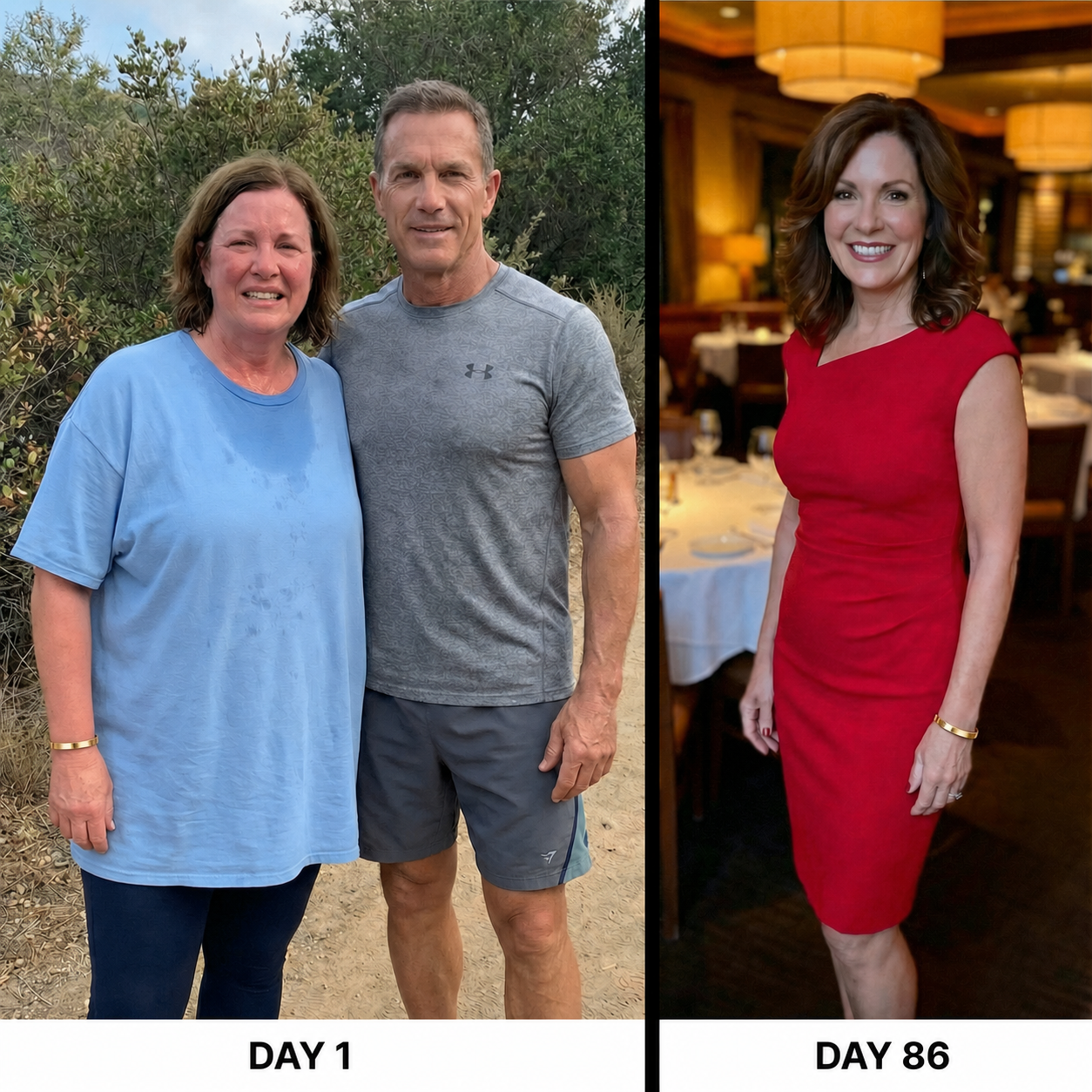
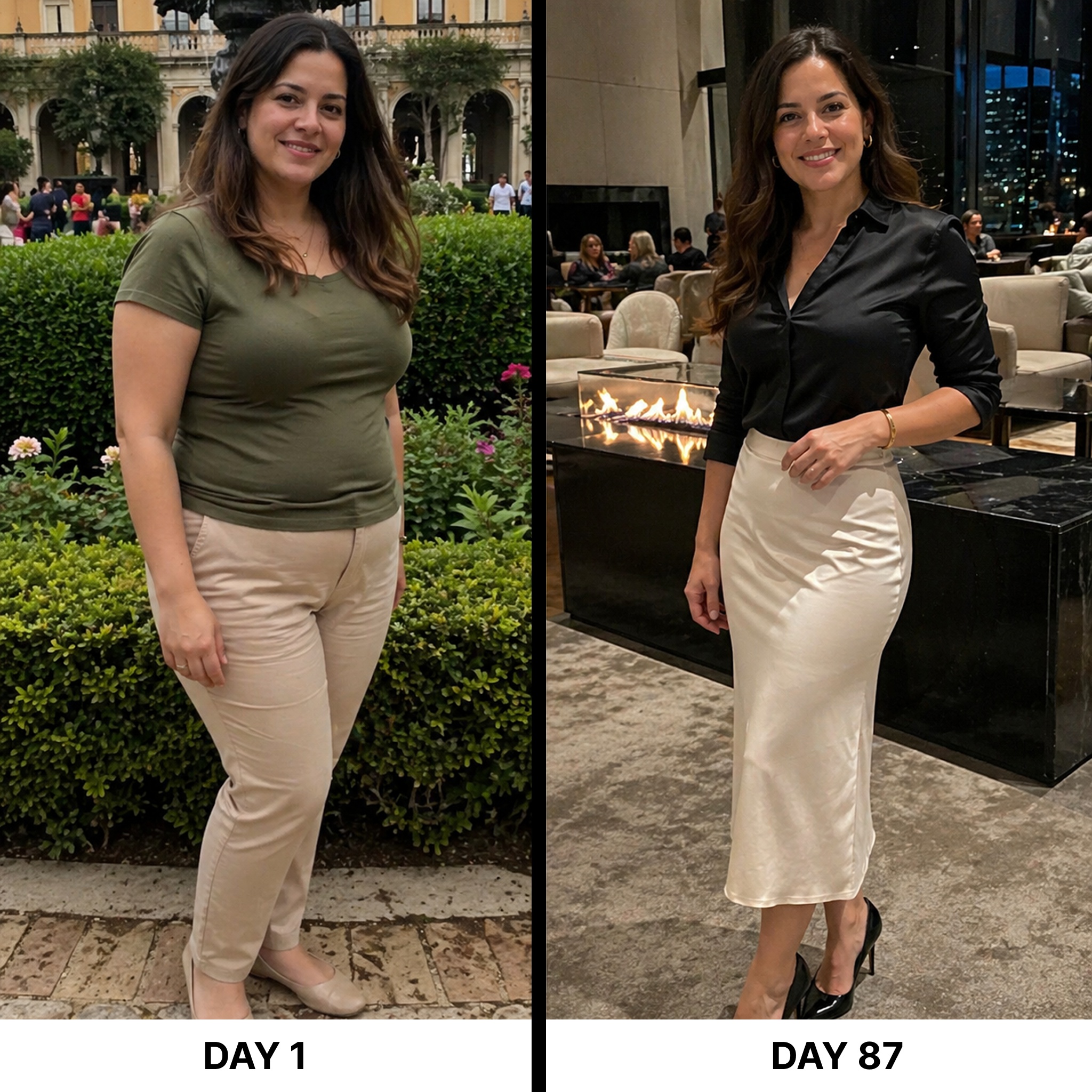
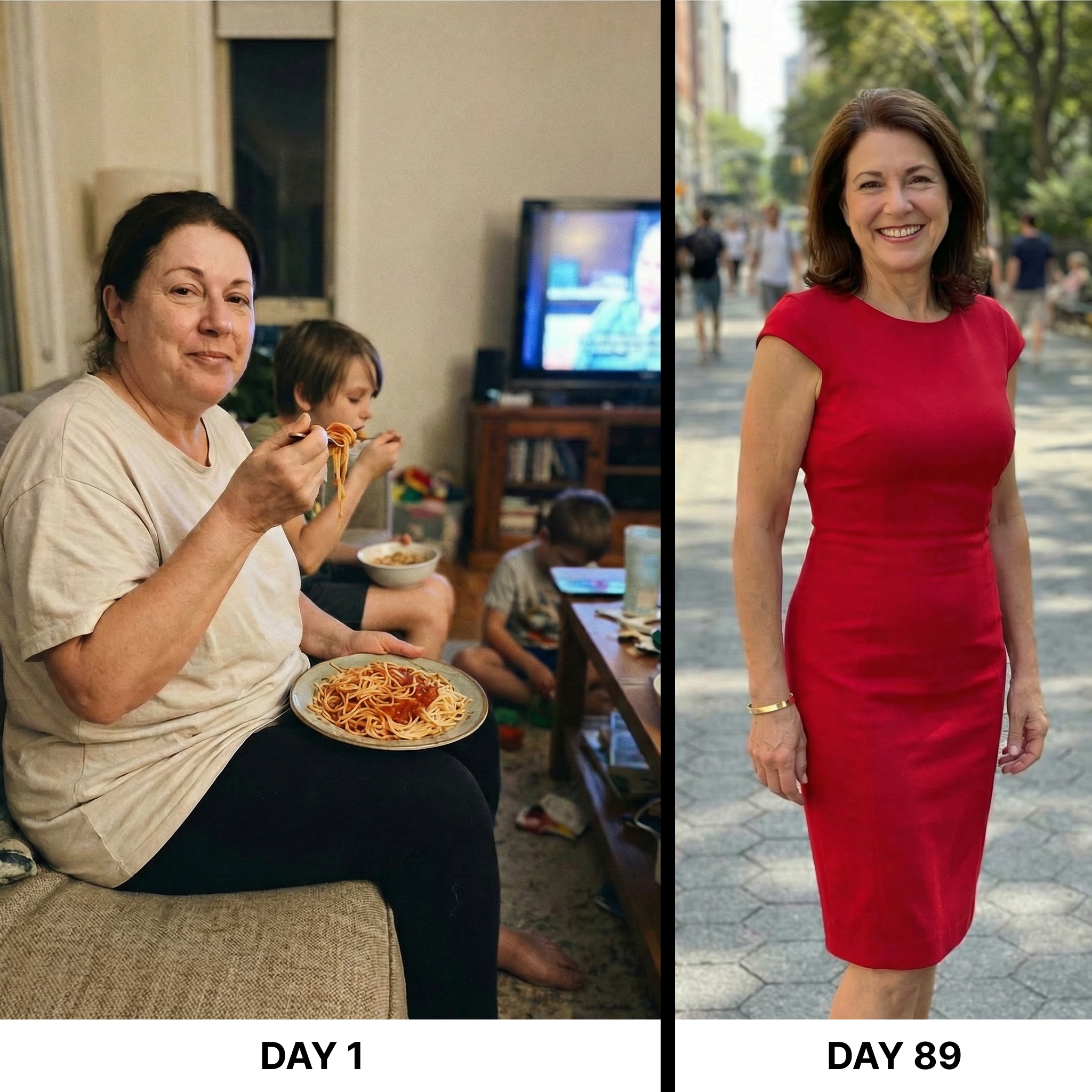
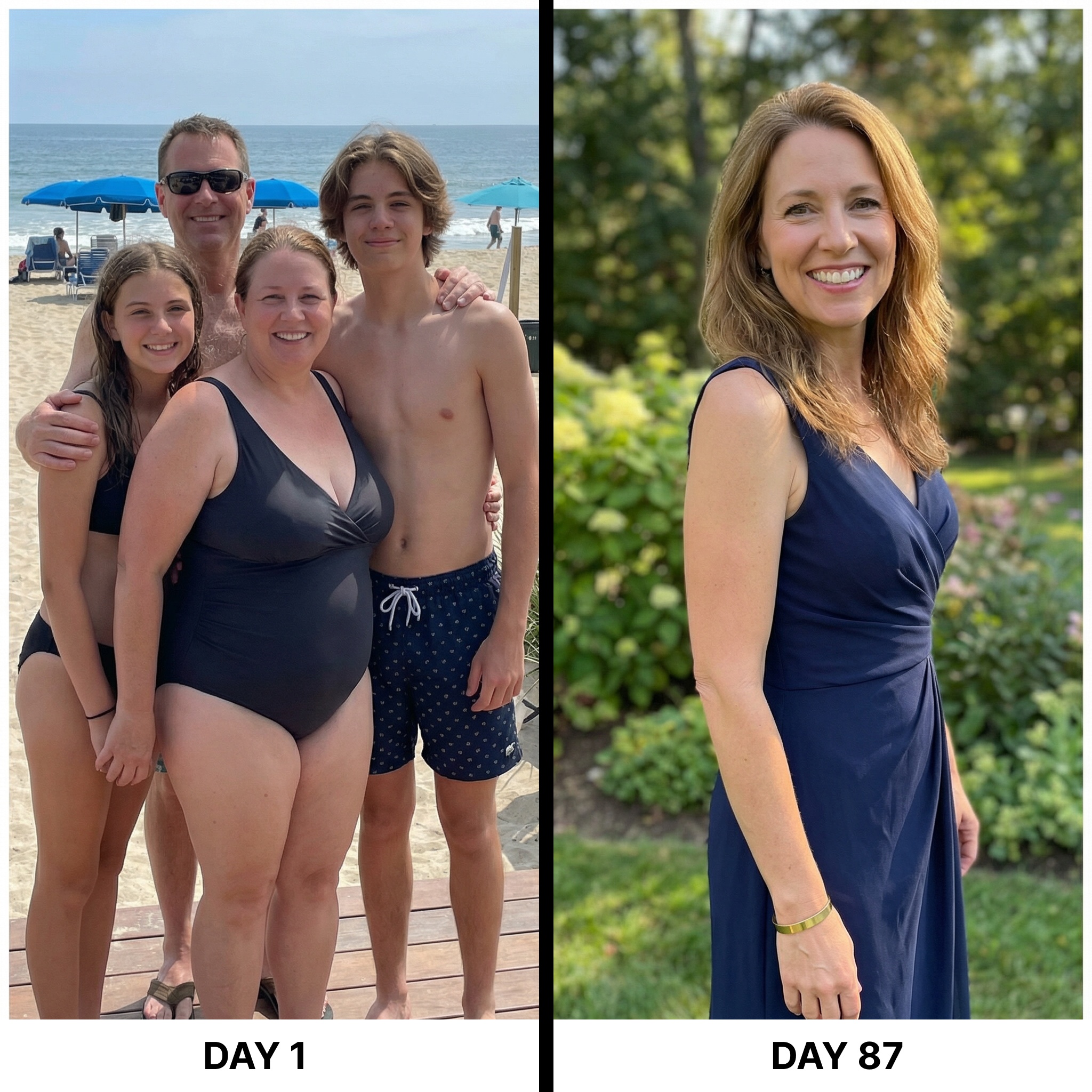
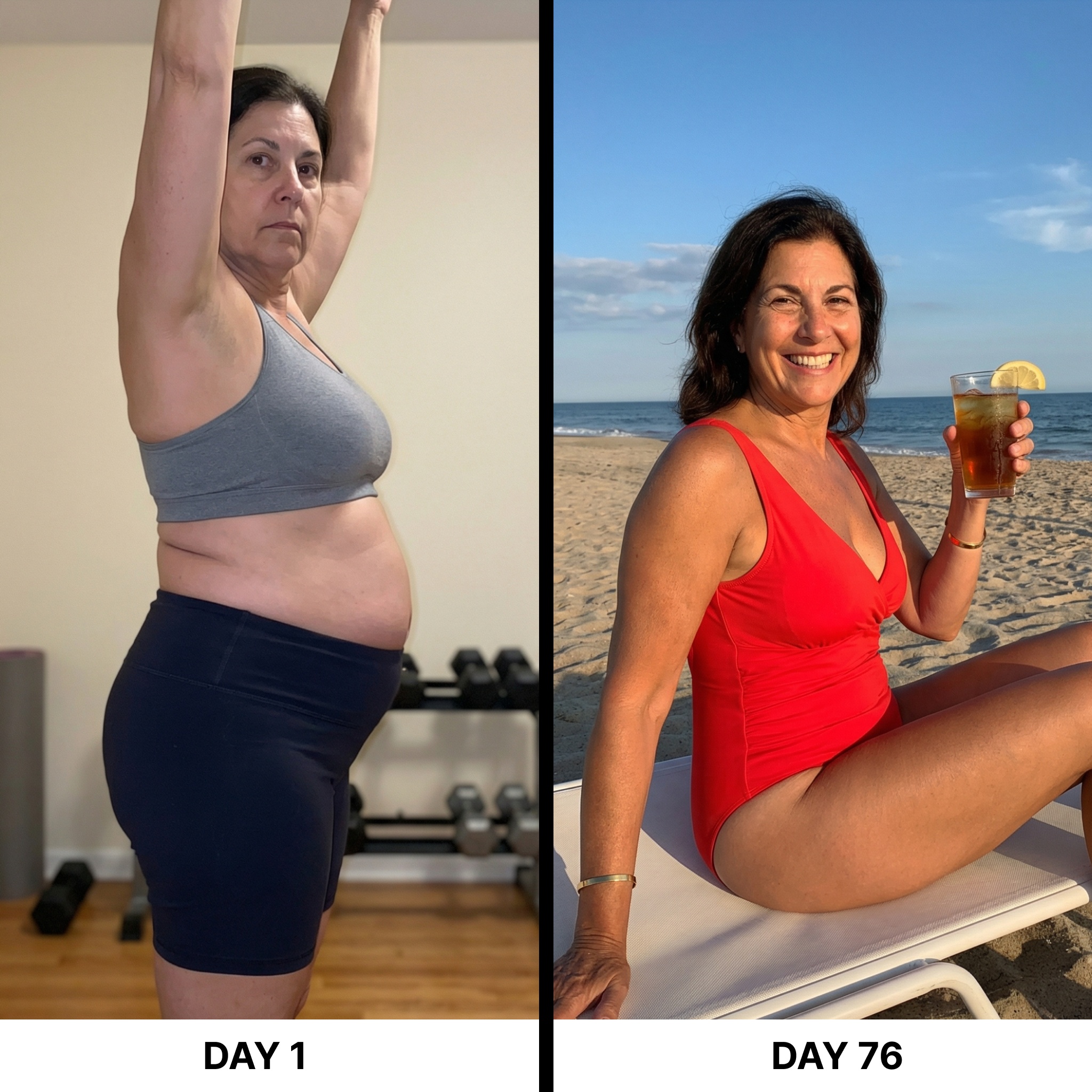
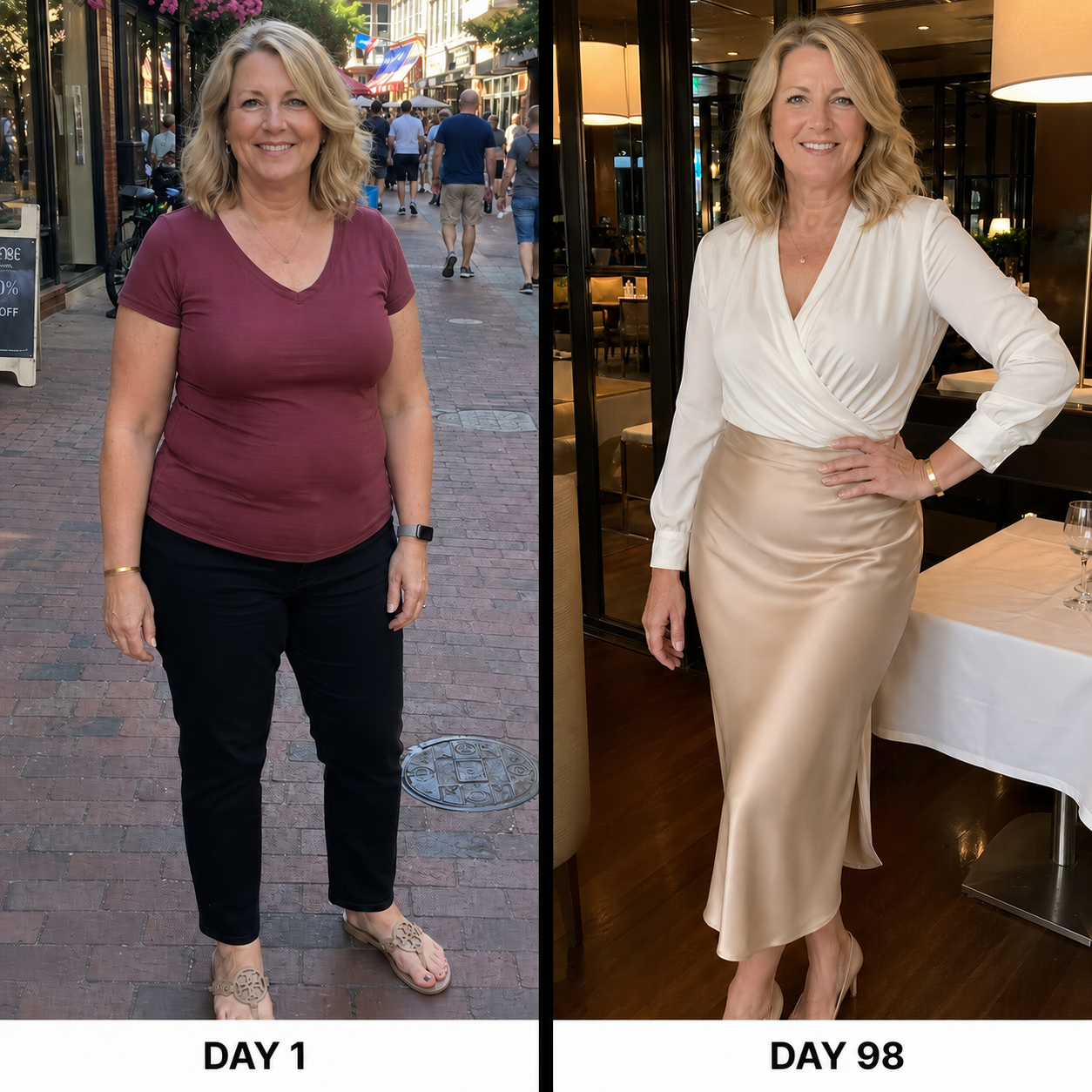
"My cardiologist told my primary care I was on a medication I wasn't disclosing. I'm 56. She copied him on a letter requesting my complete prescription history." I'm an emergency room nurse. I've worked in emergency medicine for twenty-one years. Dr Vasquez has been my cardiologist for six years. She manages my postmenopausal cardiac risk, my metabolic syndrome, my blood pressure that's been climbing since I turned 50. At my six-month cardiac follow-up, she opened my chart. Read it. Closed it. Opened it again. "Nora, your visceral fat area dropped from 168 cm² to 74. Your resting blood pressure is 116/72. Six months ago it was 148/94." She took off her glasses. "I'm going to be direct with you. These results are consistent with a GLP-1 agonist or a significant pharmacological intervention. I've written to Dr. Meyers requesting your complete dispensing history because I need to know what's interacting with your cardiac medications." I told her I wasn't on anything new. No GLP-1. No weight loss drugs. Nothing. "Nora, blood pressure does not drop 32 points systolic in six months without medication. Something changed." The Meno Belly That Scared My Cardiologist : Here's what nobody tells you about being an ER nurse during menopause. You watch cardiac events every shift. You see the body types. Central obesity. Visceral fat. Metabolic syndrome. You know who codes and why. Then you look down at your own belly during a twelve-hour shift and recognize the same pattern. From 50 to 56, I gained 34 pounds. My waist went from 29 inches to 40. The hard, round, visceral belly that I associate with the patients who code on my table. Dr Vasquez told me at my first cardiac consult: "Your visceral fat distribution is the single biggest modifiable risk factor on your chart." That was four years ago. A paramedic partner told me I needed to take better care of myself. He was right. The Numbers That Put Me on a Cardiologist's Watch List : Fasting cortisol: 25.8 mcg/dL (elevated, optimal below 15) Visceral fat area: 168 cm² (high risk above 100) Fasting glucose: 118 (prediabetic) Triglycerides: 232 (elevated) Blood pressure: 148/94 (stage 2 hypertension) Waist: 40 inches Weight: 182 pounds (from 148 six years ago) My father died of a heart attack at 63. Visceral obesity. Metabolic syndrome. Dr Vasquez had me on lisinopril for blood pressure and a statin for triglycerides. She wanted to add metformin. "Nora, your metabolic syndrome is progressing despite medication. If we don't get the visceral fat under control, we're managing decline, not preventing events." Managing decline. From a cardiologist. That's the phrase that kept me up at night. The $4,500 I Spent on Top of Cardiac Medication : - Cardiac-specific Mediterranean diet ($1,240 for sixteen weeks) supervised by a cardiologist-referred nutritionist. Triglycerides improved marginally. Belly unchanged. - HIIT and resistance training ($980 for twelve weeks) designed for cardiac risk reduction. VO2 max improved. Visceral fat unchanged. - Cortisol management protocol ($760 over six months) with adaptogens and stress reduction techniques. Cortisol dropped from 25.8 to 24.2. Marginal. - Anti-inflammatory supplement stack ($680 over eight months) with omega-3, CoQ10, and berberine. Energy improved. Waist unchanged. - Functional medicine cardiac panel ($840 for comprehensive workup and two follow-ups). More data. Same trajectory. $4,500 on top of two cardiac medications. My visceral fat was still 168 cm². My blood pressure still required lisinopril. Dr Vasquez was scheduling the metformin addition. What a Code Blue Survivor Taught Me : Then Mr. Brennan came back to our ER. 62 years old. I'd been his ER nurse during a STEMI eight months ago. Classic presentation: visceral obesity, metabolic syndrome, hypertension. We stabilized him and sent him to the cath lab. Eight months later, he walked into our ER for a minor laceration. I almost didn't recognize him. His belly was gone. His face was thinner. He moved differently. During wound care, I asked. "Mr. Brennan, you look completely different from eight months ago. What happened?" He showed me his wrist. A bracelet. "My daughter-in-law is an integrative health practitioner. After my heart attack, she said my visceral fat was driven by a nervous system stuck in crisis mode. Cortisol keeps fat locked around the organs. This calms the nervous system. When cortisol drops, the fat releases." I checked his vitals. Blood pressure: 122/76. Eight months ago he was coding on my table. "How much?" "$65." I ordered it from the nurses' station. My 15-Week Belly Transformation : Week 1-4: Sleep improved within the first week. Night sweats reduced 50%. Morning puffiness around midsection decreased. Blood pressure trending down even on same medication dose. Waist: 38 inches. Week 5-8: Post-meal belly distension eliminated. Energy stable through twelve-hour ER shifts. Hot flashes reduced 70%. Lost 13 pounds. Waist: 35 inches. Week 9-12: Belly visibly flatter. Waist definition returning. Could move through the ER without lower back pain. Lost 12 more pounds. Waist: 32 inches. Week 13-15: Abdomen soft. Belly gone. Lost 9 more pounds. Waist: 30 inches. Total: 34 pounds lost. 10 inches off waist. That's when Dr Vasquez wrote to my primary care requesting my prescription history. The Letter That Changed My Cardiac Profile : When my prescription history came back clean, Dr Vasquez ordered a full cardiac workup. Fasting cortisol: 25.8 to 11.4 mcg/dL Visceral fat area: 168 to 74 cm² Fasting glucose: 118 to 82 Triglycerides: 232 to 118 Blood pressure: 148/94 to 116/72 Waist: 40 to 30 inches Weight: 182 to 148 pounds She discontinued the statin. Reduced the lisinopril to the lowest dose. Cancelled the metformin discussion. "Nora, in six years of managing your cardiac risk, I watched every marker climb despite medication. In fifteen weeks, you reversed your entire risk profile. I need to understand how." Eight Weeks Later : Dr Vasquez now discusses nervous system regulation with her menopausal cardiac patients before adding metabolic medication. Three patients have seen visceral fat reductions of 35 to 50% in twelve to sixteen weeks. I've recommended it to six ER colleagues. Four are seeing measurable blood pressure and waist improvements. The ER Nurse Truth : Here's what twenty-one years in the ER taught me. I know what kills menopausal women. Visceral fat. Metabolic syndrome. Cardiac events. Medication slows the decline. Statins. Antihypertensives. Metformin. But if cortisol stays elevated, the body keeps storing fat around the organs. When I calmed my nervous system, cortisol dropped. The visceral fat released. My cardiac risk profile reversed. For me, that started with a $65 bracelet that did what $4,500 in programs and two cardiac medications couldn't. 👉 If you have visceral belly fat and your cardiac numbers keep climbing despite medication, if your doctor keeps adding prescriptions... Click below to discover the Kalm Bracelet. Just $64.90 at the official store. Wear it consistently and measure your waist every 2 weeks for 15 weeks. https://mykalm.co/original-bracelet
Reduces menopause symptoms naturally
Don't miss out! Get TWO original Kalm Bracelet for the price of ONE. These are our largest discounts of the year. and supplies are running low. Secure yours now while they last!
LEARN MORELike this ad? Make it yours.
Crush rebuilds this exact creative around your product — your brand, your colors, your offer — in about a minute.