Helixco
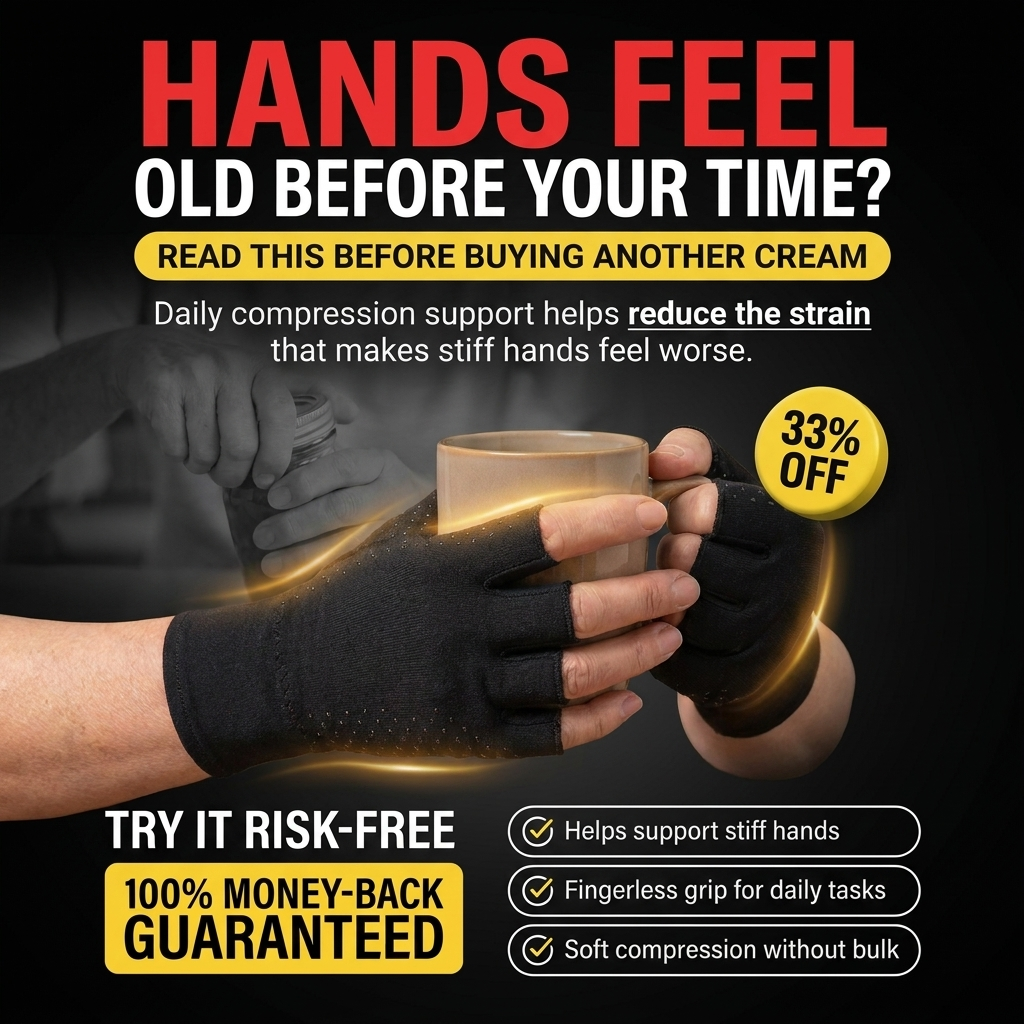
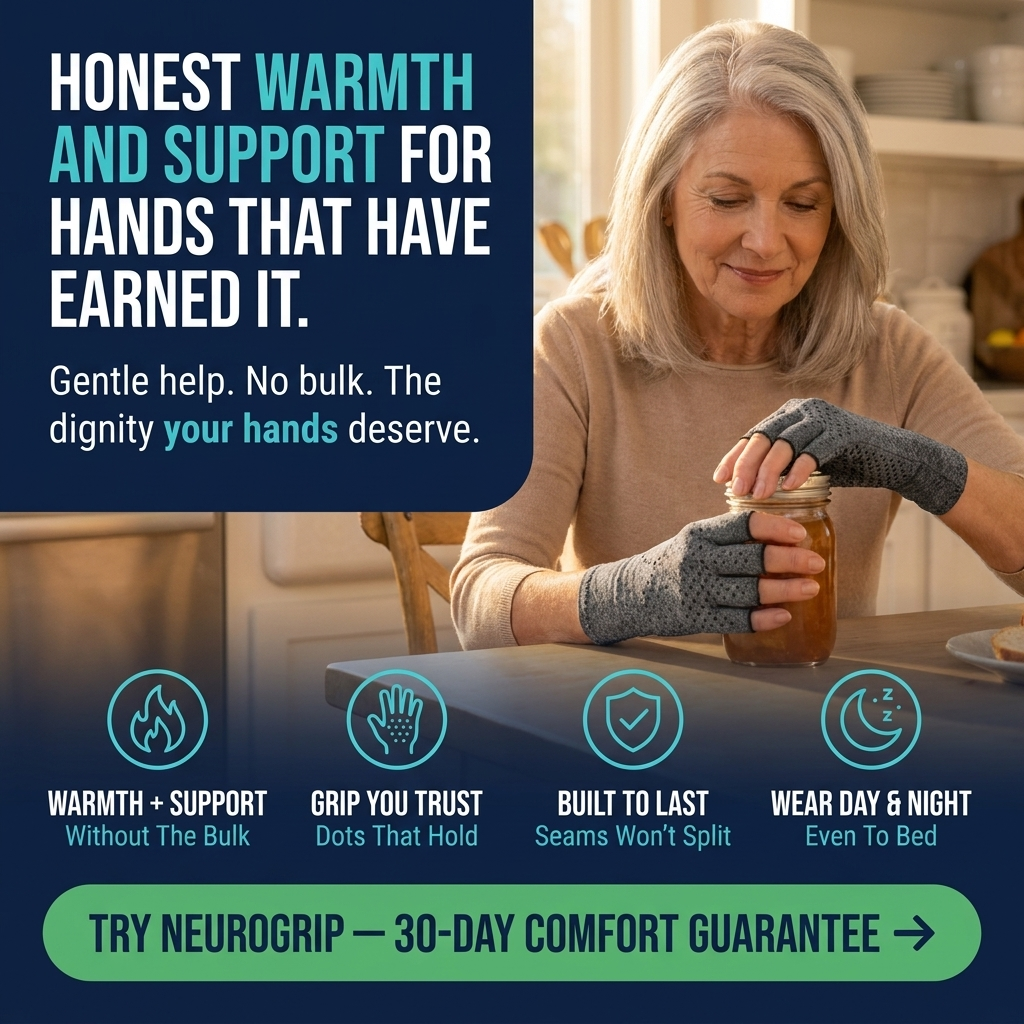
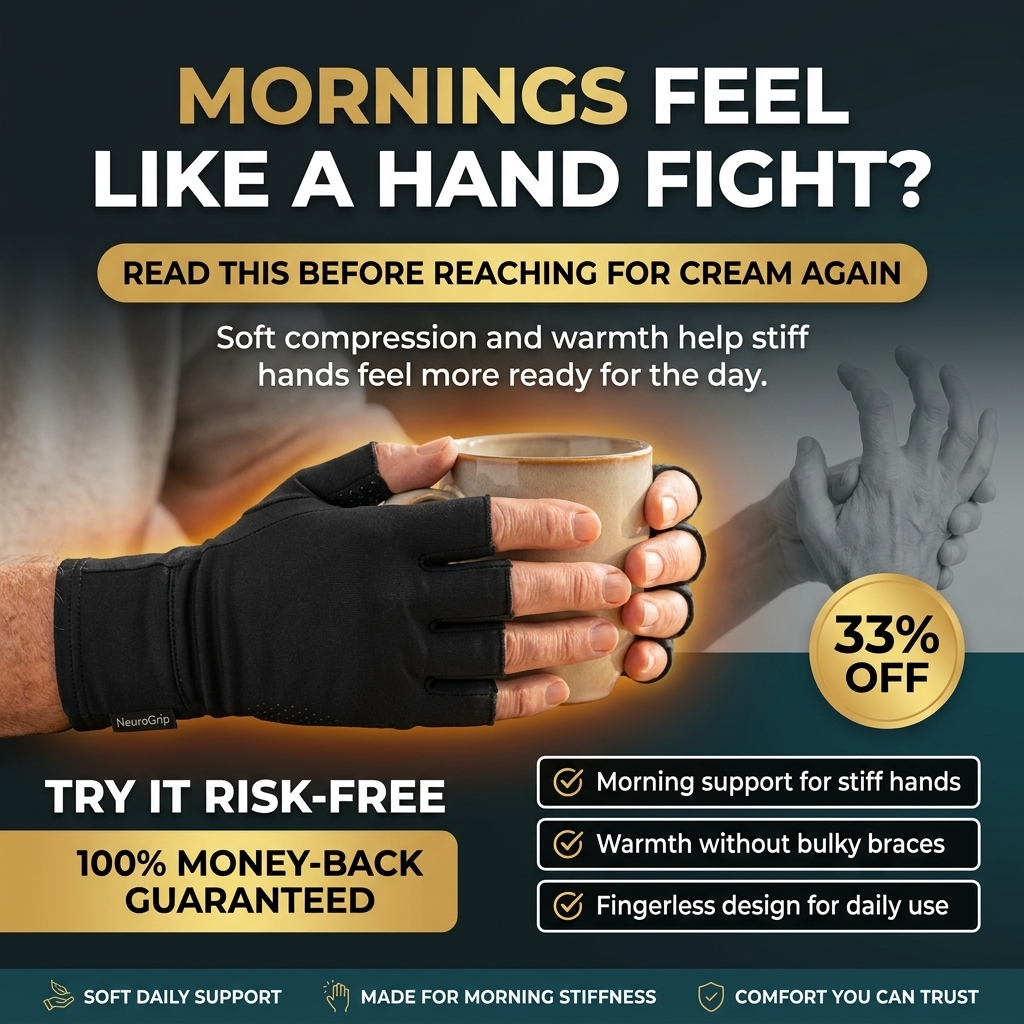
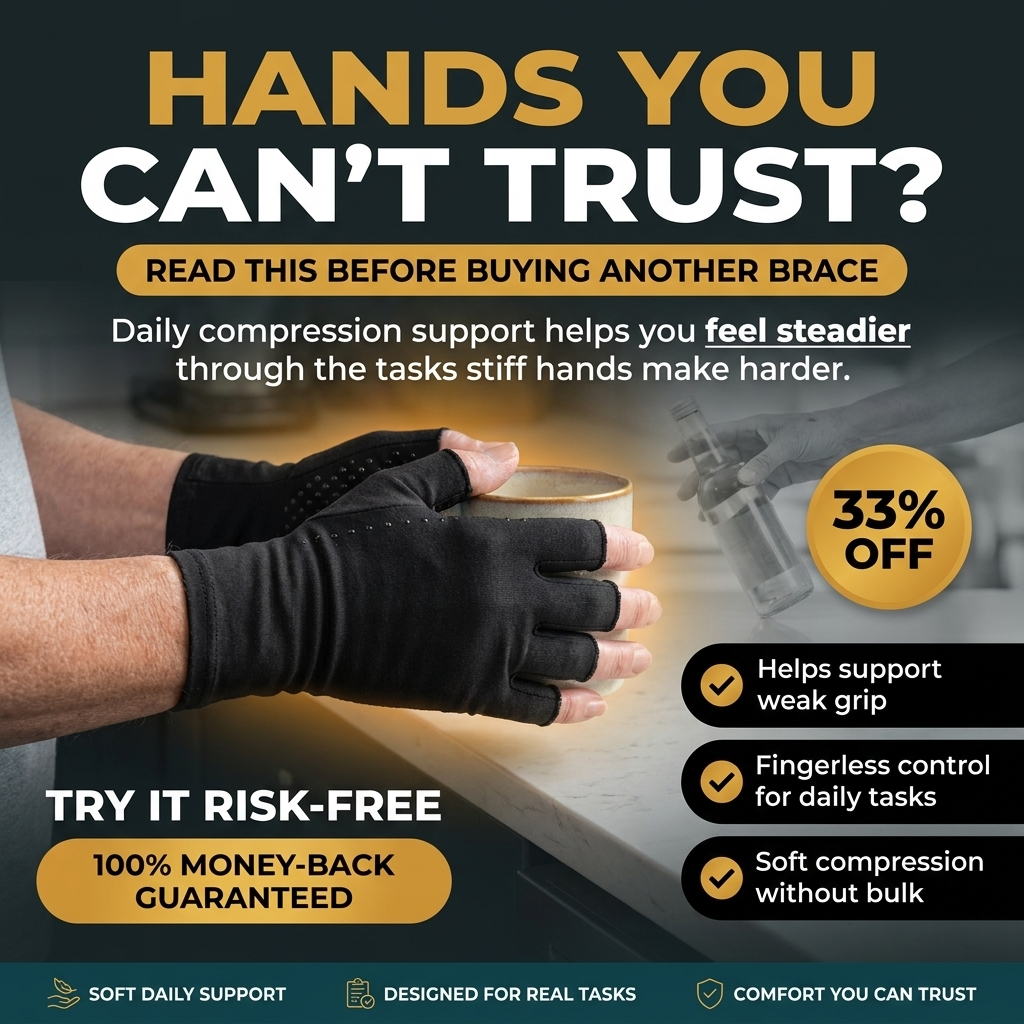
Helixco Facebook ad: “Say Yes Again”
Ran for 2 days, from May 9 to May 11, 2026, the last day Crush saw it.
Run by Helixco on Facebook. Crush is not the advertiser and does not verify its claims. See this ad in Meta's Ad Library(opens in a new tab)
Want an ad like this for your product?
Crush makes new ad images for your product from this ad: your logo, your product photo, your offer.
Trials from $19.95 USD, then $79.95 USD a month. Cancel anytime.
About this ad
- Meta Ad Library ID
- 910820278654116
- Platforms
- Facebook, Instagram, Audience Network, Messenger and Threads
- Relaunches
- 0
Ad text
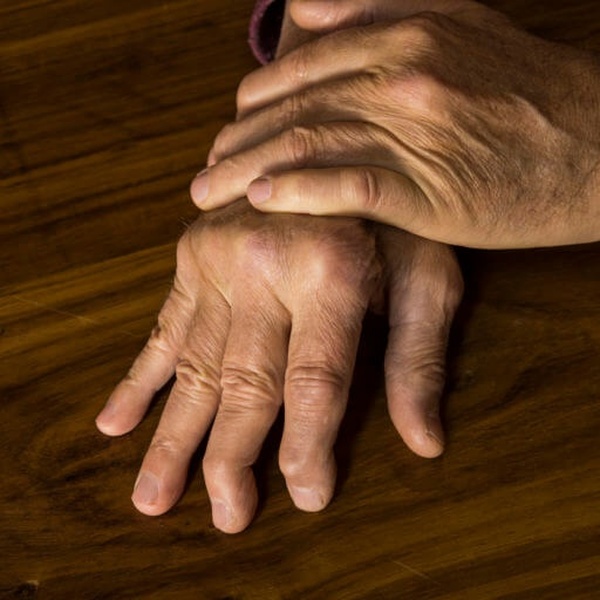
My granddaughter stopped asking me to braid her hair. That’s when I knew. Not when the doctor said “joint wear.” Not when I couldn’t open the pasta sauce. Not when I started keeping pain cream in three different rooms. It was when Lily walked in one Saturday morning with her little pink brush and then hesitated in the doorway. She was six. She had wild brown hair, always tangled at the back, and for years our thing had been Saturday plaits. She would sit between my knees on the living room rug, holding a biscuit, while I separated her hair into three pieces and pretended to be a fancy hairdresser. But that morning, she looked at my hands before she asked. Children notice more than we think. I had been flexing my fingers near the kitchen table, trying to loosen them. My knuckles felt thick. My thumb ached. The simple act of holding the brush had started making my hand cramp. Lily saw me and said, “It’s okay, Nana. Mummy can do it.” She meant it kindly. That made it worse. I smiled and said, “Don’t be silly, come here.” But halfway through, my fingers stiffened. I dropped the hair tie. Then I dropped it again. Lily picked it up and placed it in my palm with both hands, like she was helping someone much older than me. I laughed. Then I went to the bathroom and cried quietly with the tap running. That’s the strange cruelty of hand pain. It doesn’t only take tasks. It takes little rituals. The things nobody else would think to mourn. Peeling apples for the grandchildren. Holding hands on a walk. Writing birthday cards. Fastening tiny buttons. Making pastry. Doing hair. Passing plates around the table. I started avoiding things without admitting it. I suggested films instead of crafts. I bought biscuits instead of baking. I wore slip-on shoes because laces annoyed me. I stopped offering to help with school costumes. My family didn’t make me feel useless. I did that all on my own. At 3:08 AM one morning, after waking with aching fingers again, I sat at the edge of the bed and searched “hand pain affecting daily life.” Then “how to stop stiff hands in morning.” Then “arthritis gloves worth it.” I’d tried gloves before. One pair felt like they were cutting into my fingers. Another was so loose I couldn’t tell what they were meant to do. A third had seams that rubbed across one swollen joint until I wanted to throw them across the room. I thought maybe gloves just weren’t for me. So I went back to creams. Warm water. Stretching. Painkillers when I needed them. But those things always happened after. After I woke stiff. After I cooked. After my hands hurt. After I had already said no to something. Then one afternoon, I was at a small café with my sister, Anne. We were sitting at a wooden table by the window. I remember this clearly because I had both hands wrapped around a mug, letting the heat sink into my fingers. Anne watched me for a moment and said, “You always look relieved when your hands are warm.” I said, “That’s because they are.” She didn’t answer straight away. Then she said, “Maybe they don’t need rescuing at the end of the day. Maybe they need looking after during it.” It was such a simple sentence. But it landed heavily. Because I realised I had been treating my hands like they were misbehaving. As if pain was a personal failure. As if I should push through, then apologise to my own body later with cream and heat. But my hands weren’t being dramatic. They were tired. They were irritated. They were being asked to grip, twist, pinch, wash, chop, hold, fold, carry, and scroll all day with no support at all. And then I wondered why they rebelled. That week, I looked again for gloves, but with different eyes. Not “what will fix me?” More like, “what can I actually live in?” Soft mattered. Fingerless mattered. Warmth mattered. No bulky brace feeling. No scratchy seams. No making me feel like I had to stop being part of things. When the gloves arrived, I put them on while making dinner. I expected to take them off within ten minutes. I didn’t. I stirred soup. Held the pan handle. Rinsed a spoon. Tore lettuce. The fabric held a gentle warmth around my hands, and the light pressure made my fingers feel less unsupported. I could still feel what I was doing. That was important. I didn’t want my hands wrapped away from life. I wanted them helped back into it. The first few days, I noticed small things. I didn’t dread the kettle. I didn’t rub my thumb after peeling carrots. I didn’t avoid texting Lily’s mum back because typing felt annoying. Then came the Saturday test. Lily arrived wearing a yellow jumper and carrying the same pink brush. This time she didn’t ask about her hair. She asked if we could make fairy cakes. My first instinct was to say, “Maybe later.” That had become my safety phrase. Maybe later. The phrase that meant probably not. But I had put the gloves on that morning because my fingers were stiff from the cold. So I said, “Yes. But you’re cracking the eggs.” She took this very seriously. We stood together at the kitchen counter. Flour went everywhere. She got shell in the bowl. I held the mixing spoon with both hands at first, waiting for the ache. It came a little. But not sharply. Not enough to make me stop. The warmth helped. The support helped. The fact that I had started before my hands were already angry helped most. At 11:46 AM, Lily asked if I could do her hair while the cakes cooled. I sat down behind her. Separated her hair. One section. Two sections. Three. My fingers were slower than before. The plait was slightly crooked. But I finished it. She ran to the mirror and said, “Nana did it better.” I had to turn away for a second. Because it wasn’t about the plait. It was about being back inside the moment. Not watching from the edge. Not letting someone else do it because my hands had quietly opted me out. Back at the wooden table later, I looked at my hands resting beside the cooling rack. They still looked like my hands. Older, yes. A bit swollen, yes. But useful. Present. Part of the family noise again. That’s what people don’t understand until their hands start hurting. You don’t only miss comfort. You miss participation. You miss saying yes quickly. You miss being the one who helps. You miss the tiny acts of love that require fingers, grip, pressure, patience. I’m not saying gloves gave me everything back. That would be too neat, and life isn’t neat. But they gave me enough support to stop stepping away from moments too early. And enough is not small. Enough is fairy cakes. Enough is crooked plaits. Enough is holding a small hand on the walk home without thinking about your knuckles the whole time. If your hands have started making you say “maybe later” to people you love, pay attention.
Where the ad sends people
helixco.co.uk
Say Yes Again
Helixco
Shop now: helixco.co.uk(opens in a new tab)