Dr Andrew Ridder
Dr Andrew Ridder Facebook ad: “I’m a Vet. I Was Wrong About Glucosamine.”
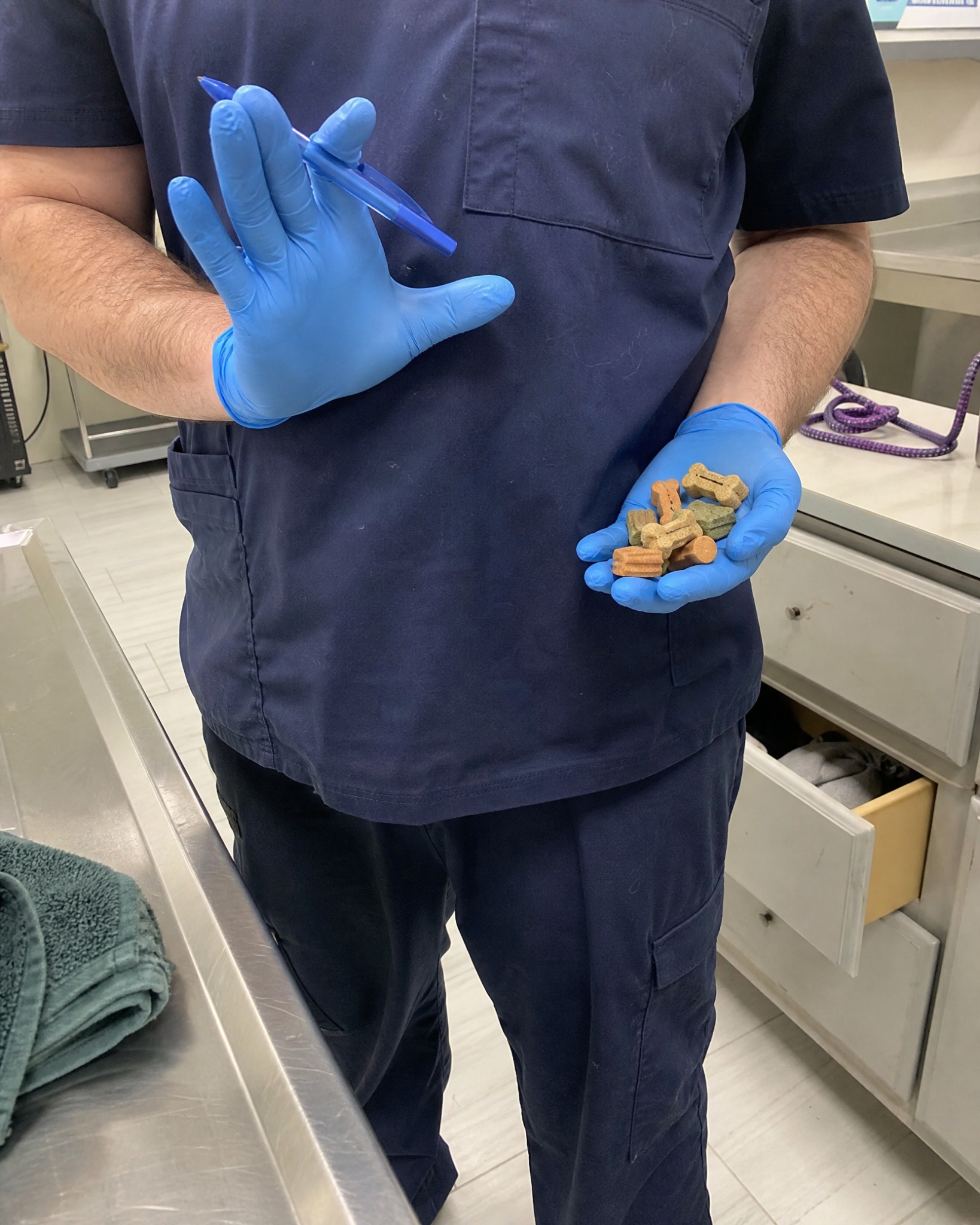
Ran for 16 days, from August 17 to September 2, 2026, the last day Crush saw it.
Run by Dr Andrew Ridder on Facebook. Crush is not the advertiser and does not verify its claims. See this ad in Meta's Ad Library(opens in a new tab)
Want an ad like this for your product?
Crush makes new ad images for your product from this ad: your logo, your product photo, your offer.
Trials from $19.95 USD, then $79.95 USD a month. Cancel anytime.
About this ad
- Meta Ad Library ID
- 912199258103663
- Platforms
- Facebook, Instagram, Audience Network, Messenger, WhatsApp and Threads
- Relaunches
- 0
Ad text
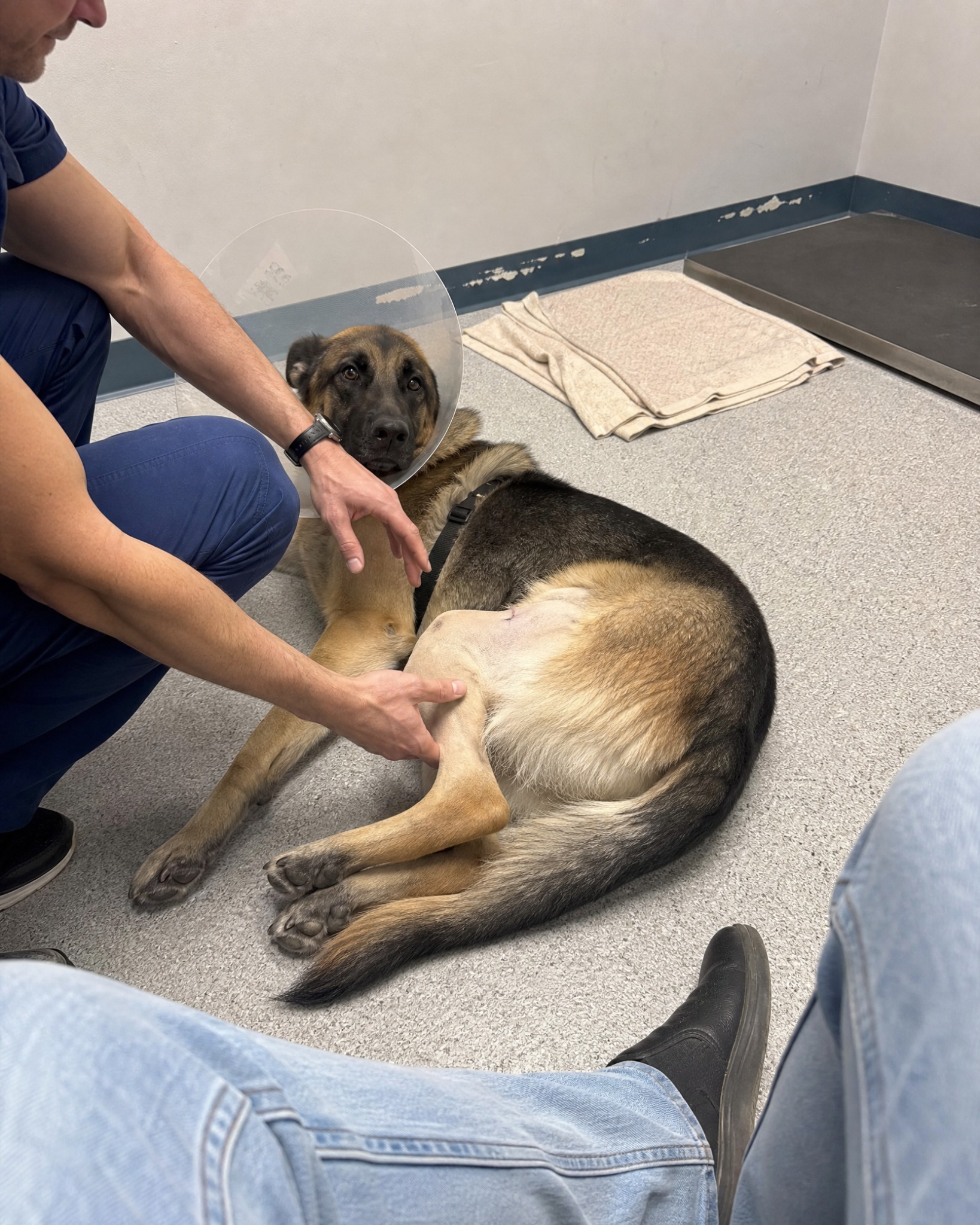
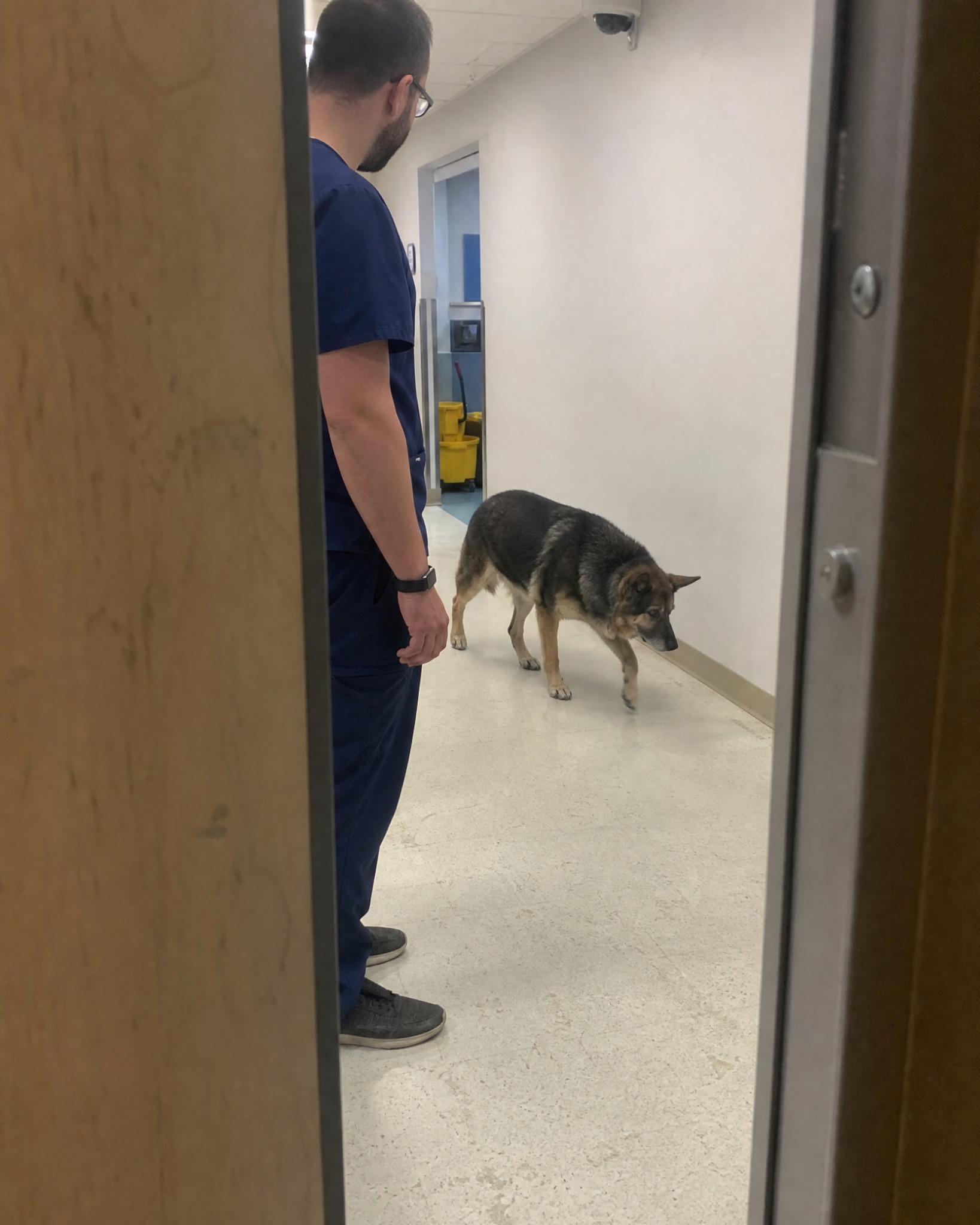
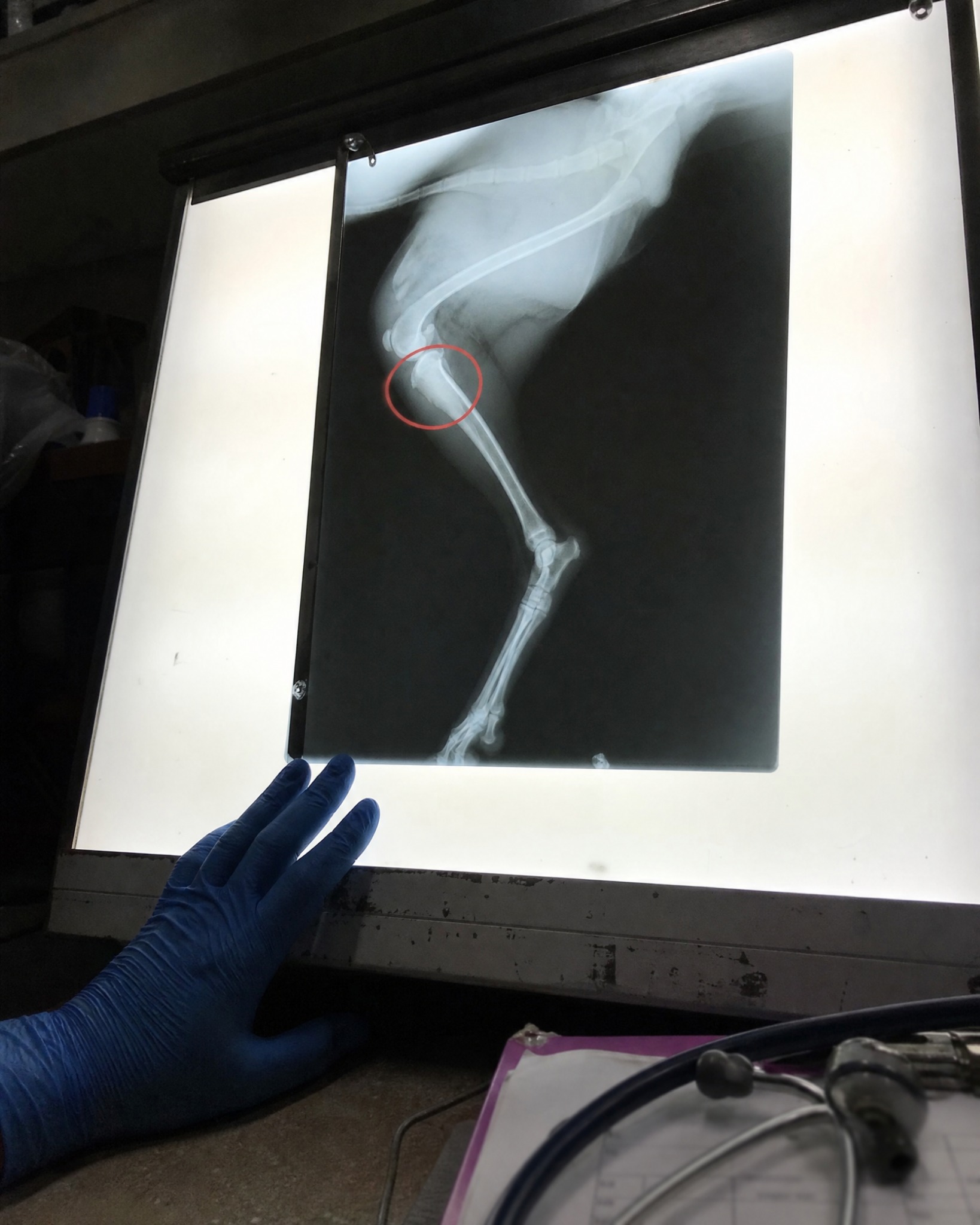
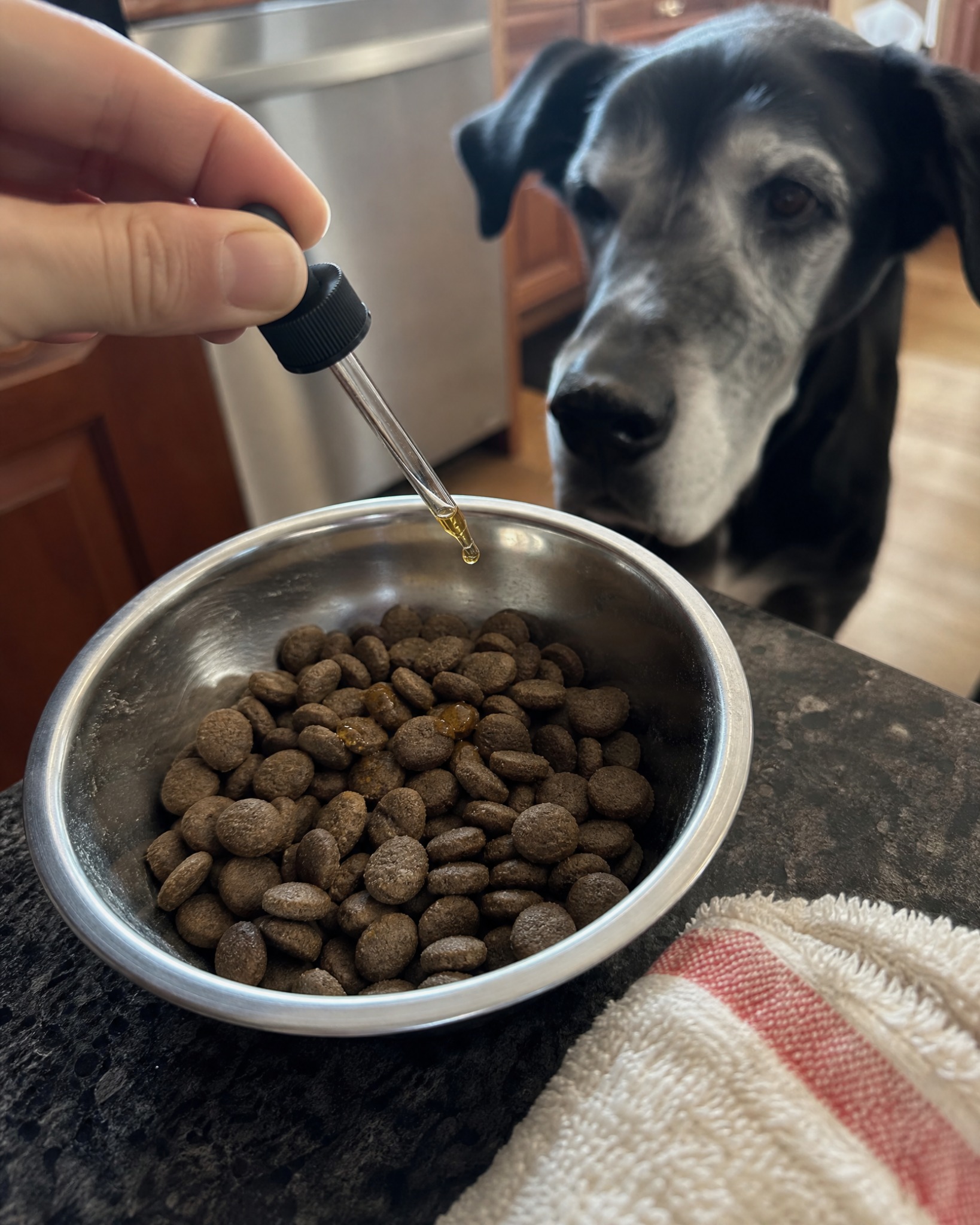
As a Veterinarian, I Used to Recommend Glucosamine. I Was Wrong. I’m Dr. Andrew Ridder, and I’m going to tell you something that many of my colleagues, and certainly most pet owners, don’t want to hear. And frankly, I don’t care if it challenges conventional wisdom. That daily glucosamine chew isn’t going to truly rebuild your dog’s joints. Not the NSAIDs that merely mask the pain. Not the endless physical therapy without proper foundational support. Not even the most advanced surgeries if the underlying tissue integrity isn’t addressed. Not the generic joint supplements lining pet store shelves. NONE OF IT IS GOING TO PROVIDE THE COMPREHENSIVE STRUCTURAL REPAIR NEEDED FOR LASTING RECOVERY. I know, because for years, I recommended all of it. Every standard protocol. Every leading medication. Every popular supplement. And I watched countless patients, dogs just like yours, plateau in their recovery, struggle with chronic stiffness, or worse, re-injure themselves. Because I, like many, was treating symptoms and managing pain, without fully addressing the *fundamental biological requirement* for true joint and tissue regeneration. And the most frustrating part? Seeing the despair in owners’ eyes. The guilt. The financial strain. The slow decline of their beloved companions, knowing I was prescribing the same solutions that weren’t truly delivering the long-term results we all hoped for. I was participating in a system that prioritized symptom management over actual healing. I’m done being silent about this. If your dog is recovering from TPLO, cruciate surgery, or suffering from chronic stiffness and heavy joint load, and you’re still relying solely on traditional methods, you are missing a critical piece of the puzzle. You are wasting precious time and resources your dog deserves to have directed towards genuine healing. Read this entire post. Every word. Because the answer is in here, and it’s NOT just another prescription or another surgical intervention. My name is Dr. Andrew Ridder. I’m 52. I’m a board-certified veterinary surgeon with 20 years of experience, specializing in orthopedics and rehabilitation, practicing in Austin, Texas. Over two decades, I’ve seen thousands of dogs. From high-performance athletes to beloved family companions. I’ve performed countless TPLO and cruciate ligament repairs. I’ve guided owners through grueling rehabilitation protocols. I’ve prescribed every anti-inflammatory, pain medication, and joint supplement on the market. I’ve seen the immediate post-op relief. The initial improvements with physical therapy. But I’ve also seen the plateaus. The persistent stiffness. The muscle atrophy. The re-injuries. The heartbreaking conversations with owners whose dogs, despite all our efforts, never quite regained their full vitality. I've heard the thump, thump, thump of a dog's leg hitting the floor at 3 AM as they struggle to find a comfortable position – a sound that meant our current protocol was failing. Take Max, a 7-year-old German Shepherd with a history of bilateral cruciate tears. We performed TPLO on his left knee. Recovery was textbook. Six months later, his right knee went. Another surgery. Another intensive rehab. We were meticulous. But even after both surgeries and extensive PT, Max was never truly *sound*. He’d still favor a leg after a long walk. He’d struggle to get up after a nap. His owners, a dedicated couple, spent over $12,000 on his care, and he was still a shadow of his former self. I used to tell owners, “It’s a long road. Manage expectations.” But deep down, I knew something was missing. Why were so many dogs, despite excellent surgical outcomes and diligent rehabilitation, still struggling? Why did the standard joint supplements seem to offer such minimal, if any, noticeable benefit? I needed to understand WHY. Not “what else can we try.” WHY. Why did the surgical repair, while stabilizing the joint, not always lead to full functional recovery? Why did glucosamine and chondroitin, the supposed cornerstones of joint health, often fall short? Why did the body seem to struggle to fully regenerate the damaged tissues, even with the best care? I spent countless hours researching. Beyond the standard textbooks. Diving into advanced veterinary orthopedics journals. Human sports medicine literature. Biochemistry of connective tissue repair. I read everything I could find. And in a series of studies on post-surgical recovery and long-term joint health, I found a consistent, undeniable truth that had been largely overlooked in my clinical practice. And when I read it, it fundamentally shifted my entire approach to canine rehabilitation. Because it explained everything. Why TPLO recovery often stalls. Why physical therapy alone isn’t enough. Why generic joint supplements don’t work. Why chronic stiffness persists even after successful surgery. And it was so profoundly simple, so biologically obvious once the research laid it bare, that I felt a surge of frustration. How had this critical piece of information been so consistently underemphasized in our protocols? Here’s what the research, and my subsequent clinical experience, revealed: **Serious joint and tissue recovery isn't just about mechanical stability or managing inflammation; it's fundamentally about providing the body with the precise, bioavailable building blocks it needs to rebuild and strengthen the entire joint complex.** After trauma, surgery, or chronic wear, the body’s natural collagen production often can’t keep pace with the demand for repair. The cartilage, ligaments, tendons, and joint capsule all rely heavily on specific types of collagen for their structure and function. Generic glucosamine and chondroitin are often insufficient because they are precursors, not the direct, high-quality protein matrix components needed for a *long-term recovery protocol*. The body needs a specific blend of highly absorbable collagen types (I, II, & III), along with crucial co-factors like MSM and Hyaluronic Acid, to truly regenerate and restore joint integrity, elasticity, and strength. Without these, we are asking the body to rebuild a complex structure without adequate raw materials. That’s why NSAIDs only block pain signals. That’s why physical therapy hits a ceiling. It’s not that these aren’t vital components of recovery; it’s that they are operating in a deficit, trying to optimize a system that isn’t receiving the fundamental structural support it requires to truly heal and strengthen. I immediately began integrating this research into my practice. I sought out a collagen supplement that met the rigorous scientific criteria I had uncovered. It wasn’t easy. I tested numerous products. I sent them to independent labs for verification. Most fell short. “Brand A: Claimed types I, II, and III. Lab found only type I. Underdosed. Contained artificial fillers.” “Brand B: Claimed high potency. Lab found significant underdosing and poor absorption rates.” “Brand C: Liquid, but lacked the comprehensive blend of collagen types and crucial co-factors necessary for holistic joint repair.” “Brand D: Contaminated. Found traces of heavy metals. I reported it.” Finally, I found one that met every single criterion. One that aligned perfectly with the latest research on connective tissue regeneration. **Nelovia Petz Recover Liquid Collagen Drops.** It contained all three critical collagen types (I, II, & III). It was liquid, ensuring 98% absorption directly into the bloodstream and target tissues. It included 40mg of UC-II type II collagen, clinically studied for canine joint health, alongside MSM, Hyaluronic Acid, and Vitamin C. Every ingredient was verified. Every batch tested. Zero contamination. Zero fillers. Specifically formulated for serious canine joint recovery and long-term structural support. This was the missing piece. I started recommending it to my post-surgical patients, those undergoing rehabilitation, and dogs with chronic stiffness or heavy joint load. The results were, frankly, remarkable. Take Max, the German Shepherd with bilateral TPLO. After months of struggling, his owners started him on Nelovia Petz Recover. We continued his PT, but added the collagen. **First 2 weeks:** Owners reported a subtle but noticeable decrease in morning stiffness. He stood up without that painful grunt for the first time in years. **Week 4:** Max was sleeping more soundly. Less restless shifting. His gait was smoother, more fluid. Owners reported he was initiating play more often. **Month 3:** We began to cautiously taper his NSAIDs. His muscle mass was visibly improving. His confidence was soaring. He was moving with a vitality I hadn’t seen in him since before his first injury. **Month 6:** Max was off all NSAIDs. His owners reported he was running, jumping, and playing like a much younger dog. The fear of re-injury had dissipated. He was truly *recovered*. His owners, who had spent $12,000 on surgeries and traditional treatments, were now spending $17 a month on Nelovia Petz Recover. And Max was thriving. Because $12,000 had addressed the mechanical instability and pain, but $17 a month was addressing the fundamental biological need for structural repair. This isn’t just another supplement. It’s a scientifically formulated recovery protocol that provides the body with the precise building blocks it needs to truly heal and strengthen. It works synergistically with physical therapy and, in many cases, allows for a reduction or elimination of long-term pain medication. If your dog is facing TPLO/cruciate surgery, undergoing rehabilitation, struggling with chronic stiffness, or experiencing heavy joint load, I urge you to consider Nelovia Petz Recover. https://trynelovia.com/products/nelovia-bestseller It’s $30 a bottle, with multipack options bringing it down to about $17 a bottle. They offer a 60-day money-back guarantee—a testament to their confidence in the product. Continue with your current veterinary care, but add Nelovia Petz Recover. Give your dog the foundational support their body needs to truly recover. **You’ll see the difference in weeks. You’ll see the joy return in months.** — Dr. Andrew Ridder, DVM, DACVS (Board-Certified Veterinary Surgeon) **P.S.** I’ve seen the cycle of chronic pain and re-injury too many times. I’ve seen owners spend thousands on treatments that only manage symptoms. Nelovia Petz Recover addresses the root cause: the need for comprehensive structural repair. It’s not a magic bullet, but it’s the closest thing I’ve found to giving a dog’s body what it truly needs to heal. Don’t let your dog suffer unnecessarily. Give them the chance for a full, vibrant recovery. Start now: https://trynelovia.com/products/nelovia-bestseller **P.P.S.** If you’re a veterinarian reading this, I encourage you to review the research on liquid collagen bioavailability and its role in connective tissue repair. This isn’t about replacing traditional medicine; it’s about enhancing our protocols with a foundational biological support that can dramatically improve patient outcomes and owner satisfaction. I’m happy to share the studies that convinced me. Contact Nelovia Petz for more information. And consider the impact this could have on your patients’ long-term health and your clients’ peace of mind.
Where the ad sends people
trynelovia.com
I’m a Vet. I Was Wrong About Glucosamine.
NELOVIA
Learn more: trynelovia.com(opens in a new tab)