
Inactive· since Apr 23, 2026
- 27
- days it ran
- 4
- relaunches
Ad copy
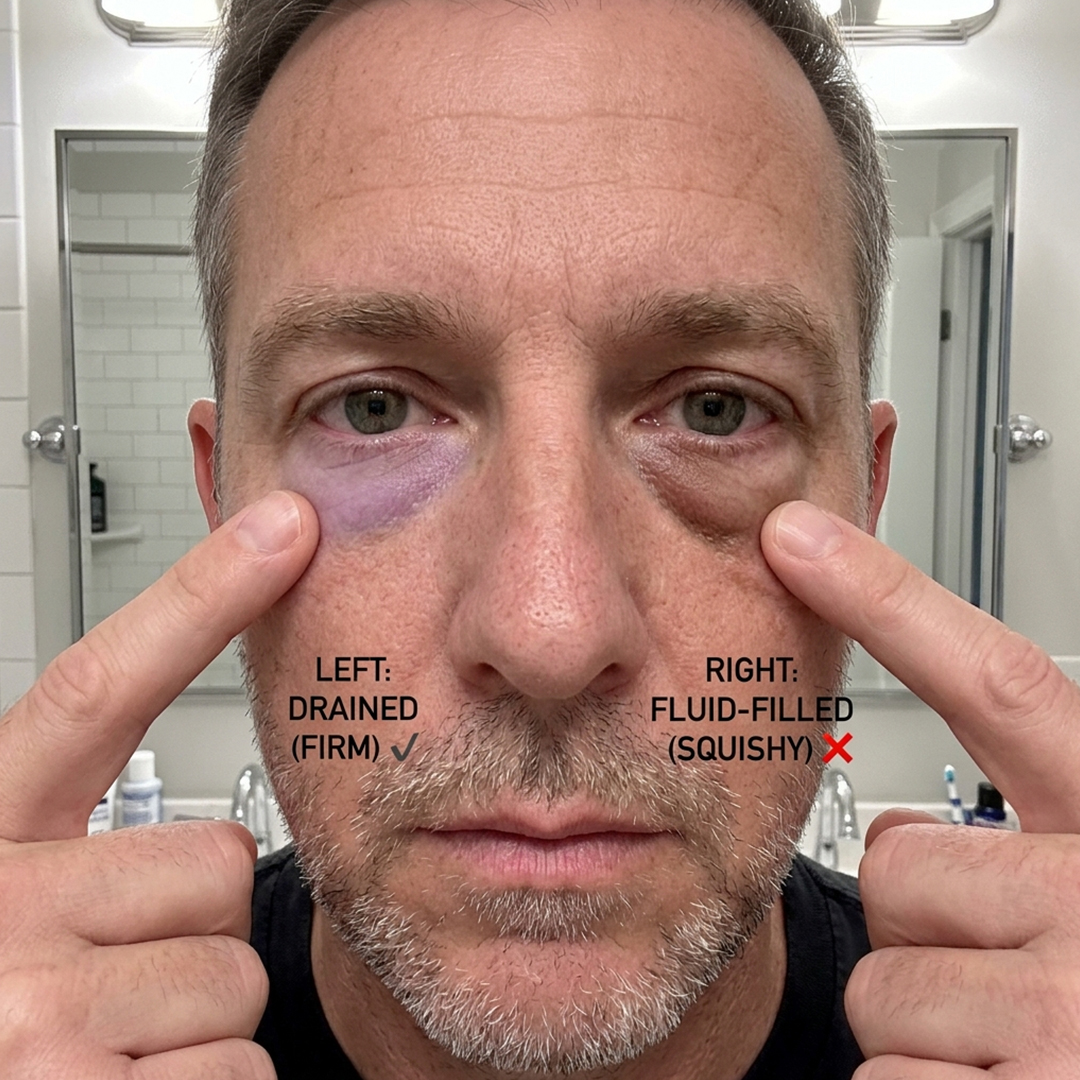
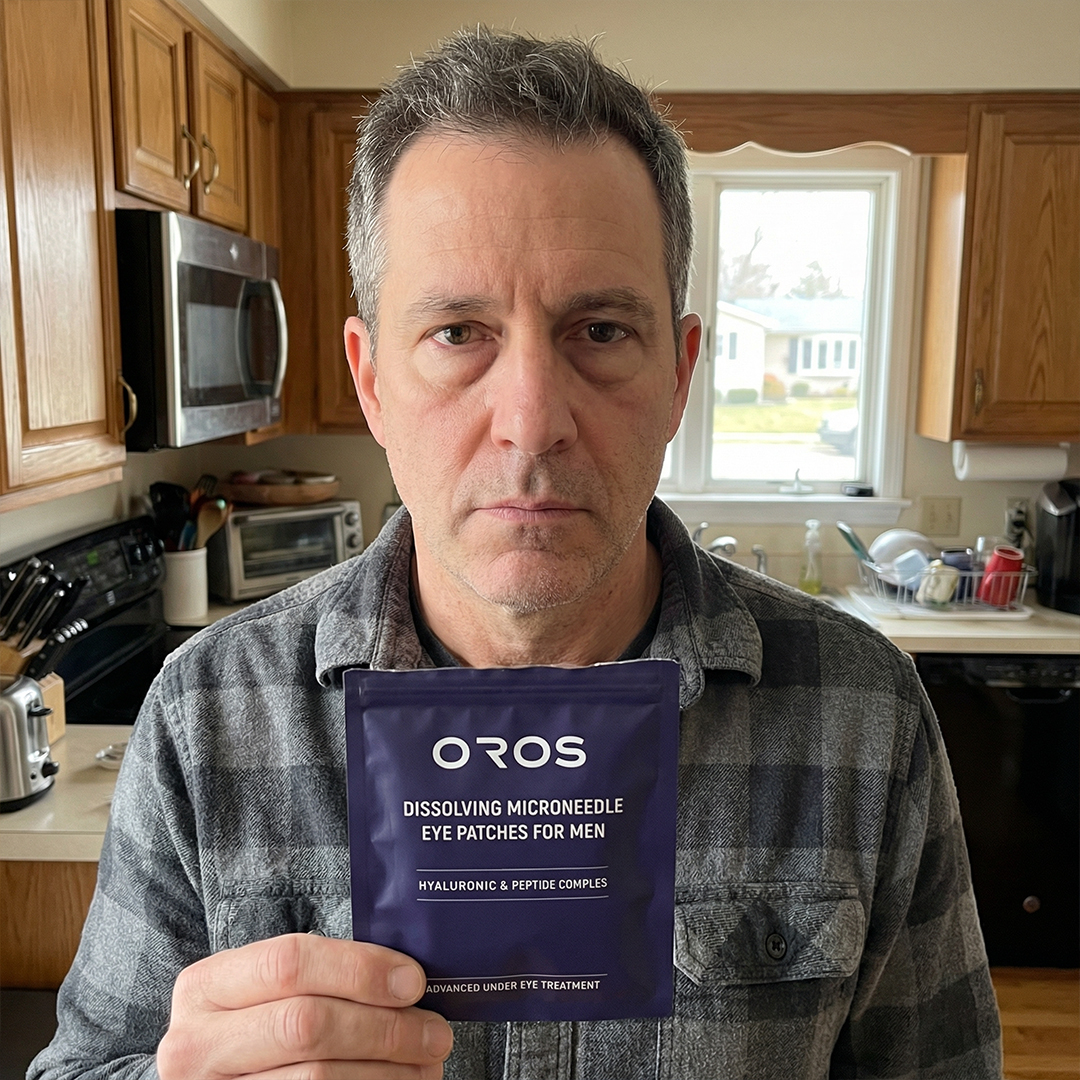
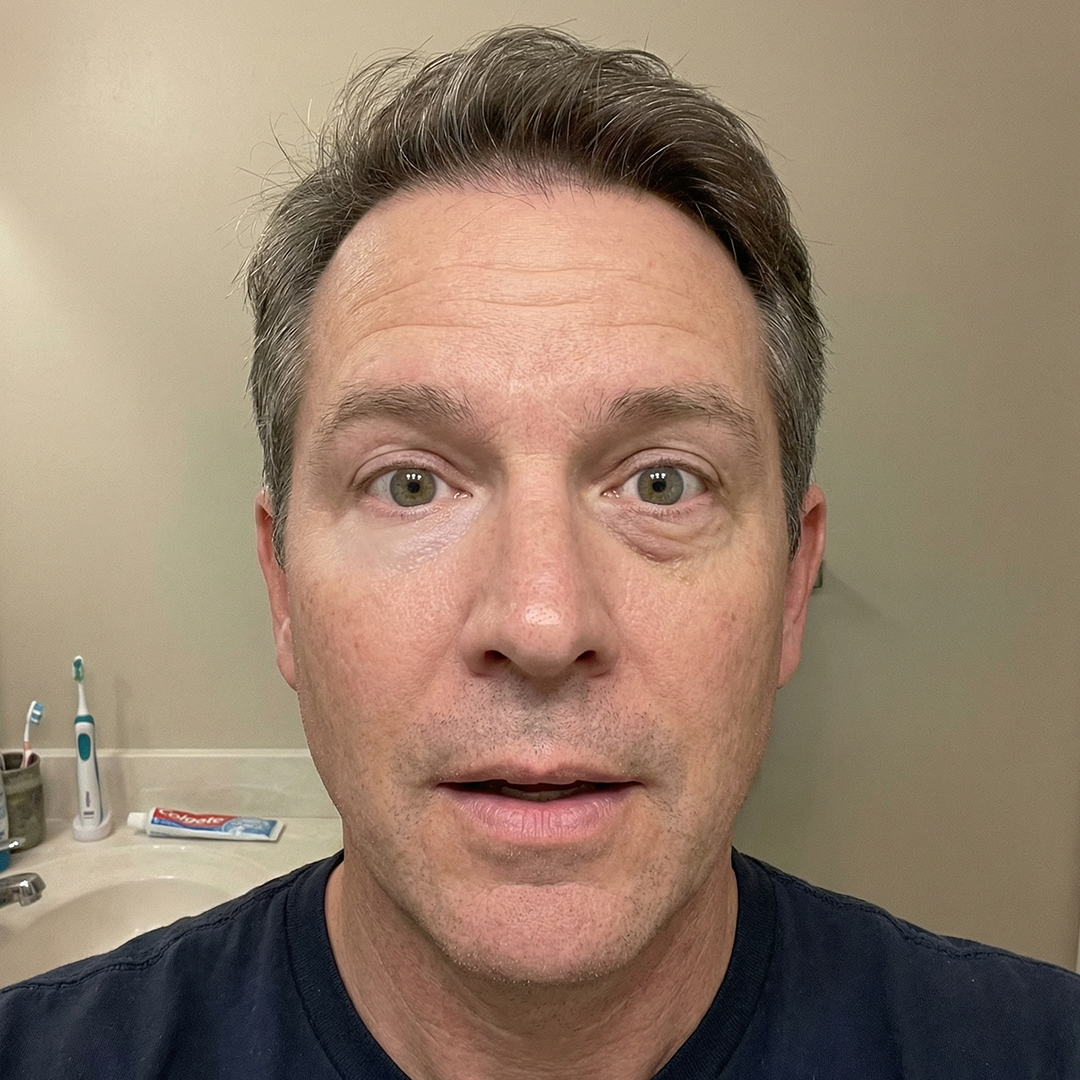
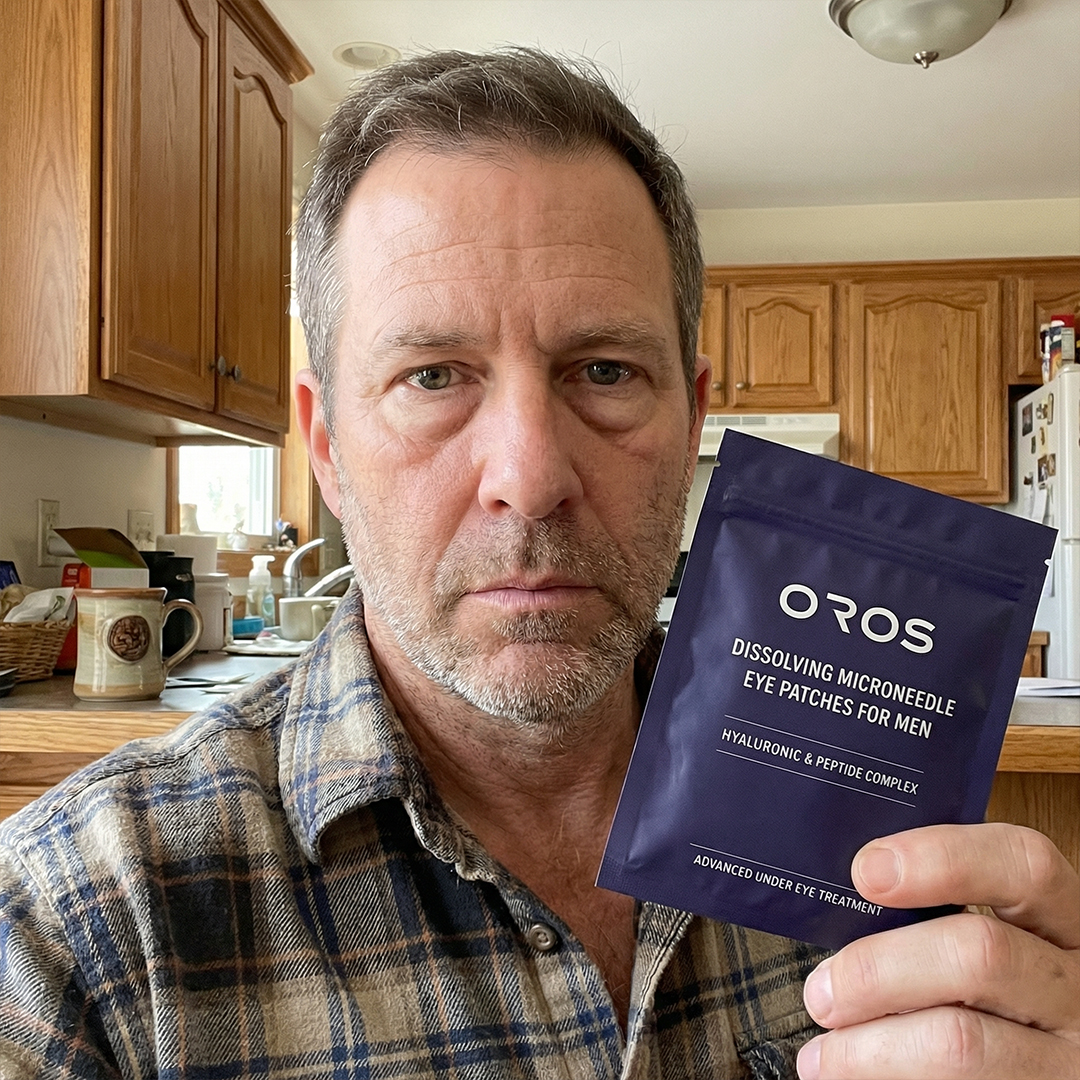
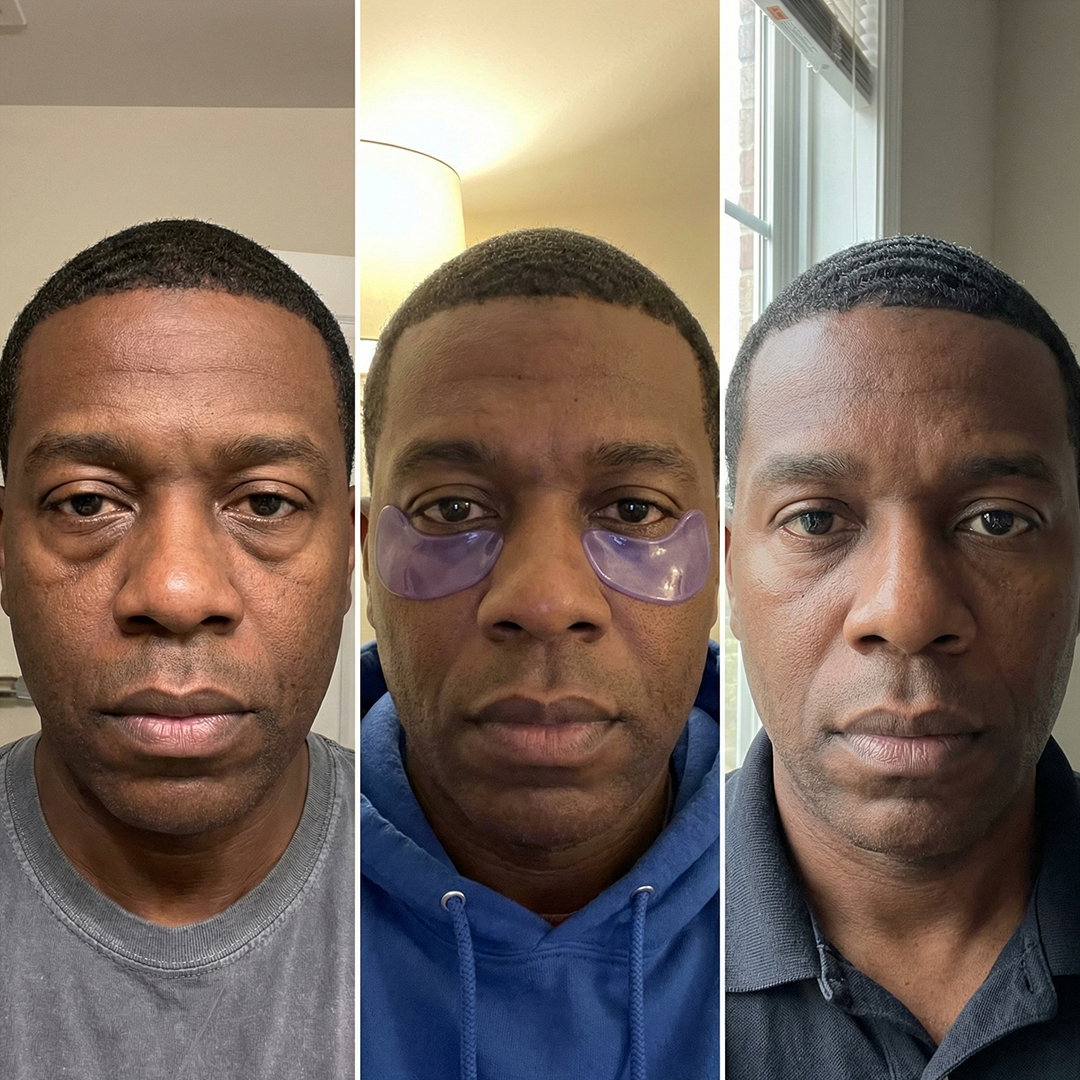
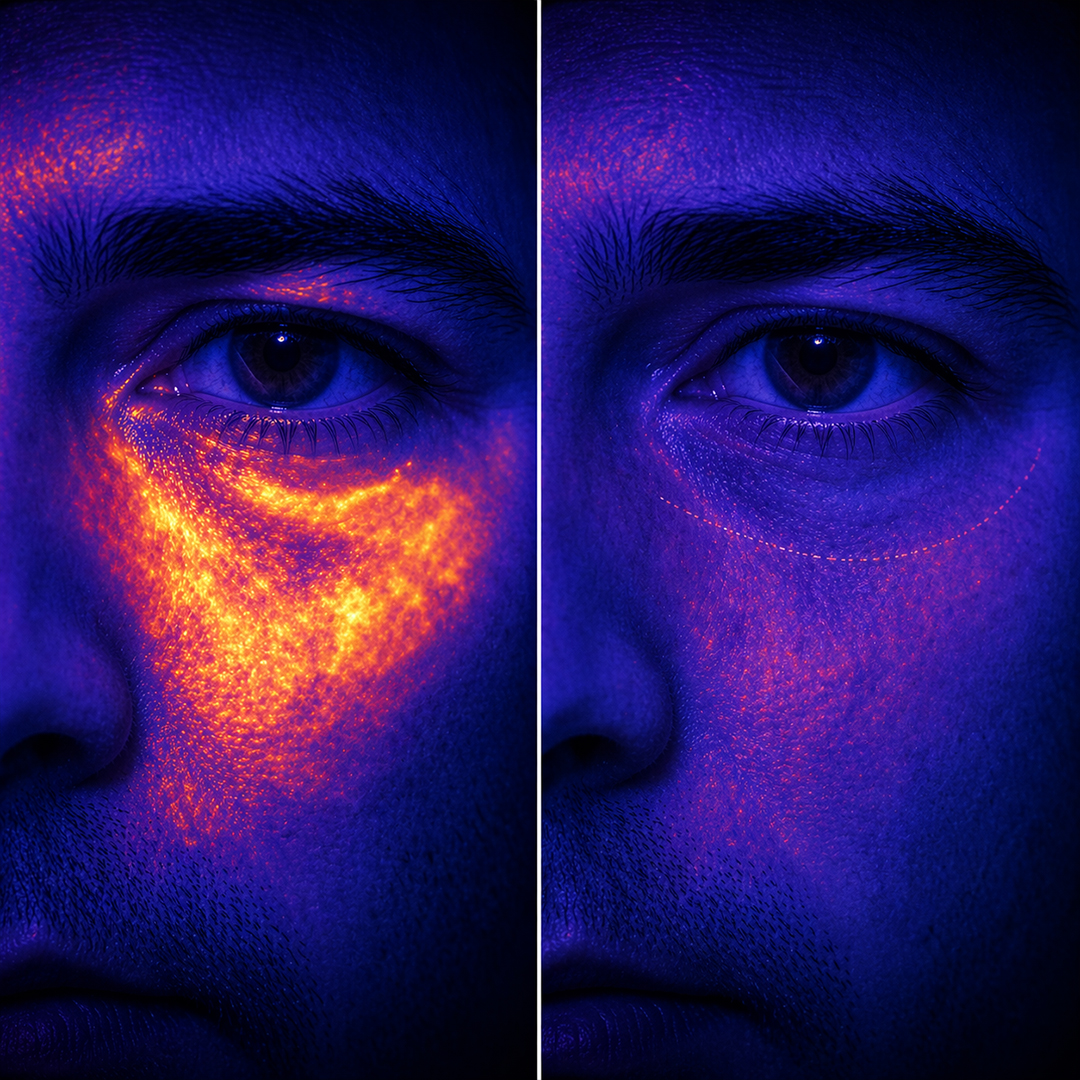
For fifteen years of practice, I watched men fail on every under-eye treatment I had to offer. And I did not understand why, until a patient named Robert came in last November. I am a board-certified dermatologist. I have treated thousands of male patients for periorbital fluid retention, dark circles, and what most of them called "the tired look that would not go away." I did what every dermatologist is trained to do. I prescribed retinol. I recommended caffeine-based formulations. I offered tear trough fillers at $1,200 per session. When those failed, I referred patients for blepharoplasty surgery at $4,500 to $7,000. For most of my career, I believed this was the standard of care. I was wrong. Robert came to my office after a moment he described to me in detail. He had been moderating a panel at a leadership conference in Phoenix. A colleague had taken a candid photograph during the session and posted it to their company group chat. Later that afternoon, the VP had projected the group chat on a six-foot screen for a laugh, and Robert's photograph came up while forty of his colleagues watched. A junior associate half his age had leaned over and whispered, "Robert, are you feeling okay? You look really tired, man." Robert had slept eight hours the night before. He had prepared for that conference for six weeks. He had felt sharp walking into the room. And a room full of his colleagues had just seen him on a screen and concluded the opposite. By the time Robert reached my office, he had tried everything. Retinol that dried his skin until it flaked. Caffeine rollers. Vitamin C serum that oxidized in the bottle. A $90 jar of La Mer. Beef tallow. Cold compresses. Cucumber slices. I had nothing new to offer him except the surgery quote I knew would end with recurrence and the filler subscription I knew would never stop. What I had missed for fifteen years is that male under-eye bags are not aging skin. They are a mechanical failure. The image above, from one of our clinical cases, shows what periorbital fluid retention looks like on dermatological UV imaging. The bright amber zone under the eye is not pigmentation. It is pooled lymphatic fluid sitting at 0.3mm beneath a failing drainage system. The reason no topical treatment had ever worked on Robert's face, or on any of my male patients, is structural. Male skin is 20 to 25 percent thicker than female skin. Testosterone fortifies the outer barrier into what functions mechanically as a concrete wall. There is a principle in pharmacology called the 500-Dalton Rule which determines what can cross that wall. The compounds in every cream I had ever prescribed could not reach the depth where the fluid actually lives. Robert's breakthrough came through a college friend named Dan, a medical-device engineer who had spent twelve years designing transdermal microneedle drug delivery systems for a pharmaceutical company. What Dan explained to Robert was that you do not fix a mechanical failure with a lotion. You fix it with a tool that physically bypasses the barrier. The full explanation, including the mechanism and why American dermatology has not adopted it, is linked below. If you have been looking in the mirror at under-eye changes that no amount of sleep or skincare seems to improve, read it before your next dermatology appointment.
Like this ad? Make it yours.
Crush rebuilds this exact creative around your product — your brand, your colors, your offer — in about a minute.