Isabelle Arnous
Isabelle Arnous Facebook ad: “It is reversible!”
Ran for 27 days, from March 21 to April 17, 2026, the last day Crush saw it.
Run by Isabelle Arnous on Facebook. Crush is not the advertiser and does not verify its claims. See this ad in Meta's Ad Library(opens in a new tab)
Want an ad like this for your product?
Crush makes new ad images for your product from this ad: your logo, your product photo, your offer.
Trials from $19.95 USD, then $79.95 USD a month. Cancel anytime.
About this ad
- Meta Ad Library ID
- 921944313945819
- Platforms
- Facebook, Instagram, Audience Network, Messenger and Threads
- Relaunches
- 0
- Niche
- Skincare & Beauty
Ad text
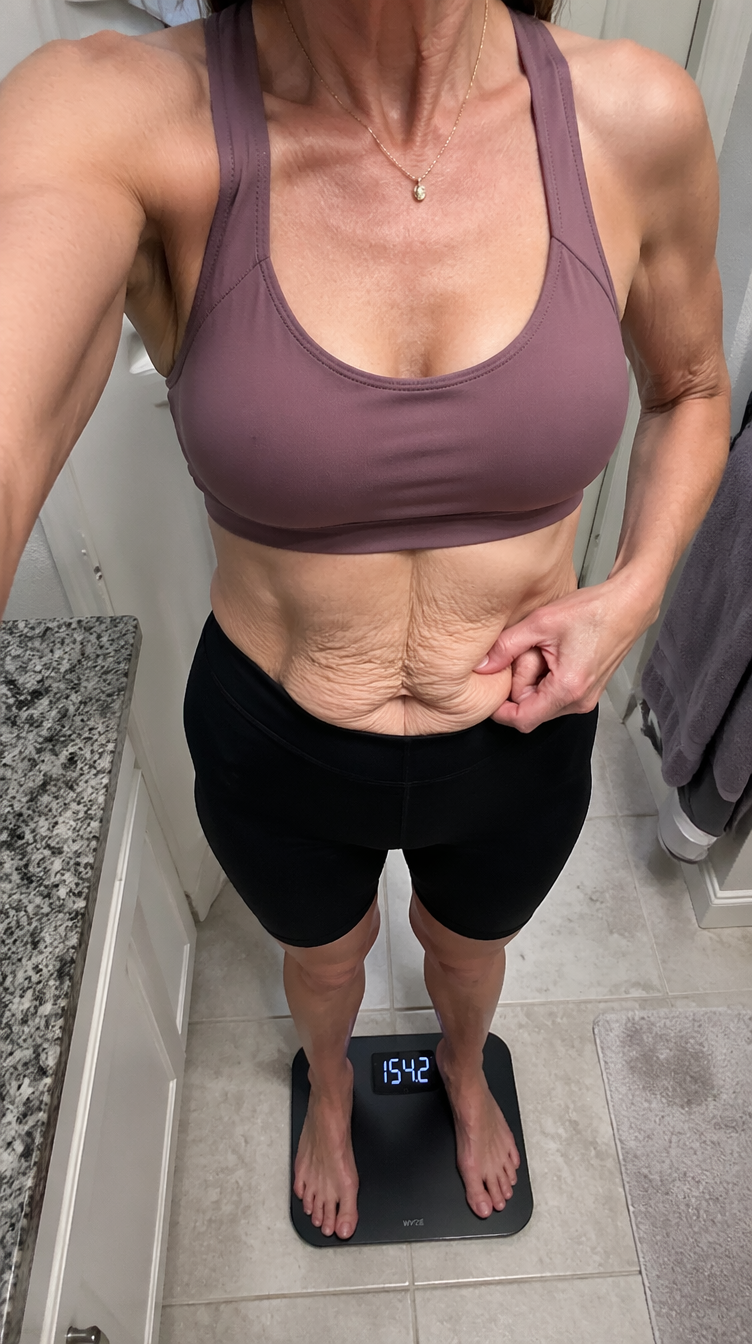
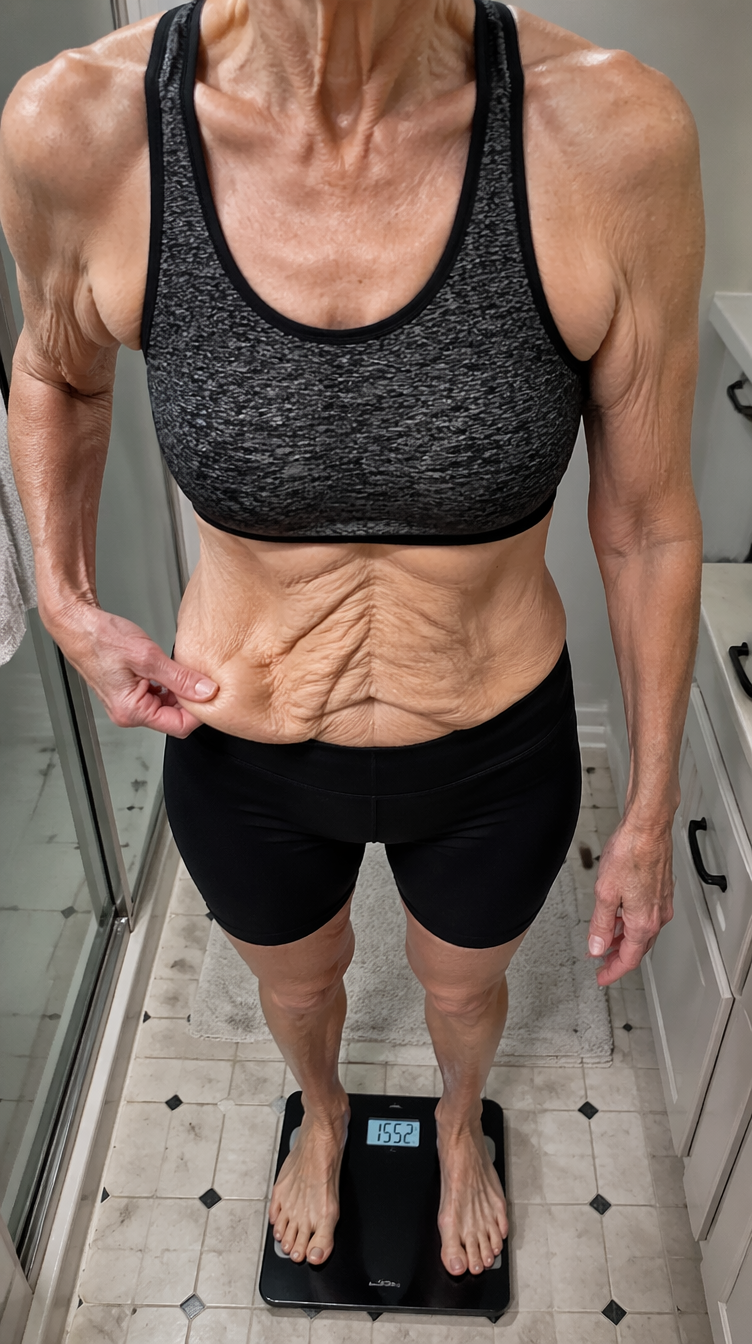
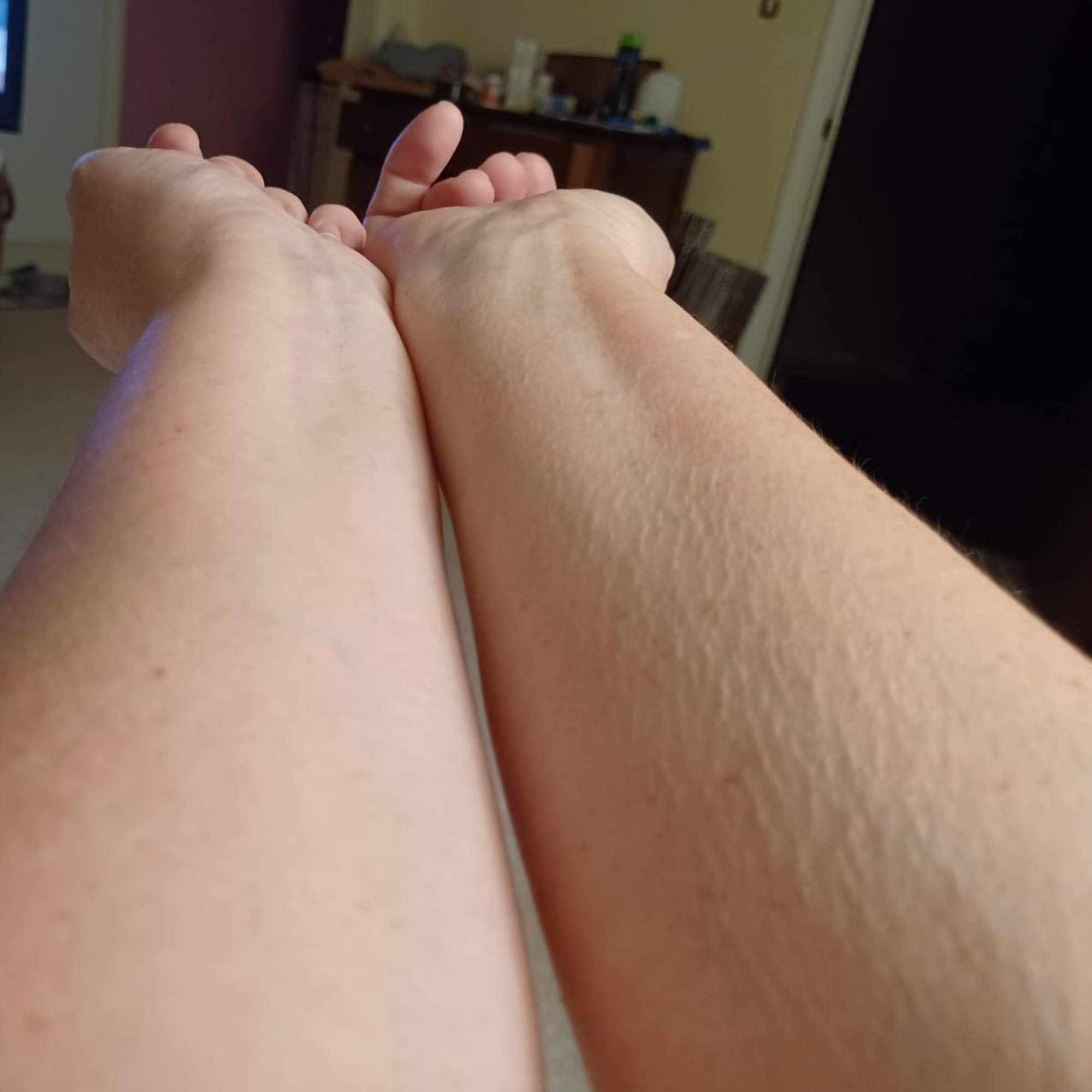
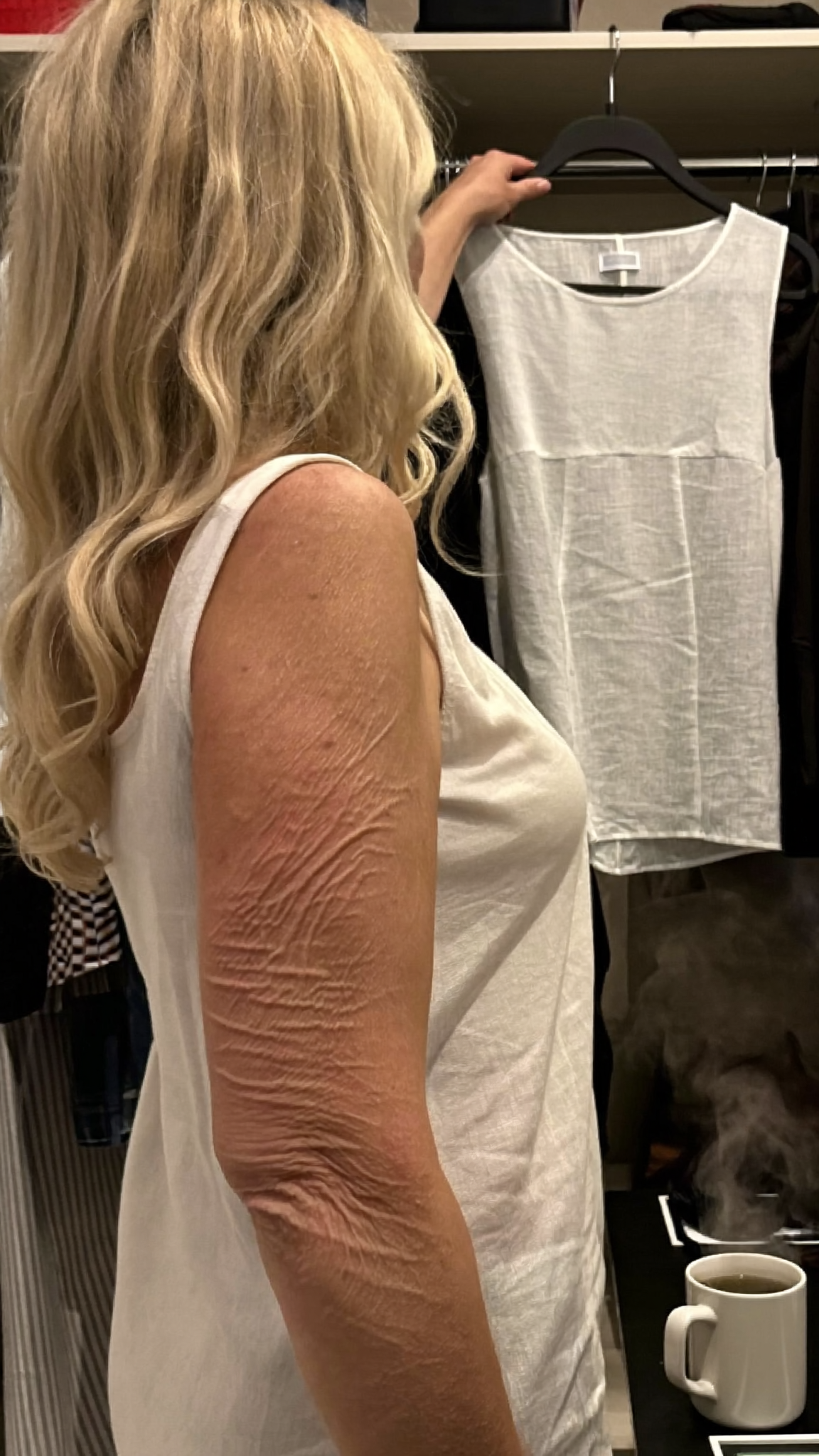
I went from fine to melted candle overnight. I'm 54. Turns out 54 is a cliff edge — and my dermatologist never warned me it was coming. I need to tell you something that I wish someone had told me eleven months ago. I'm 54. Up until last March, I had normal arms. Not toned, not perfect — just normal. The kind of arms you don't think about. The kind you wear a tank top with and feel fine. Then between March and June, something happened. The skin on my upper arms went from smooth to crepey. Not over years. In three months. It looked like someone had crumpled tissue paper over my arms while I slept. Like a candle that melted and couldn't be reshaped. I stood in my bathroom in July holding my arm under the light, pressing the skin with my thumb. The indent stayed there. Three full seconds before it crept back. That's not a wrinkle. That's structural failure. I made an appointment with my dermatologist that week. She barely looked. Pressed my arm once, glanced at it the way you'd glance at a parking ticket. "You're 54," she said. "Skin loses collagen. It's normal." "But it wasn't like this three months ago," I said. "I have photos from March." She didn't ask to see them. "We can discuss laser treatments if you want. Or there are some good firming creams now. But honestly, at your age, this is just how it goes." At your age. I left that office feeling like I'd been told to sit down and accept something that had happened to me overnight. I didn't accept it. Because women older than me — five years older, ten years older — still had normal arms. So "your age" wasn't the answer. Something else happened. And she either didn't know what it was or didn't care enough to find out. I became an expert in things that don't work. Gold Bond Crepe Corrector — $11, used the entire tube over six weeks. The crepey texture didn't change. Not even slightly. StriVectin Crepe Control — $49, eight weeks. The brand promised "visible transformation." What I got was a product that "does not do anything different from a $14 body lotion." Prescription tretinoin — $78 every eight weeks for five months. My dermatologist said "give it time." My arms got dry, flaky, irritated. The crepey texture got more pronounced, not less. Professional microneedling — $240 per session, three sessions. The aesthetician said it would "restart collagen production." It restarted nothing. Body firming serum with "peptides and stem cells" — $120 per bottle, two bottles. The marketing promised everything. The results delivered nothing. Collagen supplements — $54 monthly for four months. My nails got stronger. My arms stayed the same. Nine months. Thirteen different products and treatments. $2,800 spent. Every single one promised to firm, restore, rebuild. Every single one targeted the same thing — collagen. And every single one failed. What I didn't know then was that collagen wasn't the problem. Everything changed at a skincare consultation event at a wellness expo in January. There was a small booth in the back. A woman named Anne — French, mid-70s, this quiet elegance about her — was doing free skin elasticity testing. I almost didn't stop. Another person to tell me I was aging. But she had a small device I hadn't seen before. And a sign that said: "Find out what's actually happening beneath the surface." Fine. One more expert. One more diagnosis of "normal." She pressed the device against my inner forearm. It suctioned slightly and measured how fast my skin bounced back. She looked at the reading. Then at me. Then back at the reading. "When did this start?" Nobody had ever asked me that before. Not my dermatologist. Not a single product brand. Not one aesthetician. "About eleven months ago," I said. "It was sudden. Three months and my arms looked completely different." "May I?" She took my arm gently and pressed her thumb into the skin on my upper arm. The indent stayed there. Four seconds. "This isn't normal aging," she said quietly. "This is sudden-onset hormonal collapse." Anne had been a clinical esthetician in Paris for 38 years, specializing in post-menopausal skin disruptions. She pulled a pen out of her pocket and drew on a napkin. "Most women lose collagen gradually," she said. "About 1% per year after menopause. Slow. Expected. That's what your dermatologist was thinking of." She drew a gentle downward slope. "But some women — especially between 48 and 57 — experience something different. A hormonal shift triggers rapid breakdown. You can lose two to three years' worth of structural support in a few months." She drew a cliff edge. Steep. Sudden. The line just dropped. "That's why it felt overnight. Because it essentially was." She pressed my arm again. Four-second indent. "Your dermatologist looked at the surface and saw aging. But underneath, something specific broke down. There's a structure called the Fibrillin-1 scaffold — think of it as the frame of a house. Collagen is the drywall. The Fibrillin-1 scaffold is the beams that hold the drywall in place." She drew the frame underneath. "When estrogen drops rapidly, the scaffold collapses. The beams break. And it doesn't matter how much collagen cream you apply to the surface — you're putting drywall on a broken frame." I felt something crack open in my chest. Not sadness. Rage. Nine months. Thirteen products. $2,800. Every single one was fixing drywall while the frame was caving in beneath it. "Why didn't my dermatologist know this?" I asked. "Because most dermatologists are trained in gradual collagen decline. Not acute scaffold collapse. They see crepey skin and prescribe what they know — retinol, firming cream, procedures that target the surface. They're treating the wrong condition." Then she said something that made me stop treating this casually. "You have a window. In sudden-onset cases, the Fibrillin-1 scaffold can be rebuilt — but only while the fibroblasts are still responsive. They go dormant from hormonal shock, but they're not dead yet." She looked at me. "The window is 18 to 24 months from onset. You're at eleven months. You have maybe thirteen months left where the structure can fully rebuild. After that, even the best intervention can only slow further decline. It can't reverse what's already collapsed." Eleven months wasted. Thirteen months left. I heard my own voice shake. "What actually works?" "Women who reversed acute scaffold collapse," she said, writing on the napkin, "did three things at once." First — deep dermal penetration. Pure plant oils with molecular weights low enough to reach the dermis where the collapse actually happened. Not creams that sit on the epidermis. Second — fibroblast reactivation. Specific botanicals that signal dormant fibroblasts to wake up and restart scaffold production. She mentioned Wakame Seaweed and White Lupin — and one peptide, Palmitoyl Tripeptide-38, the only one clinically shown to signal the reticular dermis to rebuild the Fibrillin-1 scaffold directly. Third — structural protection. Antioxidants that protect fragile new scaffold fibers as they form. In acute collapse, new tissue is extremely vulnerable to oxidative damage. "All three simultaneously," she said, circling where they overlapped. "Surface creams can't reach the dermis. Supplements can't target specific tissue. You need structural intervention while the cells can still respond." I drove home and sat in the driveway for fifteen minutes. My phone was open to a website she'd mentioned. I'd added it to cart. But I couldn't click order. Not yet. Because I'd believed thirteen times before. Thirteen products that promised. Thirteen failures. And every time I believed, it cost me money and time I couldn't get back. I called my sister. Told her about Anne. About the scaffold. About the Fibrillin-1 frame. About the window. She said, "You're going to buy another cream, aren't you." I said, "It's not a cream. It's an oil. And there's a 60-day guarantee." She said, "If this doesn't work, you're done. You're accepting it. Promise me." I promised. I ordered it that night. Not because I believed it would work. Because I had thirteen months left to find out. The bottle arrived in substantial dark glass. It smelled botanical — rich, earthy, pure. Not synthetic. Real oil. I applied it to my arms that first night. It absorbed completely in about 20 seconds. No greasy film. No residue. It sank in. I didn't expect anything. I'd stopped expecting things five products ago. Day six: I did the thumb press on my upper arm. The indent lasted 3.1 seconds. Down from 4. Measurable. Not dramatic. But measurable. Day thirteen: I was getting out of the shower and caught my arm in the bathroom light. The crepey texture looked less deep. Like someone was filling in the crumpled paper from underneath. Like the candle was being slowly reshaped from inside. Week three: Skin fold measurement on my upper arm — 11mm. Down from 15mm when I started. The collapsed frame was rebuilding. The melted candle was finding its shape again. Week four: I was getting dressed on a Saturday morning. Rushing. Not thinking. I grabbed a sleeveless top from the closet. Put it on. Walked to the kitchen. Made coffee. Sat down. Then I realized what I was wearing. For nine months, every time I'd reached into that closet, I'd slid past the sleeveless tops. Automatically. Without deciding. My hand just went to the long sleeves. Every time. But that morning, I didn't decide to wear sleeveless. I just didn't decide NOT to. I walked to the bathroom mirror. Looked at my arms. And for the first time in nine months, I didn't see melted candle. I saw arms. Mine. Not perfect. Not 30. Just mine. I sat on the edge of the bathtub and cried. Not because my arms looked good. Because I'd been so quietly terrified that the woman I was before March was gone forever. And she wasn't. She was still in there. Week six: Thumb press — 2.3 seconds. Down from 4. I wore a tank top to meet friends for lunch. Didn't bring a cardigan. Didn't think about my arms once during the meal. Just ate, talked, laughed. Normal. One of my friends said, "You look different. Like... lighter." She didn't mean weight. Margaret, 57, wrote: "My arms went from normal to crepey in four months. I tried three different firming creams — nothing. Started using Erae at month nine. By week seven, my elasticity test went from 4.1 seconds to 2.2. I wore a sleeveless dress to my grandson's christening. First time in over a year. My daughter cried when she saw me." Susan, 62, wrote: "I was about to book a brachioplasty consultation. $8,000 minimum. My sister told me to try this first. Skin fold went from 16mm to 9mm in ten weeks. My surgeon asked what I'd done. When I told him it was an oil, he said I was making it up. I cancelled the consultation." Eight weeks in, I had my annual dermatologist appointment. The same doctor who said "at your age." She looked at my arms during the exam. Paused. Looked again. "Have you been doing something different?" "An oil," I said. "An oil." "It targets the Fibrillin-1 scaffold. Not collagen. The frame underneath." She was quiet for a long time. "The Fibrillin-1 scaffold," she repeated. "Who told you about that?" "A French esthetician named Anne. At a wellness expo." She wrote it down. Then she asked me for the name of the oil. Sometimes the person who dismissed you is the same person who eventually asks for your answer. That felt like enough. It's called Erae Queen Oil. Passionfruit seed oil and rice bran oil carry it into the dermis — where the collapse actually happened. Wakame seaweed and white lupin signal the dormant fibroblasts to restart Fibrillin-1 scaffold production. Passionfruit, vitamin E, acai, and babassu protect the fragile new structure as it forms. All three — penetration, reactivation, protection — in every application. Here's what the alternatives cost: Brachioplasty: $5,000 to $12,000. Six weeks recovery. Permanent scars. Removes loose skin — doesn't address the scaffold collapse underneath. Laser resurfacing: $800 to $2,000 per session. Tightens the surface. Doesn't reach the Fibrillin-1 scaffold. Professional microneedling: $200 to $300 per session. Stimulates surface collagen. Doesn't reactivate dormant fibroblasts in the dermis. Erae Queen Oil: $59 per bottle. One bottle lasts about two weeks. Formulated to reach the scaffold directly. $3.93 per day. Less than a coffee. "What if I'm past the 24-month window?" Anne said the window is optimal at 18 to 24 months, but intervention at any stage can slow further decline and provide visible improvement. The 60-Day Ritual Promise means you find out without risking anything. "Does this work on legs and neck too?" The Fibrillin-1 scaffold exists in all body skin. The collapse pattern is the same. Most women start with arms and expand. "How long does one bottle last?" About two weeks with daily application. The full 60-day ritual is four bottles. "My doctor said nothing topical can help crepey skin." Most doctors are trained in gradual collagen decline protocols. Sudden-onset Fibrillin-1 scaffold collapse is a different condition. Most dermatologists don't distinguish between the two. That's why every "firming cream" they recommend fails — it's treating the wrong thing. If your skin changed suddenly — if you went from fine to something you don't recognize in a matter of months — if your dermatologist said "just aging" and you knew in your gut she was wrong — this is what I want you to know. You're not aging normally. You're in scaffold collapse. And you have a window. The 60-Day Ritual Promise: if you don't see visible improvement in firmness and texture within 60 days, full refund. No forms. No questions. I'll link it below. Your window is still open. But it won't stay open forever. I wasted nine months. I almost missed mine. Don't waste yours. P.S. Five months in, ninth bottle. Total spent: $531. Compared to the $2,800 I spent on thirteen products that targeted the wrong thing, it's almost insulting. And my arms actually changed. Last week I wore a sleeveless dress to my niece's wedding. My sister — the one who made me promise to give up if this didn't work — pulled me aside at the reception. "Your arms," she said. "I know." "How." I told her about Anne. About the scaffold. About the cliff edge at 54 that nobody warns you about. She ordered a bottle from her phone before we cut the cake. P.P.S. My dermatologist called me last week. Not for an appointment. She wanted the name of the oil again. She said she has eleven patients with sudden changes and no protocol to offer them. I gave her Anne's number too. Sometimes what looks like inevitable aging is actually a structural emergency. You just need someone who knows the difference.
Where the ad sends people
erae-paris.com
It is reversible!
60 Day-ritual guarantee.
Learn more: erae-paris.com(opens in a new tab)