Denture Care Infos
 Facebook ad: “Read this if you wear dentures”
Ran for 54 days, from September 23 to November 16, 2026, the last day Crush saw it.
Run by Denture Care Infos on Facebook. Crush is not the advertiser and does not verify its claims. See this ad in Meta's Ad Library(opens in a new tab)
Make your own version of this ad
Crush makes it, launches it in your own Meta ad account, scales the winners and pauses the losers.
About this ad
- Meta Ad Library ID
- 923185293844787
- Platforms
- Facebook, Instagram, Audience Network and Threads
- Relaunches
- 0
- EU reach
- 35,117
Ad text
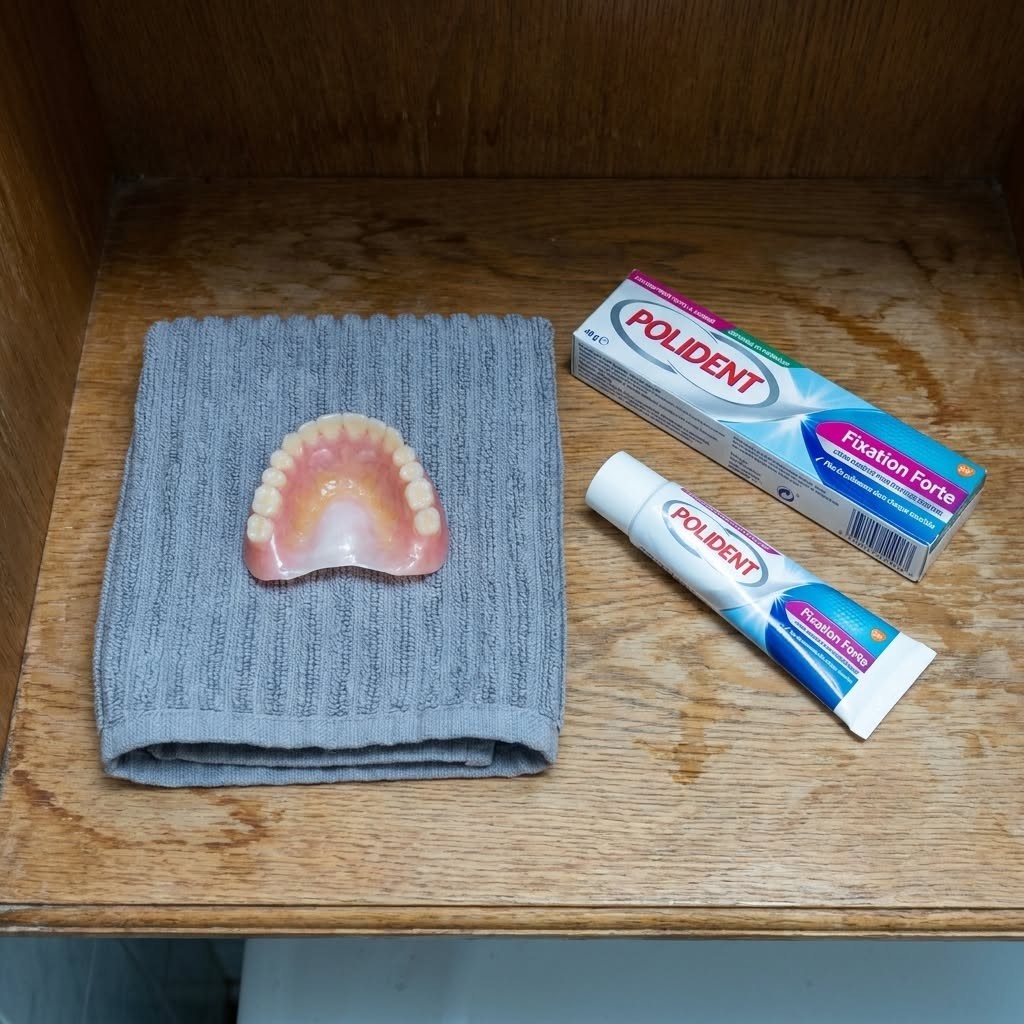
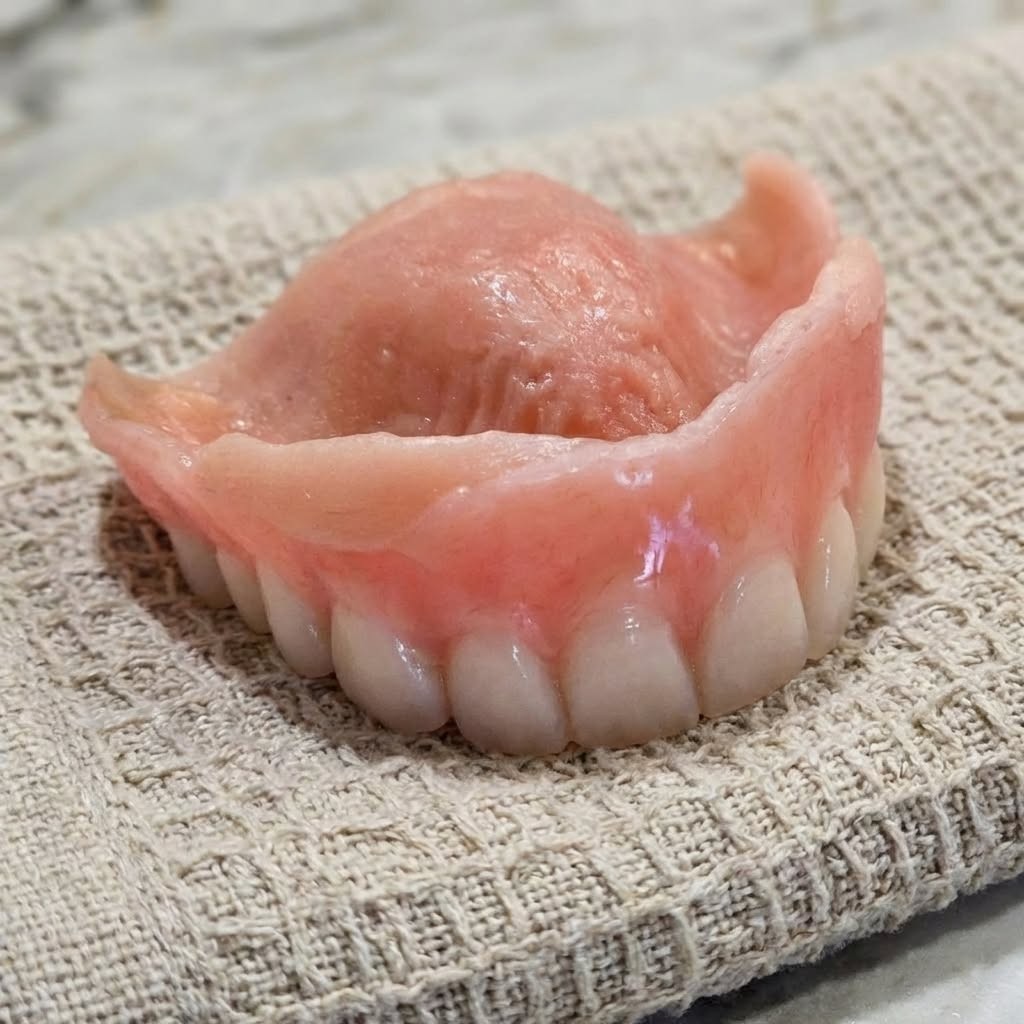
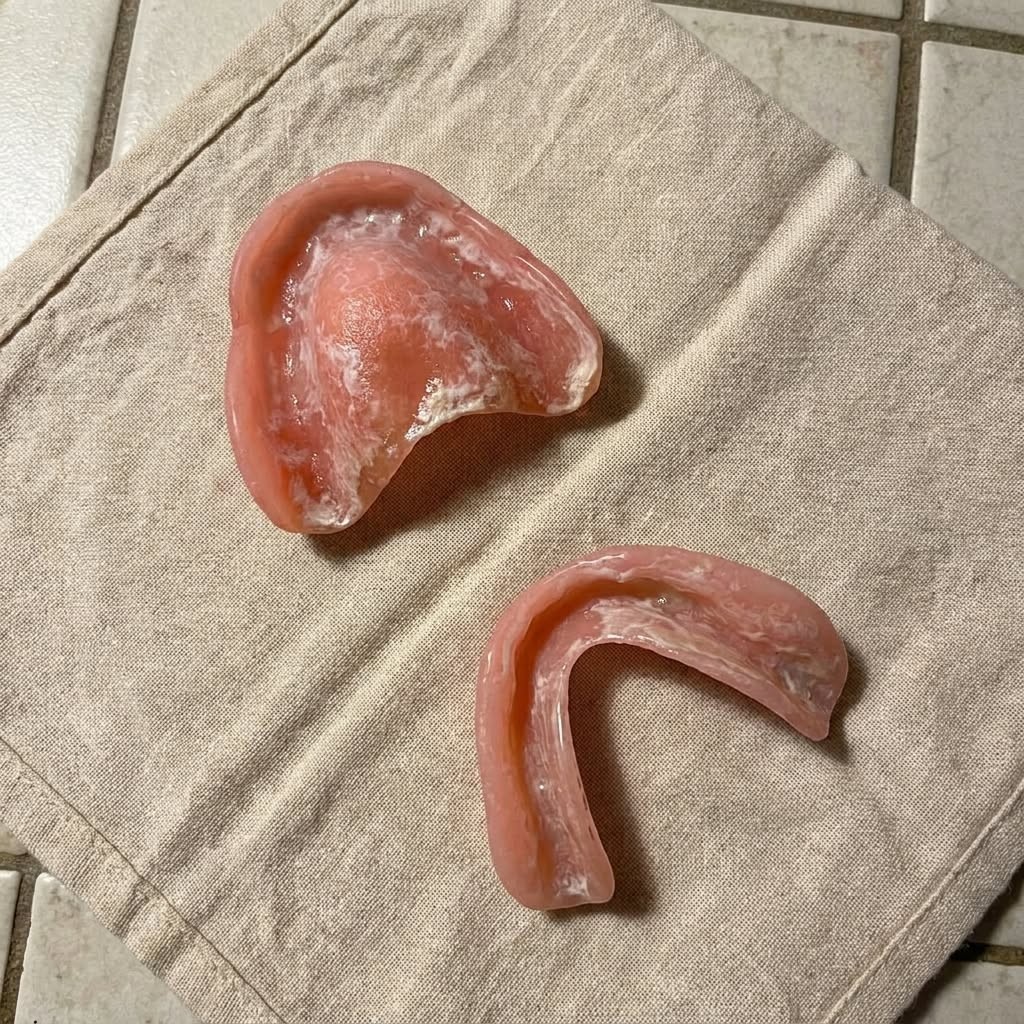
After my husband's stroke, the neurologist asked me one single question. "How did he clean his denture?" He cleaned it with Steradent every evening for 16 years. I clean mine the same way. My name is Joyce Merritt. I'm 69 years old. My husband Ray died of a stroke nine months ago. He was 71. The neurologist told me they'd found high levels of bacterial toxins in Ray's blood. Severe inflammation. That's what caused the clot. Then he said something I'll never forget: "In elderly patients who wear dentures, we're seeing this link more and more often." I didn't understand. Not that day. I was in shock. But weeks later, lying in my bed — Ray's side empty, his pillow still dented — those words started replaying. And I started paying attention to my own body. Because I was feeling things I put down to grief. To getting older. To being on my own for the first time in 44 years. But it wasn't grief. It was the same symptoms Ray had for the three years before the stroke killed him. Let me describe them. Because if you wear a denture, I think you might be living with them right now. The fatigue. Not tiredness — EXHAUSTION. The kind where you wake up after eight hours and your body feels like it's filled with wet concrete. You sit down at 11 in the morning and the day is over. Getting dressed takes so much energy that you sit on the edge of the bed halfway through. I used to keep a vegetable garden. Bottle tomatoes every August. Walk five kilometres before breakfast. Now I rest after the postbox. Ray had the same exhaustion for three years. A plumber who'd never taken a sick day — by the end he couldn't walk to the garage. His GP said it was age. The brain fog. Not forgetting where you put your keys. Forgetting the word for keys. Standing in your own kitchen staring at the cooker trying to remember what you were about to do. Your son asks you a question and you can see the answer in your head but you can't reach it — like it's behind dirty glass. Ray forgot names. Missed the motorway exit he'd taken a thousand times. Lost his train of thought mid-sentence. I watched the sharpest man I've ever known fade away in front of me. His GP said it was normal. The gums. Swollen every morning. Red. Sore. I press my denture in and I wince. Some mornings the pain is sharp enough to make my eyes water at the table. Sore spots that move around my ridges — front this week, back left the next. Ray's gums bled every time he brushed them. For years. We both thought that was just how dentures felt. The metallic taste. A sour, metallic film coating the inside of my mouth the moment my denture goes in. I taste it over my food. Over my coffee — the one thing I still look forward to, ruined. Over water. Over nothing. Like sucking on coins from morning until I take my denture out at night. Ray complained about it every morning for three years. "Something tastes off, Joyce." And I'd say: "It's just the denture, love." I told him that. Every morning. For three years. Until the morning I found him on the living room floor. His right side still. His face twisted. Trying to speak but only noise coming out. I got down on the floor and held his hand and told him the ambulance was coming. Told him he was going to be all right. He squeezed my hand once. Then he stopped. He died four hours later. And every symptom he'd had for three years — the exhaustion, the fog, the swollen gums, the metallic taste — I have all of them. Right now. Today. I'm on the same road he was. I'm just not as far along it yet. I tried to sort it out myself. Steradent every night for eight years. Never missed one. Switched to Polident. No difference. Brushing twice a day. The gums bled even more. Scrubbing with bicarbonate of soda. It scratched them — I learned later that makes things worse. Soaking in vinegar overnight. I tasted vinegar all day on top of the metal. Rinsing with hydrogen peroxide. It burned my gums so badly the tissue peeled. Mouthwash before and after putting it in. 15 minutes of freshness. Then back to the coins. Giving up coffee. The one thing I still enjoyed. Zero change. A £35 ultrasonic cleaner off the internet. Ray had tried one two years earlier. Shrugged. It did nothing. Never used it again. Nothing worked. Eight years for me. Sixteen for Ray. And we couldn't buy ourselves a single good morning. I rang my son Michael. I told him everything — what the neurologist said, the studies, my symptoms, the link. He came over that same afternoon. I could see it on his face when he walked in. The same controlled expression he'd had at his father's funeral. He sat down at the kitchen table. Ray's chair. "Mum. I need to say something." "I've just lost Dad. I watched him go downhill for three years and nobody did anything because everybody said it was normal. His GP said normal. YOU said normal. And then one morning he was on the floor and he was gone." His jaw tightened. "I'm not doing that again. I'm not going to watch you fade away the same way, telling myself it's grief or age or whatever makes us feel better about doing nothing." "If what killed Dad is what's making you ill — we sort it out. Now." He'd been up all night researching. He found the Facebook groups. Real denture wearers saying things they'd never say to their doctors. "I feel like I'm dying and nobody believes me. My GP says it's age. I'm 66." "Brain fog so bad I forgot my grandson's first name at his birthday." "I had a stroke two years ago. Nobody connected it to my denture until I read something online." "My husband died last year. Stroke. Dentures for 20 years. Now I'm frightened to put mine in." That last one. That was me. Word for word. Then Michael found something different. "Mum, there's a device people won't stop talking about. The DentaClean. The testimonials from the people using it — they read like the opposite of what happened to Dad." He showed me: "I put my denture in it, pressed a button. The water turned BROWN. I'd brushed it that morning." "Two weeks. Brain fog GONE. First time in years I can think clearly." "The metallic taste was gone in four days. FOUR DAYS. After three years." "My doctor asked me what I'd changed because my inflammation markers were back to normal." I looked at him. "How is that any different from the tablets? Or that thing your father tried?" He explained what nobody — not my dentist, not Ray's dentist, not a single doctor in twenty-four years between us — had ever told us. Dentures have microscopic pores, cracks and grooves in the acrylic. Bacteria get inside. Multiply. Form a layer called biofilm that bonds INTO the material. Brushing can't reach it. Steradent can't dissolve it. Soaking cleans the surface — underneath, the biofilm doesn't budge. Like painting over mould in a wall. Clean on top. Growing underneath. And the bacteria don't stay in your mouth. They seep through your gum tissue into your bloodstream. They trigger chronic inflammation — fatigue, fog, stiffness, sore gums, metallic taste. Stroke. The cleaning instructions you're given when you get a denture — brush, soak, rinse — haven't been updated in thirty years. The science proved they didn't work ten years ago. Nobody changed the leaflet. Then Michael told me why Ray's Amazon cleaner had done nothing. "35 kHz. That's a jewellery frequency — designed for rings and watch straps. Too weak to break up the biofilm in denture acrylic. And those blue lights? 395 nanometres. Cosmetic. They glow. They don't kill anything." The DentaClean is different. 40 kHz ultrasonic — the frequency dental clinics use on their instruments. Powerful enough to break up the biofilm bonded inside the acrylic. UV-C at 253.7 nm — the wavelength hospitals use to sterilise surgical equipment. It kills bacteria at the DNA level. Stainless steel tank — not plastic, which breeds the very bacteria you're trying to get rid of. No chemicals. No tablets. Just water. Five minutes. If Ray's Amazon cleaner had been this — 40 kHz instead of 35, real UV-C instead of blue lights, steel instead of plastic — Would he still be here? I can't answer that. But I can't stop asking myself. Michael ordered it that evening. I put my denture in the stainless steel tank. Added water. Pressed the button. Five minutes. The water was dark brown. Almost opaque. Particles floating in it. A yellowish film on the surface. I'd brushed it that morning. Soaked it in Steradent the night before. Eight years. It had never been clean. And neither had Ray's. For sixteen years. Every night for sixteen years he'd put bacteria-covered plastic back in his mouth, pressed it against his gums, and gone to sleep. And the bacteria seeped into his blood. And built up. And inflamed. Until one Tuesday morning they killed him on our living room floor. And nobody had said a word. I ran my tongue over the surface. Smooth. Completely smooth. No film. No grittiness. No taste. In eight years I'd never felt my denture like that. I didn't cry. I was done crying. I was furious. They ring you four times about a mammogram. They nag you about your flu jab. They take your blood pressure at every visit. But the medical device in your mouth — the one connected to your bloodstream through your gum tissue, the one you wear sixteen hours a day, the one research has linked to strokes for over a decade? Nobody checks. Nobody warns you. If denture bacteria affected 30-year-olds rather than 65-year-olds, there'd be a clinical-grade cleaner in every chemist in Britain by tomorrow. But when older people get ill? "It's your age." "That's fairly normal." "Try omega-3." That isn't healthcare. That's abandonment. And it cost me my husband. Day 1 — Brown water. Rage. Then the cleanest denture I've ever felt. Day 4 — Metallic taste. Gone. Not reduced. GONE. I made my coffee and I tasted coffee. Just coffee. I sat down at the kitchen table — Ray's chair empty — and tasted coffee for the first time in three years. He complained about that taste every morning. I told him it was nothing. Day 7 — Gums not swollen. Not red. Not sore. I put my denture in and I felt nothing. No wince. Ray winced every morning for three years. I'd hand him his denture and watch him clench his jaw. Neither of us knew why. Day 14 — Brain fog lifting. I found the word I was looking for. Finished the crossword. Rang Michael and remembered what I was ringing to say. Day 21 — Went shopping. I walked every aisle. I came home and made a beef stew — Ray's recipe. I laid the table for one and ate all of it. First time in nine months I'd had the energy to cook. Day 30 — Michael rang on a Saturday morning. I was laughing at something on the telly. He went quiet. "Mum. You sound different." "Different how?" "Like yourself. After Dad — I was so frightened —" "I know, love." "You've got Mum's voice again." At my 90-day check-up, my doctor looked at my blood tests. "Your inflammatory markers are back to normal. First time in three years. What's changed?" I told him everything. He wrote it all down. Then I told him about Ray. The endotoxins. Sixteen years of Steradent. The stroke. He stopped writing. Ray's markers were "slightly elevated" for three years. My markers were "slightly elevated" for three years. His GP said age. My GP said grief. The only difference between us is that I found out what was inside my denture before it killed me too. If you wear a denture right now, listen to me. You're cleaning it wrong. Not because you're careless — because nobody has told you the truth. Nobody told us either. For twenty-four years between the two of us. The brush doesn't reach the biofilm. The tablets don't dissolve it. The protocol your dentist gave you is thirty years out of date. And the bacteria building up inside your denture tonight — while it soaks in that tablet — are seeping through your gums into your blood. The fatigue you put down to age? Ray put it down to age too. The brain fog? His GP said normal. The metallic taste? I told him it was just the denture. The swollen gums? We both thought that was how dentures felt. None of it was normal. All of it was bacteria. From a denture that was never clean. Don't buy a cheap ultrasonic cleaner off the internet. Ray tried one. 35 kHz. Blue LEDs. Plastic tank. It did nothing. And he's gone. The DentaClean is 40 kHz. UV-C at 253.7 nm. Stainless steel. No chemicals. Five minutes. It's the only thing that reaches what's actually making you ill. https://try-lyrashop.com/products/dentaclean?view=pdv-1 60 days money-back guarantee Medical UV-C sterilisation at 253.7 nm No subscription — one single purchase, yours forever Please, don't wait. Ray's routine was "correct" for sixteen years. Until a Tuesday morning when he collapsed on the living room floor and I held his hand and told him he was going to be all right. He wasn't. Every night you soak your denture in a tablet that doesn't reach the biofilm — every morning you press it against your gums — the bacteria build up. Nobody warned us. I'm warning you. https://try-lyrashop.com/products/dentaclean?view=pdv-1 — Joyce Merritt, 69 years old. 44 years married. 9 months without him. And not one more day cleaning my denture the way that killed him.
Where the ad sends people
try-lyrashop.com
Read this if you wear dentures 👆
Recommended by 5,000+ dentists
See details: try-lyrashop.com(opens in a new tab)