
Stopped· since May 7, 2026
- 7
- days it ran
- 0
- relaunches
Ad copy
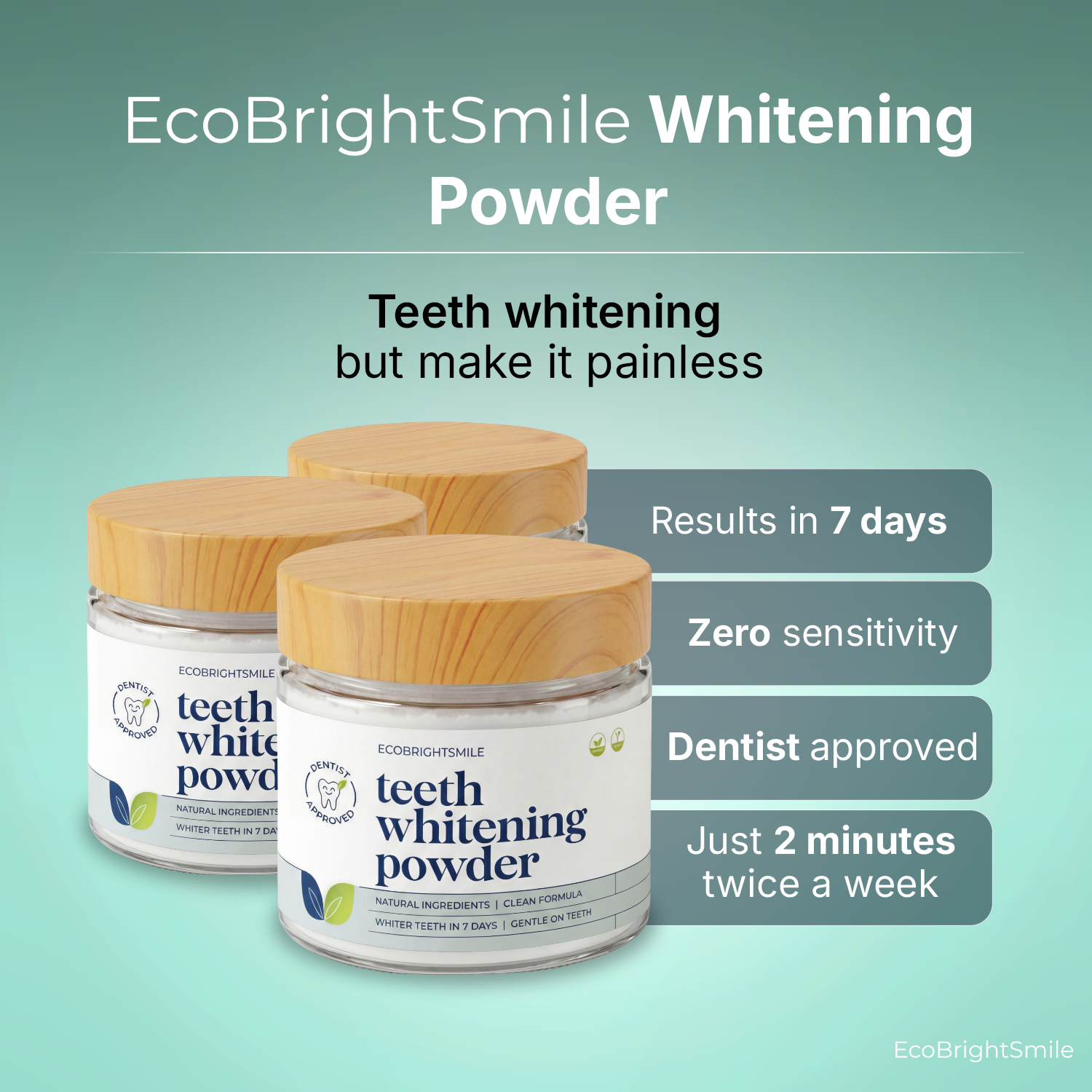
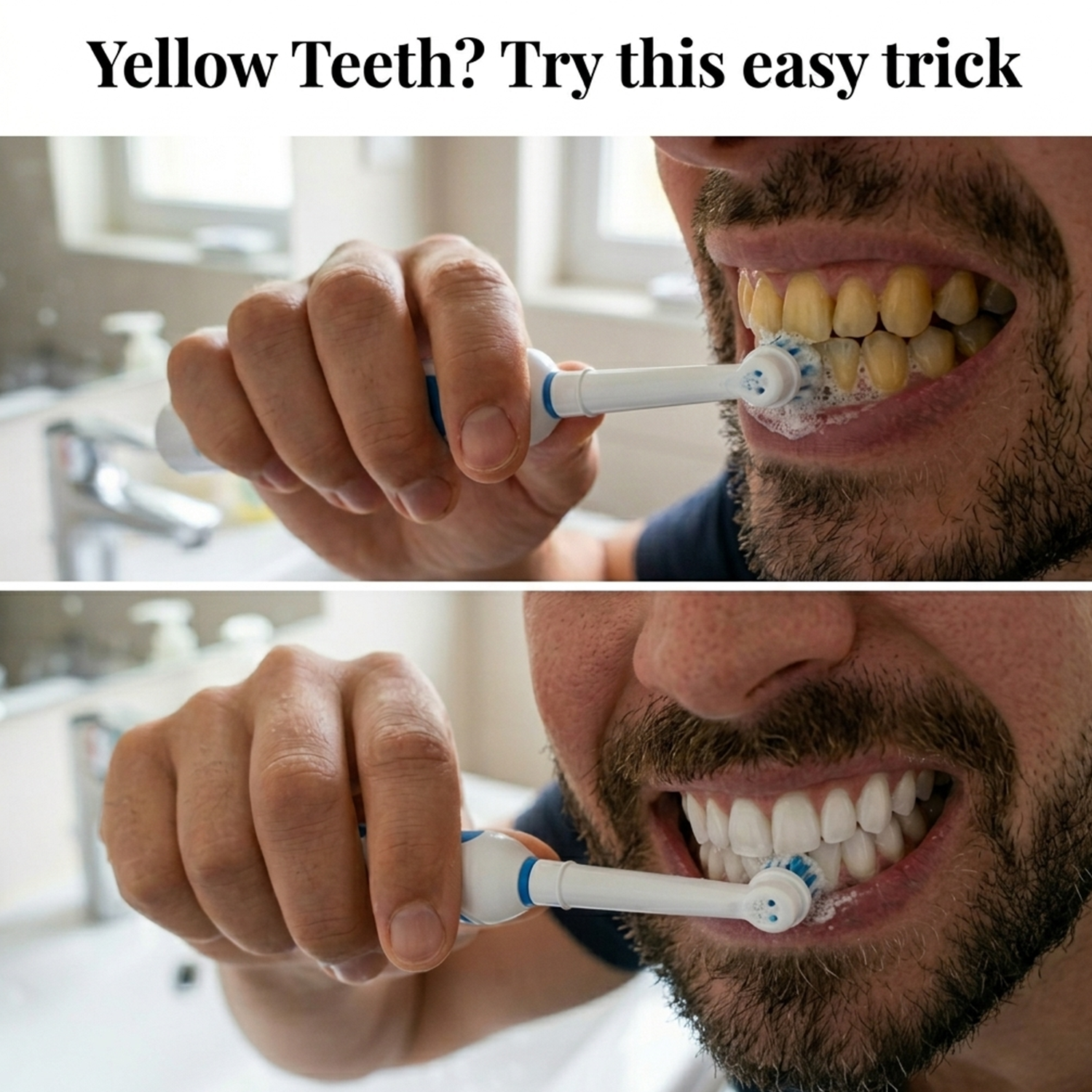
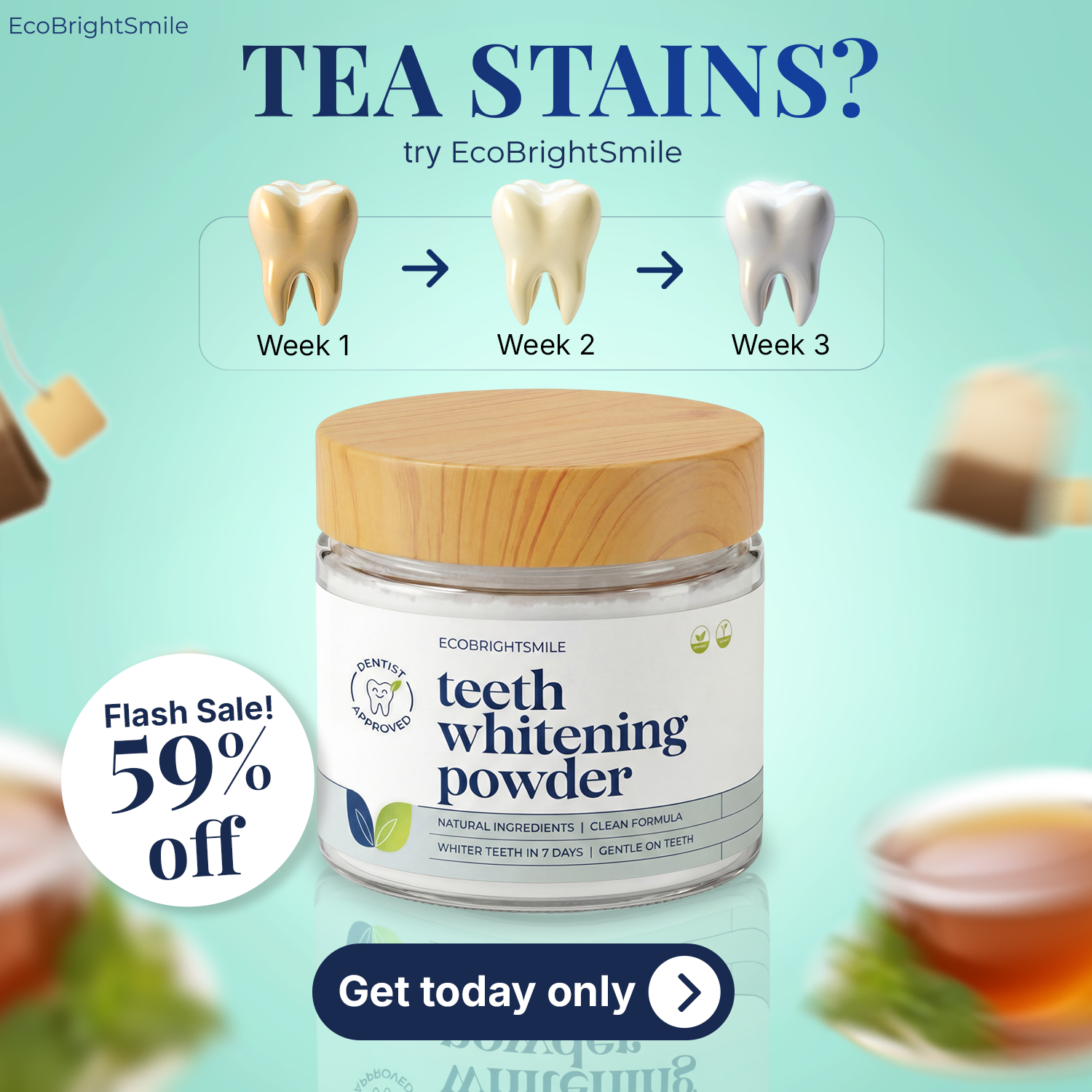
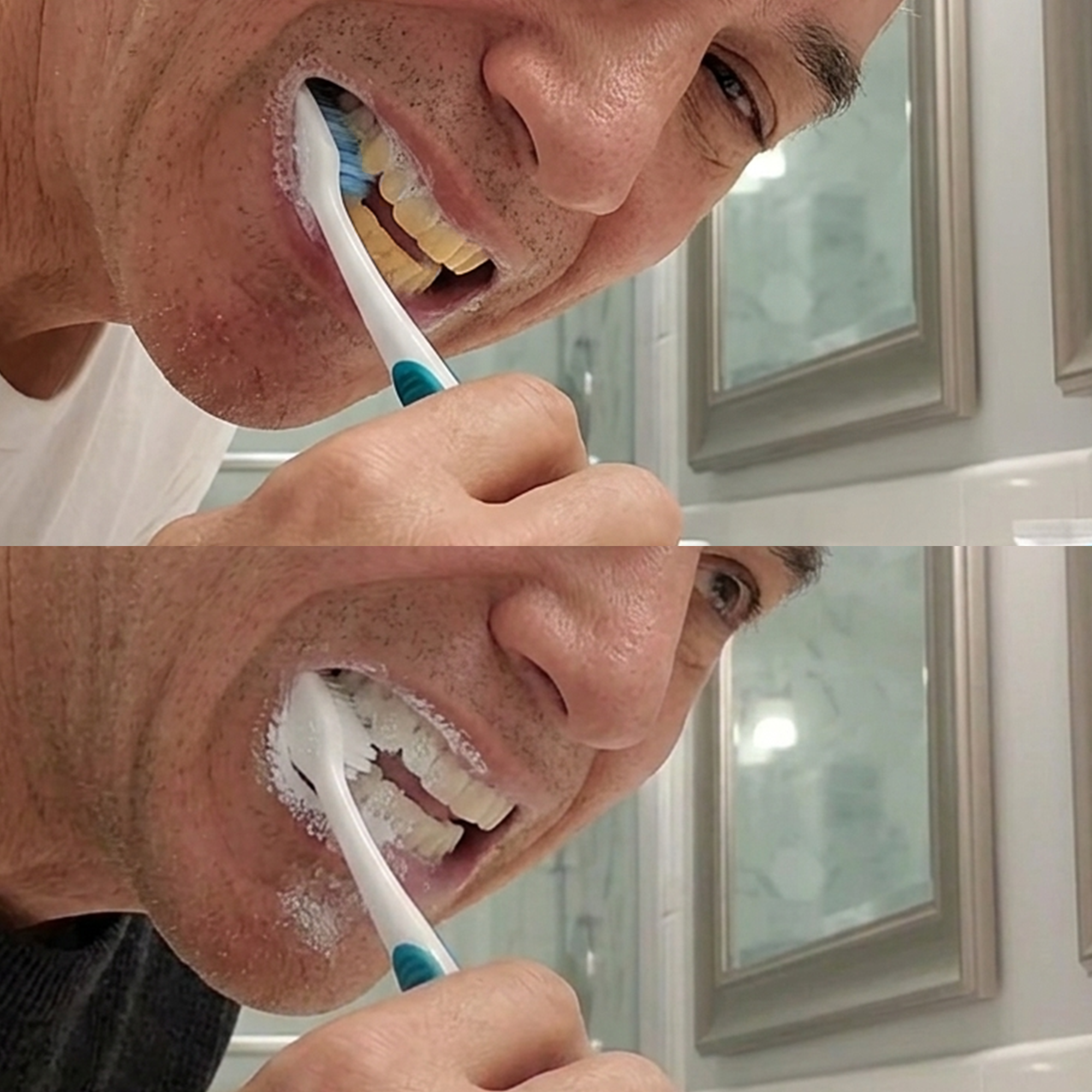
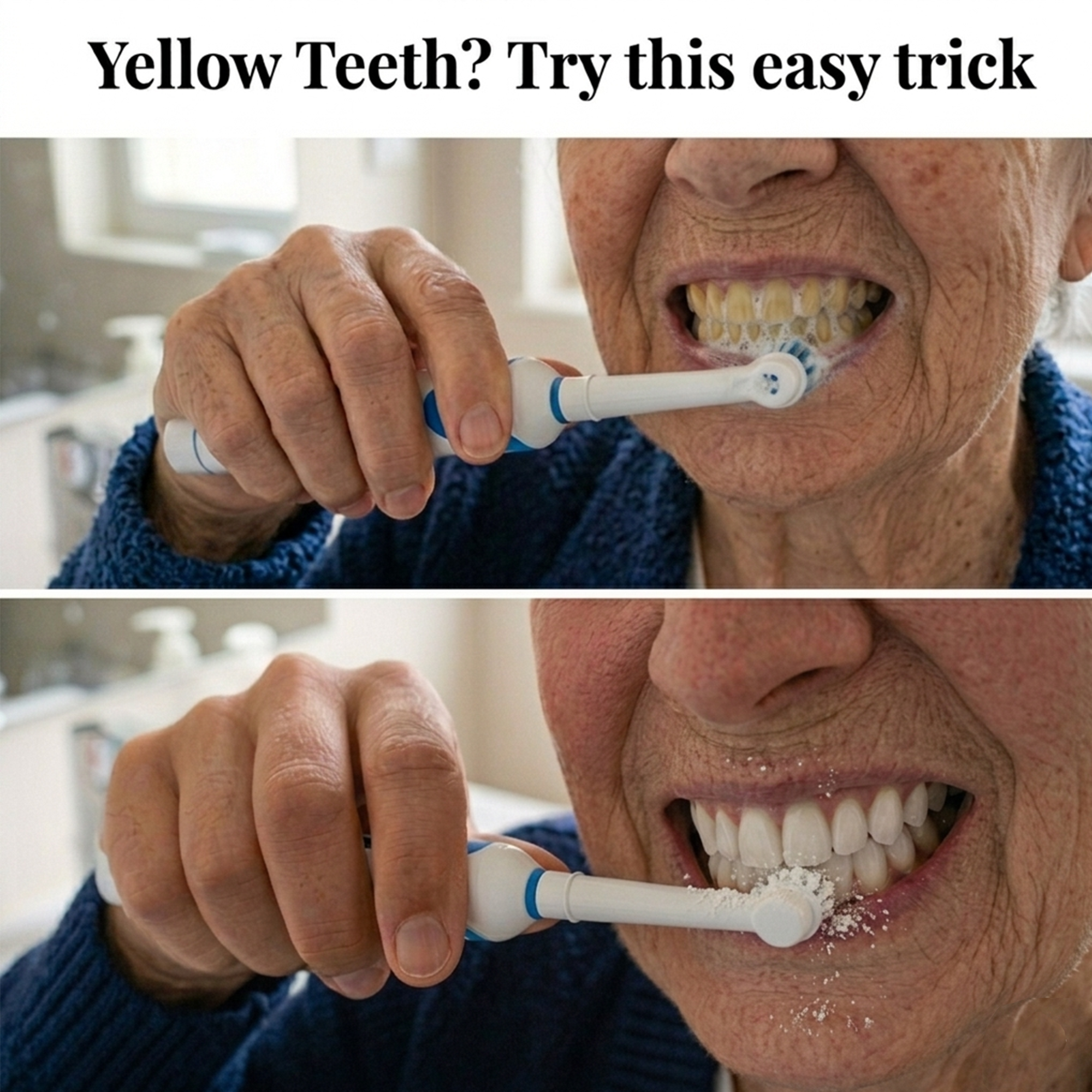
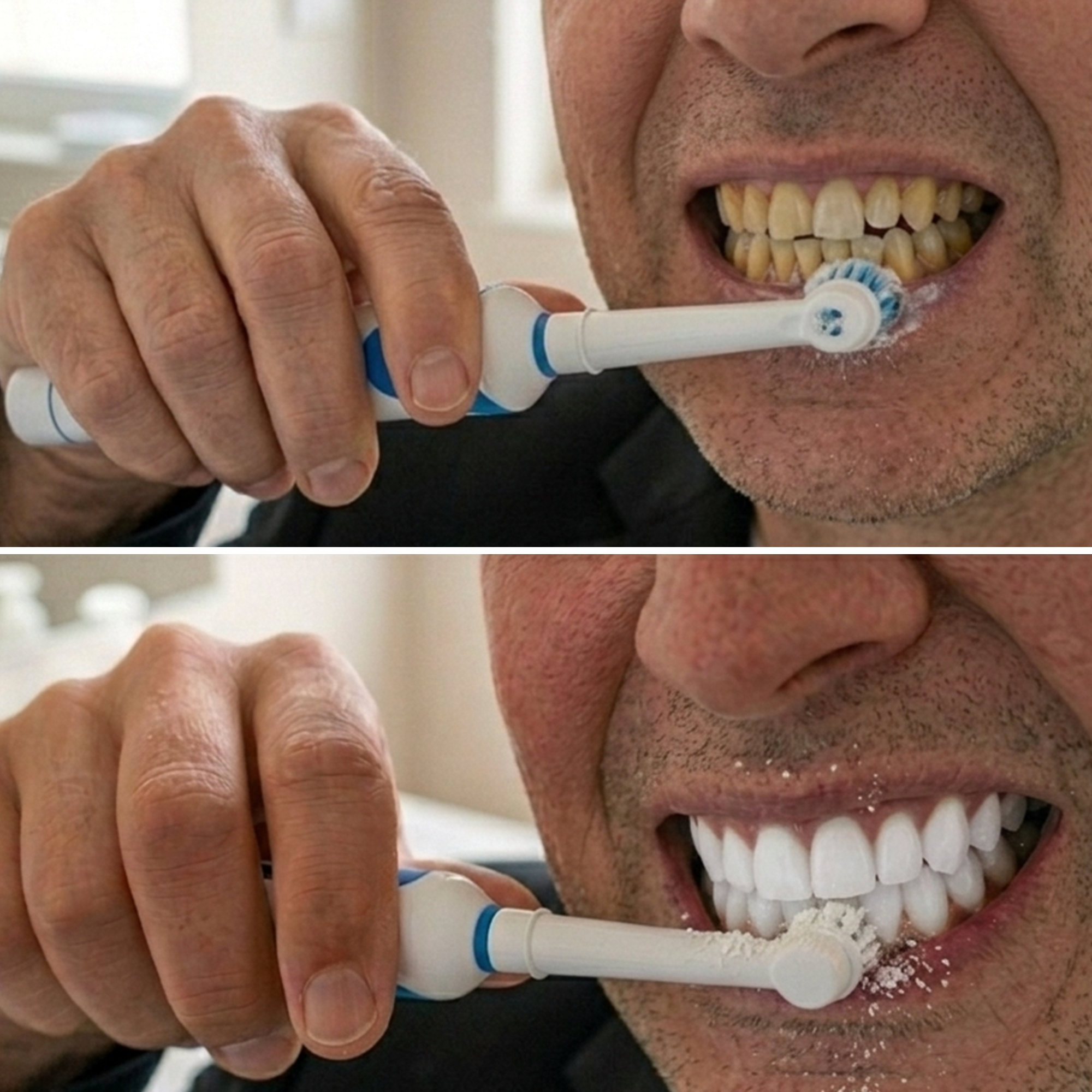
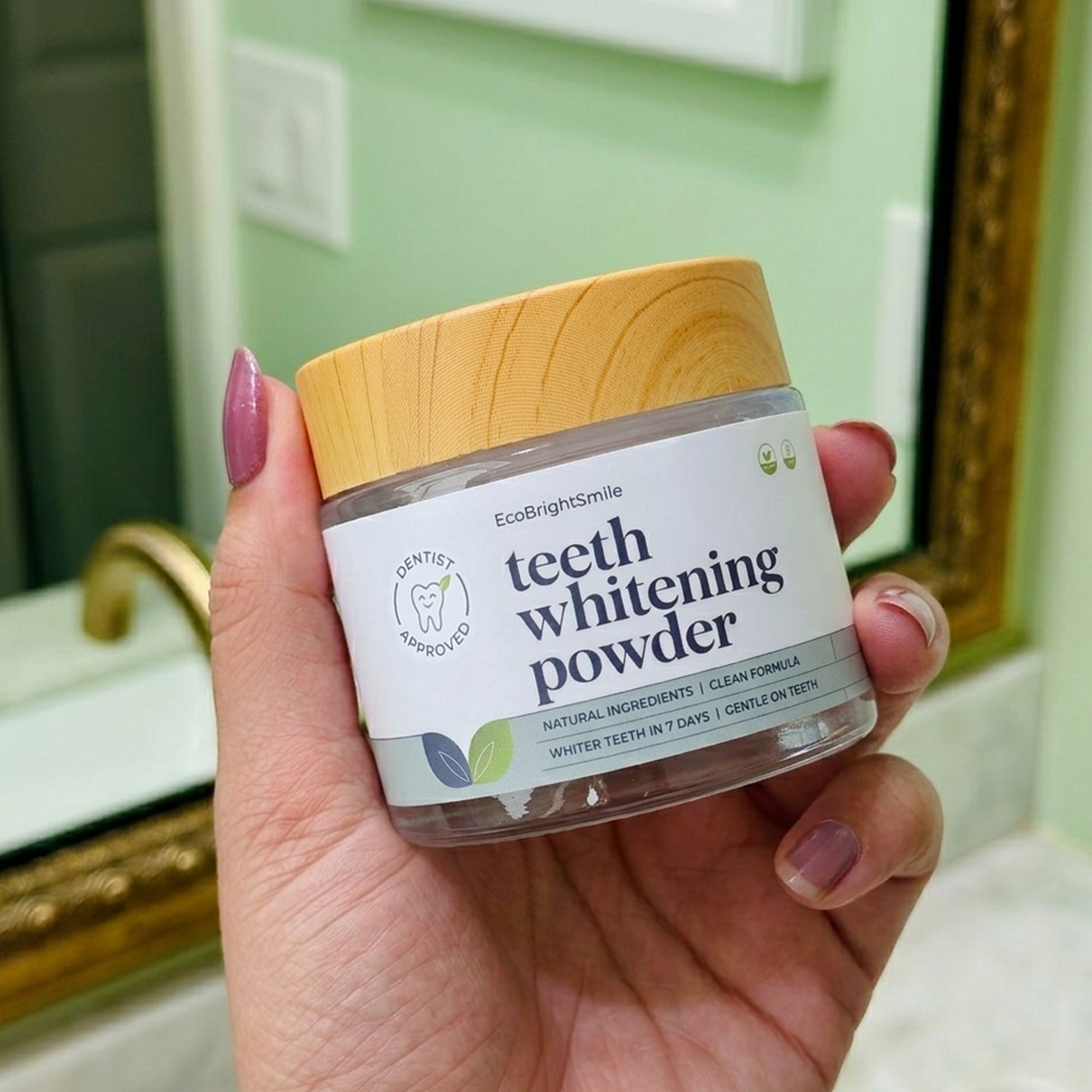
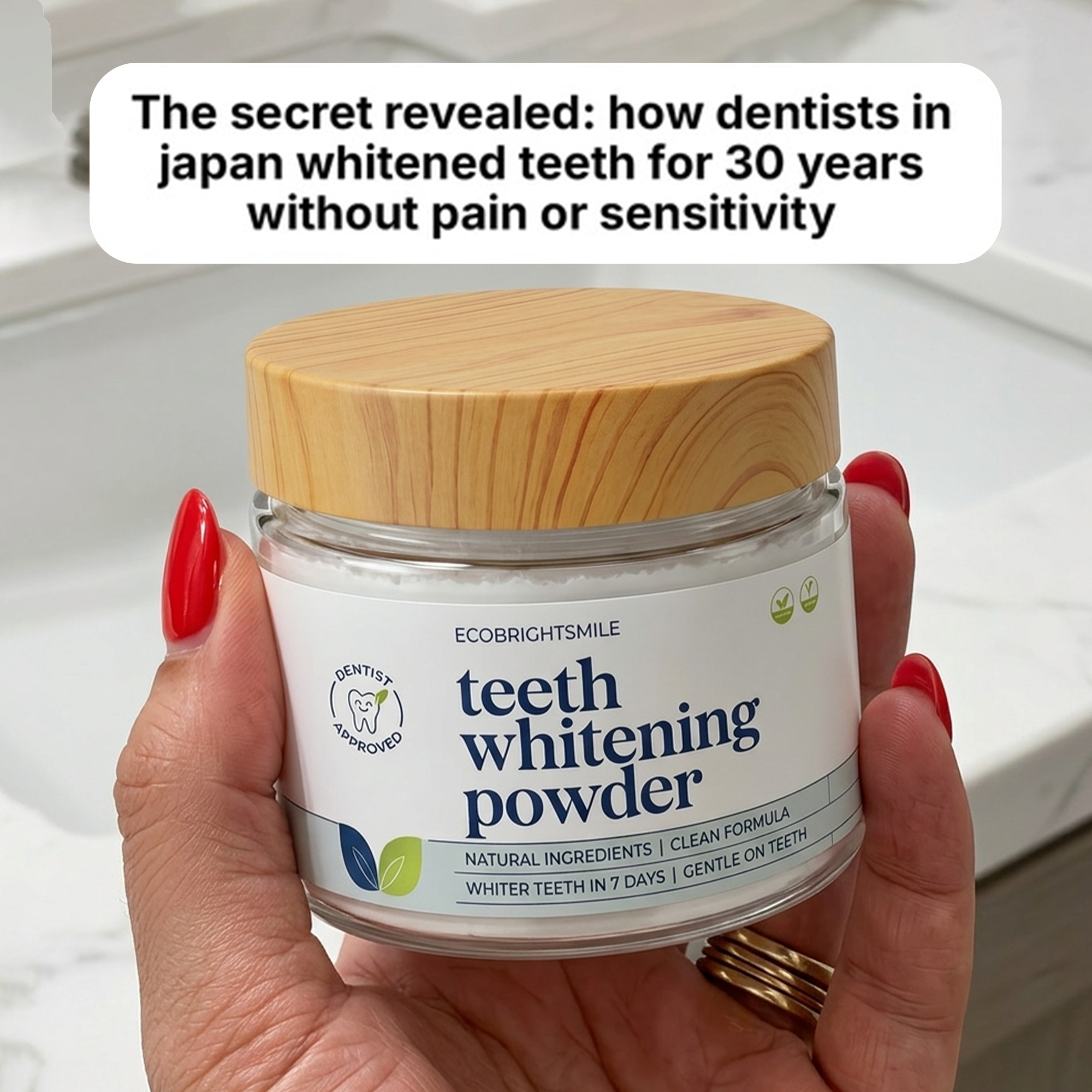
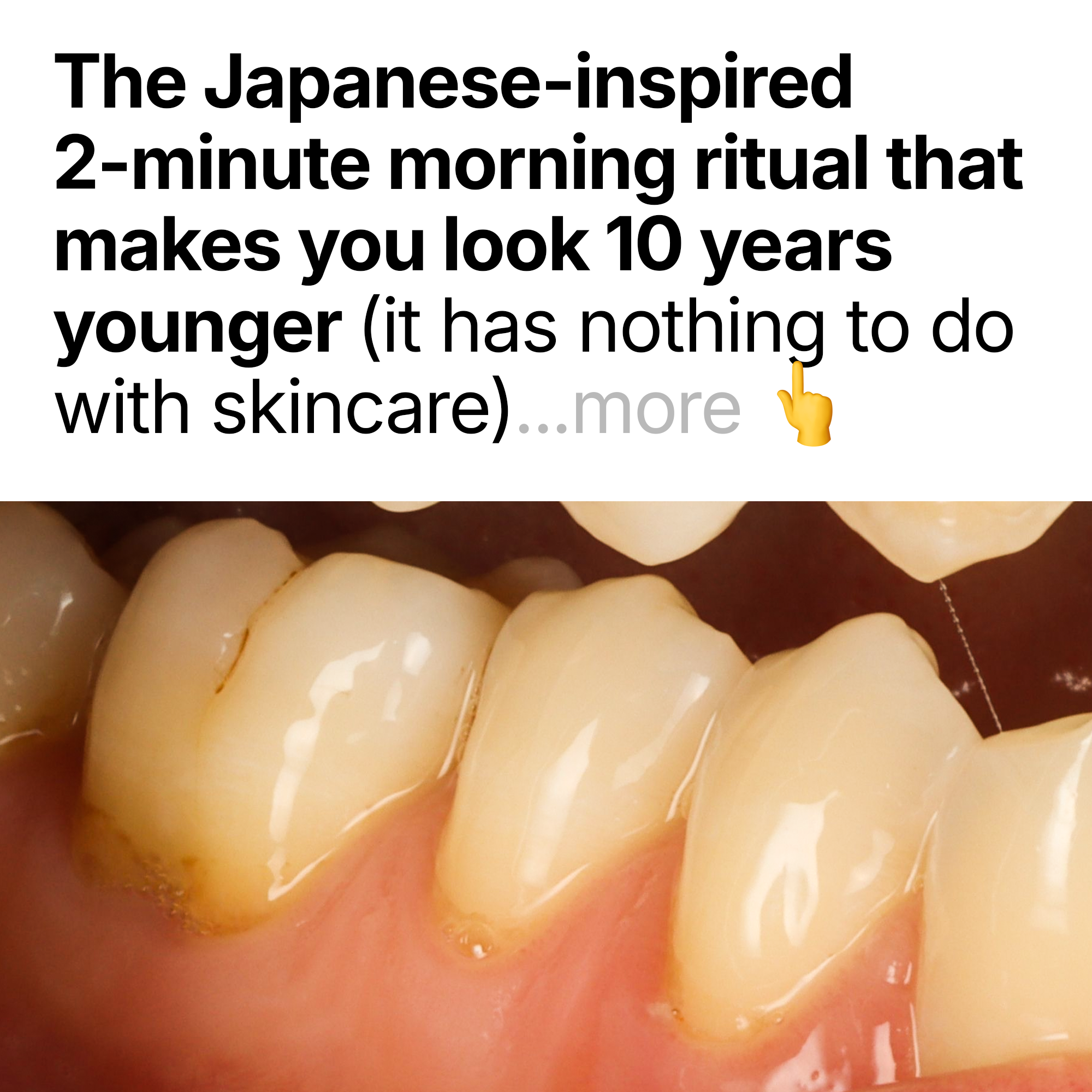
The Japanese-inspired 2-minute morning ritual that makes you look 10 years younger (it has nothing to do with skincare). I know how that sounds. I was skeptical too. I'd spent three years doing everything right. Serums. Retinol. SPF every single morning. I was meticulous. And I still looked tired. Not older exactly. Just — drained. Like something had gone flat. It wasn't until a functional health practitioner said something that stopped me completely: "The fastest youth signal on the human face isn't skin. Most women over 40 are actively depleting it without realising — and fixing it takes less than two minutes a morning." I'd never considered that. Not once. And what she said next completely changed what I do every single morning. --- I used to be the woman who looked vibrant in photos. Not model-gorgeous. Just — alive. Present. Bright. Friends would ask what I was doing. I wasn't doing anything special. I just looked well. Somewhere in my mid-forties that changed. The brightness went. I couldn't point to exactly when. But at some point the woman in the mirror started looking like a tired version of me. Same face. Just — flatter. Duller. Less there. And no amount of skincare was fixing it. --- I couldn't work out what it was. I'd stand in the mirror and go through it methodically. Skin — fine. Hair — fine. Eyes — fine. But something was pulling the whole thing down. Making me look flat. Making me look worn. It was my daughter who said it first. We were getting ready for a family dinner. I was dressed. I felt good. And she looked at me with that particular honesty only your children have. "Mum — it's your smile. It looks dull. Like the brightness has gone out of it." She wasn't being cruel. She was right. And the second she said it, I couldn't unsee it. The dullness. The flat, grey quality. The way my smile aged me in a way my skin didn't. Teeth are one of the first things the eye reads on a face. Not consciously. But the brain registers it instantly. Bright, healthy teeth read as vitality. As youth. As energy. Dull, flat teeth read as depletion. And mine had been reading as depletion for longer than I wanted to admit. So I did what any woman does when she identifies the problem. I went looking for the solution. --- I tried everything the beauty industry told me to try. Whitening strips. LED kits. Whitening toothpastes. A charcoal phase I'd rather forget. I was consistent. I followed instructions. I spent a small fortune. And my results were — fine. Temporarily. For about a week after each treatment, things looked brighter. Then they'd fade. Sometimes faster than before. My teeth also started feeling sensitive. Not unbearable. But noticeable. That dull ache after cold water. The sharp twinge on the left side. I assumed that was just how whitening worked. You pay a small price for the result. I was wrong about that. --- The moment things shifted was at my sister's 50th birthday dinner. There were about twenty of us. A lovely restaurant in the city. Everyone dressed up. Halfway through the evening, a friend I hadn't seen in two years sat down next to me. She looked extraordinary. Bright. Rested. That particular kind of radiance that makes you think — she must be doing something. I asked her. She laughed. "Honestly? I stopped whitening my teeth the way I used to." I stared at her. She'd been as obsessed as I was. Strips, kits, the lot. "I switched to something Japanese-inspired," she said. "Takes two minutes. My dentist actually commented on how healthy my enamel looks now." I went home that night and sat on the edge of the bed for a long time. Because I realised I couldn't remember the last time anyone had said I looked well. Not tired. Not fine. Actually well. That was when I started researching properly. Not whitening products. The science underneath them. And what I found stopped me completely. --- HERE'S WHAT I LEARNED: The dullness I was seeing wasn't just age. It was something specific. Something the whitening industry never mentions. Your teeth have a surface layer called enamel. Think of it like the glaze on fine porcelain. When it's smooth and intact, it reflects light cleanly. That's what makes a smile look bright, healthy, alive. Now — enamel does naturally thin over time. That's real. But here's what I didn't know: Most whitening products were dramatically accelerating that process. Here's what's actually happening: Peroxide — the active ingredient in strips, gels, and most whitening systems — oxidises the stain molecules sitting in your enamel. The problem is it doesn't discriminate. It oxidises the enamel structure itself. Used repeatedly, it gradually demineralises the surface. Thins it. Weakens it. Abrasive whitening compounds do the same thing physically — they polish the stain away and take a little enamel with them each time. Thinner enamel is more translucent. More translucent means the darker dentine underneath starts to show through. 😱 So the more you whiten, the greyer and flatter your smile becomes. The product you're using to fix the dullness is quietly causing it. --- I sat reading this with my heart hammering. Because FINALLY it explained everything. The sensitivity. The results that faded faster every time. The way my smile looked — not younger — but increasingly flat and worn. Now I understood. Natural thinning was happening. That I couldn't stop entirely. But I had been turbocharging it — round after round — with every whitening treatment I thought was helping. It wasn't my fault. I was following the industry's rules. The industry's rules were making it worse. --- Once I understood this, the solution became obvious. Stop stripping the surface. Start rebuilding it. Your enamel is not static. Given the right minerals, it can remineralise. Restore. Rebuild what's been lost. The question was whether anything on the market was actually designed to do that — rather than just bleach around it. That's when I found what my friend had been talking about. --- I started seeing the same product mentioned repeatedly in the wellness communities I was reading. Not from people saying "my teeth are whiter." From people saying things like: 💬 "My dentist asked what I'd changed. She said my enamel looks healthier than it did two years ago." 💬 "I stopped looking washed out. My whole face looks more awake." 💬 "I've tried everything. This is the first thing that made me look better instead of just temporarily brighter." The reviews were overwhelming. Women in their forties and fifties. Wellness-literate. Skeptical. Who'd already tried the standard options. And they were reporting something completely different to anything I'd seen before. I dug into what made it different. --- Most whitening products are built around one mechanism: peroxide or abrasion. Strip the stain. Repeat. EcoBrightSmile was built around the opposite principle. The active whitening agent is PAP — a peroxide-free compound that lifts surface pigment without oxidising or thinning the enamel underneath. No sensitivity spiral. No demineralisation. No compounding damage with every use. But the part that genuinely surprised me was the nano-hydroxyapatite. 10% concentration. Rod-shaped. Nano-sized. Hydroxyapatite is the exact mineral your enamel is made from. So instead of stripping the surface and hoping it recovers, EcoBrightSmile actively deposits the building blocks of healthy enamel back onto the tooth with every single use. Smoother surface. Better light reflection. Healthier-looking enamel. Brightness that comes from restoration — not bleaching. This is why Japanese oral care has moved so decisively in this direction. Not aggressive whitening. Consistent, gentle restoration. Results that build rather than degrade. I was still skeptical. But the science was sound. And the reviews were extraordinary. So I ordered a jar and started using it every morning. Two minutes. Wet toothbrush. Dip. Brush. That's it. --- HERE'S WHAT HAPPENED: Week 1: No dramatic transformation. But the sensitivity I'd been living with — the dull ache after cold water — was gone by day five. I hadn't realised how much I'd normalised it until it disappeared. Week 2–3: Something shifted in the mirror. Not whiter exactly. Brighter. The flat quality I'd been seeing for years had softened. My teeth looked healthier. More like they used to look before I started whitening aggressively. My husband noticed without me saying anything. "You look well," he said one morning. I can't explain why those two words hit me so hard. Because that's exactly what I'd stopped looking. And stopped feeling. Week 4: I went to a friend's birthday dinner. I wasn't positioning myself away from the light. I wasn't second-guessing how I looked. I just — smiled. Naturally. Without thinking about it. I hadn't done that in longer than I could remember. 😭 I sat in the car on the way home and cried. Not because anything dramatic had happened. Because something quiet had come back. Week 6–8: My skin looked better — and I hadn't changed a single thing in my skincare routine. What had changed was the brightness around my mouth. The contrast. The health signal my smile was sending. The whole face reads differently when the smile looks alive. A colleague asked if I'd been away somewhere. I hadn't. Month 2–3: I went back to the functional health practitioner who'd started all of this. She looked at me for a moment and said: "Something's different." I told her what I'd switched to. She examined my teeth. "Your enamel surface looks smoother," she said. "Whatever you're doing — keep doing it." 😭 I sat in my car afterwards and thought about all the money I'd spent stripping and re-stripping the same surface. All the sensitivity I'd accepted as normal. All the treatments that left me looking temporarily brighter and quietly more depleted. Two minutes every morning. The right minerals. The right mechanism. That was all it took. --- HERE'S WHAT I WANT YOU TO UNDERSTAND: The dullness you're seeing isn't inevitable. Yes — enamel thins naturally over time. That's real and that's happening. But for most women, what they're seeing in the mirror is being dramatically accelerated by a whitening approach that was never designed to restore. Only to strip. Every round of peroxide. Every abrasive treatment. Every result that faded faster than the last. The good news is enamel can remineralise. The surface can smooth. The brightness can come back. Not through more stripping. Through restoration. ❤️ Don't let another year pass telling yourself this is just how you look now. Don't let another morning go by starting the day with a product that's quietly making the problem worse. Every week you continue the same cycle is another week of compounding damage to the surface you're trying to restore. Every morning you look in that mirror and see someone more depleted than you feel is a morning you deserve back. Time doesn't stop because your enamel is struggling. But you CAN stop the cycle. You CAN rebuild the brightness. You CAN get back to looking the way you feel. --- ⭐ 4.9/5 Stars — Thousands of Verified Reviews 💚 Visible improvement in 7 days with consistent use 🌿 No peroxide. No charcoal. No harsh abrasives. 🦷 10% Nano-Hydroxyapatite — clinically the most effective concentration 😊 Formulated for women who want restoration, not just whitening ✅ 30-Day Whitening Guarantee — if you don't see a difference, you pay nothing 👇 Click below — and try the 2-minute morning ritual that actually works with your enamel, not against it. https://ecobrightsmile.com/products/whitening-powder
Like this ad? Make it yours.
Crush rebuilds this exact creative around your product — your brand, your colors, your offer — in about a minute.