
Stopped· since Jul 7, 2026
- 71
- days it ran
- 1
- relaunches
Ad copy
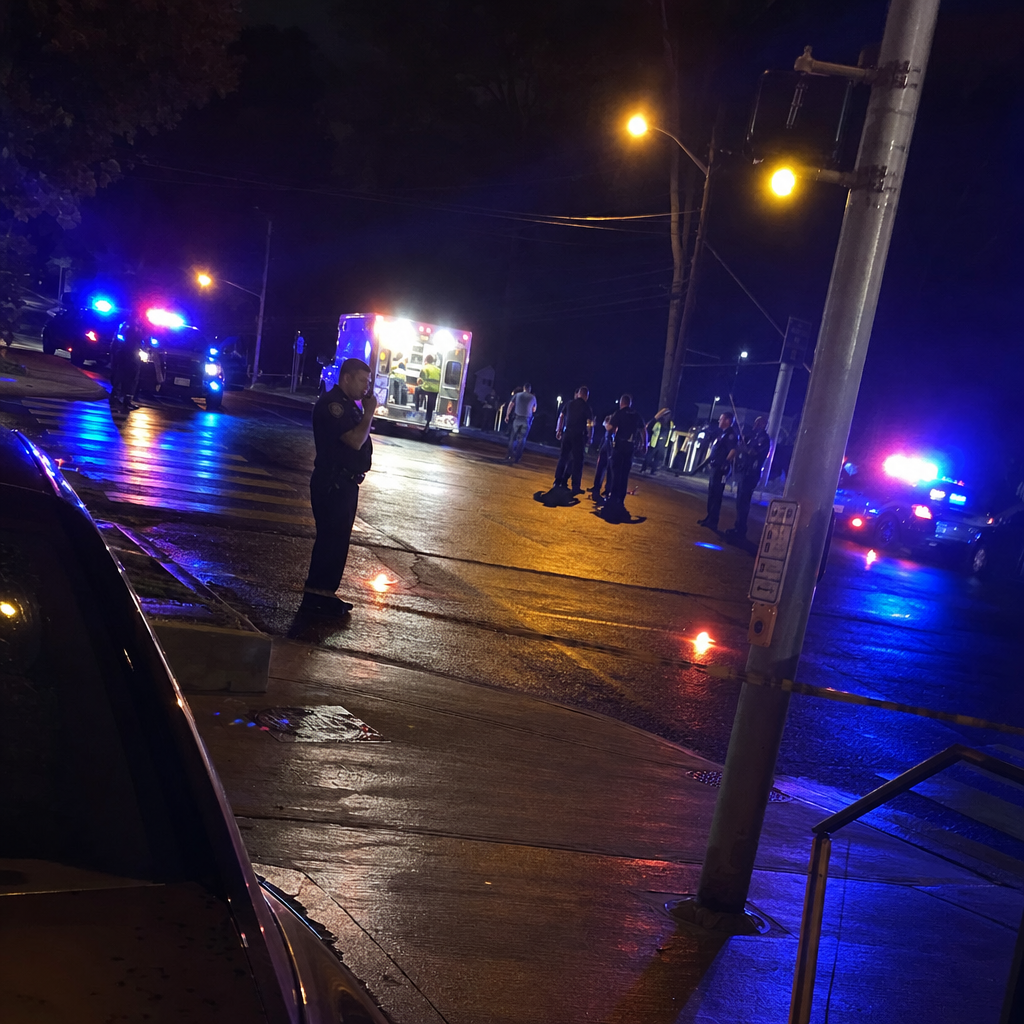
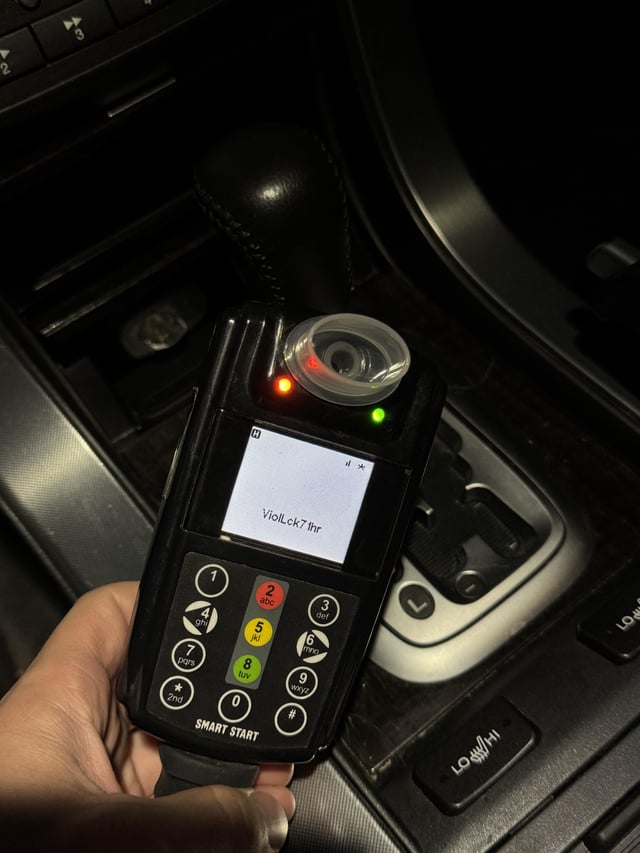
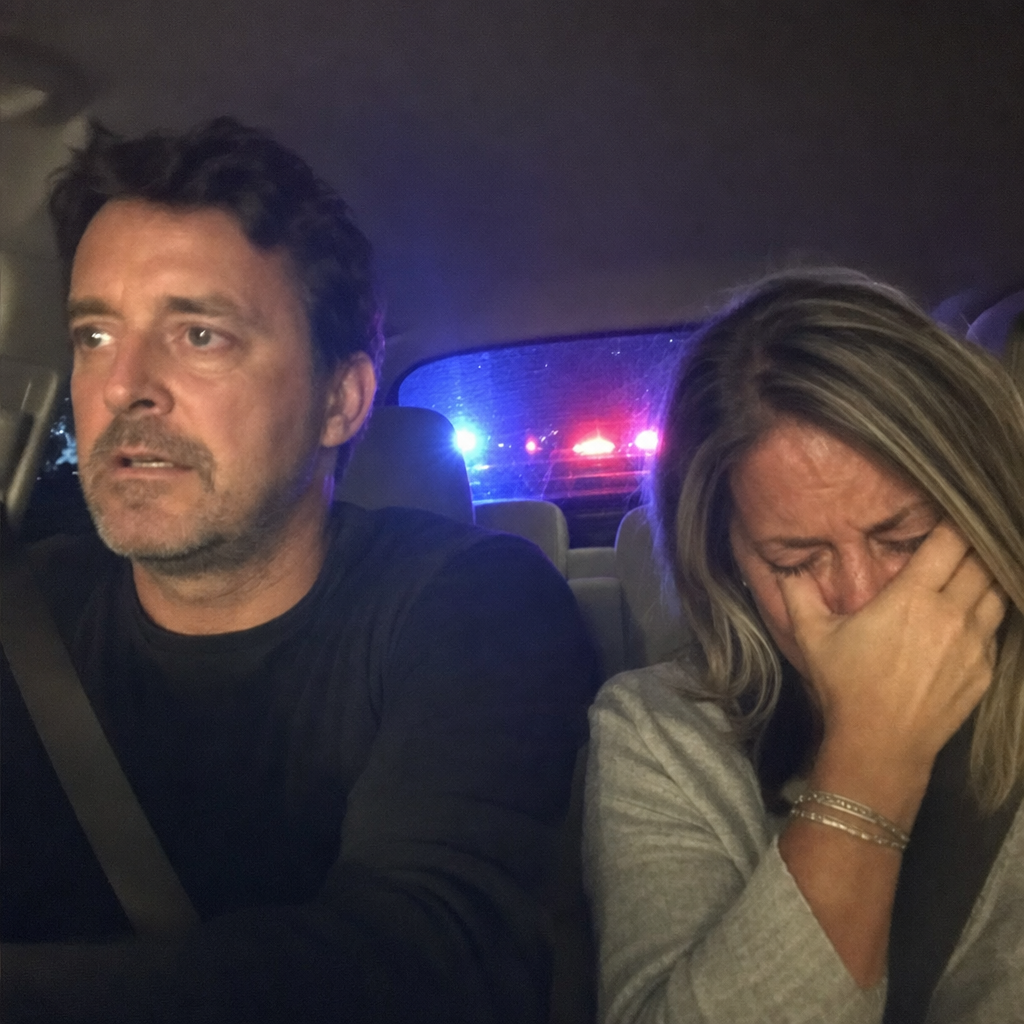
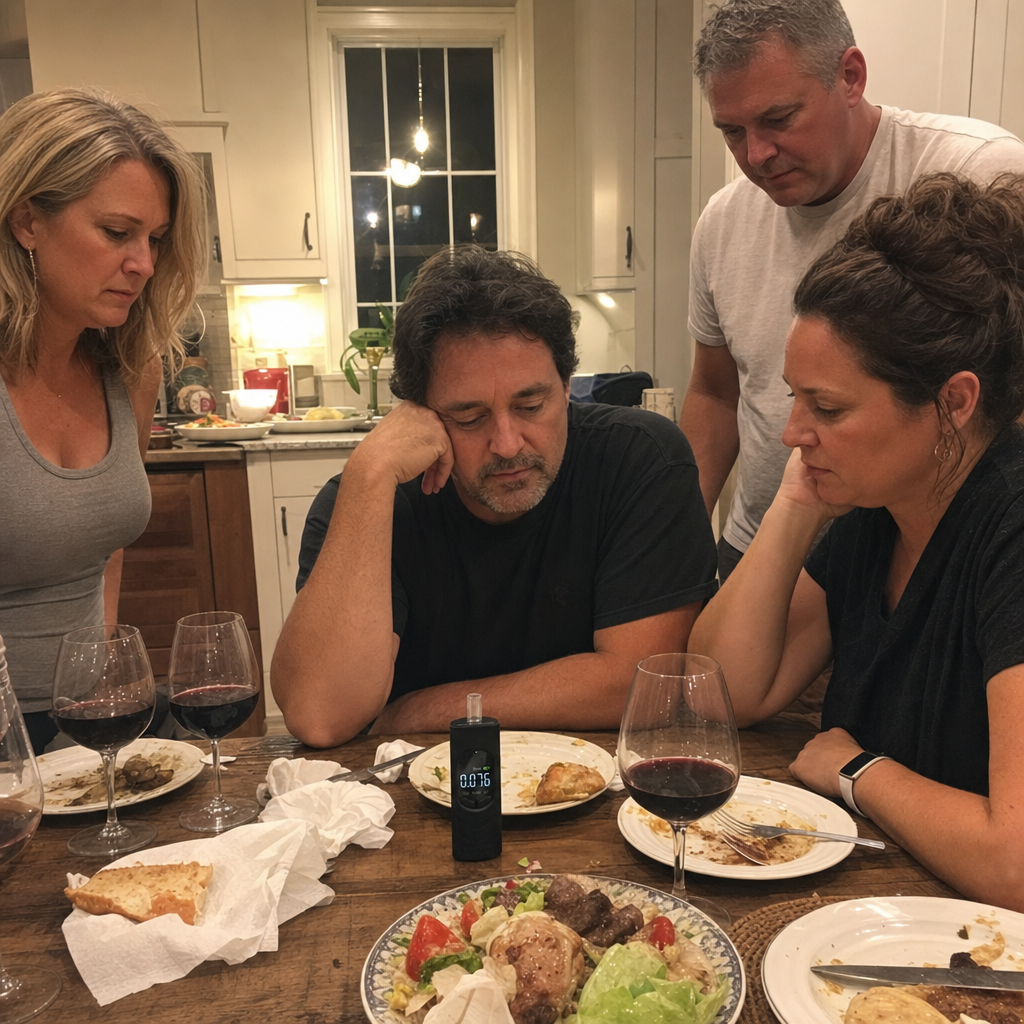
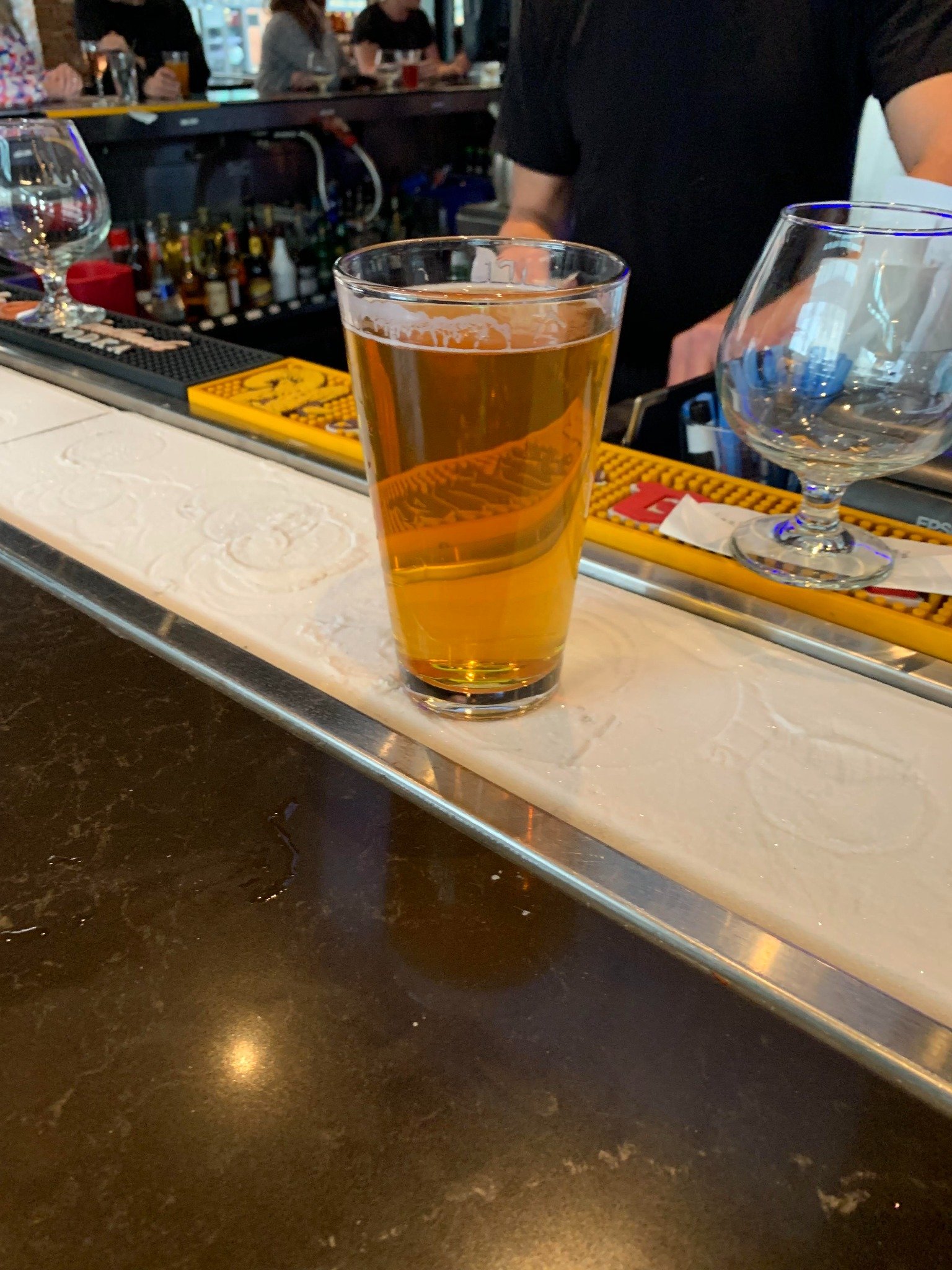
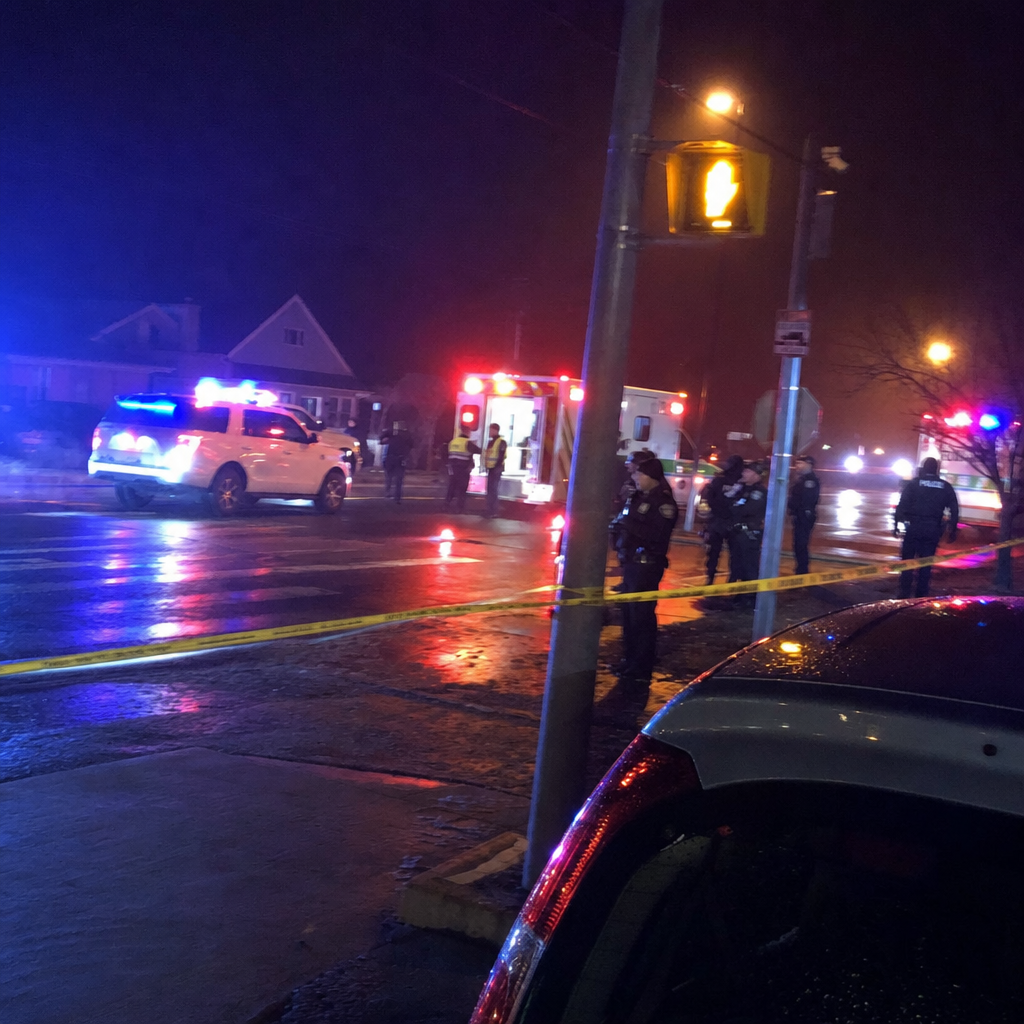
My son killed a mother and her four year old daughter on a crosswalk three years ago. He's serving 14 years. I'm serving the rest of my life knowing I could have stopped it for $85. I'm sharing this because my younger son turns 21 next month. My older son's name is Daniel. He was 24 the night it happened. Honors graduate from a university we still drove past on holidays. Junior associate at a regional accounting firm. Engaged to a girl named Megan he'd dated since their sophomore year. The kind of son you brag about at family dinners. I bragged about him a lot. He worked Monday through Friday. He went out Friday and Saturday nights. He drove home from those nights a hundred times before that one. He always said he was fine. He always made it home. He never had a DUI. He never had an accident. He never even got pulled over. He was a good kid. That's the part nobody understands. The night it happened was a Saturday in October. He'd gone out with three friends from work. They started at a brewery on the east side of town around 7. Moved to a bar near the courthouse around 9:30. Ended up at a place with live music until just before 11. Daniel had five drinks across four hours. He told me later he thought it was three. He told the police he felt fine. He passed his own test. He stood up. He walked. He talked. He ordered a water with his last beer because he wanted to be smart about it. He got in his car at 11:04 PM. The crosswalk on Maple and Eighth is the kind of crosswalk every town has. Painted lines. Two flashing yellow lights on a metal pole. The kind of thing you drive through at 35 every day without thinking. There was a family on it at 11:09. Mother. Father. Two kids. The four-year-old in a stroller. The seven-year-old holding her father's hand. They'd just finished dessert at a restaurant a block away. They were walking back to their car. The mother's name was Rachel. She was 31. The four-year-old's name was Emma. My son says he never saw them. That's what he said at the trial. That's what he said to me on the phone the night it happened. That's what he said to the judge when she asked him if he had anything to say before sentencing. He never saw them. The crosswalk lights were flashing. The family was in the middle of the intersection. He came through at 47 in a 35 zone and they were on his hood before his foot got to the brake. Rachel died at the scene. Emma died at the hospital at 2:14 AM. The seven-year-old. Her name is Madison. She watched it happen from her father's hand. The father's name is Marcus. He survived. He held his daughter on the curb and watched his wife and his other daughter die in front of him. I have never met him. I have seen him in the grocery store twice in three years. The first time I turned around and walked out without my groceries. The second time I made it to the parking lot and threw up next to my car. The police arrived at 11:14. Daniel was sitting on the curb when they got there. He told them everything. He didn't argue. He didn't lawyer up. He told them how many drinks he'd had. He told them where he'd been. He told them he was sorry, over and over, until the officer told him to stop talking and started reading him his rights. His blood alcohol came back at .11. The legal limit in our state is .08. The number was on the police report. The number was read out at the trial. The number was the first thing the prosecutor said in his opening statement. Point one one. A number my son had never heard before that night and would hear every day for the rest of his life. I drove to the police station at 1 AM. My wife was with me. Daniel's fiancee was with me. Daniel's younger brother was with me. We waited in a hallway with plastic chairs and a vending machine. The officer who came out to talk to us looked like he was 30. He had kids of his own. You could tell. He said the words I'd been telling myself in the car couldn't happen. He said a woman was dead. He said a four-year-old was at the hospital and wasn't going to make it. He said my son was being charged with two counts of vehicular manslaughter while intoxicated. My wife went down on her knees in that hallway. The officer caught her before her head hit the floor. I want to tell you something about that hallway. I have replayed it in my head every single night for three years. What I should have done differently. What I should have asked. What I should have said to my son the first time he came home from college and told me he'd had a few drinks at a party and driven himself home. I should have asked him how he knew he was fine. I never asked him. I assumed he knew. I assumed because he was smart, and because he was responsible, and because he was a good kid, that he would just know. That his body would tell him. That he'd feel it if it was bad. I was wrong about all of it. He didn't know. His body didn't tell him. He didn't feel it. He felt fine. The trial was eight months later. The prosecutor called Marcus to the stand. He was wearing a gray suit. His daughter Madison was in the second row with her grandparents. She was eight years old by then. Marcus was asked to identify a photograph of his wife. He said her name. Rachel Anne Whitfield. He was asked to identify a photograph of his daughter. He said her name. Emma Grace Whitfield. She would have been five in March. Then the prosecutor asked him to read a statement he had written. He read it for nine minutes. I can't tell you what was in that statement. I have tried. My therapist has asked me. I have not been able to repeat any of it out loud in three years. I can tell you that when he was finished, the courtroom did not move for a long time. The judge did not call the next witness. The prosecutor did not stand up. The defense attorney sat with his hand on my son's shoulder. I can tell you that my son cried with his face in his hands. And I can tell you the only thing I have ever wished I could give Marcus, the one thing I have wished I could put in his hands and say take this, is the eighty-five-dollar device that would have made his wife and his daughter still be alive. My son got 14 years. He's at a state correctional facility two and a half hours from our house. We visit every other Sunday. He's 27 now. He'll be 41 when he gets out. He has thought about killing himself. He told me that the first year. He told me he'd worked out how to do it and the only thing that stopped him was that his death would not bring Rachel and Emma back, and the only way he could ever do anything to honor them was to live with what he had done. He works in the prison library. He's been studying to become a substance abuse counselor for when he gets out. He says the only useful thing he can do with the rest of his life is try to keep one other person from doing what he did. His fiancee did not stay. She visited him for the first six months. Then she stopped. I don't blame her. She lives in another state now. She's married. I think she has a child. We don't speak. About a year after the trial, I went to a support group. It was a group for parents of DUI offenders. There were eleven of us. A church basement off the highway. Coffee that nobody drank. A woman named Patricia who ran it. Patricia's son had killed a 19-year-old college student in 2009. He was out of prison by then. He was working at a hardware store. He was sober. She asked us to go around the room and say what we wished we had given our kids before it happened. When it got to me I couldn't speak. A man across from me, his name was Frank, took it. He pulled something out of his pocket. He set it on the table. It was a small black device, about the size of a TV remote. It had a screen on the front. There was a small mouthpiece you blew into. Frank said this is what I wish I had given my son. He said his son had killed a man on a motorcycle in 2014. He said his son was at .09. He said he'd thought about buying his son one of these for his 21st birthday and decided it would feel insulting. He said he'd had the same conversation with himself I'd had with mine. He said that man on the motorcycle had two kids. He said the device on the table cost $85. I asked Frank what it was called. He told me. He said the model he had was the SoberSense Pro Breathalyzer. He said it was the kind cops use on the side of the road. He said it had the same fuel cell sensor inside that the police breathalyzer had. He said when his son blew into it, the number on the screen was the same number that would come up if a state trooper put one to his mouth at a checkpoint. He said the difference between his son's life and the life of the man on the motorcycle, and the difference between my son's life and the lives of Rachel and Emma, was a $85 device that we, the fathers, did not put in our sons' hands. I didn't say anything. I sat there and thought about every birthday I had bought my son a watch he didn't wear, a wallet he lost, a tie he never put on. Three years of birthdays before that night. $85 each time. Not even. I want to tell you something about that device that took me a long time to understand. It does not stop anyone from drinking. That's the thing I thought it would do, when I first picked one up. I thought if I gave my son one, I would be telling him not to drink, and he would resent me, and he would not use it, and the whole thing would be a gesture I made to make myself feel like a good father. That's not what it does. What it does is tell you a number. That's it. You blow into it for five seconds. The screen shows you a number. The number is the same number a police officer would see if they pulled you over right then. If the number is zero, you drive home. If the number is anything else, you have a decision to make. You can sit in your car for an hour. You can call a cab. You can call your father. You can do whatever you want. But you have a number in front of you, and you cannot pretend you don't know what it is. The number does not let you lie to yourself. That is the only thing my son needed that night and did not have. The fuel cell sensor inside the device is the same kind they use in the breathalyzers police carry on the side of the road. There are cheaper ones at the drugstore. They're $20 and $30. Frank told me about those at the second meeting. He said don't buy them. He said they use a different sensor that loses accuracy over time and gives you false confidence at exactly the moments you can't afford it. He said the cheap ones might tell you you're at .04 when you're at .09. He said that's worse than not having one at all, because you trust it. He said get the one with the fuel cell. He said it will cost you between $80 and $130 depending on where you buy it. He said it will last you a decade if you take care of it. He said you blow into it before you drive, you see your number, you make your decision. He said he keeps three. One in his car. One in his son's truck, for when his son gets out. One for his other son, who is now 28 and married and has two kids of his own. He said he wishes he had bought his first one in 2013. I bought three SoberSense Pro Breathalyzers the night I got home from that meeting. One for my younger son's car. He turned 19 that year. He's 22 now. He still has it. He uses it every Friday and Saturday night before he drives home from anywhere. One for my own car. I'm 54. I drink wine with my wife at dinner three or four nights a week. I check it before I drive anywhere after dinner. Most nights it reads zero. Some nights it doesn't. The nights it doesn't, I sit at my kitchen table for an hour and read. One for the drawer in my hallway, for when my son gets out of prison. I will give him that one on the day he comes home. I will give it to him before I give him anything else. I will tell him I should have given it to him fourteen years earlier. I will tell him that we cannot bring back Rachel and Emma but we can spend the rest of our lives making sure that another father somewhere does not stand in another hallway at 1 AM and watch his wife collapse on a tile floor. That is the only thing I have left to do as his father. That is the only thing he has left to do as a man. I want to tell you one more thing before I'm done. About six months ago I was at a hardware store buying a part for my lawnmower. I came around an aisle and there was a man at the end of it with a daughter about ten years old. He was holding her hand. She had a stuffed animal under her other arm. I knew him before he turned around. It was Marcus. He saw me. I saw him. He didn't move and I didn't move. His daughter looked up at him and asked him a question I couldn't hear. He answered her quietly. He didn't take his eyes off me. I walked toward him. I don't know why I did. I had not planned it. I had told myself for three years that if I ever saw him I would turn around. But that day my legs walked me to him. I stopped a few feet away. I said his name. He didn't say anything. I said I am Daniel's father. He said I know. I said I am sorry. He said I know. He took his daughter's hand and walked past me. They went to the parking lot. I watched him buckle her into the car. I watched him sit in the driver's seat for a long time before he started the engine. I stood in that aisle for a long time after they left. I have not been the same man since that day. I think about Madison. The seven-year-old who watched it happen. She's eleven now. She's getting close to the age where she'll be a passenger in her friends' cars. She'll be in cars driven by 17-year-old boys who say they're fine. She lost her mother and her sister in front of her on a crosswalk because a 24-year-old said he was fine. I cannot give Marcus his wife back. I cannot give him his daughter back. I cannot give Madison her mother back. The only thing I can do, the only single thing I can do as long as I am alive, is talk to other fathers. About the $85 device. About the conversation I never had with my son. About what I wish I had said when he came home from college and told me he'd driven home from a party because he was fine. I should have said how do you know. I should have said let me show you something. I should have put a number in his hand. If you have a son or a daughter or a grandson or a granddaughter who drives home from anywhere, anywhere at all, and they have ever said the words I'm fine, I am asking you to do one thing. Buy one of these. Put it in their car. Tell them you love them. Tell them you trust them. Tell them you know they're a good kid. Tell them this is not about whether you trust them, it's about whether you trust the part of their brain that decides whether they're fine, because that part of their brain is the first part alcohol turns off. Tell them their grandfather wanted them to have it. Tell them their father couldn't sleep until they did. Tell them whatever you have to tell them, but get one in their hand before the next Saturday night. I keep one in my own glove box now. So does my younger son. So will my older son the day he comes home. I bought the same model Frank showed me in that church basement. The SoberSense Pro Breathalyzer. The kind with the fuel cell sensor. The kind cops use. The kind that gives you a real number and not a guess It costs less than what I used to spend on a bottle of wine for my son's birthday. It would have cost less than the eight thousand dollars I spent on his lawyer in the first month after the arrest. It would have cost less than the headstone. There are two headstones. I have driven past that cemetery fourteen times in three years. I have not gone in. I will go in someday. I don't know when. I linked the model I keep in my glove box below. If you are reading this, please. Please. Don't be me. Don't make a man named Marcus stand in a hardware store with his surviving daughter and look at you the way he looked at me. The SoberSense Pro Breathalyzer costs $85. It fits in a glove compartment. It works for a decade. It tells you a number. That's all you need i got mine here = https://trysobersense.com/pages/6-reasons-why If you've lost someone or you've come close, please share your story below. The more of us who tell these the fewer of them there will be. 🙏 💛
What I Should Have Bought Him
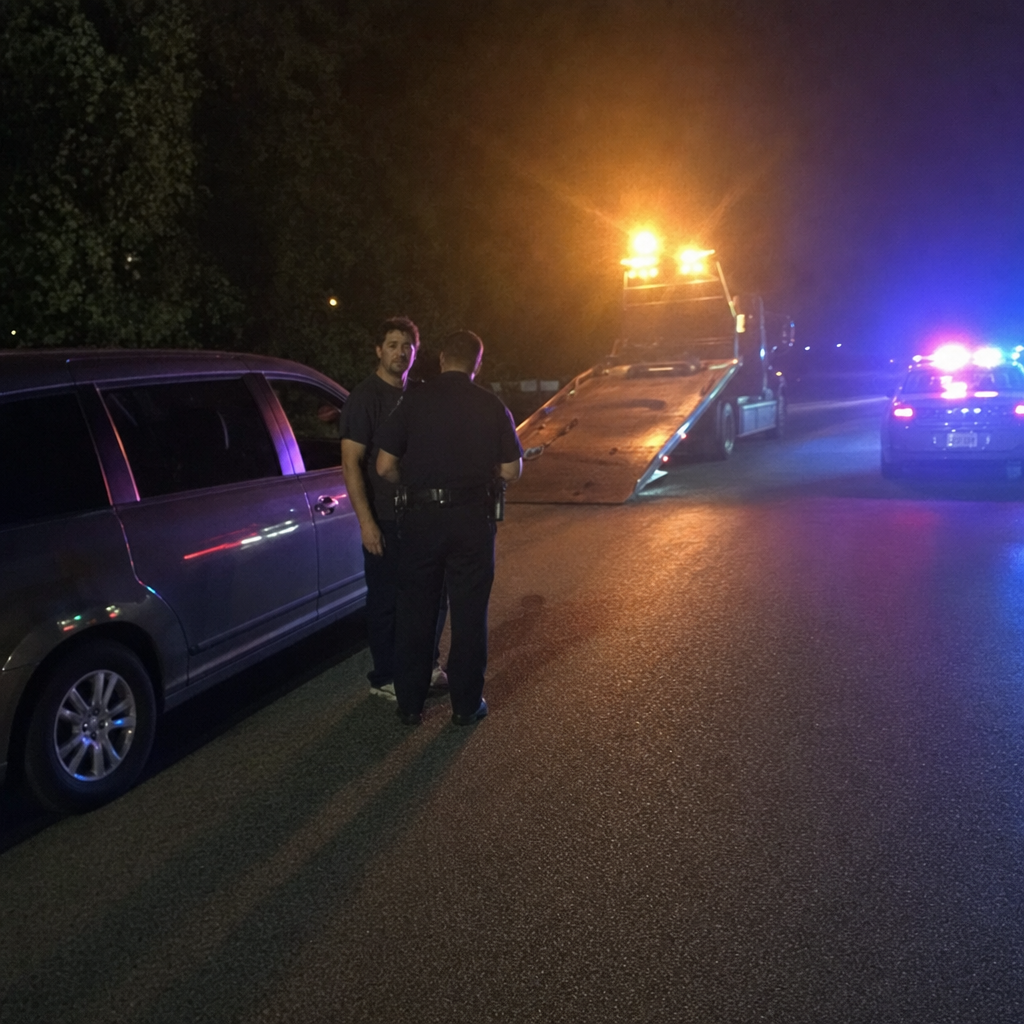
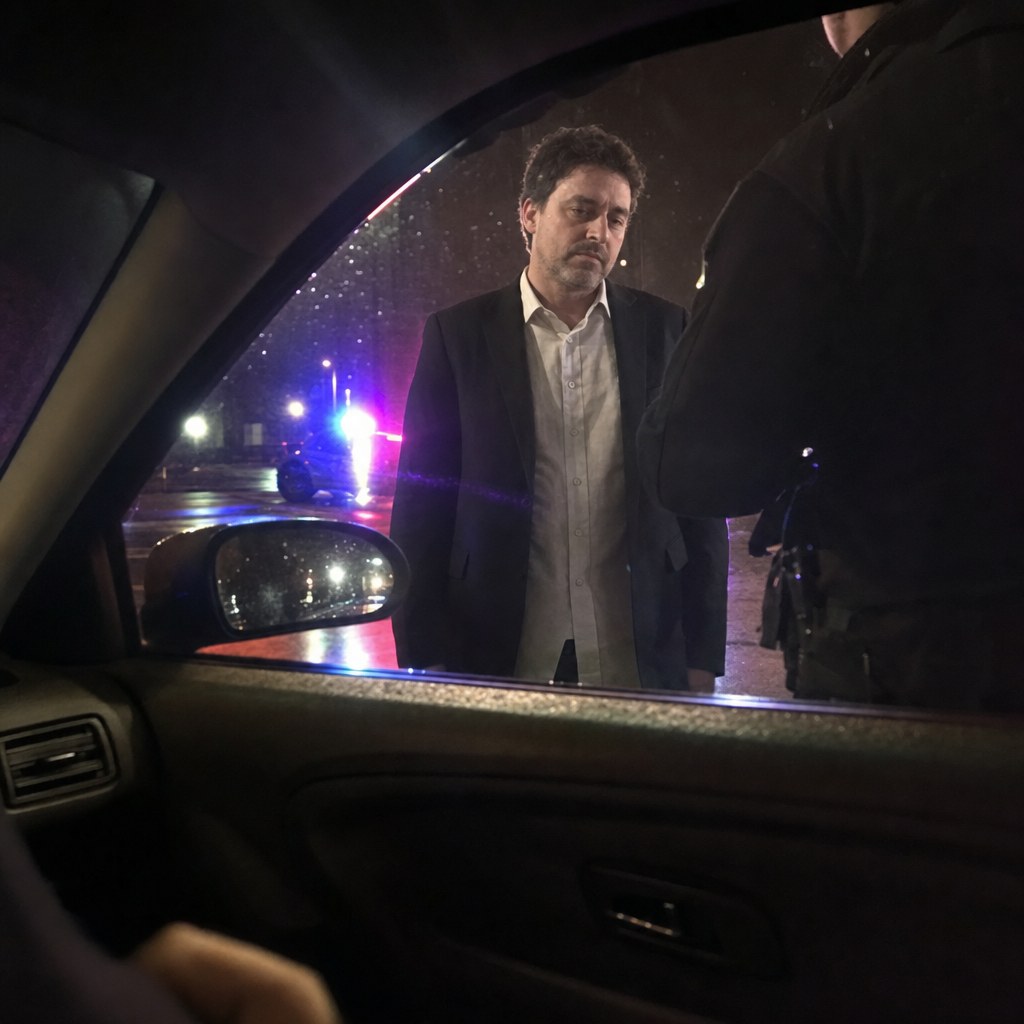
Most people do not find out they were over the limit until an officer tells them. By then, it is not a warning. It is a DUI, a tow truck, a suspended license, a court date, and thousands of dollars in costs.
LEARN MORELike this ad? Make it yours.
Crush rebuilds this exact creative around your product — your brand, your colors, your offer — in about a minute.