
Active· since Jun 28, 2026
- 30
- days running
- 0
- relaunches
Ad copy
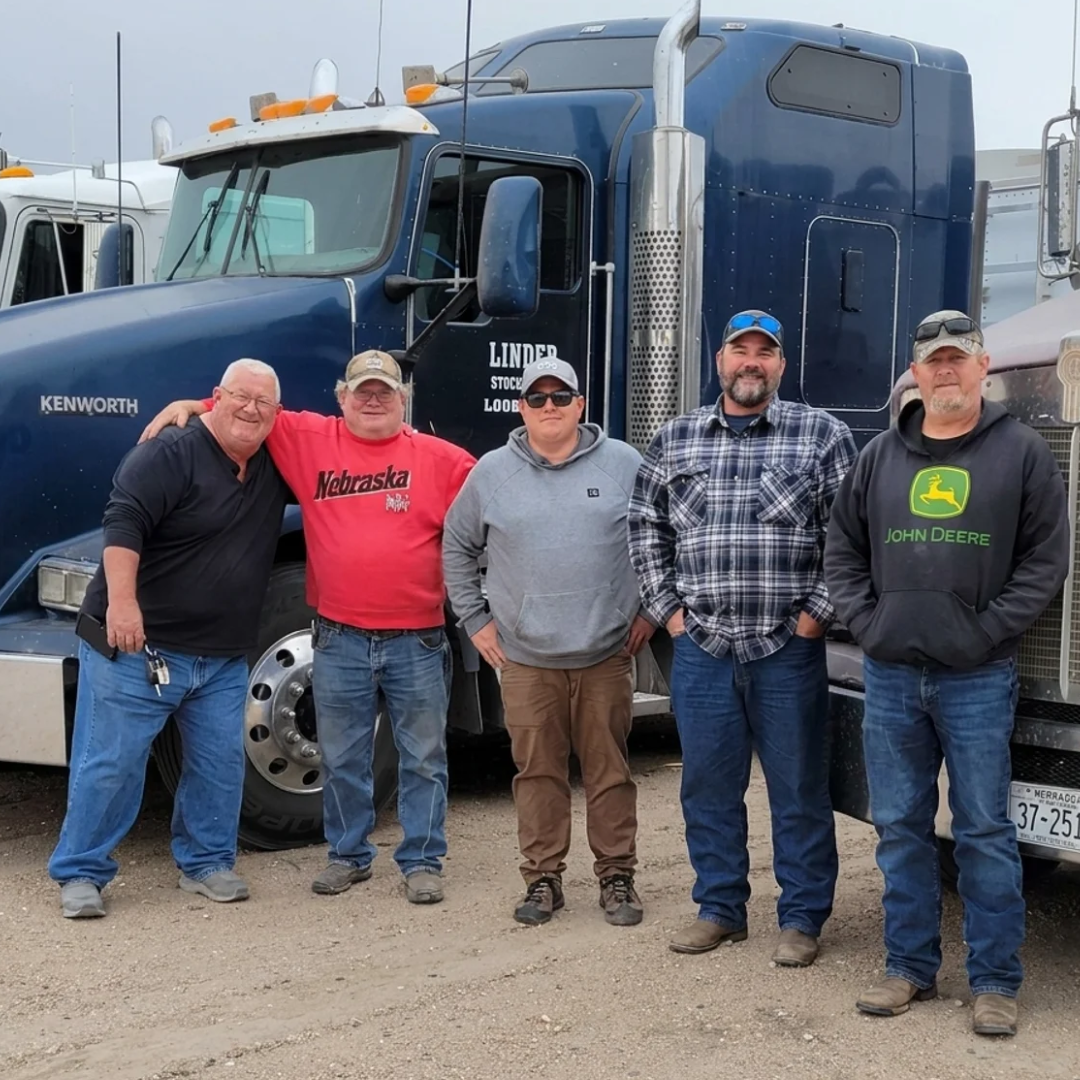
The most stolen part on any truck in America right now is worth more per ounce than gold. It's not the tailgate. It's not the wheels. It's a box bolted under the frame that does one thing — forces a toxic molecule to become a harmless one. That box is a catalytic converter. And the reason it's worth stealing is a single element inside it: platinum. A catalyst so precise that carbon monoxide — a molecule that will stop your heart — walks in one end, and carbon dioxide and water walk out the other. Same atoms. Completely different arrangement. One will kill you. The other is what you exhale. The platinum doesn't add anything. It doesn't remove anything. It just forces dangerous molecules to rearrange themselves into safe ones. That's all a catalyst does. It changes the shape. I'm a cardiologist and molecular pharmacologist. I spent 34 years at Johns Hopkins studying that principle — not in exhaust systems, but in human blood. The idea that the most dangerous compounds moving through your body don't need to be blocked or suppressed or forced down with chemistry. They need to be converted. What I found when I started looking for the biological equivalent of that platinum catalyst — the compound that could do to your bloodstream what platinum does to exhaust — was not in a laboratory. It was in the cab of a Peterbilt 389 parked outside a truck stop in Laramie, Wyoming. I'm Dr. Cornelius Carter. Cardiology and molecular pharmacology. Johns Hopkins. Thirty-four years studying what destroys arteries and what repairs them. I have spent my career watching blood pressure climb in patients who do everything right. Exercise. Diet. Stress management. The number keeps going up anyway. And I have spent my career handing those patients prescriptions that squeeze the system harder — force blood through narrowing passages — while the thing that is narrowing those passages keeps building undisturbed. A blood pressure pill is not a catalyst. It is a clamp. It does not convert what is causing the problem. It applies pressure to manage the result of the problem. The passages keep narrowing. The clamp keeps tightening. And eventually the clamp isn't enough either. I understood this as a cardiologist for decades before I understood it as a patient. Three years before I drove to Laramie, my own numbers started moving in the wrong direction. Fasting glucose: 181. A1C: 7.1. Blood pressure: 158/99. I was a cardiologist with hypertension and pre-diabetes. I understood precisely what was happening inside my own arteries. I knew the mechanism. I had explained it to patients a thousand times. When glucose is chronically elevated, it attacks artery walls. Not metaphorically. Biochemically. Glucose molecules bind to proteins in the arterial lining — a process called glycation — making the walls rough, inflamed, rigid. The immune system responds to the damage with inflammation that compounds the stiffening. The passage narrows. The heart works harder to push blood through walls that have stopped giving way. Blood pressure climbs. Not because of salt. Not because of stress. Because sugar has been slowly converting the lining of your arteries into something brittle and narrow and resistant. I was watching it happen inside myself. And I was about to prescribe myself the same clamp I had been handing patients for thirty-four years. I didn't fill the prescription. Because I knew — better than almost anyone — that the clamp would manage the number on the chart while the glycation continued. The walls would keep stiffening. The passage would keep narrowing. And I would need a bigger clamp every year until the system failed anyway. I needed the catalyst. The compound that would address what was causing the damage — not manage the result of it. What I found was not what I expected to find. And where I found it was not where I expected to look. The compound I kept returning to in my research was Ceylon cinnamon. Not the powder in your kitchen cabinet. Not the cinnamon in every supplement on the market. The original bark. Cinnamomum verum. The species that Portuguese soldiers burned entire villages in Sri Lanka to control in the 1500s. The species the Dutch East India Company made a capital offense to sell outside their supply chain. Men were executed for bark. Kings didn't sprinkle it on oatmeal. They locked it in vaults. I have a 16th-century Dutch trade manifest framed in my office. Cinnamon listed above silver. Above silk. Above everything except gold. The reason wasn't flavor. True Ceylon bark contains a compound called MHCP — Methyl Hydroxychalcone Polymer. It mimics insulin at the receptor level with a precision that still astonishes researchers who study it. Same lock, same key, same door opening. Your cells cannot distinguish MHCP from insulin. Glucose enters. Your pancreas rests. And when blood sugar drops — when the chronic glycation assault on your artery walls is interrupted — something begins to happen that most cardiologists never connect to blood sugar at all. The arterial inflammation recedes. The walls soften. The passage widens. Blood moves through without resistance. And blood pressure drops not because something forced it down — but because you removed what was narrowing the passage. MHCP is the catalyst. It converts the cause. The symptom resolves on its own. I understood this mechanism completely. What I did not understand — yet — was that I had never actually taken it correctly. Before I found the right preparation, I did what millions of people do. I ordered cinnamon supplements. The label said cinnamon. The capsules smelled like cinnamon. They were $14.99 on the supplement aisle and I took two every morning for eight weeks. My fasting glucose dropped from 181 to 173. Eight points. In eight weeks. My blood pressure moved four points on systolic. I told myself I needed more time. Kept taking them. Four more weeks. Glucose dropped two more points. Blood pressure didn't move. Ten points on glucose in twelve weeks. A number that was destroying my arteries had barely shifted. I was frustrated in the way physicians get frustrated when something that should work isn't working. I went back to the mechanism. MHCP. Insulin receptor mimicry. The fat-soluble delivery pathway. The ancient preparations. That's when I opened one of the capsules I had been taking for three months. I looked at the powder. Tasted it. And I knew immediately. This was not Ceylon. This was Cassia. Cinnamomum cassia — the cheap cousin species from Southeast Asia that looks like cinnamon, smells like cinnamon, and costs almost nothing to grow. The species that traders substituted for true Ceylon centuries ago when demand outgrew supply and profit mattered more than chemistry. The label had said cinnamon. It had not specified Ceylon. In the supplement industry, that omission is everything. True Ceylon — Cinnamomum verum — contains MHCP. The biological catalyst. The compound that mimics insulin and interrupts the glycation that destroys artery walls. Cassia contains almost none of it. What Cassia does contain is coumarin — up to 250 times more than Ceylon. Coumarin is hepatotoxic. It accumulates with daily use and damages liver tissue. I had been taking a hepatotoxic compound every morning for three months, calling it medicine, and wondering why my arteries weren't healing. I had installed the wrong element in the converter. Not platinum. Lead. I had a liver panel run the following week. My liver enzymes were elevated. I stopped the Cassia immediately. We replaced a medicine with a toxin, called them the same name, and put them both on the same supplement shelf. And the only way to know the difference is to know what to look for — because the industry has no obligation to tell you which species is in the bottle unless you ask the right question. I understood now what the right compound was. Ceylon. Cinnamomum verum. Not the impostor. What I still didn't understand was why, even with the correct species, the research suggested results I hadn't seen in anyone I knew who was taking it. That question is what led me to the FMCSA occupational health study. And to Dale Wickes. The Federal Motor Carrier Safety Administration had been tracking a subset of long-haul drivers for eight years — specifically drivers over sixty who had maintained cardiovascular health across careers that should have destroyed it. The lifestyle risk profile for long-haul trucking is catastrophic for blood pressure. Sedentary twelve to fourteen hours daily. Limited food options. Irregular sleep. High cortisol. Isolation. Deadline pressure. Most drivers develop hypertension within a decade. Some lose their CDL before they're fifty-five. A career built over thirty years — gone because a number on a chart crossed a threshold and wouldn't come back. But buried in the FMCSA data was a small group of drivers who had maintained DOT-compliant blood pressure for their entire careers. Not just acceptable numbers. Numbers that should not have been possible given the life. Dale Wickes was at the top of that list. Sixty-seven years old. Forty-one years of long-haul. Four million miles. CDL held continuously since 1983. Blood pressure at his most recent DOT physical: 119/76. I drove to Laramie because that number made no physiological sense for the life behind it. And in my experience, when a number makes no sense, the person behind it has discovered something the rest of us haven't. He was exactly what four million miles looks like. Big hands. Face weathered from decades of windshield sun. A thermos of coffee the size of a small fire extinguisher. He'd been running the I-80 corridor since Reagan's first term and had opinions about every weigh station between Chicago and Sacramento. I bought him lunch and asked him how his blood pressure was 119/76 at sixty-seven years old after forty-one years of long-haul. He didn't answer immediately. He looked out at the lot where two other rigs were idling. Drank his coffee. Then he said, "You know what a catalytic converter does?" I said I did. "My old man was a diesel mechanic. Told me when I was seventeen — the converter doesn't fight the exhaust. It doesn't try to stop it or slow it down. It just changes what the exhaust is before it can do any damage. Same stuff going in. Different stuff coming out." He set down his thermos. "That's what I figured out my blood needed. Not something fighting it. Something changing what was in it." I asked him to explain what he meant. He said, "When your blood sugar runs high — and mine did, early on, I wasn't eating right, driving nights, eating whatever was open — the sugar doesn't just float around. It goes after your artery walls. Scratches them up. Makes them rough. Your body sends stuff to patch the roughness and it builds up instead of clearing. The walls get thick and stiff. Blood can't move through easy. Pressure goes up." He tapped the table. "Doctor wants to give you something to push the blood through harder. Like putting more pressure behind a kinked hose. Hose is still kinked. You're just pushing harder." "What did you do instead?" I asked. "My wife found something. True cinnamon — not the stuff from the grocery store. The real kind from Sri Lanka. Ceylon, she called it. She'd read that it works like insulin. Signals the cells to take in the sugar before it gets a chance to go after the walls." He looked at me steadily. "Lower the sugar and the walls stop getting attacked. Stop getting attacked and they start to heal. Heal enough and the blood moves through easy again. Pressure drops on its own. Because you fixed what was causing it — not just pushed harder against it." A man with a high school diploma and four million miles had just explained the pathophysiology of metabolic hypertension and its reversal more clearly than most of the cardiologists I trained with. "How does she prepare it?" I asked. "That's the thing she figured out that nobody else seemed to know. She doesn't put it in capsules with water. She dissolves it in oil. Coconut oil. Every morning. Says the good stuff in the bark doesn't cross into your blood unless there's fat to carry it." I put down my fork. She was right. MHCP and cinnamaldehyde — the active compounds in Ceylon bark — are fat-soluble. They cannot cross the intestinal membrane without a lipid carrier. In a dry capsule washed down with water, they hit the gut wall and stop. The body absorbs a fraction. Sometimes as little as ten percent. The rest passes through unchanged. Fat carries them across. Fat is what takes the catalyst from the capsule into the bloodstream where it can do what it was documented to do for 1,400 years. Dale's wife hadn't just found the right species. She had created the right conditions. I asked to see his medical records. He pulled out his phone without hesitation and showed me his last five DOT physical results. Dale Wickes. Sixty-seven years old. Four million miles. Blood pressure across five consecutive physicals: 122/78. 121/75. 118/74. 120/77. 119/76. No blood pressure medication. No metformin. No statins. Nothing. His DOT medical examiner had been asking him for twelve years what he did differently. He'd never told him. I asked why. He looked out at the lot again. "I've got a buddy. Good driver. Better than me, honestly. Lost his CDL at fifty-six. Pressure got too high. Couldn't bring it down. Thirty-one years of driving — gone. Couldn't find work that paid the same. Fell apart. I watched it happen." He picked up his thermos. "I wasn't going to risk losing what he lost by telling a doctor something and having him tell me to stop. I just kept doing it." Then he looked at me directly. "You know why they steal converters? Because of what the platinum inside does. Not what it is — what it does. Changes something dangerous into something harmless. That's all." He nodded slowly. "That's all this does. Changes what's in the blood before it can damage the walls. Same principle. Different application." I went home and did what Dale's wife had figured out. Not Cassia. Never again. True Ceylon — Cinnamomum verum, verified species, sourced from Sri Lanka. And not dry powder in a capsule. Dissolved in MCT oil — medium-chain triglycerides from coconut, the most bioavailable lipid available. The fat carrier that takes the catalyst across the gut wall and into the bloodstream where it was always meant to go. The taste was unpleasant. Gritty. Oily. Clinically inconvenient. I took it anyway. Day three: the 2 PM cognitive dulling I had accepted as normal — the afternoon fog that had become my baseline — didn't happen. I was clear. Present. Thinking at 4 PM the way I used to think at 9 AM. Day five: I slept through the night for the first time in over two years. No 3 AM wakefulness. No lying still waiting for the room to get lighter. Just sleep. I tested my fasting glucose that morning. 157. Twenty-four points lower than when I started. Twelve weeks of Cassia dry capsules had moved me ten points total. Five days of true Ceylon dissolved in fat moved me twenty-four. Same mechanism. Right species. Right delivery. Completely different result. I tested again. Same number. I called my wife into the study. "Look at this." "That's good?" "That's the lowest number I've seen in two years. And I've been taking it for five days." Week two: 132. Week three: 116. Week four: 99. I checked it three times. I had not seen a fasting glucose below 110 since this began. I checked my blood pressure that week. 146/91. Down from 158/99. The fog was gone. The constant thirst was gone. The low-grade headache that had been sitting behind my eyes for so long I'd stopped noticing it — gone. And for the first time in two years, both numbers that mattered were moving in the right direction simultaneously. Not because I had added a clamp. Because I had finally installed the right catalyst at the right dose in the right delivery system. The sugar was dropping. The glycation assault on my arterial walls was easing. The inflammation was receding. The walls were beginning to heal. And as they healed, the passage widened. The blood moved through with less resistance. The pressure dropped because the thing that had been narrowing the passage was being addressed. Dale was right. Fix what's in the blood before it damages the walls. The pressure drops on its own. Because you fixed the cause — not managed the result. Three months later I walked into my own physician's office — a colleague I had worked alongside for eleven years — with a glucose log, blood pressure readings, a liver panel, and the fat-dissolved preparation I had been taking every morning. She looked at my numbers for a long time without speaking. "Your fasting glucose is averaging 94." "Yes." "Your A1C is 5.6. It was 7.1." "Yes." She pulled up the blood pressure data. "Your blood pressure is averaging 126/81. It was 158/99." I nodded. "Your liver enzymes — these were elevated three months ago." "I was taking Cassia. Coumarin accumulation. I stopped." She looked at the current panel. "They're completely normal now." "Yes." She sat back slowly. "Your arterial inflammation markers are down significantly. Endothelial function improved. The oxidative stress markers on your LDL — reduced substantially." She looked up. "You're a cardiologist. You know what this panel means." "It means the glycation is slowing. The arterial walls are recovering. The catalyst is working." She was quiet for a moment. "What are you taking?" "True Ceylon cinnamon. Cinnamomum verum — not Cassia. Dissolved in MCT oil. The fat-soluble delivery the compound requires to actually cross into the bloodstream." I put the published research on her desk. Eight papers on Ceylon bioavailability, MHCP's insulin-receptor mechanism, fat-soluble delivery and absorption rates. And Dale's DOT physical records with his permission. She read for fifteen minutes. Closed the folder. "The delivery variable," she said quietly. "Nobody in the supplement industry is controlling for it." "Nobody." She looked at the liver panel one more time. "And the Cassia —" "Is not cinnamon. It's a hepatotoxic impostor that contains almost none of the active compound and up to 250 times more coumarin. It's on every supplement shelf in the country labeled as cinnamon." She sat back. "Keep doing whatever you're doing." That was nine months ago. My fasting glucose is consistently between 91 and 98. My A1C is 5.4. My blood pressure is stable at 124/80. My liver enzymes are normal. My arterial inflammation markers are at levels that correspond — according to the same cardiac risk models I have used with patients for three decades — to a cardiovascular profile ten years younger than my age. I sleep through every single night. The fog is gone. The headaches are gone. The quiet dread that I was watching my own arterial system slowly close — that I was heading toward the kind of event I had been preventing in patients my whole career — that is gone. I think about Dale every time I see a truck on the highway. Forty-one years. Four million miles. A lifestyle that should have destroyed his cardiovascular system. And a DOT physical at sixty-seven with blood pressure numbers that make internists look twice — because his wife figured out sixteen years ago that you don't fight what's in the blood. You convert it. --- After nine months, I found something better than dissolving powder into oil every morning. A company called Metabolae had already solved it. True Ceylon cinnamon. Cinnamomum verum, sourced from Sri Lanka — DNA verified, not just labeled. The same species that empires went to war over. The same species that contains MHCP — the biological catalyst that mimics insulin, interrupts glycation, and allows artery walls to heal. Not Cassia. Not the hepatotoxic impostor that flooded the supplement market because it was cheaper to grow, impossible to distinguish on a label, and contains up to 250 times more coumarin than the real thing. 7,200mg equivalent per softgel. A 12:1 concentrated extract. The clinical dose. Not a token 500mg amount that does what Cassia dry powder always did — almost nothing. Suspended in MCT oil. The fat carrier already present. The delivery already correct. The catalyst already positioned to cross your gut wall and reach your bloodstream — not to sit in a dry capsule and pass through you unchanged. One softgel. Once a day. No gritty oil preparation. No guessing. No grinding bark at 6 AM. The right species. The right dose. The right delivery. The conversion already set up before you swallow. Third-party tested. Every batch verified for species, purity, and coumarin levels. Because a label that says cinnamon means nothing if the species is wrong. And Cassia in a daily supplement isn't just ineffective — it's damaging the organ you're trying to protect. I drove back through Laramie four months after our first meeting. Dale was there — heading west, same as always. I showed him the Metabolae softgel. He turned it over. Read the label. "Cinnamomum verum. Sri Lanka. MCT oil." He nodded once. The way a man nods when something confirms what he already knew. "Same thing my wife gives me." "Better delivery," I said. "Same result though." "Same result." He handed it back. "You know what happens to a driver whose pressure crosses the threshold?" he said. "Loses his medical certificate. Loses his CDL. Loses his route. Everything he built — gone. Some of them get it back. A lot of them don't." He looked out at the lot. "I've watched good men lose everything over a number on a chart that nobody helped them actually fix." He picked up his thermos. "The converter doesn't save the engine by fighting the exhaust. It converts what the exhaust is before the damage happens." He looked at me. "That's all this does. Converts what's in your blood before it gets to the walls. The walls heal. The pressure drops. The number on the chart takes care of itself." He pulled himself up into the cab. "Should've been obvious," he said. "Fix the cause. Not the number." I've told six colleagues about this since meeting Dale. All six were dealing with elevated blood pressure. Three were on medication. Two were watching their numbers approach the threshold where pharmaceutical intervention would become unavoidable. All six came back with the same account. Glucose dropping within the first week. Sleep improving within five days. Blood pressure moving meaningfully by week three. Inflammation markers down by week eight. One of them — an internist, sixty-one years old, systolic of 154 on his last three readings — dropped to 128 in ten weeks. He called me and said, "I've been managing hypertension in patients for twenty-five years. I never once addressed it this way." I told him what Dale told me. The converter doesn't fight the exhaust. It changes what the exhaust is. The pill doesn't convert anything. It squeezes the system harder to force blood through a narrower pipe. Those are not the same thing. They were never the same thing. Here's what I want you to understand. MHCP mimics insulin at the receptor level. Cinnamaldehyde activates AMPK — the same pathway that exercise uses to move glucose into cells. When blood glucose drops, the glycation assault on your arterial lining slows. The walls stop accumulating damage. The inflammation that was driving the stiffening recedes. The passage begins to widen. Blood moves through without resistance. Blood pressure drops not because something forced it down — but because the compound that was narrowing the passage has been interrupted. You fix the cause. The symptoms resolve. But you have to get it right. True Ceylon — not Cassia. Cinnamomum verum, DNA verified, not a label claim on a cheap capsule. Clinical dose — not 500mg token amounts that produce token results. Fat-soluble delivery in MCT oil — not dry powder that passes through you unchanged. Third-party tested — not mystery capsules from an industry that has been selling you a hepatotoxic impostor for decades and calling it cinnamon. That's Metabolae. The catalytic converter gets stolen for what the platinum inside it does to a molecule. Metabolae does the same thing to what's moving through your blood. Same principle. The converter doesn't add anything. It just forces what's dangerous to become something harmless. Fix the cause. Let the number take care of itself. Tap below. 90 days risk-free. See what happens when you stop clamping the system and start converting what's inside it. ~ Dr. Cornelius Carter, MD, PhD, Cardiology and Molecular Pharmacology, Johns Hopkins University, 34 years **P.S.** A few things I wish I'd known before I started: **1. What's labeled cinnamon is almost certainly not Ceylon.** I took Cassia for three months. Ten points on glucose. Four points on blood pressure. Elevated liver enzymes. The coumarin in Cassia accumulates with daily use and damages the liver. If the label doesn't specify Cinnamomum verum, it's the impostor. Check before you swallow. **2. The dry capsules don't deliver the catalyst.** MHCP and cinnamaldehyde are fat-soluble. Without a lipid carrier, they cannot cross your gut wall. They pass through you. The body absorbs a fraction. Metabolae suspends the extract in MCT oil. The delivery is already done before you swallow. **3. The dose matters.** I was taking 500mg of the wrong species. Metabolae delivers 7,200mg equivalent of the right one in the right form. Token doses produce token results. The catalyst has to be present in sufficient quantity to do the conversion. **4. Timeline:** Glucose and energy improve first — usually within the first week. Sleep quality improves around days five to seven. Blood pressure begins moving meaningfully in weeks two to three. Arterial inflammation markers shift between weeks four and eight. Full cardiovascular benefit at ten to twelve weeks. **5. Metabolae offers a 90-day money-back guarantee.** If your numbers don't improve, you pay nothing. **6. They sell out regularly.** Small company. The verified Sri Lanka sourcing and DNA authentication mean they cannot simply produce more on demand. If it's available, order now. If you're dealing with: Blood pressure that keeps climbing no matter what you change Fasting glucose that won't come down despite everything you've tried Afternoon fog and fatigue you've stopped noticing because it became your baseline The fear that a number on a chart is going to cost you something you've spent your life building The feeling that your prescription is managing a symptom while the cause keeps compounding Liver enzymes that have crept up and nobody has connected to the cinnamon supplement you've been taking every morning The catalyst already exists. It has existed for 1,400 years. The question was never whether Ceylon cinnamon works. The question was whether you were getting the right species, at the right dose, in the right delivery system. Metabolae gets all three right. Tap below. Try it for 90 days. See what happens when you stop clamping the system and start converting what's inside it.
Like this ad? Make it yours.
Crush rebuilds this exact creative around your product — your brand, your colors, your offer — in about a minute.