
Inactive· since Apr 22, 2026
- 89
- days it ran
- 0
- relaunches
Ad copy
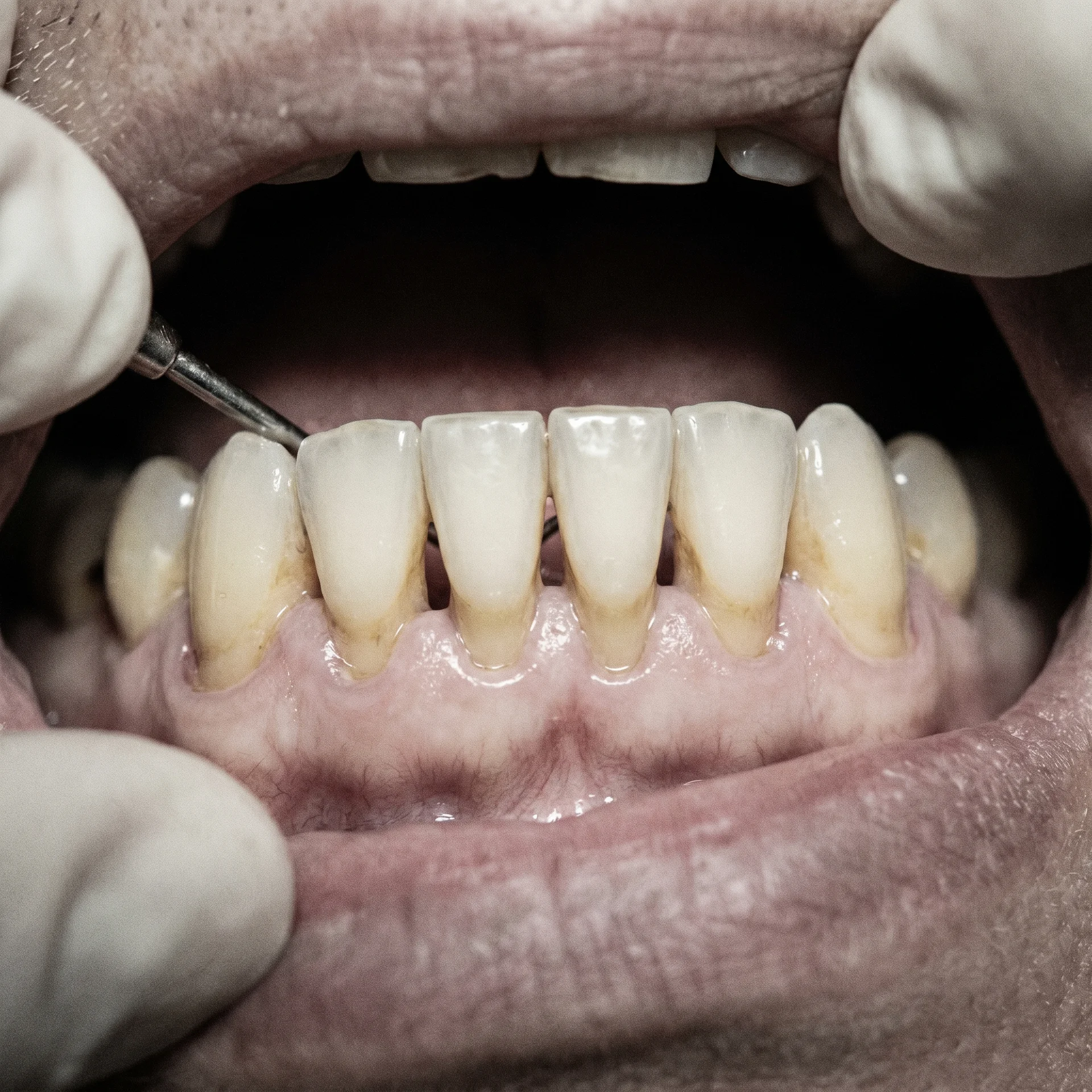
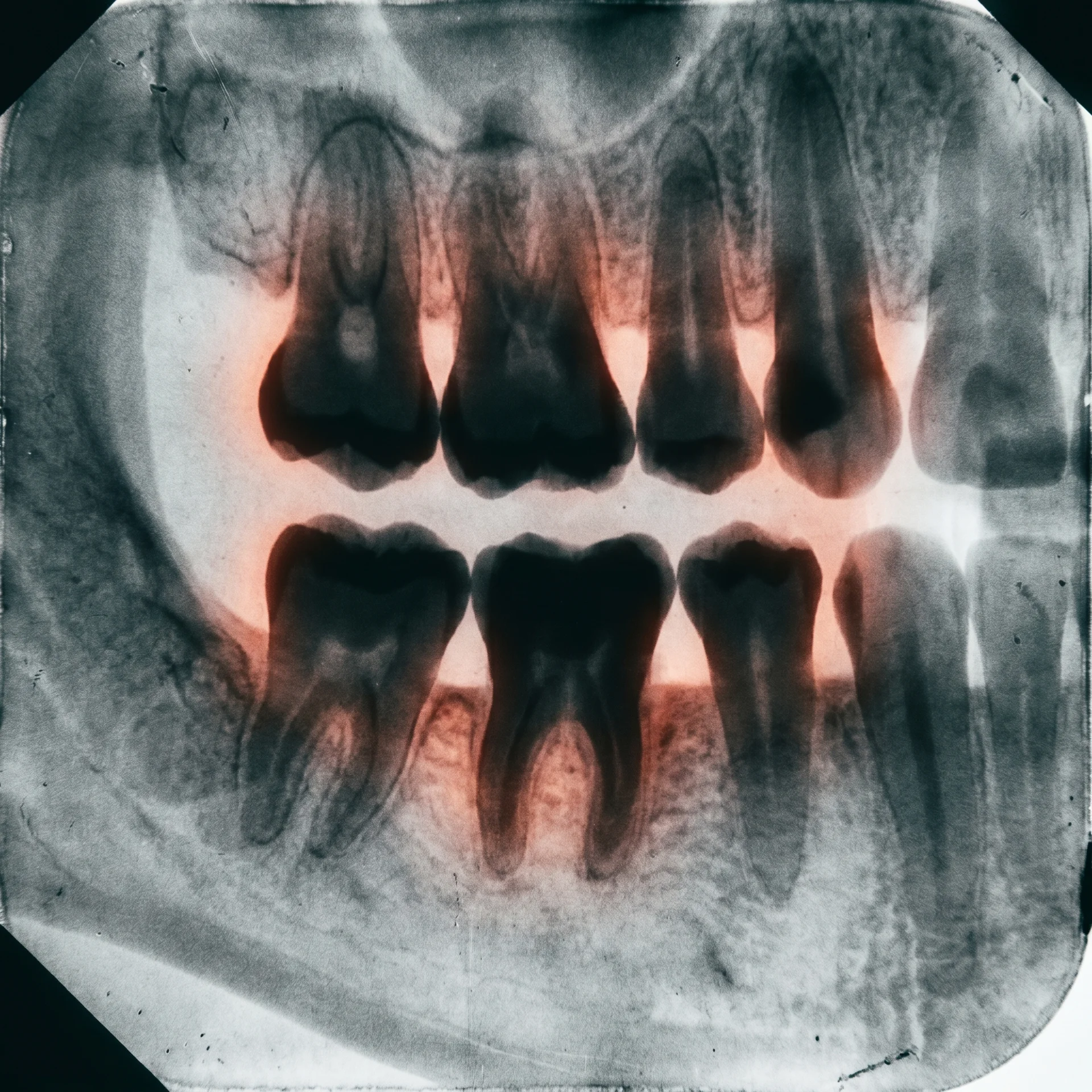
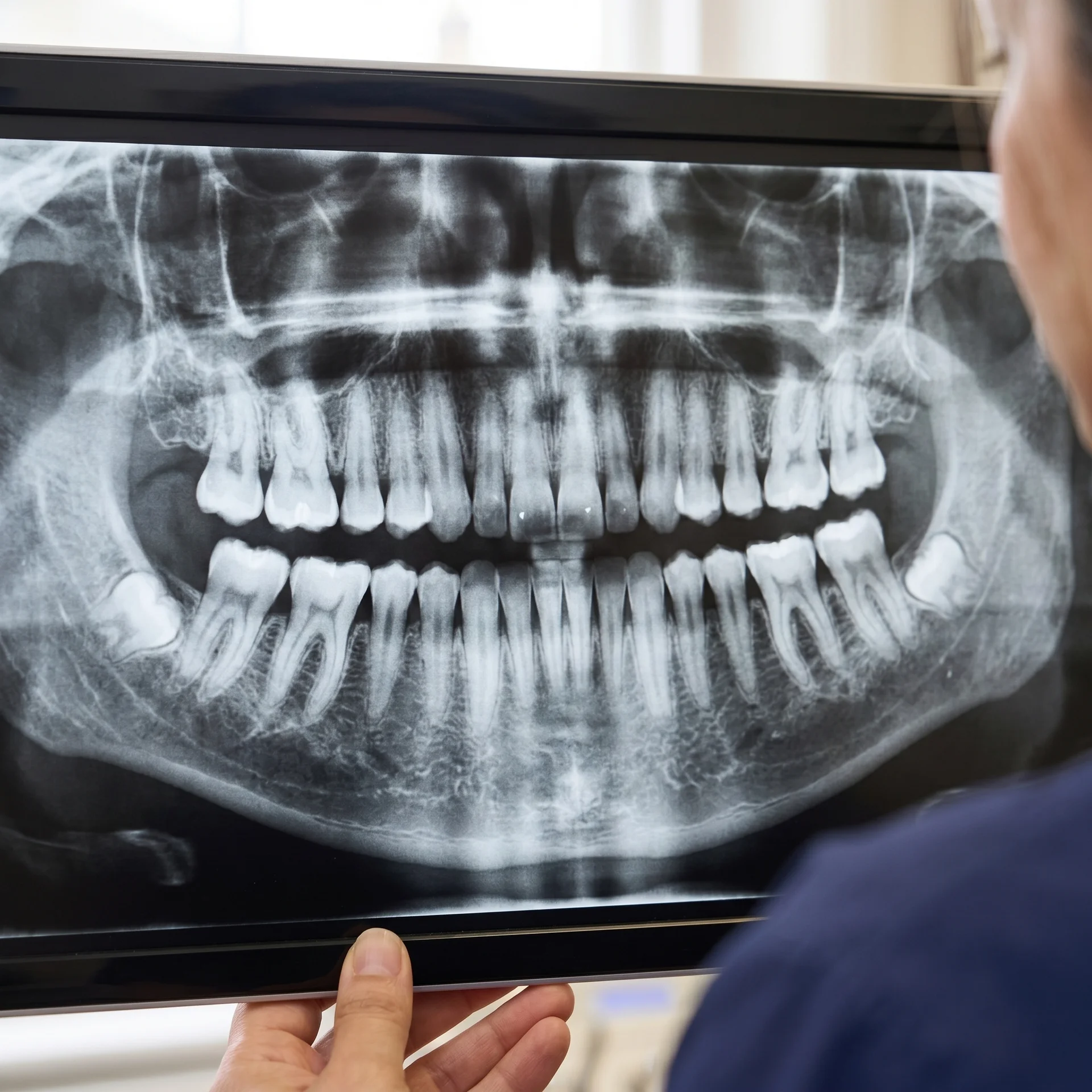
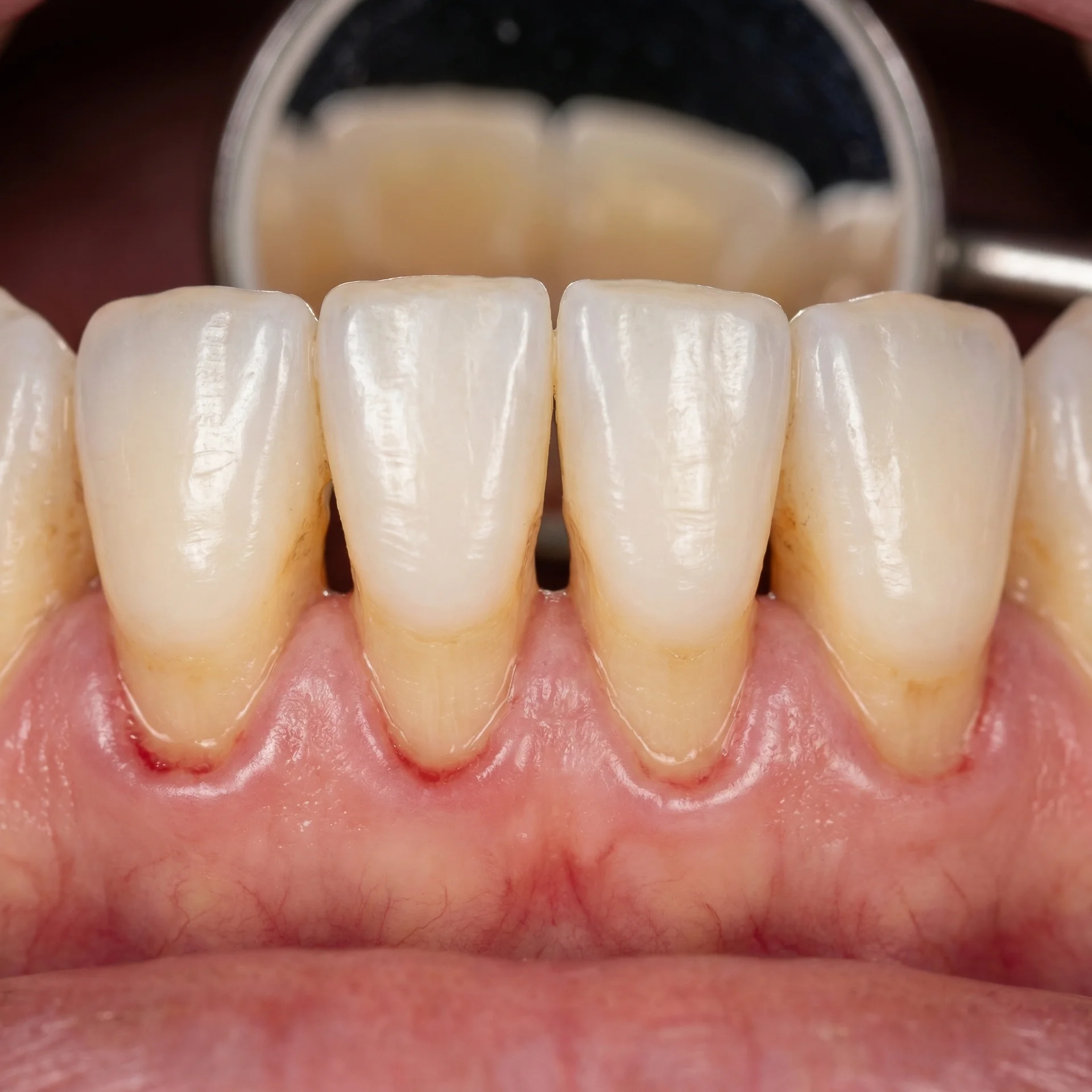
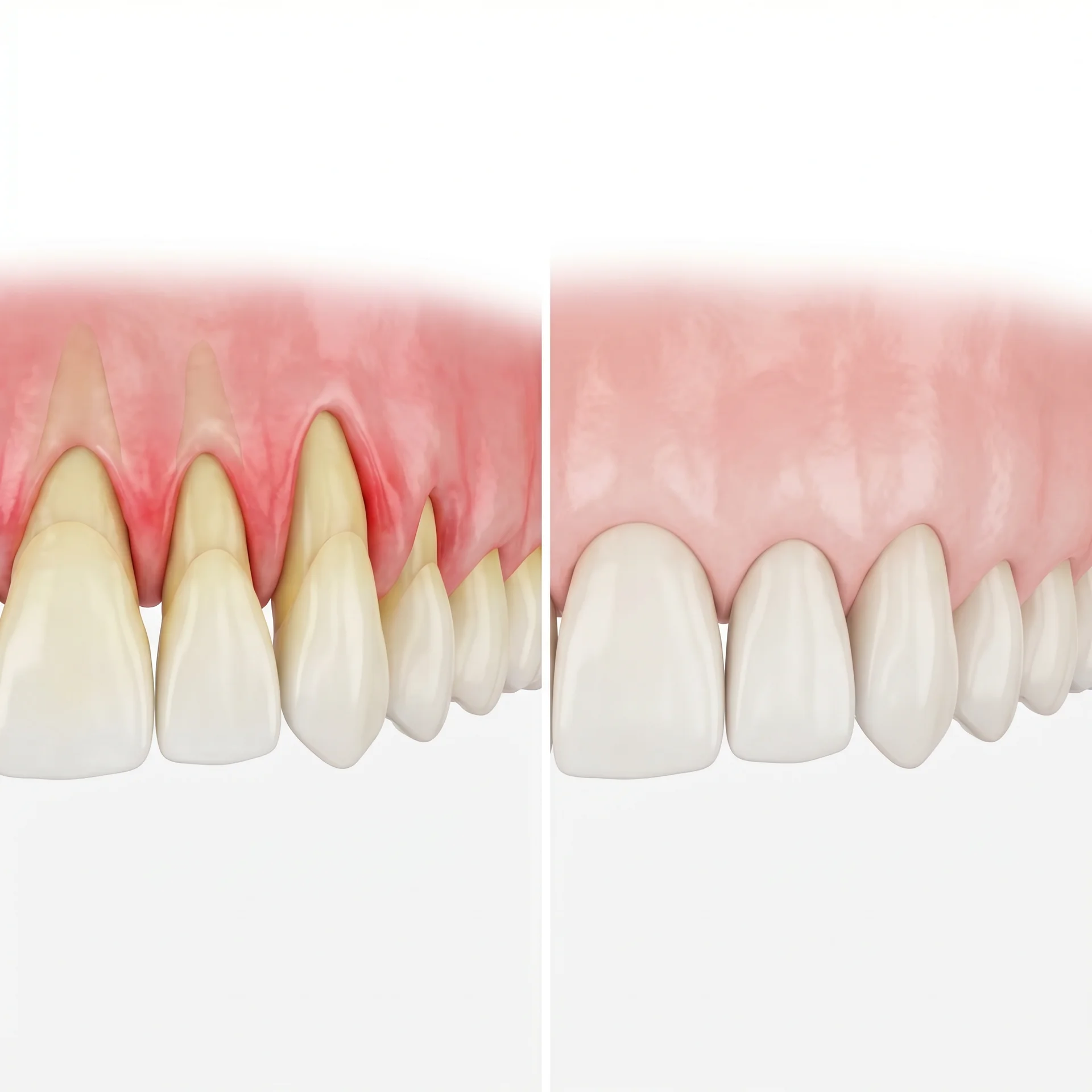
"Gums don't grow back" proved to be WRONG. But don't expect your dentist to tell you. Let me explain. I'm a board-certified periodontist with 22 years of experience. I've performed hundreds of gum graft surgeries. I trained inside one of the most respected periodontal programs in the country. For the first decade of my career, I told every recession patient the same thing: "Gums don't regenerate. Once the tissue is gone, surgery is your only option." I believed it completely. Because that's what I was taught. And I never thought to question who wrote the textbooks. Then a colleague in Munich asked me something I couldn't answer: "Why are you only treating what's already gone — instead of rebuilding what's still there?" That question changed how I practice. And it's going to change how you think about what's happening in your mouth. They once said brain cells couldn't regenerate either. Settled science for decades. In every textbook. Every medical school. Then in the 1990s, researchers discovered neurogenesis. The brain grows new cells your entire life. What we thought was impossible was happening all along. They were wrong about brain cells. They were wrong about cartilage — we used to think that couldn't regenerate either. They're saying the same thing about your gums right now. Here's what's actually happening in your mouth. Your gum tissue isn't soft tissue the way skin is. It's a structured collagen matrix. A study from the Medical University of Białystok in Poland analyzed gum tissue composition. Type I collagen makes up approximately 90% of your gum tissue — the physical scaffolding that keeps your gums thick, dense, and firmly anchored to your teeth. After age 30, your body produces less collagen every year. By 50, you're making about 70% less than you did at 25. Your gums aren't receding because of poor hygiene. They're receding because the structural protein they're built from is no longer being produced in sufficient quantity — and nothing in your dental care protocol replaces it. Brushing removes bacteria. It does not rebuild collagen scaffolding. So the tissue keeps thinning. The recession keeps progressing. And the standard protocol keeps measuring it while the actual cause goes completely untouched. This is not a hygiene problem. It is a deficiency problem. And deficiencies can be corrected. Here's the part your dentist almost certainly doesn't know — because it wasn't in his training. Standard collagen molecules are too large to penetrate gum tissue when applied topically. They sit on the surface and rinse away. That's why collagen supplements you swallow don't help your gums — they get broken down in your stomach before they ever reach your gum tissue. That's why collagen toothpastes don't work — the molecules are too big to absorb. What changed everything was breaking down the collagen molecule small enough to absorb. Think of it this way. A standard collagen molecule is a block of ice. It cannot pass through tissue. Collagen at 1,000 Daltons is snow. It dissolves on contact. Passes through. And when it reaches your cells, it doesn't just fill the tissue. It signals your cells to rebuild. In 2025, researchers at the Medical University of Lublin in Poland, in collaboration with Italian clinical researchers, asked a simple question: if collagen depletion is the cause, how do we actually replace it? They found the answer in something called Tropocollagen Type I. Tropocollagen is the precursor molecule — the smallest unit of collagen that still retains its biological signal. Small enough to pass directly through gum tissue. Small enough to absorb. Standard collagen molecules sit on the surface and rinse away. Tropocollagen passes through. When applied to the gums, it signals your cells to start rebuilding tissue again. The study tested 612 patients with moderate recession over 14 months. The group using Tropocollagen showed tissue stabilization in 89% of patients. 34% showed measurable improvement in gum thickness. The gums grew back. This research is published. Peer-reviewed. Available to anyone who looks. Your dentist just wasn't taught to look. And here's what nobody tells you about gum grafts. A graft takes tissue from the roof of your mouth and stitches it over the exposed root. It covers the recession that's already occurred. What it doesn't do is address why the recession happened. The collagen deficiency is still there. The foundation is still depleted. The structural breakdown is still progressing underneath. It's like planting flowers in dead soil. The surface looks good. For a while. That's why 30% of gum grafts fail in the first year. $7,200. Four to six weeks of painful recovery. Tissue from the roof of your mouth. And the recession comes back — because the foundation was never rebuilt. One of my patients — 57 years old, excellent hygiene her entire adult life — came to me after being told she needed grafts on four front teeth. She'd had her recession monitored since she was 52. Five years of measuring. Five years of "keep up the good work." Five years of watching her gums disappear despite doing everything right. She was skeptical. Understandably. "If brushing better was going to fix this," she told me, "it would have worked by now." She was right. It was never going to work. Because brushing was never the problem. She agreed to 12 weeks of topical collagen therapy before making any surgical decisions. I recommended a powder. Tropocollagen Type I. Applied directly to the gum line while brushing. About $30. She started that week. Week 1: Nothing visible. But her gums felt less tender when she brushed. Week 2: The sensitivity started fading. Cold water didn't make her wince. Week 4: Cold sensitivity — constant for years — almost completely gone. Week 6: The tissue looked fuller. Pinker. Less fragile. Week 8: No bleeding at the gum line for the first time she could remember. Week 12: Her hygienist measured each recession site. Then measured again. Site 1: reduced from 4.2mm to 2.8mm. Site 2: reduced from 3.8mm to 2.6mm. Sites 3 and 4: stabilized. No further progression. She didn't need the four-tooth graft. $7,200 for surgery that fails 30% of the time. $30 for a powder based on peer-reviewed research. Think about who benefits from sharing it. And who doesn't. Your dentist isn't evil. He was trained inside a system that had no financial reason to teach this — and he has practiced inside a profession that measures success by surgical outcomes, not by whether surgery was necessary in the first place. The research exists. It's published. Peer-reviewed. But the system isn't built to spread information that doesn't generate revenue. Brain cells. Cartilage. Gums. Same pattern. "Impossible" until someone proves otherwise. And even then, it takes years for the industry to catch up — if there's any incentive to catch up at all. But you are not required to wait for the system to catch up. The research exists. The mechanism is understood. The delivery technology works. If your recession has been monitored for years with nothing to show but continued progression... If you've been quoted thousands for surgery... If you've accepted "gums don't grow back" as biological fact... You were never out of options. You were just never told about the one that actually works. I'll leave a link below to the product I now recommend to my own patients. I don't get anything from sharing this. Your gums aren't broken. The system is. https://velverdo.com/pages/adv-3
Like this ad? Make it yours.
Crush rebuilds this exact creative around your product — your brand, your colors, your offer — in about a minute.