
Active· since Apr 18, 2026
- 146
- days running
- 1
- relaunches
Ad copy
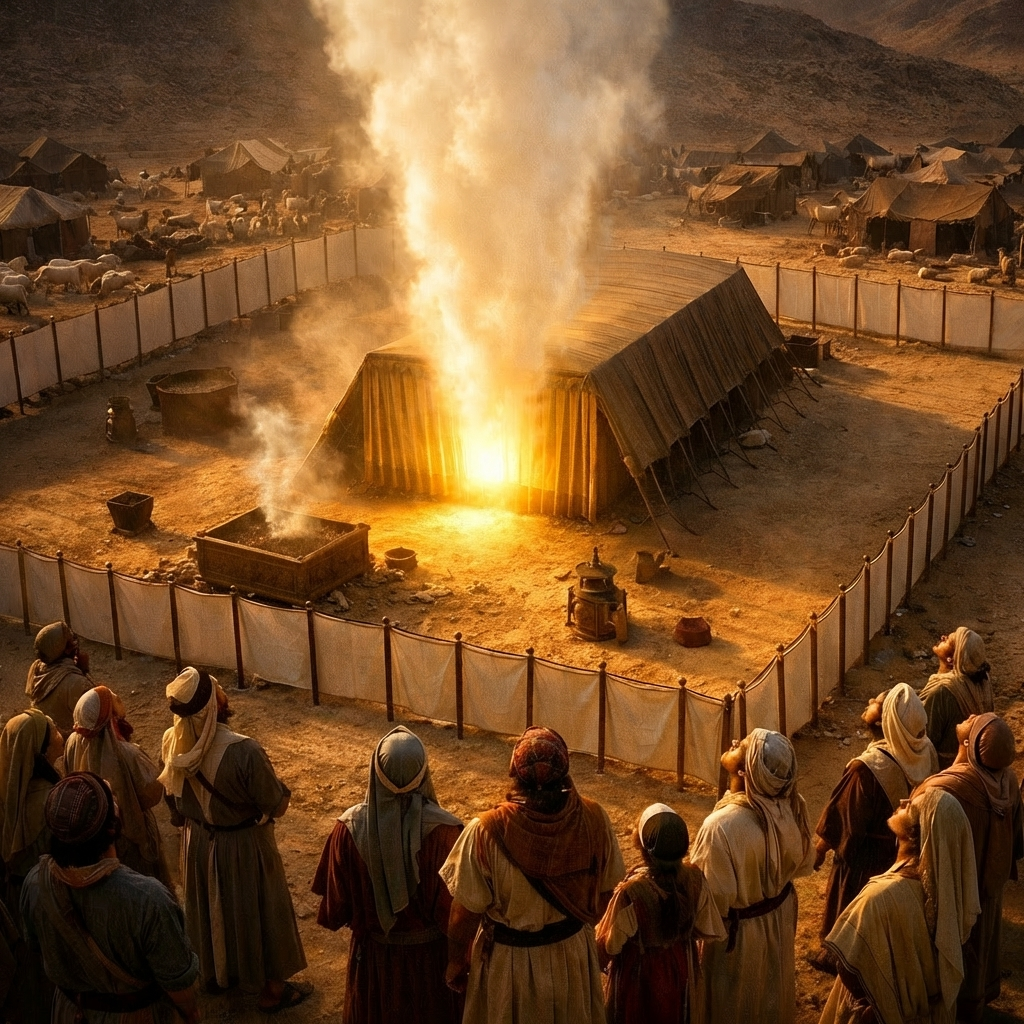
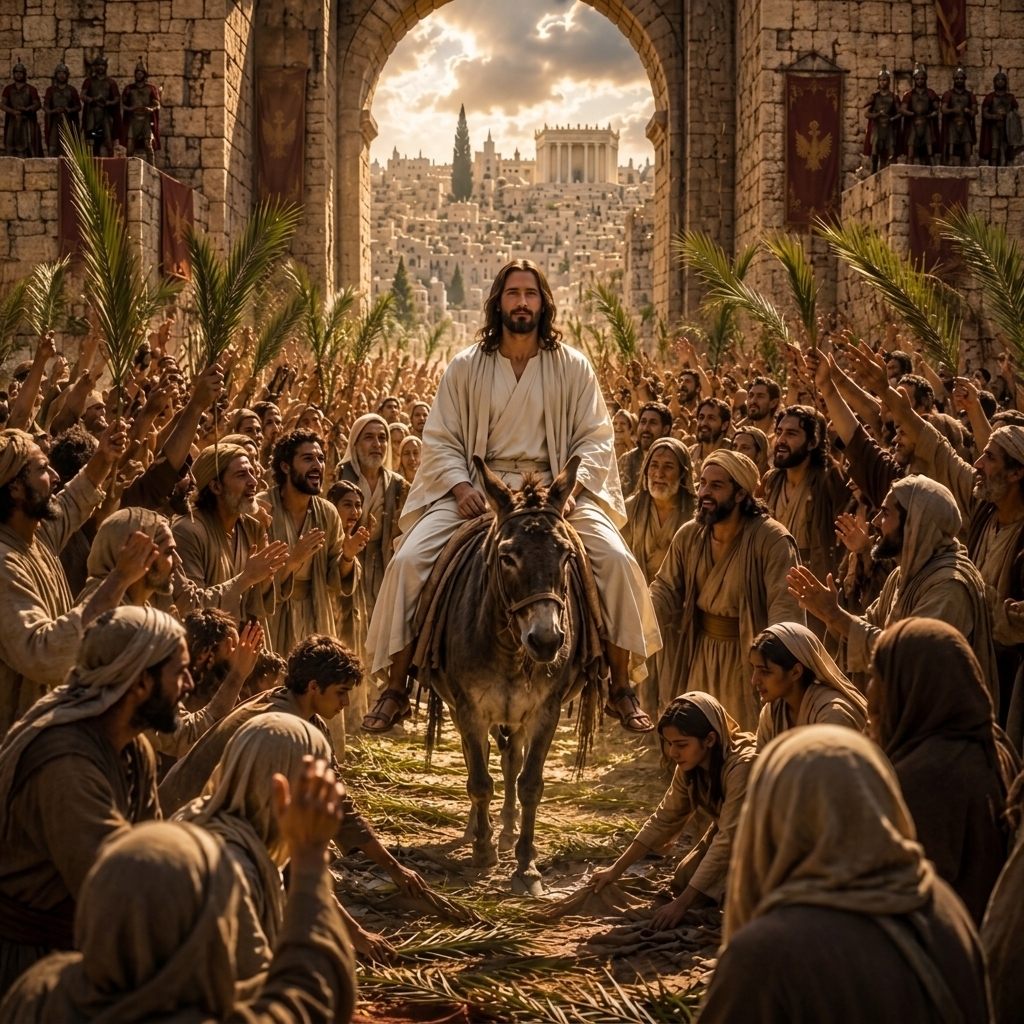
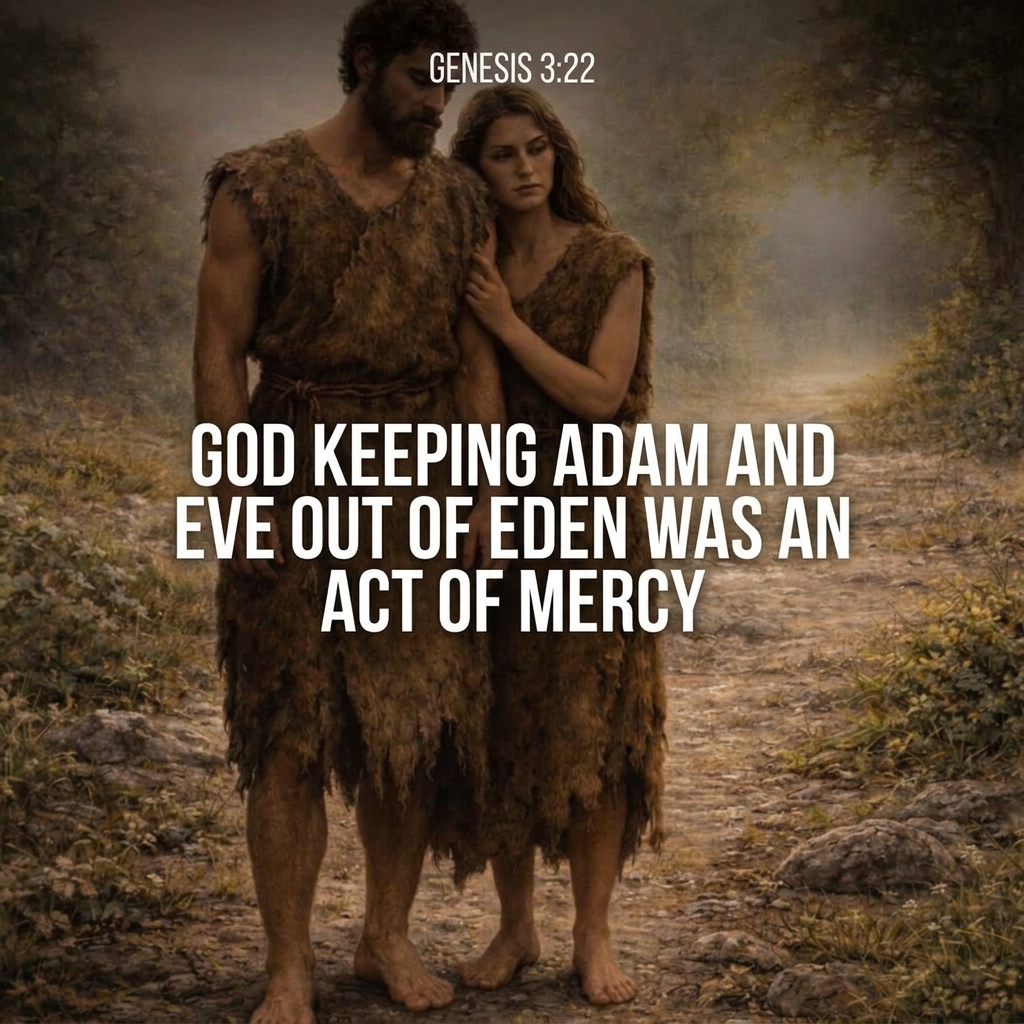
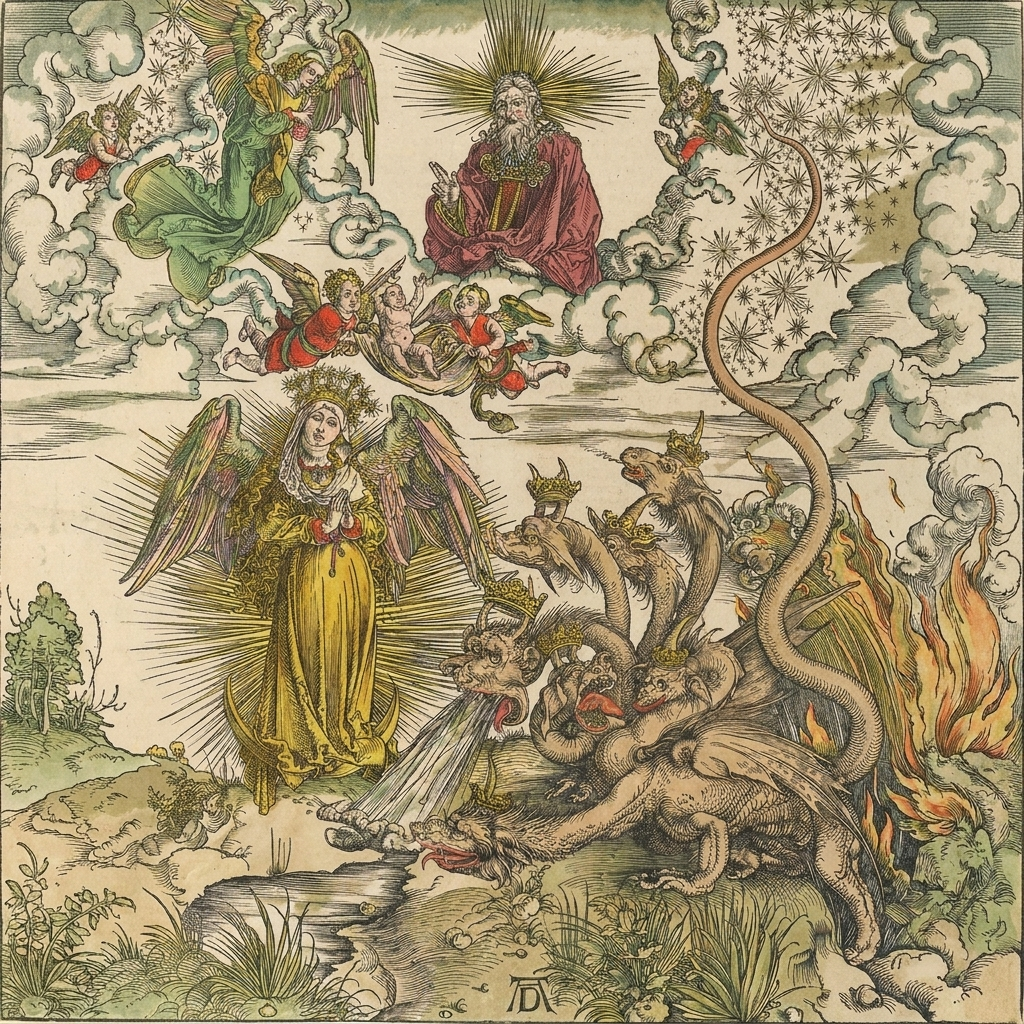
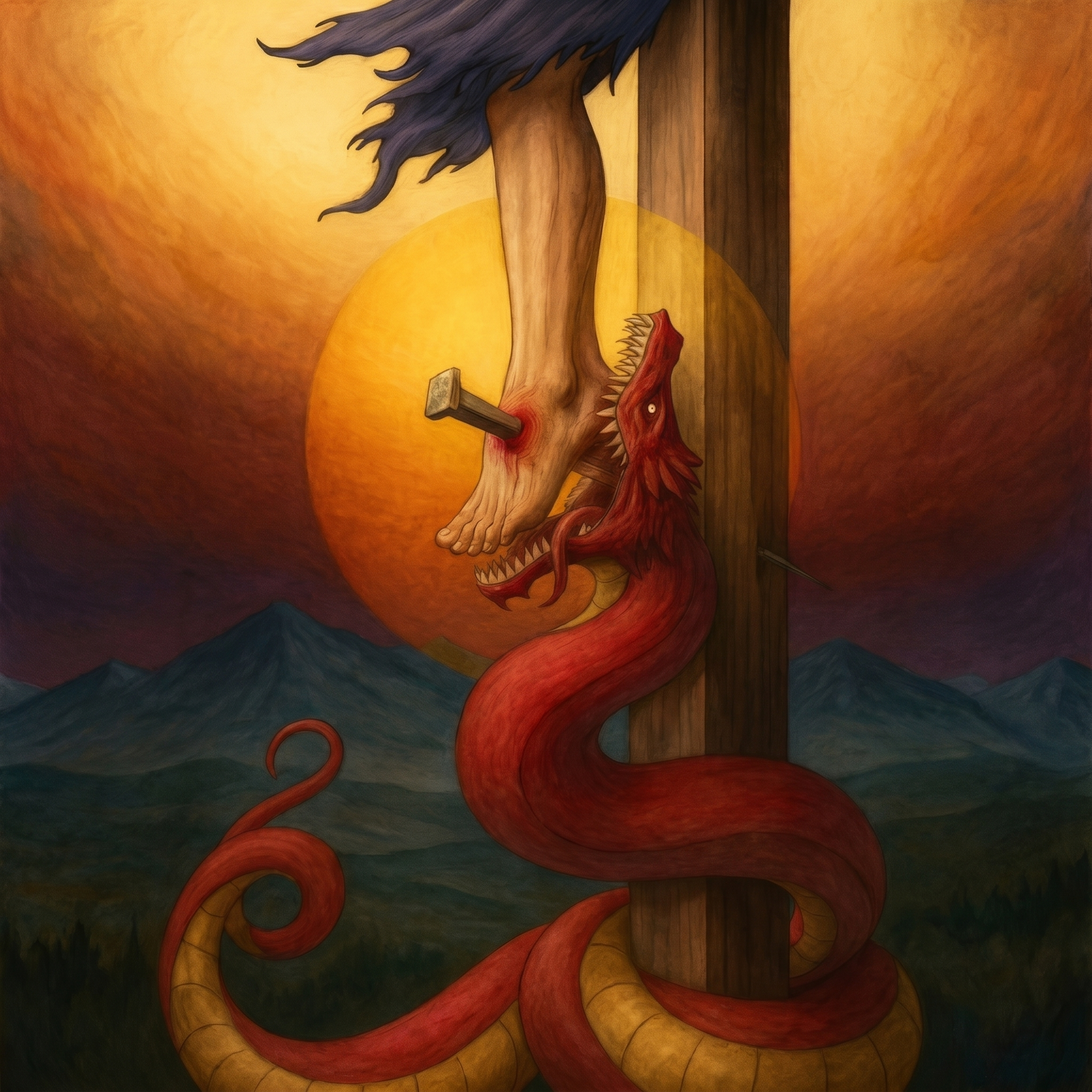
The very first prophecy in the entire Bible was spoken in a garden, minutes after the world broke. Most Christians have read it dozens of times. Almost none of them know it is there. Every Christian knows the story of Genesis 3. The serpent. The fruit. The fall. God discovers what has happened. He confronts Adam and Eve. And then He curses the serpent. That is where most people stop paying attention. Because what God says next is the most important sentence in the entire Old Testament. And it is hiding inside what looks like a curse on a snake. "I will put enmity between you and the woman, and between your offspring and hers. He will crush your head, and you will strike his heel." That is Genesis 3:15. Theologians call it the Protoevangelium. The first gospel. The first announcement of Jesus in all of Scripture. Spoken in a garden. Before Abraham. Before Moses. Before David. Before any prophet ever lived. Before the first consequence of the fall had even landed. And most Christians have read it their entire lives without ever being told what it actually says. Look at the details. "Her offspring." In ancient Hebrew, lineage was always traced through the father. Always. Every genealogy in the Old Testament runs through the male line. The son of Abraham. The son of Isaac. The son of Jacob. The son of David. But Genesis 3:15 says "her offspring." The woman's seed. That is the only place in the entire Old Testament where offspring is traced through a woman instead of a man. Scholars have debated this grammatical anomaly for three thousand years. It breaks every convention of ancient Hebrew lineage tracking. Unless the child has no human father. The virgin birth. Predicted in the third chapter of the first book. Hidden inside a single pronoun. Now look at the injuries. "He will crush your head, and you will strike his heel." Two injuries. Two different severities. The serpent strikes the heel. Painful. Bloody. But survivable. A wound that hurts but does not kill. The seed crushes the head. Fatal. Permanent. Total destruction. The cross was the heel strike. Painful beyond comprehension. Bloody. Brutal. But not permanent. Three days later Jesus walked out of the tomb. The resurrection was the head crush. Fatal to death itself. Permanent. Irreversible. The entire gospel — suffering followed by victory, death followed by resurrection — encoded in a single sentence. Spoken in a garden before human history had barely begun. But here is the part that rewires the entire Bible. Once you see Genesis 3:15, every story that follows becomes an episode in the same war. The offspring of the woman must survive for the prophecy to be fulfilled. Which means every villain in the Bible is trying to destroy that lineage. And every hero is unknowingly carrying it forward. Pharaoh orders every Hebrew baby boy drowned in the Nile. An attempt to destroy the seed. Haman plots to exterminate the entire Jewish nation. An attempt to destroy the seed. Herod slaughters every baby boy in Bethlehem under the age of two. An attempt to destroy the seed. And on the other side of the war — Sarah's impossible pregnancy at ninety. Moses surviving the basket in the river. David surviving Goliath. Esther saving her people from annihilation. Mary saying yes to the angel. Every single one of them is part of the same story. The same war. The same thread running from the garden to the manger. And most Christians have read every one of those stories individually without ever being told they are all chapters in a single battle that was announced in Genesis 3:15. But the most staggering detail is not the prophecy itself. It is the timing. God speaks Genesis 3:15 before Adam and Eve leave the garden. Before they feel the first consequence of what they have done. Before the thorns. Before the pain. Before death enters the world. The very first thing God does after everything falls apart is announce the rescue. Not punishment first. Not anger first. Not abandonment. Promise. Standing in the wreckage of a broken world, God looked at the enemy who broke it and told him exactly how it would end. Your head will be crushed. And it will be her offspring who does it. That is where I found myself last winter. I have been teaching Scripture my whole adult life. More than 18 years. And last winter I hit a season where none of it felt real anymore. My marriage was strained. Ministry felt mechanical. I was standing at the pulpit every Sunday saying words I believed in my head but could not feel in my chest. I was not losing my faith. I was losing my ability to feel it. One night I could not sleep. It was past midnight. The house was dark. I sat at the kitchen table and opened my Bible. Not to prepare a sermon. Not to study for a lesson. Just to feel something again. I opened to the beginning. Genesis 1. The creation. The beauty of it. Genesis 2. The garden. The peace of it. Then Genesis 3. The fall. The serpent. The fruit. The confrontation. And I got to verse 15. The verse I had read a hundred times. The verse I had taught in sermons and skipped over in studies. And for the first time in my life I actually stopped and read it. "He will crush your head, and you will strike his heel." I sat there staring at that sentence for twenty minutes. Because I realized that the very first thing God did after everything fell apart was tell the enemy how it would end. Before the first tear was shed. Before the first funeral. Before the first broken marriage or the first sleepless night or the first season of feeling nothing at all. God had already announced the rescue. And I had been sitting in my own wreckage for months without hearing it. I started crying at my kitchen table at one in the morning. Not because I was sad. Because I finally understood something I had been teaching for 18 years without ever actually feeling. The Bible does not begin with punishment. It begins with a promise. And I had never given that promise to my congregation the way it was meant to be given. I had taught them the curse. I had never shown them the gospel hidden inside it. They could not see it. And it was not their fault. Nobody had ever given them the roots. The next morning I opened my computer and started writing. Genesis. Everything someone needs to know before reading Genesis. Who wrote it. When. Why. What was happening. The main themes. How it connects to the larger story. Not a sermon. Not a devotional. Just the roots. Then Exodus. Leviticus. Numbers. Every single book of the Bible. Sixty-six pages. One page per book. It took me three months. Three months of putting 18 years of studying into a format any believer could use completely on their own. No pastor required. I started giving copies to people in my church quietly. One at a time. Every single person said the same thing. "This is the first time I have ever understood what I was reading." Not because I am some brilliant teacher. But because I finally gave them what they actually needed. The roots. And once you have those roots, the Bible you thought you knew becomes something you have never actually encountered before. Genesis 3:15 is just one verse. There are thousands more moments like it waiting in the pages you have already read. Did you know that the Ark of the Covenant contained three objects — the broken tablets, the rejected manna, and the questioned rod — and that the Mercy Seat where blood was sprinkled sat directly on top of all three? That the gospel was physically sealed inside a gold box in the desert? Did you know that when Jesus said "It is finished," the Greek word tetelestai was the same word stamped on receipts in the Roman Empire to mean "paid in full"? That His final declaration was not a statement of ending but of completion. A cosmic debt marked as settled. Context changes everything. Every single time. I call it FaithSprout. The 66 Roots Journey. 66 pages. One for every book of the Bible. Each page gives you what you need before you read. Who wrote it. When. Why. What was happening. The key themes. The symbolism. And how it connects to your actual life today. Written in plain language. No seminary terms. No complicated theology. Just the roots that make everything you have already read suddenly land with the full weight God intended. The Bible is not confusing because it is unclear. It is confusing because we are reading it without the foundation that made it clear to the people it was first written for. They heard Genesis 3:15 and understood that God was announcing war on the serpent. They traced the lineage from Eve to Mary and understood every story as a chapter in the same battle. They knew the seed would come. They knew the head would be crushed. They waited for it across forty generations. We read a story about a snake and a piece of fruit and turn the page. This guide gives you that foundation back. If you have ever read Genesis 3 without knowing that the first prophecy of Jesus is hidden inside a curse on the serpent. If you have ever read a passage of Scripture and sensed there was something deeper underneath the words that you could not quite reach. If you have ever wondered what you would find in God's Word if someone just gave you the roots first. This is what you have been looking for. God did not speak Genesis 3:15 by accident. He never does anything by accident. Do not let a lack of context be the thing that keeps you from hearing the promise He made for you before the first consequence of a broken world had even landed. Get closer to God by actually understanding His Word. Not just the familiar parts. All of it. The whole story. That is what The 66 Roots Journey was created for. And you can start yours by clicking below.
Read this if the Bible feels harder than it should. ☝️
Understand all 66 books of the Bible more easily
SHOP NOWLike this ad? Make it yours.
Crush rebuilds this exact creative around your product — your brand, your colors, your offer — in about a minute.