
Natalie Frank, PhD
Inactive· since Feb 24, 2026
- 76
- days it ran
- 0
- relaunches
Ad copy
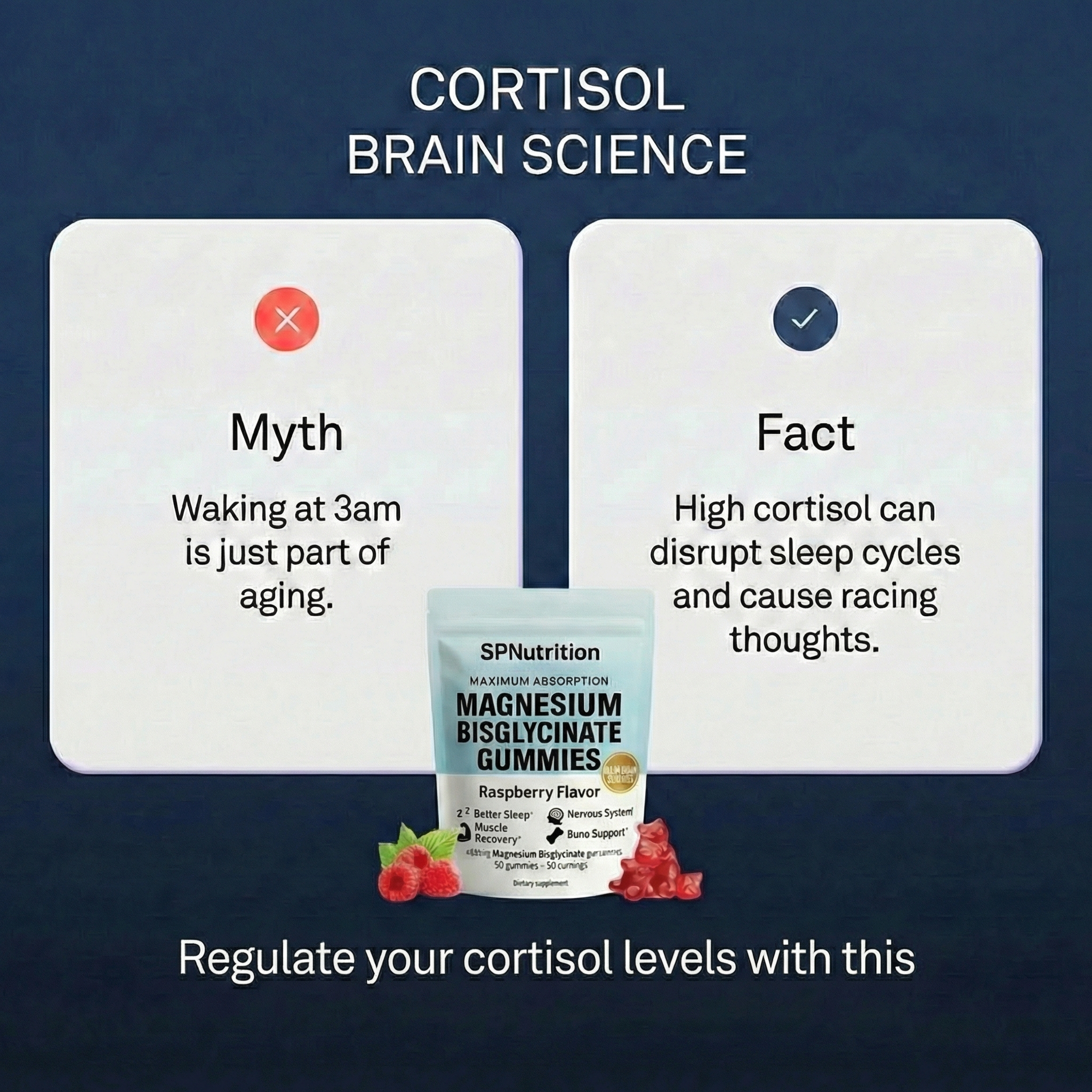
Cortisol is supposed to be low at night. In a magnesium-deficient body, it isn't. Magnesium acts as a brake on your adrenal glands. Without enough of it, your body releases cortisol at the wrong hours. That cortisol tells your brain danger is near. Your heart rate rises. Your thoughts accelerate. You wake at 3am feeling wired, not tired. The form of magnesium matters here. Bisglycinate crosses into the brain. It directly calms the HPA axis, the stress system driving those nighttime cortisol spikes. Other forms don't reach there. Click below to read more.
🪄Crush AI
Like this ad? Make it yours.
Crush rebuilds this exact creative around your product — your brand, your colors, your offer — in about a minute.