
Inactive· since Apr 21, 2026
- 29
- days it ran
- 0
- relaunches
Ad copy
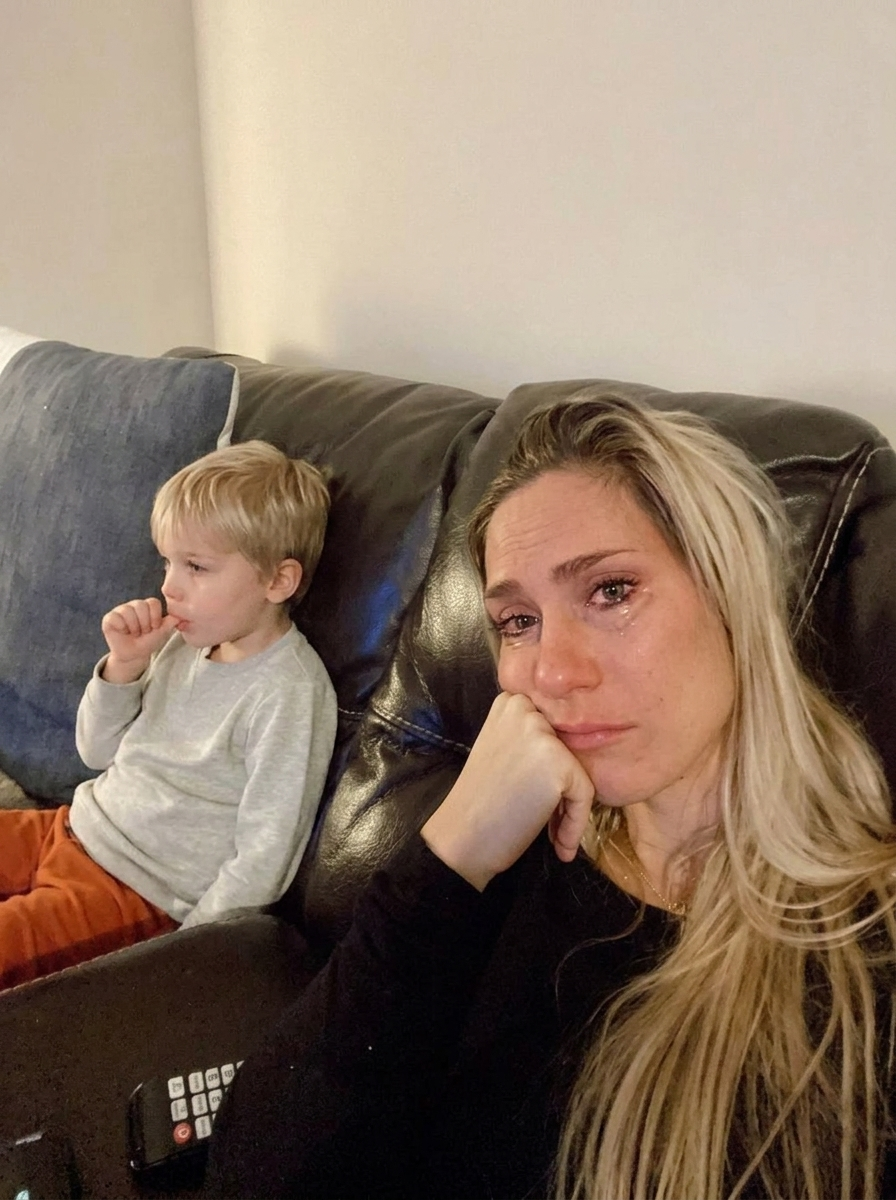
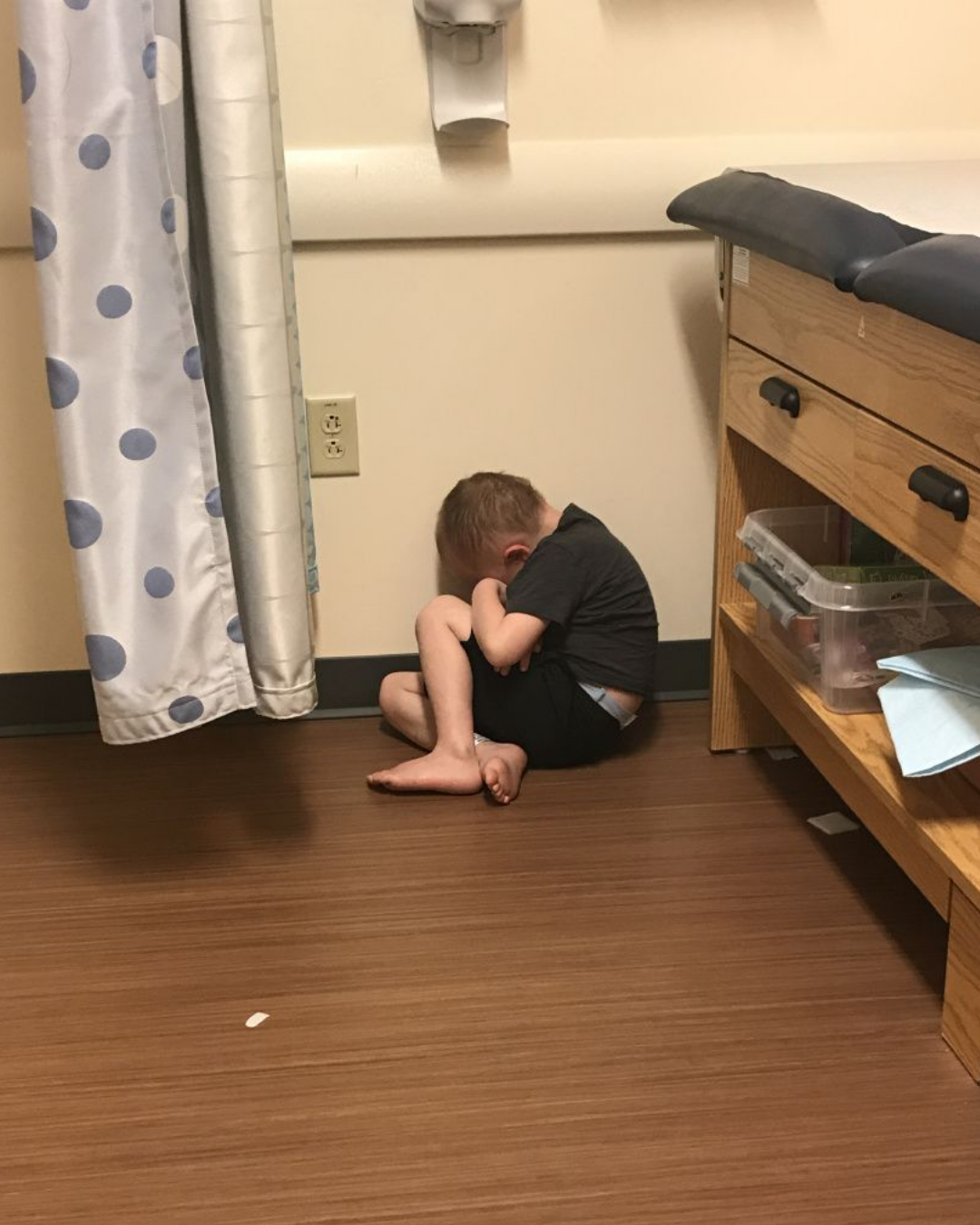
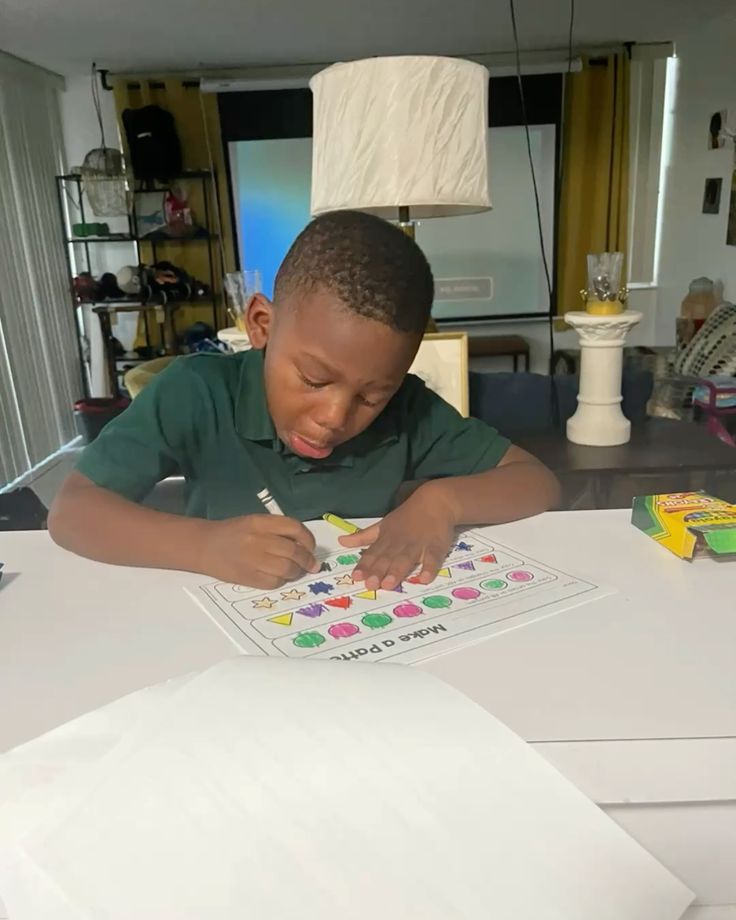
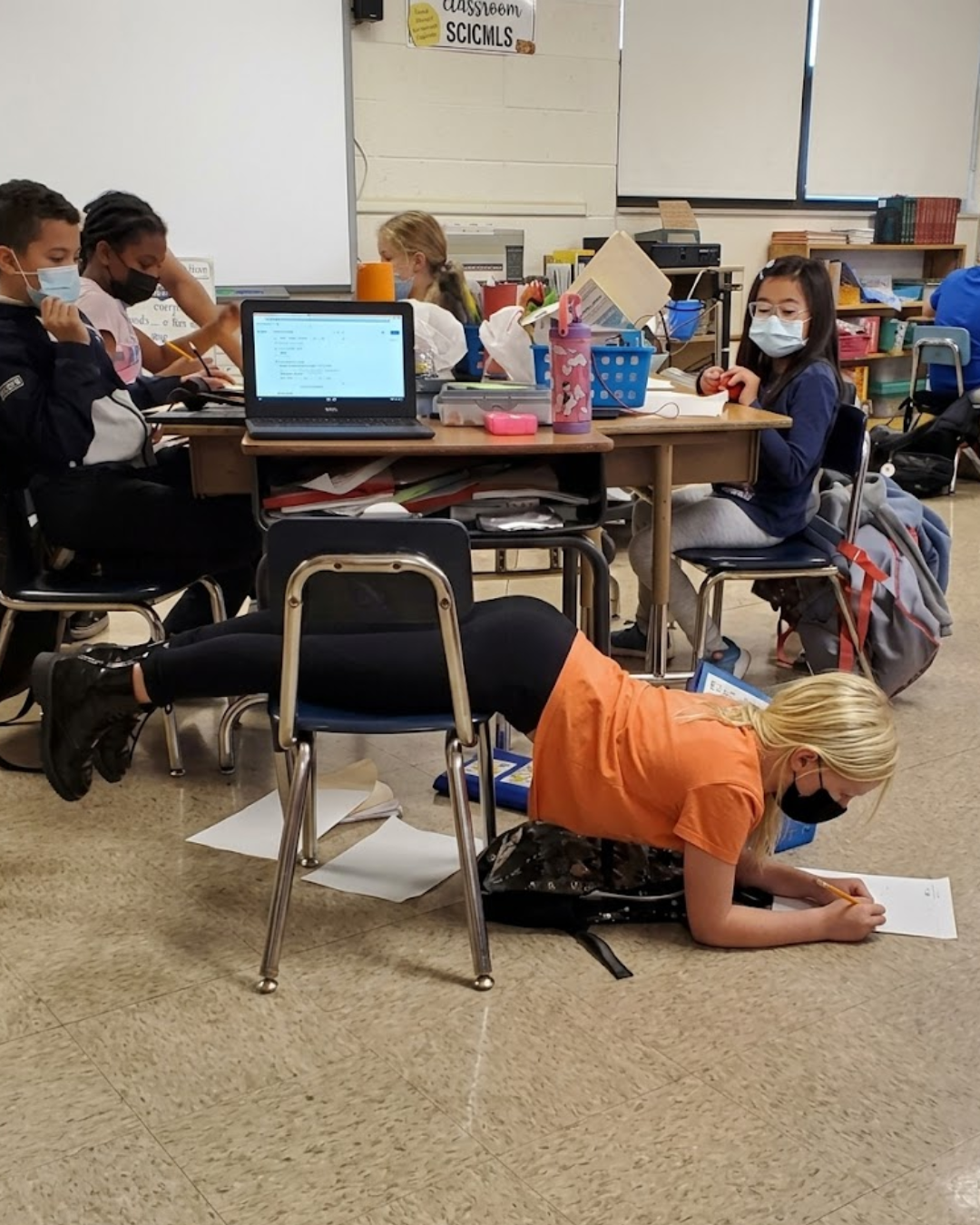
My son can play Minecraft for three hours without blinking. But he can’t do his homework without a meltdown. I need to tell you about last Tuesday because it’s the moment I realized something was really wrong — not with his behavior, but with what was happening inside his brain. He’d been on his iPad since he got home from school. Minecraft. Building something with his friend online. Completely locked in. Calm. Focused in a way he never is during any other moment of his entire day. I gave him the ten-minute warning. Nothing. The five-minute warning. Nothing. Then I walked over, stood in front of him, and said: “Time’s up, buddy. Turn it off.” What happened next took less than three seconds. His face changed. Not gradually — like a switch flipped. The calm, focused kid who’d been quietly building a world for two hours was gone. And in his place was someone I barely recognized. The iPad hit the couch. His body went rigid. “FIVE MORE MINUTES.” “We already did the warnings. Time’s up.” “I HATE YOU.” He was screaming. Full volume. Tears streaming. Kicking the couch cushion. His little sister was in the kitchen eating a snack and she quietly picked up her plate and walked to her room without a word. She’s 6. She has a routine for this. She knows when to disappear. Fifteen minutes later he was on the floor. Not screaming anymore. Just lying there. Drained. Staring at the ceiling. I sat on the other end of the couch and stared at the iPad on the cushion between us. This flat, cold piece of glass that my son would rather scream and kick and say “I hate you” over than simply turn off and walk away from. And I thought: what is wrong with my child? — But here’s the thing that kept me up that night. Twenty minutes before the meltdown, I’d been standing in the kitchen watching him play. And he was perfect. Not bouncing. Not fidgeting. Not fighting with his sister. Not asking me the same question twelve times. Not anxious. Not defiant. Not any of the things he is every other minute of every other day. He was focused. Still. Engaged. Present. The kid on that iPad was the kid I knew was in there. The one his teacher never gets to see. The one I barely get to see outside of screen time. And I couldn’t understand — if he CAN focus like that, if he CAN sit still and be calm and stay with a task for hours — then why can’t he do it with anything else? Why does a math worksheet make him melt down in five minutes when Minecraft holds him for three hours? Why can he memorize every crafting recipe in Minecraft but can’t remember to put his shoes on? Why does he build entire worlds on a screen but can’t get through a morning routine without me repeating every step four times? For a long time I thought the answer was simple. He was choosing the screen over everything else. He was lazy. Defiant. Spoiled. I tried everything. I took the iPad away for a week. The meltdowns didn’t stop — they got worse. And they spread. Now he was melting down over getting dressed. Over homework. Over brushing his teeth. Over being told it was time for dinner. Over everything. It was like the iPad had been holding something together, and without it, he fell apart completely. I tried timers. Five-minute warnings. Two-minute warnings. Didn’t matter. The meltdown came anyway. The warnings just gave him a countdown to dread. I tried reward charts. Turn off the iPad nicely, get a sticker. He’d earn stickers for two days. Day three, the meltdown would be so explosive that stickers meant nothing. I tried structure. Schedules on the fridge. Screen time earned by completing chores first. He couldn’t complete the chores. Not wouldn’t — couldn’t. He’d stand in his room holding a sock, staring at the wall, unable to start the sequence of getting dressed without me walking him through every step. But put a screen in front of him and he could execute a twelve-step plan to build a fortress in Minecraft. How is that the same brain? How does a kid who can’t put on socks without help build a virtual city from memory? That question haunted me for months. And I didn’t find the answer in a parenting book or a therapist’s office or a reward chart. I found it at 10 PM on a Tuesday night, on the phone with my friend Tara, both of us exhausted, both of us crying. — Tara has a son the same age. Same kid. Same iPad obsession. Same meltdowns when the screen goes away. Same inability to focus on anything that doesn’t have a glowing screen attached to it. She’d just gotten back from a specialist — a pediatric neuropsychologist who works specifically with ADHD kids and screen dependency. And what this woman told her made Tara call me that night because she said she couldn’t wait until morning. “She said something that I need you to hear. Because it changes everything.” The specialist told her: “Your son isn’t addicted to the iPad because he’s spoiled. He’s addicted because his brain is starving.” She explained it like this. Kids with ADHD don’t produce enough dopamine on their own. Dopamine is the brain chemical behind focus, motivation, impulse control, the ability to start a task, the ability to stick with a task — basically everything we ask kids to do all day long. When dopamine is low, the brain goes looking for it. Not as a choice. As a survival mechanism. The brain needs dopamine the way a body needs water. And when it can’t make enough internally, it seeks the fastest, most reliable external source it can find. That source is the screen. Roblox, Minecraft, YouTube — they’re engineered to deliver rapid, constant hits of dopamine directly to the brain’s reward center. Every level completed, every reward earned, every new thing that appears on screen sends a pulse of dopamine that a starving brain absorbs like a sponge. For a kid whose brain has been running on empty all day — sitting in school, managing noise, suppressing impulses, trying to follow instructions his brain keeps losing — the iPad isn’t entertainment. It’s relief. It’s the only thing that makes his brain feel normal. “That’s why he can play Minecraft for three hours but can’t do homework for five minutes,” the specialist said. “The game floods his brain with the dopamine it’s been starving for. Homework doesn’t produce dopamine. His brain literally cannot sustain attention on it — not because he’s choosing not to, but because the fuel isn’t there.” And then she explained the meltdown. “When you take the iPad away, you’re not ending a game. You’re cutting off his brain’s only source of dopamine. Abruptly. What you’re seeing isn’t a tantrum. It’s withdrawal. His nervous system was stable because the screen was feeding it. Remove it, the dopamine drops, the system destabilizes, and the brain goes into crisis. The scream, the rage, the ‘I hate you’ — that’s not brattiness. That’s a brain in chemical free-fall.” I was sitting on my kitchen floor with the phone pressed to my ear and my hand over my mouth. Because she had just described my son’s last two years in four sentences. Why the timers didn’t work — warning a brain that its dopamine supply is about to be cut doesn’t make the cut less devastating. Why the reward charts didn’t work — you can’t sticker a brain into voluntarily entering withdrawal. Why taking the iPad away completely made everything worse — I removed his only source of stability and gave him nothing to replace it. Of course he fell apart. Why he couldn’t do homework, chores, morning routines, anything — those things don’t produce dopamine, and his brain had none of its own to power through them. Every demand was one demand too many for a brain running on fumes. It was never about the iPad. The iPad was just the brightest symptom of a brain that couldn’t produce enough dopamine to function in the real world. I asked Tara what the specialist said to do about it. — “She said you can limit screens all you want. But if you don’t address WHY the brain is chasing them — if you don’t fill the dopamine gap from the inside — the behavior won’t change. You’ll just be taking away his coping mechanism without giving him a replacement.” The specialist told her about saffron extract. Not the cooking spice. A clinical-strength extract — two compounds called crocin and safranal — studied for their ability to support the brain’s natural production of both dopamine and serotonin. Dopamine — so the brain has its own internal supply instead of depending on a screen. When dopamine levels come up naturally, the brain can sustain attention on things that aren’t instantly rewarding. Homework. Chores. Conversations. Getting dressed. The things that don’t deliver dopamine on their own become manageable because the brain isn’t empty anymore. Serotonin — so the nervous system stops living in fight-or-flight. So emotions don’t come in at a 10 when the situation is a 2. So the transition off screens doesn’t feel like a crisis because the nervous system has enough stability to handle the shift. “There’s a study,” Tara said. “Compared saffron extract head-to-head with Ritalin in kids with ADHD. Focus, attention, behavior — rated by both parents and teachers. The results were comparable.” I asked about side effects. “That’s the thing. No appetite loss. No sleep disruption. No personality disappearing. It doesn’t override the brain. It feeds it. Helps it make more of what it’s been missing.” I asked if she’d tried the cheap stuff on Amazon. She laughed. “I tried two different brands. Garbage. Both of them. The specialist told me most saffron supplements are underdosed filler — a decorative sprinkle for the label. You need the actual clinical concentration or it doesn’t cross the threshold to do anything. And the magnesium in most kids’ supplements is oxide, which barely absorbs.” She told me about the one the specialist recommended. Saphire Happy Chews. Clinical-dose saffron. Magnesium glycinate — the form that actually crosses the blood-brain barrier. Lion’s mane for clarity. B vitamins to fuel the production chain. All in a gummy. “He takes it?” I asked. Because I’ve fought the supplement war. I’ve lost every battle. “Every morning. Ten seconds. Asks for more. It’s a gummy that tastes like candy. No fight. No negotiation. No smoothie-hiding. Just done.” I ordered it before we hung up. — He chewed the first one Monday morning. Said it tasted like candy. I didn’t tell anyone. Not his dad. Not his teacher. Not my mother-in-law. Because I could not handle one more person watching me try something and waiting for it to fail. Week one — I couldn’t tell. Maybe slightly less explosive after school. Maybe one fewer argument. I wrote in my journal: “Don’t hope yet.” — Week two. Saturday morning. He’d been on the iPad for an hour. Minecraft. I said: “Ten minutes, buddy.” Five minutes later: “Two minutes.” “Okay. Time’s up.” I planted my feet. Tightened my jaw. The reflex is physical at this point — my body braces before my brain even finishes the sentence. He looked up. I saw the flash — that familiar spark of frustration that’s always been the fuse. “Can I just finish this one part?” “One minute.” He finished. Set the iPad on the couch. Stood up. “Can I have a snack?” I stood in the kitchen doorway and I couldn’t move. Because that had never happened. Not once in four years of timers and warnings and charts and battles and meltdowns. He turned it off and walked away. Like it was nothing. Like his brain just let go. I made him a snack. He sat at the table and told me about what he’d been building in the game. Not begging to go back to it. Not fixated. Just talking to me about something he enjoyed. — Monday after school. He usually walks through the door and goes straight for the iPad without a word. If I try to intercept — “How was your day?” — I get a shrug and a beeline to the couch. That Monday he walked in. Dropped his backpack. Went to the kitchen. Got a granola bar. Sat at the table. “We did a volcano thing in science. With baking soda. Mine exploded the biggest.” He was talking to me. Looking at me. Eating a snack. Not asking for the screen. Then he said: “Can I do my homework first so I can play after?” I need you to understand what that sentence meant in our house. My son — the kid who has never once voluntarily chosen homework over a screen — asked to do homework first. Not because I bribed him. Not because I threatened to take the iPad away. Because his brain had enough of its own dopamine to choose a non-rewarding task over an instantly rewarding one. He sat down. Did the worksheet. Got stuck on one. Said: “Is this a times or a plus?” Kept going. Eighteen minutes. Put it in his backpack. Played Minecraft for an hour. I told him time was up. He said “okay.” I sat at the kitchen table after he went to his room and just stared at the wall. Because I wasn’t watching a kid who’d been disciplined into compliance. I was watching a brain that could finally regulate itself. — Week three. The one I’ll never forget. After dinner. I told both kids to go brush their teeth and get ready for bed. His sister went upstairs. He was still at the table picking at green beans. I waited for the negotiation. The stalling. The nightly battle that turns a two-minute task into a thirty-minute standoff. He pushed his chair back. Put his plate in the sink. Walked upstairs. I heard water running. Heard him brushing. Heard him walk to his room. He came back downstairs in pajamas. Teeth brushed. Ready. “Can you read to me tonight, Mom?” Not the iPad. Not Roblox. Not YouTube. A book. He wanted me to read him a book. I read him two chapters of a story about a kid who finds a dragon egg. He was curled up next to me, actually listening, actually still, actually following a story told in words on a page instead of pixels on a screen. When I finished the second chapter, I kissed his forehead. Walked out of his room. Made it to the hallway. And I put my back against the wall and slid to the floor and cried. Because six weeks ago, the only thing that could hold this child’s attention was a screen. The only thing that made his brain feel okay. And now he was lying in bed, calm, asking me to read him a story about dragons. His brain didn’t need the screen anymore. It had its own fuel. And for the first time, the rest of the world — books, conversations, homework, bedtime, me — could compete. — Week four. His teacher emailed. “I’ve noticed a real shift. He’s completing his work without constant redirection. He’s raising his hand. He participated in group reading yesterday without disrupting once. And this is the one that surprised me — during independent reading, he sat and read quietly for fifteen minutes. I’ve never seen him do that. He seems calmer and more present. Whatever is happening at home, please keep going.” He sat and read his book for English class. Quietly. For fifteen minutes. Without a screen. Without a reward. Without someone standing over him. Because his brain had enough dopamine to sustain attention on something that wasn’t engineered to deliver it artificially. — It’s been three months. The iPad is still in our house. He still plays Minecraft. He still loves Roblox. I didn’t take screens away and I didn’t need to. Because the relationship changed. The screen went from a need back to a want. And a want has an off switch. He plays for an hour or two, I tell him time’s up. Most days he turns it off without a fight. Not always happily — he’s 9, he still wishes he could play forever. But the meltdown is gone. The scream is gone. The “I hate you” is gone. He feels the frustration and it passes through him instead of detonating. He does homework before screens most days. Twenty minutes. Focused. Asks for help when he’s stuck. He reads at bedtime. Real books. He’s on the third book of his “Wings of Fire” series. Last week he held it up and said: “Mom, I’m almost done. Can we get the next one?” He talks to me after school. About his day. About his friends. About a funny thing his teacher said. He’s present. He’s here. The mornings work. Gets dressed, brushes teeth, comes downstairs. No screen as a bribe. No meltdown as a consequence. Just a kid moving through a routine because his brain can handle it. — Here’s what I need you to hear. The iPad was never the problem. Taking it away was never the answer. Stricter limits, tougher consequences, more structure — none of it works when the real issue is a brain that can’t produce enough dopamine to function in the real world. A lot of younger ADHD brains are missing what they need to fully regulate. My son’s brain was starving. The screen was the only thing feeding it. And every time I took that away, I was taking food from a hungry kid and wondering why he screamed. Once his brain had natural support — once it could produce enough dopamine and serotonin to engage with the real world on its own — the screen stopped being a lifeline and went back to being a toy. You don’t have to take the iPad away. You don’t have to fight that war. You just have to fill the tank. One gummy. Every morning. Ten seconds. That’s what gave his brain enough fuel to choose books over screens, homework over meltdowns, and a conversation with his mom over one more round of Roblox. That’s what changed our life. EDIT: Everyone keeps asking what I give him. It’s Saphire Happy Chews — clinical-dose saffron extract, magnesium glycinate, lion’s mane, L-theanine, B6, B12. The real concentrations, none of the filler. This is what he takes every morning. He thinks they’re candy so that’s a win. [trysaphire.com/products/saphire-happy-chews-adv]
My son can focus on Fortnite for 5 hours. He can't do homework for 5 minutes.
ADHD PARENT INSIDER Trending in the US MOM BURNOUT & ADHD "I was completely burnt out from parenting my ADHD child. Now we're closer than we've ever been." "Parenting was traumatic. I was literally just surviving every single day — burnt out and exhausted. Everyone kept saying 'that's just ADH...
LEARN MORELike this ad? Make it yours.
Crush rebuilds this exact creative around your product — your brand, your colors, your offer — in about a minute.