African Voices
African Voices Facebook ad: “In April 2025, 54 African states adopted the…”
Ran for 2 days, from April 7 to April 9, 2026, the last day Crush saw it.
Run by African Voices on Facebook. Crush is not the advertiser and does not verify its claims. See this ad in Meta's Ad Library(opens in a new tab)
Want an ad like this for your product?
Crush makes new ad images for your product from this ad: your logo, your product photo, your offer.
Trials from $19.95 USD, then $79.95 USD a month. Cancel anytime.
About this ad
- Meta Ad Library ID
- 930788656340708
- Platforms
- Facebook, Instagram and Audience Network
- Relaunches
- 0
- Niche
- Marketing & Agencies
Ad text
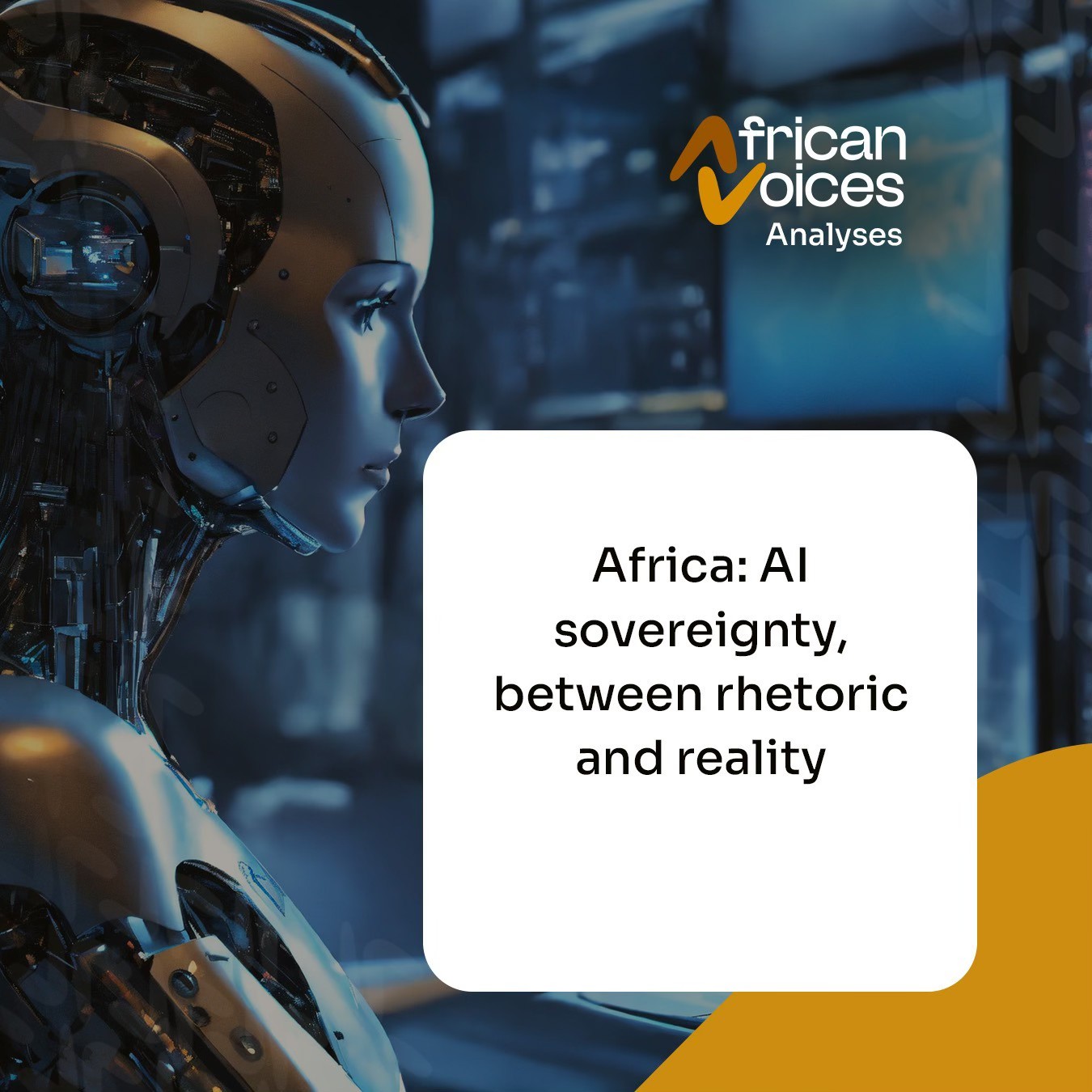
In April 2025, 54 African states adopted the “African Declaration on Artificial Intelligence.” An ambitious text that clearly emphasizes sovereignty, control over technologies, and the protection of the continent’s interests. On paper, the vision is strong. But in reality, the situation is more nuanced. Today, a large portion of the artificial intelligence tools used in Africa are designed, hosted, and controlled abroad. In many cases, the infrastructures, platforms, and even technical standards escape local control. This raises an essential question: are we truly sovereign in the field of artificial intelligence? Because relying on external technologies also means — to a certain extent — accepting rules that we do not define ourselves. It means using systems whose functioning and long-term implications we do not fully control. Concerns are emerging particularly around data governance. When foreign tools are widely used, significant volumes of information can circulate خارج the continent, sometimes without clear frameworks or sufficient safeguards. The risk is not only technical. It is also strategic. States that are still insufficiently prepared, with sometimes fragile cybersecurity systems, may find themselves exposed: — loss of control over data flows — increased technological dependence — limited capacity for regulation and auditing The lack of control itself creates vulnerability. Digital sovereignty is not declared. It is built. And today, the challenge for Africa is clear: to move from political commitments to a genuine capacity for control, protection, and innovation. Because without this control, artificial intelligence, instead of being a driver of development, risks becoming a space of dependence, or even strategic exposure. #sovereignty #AI