Rachel Morrison
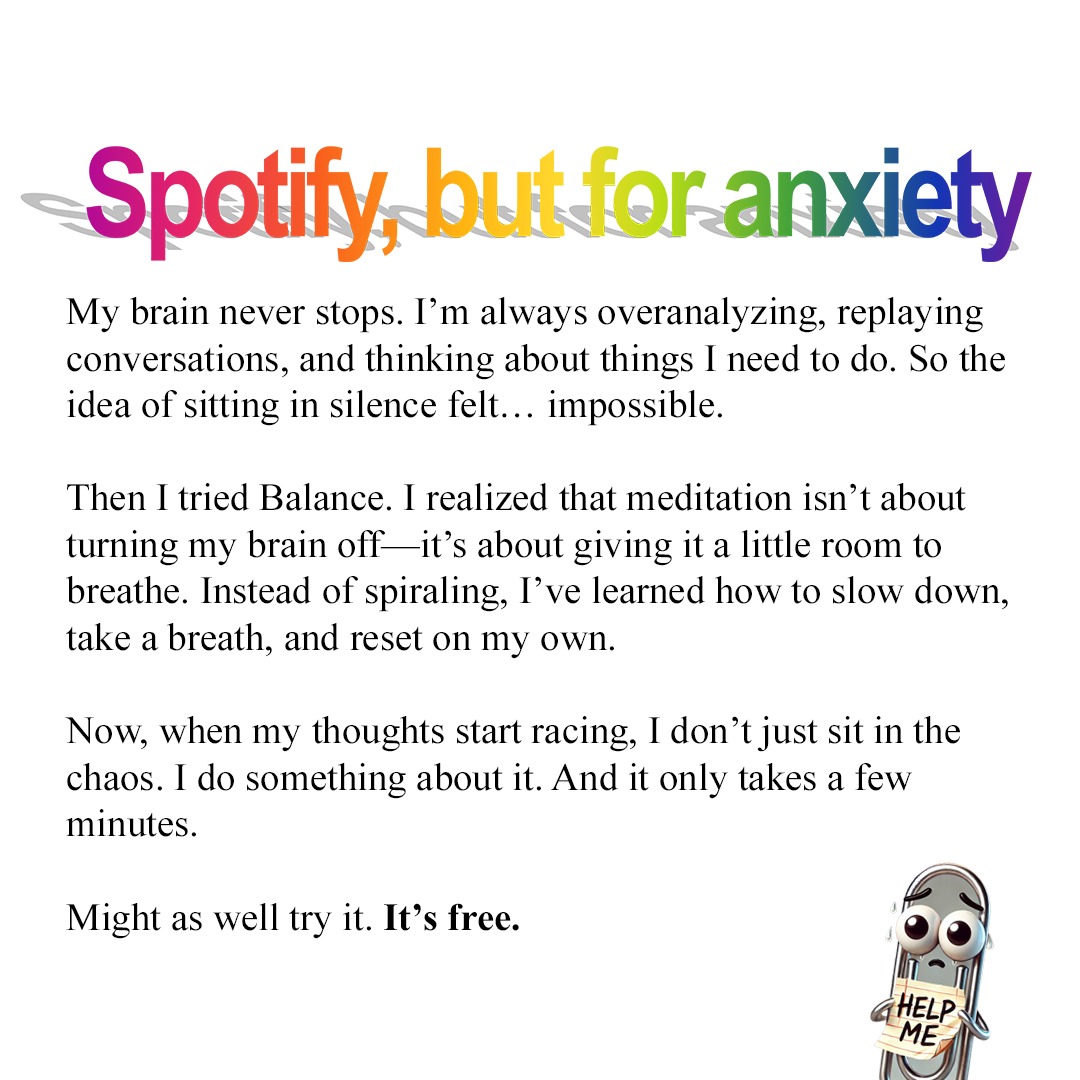
Rachel Morrison Facebook ad: “Read this if you’re stuck in survival mode.”
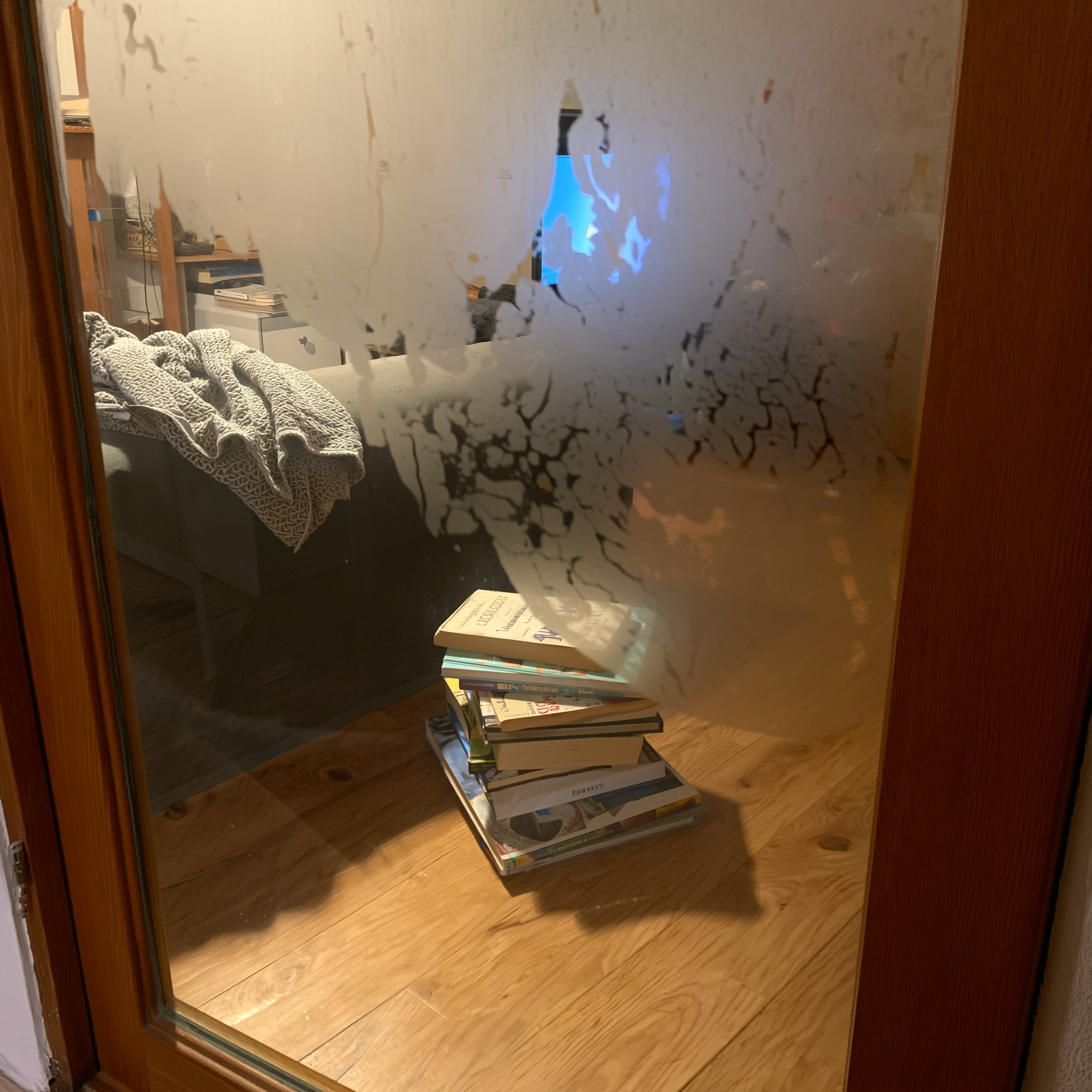
Ran for 31 days, from March 2 to April 2, 2026, the last day Crush saw it.
Run by Rachel Morrison on Facebook. Crush is not the advertiser and does not verify its claims. See this ad in Meta's Ad Library(opens in a new tab)
Want an ad like this for your product?
Crush makes new ad images for your product from this ad: your logo, your product photo, your offer.
Trials from $19.95 USD, then $79.95 USD a month. Cancel anytime.
About this ad
- Meta Ad Library ID
- 931209476226224
- Platforms
- Facebook, Instagram, Audience Network, Messenger and Threads
- Relaunches
- 0
Ad text
Here's the lie about healing from survival mode and chronic stress in 2026. That you need to finally face everything head-on. That you need to go deeper. Do the hard inner work. Stop running from yourself. I used to believe this lie. So I'd try. I'd cancel plans to have a "healing weekend." I'd sit down to actually feel my feelings. I'd open a journal with the full intention of going there — wherever there was. And then something would happen in my body. A tightening in my chest. A strange blankness. A sudden urge to load the dishwasher, answer emails, do literally anything else. Within twenty minutes I'd be busy again. And I'd hate myself for it. Because I thought that was the problem. Me. Running from myself. Refusing to do the work. Too scared to heal. I'd been in this loop for years. Not doing nothing — I want to be clear about that. I was doing everything. Therapy. Breathwork. Meditation. Books about the nervous system I'd read cover to cover, highlighted, annotated. And still wake up at 3 AM with my heart pounding. I'd try to sit quietly and my brain would hand me a list of things that needed doing. I'd try to journal and feel nothing. Like someone had turned the lights off inside. I'd have a genuinely good day and spend the whole time waiting for it to fall apart. I stopped making plans with friends because canceling felt inevitable. I stopped picking up old hobbies because starting felt impossible. I stopped expecting weekends to feel like rest because they never did. My life had gotten smaller. Not all at once. Slowly. Quietly. One cancelled thing at a time. One "I'm too tired" at a time. One "maybe next week" that never came. And I kept thinking: if I could just stop running. If I could force myself to go deeper. If I could finally do the real work. Then it would change. But here's the truth about chronic survival mode. About what's actually happening when you try to slow down and your body won't let you. The problem isn't that you're running from yourself. The problem is that your nervous system has been in emergency mode for so long that it has learned — at a level below thought, below intention, below all your best efforts — that slowing down is dangerous. That stillness means something bad is coming. That going inward means opening a door you won't be able to close. So it keeps you moving. Keeps you busy. Keeps you just distracted enough. Not because you're weak. Not because you're avoidant. But because your nervous system is doing its job. Protecting you from a threat that isn't there anymore. And here's what nobody tells you about that: You cannot force your way through it. Every time you sit down and demand that your body go somewhere it doesn't believe is safe, you're not healing. You're confirming the threat. You're proving to your nervous system that yes — going inward is something to be afraid of. So it tightens the grip. And you get up and load the dishwasher again. I found this out the way you find out most things that actually matter. Through someone who had been exactly where I was. She didn't give me a framework. She didn't tell me to be braver. She just said: "You can't go deep before you go gentle. Your body doesn't know it's safe yet. You have to show it first." She handed me something and told me to start on Day 1. Just Day 1. Don't push. Don't try to cover ground. Day 1 asked me one question: "What do you need today that you're afraid to admit?" That was it. Nothing to excavate. No deep processing required. No bravery needed. Just one small, quiet question directed at something I actually knew the answer to. And something in my chest didn't clench. I wrote three sentences. Came back the next day. Day 3 asked: "What does your body do when it thinks danger is coming — even when you're safe?" I sat with that for a long time. Not because it was hard to answer. Because it was the first time anything had asked me to notice that instead of fix it. And the day after that: "Where in your body do you feel stress right now? Jaw, chest, stomach, shoulders." My shoulders. Always my shoulders. I'd never been asked to just... locate it. Without immediately being told to breathe through it or release it or reframe it. Just notice. Just be honest. That was the whole ask. What happened over the months that followed wasn't dramatic. It wasn't a breakthrough moment. It was more like... my body started to remember that slowing down didn't always end badly. The urge to immediately fill silence with something useful — it got quieter. I'd sit on the couch on a Sunday and not feel the pull to justify the stillness. I started finishing weekends and feeling like I'd actually rested. By Day 34, the journal asked me: "What would you do differently if you weren't constantly bracing for impact?" Six months earlier I would have gone blank. That day, I had an answer. Three answers, actually. I wrote them all down. By Day 37: "What threat is your body still protecting you from?" I wrote for two pages. Not because I forced myself. Because by then my nervous system had been building — one quiet, safe day at a time — enough capacity to go there without shutting down. Day 1 and Day 37 are not the same question. That distance is the whole mechanism. It doesn't throw you in the deep end. It walks you there. One day at a time. Until your body stops treating the deep end like danger. My life got slightly bigger again. A friend I'd been putting off — I called her. Something I'd stopped doing because it felt like too much — I tried it again. Not because I suddenly had more courage. Because my nervous system had been quietly, slowly learning that it was allowed to take up space. By Day 334 — near the end — the journal asked: "Imagine your body finally believing it's safe. What does that version of you do on a Tuesday morning?" I knew exactly what she looked like. I'd been becoming her for almost a year. I'm not sharing this because I think you need another thing to try. I know you've tried things. I know what it feels like to do everything right and still feel like your life is on the other side of a glass wall you can't get through. I'm sharing it because for a long time I thought the problem was me. That I was the one who couldn't sit still. The one who kept running. The one who would never actually heal because she couldn't face what needed facing. And the truth was simpler and stranger than that. My body didn't feel safe enough to go anywhere yet. That wasn't a character flaw. That was a nervous system doing exactly what it learned to do. The only thing that changed it was something gentle enough that my body didn't experience it as a threat. "What do you need today that you're afraid to admit?" Day 1. One question. Three sentences. And then Day 2. That's the whole thing. If any of this sounds like your life — the smallness, the busyness, the trying that leads nowhere — it might be worth a look. The Back to You Journal. 365 days. Starts where you actually are. Link below. No pressure. No streak required. No right way to do it. Just permission to be honest. That's kind of the whole point.
Where the ad sends people
heldhonest.com
Read this if you’re stuck in survival mode.
Held & Honest
Learn more: heldhonest.com(opens in a new tab)