
Inactive· since May 26, 2026
- 69
- days it ran
- 2
- relaunches
- 11,361
- EU reach
Ad copy
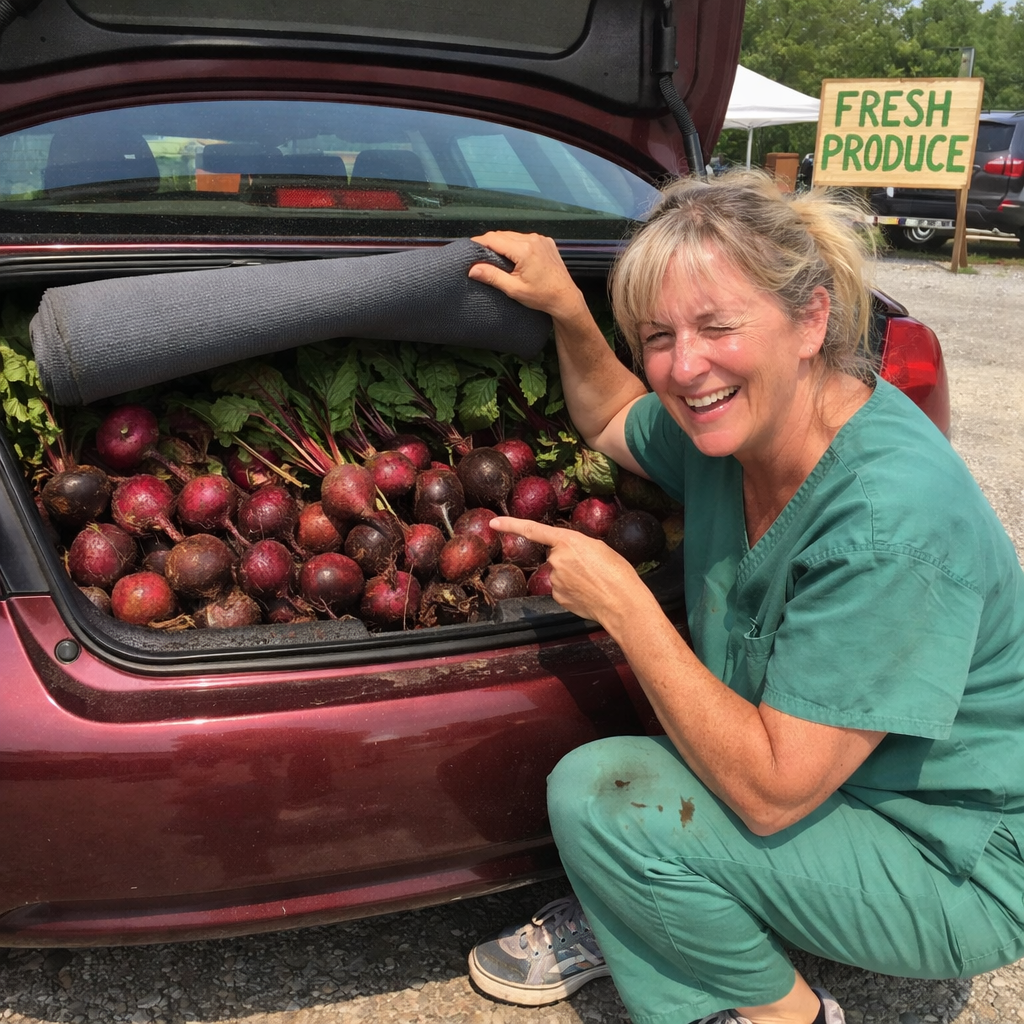
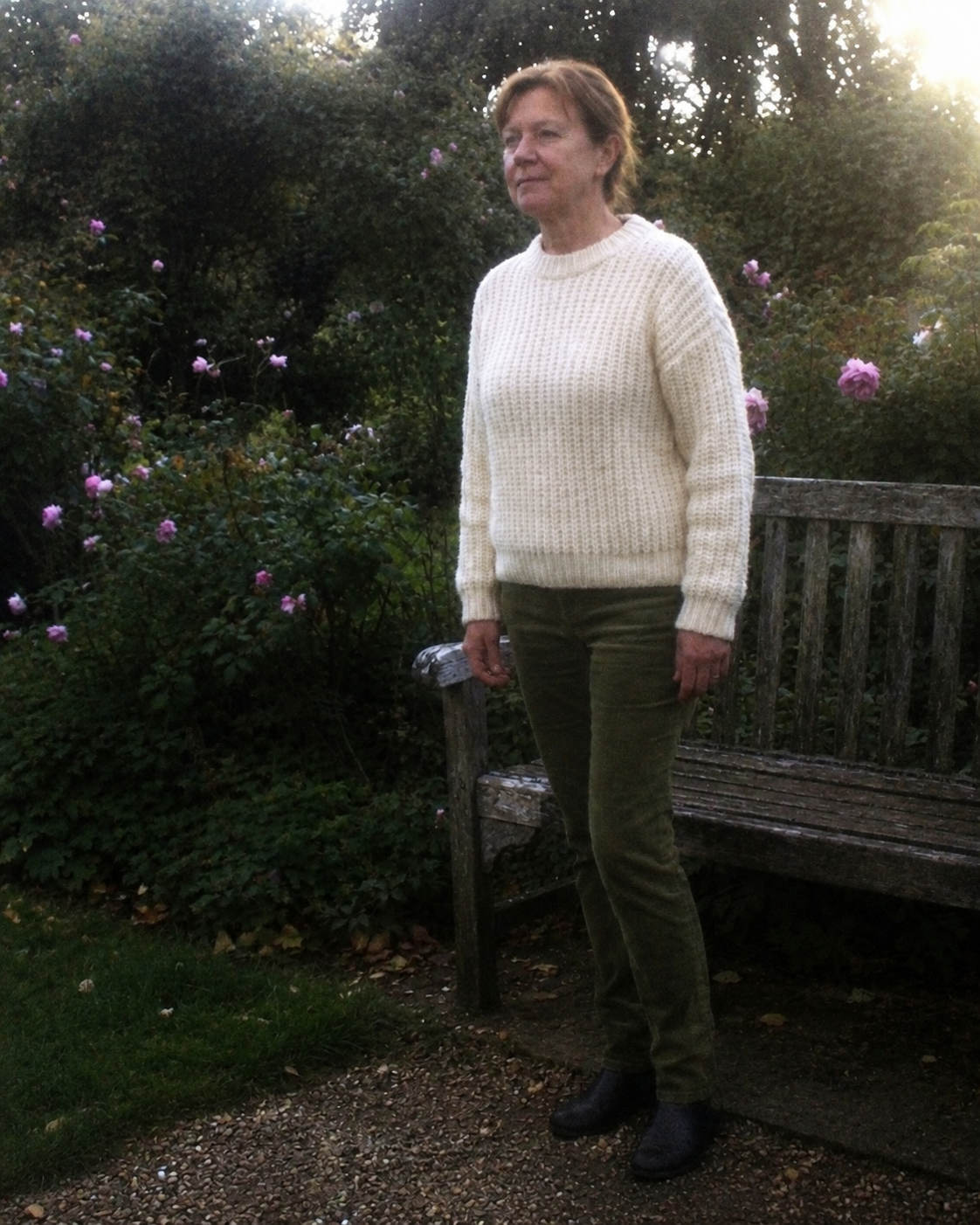
A Woman Sat Down Next to Me on a Bench at the Botanical Garden Last May. She Watched Me Try to Stand Up. She Said: "It's the Way You Brace Before You Move. I Know That Brace. I Used to Have It." I'm 56. I had not been to the botanical garden in three years. I'd been a member since 2011. I'd gone almost every weekend in my forties and early fifties — sometimes with my husband, more often alone. It was the place I went when I needed to be reminded that the world was bigger than my office and my house and the inside of my own head. I'd stopped going sometime in 2022. Not on purpose. The visits had just gotten further apart, and then they'd stopped. I want to tell you why I went back last May, and what happened on the bench. And then I want to tell you what happened in the year after the bench, which is the actual reason I'm writing this. I'll back up. My name is Joanne. I'm 56. I'm a tax accountant. I have my own practice with one partner — Bill — and we have three full-time employees. I've been doing this since 1992. My husband Greg and I have been married twenty-eight years. We have one son, Adam, who's twenty-four and lives in Denver. I am, by every measure that matters on paper, a healthy woman. My bloodwork comes back fine. My blood pressure is fine. My weight is fine — I'm five-six, I'm 144 pounds, I've been within five pounds of that since college. My cholesterol is fine. My A1C is fine. My liver, kidneys, thyroid — all fine. I have not had a serious illness since I had mono in 1989. That is the official version. The unofficial version is that for about three years before that bench in May, I had been in a low-grade, all-day, mostly-invisible kind of pain. I want to describe it carefully because if I describe it in a list it'll sound like every supplement ad you've ever read. It wasn't sharp. It was everywhere. It was in my hips when I stood up from my chair at my desk. It was in my shoulders when I reached for the cabinet over the stove. It was in my hands when I opened a jar. It was in my knees on the stairs in the morning. It was in my lower back when I bent over to put my shoes on. None of it was bad enough to take anything for. I didn't even take ibuprofen most days. But it had been building. The way I'd describe it — and I've spent a lot of time trying to describe it — is that my body had become an instrument I was always slightly worried about. I was always asking it questions before I made it do things. Before I stood up, I'd brace. Before I bent over, I'd test. Before I reached for something on a high shelf, I'd plan. Before I got out of bed in the morning, I'd inventory. The bracing and the testing and the planning and the inventorying had become so automatic that I hadn't noticed I was doing them. I'd just noticed that I was tired all the time. I want to tell you a thing my mother said to me on the phone in February of last year, because I think she said the thing first and I just didn't hear it. She said: "Joanne. You walk into a room differently than you used to." I said: "What do you mean." She said: "I don't know how to describe it. You walk in like you're not sure the floor is going to hold you." I told her I was fine. I told her I was tired from tax season. I changed the subject. I want to be honest. I did not want to hear what my mother had said. I was fifty-six. I had not yet started telling myself I was getting older. I was still telling myself I was tired. There is a difference. The difference is important. Tired means you can sleep it off. Older means you have to do something about it. I had been telling myself I was tired for three years. The reason I went to the botanical garden last May is unimportant. It was a Sunday. Greg was out of town for his cousin's wedding in Cincinnati. I'd stayed home because I'd had a tax deadline that Friday and I'd just wanted a quiet weekend. I had Sunday afternoon free. I drove to the garden because I'd been carrying my membership card around in my wallet for three years and I'd had the thought, in a quiet moment, that I might as well use the thing I was paying for. I parked in the lot. I walked in through the front gate. I went to the rose garden first — they were just coming into bloom, in that two-week window before they peak — and I sat down on a bench in front of the central bed. I sat there for maybe ten minutes. Then I tried to stand up. I want to describe what happened, because what happened is what I want you to remember. I put my hands on my thighs. I leaned forward. I pushed off the bench with my hands and my thighs together. The way you stand up when standing up is no longer free. I made it to my feet. I straightened slowly. I exhaled — not a sigh, just the small breath you let out when something you were doing is over. I was about to walk away when a woman sat down on the other end of the bench. She didn't sit down. She lowered herself onto the bench. She did the same thing I had done in reverse. She put her hands on the bench. She bent slowly. She let her weight come down in stages. I noticed because I had just done it. I sat back down at the other end of the bench. I don't know why I sat back down. I wasn't planning to stay. She turned her head and looked at me. She was, I would guess, sixty-four or sixty-five. She had short white hair. She was wearing the kind of soft loose clothing women wear when they're not interested in their clothes hurting them. She had small round glasses on a chain. She had a fabric tote bag with a thermos in it and what looked like a notebook. She said: "Did I take your bench." I said: "No. I was just sitting. I tried to stand up. I'm going to sit a minute more." She said: "Same." That was the first word she said to me. Same. We sat next to each other for about three minutes without saying anything. Then she turned her head toward me and she said the sentence I'm going to remember for the rest of my life. She said: "It's the way you brace before you move. I know that brace. I used to have it." I want to tell you exactly what happened in my body when she said that. I felt a small kind of crack inside my chest. The crack was the moment I realized — and I had not realized — that someone could see my brace from the outside. I had thought my brace was private. I had thought I had been hiding it well. I had thought that the planning and the inventorying and the testing were things I did inside my own head, and that nobody knew I was doing them. A stranger sat down on a bench in a rose garden and named the thing I had been hiding from myself. I started to cry on the bench. Not big crying. Small crying. The kind where the tears come and you don't know they're coming until they're already there. She didn't say anything. She didn't move closer. She didn't put her hand on me. She didn't tell me it was okay. She let me cry. After a minute, she opened her tote bag. She took out a cloth handkerchief. She set it on the bench between us. She said: "Take your time." We talked for almost two hours. Her name was Frances. She was sixty-five. She'd been a piano teacher in Cleveland for forty years. She had retired three years earlier and moved to my city to be closer to her two grown daughters. She had been where I was. I want to tell you what she told me about being where I was, because the version she told me is the version I would have wanted to hear two years earlier. She said: "The first thing I want to tell you is that what you have is real. The second thing I want to tell you is that nobody is going to find it for you on the standard panel." She said: "I was diagnosed with nothing. I am still diagnosed with nothing. My doctor — a good doctor, a thorough doctor — has run every test that makes sense for a woman in her sixties. Everything comes back fine. By the official measurements, I am a healthy older woman." She said: "I am also a woman who, three years ago, woke up every morning and inventoried. The way you do. I am also a woman who could not open a pickle jar. The way you can't. I am also a woman who got out of chairs in two stages. The way you do." She said: "What I had wasn't a disease. It was an accumulation. The body of a woman in her early sixties carries a low-grade inflammatory load that her body of forty years earlier did not. The load is real even when no marker on the standard panel is alarming. The load shows up as everything-aches and you-cannot-name-it and you-cannot-explain-it-to-your-doctor." She said: "I want to tell you what helped me. I want to be careful about how I tell you, because I am not your doctor and I do not want you to take what I'm saying as medical advice." She said: "I'm going to tell you what I did, and then I want you to tell your doctor about every piece of it and let her tell you what's right for you." I'm going to tell you what Frances told me, in summary, because the conversation was almost two hours and I'm going to compress the parts that don't need to be quoted. She told me four things. The first was the walks. She'd started walking every morning before breakfast. Forty minutes. Outside. Rain or shine. Not for exercise. As a daily practice. She'd told me, when I'd asked her, that the walks had done the most for the bracing. She'd said the body that walks every morning at sixty-five forgets, by week three, what it's like to need to brace. The second was the food. She'd cut almost all processed food. She'd added fish — real fish, not fish oil — twice a week. She'd added leafy greens every day. She'd added a small handful of berries every day. She'd cut alcohol to one glass of wine on Saturdays. She'd told me the food had been the slowest to show up but the most durable when it had. The third was the sleep. She went to bed at 10:15. She woke up at 6:00. Every day. Even weekends. Even when she didn't feel like it. She'd told me that the sleep had been the hardest part of all of it, because for thirty years she'd been a 1 a.m. piano practicer and there was a part of her, even at sixty-five, that resented going to bed early. The fourth was the supplement. She'd told me about it last. She'd told me about it after she'd told me about the walks and the food and the sleep, in that order, on purpose, because she wanted to make clear that the supplement was the fourth thing. She said: "I want to be clear, Joanne. The supplement is the fourth thing. It is not the first thing. The first thing was the walks. The second was the food. The third was the sleep. The fourth was the supplement. The supplement supports the other three. It does not replace them." She said: "I want you to remember that order, because if you remember that order, you'll do it right." I asked her what the supplement was. She said: "It's a beetroot supplement. A small operation in Lancaster County, Pennsylvania. They cold-press the beets at low temperatures, because the compounds in beetroot that do the work — they're called betalains — are heat-sensitive. Most beetroot products on the market are processed in ways that degrade them. This one isn't." She said: "The reason I take it is that beetroot has been studied for decades for things related to cardiovascular wellness and for the body's natural antioxidant balance. The antioxidant balance is what matters for the inflammatory load I was carrying. The compounds in beetroot support that balance in a way that is not a drug, not a painkiller, and not a fix. It is a support." She said: "I take two capsules with water in the morning. I have for two and a half years." She said: "Before I added it, I called my doctor's office and asked the nurse to ask the doctor if it was sensible to add to what I was already doing. The doctor said yes. I started it that week." She said: "I am not telling you the supplement is the reason I stand up from chairs differently now. I am telling you the combination is. The walks. The food. The sleep. The supplement. Together. I cannot tell you which capsule, which morning, which night of going to bed at 10:15 instead of midnight tipped me. I can tell you that ten weeks in, I was a different woman. And by six months in, I was a woman who didn't recognize the woman I'd been before." She said: "If you want the brand name, I'll write it down for you. But I want you to do four things in order." She said: "Talk to your doctor. Start the walks. Start the food. Start the sleep. Then ask your doctor about the supplement. If your doctor says yes, add it. If your doctor says no, you have information." She said: "But do the other three first." I asked her for the name. She took the notebook out of her tote bag. She tore off a page. She wrote on the page in a neat, careful, retired-piano-teacher handwriting. Rosabella. She handed me the page. She said: "Don't lose this. Don't order anything for at least three weeks. Get the walks started first." I told her I would. I asked her how to find her again if I had questions. She said: "Joanne. I'm not going to give you my phone number. I want you to do this on your own terms. You don't need me. You needed somebody to see you on a bench once. You've been seen. Now go to your doctor." She said: "If you want, in a year, come back to this same bench at the rose garden on the first Sunday in May. I'll be here. I come most Sundays." She said: "If you're better, tell me. If you're not better, tell me that too." She said: "But you don't owe me anything else." She said: "Now go." I stood up. I noticed, as I was standing up, that I leaned on the bench less than I had thirty minutes earlier. I don't think anything physical had changed in thirty minutes. I think something in my head had shifted, and my body had felt it. I walked out of the rose garden. I drove home. I called my doctor's office the next morning. I made an appointment for the following week. Dr. Lin has been my doctor for nine years. She's about my age. She's quiet. She listens. She doesn't push. I went in for a thirty-minute appointment instead of my usual fifteen. I'd asked for the longer slot. I sat down across from her. I said: "Dr. Lin. I want to tell you something that's not on my chart. I haven't been telling you about it because I didn't think it was anything. But I've been thinking about it, and I want to tell you about it." I told her about the brace. About standing up from chairs in two stages. About the jar. About the stairs in the morning. About my mother's comment on the phone in February. I told her, briefly, about Frances on the bench. She listened. When I was done, she said: "Joanne. What you're describing isn't on the standard panel. But it's real. I see it in women your age more often than people would expect. It doesn't have a clean clinical name. It is a kind of low-grade inflammatory load that the body accumulates in the late forties and fifties, particularly for women, particularly for women under sustained work stress." She said: "Let's do some additional bloodwork. I want to look at some markers we don't usually look at. I want to do an inflammatory panel." She did the bloodwork that afternoon. She called me three days later. She said: "Joanne. The numbers are mostly fine. Your inflammatory markers are elevated, but not at a level that means anything is wrong. They're at a level that means your body has been carrying a low-grade load for a while." She said: "I want you to do four things." She said: "Walk every morning before breakfast. Forty minutes. Outside. Rain or shine." She said: "Cut processed food. Add fish twice a week. Add leafy greens daily. Cut alcohol back." She said: "Go to bed at the same time every night. Aim for seven and a half hours." She said: "Come back in three months and let me see what your markers look like." I sat there. I said: "Dr. Lin. Can I ask you about one more thing." I told her about Frances's supplement. The cold-pressed beetroot. Rosabella. Dr. Lin thought for a second. She said: "Joanne. I'm not going to dismiss it. Beetroot has been studied for a long time for cardiovascular wellness and for supporting the body's natural antioxidant balance. The compounds in it are food-based and well-documented. If this small operation cold-presses at low temperatures and gets a real product into the bottle, that's a real distinction from most of what's on the market." She said: "I'd be comfortable with you adding it. As a fourth thing. Alongside the walks and the food and the sleep. Not as a replacement. As a support." She said: "Try it for ninety days. Tell me how you feel. Bring the bottle to your next appointment. I'll look at the label." She said: "But start the other three first." I told her I would. She didn't know — and I didn't tell her, that day — that Frances had told me to do exactly the same thing in exactly the same order. I thought about it driving home from the appointment. I thought: two women I trust, neither of whom knows the other, gave me the same instructions in the same order. I drove home and I started the walks the next morning. I'm going to compress the next part because I want to respect your time. For the first three weeks, I did the walks and the food and the sleep, and I didn't add the supplement yet, because Frances had told me to wait. The walks were the hardest. Forty minutes is a long time when your body has been bracing for three years. The first morning I made it about fifteen minutes and had to sit down on a stone wall in my neighborhood for ten minutes before I could walk back to my house. By the end of the first week I was making it the whole forty. By the end of the second week I was making it without sitting on the wall. By the end of the third week I noticed I was looking forward to the walks. The food was easier than I thought it would be. Greg got on board immediately when I told him what was going on. He started cooking the fish twice a week because he was better at it than I was. We started having salads at lunch. We cut out the wine on weeknights. The sleep was the hardest part of the four, which is what Frances had said. I had been a 1 a.m. person for thirty years. Going to bed at 10:15 felt like being a child. I did it anyway. By week three, I was sleeping seven and a half hours straight through. I hadn't done that in I don't know how long. I ordered the supplement at the end of week three. It came on a Friday. I started Saturday morning. I want to be honest about what I felt for the first three weeks of the supplement. Nothing. I want to underline that. Three weeks, nothing. By that point I'd been doing the walks and the food and the sleep for six weeks. Those had started to do their own work. The supplement didn't add anything that I could feel for the first three weeks. Around week four — week ten of the overall program — I started noticing things. The first thing was the morning. I was no longer inventorying. I want to underline that, because the inventorying had been the daily ritual for three years. I'd been waking up and lying in bed for a minute and running through my body. Back? Hips? Knees? Hands? Shoulders? Around week ten I noticed I'd stopped. I noticed because Greg said something at breakfast on a Tuesday. He said: "You got out of bed differently this morning." I said: "Did I." He said: "You sat up. You stood up. You walked into the bathroom. You didn't sit on the edge first." I said: "Hadn't noticed." He said: "I had." The second thing was the jar. I want to tell you about the jar, because the jar is the moment I want you to remember. I was making dinner on a Wednesday night. I was making a stir-fry. I needed to open a jar of black bean sauce. I picked up the jar. I turned the lid. The lid moved. The lid moved on the first try. I have to be careful here, because a jar opening is a small thing. I do not want to overclaim a jar. But I had not opened a jar without a rubber jar opener in two and a half years. I opened the black bean sauce. I set the lid down on the counter. I poured the sauce into the pan. I stood at the stove with the spoon in my hand and I did not move for about thirty seconds. I was thinking about the jar. I was thinking: the lid moved. I called Greg into the kitchen. I said: "Greg. The lid moved." He said: "What lid." I said: "The black bean sauce. I opened it. I didn't use the rubber thing." He stood there with me at the stove for a minute. Then he hugged me from behind. He didn't say anything. He didn't have to. He'd been watching me struggle with jars for two and a half years. He stirred the stir-fry. I made the rice. We ate dinner. I want to tell you that I felt — for the first time in three years — that I was on a road that was going somewhere I wanted to go. The third thing was the bench at the botanical garden. I want to tell you about the bench, because the bench is the part of the story that closes the loop. It was the first Sunday in May. A year exactly since the Sunday I'd sat down on the bench in the rose garden and a stranger had told me she knew my brace. I'd been on the program for eleven months. The walks, the food, the sleep, the supplement. I drove to the botanical garden. I parked in the lot. I walked in through the front gate. I want to tell you about the walking-in. The walking-in was different than it had been a year before. I walked through the front gate at a pace I had not been able to walk at a year before. I went through the rose garden — they were a week from peak — and I walked to the bench. She was there. She was sitting on the same end of the bench she'd been on a year before. She had the same tote bag. The same notebook. The same thermos. She looked up when I sat down. She said: "You came back." I said: "I came back." She said: "Tell me." I told her. I told her about the walks. About the food. About the sleep. About the jar. I told her about Dr. Lin. I told her about the supplement, and about how she'd told me to wait, and how I'd waited. She listened the whole way through. When I was done she didn't say anything for a minute. She just looked at me. Then she said: "Joanne. The way you stood up to walk over to this bench just now — I want you to know I watched you." She said: "You didn't brace." I said: "I didn't." She said: "I'm so glad." She said it like a woman who had been waiting a year to see whether the woman she'd met on a bench last May had done the work. I said: "Frances. Thank you." She said: "Don't thank me. Thank yourself. I gave you a piece of paper. You did the rest." She said: "But I'll take the thanks anyway." She smiled. We sat for another hour. She told me about her life in Cleveland and her two daughters and the small apartment she'd moved to in our city. I told her about my practice and about Greg and about Adam in Denver. When she stood up to leave — and she stood up without bracing too, by the way; I watched her — she said: "Joanne. I want you to do one more thing for me." I said: "What." She said: "I want you to sit on this bench every May. The first Sunday. I will be here for a few more years, until I get too tired to drive. But after I'm done — I want this bench to be the place where you wait for the next Joanne." She said: "She'll come. You'll see her. You'll know her by the way she stands up." She said: "Tell her what I told you. The walks. The food. The sleep. The supplement. In that order. Then send her to her doctor." I said: "Frances. I will." She walked out of the rose garden ahead of me. I sat on the bench for another twenty minutes after she'd left. I thought about what I had been a year ago. I thought about what I was now. I thought about the next Joanne. I went home. I want to be careful about what I'm claiming. I added the supplement to a routine that included three other things — walks, food, sleep — that were each doing their own work. I cannot tell you which one did what. What I can tell you is that the combination has put me back in a body that doesn't ask me a question before it does a thing. I get up from chairs without bracing. I open jars without a rubber opener. I climb the stairs without testing. I bend over to put my shoes on without planning. I haven't inventoried in the morning since week ten. I want to be honest about the inflammation panel too. I went back to Dr. Lin at the three-month mark. The markers had come down — not all the way, but meaningfully. I went back at the six-month mark. They were lower. I went back at the nine-month mark. They were in a much better place than they had been a year before. Dr. Lin said the same thing at every appointment: "Whatever you're doing, keep doing it." I am. If something in this sounds familiar — if you have been bracing before you stand up, if you have been inventorying in the morning, if you have been planning before you reach for a thing on a high shelf, if a stranger on a bench could see something you didn't know you were doing — please consider what Frances told me on the bench last May. The order matters. Don't start with the supplement. Start with your doctor. Start with the walks. Start with the food. Start with the sleep. Then ask your doctor about the supplement. If your doctor says yes, you have a fourth thing to add to your stack. If your doctor says no, you have a piece of information about your own body you didn't have before. Either way, you've started. The starting is what matters. The combination is what works. I'm not a doctor. I'm not in healthcare. I'm a 56-year-old tax accountant from a midsize city in the middle of the country who didn't know how to describe what was wrong with her until a stranger on a bench in a botanical garden named it for her. If I can be Frances for somebody — if you needed this — then this is my bench. Sit a minute. I see you. It's not nothing. It's not in your head. It's real. The way back is real too. It's not fast. It's not a single thing. It's a combination of things, done in an order, with your doctor in the loop. But it's real. I am writing this to you from the other side of it. I came back. You can too. ~ Joanne K. P.S. — Rosabella has a 90-day money-back guarantee. If you're not satisfied for any reason, every penny back, no questions asked. That's a fair policy. Give it at least six weeks before you decide. I gave it three weeks before I noticed anything. The body is slow. Inflammation is slower. Frances told me, that day on the bench: "Don't quit at three weeks. Most women quit at three weeks. The compounds take longer than that to start showing up in the body." I waited. I'm glad I did. P.P.S. — Greg started taking it in October. He'd been watching me feel better for a few months and he asked me about it one Saturday morning while we were doing the dishes. He said: "Joanne. Tell me about the supplement." I told him. He called his own doctor's office that Monday. His doctor said yes. He started. He's not as far into it as I am. He's about three months in. He says his shoulders feel different. He says he's sleeping better. He's been doing his own version of the walks and the food. I told him to be patient. He's being patient. We keep two bottles in the kitchen now. Mine on the left side of the counter. His on the right. We take them together at breakfast. There is something about taking a supplement together with the person you've been married to for twenty-eight years that I did not expect to feel as much as I do. It is a small daily ritual that says: we are paying attention. To us. At the same time. We hadn't had a small daily ritual like that in twenty-eight years. We do now. P.P.P.S. — Rosabella is a small operation. The farms they work with harvest on their own schedule. I waited eleven days for my second bottle because they were between bottlings. I keep an extra in the cupboard now. If you decide to try it, that's worth knowing. They're not Amazon. They make what they make. When it's gone they make more, and sometimes you wait. P.P.P.P.S. — I want to tell you about my mother. I called her in June, a month after I'd been to the bench with Frances. I said: "Mom. Do you remember telling me on the phone in February that I walked into a room differently than I used to." She said: "Yes." I said: "I want to thank you." She said: "For what." I said: "For saying that to me. I didn't hear it at the time. But it was in my head. It was what made me sit down on the bench when Frances sat down next to me. It was what made me say yes when she started talking to me. If you hadn't said it to me in February, I think I would have stood up off that bench and walked away." She said: "Joanne. You don't have to thank me for that." I said: "Yes I do." She was quiet for a minute. Then she said: "I'm glad I said it. I almost didn't. I almost let it go. I'm sixty years older than you and I have spent a lot of my life letting things go. I'm glad I didn't let that one go." She said: "Tell me what you're doing now." I told her. She started the walks the next morning. She's eighty-three. She walks twenty minutes most days. She told me last week that her hips don't hurt when she stands up from her chair anymore. I cried at my kitchen table when she told me. The chain goes both ways. Frances to me. My mother to me. Me to my mother. Me to Greg. Greg to maybe someone at his office, eventually. My mother to whoever she tells next. The chain is long. The first link is somebody noticing something. The second link is somebody else saying it out loud. The third link is the person it was said to actually hearing it. The fourth link is the person doing something about it. If you are reading this — if you are anywhere on the chain — please make the next link. You're not as alone as you think. Most of us are bracing. We just don't know we are until someone tells us. I'm telling you. You don't have to brace. The way back is real. Start the walks tomorrow. The rest will follow. https://track.tryrosabella.com/14309c20-4d60-44e3-9565-5ba6bb358986 Individual experiences vary. These statements have not been evaluated by the FDA. This product is not intended to diagnose, treat, cure, or prevent any disease.
Support stamina and heart health every day
LEARN MORELike this ad? Make it yours.
Crush rebuilds this exact creative around your product — your brand, your colors, your offer — in about a minute.