
Active· since Jun 23, 2026
- 85
- days running
- 0
- relaunches
Ad copy
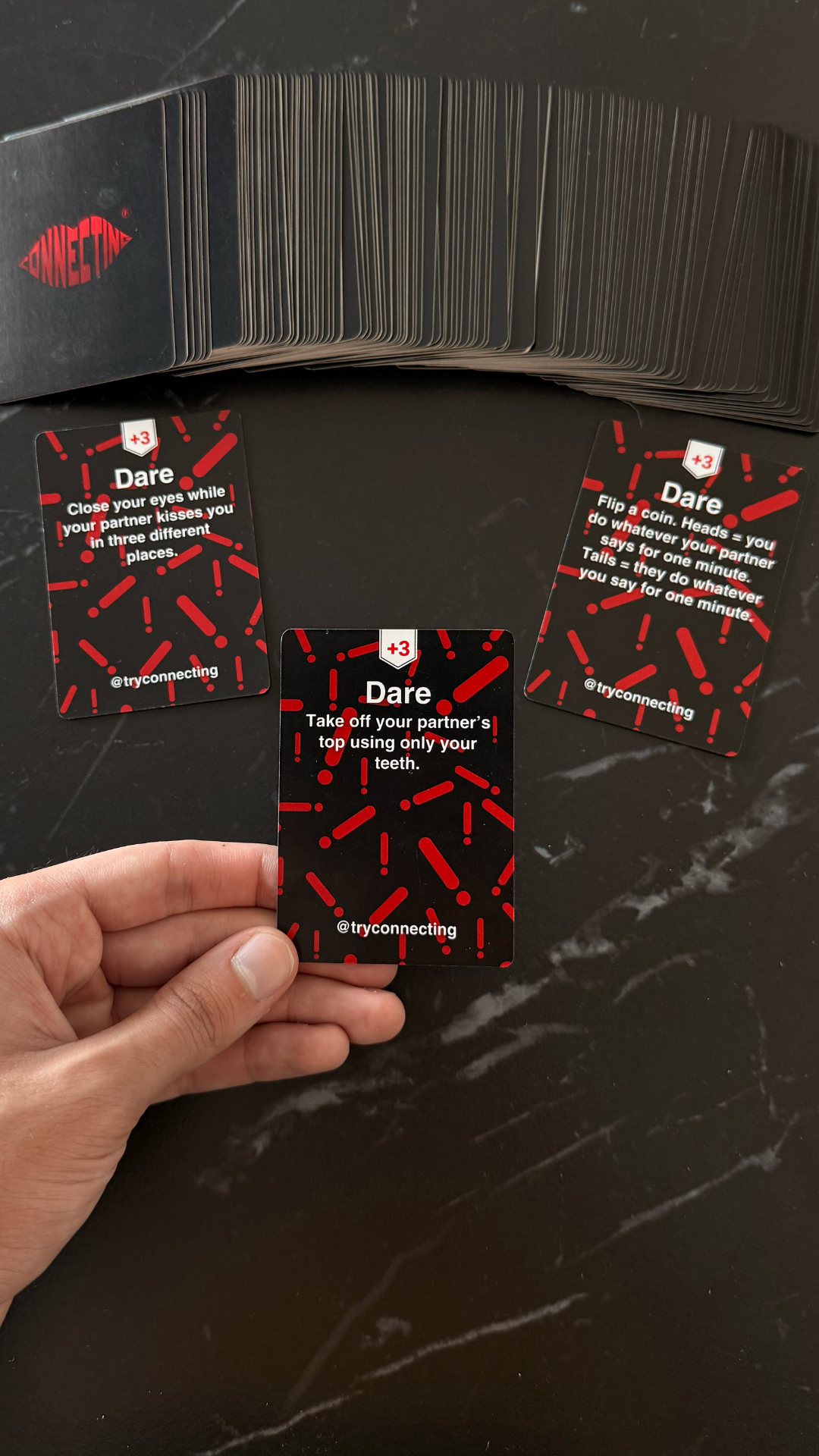
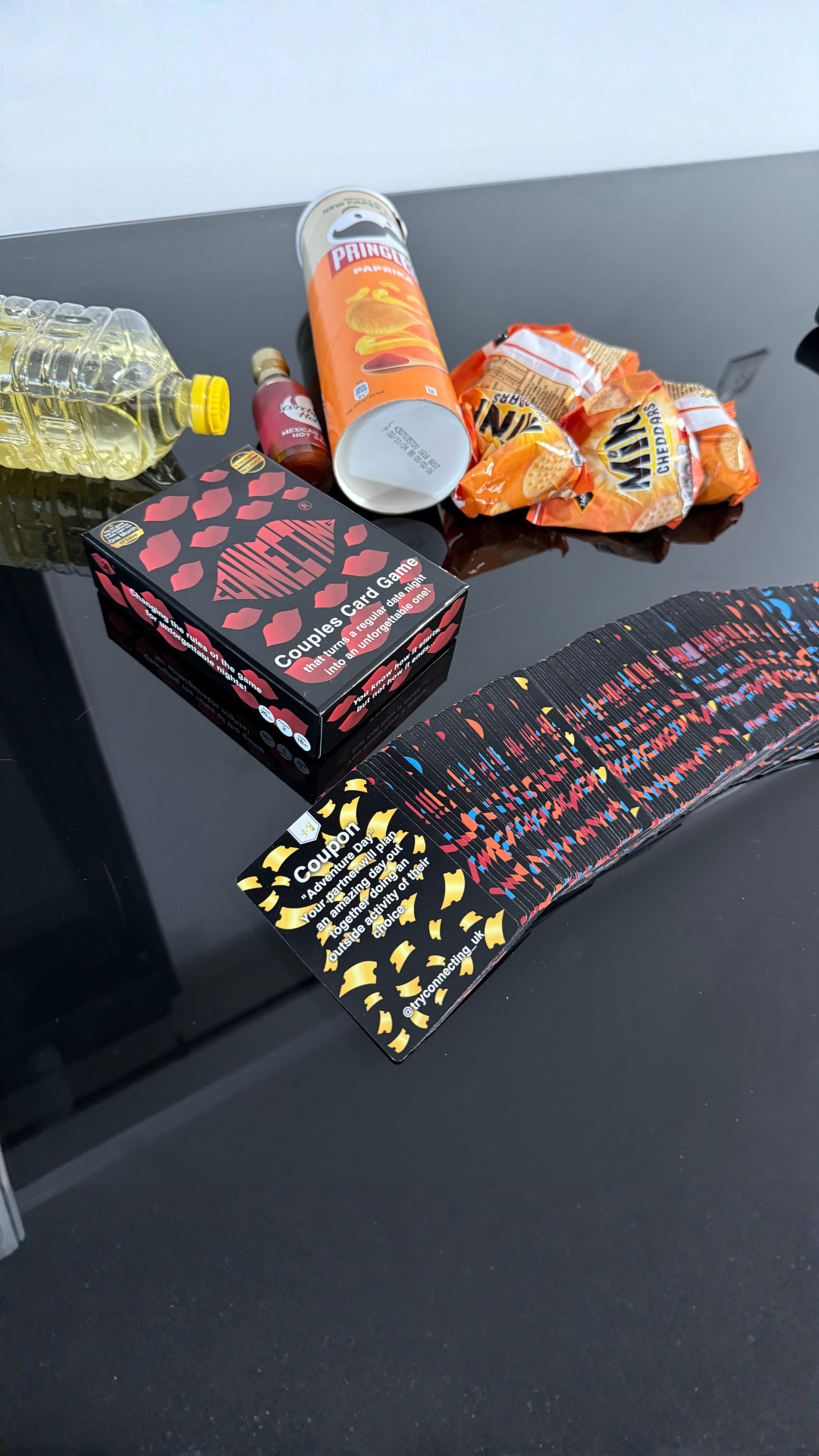
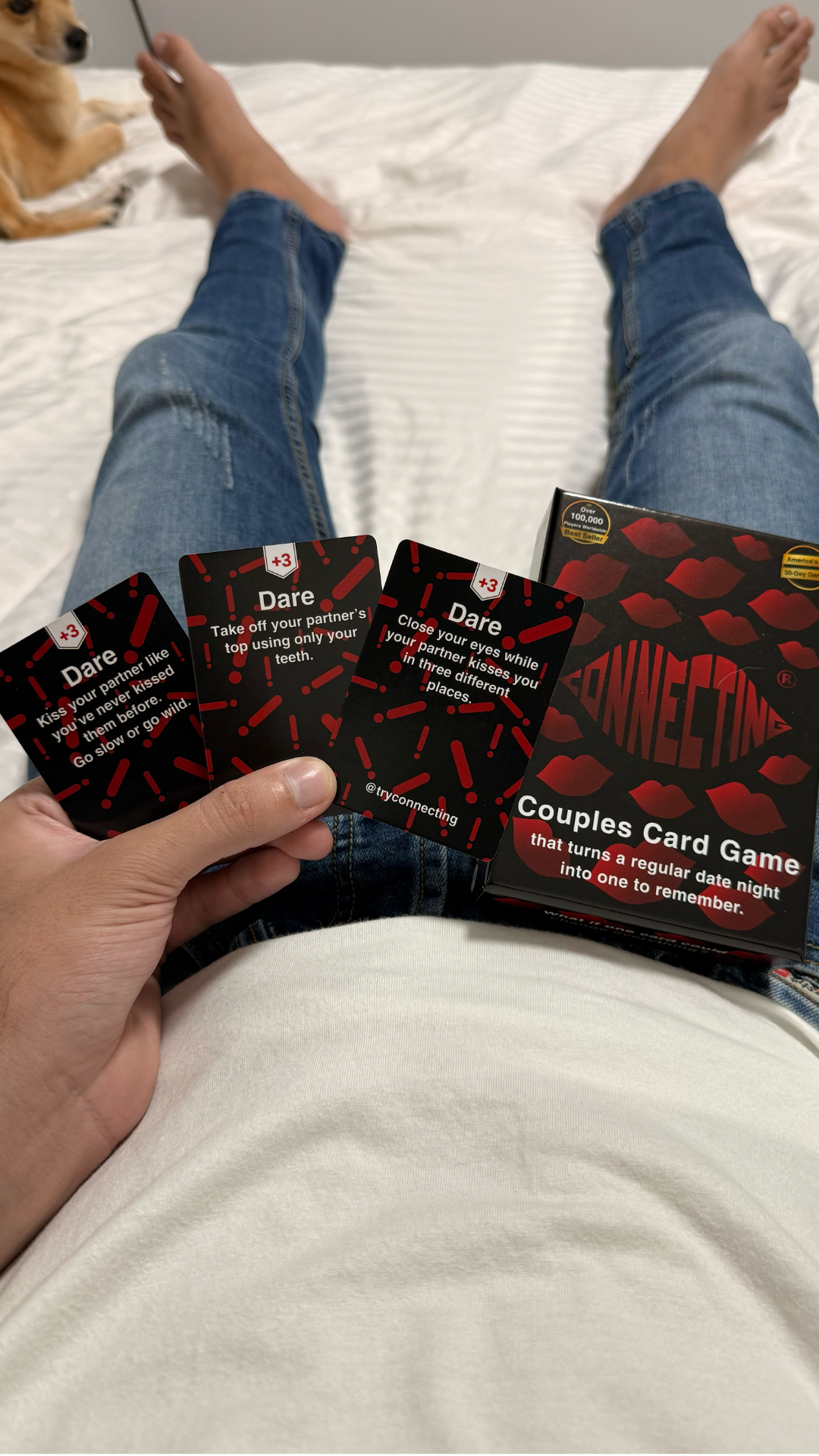
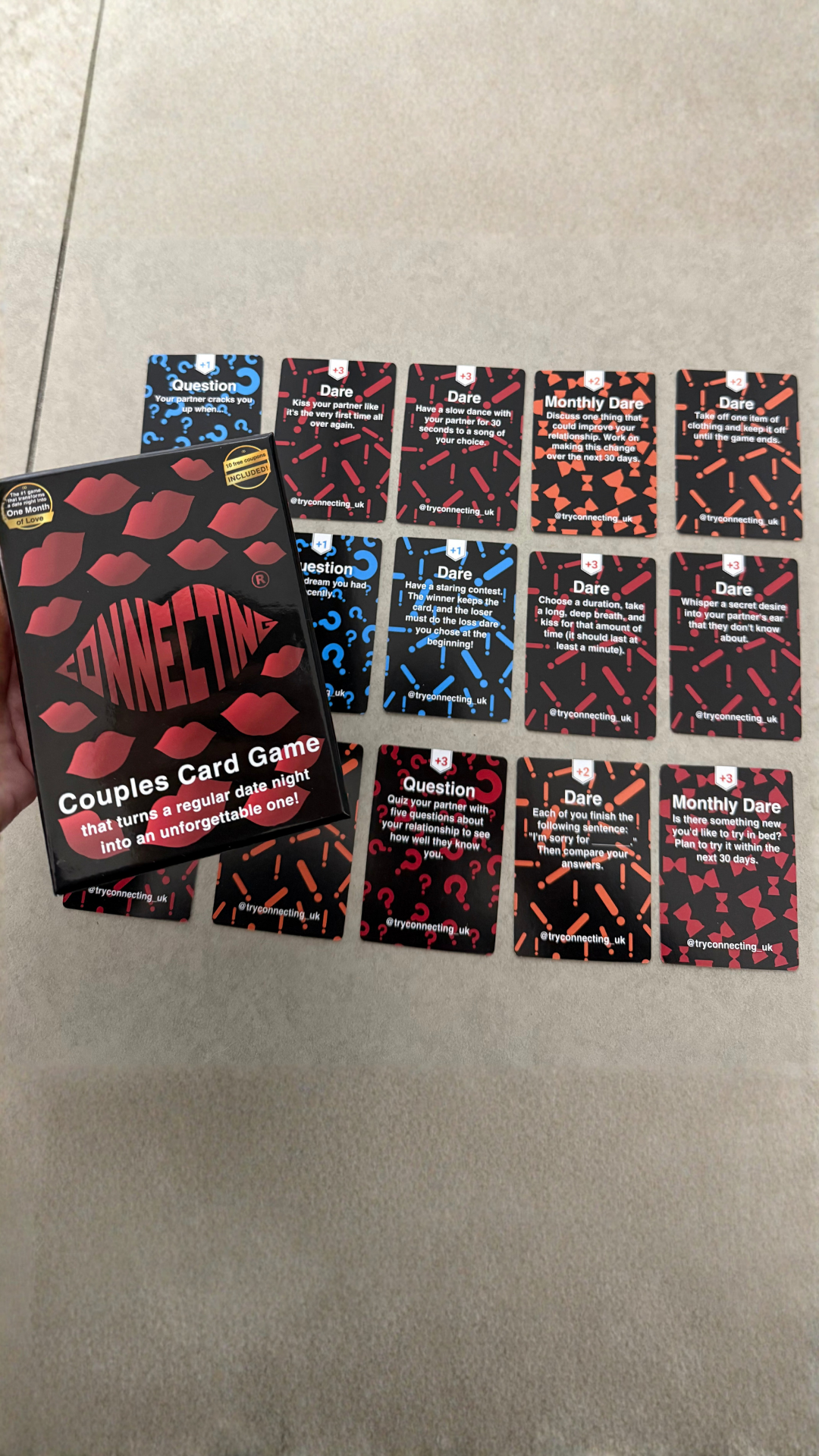
I scheduled date nights. I initiated the conversation. I bought the book. I tried the app. A perinatal psychologist later told me every single one of those things was teaching my husband's nervous system to associate me with pressure. I need you to understand what that sentence cost me to read. Because I did not try those things halfheartedly. I tried them the way a woman tries things when she can feel her marriage changing underneath her feet and nobody around her seems to notice or care. I tried them at 11pm after the baby was finally down. I tried them on a Saturday morning when I had been awake since 4am and still made a reservation. I tried them with the specific, quiet desperation of a person who loves someone and is watching that person become a stranger who sleeps on the other side of the bed. I tried for fourteen months. And according to the data this woman laid out in front of me, I had spent fourteen months making it worse. Here is what nobody tells you in the delivery room. There is a window. Not a metaphor. A research-documented, time-limited period that opens the moment a baby arrives and closes — the data is specific about this — somewhere around the 18-month mark. Inside this window, a couple's emotional bond is in a state researchers describe as "actively plastic." It can re-anchor. It can calcify. What determines which one happens is not love. It is not compatibility. It is not how many date nights you go on. It is one specific behavioral pattern. And almost no one outside a closed network of perinatal researchers knows what that pattern is. I know why. I know why your OB has never mentioned it. I know why your pediatrician has never mentioned it. I know why the parenting app you downloaded, the new-mother forum you joined at 3am, and the couples therapist who suggested the intimacy schedule have never mentioned it. It is not because they are withholding it maliciously. It is because the window research lives in perinatal clinical literature that none of those people read. It was never designed for you. It was designed for researchers. It has been sitting in academic journals for over a decade, cited by other researchers, read by approximately nobody who is currently eight months postpartum and lying awake wondering what is happening to her marriage. And there is a second reason. The behavioral pattern the research identifies — the one that actually works inside the window — directly contradicts what every couples book, every relationship app, every therapist running a six-week communication program, and every date-night subscription box is commercially dependent on you believing. If this pattern became common knowledge, it would not just make those products look ineffective. It would make them look like the problem. That is not a comfortable thing for an industry to distribute. So it does not distribute it. I found it the way most women find things that the industry does not want them to find — by accident, through a person, after enough failure that I had stopped looking for anything official. The perinatal psychologist who told me about it was not my therapist. She was a researcher I found through a friend of a friend, someone who had spent the better part of two decades following couples through the postpartum window and documenting what separated the ones who came back from the ones who didn't. She had a name for the pattern. She called it The Window Method. And before she explained what it was, she told me what it was not. It was not a conversation about feelings. It was not a scheduled night of intimacy. It was not a card game, a journal prompt, a love language assessment, or a therapist's homework assignment. "All of those things," she said, "operate on the assumption that desire is a starting point. The Window Method operates on the finding that desire is an endpoint. You cannot begin there. Every couple that tries to begin there — inside the window, under this specific kind of stress — teaches their partner's nervous system something they did not intend to teach." She paused. "They teach it that closeness means pressure." I thought about the fourteen months. The date nights I had planned. The conversations I had initiated. The way my husband's face would do something almost imperceptible when I suggested we talk about us. A micro-tightening. A fraction of a second. The kind of thing you only notice after you have been watching for it long enough and hoping not to see it. I had taught him that. Not on purpose. Not because I was doing anything wrong by any conventional standard. I had followed every instruction. I had tried every recommended approach. And the approach itself was the mechanism of the damage. The Window Method works differently. Not slightly differently. Not as a variation on the same theme. Oppositely. It starts by removing something rather than adding something. It works through a specific sequence of what the research calls "zero-pressure shared moments" — none of which involve talking about the relationship, none of which involve physical touch, none of which require a babysitter or a Saturday or both of you being present in any emotional sense that exhausted new parents can reliably achieve. I cannot tell you the full sequence here. What I can tell you is what the 12-year follow-up data shows about the couples who used it. And I can tell you why this researcher — 20 years of clinical work, hundreds of postpartum couples — described the central finding as "so counterintuitive it borders on uncomfortable to recommend." Because the first step of The Window Method is not doing more. It is stopping something you are almost certainly doing right now. Something you are doing because you love your partner. Something you have been told, explicitly or implicitly, by every source you trust, is exactly what you should be doing. And it is the thing that, according to 12 years of follow-up data across hundreds of couples, is most reliably associated with the window closing before you ever knew it was open. The window, by the way, is not permanently open. The researchers are precise about the timeline. Eighteen months is the outer edge. The couples in the data who waited — who assumed the flatness was temporary, who kept trying the conventional approaches, who told themselves it would resolve once the baby slept — show up at year four, year seven, year twelve with the same flatness they reported at month nine. Not worse, in most cases. Just the same. Calcified. Renamed. Called "just what marriage becomes." I was still inside the window when I found this. Barely. My daughter was fourteen months old, and the perinatal psychologist sitting across from me looked at me the way someone looks at a person who has been running in the wrong direction and has just, finally, stopped. "There is still time," she said. "But I want you to understand what The Window Method is before I tell you how to use it. Because the reason it works is the reason almost no one knows it exists." And then she told me why. The relationship industry — the books, the apps, the therapists running six-week communication programs, the date-night subscription boxes — is built on one foundational assumption. That desire can be pursued directly. That if you create the right conditions, schedule the right evening, have the right conversation, desire will show up on cue like a guest who received a formal invitation. The Window Method is built on the opposite finding. Desire, under the specific neurological conditions created by chronic sleep deprivation, role-overload, and the identity disruption of early parenthood, cannot be pursued. The moment it is pursued, the brain of the person being pursued registers one thing and one thing only. Pressure. Not love. Not effort. Not the intention behind the pursuit. Pressure. And pressure, compounded across fourteen months of date nights and initiated conversations and suggested intimacy schedules, does not just fail to rebuild the bond. It teaches the bond what closeness feels like. It teaches it that closeness feels like obligation. The researchers spent four years confused by this finding before they understood the mechanism. The couples who were trying the hardest — the ones scheduling the most, initiating the most, investing the most effort into conventional reconnection — were showing up in the year-four data with more distance than the couples who had done almost nothing. Not because effort is bad. Because effort aimed at desire, inside a nervous system that is running on fumes and cortisol and the accumulated weight of a year of keeping a small human alive, registers as demand. And demand teaches the body to brace. The Window Method does not aim at desire. It aims at something that comes before desire. Something so foundational that desire cannot return without it, and so simple that the industry has never thought to sell it. The researchers call it safety. Not emotional safety in the therapeutic sense. Not a conversation about needs and boundaries. Physiological safety. The body's involuntary recognition that this person — this specific person — is not a source of pressure, obligation, or performance demand. The Window Method rebuilds that recognition through a sequence of what the research describes as zero-pressure shared moments. I cannot give you the full sequence here. What I can tell you is that none of the moments require a babysitter. None require a conversation about the relationship. None require both of you to be emotionally available in any way that parents of a baby under 18 months can reliably be. They are small. They are specific. And they work because they are the opposite of everything you have been trying. Here is what the 12-year data shows about the couples who used The Window Method inside the postpartum window. At year one, they reported something they described, almost uniformly, as surprise. Not a dramatic rekindling. Not a sudden return of the people they were before the baby. Something quieter than that. A reaching. A moment of noticing the other person without the weight of everything that needed to be resolved. A moment that felt, one woman wrote in her follow-up survey, "like remembering." At year four, those couples were statistically indistinguishable from couples who had never experienced postpartum disconnection at all. At year seven, they reported higher relationship satisfaction than their own pre-baby baseline. Year twelve, they were still reaching for each other. The couples who did not use The Window Method during the postpartum window — the ones who tried the conventional approaches, the ones who waited for it to resolve on its own — showed a different pattern. Flatness at year four. Managed distance at year seven. And at year twelve, a significant percentage reported that they had "restructured their expectations of the relationship." Which is the research's way of saying they had made peace with roommates. I was not going to make peace with roommates. I was still inside the window. Barely. And when the perinatal psychologist finished explaining The Window Method to me, I sat in my car in the parking lot for a long time. Not because it was complicated. Because it was so simple. Because every single thing she had described was available to me that evening. No reservation. No babysitter. No conversation that required both of us to have energy we did not have. Just a specific sequence. In a specific order. For a specific reason that the industry has spent a decade not telling me. I used The Window Method that night. Not dramatically. There was no moment I could point to and say: there. That is when it changed. It was more like a door that had been swollen shut for fourteen months quietly becoming a door again. My husband reached for my hand during a television show we were only half watching. He had not done that in a long time. I did not say anything. The Window Method had been very specific about that part. But I noticed. And somewhere, without either of us having scheduled it or initiated it or assigned it as homework, something that had been bracing slowly stopped bracing. I am not going to tell you it was instant. The sequence took the better part of three weeks before I felt it working. But at the end of those three weeks my husband suggested a date night. His suggestion. Unprompted. For the first time in fourteen months, I did not have to be the one trying. I am telling you this because the window is time-limited and most women reading this do not know it exists. I am telling you this because the method that works inside it is not being sold by anyone with a financial incentive to sell it — which means the only way to access it is to find it the way I found it. Through someone who knows. Through the research that the industry has left sitting in academic journals because distributing it would mean admitting that what they are selling you is the mechanism of the problem. By now you are probably asking: how do I actually access The Window Method? I found it through one researcher, by accident, after fourteen months of failure. You do not have to find it that way. The complete Window Method — the full zero-pressure sequence, the specific order, the research behind each step, and the exact two things to stop doing before you start — is inside a card game called Connecting. I know how that sounds. A card game. But here is what Connecting actually is. It is a 30-night journey built on the precise behavioral pattern the research identifies — the pattern that starts with closeness, removes pressure before it adds anything, and allows desire to return as a consequence rather than a goal. The sequence is built into the cards themselves. You do not have to understand the neuroscience. You do not have to remember the order. The order is the product. 160 cards. Four types. Three levels. Designed to be used in 10 minutes a night after the baby is down and both of you are running on empty and the last thing either of you has the bandwidth for is another conversation about what is wrong. It starts so low-pressure that the partner who has been bracing — the one whose nervous system has learned to associate closeness with obligation — plays without resistance. That is not an accident. That is The Window Method. Over 1,400 couples have used Connecting. It carries a 4.9 star rating across those reviews. And it comes with four free Relationship Guides — $180 of additional material — included with every order. It is $39.99. One couples therapy session in the United States costs between $100 and $250. This is not therapy. It is the sequence that makes the window work. And it comes with a 100% money-back guarantee — framed simply: if the first night does not feel different from everything you have tried before, send it back. I cannot give you back the fourteen months. But if you are still inside the window — if your baby is somewhere between brand new and 18 months old, if you are still trying things that are quietly making it worse, if you can feel the distance and cannot name why nothing you do seems to close it — then the sequence is available to you right now. The window is open. The method is inside. https://tryconnecting.com/products/connecting P.S. The money-back guarantee removes the last reason not to try. But the guarantee cannot extend the window. The research is precise about the timeline. Eighteen months. If you are inside it, the cost of waiting is not $39.99. It is what the year-twelve couples in the data paid — which was not money.
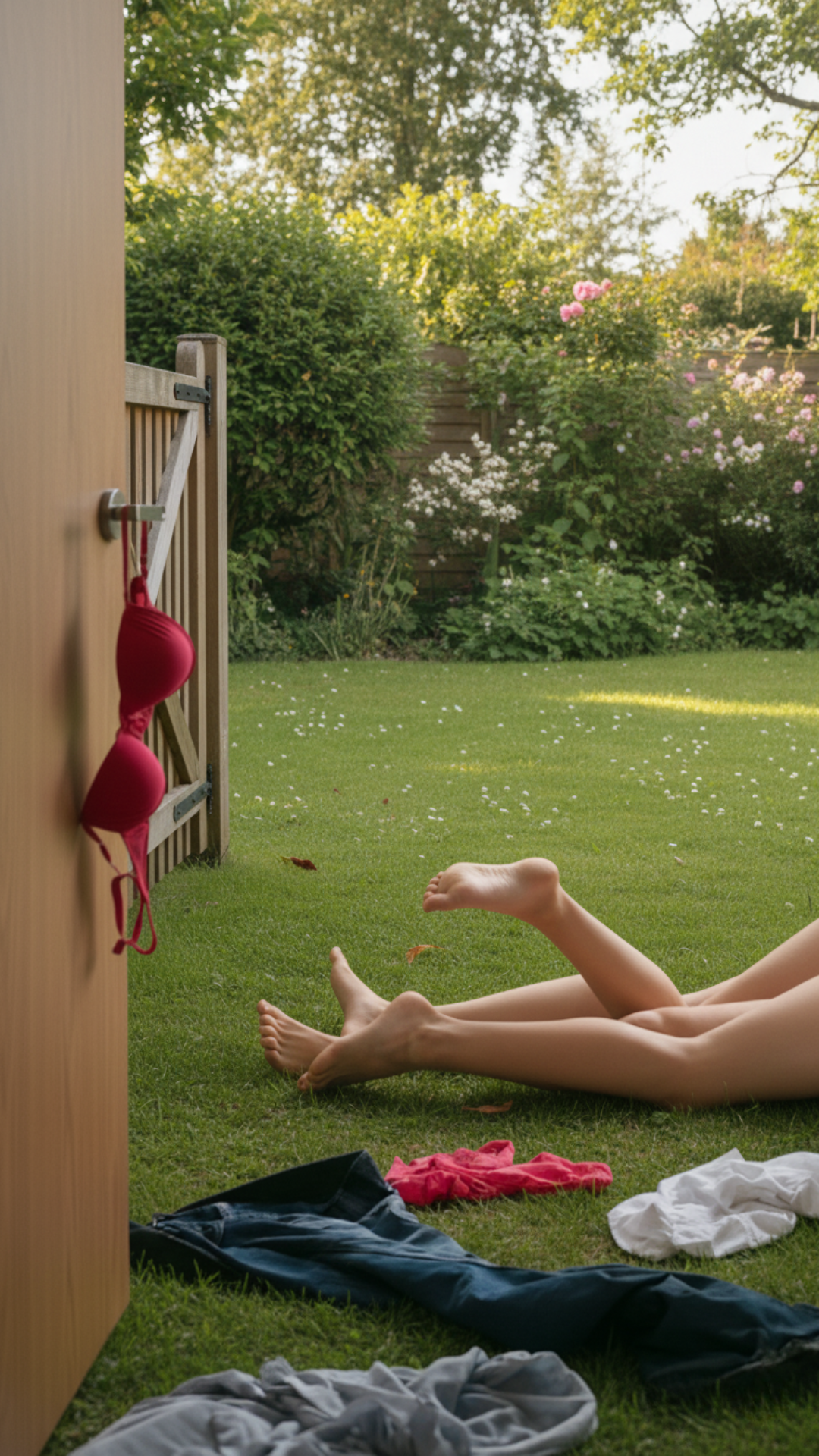
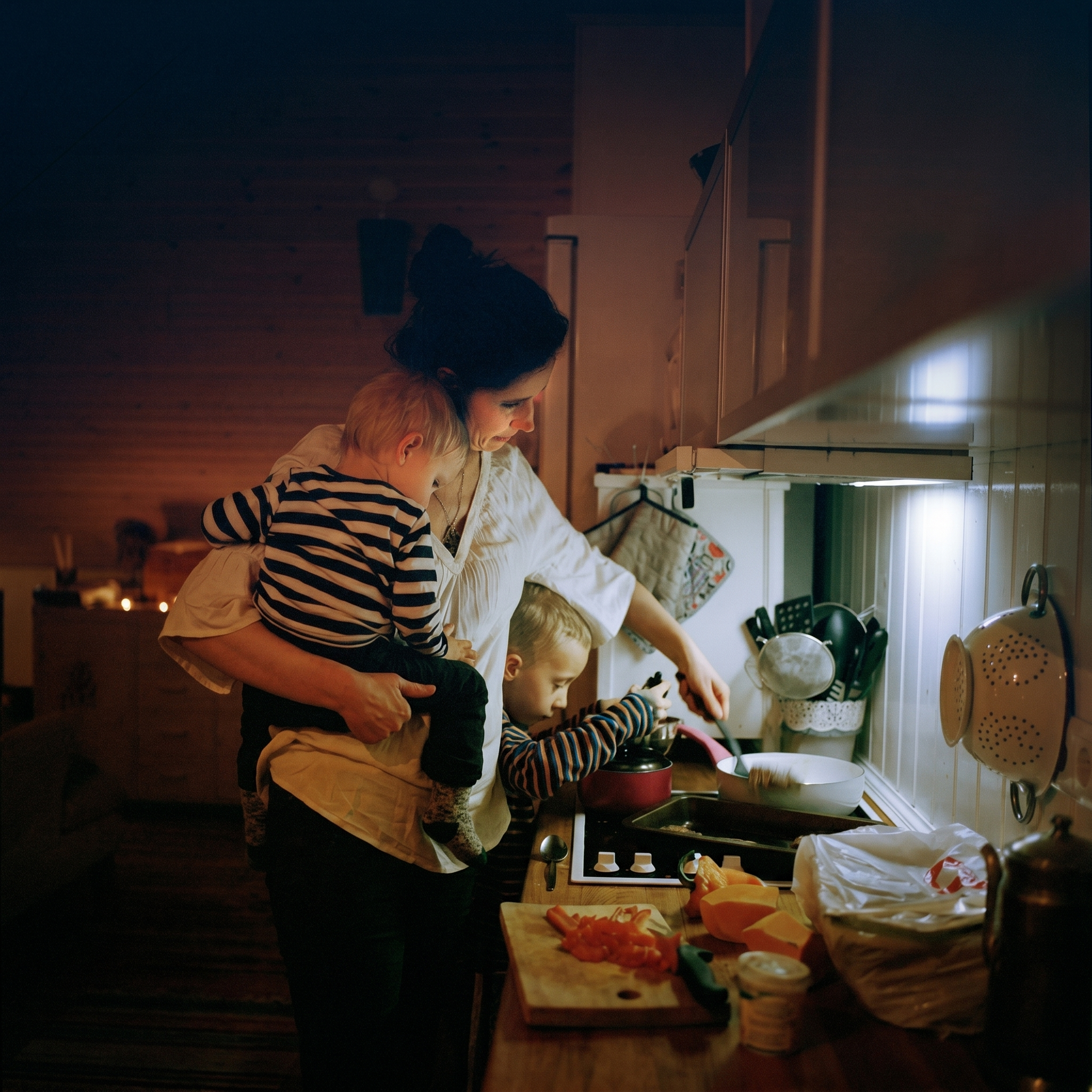
Read This If You Can Feel Your Marriage Changing Since The Baby Arrived And Nobody Around You Seems To Notice 👆
💬 160 cards - real talks, not just icebreakers ❤️ The first couples game built to last 30 nights 🔥 From playful to deep in under 10 minutes 🙌 No sitter. No planning. After the kids sleep. ⭐ Loved by 100,000+ couples & 1,400+ reviews
SHOP NOWLike this ad? Make it yours.
Crush rebuilds this exact creative around your product — your brand, your colors, your offer — in about a minute.