
Inactive· since Apr 25, 2026
- 42
- days it ran
- 0
- relaunches
Ad copy
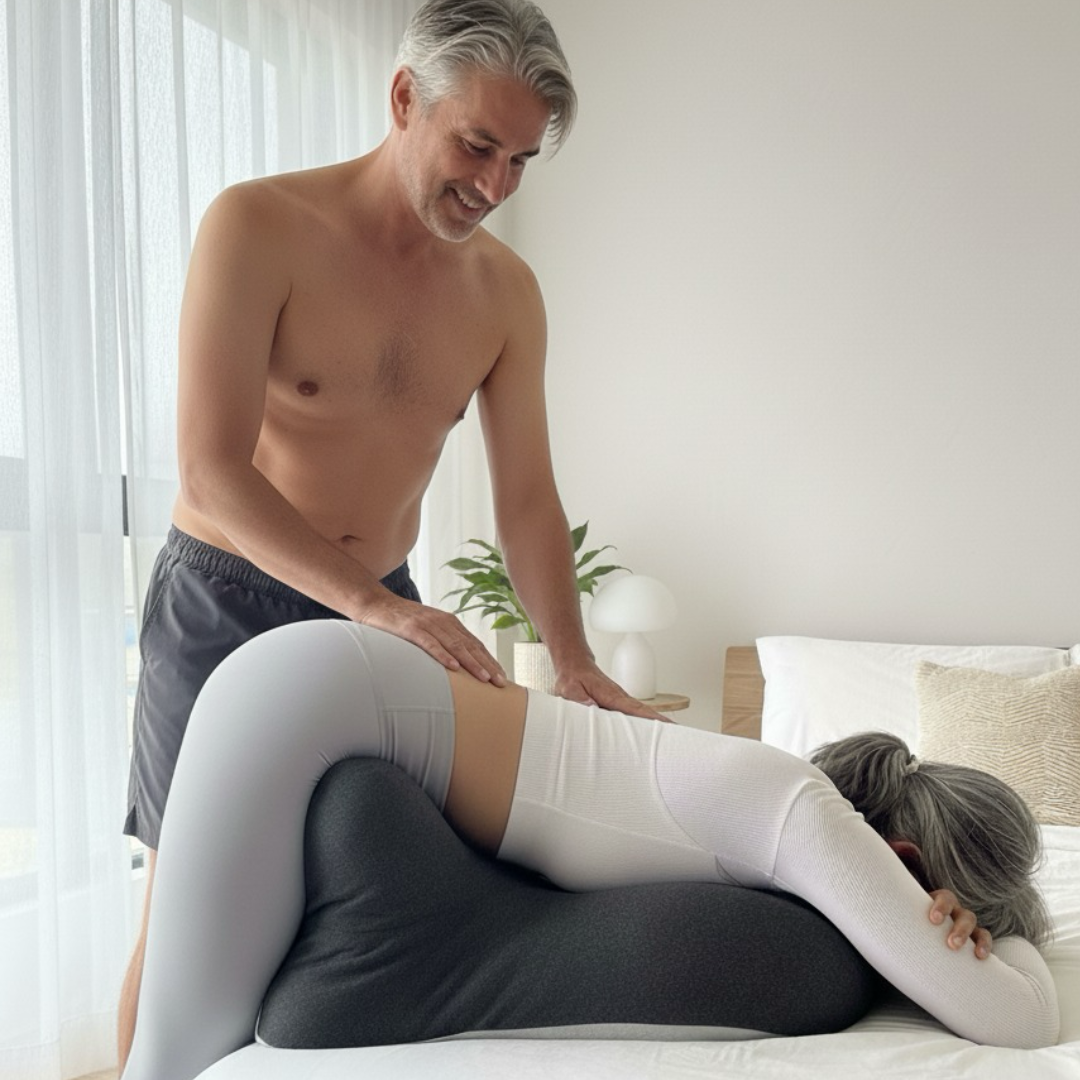
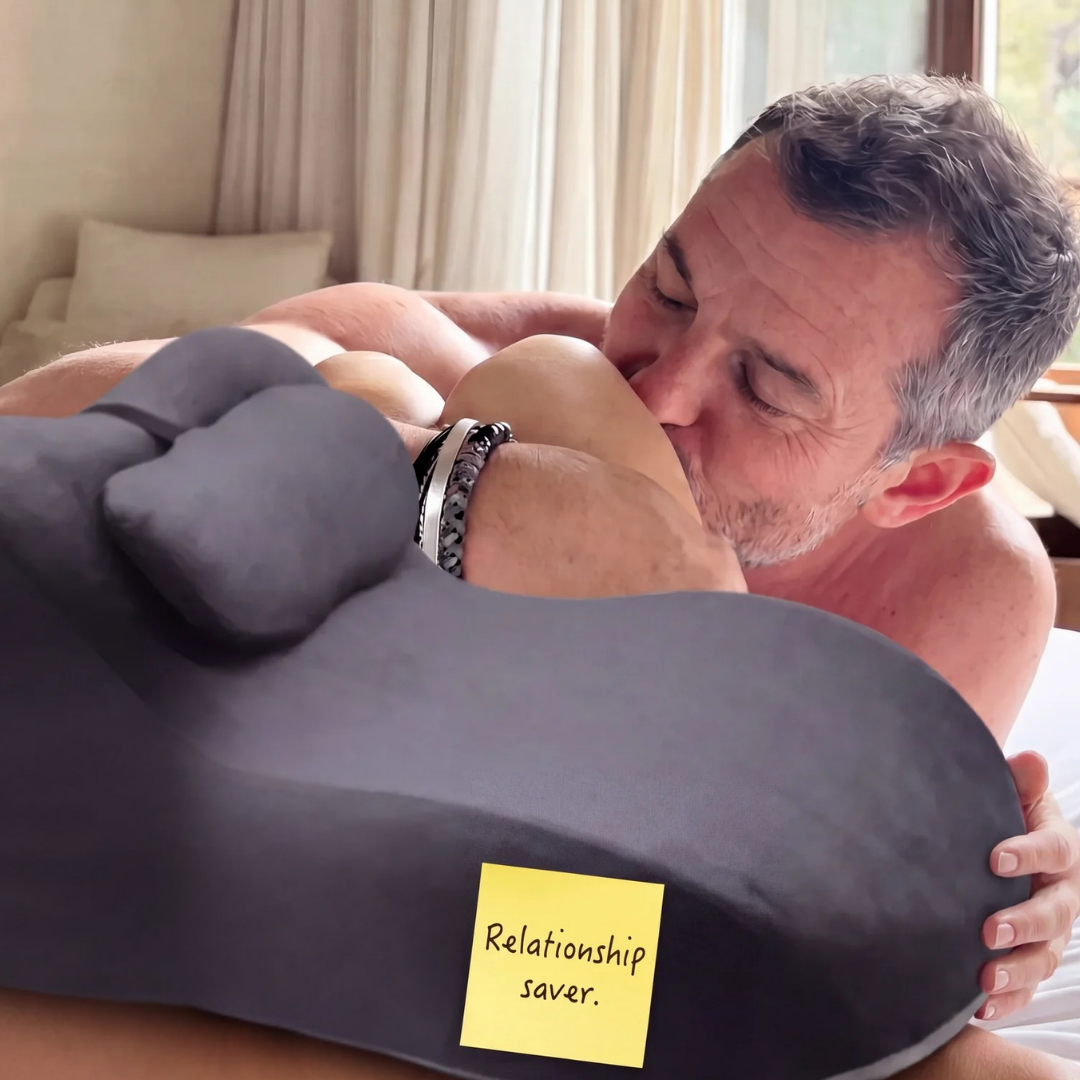
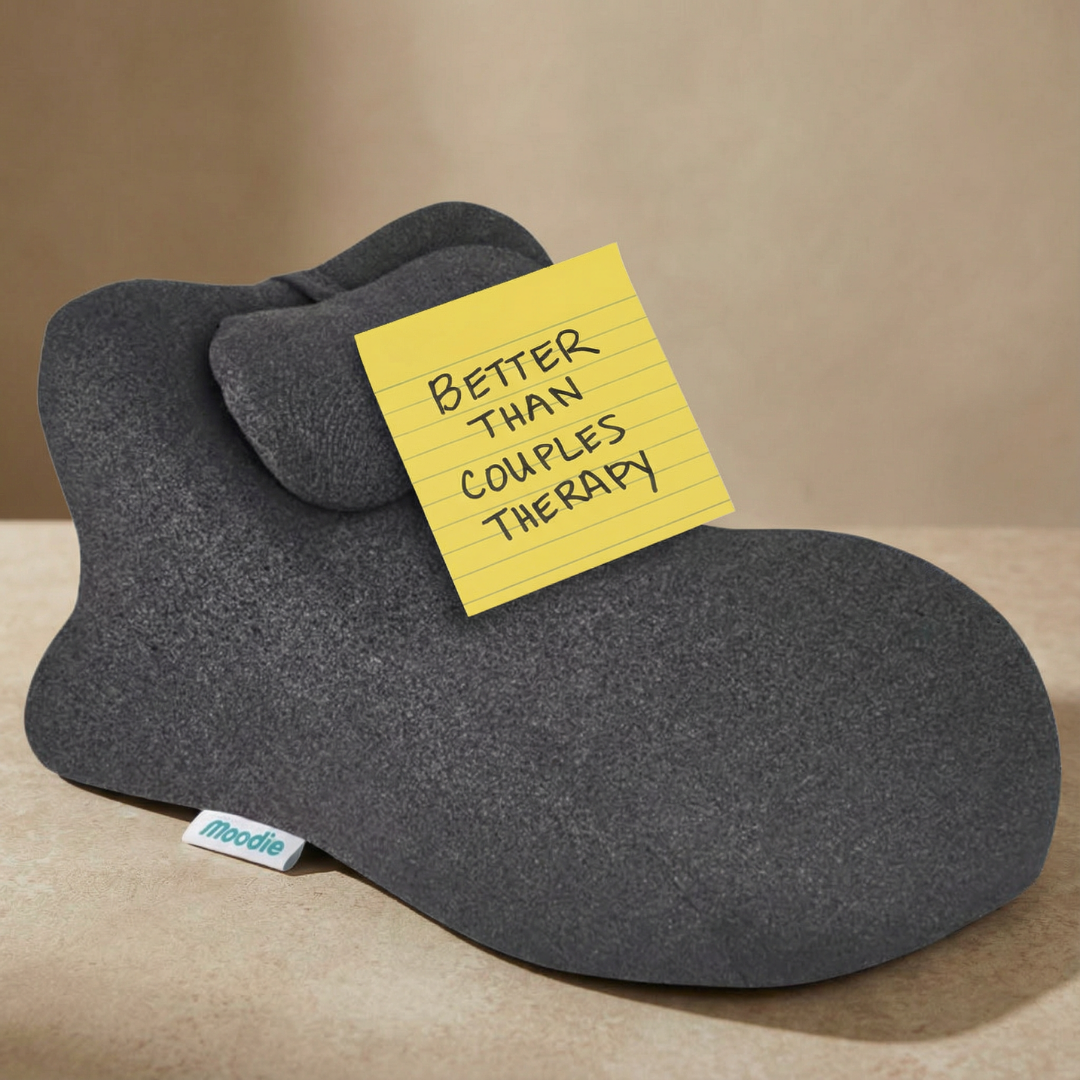
My gynecologist sent me to a psychiatrist because my vagina was burning. She said my pain was "fear-based." Imagine a doctor sending a man to a psychiatrist for pain in his penis. You can't. ======== I was 53. I was sitting in a fluorescent-lit waiting room with a referral slip in my hand that said "somatic pain, recommend psychiatric consultation." My vagina had been burning during sex for almost two years at that point. A constant, hot, raw feeling that started at the entrance and spread deeper the longer we kept going. And the paper in my purse said the specialist I needed was a psychiatrist. I sat in my car in that parking lot for a long time before I drove home. I did not cry. I was past crying. ======== The burning had started small. Not every time at first. Then most times. Then every single time my husband and I tried to have sex. It felt like friction with no forgiveness. Like the tissue inside was paper-thin and scraping against itself. I had stopped initiating. Then I had started flinching when he reached for me. Then I had started making excuses on the nights I could feel him wanting to be close. My husband was patient. He was kind. I was the one losing my mind. ======== She was my third provider in two years. The first one said I was "probably just dry" and wrote me a prescription for a lubricant I had already tried. The second one prescribed Lyrica. When that did nothing, she switched me to gabapentin. When that did nothing, she added an antidepressant "for the pain signals." Four years of my life on three different nerve-pain and mood medications for what was happening between my legs. None of them touched the burning. All of them made me tired, foggy, thirty pounds heavier. And the third provider, the gynecologist I had been seeing for nine years, looked at my chart and said the pain was "fear-based." She said it in the same voice you would use to tell a child that monsters were not real. She said trauma can live in the body. She said the mind and the vagina were more connected than most women realize. Then she wrote the referral to psychiatry and told me to schedule with Dr. Patel by the end of the month. Meanwhile, my husband had mentioned once, one single time over dinner, that he had felt "off" the week before. His doctor sent him for bloodwork, refilled his testosterone patch, handed him a Cialis sample, and wrote a referral to urology. The urologist saw him in eleven days. I had been in the system for two years. He was in and out in one lunch break. ======== I kept the psychiatry appointment. I did not know what else to do. Dr. Patel was a small woman with kind eyes. She read my file. She asked me to describe the pain. She let me finish my sentences. When I was done, she put my file down and said, "This is not psych. I cannot help you from here. Sarah, has anyone talked to you about estrogen? Has anyone talked to you about positioning? Has anyone actually looked?" Nobody had. She gave me the name of a pelvic floor therapist who took patients her regular gyno colleagues would not see. She said the word "geometry" and then she said "I am sorry it took this long to get to someone who will say it out loud." A psychiatrist. A psychiatrist was the first person in four years who told me my pain was physical. ======== Dr. Imogen Ingber took a full hour with me the following week. She did not cut me off. She did not prescribe anything before I finished talking. She did a careful physical exam and explained every step before she touched me. When she was done, she sat across from me in a regular chair, no desk between us, and said: "Sarah. You do not have a fear problem. You do not have a dryness problem. You have a geometry problem. And no gynecologist who only trains from the waist up is ever going to tell you that." ======== Here is what she explained. After 45, estrogen drops. The vaginal canal angles differently than it did at 35. The pelvic floor muscles tighten and stop giving the way they used to. The cervix tilts. Lubricants do not fix that. Lyrica does not fix that. An antidepressant does not fix that. A psychiatrist cannot fix that. What fixes it is changing the angle of your pelvis during sex so the compressed tissue is not the tissue being pressed into. The number is 27 degrees. Twenty-seven degrees of pelvic lift opens the angle. It takes the cervix out of the way. It lets the pelvic floor relax instead of bracing. The burning stops because the friction stops. She said this is biomechanics, not psychiatry. She said she has stopped being surprised when women walk in with a psych referral in their purse and a body that is screaming it is not imagined. ======== She showed me a cushion on her phone. "Most of my patients try throw pillows from the couch first. They shift. They flatten. They move at the worst possible moment. I stopped recommending them." She scrolled to a cream velvet cushion that looked like decorative bedroom furniture. "This holds the angle under full body weight. Medical-grade memory foam. It does not need adjusting. I have had patients tell me the burning stopped in a single night." She texted me the link in the exam room: trymoodie.com/products/moodie-couples-pillow "It is called the Moodie Comfort Pillow. I have watched it do more for women in a week than a year of gabapentin ever did." ======== It arrived three days later in a plain brown box. No logo. No description on the packing slip. The UPS driver had no idea what he was delivering. The pillow itself was heavier than I expected. Dense foam under a soft cream cover that matched the duvet on our bed. My husband walked in while I was unwrapping it and asked if I had redecorated. "Something like that," I said. ======== That night, I positioned it under my hips the way the instruction card showed. The first thing I noticed was that my pelvic floor let go. It had been bracing for so long I had forgotten what relaxed felt like. The second thing I noticed was that the burning did not start. The third thing I noticed was that my husband exhaled in a way I had not heard him exhale in years. He had been bracing too. I was just there. With him. For the first time in what felt like a decade, I was not running a running commentary in my own head about what hurt and what was about to hurt. ======== Afterward, I cried. My husband panicked and thought he had done something. "Nothing is wrong," I said. "Nothing hurts. For the first time in so long, nothing hurts." He held me for a long time. I cried most of the way through it. Not because anything was sad. Because for two years I had been told the pain lived in my head, and now I knew, in my own body, that it never had. ======== That was five months ago. Week 1, the burning stopped. Completely. Week 2, I stopped taking the gabapentin. I told my prescriber I was done. Two weeks later the brain fog lifted. Month 2, my husband came home from work and I met him at the door. I had not done that in three years. Month 3, I realized I had thrown out the psychiatry referral and not once missed the appointment I had been scheduled to keep. ======== A month in, I found a Facebook group of women in their 50s and 60s dealing with the same thing. Dozens of them had the same pillow. Dorothea P., 57, Missouri: "Four years of creams, four different prescriptions, two different therapists. The pillow worked the first night. I cannot believe something this simple was the answer." Evelyn T., 63, Kentucky: "I was told for years that my pain was anxiety. It was never anxiety. The pillow fixed in one week what five specialists could not." Felicia N., 55, Maine: "My gynecologist handed me a psychiatry number and I almost used it. A friend sent me here instead. I wish I had found this two years sooner." ======== I am 54 now. If I could go back and talk to the woman in that psychiatric waiting room with the referral slip in her purse, I would say this: You are not broken. Your pain is not in your head. Your body is not something to medicate into silence. It is different than it was at 35. It needs a different tool than it used to. The tool is not a pill. It is not an antidepressant. It is not a psychiatrist. It is twenty-seven degrees of lift. ======== Picture the Friday night that is waiting for you. The one where he walks through the door and you meet him in the hallway before he has set his keys down. The one where the bedroom lamp stays on longer and no one is running a silent commentary in her own head. The version of the two of you where nothing is being medicated into silence anymore. Twenty-seven degrees is how you get there. ======== Try The Moodie Comfort Pillow Risk-Free: https://trymoodie.com/products/moodie-couples-pillow 90-Day Money-Back Guarantee. Use it, test it, then decide. Recommended by Pelvic Floor Therapists Looks Like Elegant Bedroom Decor. No One Knows. Medical-Grade Memory Foam That Holds Shape Trusted by 14,000+ Women Over 45 Discreet Shipping. Plain Box, No Labels. No subscriptions. No auto-billing. ======== The psychiatry referral does not belong in your story. Your body was never the problem. The angle was. Now there is a tool for that. Try the Moodie Comfort Pillow: https://trymoodie.com/products/moodie-couples-pillow
They Said My Pain Was Imagined
The Moodie Pillow features scientifically-designed ergonomic curves that align your bodies for maximum comfort and intimacy. Unlike regular pillows that flatten and slip, our high-density memory foam maintains perfect positioning while the double concave arc design fits your natural body curves. Tho...
SHOP NOWLike this ad? Make it yours.
Crush rebuilds this exact creative around your product — your brand, your colors, your offer — in about a minute.