Mornings with Lily
Mornings with Lily Facebook ad: “If you are in perimenopause and still drinking two coffees…”

Ran for 11 days, from June 6 to June 17, 2026, the last day Crush saw it.
Run by Mornings with Lily on Facebook. Crush is not the advertiser and does not verify its claims. See this ad in Meta's Ad Library(opens in a new tab)
Want an ad like this for your product?
Crush makes new ad images for your product from this ad: your logo, your product photo, your offer.
Trials from $19.95 USD, then $79.95 USD a month. Cancel anytime.
About this ad
- Meta Ad Library ID
- 933817359696394
- Platforms
- Facebook, Instagram, Audience Network, Messenger and Threads
- Relaunches
- 1
- EU reach
- 98
Ad text
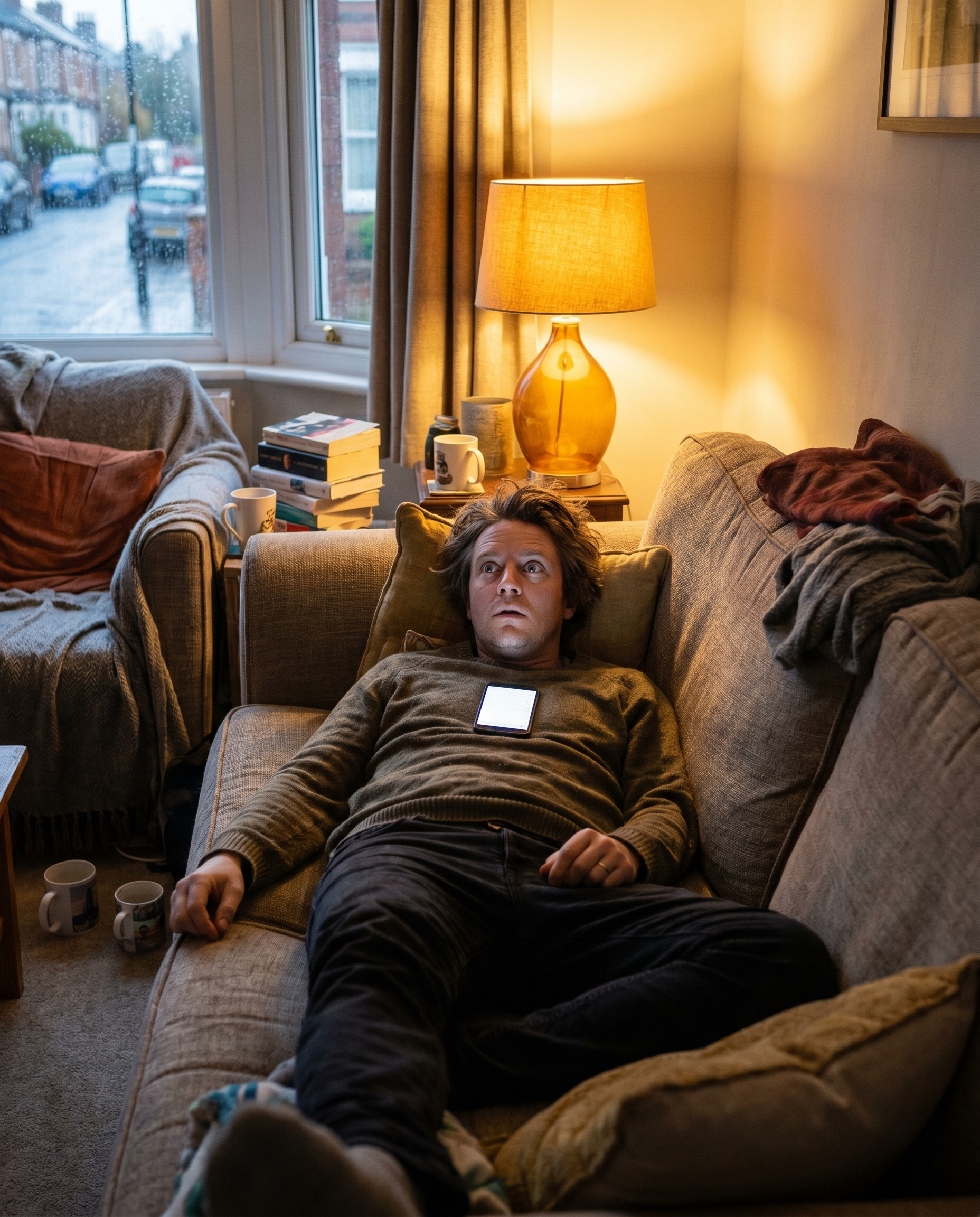
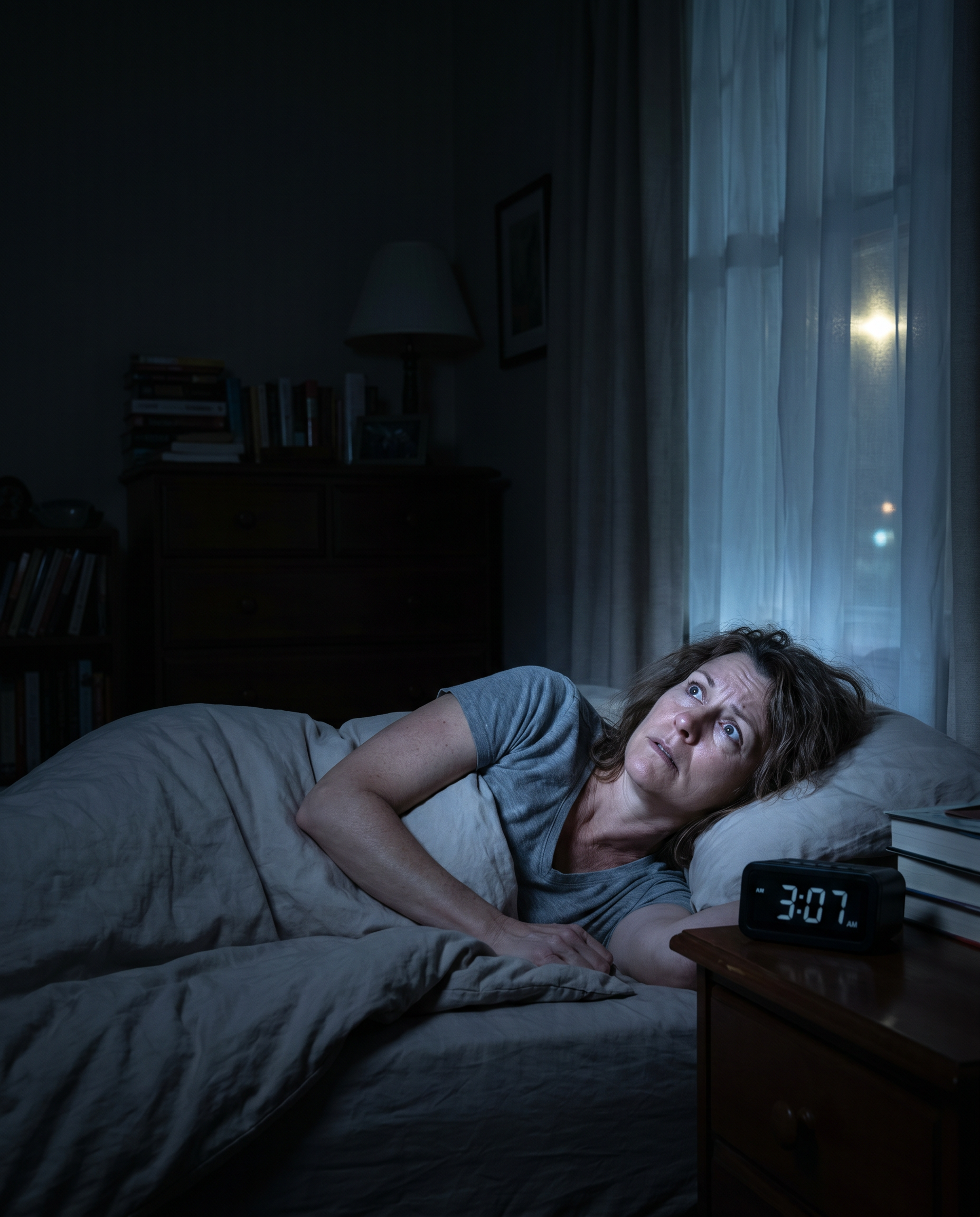
If you are somewhere in your 40s or early 50s and things feel harder than they used to, pay attention. Not harder because you are not trying. Harder because something has genuinely shifted and the explanations you have been given do not quite fit what you are experiencing. The sleep that was fine three years ago and now is not. The anxiety that arrives before a meeting, or in the middle of the night, or over something you would have managed easily before. The brain fog that appears somewhere between 10am and midday and makes a straightforward email feel effortful. The weight sitting around your middle that was not there before, despite nothing obvious changing. You are managing all of it. You are very good at managing all of it. And every morning you make yourself a coffee, sometimes two, because you need to. Here is what I need to tell you. During perimenopause, oestrogen and progesterone begin to fluctuate significantly. One of the effects of this is that your nervous system becomes substantially more sensitive to cortisol. Your stress response is now running much closer to the surface than it was five years ago. Coffee directly elevates cortisol. In a perimenopausal nervous system, that cortisol spike lands harder, lasts longer, and costs more to recover from than it used to. The hot flushes are partly a vasodilation response. Cortisol and caffeine both accelerate that response. If yours seem worse in the mornings or after your first coffee, this is very likely why. The sleep disruption compounds. Caffeine has a half-life of around five to six hours. In a body where hormones are fluctuating, that half-life is often longer. An 8am coffee may still be affecting your sleep at midnight. The morning anxiety is not you becoming a more anxious person. It is an already sensitised nervous system being handed a cortisol trigger before 9am, every single day. My friend Jess has spent the last eight years as a specialist menopause nurse in an NHS clinic. She sees women every day who are confused about why the things they have been told to try are not working. She said something to me that I have not been able to forget. "I see women who have gone down every road. HRT, supplements, lifestyle changes. And a significant number of them are still drinking three coffees a day without anyone ever raising it as an issue. Caffeine during perimenopause is not neutral. It is directly amplifying the symptoms they are trying to manage." She told me about KSM-66 ashwagandha, a specific root extract studied in women during the menopause transition. One peer-reviewed trial found that participants taking 300mg reported meaningful reductions in hot flush frequency, improvements in sleep quality, and stabilisation of mood compared to a placebo group. Not because it replaces oestrogen. Because it reduces the cortisol load on a system that perimenopause is already putting under pressure. I had tried ashwagandha before. Capsules from Holland and Barrett. Six weeks. Noticed nothing. Jess explained immediately why. "Most capsules use root powder at around 150mg. The clinical research uses KSM-66 root extract at 300mg minimum. Different form, different concentration, different dose. They are not comparable products." She told me about Rainbow Dust. A morning drink, not a supplement you take alongside your coffee. It contains KSM-66 at 300mg, Lion's Mane for cognitive clarity, Cordyceps for steady energy, and a small amount of natural caffeine. Enough to feel like a morning drink. Not enough to push cortisol into the territory that is compounding your symptoms. It also tastes like a hot chocolate. Not like something medicinal. Something you actually want. I tried it for a month. The sleep shifted first. Subtle, then consistent. The morning anxiety started to ease. Not vanish, but ease. The brain fog window that had become my normal between 10am and midday got shorter. I still have a coffee sometimes. Not first thing. Not every day. Over 200,000 people in the UK have made this shift. Spacegoods offers a 60-day money-back guarantee. If perimenopause feels harder to manage than it should, your morning coffee is worth a serious look. Click below.
Where the ad sends people
spacegoods.com
If you are in perimenopause and still drinking two coffees a day, read this
Try our bestselling mushroom coffee alternative. Boost focus, energy & mood with Rainbow Dust. Start your ritual today. Includes free gifts
Learn more: spacegoods.com(opens in a new tab)