
Inactive· since Mar 15, 2026
- 3
- days it ran
- 1
- relaunches
- 2
- EU reach
Ad copy
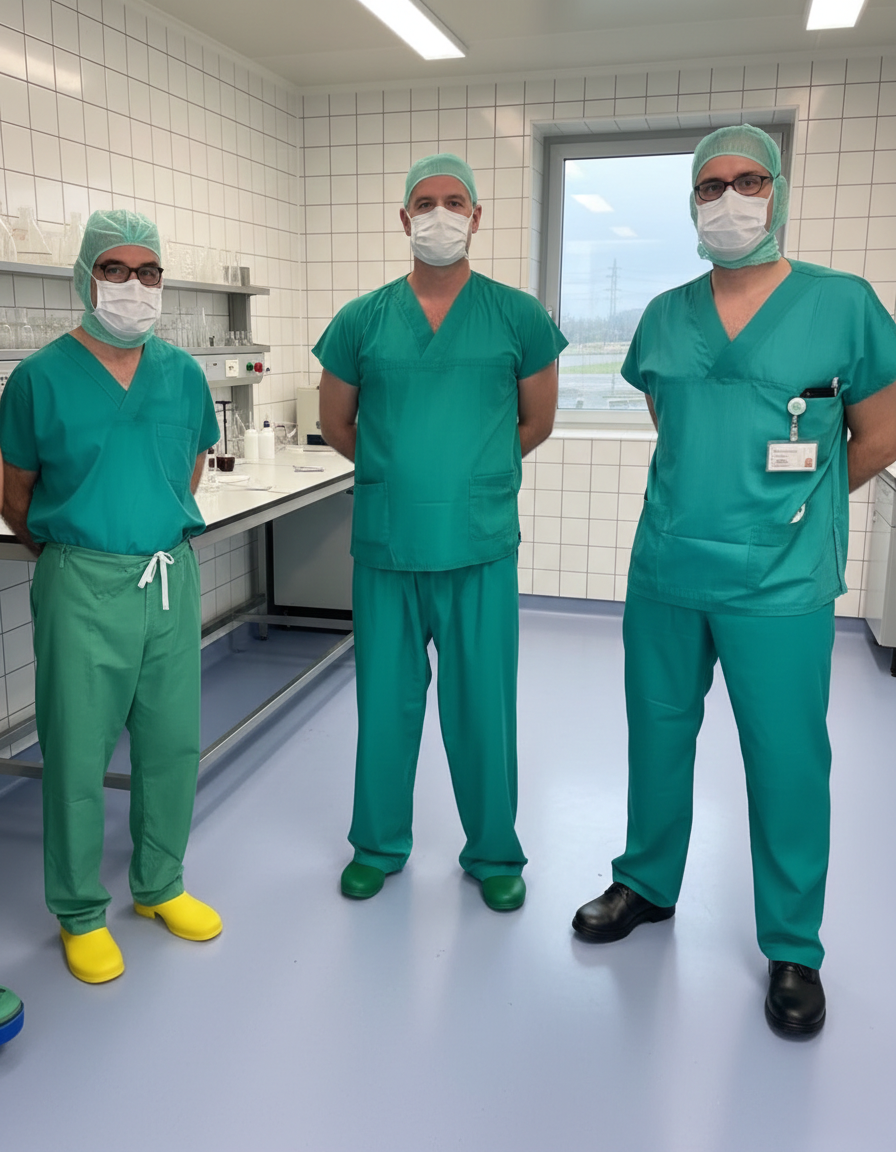
I've prescribed Levothyroxine for thyroid problems for over 15 years. Thousands of prescriptions. Thousands of patients. And for years, I believed I was helping people get their thyroid under control so they could feel normal again. That's what thyroid treatment is, right? You normalize the TSH. But after enough years in practice, something started to bother me. Patients would come back every six months for lab work. Same symptoms. Same dose. Sometimes higher doses. And they'd say things like: "My TSH is perfect but I still feel exhausted." "I'm taking the medication every single morning but my hair is still falling out." "Am I going to feel this way for the rest of my life?" And I didn't have a good answer for them. Because the truth is, Levothyroxine doesn't fix the problem for a lot of people. It fixes the number on the lab report while the body keeps falling apart underneath. I remember one patient clearly. A 53-year-old woman named Sarah Mitchell. She worked as an office manager. Sharp. Organized. The kind of person who ran a department of twelve people and never missed a detail. She came to me with textbook hypothyroid symptoms. Fatigue. Weight gain. Thinning hair. Couldn't get through the afternoon without feeling like she'd been awake for three days straight. Her TSH was 5.2. Clearly elevated. I started her on Levothyroxine 50 micrograms. One pill. Every morning on an empty stomach. Standard protocol. She came back in six weeks for follow-up labs. TSH had dropped to 2.8. Right where I wanted it. "The medication is working," I told her. "Your levels look great." She nodded. But then she said, "I don't feel any different." I told her to give it time. Sometimes the body needs a few months to catch up to the numbers. She came back three months later. TSH was 2.3. Textbook perfect. And she looked worse. Her hair was thinner than before. Not just thinning — she was pulling clumps out in the shower. Finding it on her pillow. On her keyboard at work. On the headrest of her car. She sat in my office and said, "Doctor, I'm losing my hair faster than before I started the medication. My TSH is perfect. You just said so. So why is my hair falling out?" I checked her iron. Normal. Checked her ferritin. Normal. Checked her vitamin D. Normal. I didn't have an answer. So I did what doctors do when we don't have an answer. I told her it was probably stress. That hair loss can lag behind treatment. That it might take six more months. She didn't argue. She just looked at the floor. That was Year 1. --- Year 2, Sarah gained twenty-eight pounds. Same diet. Same activity level. She brought me a food journal. Handwritten. Every meal, every snack, every calorie, for twelve weeks straight. 1,400 calories a day. Walking three times a week. And gaining. Her TSH was 2.1. Perfect. I told her sometimes the metabolism takes longer to respond. I suggested she see a nutritionist. She didn't need a nutritionist. She was already doing everything right. But I didn't know what else to tell her. --- Year 3, she went part-time. Couldn't manage full days anymore. The fatigue was so severe she was falling asleep at her desk by 2 PM. Twelve hours of sleep at night and waking up more exhausted than when she went to bed. Her boss told her she was "less engaged." She'd been there eleven years. She wasn't less engaged. She was drowning. But her TSH was 2.1. Her labs said she was fine. I increased her dose. 75 micrograms. Then 88. Then 100. TSH stayed in range. Symptoms stayed exactly the same. --- Year 5, the hair was gone. Not thinning. Gone. Patches of bare scalp she couldn't hide anymore. She started wearing scarves. Then hats. Then wigs. I referred her to a dermatologist. Dermatologist said it was alopecia. Autoimmune. Prescribed a topical steroid. Another medication on top of the Levothyroxine. Her TSH was 1.9. Two medications. Perfect labs. And she was buying wigs at 58 years old. --- Year 6, Hashimoto's. Antibodies through the roof. Her immune system was attacking her own thyroid. I remember thinking — the hypothyroidism was already being treated. How did autoimmune disease develop on top of it? But I didn't question it. I just adjusted the dose again. --- Year 7, fibromyalgia. Widespread pain. Joints. Muscles. Everything hurt. She told me she woke up every morning feeling like she'd been beaten in her sleep. She sat in my office and said, "I have two diseases now that I didn't have when I first came to you. I'm on three medications. I weigh forty pounds more than I did five years ago. I can't work full-time. I can't sleep. My hair is gone. And every time I come here, you tell me my TSH is perfect." I didn't say anything. Because she was right. --- Year 8, lupus. Her immune system wasn't just attacking her thyroid anymore. It was attacking everything. Year 9, Raynaud's. Her blood vessels. Fingers turning white in mild weather. Circulation shutting down. Year 10, they took part of her colon. Year 11, the brain fog was so bad they wanted to put her on dementia medication. She was 64 years old. She'd been sharp enough to manage a department of twelve people. Now she couldn't remember if she'd taken her pills that morning. Eight medications. Five specialists. None of them talked to each other. Every one of them had her TSH results in her chart. Every one of them saw a number in the normal range. And not one of them could explain why she was falling apart. I sat with her chart one night after clinic. Flipped through eleven years of lab results. Every page. Every TSH value. Perfect. Perfect. Perfect. Perfect. And I thought — I should have looked at this differently years ago. I just kept prescribing because that's what the protocol says. TSH high, increase the dose. TSH normal, maintain the dose. Symptoms don't match the labs? Tell the patient to give it time. That's what we do. That's what I was trained to do. But Sarah Mitchell didn't need more time. She needed someone to ask a different question. I wasn't helping her. I was just making the ride down more comfortable. That's the day I started questioning everything I was doing. --- Because here's what nobody tells you about Levothyroxine and thyroid treatment. Levothyroxine is T4. That's the inactive form of thyroid hormone. Your body doesn't use it directly. It has to convert T4 into T3. That's the active form. That's what your cells actually need for energy, metabolism, hair growth, brain function — everything. If something is blocking that conversion, the T4 just sits in your blood. Your TSH looks perfect because the pituitary gland sees the T4 and says "we have enough." But your cells never get the T3 they need. So the medication "works" on paper. But your body keeps falling apart. Think of it this way. Your house has a thermostat and a furnace. The thermostat reads the right temperature. Says 72 degrees. Everything looks fine on the panel. But the vents are blocked. The heat can't reach the rooms. The thermostat says 72. But the rooms are freezing. That's what's happening with Levothyroxine for millions of people. The lab value says the medication is working. But the hormone can't reach the cells. So the cells starve. Hair follicles die. Metabolism shuts down. Brain function declines. The body gains weight it can't lose. The immune system starts attacking. And the doctor keeps saying, "Your TSH is perfect." I said it for eleven years. To Sarah Mitchell's face. While her body deteriorated in front of me. --- So what's blocking the conversion? This is the part that changed everything for me. There's a medical study showing that hypothyroid patients have significantly slower lymphatic drainage than healthy people. The lymphatic system. The drainage network that's supposed to clear waste and inflammation from your tissues every single day. No pump. No engine. Just a network of tiny vessels. When your thyroid slows down, your body starts overproducing a thick, sticky substance that builds up in your tissues. That buildup physically compresses your lymph vessels. Squeezes them shut like a hand around a garden hose. Once those vessels are compressed, drainage slows down. Inflammatory waste that's supposed to be flushed out every day just sits there. Builds up. And that trapped inflammation is exactly what blocks T4-to-T3 conversion. I had to read it three times. The thyroid condition itself clogs the lymphatic system. And the clogged lymphatic system prevents the body from converting thyroid hormone. And the hormone not converting makes the thyroid worse. Which creates more buildup. Which clogs the drainage more. It's a trap. A cycle that feeds itself. And nobody breaks the cycle because nobody looks at the lymphatic system. It's not in the protocol. I never learned it in medical school. I never checked it in 15 years of practice. And it gets worse. When the drainage stays backed up and inflammatory waste sits in your tissues for years, your immune system goes haywire. Starts attacking your own body. Sarah's autoimmune diseases didn't appear all at once. They appeared in sequence. Year 1: Hypothyroid. Year 6: Hashimoto's. Immune system attacking her thyroid. Year 7: Fibromyalgia. Immune system attacking her joints. Year 8: Lupus. Immune system attacking everything. Year 9: Raynaud's. Blood vessels. Year 10: Autoimmune gastritis. Gut lining. One after another after another. Like dominoes. It wasn't six separate diseases. It was one clogged drainage system trapping inflammation that just kept spreading. First to her thyroid, then her joints, then her gut, then everything. Her thyroid condition created the congestion. The congestion trapped the waste. The waste triggered her immune system to attack. First one thing. Then the next. Then the next. I never checked her lymphatic system. Not once. Eleven years. Not once. --- Once I understood that, I started asking a different question. If the real problem is lymphatic congestion blocking T4-to-T3 conversion, how do we clear it? The surface-level answers don't work. Dry brushing. Rebounding. Compression socks. Lymphatic massage. Those things move fluid on the surface. They can't break down the buildup that's squeezing lymph vessels shut from the inside. They can't clear years of trapped inflammatory waste sitting deep in the tissues. Single herbs don't work either. Cleavers is the most common lymphatic herb. Used for centuries. Good at flushing waste through the channels. But if the buildup is still compressing the vessels, there's nowhere for the waste to go. One herb can't address all the layers of the problem. The clinical research pointed to a specific combination. Four herbs. Each one targeting a different layer of lymphatic congestion. Stillingia Root dissolves the buildup compressing the vessels. That's the first step. Open the vessels so drainage can happen. Cleavers flushes the trapped waste once there's room to move it. Years of inflammatory debris sitting in the tissues — it has to come out. Red Clover calms the inflammation that's blocking T4-to-T3 conversion. Once the waste drains and inflammation drops, the body can finally convert thyroid hormone properly again. Prickly Ash restarts the drainage rhythm so it doesn't clog back up. The lymphatic system has no pump — it needs a push. This is the push. But delivery matters. When the thyroid is underactive, the gut slows down too. Capsules sit in a sluggish stomach. You absorb maybe a fraction of the active compounds. And dried herbs in tea — the processing and steeping destroys most of what makes them work. These herbs need to reach the bloodstream directly. Liquid tincture. Under the tongue. Bypasses the gut entirely. The formula is called Lymphoria. Four herbs. Correct combination. Liquid form. Absorbs under the tongue. Made in the USA. Third-party tested for purity and potency. Sustainably wildcrafted in small batches. I tried it myself first. I don't have a thyroid condition. But I'd been noticing puffiness in my face. Sluggishness in the mornings. The kind of low-grade inflammation you chalk up to getting older and being on your feet all day. Within about forty minutes of the first dose, I felt warmth spreading through my neck and face. Not hot. Just warm. Like circulation was reaching places it hadn't been in a while. By the afternoon my face looked different. Less swollen. More defined. The puffiness around my eyes had softened. I kept taking it for two weeks. The morning sluggishness disappeared. The heaviness in my body that I thought was just age — it drained. I felt lighter. Sharper. More awake. So I started recommending it to my thyroid patients. The ones whose TSH was perfect but who still felt awful. The ones still losing hair, gaining weight, exhausted, foggy, cold. The ones stuck in the gap between what the labs say and what their body feels. A 56-year-old teacher came back after three weeks. She'd been on Levothyroxine for four years. TSH always in range. Still exhausted. Still gaining. Hair still falling out. She told me the puffiness in her face went down within the first week. Her rings were loose again. Her ankles weren't swollen. And for the first time in years, she woke up one morning and just got up. Didn't lie there for an hour willing her body to move. Just got up. By week four, the hair shedding had slowed dramatically. Not forty strands in the shower. Ten. Maybe fifteen. Normal shedding. She said she closed every wig website she'd bookmarked. A 49-year-old woman who'd been on Levothyroxine for six years told me the brain fog cleared completely within three weeks. She said it was like someone cleaned a dirty windshield she didn't even know was dirty. She could think in full sentences again. Hold a thought from beginning to end without it dissolving halfway through. Her exact words: "I feel like I got my brain back." A 61-year-old woman who'd gained forty-five pounds on Levothyroxine and been told by three different doctors that she needed to eat less — she lost nine pounds in the first six weeks without changing anything. Same food. Same activity level. The weight just started coming off once the drainage cleared. She said, "I haven't eaten all the pies. I've been telling everyone that for years. Nobody believed me. But my body is finally listening again." That's when it really sank in. Most of my thyroid patients didn't need higher doses of Levothyroxine. They needed lymphatic drainage. The medication was never going to fix them on its own. Not because the medication is bad. Levothyroxine does what it's designed to do — it puts T4 in your blood. But if the drainage system is clogged and the body can't convert that T4 to T3, the cells never get what they need. The medication was normalizing a lab value while the real problem got worse underneath. And I'd been writing those prescriptions for 15 years. --- I still prescribe Levothyroxine when it's necessary. For acute cases, for patients who need immediate TSH stabilization, there's a place for it. But for chronic thyroid patients over 40 whose labs look perfect and whose bodies don't — I don't just reach for the prescription pad anymore. I look at the lymphatic system first. Because clearing the congestion lets the medication actually work. And in some cases, lets the body handle conversion on its own. When you fix the drainage, you fix the conversion. When you fix the conversion, the cells get the hormone they need. And when the cells get what they need, the symptoms resolve. Not masked. Not managed. Resolved. --- Here's the link if you want to learn more. 👉 Lymphoria.co There's a 90-day guarantee. Try it. Track your symptoms. If nothing changes, get your money back. No pressure. Just information I wish every thyroid patient had before spending years on medication wondering why they still feel awful despite perfect labs. Sometimes the answer isn't a higher dose. Sometimes it's clearing the drainage system that's been clogged since the day the thyroid slowed down. 👉 Lymphoria.co
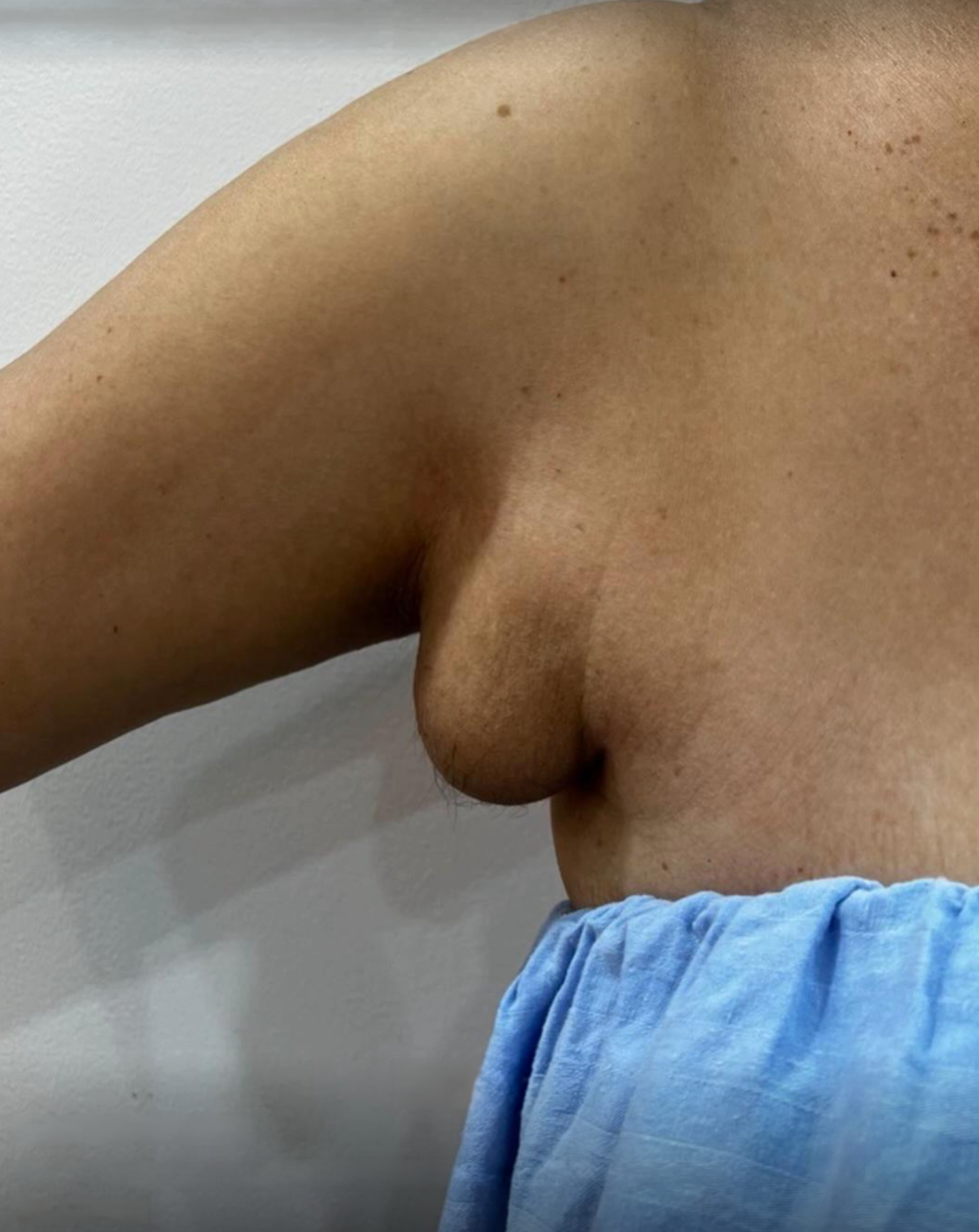
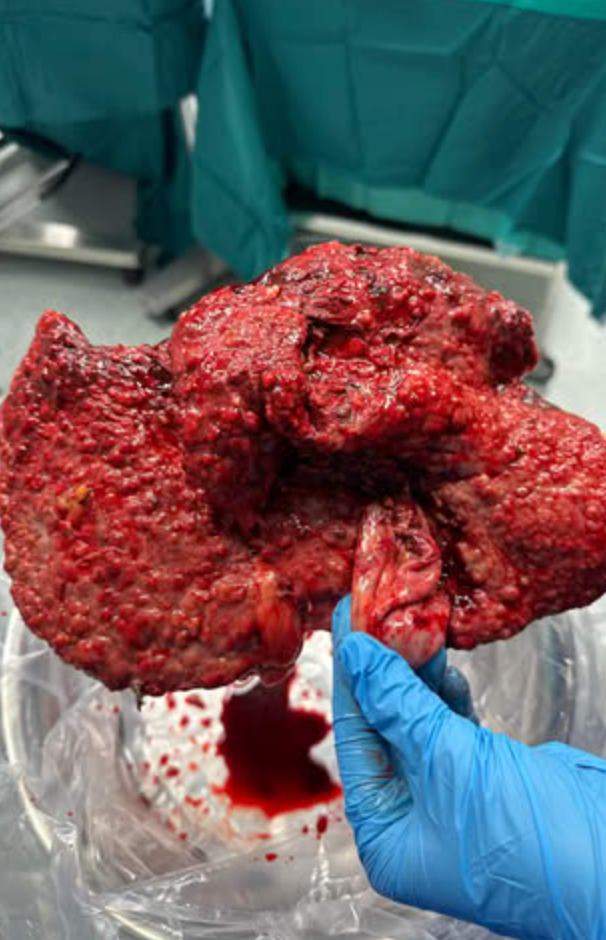
Noticing more hair in the drain even though your thyroid labs are "normal"? Read this ☝️
Lymphoria Lymphatic Drainage Drops are crafted to support your body’s natural detox flow, helping reduce puffiness, bloating, and water retention while improving circulation and energy. This gentle herbal blend promotes daily balance so you can wake up feeling light, clear, and refreshed.
LEARN MORELike this ad? Make it yours.
Crush rebuilds this exact creative around your product — your brand, your colors, your offer — in about a minute.