Cynthia Adams
Cynthia Adams Facebook ad: “Feel Like Yourself Again”
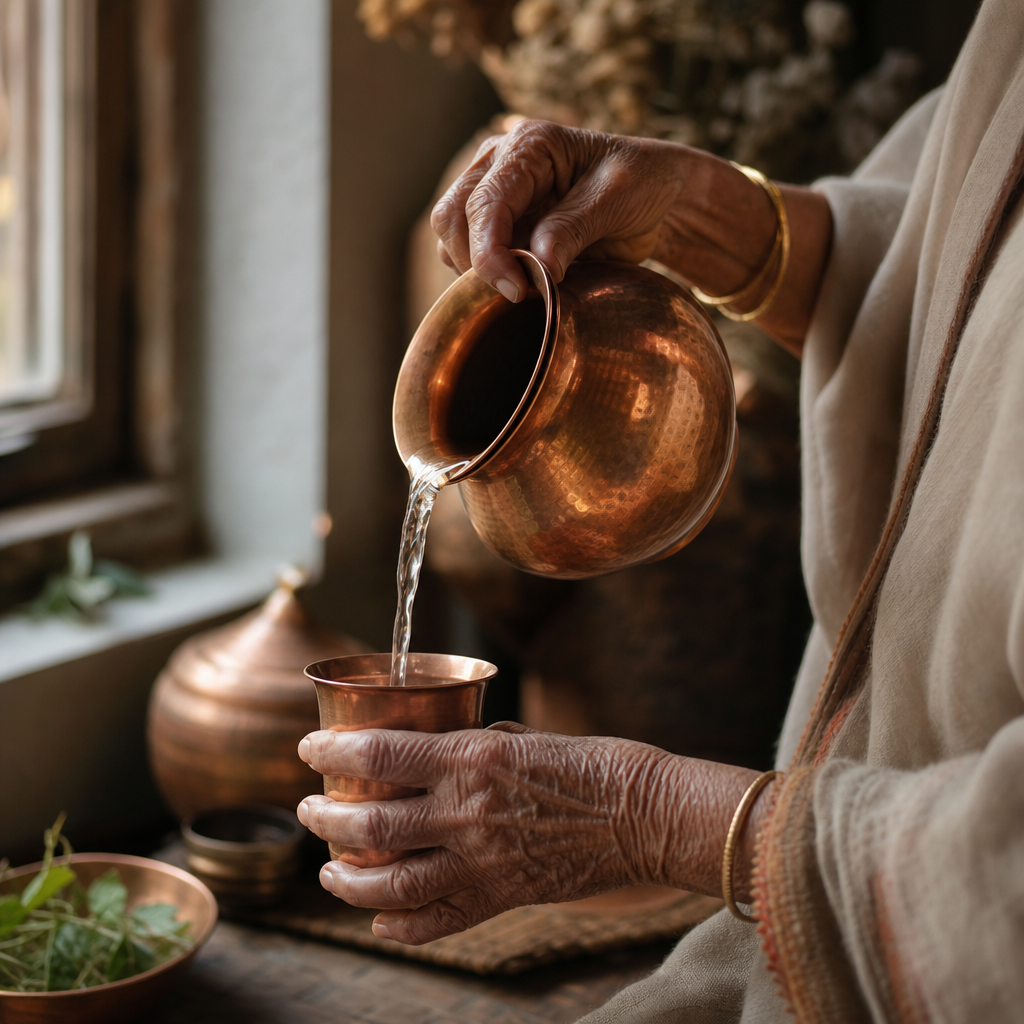
Ran for 25 days, from August 15 to September 9, 2026, the last day Crush saw it.
Run by Cynthia Adams on Facebook. Crush is not the advertiser and does not verify its claims. See this ad in Meta's Ad Library(opens in a new tab)
Want an ad like this for your product?
Crush makes new ad images for your product from this ad: your logo, your product photo, your offer.
Trials from $19.95 USD, then $79.95 USD a month. Cancel anytime.
About this ad
- Meta Ad Library ID
- 935775545487538
- Platforms
- Facebook, Instagram, Audience Network, Messenger, WhatsApp and Threads
- Relaunches
- 0
- Niche
- Jewelry & Watches
Ad text
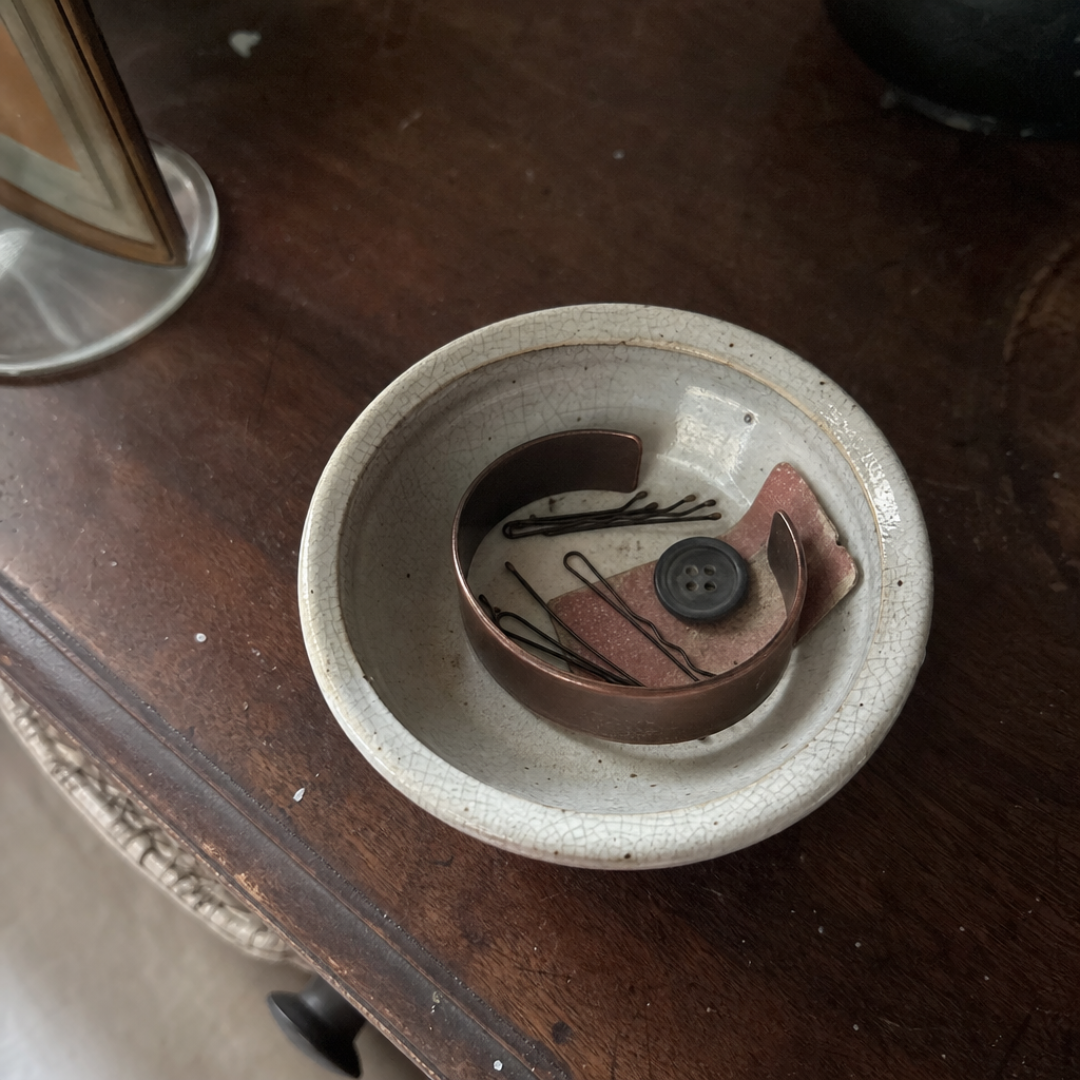
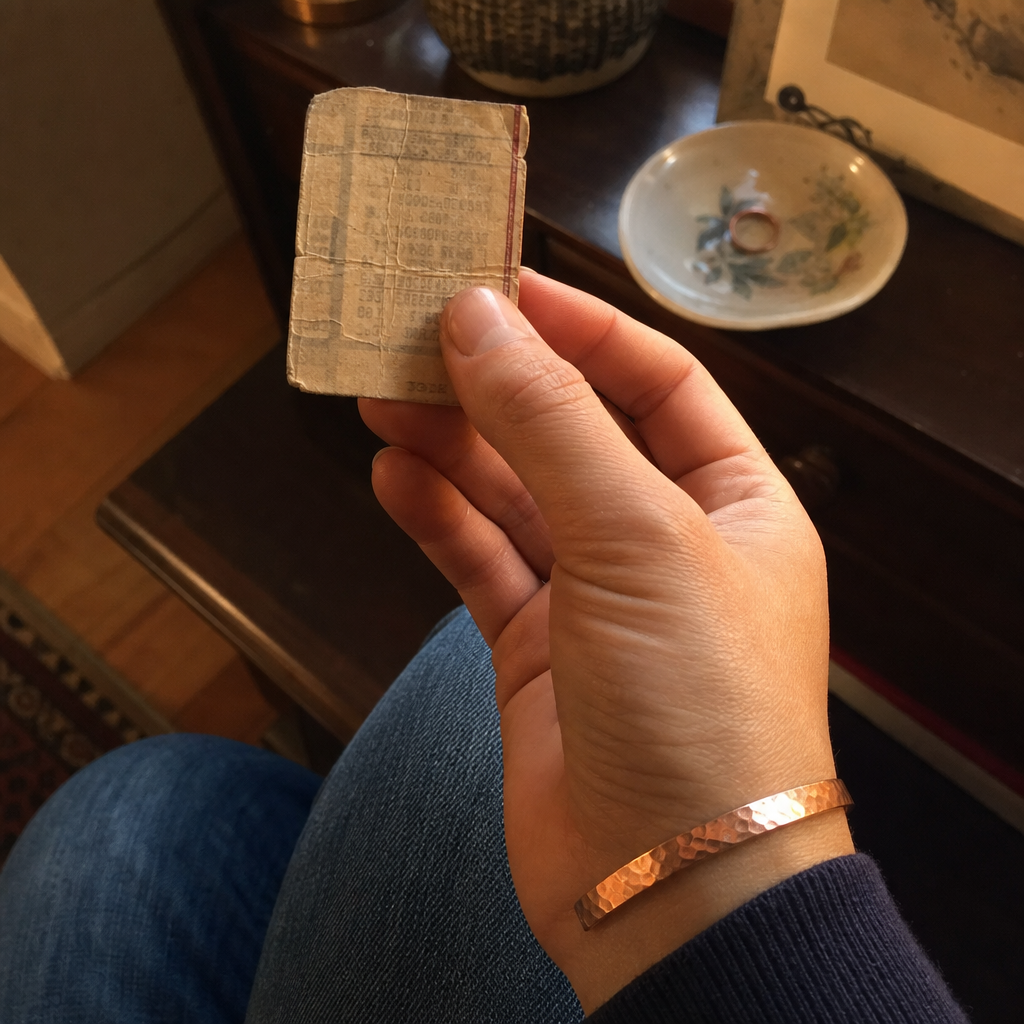
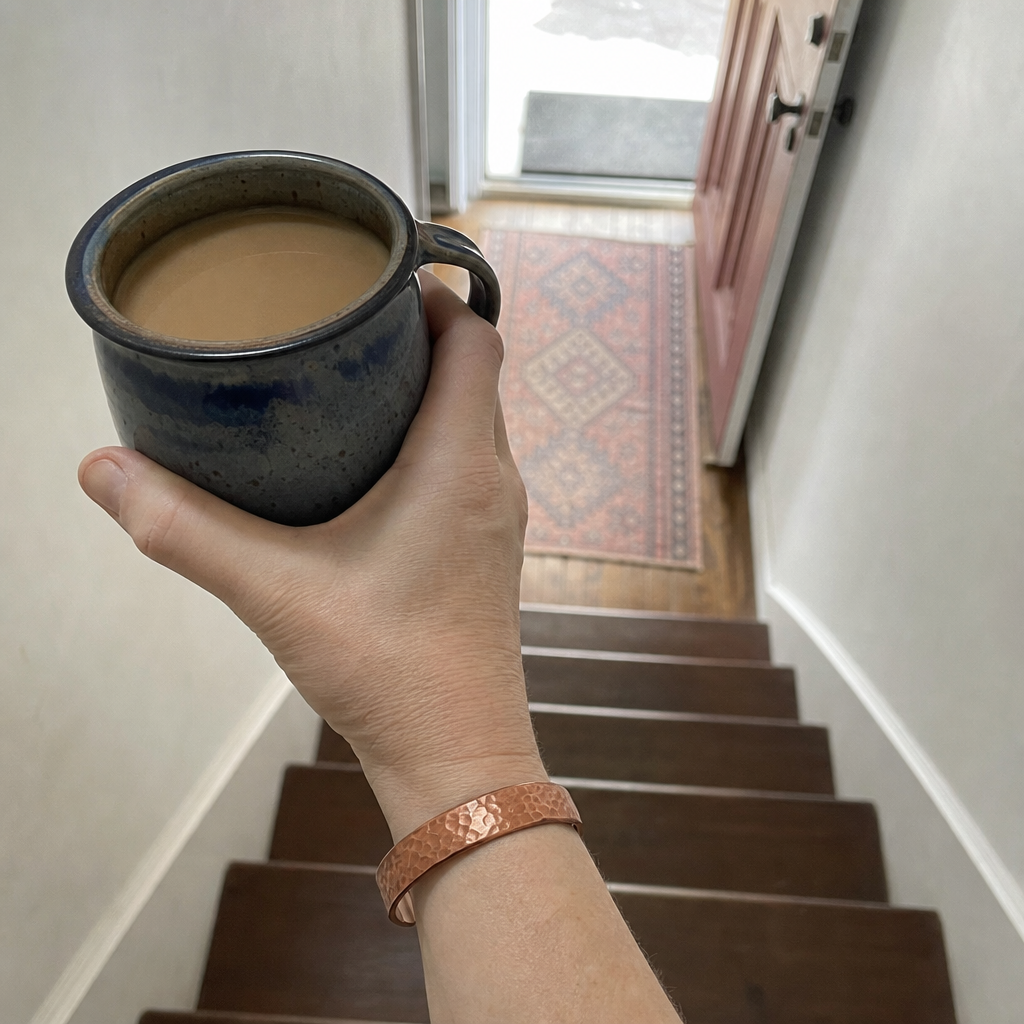
My own son took my car keys off the hook by his back door and put them in his pocket. Then he told me it came from love. When the whole family fell apart without me a week later, they all tried to reach me. My phone stayed in a drawer. I was on a porch behind a farmhouse in the mountains of North Carolina, on the fourth morning, drinking a cup of tea a woman named Priya had brought out without asking me first. Kevin lives forty minutes from me. I could've been at his kitchen table in under an hour to have it out with him. I didn't. For forty years I was the one who drove. Every airport run at five in the morning. Every school pickup when Kevin and Lauren both got stuck at work. I drove my husband's mother, Joan, to her cardiologist across three counties for eleven years, and I never once let her sit in that waiting room alone. When my grandson Ben broke his arm at soccer, I had him at the emergency room before his own father had even left the office. I was the one who showed up. That was the whole point of me. Then in March I clipped a concrete pillar backing out of the parking garage at the mall. A scrape on the rear bumper. Nothing. I've backed out of that same spot a thousand times. Kevin came over that Saturday. He sat me down at his kitchen table and he had a folder. Printouts. Reaction times. A pamphlet about older drivers. He slid the keys off the counter as he talked. "Mom. This comes from love. You haven't seemed like yourself. You dropped a whole tray at Thanksgiving and Lauren had to catch it. You thought Emma's recital was on the Sunday when it was the Saturday. You get dizzy standing up. You're tired all the time. We just don't think you should be driving anymore. Not right now." A pause. "We just don't think you can handle it right now." I sat with that for a moment. I'd driven this family through two blizzards and a hurricane evacuation. I'd driven eight hours straight through the night to reach my father before he passed. I'd driven my husband to every single one of his treatments for eight months, and driven him home again while he slept in the passenger seat, and I never once put us in a ditch. And then I'd driven myself to his funeral, alone, because there wasn't anyone else to do it. Kevin has known me his whole life. In the last six months he'd watched me change. And he'd decided that was who I was now. The worst part was that lately, I'd started to agree with him. "Understood," I said. "I hear you." I put the keys in his hand myself. I called my sister Ruth that night. Ruth's sixty eight, four years older than me, and she's driven back roads in every state east of the Mississippi. She knows this country the way I know my own kitchen. I told her everything. She listened the whole way through. When I finished she said, "Cynthia. You're not sitting this one out." "I don't have a car to sit in." "That's not what I said." A long pause. "You still have your license?" "In my wallet." "Then you fly down south, and you rent a car at the airport in your own name, and you drive yourself up a mountain, and not one of them will know where you are." She paused. "There's a farmhouse I've stayed at three times, up above a little town in the Blue Ridge. Family run. The woman who owns it is named Priya. She's ninety two and she grew up in Kerala and she came to this country when she was thirty one and never left. She's run that place alone since her husband passed in 2004. I've watched her carry trays up a staircase I couldn't manage. Go rent a car. Drive it yourself. Eat real food. Sleep. Come back to yourself." Ruth paused. "Be the woman who drove everybody home." I booked it that night. Six nights at a stone farmhouse in a town nobody in my family had ever heard of. A room with a window looking out over a field. Absolutely nothing on the agenda except a rental car with my name on the contract. Now I need to tell you what I hadn't told Ruth. What I hadn't told anyone. Kevin wasn't wrong. I did drop the tray at Thanksgiving. A wave of dizziness came over me and it slid straight out of my right hand, and Lauren caught the edge of it before it hit the floor, and I stood there with the room tilting and pretended it was nothing. I don't think anyone was fooled. I did get the recital wrong. I sat there in an empty auditorium on the Sunday feeling like a fool, because I'd been so sure, and I couldn't understand how I'd gotten a simple thing that wrong. I was tired all the time. Real tired. The kind that eight hours of sleep didn't touch. I'd wake up at six feeling like I'd been hit by a truck, and by two in the afternoon I was done. I was winded going up the stairs in my own house. My ankles were swollen by the time the sun went down. My hands were cold and stiff, worst in the morning — some days I ran them under hot water just to make a fist. My grip had gone in a way that scared me. I couldn't open a jar of olives last month and I sat in my kitchen and cried about it, because I'm sixty three, not eighty three, and I used to open jars for other people. I'd gotten quiet. I'd started wearing loose dark clothes. I'd started being the one who held the camera so I wouldn't be in the photo. There was a picture Lauren had shown me from Ben's birthday. I looked at the woman in it and didn't recognize her. Six months earlier my husband had died of a heart attack. Sixty five years old. On a Tuesday morning, in the kitchen, while I was upstairs. I found him at eight seventeen. The paramedics were kind about it. There was nothing anyone could've done. Three months after that I went in for a physical because I couldn't stop feeling worn down to the bone. I ached in every joint. My bloodwork came back with my inflammation markers up, and my hands were so stiff the doctor could see it when I tried to make a fist. She put me on a daily anti-inflammatory that same afternoon. She said it was the standard of care, given my age, given the stiffness, given what had just happened to my husband. I started it that night. And within about eight weeks I was the woman who dropped the tray. The woman with the dizzy spells. The woman who scraped a pillar backing out of a spot she'd used for twenty years, because the world tipped sideways for a second when I turned to look over my shoulder. I told myself it was grief. I told myself it was age. Kevin told himself the same thing. And it made a certain kind of sense until it didn't. I'd wake up at three in the morning doing the math on how long my husband had lived after his body first started giving out. He'd been fifty eight when the first warning came. He'd gotten seven more years. I'd lie there in the dark and count them. That's the woman who rented the car. I'll tell you, I was white knuckled the whole way up that mountain. Dark two lane road, switchbacks, no streetlights, my hands at ten and two like a teenager. But I drove it. Every mile of it. And when I pulled into the gravel by the farmhouse and turned off the engine, I sat there in the quiet and I thought, Kevin, you should see me now. Priya was on the porch when I arrived. Ninety two years old, small, straight backed, a silver braid down her back. She carried my bag up two flights of stairs before I could argue with her. That's the thing I couldn't stop looking at. Priya was almost thirty years older than me and she put me to shame. Up at five every morning, out picking herbs, back inside cooking breakfast by seven. Sharp. Quick. She'd lost her husband, run the place alone for over twenty years, and she had more in her before eight in the morning than I'd had in a decade. On the third evening she found me on the porch and she could see it on me. The tiredness. The kind you can't hide from someone who's lived long enough to recognize it. She sat down on the bench next to me without asking and set a cup of tea in front of me. The cup was a dull orange metal, heavy, older than me. I didn't think anything of it yet. "You are heavy," she said. It wasn't a question. Her English was slow and precise. "I've been through a hard year." "Yes." She nodded. "But you are heavy in a different way. Your skin. Your hands. The way you hold your shoulders. This is not sadness. This is something else." I asked her what she meant, and she told me, in the slow, unbothered way of someone who's never doubted a thing she does. "My mother was a healer in Kerala. Her mother was a healer. Every woman in my family was a healer. When I was a girl, if someone came to our village with the heaviness you have, my mother knew what to tell them. And I know what she would tell you." "What?" "That your body has not tasted copper in forty years." I laughed. I couldn't help it. She didn't. She picked up the dull orange cup and turned it in her hand. "This," she said. "Every night my mother filled a vessel like this with water and let it stand until morning, and gave it to the sick to drink. Every woman in our village wore it on her wrist from the day she married until the day she died. Five thousand years my people have lived with copper against them — in the cup, in the pot, on the skin. Longer than any medicine your doctors give you. Your great grandmother was the same. She drank from copper. She cooked in copper. She wore copper. You do none of these things. You have been quietly starved of it, and no one ever told you." I asked her what it did. She looked at me for a long moment. Then she said something I haven't been able to get out of my head since. "You Americans think the body is plumbing. That the trouble is only the blood, only the pipe. That is not the trouble. The trouble is the wall. Inside every vessel in your body, inside every joint, under your skin, there is a living wall, and it is built of fibers your body weaves and re-weaves every day of your life. When the wall is well, it holds, and it opens, and it lets the blood pass easy. But the weaving needs a metal. Without that metal your body cannot cross the fibers over one another, cannot lock them tight, cannot rebuild the wall as fast as living wears it down. So the wall grows thin and stiff. The vessels stiffen. The joints stiffen. The skin loosens. Your medicine quiets the ache so you cannot feel the wall wearing. It does not give back the metal. So the wall keeps thinning underneath, and you feel like you are eighty three, and the ache on the paper looks managed while the thing that matters gets worse." I sat there with my tea. She wasn't a doctor. She had no degree on a wall. She was a ninety two year old woman in a wool cardigan who'd outlived her husband and both her doctors, and she was describing, in her own words, the exact thing my doctor had never once mentioned to me. I asked her what the metal was. "Copper," she said, as if it were the most ordinary word in the world. "The body cannot weave the wall without it. It cannot make its own energy without it. And it cannot fight the thing that tears the wall without it either." I asked her what tears the wall. "A thing that is missing a piece," she said. "It goes about taking that piece out of whatever it touches. Your doctors have a name for it." She meant free radicals. I looked it up that night on my phone in that farmhouse room, and it was the plainest thing I'd read in six months. A free radical is a molecule that's missing a piece, and a molecule missing a piece will tear it out of whatever it happens to be touching. Including the living wall inside a blood vessel, or the lining of a joint. That's the wearing down. That's what nobody had ever explained to me. And the thing that stops it — this was the part that stopped me cold — the body makes its own guard against it. A defender it builds and sends out to neutralize those molecules before they can tear anything. And that defender is forged around a single atom of copper. No copper, no defender. The blueberries and the green tea and the turmeric everyone tells you to eat are help handed in from the outside. But the strongest guard you have is the one your own body builds — and it builds it out of copper. Then she told me about her mother again. About the copper vessel on the shelf that had been her grandmother's. The women in her family had drunk copper water at dawn and worn copper on the wrist from first light until dark, for as long as anyone could remember. Her mother had lived to a hundred and one. Her mother's mother had lived past a hundred too. "There is a name for it now," she said. "The scientists gave the metal a place on their chart and a number. My mother did not know the number. She only knew that a body must have copper the way it must have water, and that this is what lets the wall build itself back. And when the wall builds back, the vessels soften, the blood passes easy, the joints move, the ache quiets on its own. Everything else is downstream. You cannot clean a river by scooping water out of it. You have to give back what was taken." Then she asked me when the last time was that copper had touched my skin for a whole day. I sat there and did the arithmetic and it embarrassed me. Forty years of stainless steel and plastic. Water out of a plastic jug. Pots coated so nothing could ever leach. A wedding ring and nothing else on me. I raised two children and buried a husband and I could not remember the last time I had worn or drunk or cooked with the metal that every woman before me had lived in. Then she said the sentence that broke me open. "Your husband didn't die because of one morning. He died of thirty years of walls wearing thinner than they were built to be, while nobody gave back what builds them. You don't need to end up like him. But your medicine isn't building anything either. It is only quieting the ache on the paper." I didn't sleep well that night. I lay in that farmhouse room and thought about my husband on the kitchen floor and the paramedics being kind, and I thought about Priya, ninety two and moving like sixty, and Kevin saying we don't think you can handle it right now, and for the first time all of it didn't fit together the way I'd been letting it. Maybe I wasn't old. Maybe there was a mechanism nobody had told me about, running underneath an ache everybody kept telling me was managed. The fifth night, my phone was still in the drawer. By morning there were nineteen messages. Kevin, six times. Lauren. Ruth. My nephew Danny. Joan's care home. Two numbers I didn't recognize. I read them slowly, on the porch, with tea. Danny had flown in from Denver and sat at the airport for three hours because nobody knew I was the one who always did the airport runs. Emma had stood outside her school in the rain for almost an hour because Kevin was stuck in a meeting and Lauren was across town and there was no one left to send. Joan had missed her cardiology appointment, the one I'd driven her to for eleven years, because it turned out nobody else had ever known it was even on the calendar. Lauren had left work twice in three days. Kevin had spent a whole afternoon on the phone trying to reschedule things that used to just happen. The man who took my keys because I couldn't be trusted behind the wheel couldn't keep this family moving for five days. I set the tea down. I didn't feel triumphant. I just felt clear. I texted Kevin back. I told him I was sorry the week had been harder than he wanted. That I loved him. That I was fine. Then I went to find Priya, because I wanted to know exactly what to do when I got home. I tried to do it the easy way first, when I landed. Of course I did. I bought a bottle of copper capsules at the health store and took one every morning for three weeks. It turned my stomach and it did nothing, and when I wrote to Priya about it she wasn't surprised. She'd already told me: after a certain age the gut barely takes copper up out of what you swallow, and a big dose all at once just upsets you and passes straight through. The body was never built to gulp it down. It was built to take a trace of it, slowly, all day long, through the skin — the way you do when the metal is against your wrist and the faint moisture of your own skin lifts a little of it in, hour after hour after hour. That's why the women wore it. Not to look at. To live in. So I bought the cheap version. A copper bracelet off a marketplace listing, eleven dollars, free shipping. I wore it three weeks. The shine wore off to a dull yellow, my wrist never marked, and nothing happened. I got a second one from a different seller. Same result. Both of them went back in the padded envelope they came in. I mailed Priya a letter, because she wouldn't do email. She wrote back on the back of a farmhouse receipt. She said the ones I'd bought were brass with a thin copper color plated over the top, and that a plating like that wears off in weeks, so after a little while you are wearing a painted brass ring with no copper touching you at all. That, she said, is why so many people try copper once, feel nothing, and decide the whole thing is a story. They never wore copper. They wore paint. The real thing is solid copper straight through, ninety nine point nine percent pure, hammered by hand so it keeps no coating that can wear off. A small company had them. A mother and daughter. Mae and Rose. Her exact words on the receipt were, "Not all copper is copper. Get the one that is solid all the way through." She told me two ways to know it was real before I ever wore it. "Hold a magnet to it," she wrote. "Real copper will not move. Copper does not answer a magnet. If it jumps to the magnet, there is steel or brass hidden under the color and you have been sold paint." And then, underlined twice: "Watch for the green. A little green under the cuff is not a stain and not a fault. It is the copper going into you. Painted brass never leaves green, because there is nothing there to leave it." It came four days later, wrapped in brown paper, a solid copper cuff, hammered all over so it caught the light in a hundred little dents. Heavier than I expected. The first thing I did was hold my refrigerator magnet to it. It didn't so much as lean. Solid copper, straight through, exactly as she'd said. I put it on my inner wrist and I didn't take it off again. Day and night. In the shower, at the sink, asleep. There's no dose. There's no plugging anything in, no cord, no schedule. The skin does the rest — the faint damp of your own wrist lifts a trace of the metal in, all day and all night, the way it did for every woman who wore it before you. That's the whole thing. You just wear it. Four days in I caught a faint green shadow on my wrist under the cuff and my stomach dropped for a second before I remembered the letter. The green is the copper going in. Painted brass never greens, because there's no copper in it to move. The mark I'd been taught to read as cheap was the one piece of proof that mine was real. I'd made an appointment with my doctor for eight weeks out, and I told her what I was doing and asked her straight out whether I should stay on the anti-inflammatory. She wasn't thrilled about it. She said don't you dare change that on your own, and if there was ever a conversation to have about the dose we'd have it after she'd seen me twice. I said fair. I started that day. Week one, not much. A little more energy in the morning. On day six I drove myself forty minutes to see a friend, on the highway, in the dark coming home, and I got out of the car in my own driveway and realized the world had stayed steady the whole way. No dizzy spell. No tilting. It was the first time in six months. Week two, the fog started to lift. I was on a video call with Ruth and I told her a story about our mother from 1978 and I didn't lose a word in it. I remembered the name of the woman our mother used to buy fabric from. I hadn't thought about that name in forty years. And the deep ache in my hands that had me running them under hot water every morning had eased enough that I noticed it was gone. Week three, the week that matters. Because everything I'd ever tried in my life crashed at week three. Two weeks of promise, then everything comes back. Nothing came back. I wasn't winded going up the stairs anymore. My ankles weren't swollen at night. My hands started to feel like my own hands again, warm, loose. I opened a jar of pickles on a Tuesday and I stood in the kitchen for a full minute afterward because I couldn't remember the last time that had been normal. Somewhere in there I'd read the research myself, because I wanted to know it wasn't just a good week. Copper, it turns out, is not fringe and it is not a story. It is the metal at the center of the enzyme your body uses to cross-link the collagen and elastin that make up the walls of your vessels, the cushion in your joints, the firmness in your skin. Without it, the body cannot lock those fibers together, and the scaffolding stays weak no matter what else you do. And copper sits at the heart of one of your body's own front-line defenses against the very molecules that tear that scaffolding down — the guard Priya had described, the one built around a single copper atom. This is decades old, textbook biochemistry. It had been sitting on the shelf the whole time. Nobody had ever said the word to me. Week four, I went back to my doctor. She watched me come down the hall before I'd even said hello. She had me make a fist. She handed me the stubborn jar she keeps on her desk for reasons I've never asked about, and I opened it without thinking. She looked at me for a long time before she said anything. Then she said, "Cynthia. What did you do." I'm not going to lay out every private detail on the internet. I'm not a doctor and neither is anybody else reading this. What I'll tell you is that she didn't raise my dose, and she didn't add a second pill, and for the first time since my husband died I walked out of that office without a new piece of paper in my hand. I told her about Priya. I told her about the copper. I told her about the wall and the fibers and the guard your body builds out of a single copper atom. She listened the whole way through. When I finished she said, "I'm going to read up on it. But I'll tell you now, whatever you're doing, don't stop." I'm not stopping. Christmas was in December. I drove myself the two hours to Kevin's, on the highway, in the dark, and I parked my own car in his driveway. He looked at the car, and then he looked at me, and he didn't say one word about keys. I walked in straight backed, sharp, quick the way I used to be. I wore a fitted green dress I'd bought the week before, and I got in every single photo, and I opened the wine bottle myself. Kevin watched me from across the kitchen for a while. I could see him doing the math. Comparing the woman in front of him to the tired, dizzy one he'd decided couldn't be trusted to drive to the store six months earlier. Toward the end of the night he came and sat next to me. "Mom," he said. "Can I ask you something? You look, I don't even know how to say it. You look like you did before Dad got sick. What've you been doing?" Six months earlier he hadn't thought I could handle a drive to the mall. I looked at him for a second. Then I told him. About a ninety two year old woman on a mountain in a town he'd never heard of. About the copper vessel that had been her grandmother's, and the women who drank from it and wore it, barefoot in the world, for a hundred years. About a small company in America, a mother and daughter named Mae and Rose, who hammer solid pure copper into a cuff by hand so a person can carry that same trace of the metal against the skin all day and all night, without swallowing a thing. He turned my wrist over and looked at the faint green line under the cuff. I told him what it was. He typed the name into his phone right there. Lauren was watching from across the table. She looked at me differently than she had all night. Then she looked at Kevin typing. She said, "Send that to me." Here's what I learned. Kevin looked at six months of watching me fade and decided that was who I was. He heard "dropped a tray" and "got the recital wrong" and "dizzy standing up" and "tired all the time" and turned it into a woman who couldn't be trusted with her own car. And the worst part is I'd half agreed with him. I'd looked in the mirror and I'd seen it too. I wasn't past it. I wasn't grieving myself into someone smaller. My body had been quietly starved of something it was built to have every day, wearing down underneath an ache my doctor kept calling managed, and I'd spent six months blaming grief for something a metal my great grandmother lived in could have been giving back the whole time. I didn't get younger up on that mountain. I found out what was aging me. A ninety two year old woman in a wool cardigan knew what a doctor with a corner office couldn't see. If someone in your life has looked at everything you've been carrying and decided you need to be managed. If they've taken something away from you and called it love. If you're dizzy when you stand up, if you're winded going up stairs you used to take two at a time, if your hands are cold and stiff in the morning, if your ankles swell by evening, if your joints ache in a way you keep blaming on the weather, if you forgot something simple in front of people who love you and watched them exchange a look. If the ache keeps coming back, or your doctor keeps adding another pill, or you're waking up at three in the morning doing the math on how long your husband lasted after his body first started to give out. It might not be your age. It might not be your grief. It might not be your fault. It might just be the mechanism nobody explained to you. Mae & Rose's copper cuff. Worn on the inner wrist, day and night, in the shower and in your sleep. Solid ninety nine point nine percent pure copper, hammered by hand, straight through, with no plating to wear off after a few weeks and leave you wearing painted brass. Hold a magnet to it before you ever put it on: real copper won't move. And when the faint green comes up under it, that isn't a flaw. That's the copper going in. Mae has been hammering copper by hand since 1984. Her daughter Rose works the bench beside her now. They make them in small batches, two women at a table, because you cannot hammer solid pure copper by the thousand, and because Mae is seventy four and has started calling each run one of her last. When they're out, the wait for the next batch is measured in months. 90 day money back guarantee. Wear it for ninety days, twelve weeks, day and night. If you don't feel the difference, every penny back. No questions. And you keep the cuff. They don't even want it mailed back. Because they hammer every one by hand, and won't plate brass and call it copper, they sell out constantly, and the older-run pieces go first as they wind the workshop down. If you go to order and they're out, sign up for the restock note. It's worth the wait. Drive yourself to the next thing they decided you couldn't handle. Show up the way you always have. 👉 https://maeroseboutique.com/pages/10reasonswhycopper Don't wait until someone you love decides you can't be trusted with something you've done your whole life. P.S. My doctor asked to see the cuff at my next visit. She held a magnet to it herself, right there in the office, and watched it not move, and turned my wrist over to look at the faint green line. She didn't say much. But she wrote a line at the bottom of my file I'd never seen her write about anything I'd brought in on my own. It said, "Patient wearing pure copper daily. Continue." She's never written anything like that before. P.P.S. The 90 day guarantee isn't a marketing line. Wear the cuff for 90 days. If you don't feel the difference by then, ask for a refund and Mae & Rose will send it, and they'll tell you to keep the cuff. In all the years I watched my husband work in insurance I never once saw a company make that offer on a pill that costs more every single year. P.P.P.S. If you're on a pill right now for your joints or anything else, don't stop it because of what a woman on the internet said. I didn't. I'm still on mine, and I take it every morning the way I always have, and my doctor is the only person alive who gets a vote on that. This is not instead of the pill. It's the part the pill was never doing. Copper is not a cure and I'm not telling you it is. It's the thing my body was built to have and had been going without. Ask your doctor to look at what copper does. If she reads what mine read, she'll tell you what mine told me. Whatever you're doing, don't stop. 👉 https://maeroseboutique.com/pages/10reasonswhycopper
Where the ad sends people
maeroseboutique.com
Feel Like Yourself Again
Mae & Rose Jewels
Learn more: maeroseboutique.com(opens in a new tab)