Robert Callahan
Robert Callahan Facebook ad: “Read this if you've never seen inside your washing machine.”
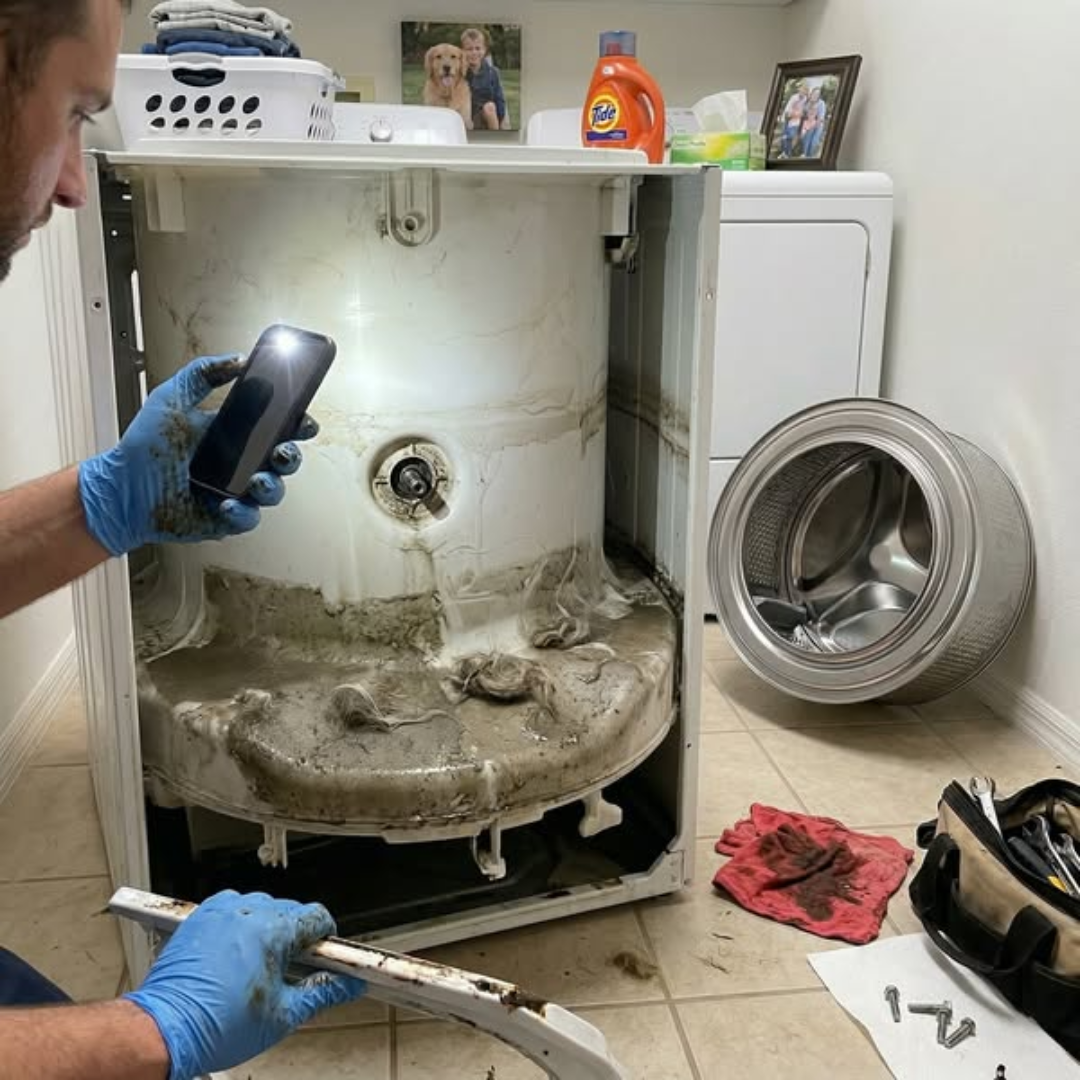
Ran for 15 days, from April 27 to May 12, 2026, the last day Crush saw it.
Run by Robert Callahan on Facebook. Crush is not the advertiser and does not verify its claims. See this ad in Meta's Ad Library(opens in a new tab)
Want an ad like this for your product?
Crush makes new ad images for your product from this ad: your logo, your product photo, your offer.
Trials from $19.95 USD, then $79.95 USD a month. Cancel anytime.
About this ad
- Meta Ad Library ID
- 936408802529233
- Platforms
- Facebook, Instagram, Audience Network, Messenger and Threads
- Relaunches
- 0
- Niche
- Pets
Ad text
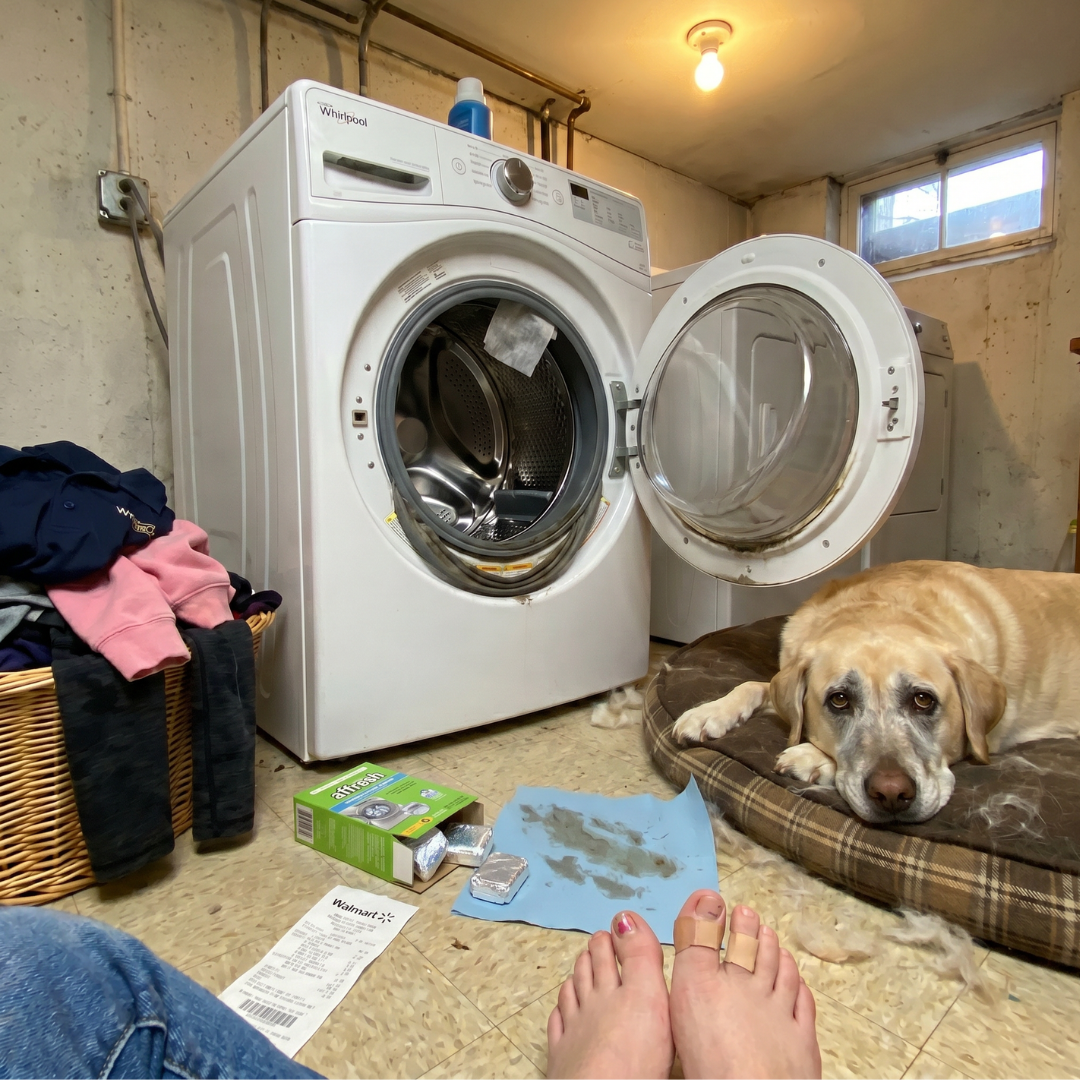
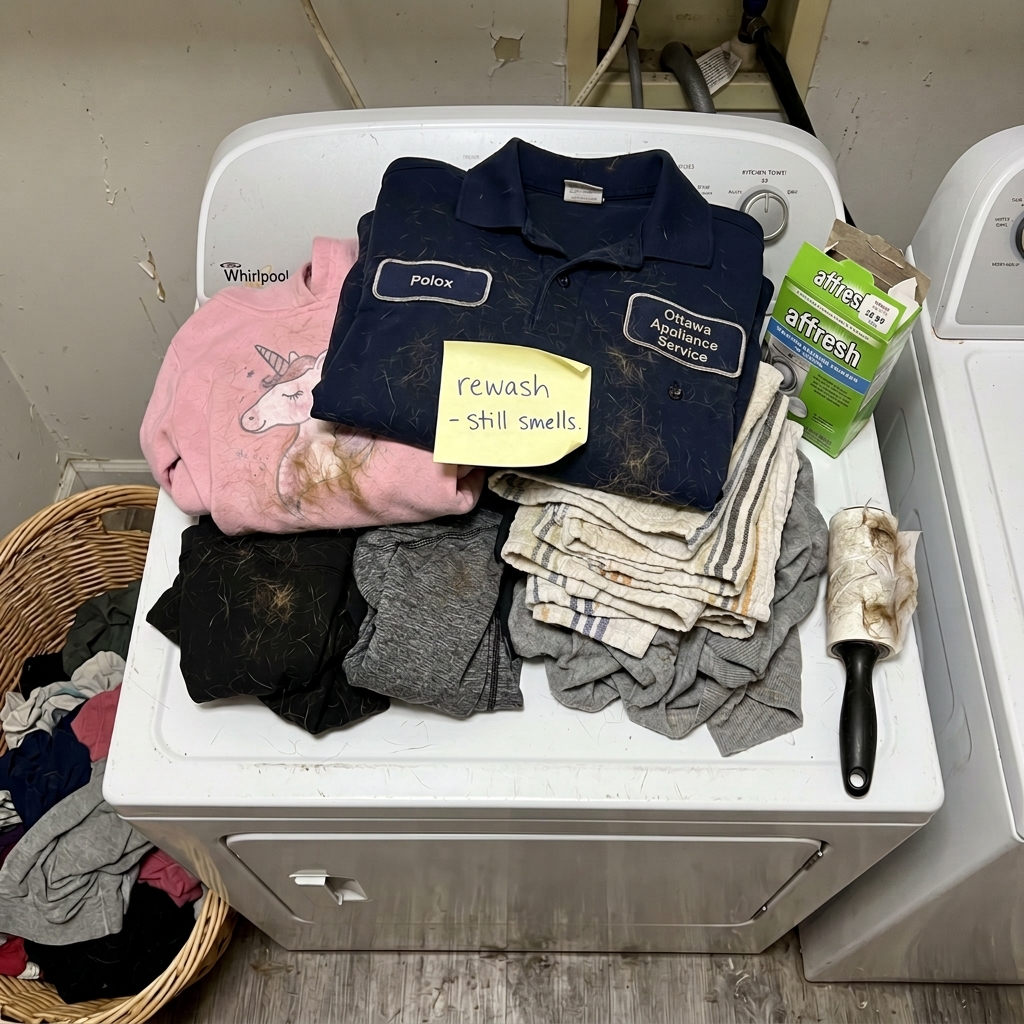
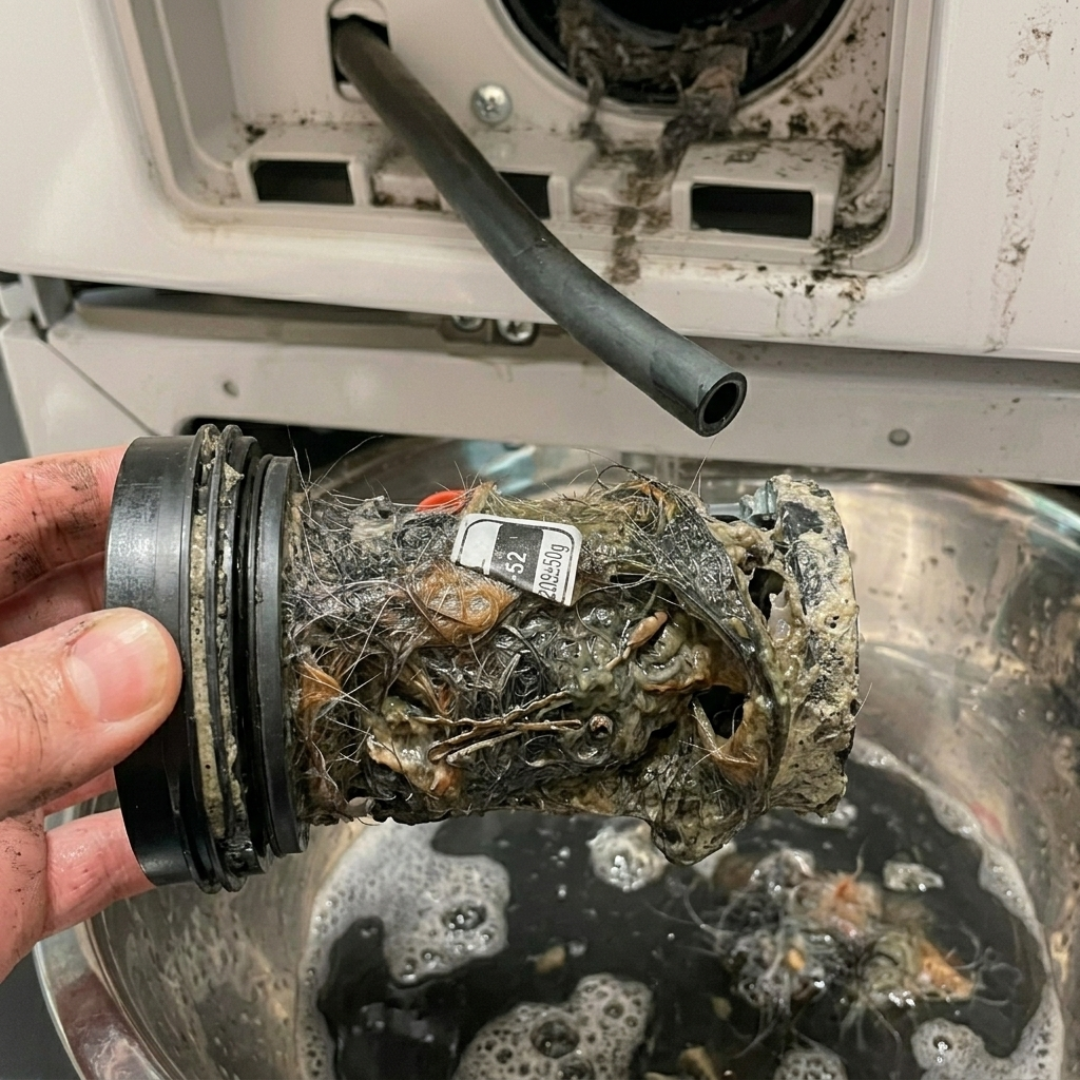
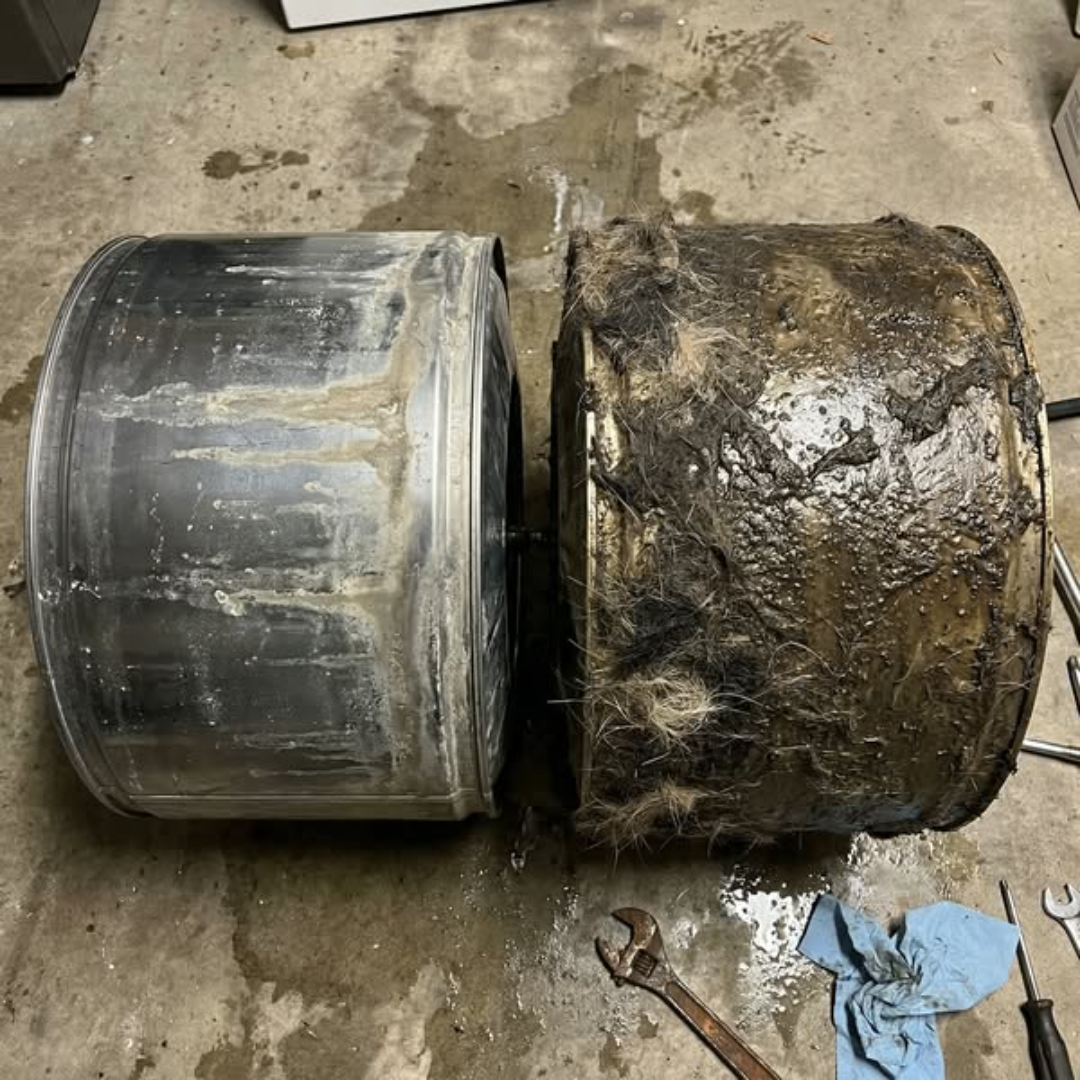
The first thing I do when I open a machine in a pet household is reach for my phone. Not to make a call. To take a photo. Because every single time, what's inside is something the owner has never seen and something they need to see before they'll understand why nothing they've tried has worked. I'm Robert Callahan. I spent twenty-seven years servicing washing machines across Ontario and Alberta. And I can tell you that the moment the front panel comes off and the flashlight hits the outer tub wall that moment is the same in every pet household I ever walked into. The owner goes quiet. Then they say some version of the same thing: "That's been in there the whole time?" The whole time. Every load. Every hot wash. Every self-clean cycle they ran faithfully every month. What you're looking at in this photo is the outer tub of a front-loading washing machine. The drum the part you load your clothes into has been pulled out and set on the floor. What's left is the space behind it. The sealed space that water flows through on every single cycle. The space your hands have never touched. The space no brush has ever reached. And the space that every product you've ever bought to clean your machine was flowing right past without breaking down. That grey-brown layer coating every surface inside that tub? That's what dog hair becomes inside a sealed machine. Not the hair you pick off a sweater. Hair that breaks apart in the wash water, gets pulled into those internal channels by the cycle, mixes with the oils from your dog's coat, and compresses under heat and pressure, load after load, into a layer that bonds to every surface it touches and feeds back into every wash you run. The vinegar flows through that space. But vinegar is a simple acid. It was never formulated to break down a compressed biological layer. It's like washing the outside of a pipe to clean what's built up inside it. The water gets there. It just can't do the job. The Affresh dissolves in the drum in the part that's now sitting on the floor to the right of this photo. Not in the outer tub. Not on the surfaces you're looking at. Not where any of this actually forms. The self-clean cycle sends hot water through the same channels. This type of buildup bonds to surfaces under heat. That's what it does. Not because any of those products failed. Because not one of them was formulated for what a pet household creates inside a sealed machine. I had a woman in Barrie who kept her house cleaner than any home I ever serviced. Two golden retrievers. She'd run the self-clean cycle every single week for two years. Bought Affresh in bulk. Left the door open after every load. When I pulled the panel and shone the flashlight into her outer tub, she stood behind me and looked. Didn't say anything for a long time. Then: "Is that from the dogs?" Every bit of it. Because dog hair is coarser than human hair. It catches on sealed internal surfaces instead of rinsing through. The oils from a dog's coat don't dissolve fully in warm water. They coat the inner walls of those channels, trap dander and debris, and build up over months into exactly what you're seeing in this photo. She asked me what she was supposed to do about it. And for once, I had a real answer. (For most of my career I didn't. I could open any machine in any pet household, point directly at the problem, explain exactly why nothing they'd tried had touched it and then hand them the same advice I gave everyone else. Vinegar. Hot cycles. Leave the door open. I've lost count of how many called me back three months later. Same machine. Same smell. Longer list of things they'd tried. I was giving them something to do. Not something that worked.) What I gave her was something I'd spent years developing before I stopped doing repairs. Something that doesn't just dissolve in the drum. Something that gets carried into those sealed internal channels during the wash cycle and once it reaches what's bonded to those surfaces, breaks it apart at a level that no product on the cleaning aisle was ever designed to match. Not a little better. Not mostly gone. Gone. She called me back nine days later. Said she'd done four loads that week. Hadn't once lifted anything to her face when she pulled it from the dryer. Just moved it straight to the basket. "Even the dog blankets," she said. That's the part that got me. Not the four loads. The dog blankets. I've been manufacturing it in Canada for seven years. And I'm closing. Not because it stopped working I've lost count of how many pet owners have told me the smell was completely gone after the first cycle. Because the manufacturing costs finally caught up with me, and I won't move production overseas to fix the margins. This is the last run. If what's inside your machine looks anything like what's in this photo, read this before you run another cycle. It explains exactly what's been building in that sealed space, why pet households build it faster than any other household type, and why nothing you've tried was ever formulated to break it down. 👉 https://fello-ca.store/pages/fello-adv-v3-closure
Where the ad sends people
fello-ca.store
Read this if you've never seen inside your washing machine.
fello™
Learn more: fello-ca.store(opens in a new tab)