Lenny Robinson
Lenny Robinson Facebook ad: “If you haul horses, you need this in your trailer”
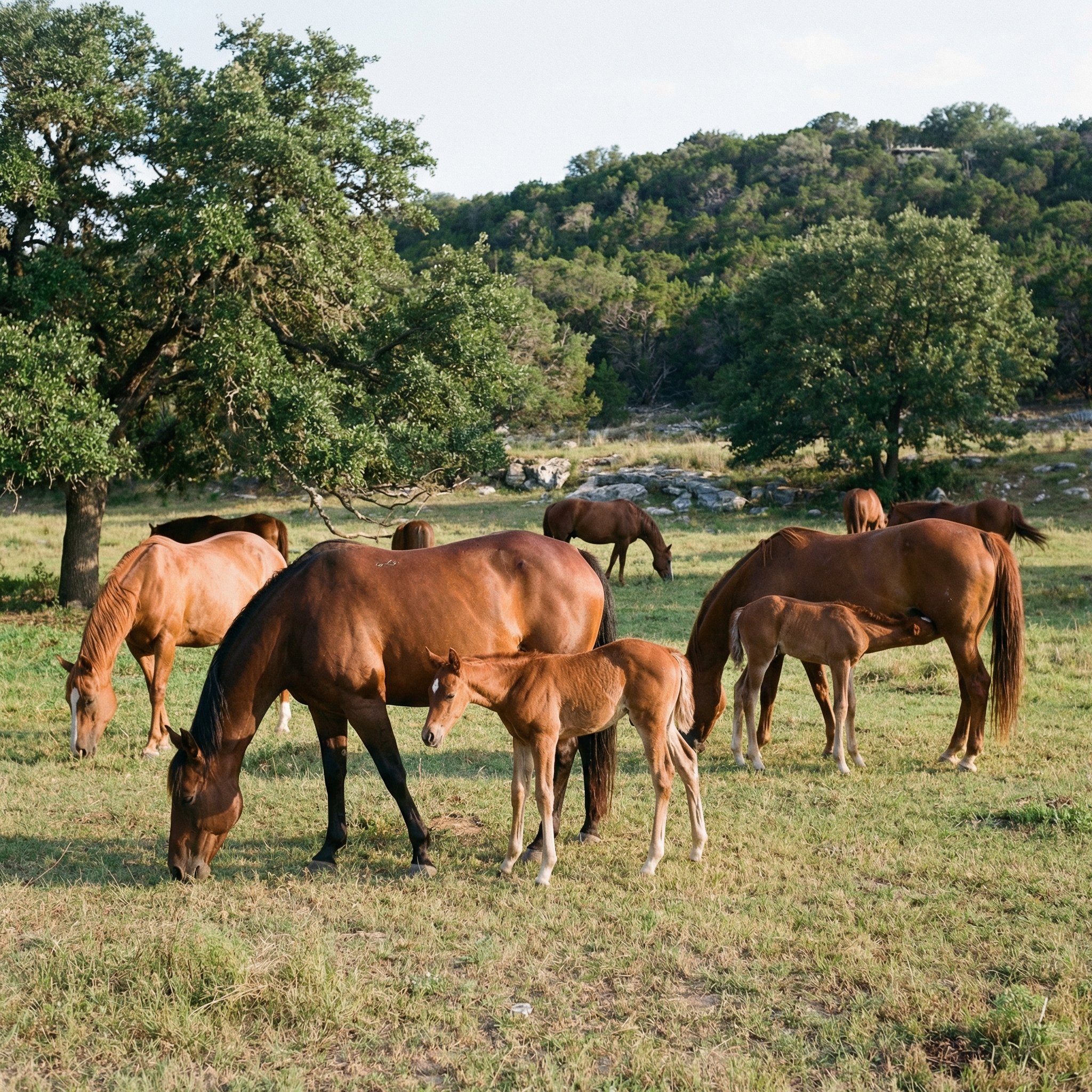
Ran for 21 days, from February 25 to March 18, 2026, the last day Crush saw it.
Run by Lenny Robinson on Facebook. Crush is not the advertiser and does not verify its claims. See this ad in Meta's Ad Library(opens in a new tab)
Want an ad like this for your product?
Crush makes new ad images for your product from this ad: your logo, your product photo, your offer.
Trials from $19.95 USD, then $79.95 USD a month. Cancel anytime.
About this ad
- Meta Ad Library ID
- 939539275494086
- Platforms
- Facebook, Instagram, Audience Network and Messenger
- Relaunches
- 0
Ad text
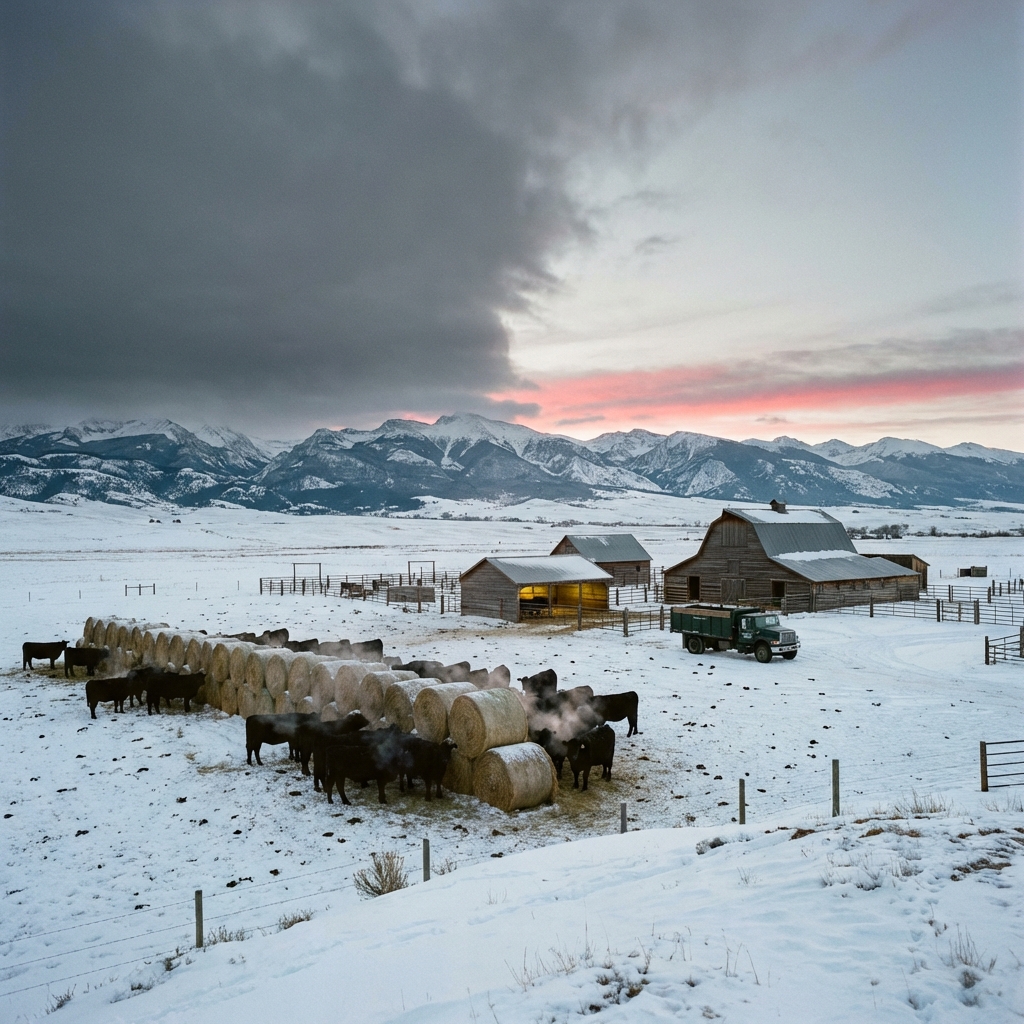
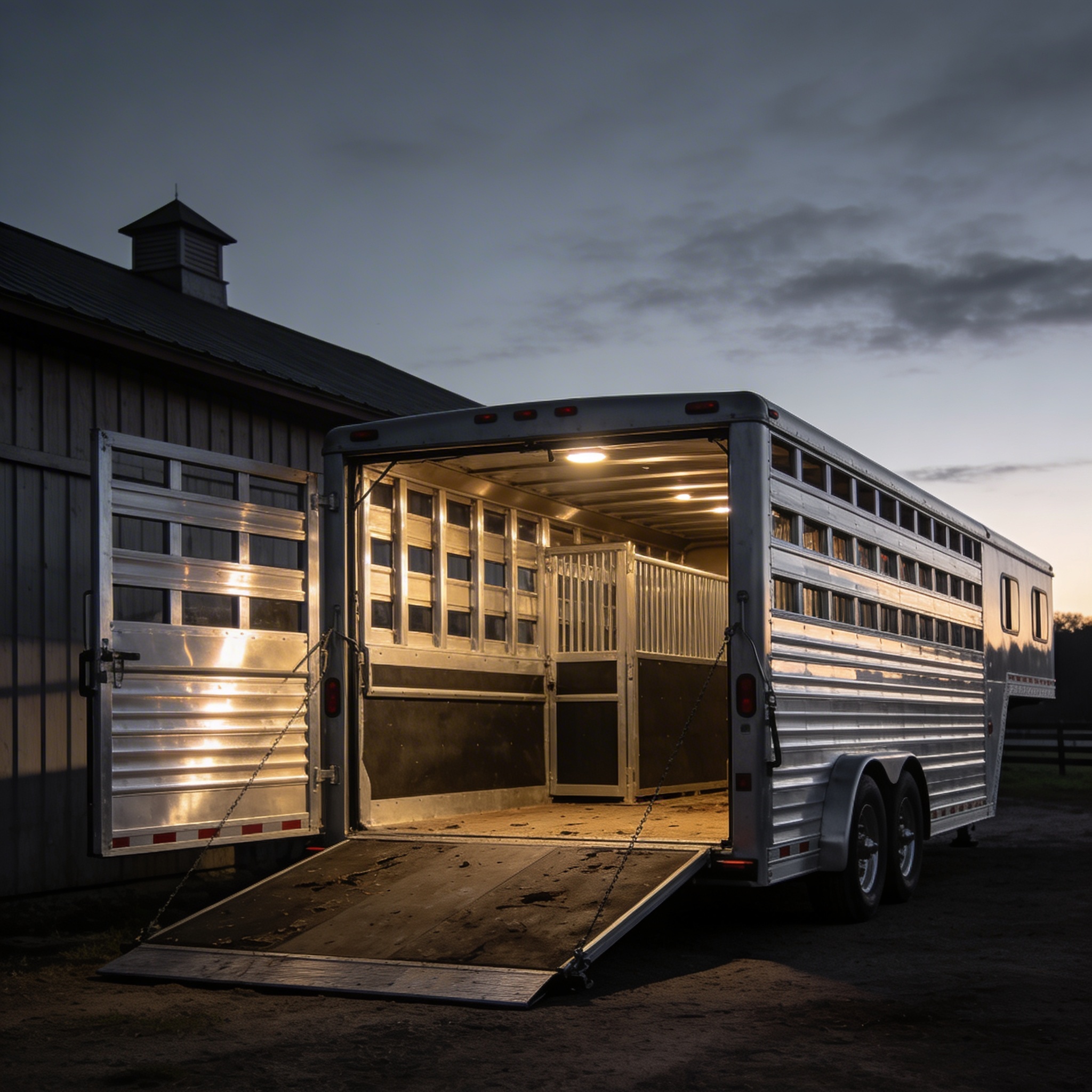
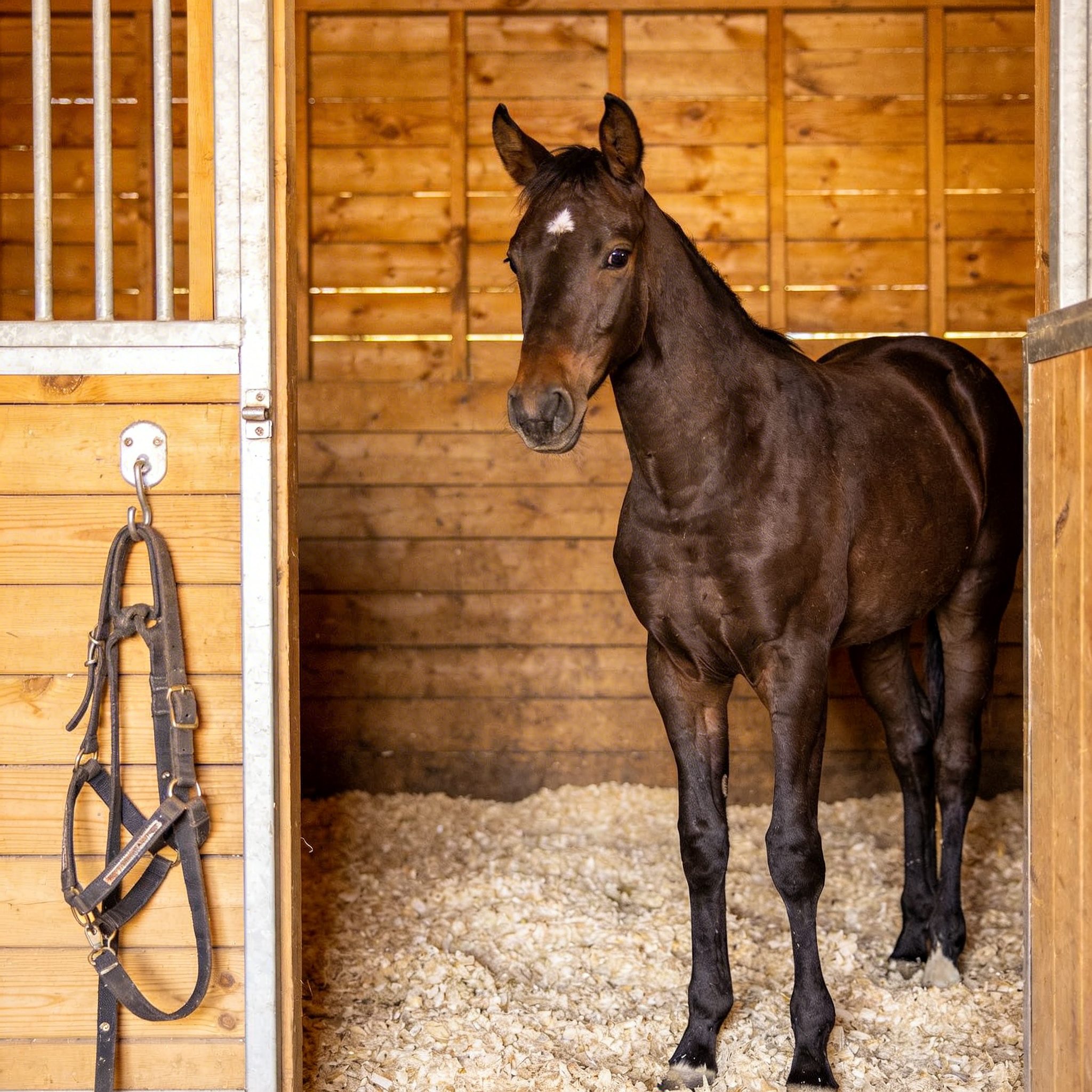
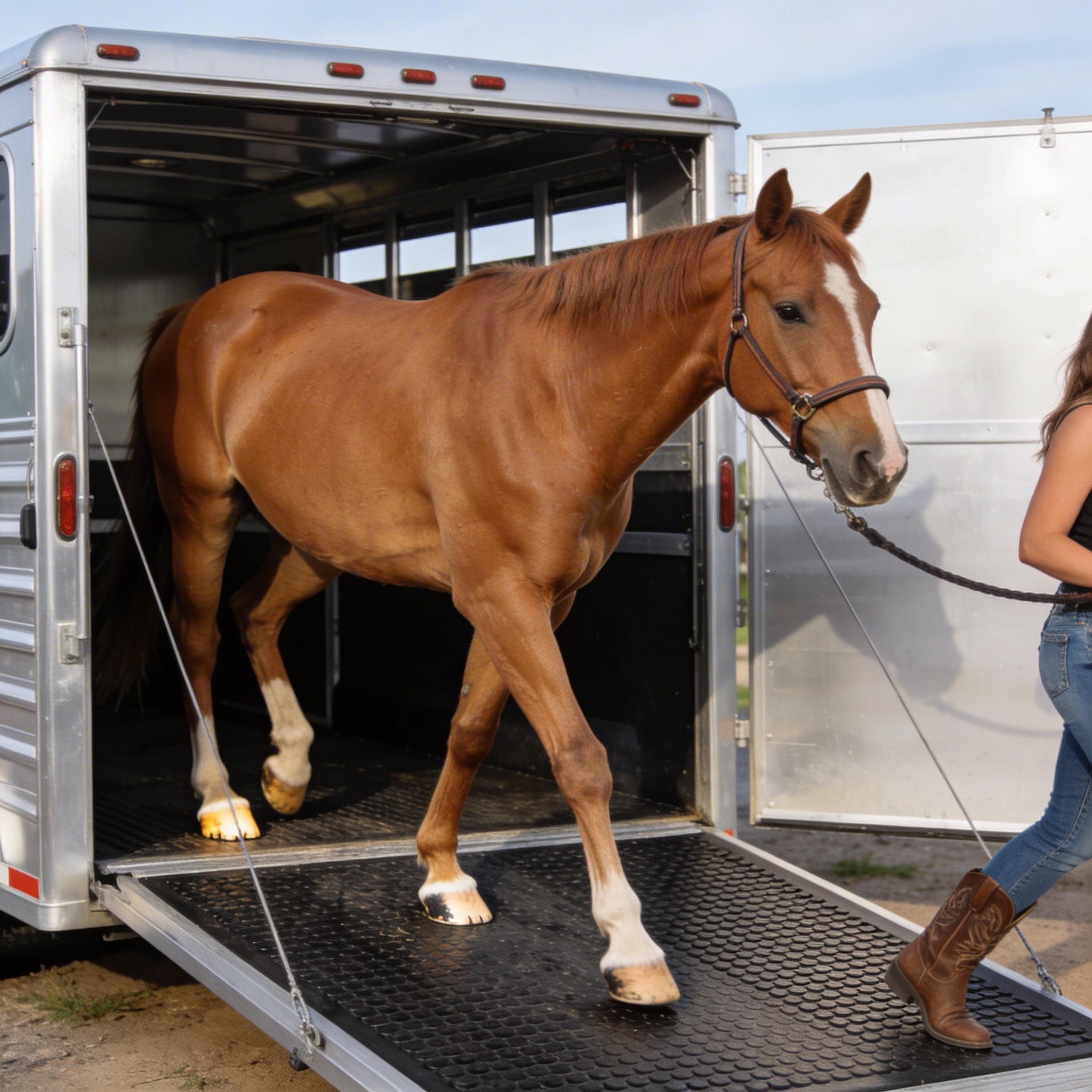
My 26-year-old daughter called me from the barn at 5 AM, voice tight. "Dad, the trailer ramp won't drop. Hydraulic actuator bolt seized. I can see it. Can't get a tool on it." I walked out there expecting a blown fitting. Three hours later I was on my back under a horse trailer in the dark, hands torn up, staring at a bolt I could see, could touch with my knuckle, but could not turn with any tool I owned. That bolt cost me $47,000 in horses. Let me explain. We raise quarter horses on about 1,200 acres in the Texas Hill Country west of Fredericksburg. Sixty broodmares. Breed for ranch work, cutting, and all-around performance. Third generation. My grandfather started with six mares and a stud he won in a poker game in 1958 that turned out to throw the best-minded colts in Gillespie County, which was either the luckiest hand he ever played or proof that God has a sense of humor about how good horse programs start. My dad built the broodmare band to forty head. I've been running it since he retired in '08. The Texas Hill Country is horse country the way the Sandhills are cattle country. From Fredericksburg to Bandera to Kerrville to Johnson City, every ranch has horses. The old German families that settled this limestone ground brought horses before they brought cattle, and the horses are still here, bred into the rock and the live oak and the dry creeks that only run when the rain comes hard enough to wash the caliche off the crossing. My daughter Grace went to Texas A&M. Animal science, then accepted into the veterinary technician program at the College of Veterinary Medicine. Graduated top of her class. Had offers from three equine practices before she finished. Took a position at the biggest equine hospital in the state, outside of Dallas. Reproduction specialist. Artificial insemination, embryo transfer, neonatal intensive care for foals that came into the world wrong and needed someone with steady hands and no panic to keep them alive through the first seventy-two hours. Three years. She was good. The head veterinarian told me at a breed association meeting that Grace had the best hands he'd ever seen in a reproduction lab, and that she could read a mare's cycle by touch and timing alone, without the ultrasound, which is something he'd only seen twice in thirty years. She called me on a Thursday evening in January. "Dad, I spent the last week flushing embryos from mares I'll never see foal. I want to raise them. I want to see them grow. I want to come home." She was palpating our broodmares by Monday morning. Didn't pack her apartment in Dallas. Just drove the four hours south with her truck full of veterinary supplies and moved back into the house and started redesigning our breeding program from the ground up. New stallion selections based on EPDs and performance data she'd been compiling for two years on her own time. A foaling protocol that reduced our first-week foal mortality from eight percent to under two. A nutrition program calibrated by body condition scores she assessed monthly on every mare, every horse, with the precision of someone who had spent three years measuring everything in a clinic where measurement meant the difference between a live foal and a dead one. That's Grace. Sees the whole animal. Fixes the program. Our fall production sale is the single most important day of our year. Every October, we sell our yearlings and select two-year-olds at auction. It's how the ranch makes its money. Twelve months of feeding, breeding, foaling, weaning, halter breaking, handling, and veterinary care, all of it comes down to one day in October when the buyers show up and the horses walk through the ring and the auctioneer's voice determines whether the year was profitable or whether you're borrowing against next year's foal crop to pay this year's feed bill. Our sale was October 19th. Eighteen head. Twelve yearlings and six two-year-olds. Average quality across the consignment was the best we'd ever produced. Grace's breeding program was showing results. The yearlings had bone, mind, and conformation that buyers noticed. The two-year-olds had sixty days of riding and were responding like horses that had been bred to be good, which is different from horses that are trained to be good, and the buyers who know the difference will pay for it. Pre-sale estimates on the eighteen head ranged from $6,000 to $22,000 per horse depending on pedigree and presentation. Total consignment value somewhere around $195,000 at optimistic estimates. But the horses had to get to the sale. The sale was in Abilene. Three hours northeast. We haul in a six-horse gooseneck aluminum trailer with a hydraulic ramp. The ramp is critical. Our horses are trained to load calmly, walk up a ramp, and stand quiet. They've been loaded and unloaded dozens of times. But they load on a RAMP. Not a step-up. A ramp. Because that's how they were started as yearlings and that's how they know to load and a horse that's trained to load on a ramp will balk, refuse, and panic at a step-up because a horse's brain doesn't generalize and what is familiar is safe and what is unfamiliar is a predator until proven otherwise. We needed to load Wednesday morning, haul to Abilene, settle the horses at the sale barn Wednesday evening, let them rest Thursday, and sell Friday. The sale catalog was printed. The buyers had their copies. Lot numbers were assigned. Wednesday at 5 AM, Grace was backing the trailer to the barn. The hydraulic ramp wouldn't drop. The ramp on our trailer runs on two hydraulic cylinders controlled by a valve mounted on the trailer frame. The valve actuator bolt had seized. Not rusted. Not broken. Seized inside a pocket between the trailer frame rail and the ramp hinge housing where the bolt was buried behind the hydraulic cylinder mount bracket and the underframe cross member. Less than two inches of clearance. Aluminum frame on one side. Steel hinge housing on the other. Hydraulic lines crossing above. The trailer's wiring loom running along the bottom. And every surface in that pocket was coated in the compound that forms on horse trailers in the Texas Hill Country. Horse sweat salt and aluminum corrosion. When you haul horses in an aluminum trailer in central Texas, three things happen. The horses sweat. Texas heat, trailer confinement, travel stress, and the natural thermoregulation of a 1,200-pound animal that generates more heat per pound than almost any domestic livestock means that every horse in the trailer is producing salt-heavy sweat that drips off the body, runs down the legs, pools on the floor mats, and seeps through every gap in the floor into the underframe. Horse sweat is not water. It's a saline solution rich in sodium, chloride, potassium, and calcium. When this salt solution contacts aluminum, it triggers galvanic corrosion. The aluminum oxidizes. A white powder forms on every aluminum surface. This aluminum oxide powder is hard, abite, and chemite, and it accumulates in every joint, every thread, every bolt pocket on the underframe. But the corrosion doesn't stop at the aluminum. Where the aluminum frame meets the steel bolts and steel hinge components, the salt solution creates an electrochemical cell. Dissimilar metal corrosion. The steel bolt corrodes at the junction with the aluminum housing. The corrosion product, a mixture of iron oxide and aluminum oxide bonded by crystallized salt deposits, fills the threads and packs the bolt pocket with a compound that is electrochemically welded to both metals. Years of hauling in Texas heat, hundreds of loads of sweating horses, salt solution seeping into the underframe through every seam, and the wet-dry cycles of loading and unloading, each cycle depositing another layer of salt corrosion around every fastener. The bolt wasn't just stuck. It was chemically bonded to the trailer by a compound manufactured by the horses themselves. Grace could see the bolt. Could touch it. She spent three hours on it before she came to find me. Grace's threshold. The same three hours she'd once spent in the neonatal unit keeping a premature foal's lungs inflated with manual ventilation because the mechanical ventilator had failed and the foal was alive because her hands didn't stop and she wasn't going to let this be different. "Ramp actuator bolt. Seized. I've tried everything." I was at the trailer in five minutes. Standard ratchet. Handle hit the frame rail. Stubby. Too short through the corrosion buildup. Flex head. Deflected off the cylinder mount bracket. Wobble socket. The corrosion compound on the bolt was so hard and smooth that the wobble couldn't find the hex. I scraped it with a chisel. White-gray powder came off in sheets but reformed from the surrounding deposits. Universal joint. Torque scattered into the wiring loom bracket. Crow foot. Hit the cross member before the bolt. Two hours under the trailer. Cut my wrist on the hinge housing. Scraped my forearms raw on the aluminum frame edges, which in aluminum are sharper than steel because aluminum doesn't round when it wears, it fractures into edges thin enough to slice skin. Burned the back of my hand on the hydraulic cylinder that had been sitting in September Texas sun. Grace stood at the back of the trailer. One hand on the ramp edge. The other hanging at her side. Fingers moving. Not fidgeting. The unconscious movement of a vet tech's hands, the hands that stay limber because stiff hands drop instruments and dropped instruments in a reproduction lab mean contaminated embryos and contaminated embryos mean a dead foal and Grace's hands have never dropped anything because she trained them not to, and now those hands were moving on nothing because there was nothing to hold and nothing to fix and the hands didn't know how to stop working. That's a father's worst sight. Not the anger. Not the tears. The hands. The competent hands with nothing to be competent on. Called the trailer dealer in San Antonio. "We're three weeks out on hydraulic ramp service. Everybody's hauling for fall sales." Three weeks. The sale was in two days. Called two mobile mechanics. First was on a job at a ranch near Llano. Second was booked through the following week. That's when the gray dually pulled through the ranch gate. Russell Haines. Seventy-four years old. Raised quarter horses in the Hill Country for forty-nine years. Started with eight mares on a hundred acres of cedar and rock near Blanco and built it into one of the most respected small breeding programs in central Texas. His horses were known for mind. Not flash. Not speed. Mind. The quiet intelligence that makes a horse useful and that can only be bred, not trained, and that Russell had been selecting for so carefully and for so long that "a Haines horse" had become a term in the Hill Country the way "a good dog" is a term, meaning something you can trust your life to. He'd sold his last horses three years ago when his wife passed and the ranch felt empty in a way that horses couldn't fill. Still drove the Hill Country roads. Still parked at the sale barns and watched horses sell and told anyone who'd listen whether the colt had bone or the filly had eye or the two-year-old had the kind of stop that comes from the hindquarters and not from the mouth. Heard from somebody at the feed store in Fredericksburg that our trailer was down and our sale horses couldn't load. Drove out without calling. Because in horse country, when a man's trailer won't load and the sale is two days out, you don't call. You show up with whatever you've got. He walked past the horses in the barn the way old horsemen walk past horses, slow, reading each one without stopping, assessing conformation and condition and attitude in the time it takes to walk ten steps because forty-nine years of looking at horses means you see everything at a glance and what you see either confirms or denies the breeding and the program and the person who raised them. He paused at the last stall. Two-year-old bay filly. Grace's best. Sired by a son of High Brow Cat out of a mare Grace had selected specifically for her mind and her bone. "That filly's got a stop in her you can see standing still." Then he looked at the trailer. Looked at the pocket. Looked at the corrosion compound. Looked at the tools in the dirt. Walked back to his truck. Reached behind the seat. Came back with a flat steel tool. About 15 inches long. Thin as a steel rule. Socket on one end. Square drive on the other. The housing had the patina of forty-nine years of horse country use, the metal worn smooth and warm, a strip of latigo leather wrapped around the handle because horsemen fix everything with latigo and baling wire and the belief that anything worth having is worth maintaining, which is true of tools and horses and the ground you raise them on. "Offset extension wrench," he said. "A fellow at the AQHA convention in Amarillo showed me one of these about eight years ago. Bought it for the trailer. Then used it on everything else on the ranch. Only thing I've ever seen go into a trailer underframe without dropping the ramp assembly." He knelt beside the trailer. Used the thin edge to scrape the salt-corrosion compound off the bolt head. Three passes. The compound came off in white-gray chips that crumbled like chalk. Underneath: a hex bolt head. Pitted from the corrosion but enough flats for a socket. Angled the socket end into the pocket. Past the frame rail. Under the cylinder bracket. Through the gap between the hinge housing and the cross member. Socket seated. First try. Looked at Grace. "Your trailer. Your horses. Your bolt." Grace took the drive end. Applied rotation. The controlled, deliberate input of a woman whose hands have threaded AI catheters into mares without touching the cervical wall, whose fingers can feel a foal's position through the uterine wall, whose entire professional life has been defined by controlled rotation in tight spaces where too much force destroys something alive. Slow. Precise. Feeling the bolt break through the corrosion in the threads. Feeling the valve shift. Feeling the hydraulic circuit restore. Bolt seated. Valve opened. Ramp dropped. Forty seconds. Forty seconds for a bolt we'd spent five hours fighting while eighteen sale horses stood in the barn and the sale catalog sat on five hundred buyers' kitchen tables with our lot numbers printed in black. Ramp was down by 11 AM Wednesday. Grace loaded all eighteen head by noon. Six at a time, three trips. Horses walked up the ramp calm because the ramp was there and the ramp was familiar and a horse that trusts the ramp trusts the trailer and a horse that trusts the trailer arrives at the sale calm and a calm horse shows better and a horse that shows better sells better and the entire chain from ramp to ring depends on the ramp being there when the horse expects it to be. We made Abilene by Wednesday evening. Horses settled. Rested Thursday. But the five hours we lost Wednesday morning cost us. The horses arrived later than planned. Less settle time. The yearlings were still nervous Friday morning. Sale order put our lots in the afternoon session, which is when the serious buyers have already spent their budgets on the morning lots and the remaining buyers are looking for bargains, not paying premiums. Three of our best yearlings sold below reserve. We had to no-sale two of them and bring them home. The bay filly, Grace's best, sold for $14,000. Pre-sale interest from two cutting horse trainers had suggested she'd bring $22,000 in the morning session when both trainers were buying. By the afternoon, one had left and the other had spent his budget. Final damage across the eighteen head: roughly $47,000 in reduced sale prices compared to pre-sale estimates, plus the two no-sales we brought home that eventually sold private treaty for $8,000 less than their expected auction value, plus the fuel and feed costs of the extra hauling. From one bolt on a trailer ramp that I couldn't reach for five hours on a Wednesday morning while eighteen horses stood in the barn ready to load and the sale was two days out. That week, Grace ordered the same tool Russell had used. Ordered five. One for the horse trailer. One for the tractor. One for the hay baler. One for the truck. One for the barn wall, mounted on a bracket she welded from a piece of flat bar with the part number written in silver paint pen because vet techs label everything and Grace labels everything and a tool that isn't where you expect it is a tool that costs you time and time during foaling season or sale prep is the only thing you can't buy back. Eighty-nine dollars each. Adapters not included. Runs a standard half-inch drive. You use your own sockets. Since then, we've used them more than I want to admit. Three times on the horse trailer. That same ramp actuator bolt. A divider latch bolt buried behind the wall panel and the frame where the salt corrosion had essentially fused the bolt to the housing. A brake actuator bolt recessed behind the axle plate in a gap packed with road grime and corrosion. Once on the tractor. Three-point hitch rock shaft bolt in the space John Deere designed for a mechanic from a species with thinner arms. Once on the hay baler. Knotter cam bolt behind the knotter frame. Same bolt that stops every baler everywhere. Once on the squeeze chute. Headgate pivot bolt behind the frame upright. We use the chute for horse handling during vet work, and the bolt had been fighting me since Grace was in college. Once on Grace's truck. Starter bolt on her old Powerstroke in the space Ford designed as a test of human patience. And two weeks ago, a young woman who'd just started her own small breeding program south of us called the barn. First foal crop on the ground. Twelve head. Needed to haul four yearlings to their first sale. Trailer ramp wouldn't drop. Her voice was shaking. Grace drove over. Bolt seated in a minute. She ordered three that night. Here's what nobody tells you when you raise horses. The equipment isn't designed for the barn aisle or the trailer parking spot. It's designed for dealer service bays with lifts and specialty tools and technicians who charge $200 an hour and are booked three weeks out during the exact week when every horseman in the county is hauling to the same fall sales and the difference between a morning session price and an afternoon session price is whether your trailer loaded on time. Every bolt on a horse trailer is buried behind aluminum frame rails and hinge housings and corroded by the salt from the animals you're hauling. Every bolt on the farm equipment is buried behind the same gearbox housings and frame rails as every other farm. And every breakdown during sale prep or foaling season or hauling day is a race between your toolbox and a deadline that doesn't move. But when you've got something that reaches into those impossible pockets under the trailer frame. Something thin enough to slide between the aluminum and the steel. Something with a chain drive inside that transfers real torque without needing swing room. Those "drop the ramp assembly, call the dealer, miss the sale" disasters become thirty-minute fixes. And thirty-minute fixes mean the ramp drops and the horses load and they arrive calm and they sell right. It's called the PRO Offset Extension Wrench. About 15 inches long. Half an inch thick. Chain drive inside transfers rotation where ratchets can't swing. Adapters not included. Runs a standard half-inch drive. You use your own sockets. Eighty-nine dollars. Less than one bag of premium horse feed. Less than ten minutes of dealer labor. Less than two tenths of one percent of what the five-hour delay cost me at the sale ring because the ramp wouldn't drop on a Wednesday morning. I'm not going to tell you this tool will save your sale. But there's going to come a morning. Probably the most important morning of the most important week of your year. When your daughter calls from the barn with corrosion dust in her hair and a bolt she can't reach. Or you're under the trailer yourself, hands bleeding, reaching into some pocket packed with salt and aluminum oxide that mocks every tool in your box, while the horses stand in the barn and the sale date doesn't move and everything, the horses, the trailer, the money, the kid who came home because she wanted to raise them and not just treat them, all of it rides on one bolt in one impossible space. When that morning comes, you either have the tool or you don't. I didn't. Now I do. And so does my daughter. Link's below. I hope you never need it the way I did. But if it's hauling day and something locks up, at least you and your kid won't be standing in the barn aisle watching your horses wait while a bolt you can see sits in a gap you can't reach.
Where the ad sends people
thesavary.com
If you haul horses, you need this in your trailer 👆
Savary
Shop now: thesavary.com(opens in a new tab)