Sarah Thompson Tips
Sarah Thompson Tips Facebook ad: “Your Washer Isn't Broken. It's Trapped in a Loop.”
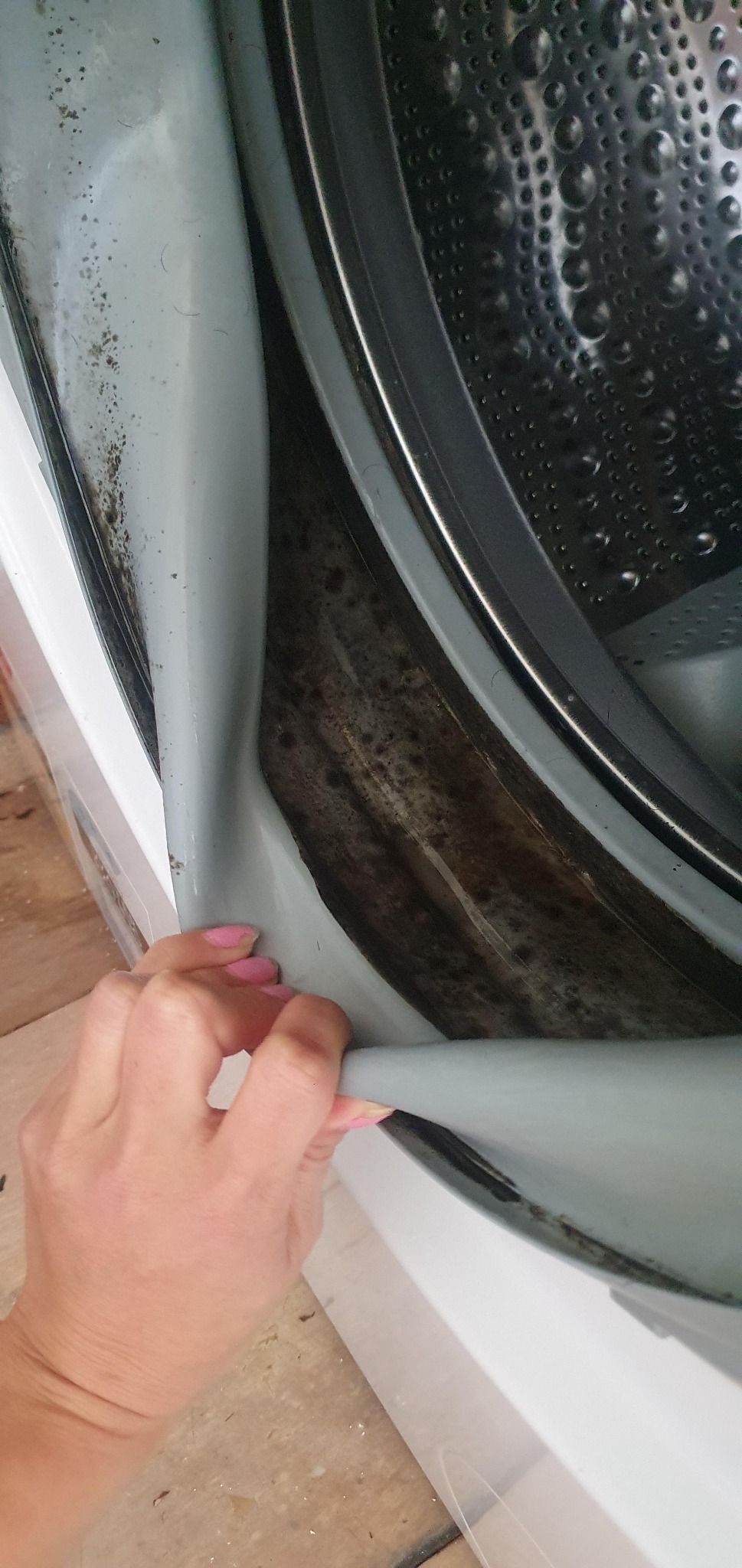
Ran for 7 days, from April 6 to April 13, 2026, the last day Crush saw it.
Run by Sarah Thompson Tips on Facebook. Crush is not the advertiser and does not verify its claims. See this ad in Meta's Ad Library(opens in a new tab)
Want an ad like this for your product?
Crush makes new ad images for your product from this ad: your logo, your product photo, your offer.
Trials from $19.95 USD, then $79.95 USD a month. Cancel anytime.
About this ad
- Meta Ad Library ID
- 940287695077117
- Platforms
- Facebook, Instagram, Audience Network, Messenger and Threads
- Relaunches
- 0
- Niche
- Pets
Ad text
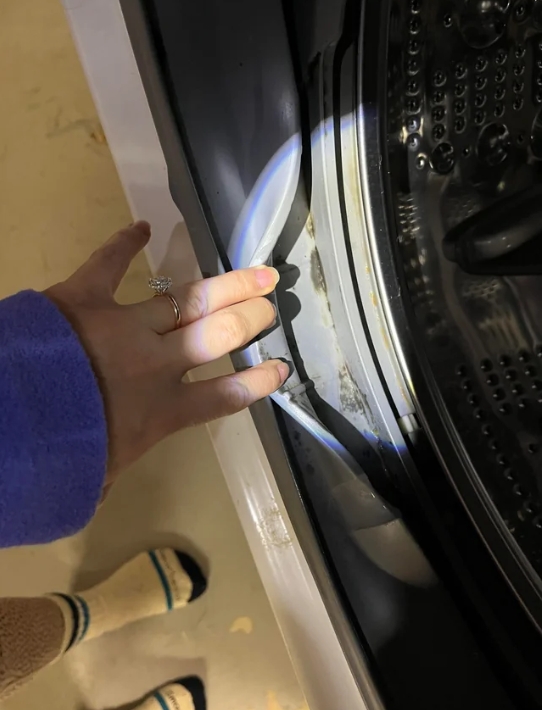
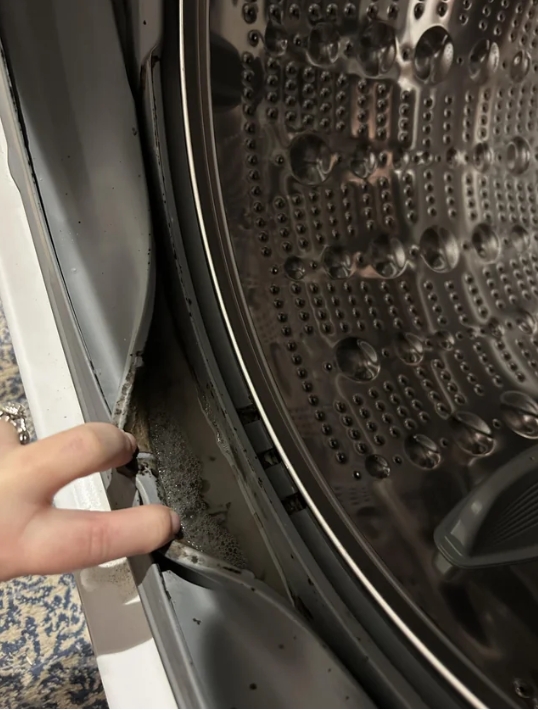
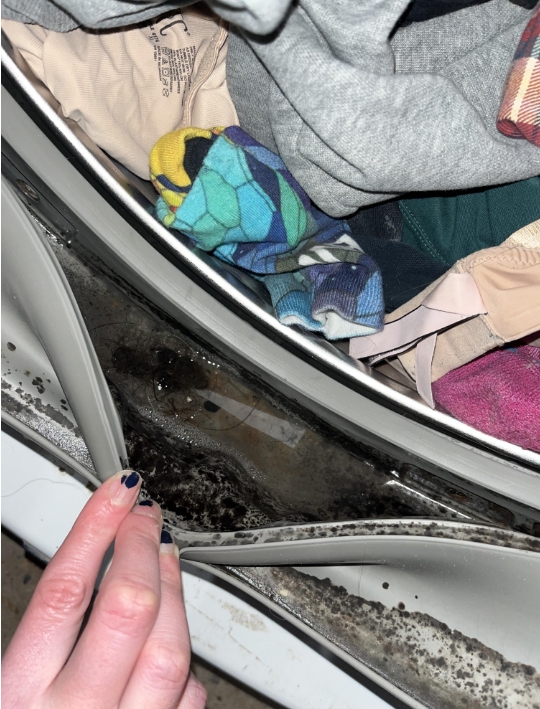
I've been fixing washing machines for twenty-two years. And the call I get more than any other — more than broken pumps, more than leaking hoses, more than error codes — is this one: "My washer smells. I've tried everything. Nothing fixes it." I hear it three, four, five times a week. And every single time, I ask the same question: "What have you tried?" The answers are always identical. Vinegar. Hot cycle. Twice. Baking soda in the drum. Wiped the gasket down with a rag. Ran the self-clean cycle every month like the manual says. Bought the tablets from Target — the ones with thousands of reviews. Used the whole box. And for a day, maybe two, it seemed like it worked. Then the smell came back. That damp, musty thing that hits you the second you open the door. The one that gets into your towels. Your gym clothes. Your kids' school shirts. The one that makes you hold a t-shirt to your nose before you fold it — just to check. And when it's still there, you run the load again. And again. Rewashing clothes that were supposed to be clean. Wasting water. Wasting time. Wasting detergent on a machine that feels like it's working against you. I know the frustration. I've watched it on people's faces standing in their own laundry rooms while I pull the panel off their machine. And I'm going to tell you something that I should have been saying for the last decade — something I kept to myself because I didn't have a better answer to give you. None of those things you tried were ever going to fix this. Not because they're bad products. Not because you did anything wrong. Because they were designed for a problem that isn't actually your problem. Let me explain. When someone calls me about a smell, the first thing I do is pull the machine out from the wall. I take the front panel off. And I look at the space most people don't even know exists. There's a gap between the drum you load your clothes into and the outer tub that holds the water during a cycle. You can't see it with the door open. You can't reach it with your hands. You'd never know it was there unless someone showed you. But water reaches it every single cycle. And in twenty-two years of doing this, I have never once — not a single time — opened up a machine with a smell problem and found that space clean. It doesn't matter if the drum looks spotless. It doesn't matter if you wipe the gasket every week. It doesn't matter if you leave the door cracked open between loads. The buildup isn't where you can see it. It's behind the drum. Inside the drain hose. In the pump filter. In the detergent dispenser channel. In the deep folds of the gasket where your fingers can't reach. In fifteen-plus zones inside your machine that no amount of wiping, rinsing, or running a hot cycle will ever touch. And here's the part no one tells you. That buildup isn't just soap scum sitting on a surface. Over time, in the warm, dark, damp environment inside your washer — an environment that never fully dries between loads — something starts to form on top of those residue layers. It's called biofilm. A living layer of bacteria that anchors itself to surfaces, feeds on the residue underneath, and produces the compounds that create that musty, sour odor you can't get rid of. Biofilm doesn't just sit there. It rebuilds. Every time you run a load, water flows through those contaminated zones and carries microscopic particles right onto your clothes. That's why your towels smell off even though the drum looks clean. The source isn't on the surface you can see. It's behind it. Inside it. In places the water passes through but your hands never reach. And every time you rewash a load — adding more water, more detergent, more moisture back into the system — you're feeding the cycle. The biofilm gets stronger. The odor gets worse. And the loop continues no matter how many times you "clean" the drum or run the self-clean setting. I started calling it the odor loop about five years ago. Because that's exactly what it is. A cycle that no surface cleaner can break. Now here's why I feel guilty. For years — more years than I want to admit — I told people the same things everyone else tells them. "Run vinegar on hot." "Try bleach." "Use the tub clean cycle more often." "Buy the tablets from the store." I said it because that's what I was trained to say. That's what the manufacturers recommend. That's what every article, every blog post, every cleaning tip on the internet repeats like gospel. But I already knew it wasn't working. Because the same customers kept calling me back. Same smell. Same frustration. Same buildup when I pulled the machine apart six months later. And I finally had to ask myself: why? The answer was so simple I couldn't believe I'd missed it for so long. Vinegar is an acid. It's great for mineral deposits — hard water stains, calcium buildup. That's what it was made for. But biofilm isn't a mineral. It's a living bacterial layer that bonds to surfaces in a way vinegar can't dissolve. That's why the smell fades for a day after a vinegar rinse and comes right back. You disrupted the surface. The layers underneath didn't budge. Bleach is a real sanitizer. It kills bacteria it physically contacts. But bleach sits in the drum — which is actually one of the cleanest parts of the machine already. It doesn't travel into the gasket folds, the drain hose, the pump filter, or the dispenser channels where the buildup actually lives. And those tablets from Target? The ones that fizz and foam and leave a chemical scent that makes you think something happened? Most of them are formulated for the drum surface. They dissolve in the water, sit in the same place bleach sits, and clean the part of the machine that wasn't really the problem in the first place. Meanwhile, the fifteen hidden zones behind and inside the machine stay exactly the same. The odor loop continues. And you're standing in your laundry room at 11pm googling "why does my washing machine still smell after cleaning" — reading fourteen Reddit threads that all contradict each other — wondering if you're doing something wrong. You're not doing anything wrong. The things you've been using were never designed for the problem you actually have. About a year and a half ago, I was on a service call in a suburb outside Charlotte. Routine job — woman's front-loader wasn't draining right. Easy fix. Took me twenty minutes. But while I was there, I did what I always do. I checked the hidden zones. Pulled the panel. Looked at the gap behind the drum. And for the first time in a very long time, I stopped. Because it was clean. Not "pretty clean." Not "better than most." Clean. The back of the outer tub, the drain hose, the gasket folds — all of it. On a four-year-old Samsung front-loader in a house with two kids and a golden retriever. That doesn't happen. I've pulled apart thousands of machines. I've seen what four years of regular use does to those hidden zones — especially in pet households. And what I was looking at didn't match anything I'd seen before. I asked her what she was using. She walked over to the laundry shelf and handed me a box I'd never seen. Said her sister-in-law told her about it after dealing with the same musty smell problem for over a year. "I just drop one in the drum once a month," she said. "Run the clean cycle. That's it." I looked at the box. Read the back. And something about it was different from every other washer cleaner I'd ever come across. It wasn't promising a "fresh scent." It wasn't marketing itself as a deodorizer. It wasn't leading with fragrance or fizz. It called itself a washer reset system. Not a surface cleaner. Not a drum freshener. A system designed to reach the hidden zones inside the machine — the gasket folds, the drain hose, the pump filter, the outer tub, the dispenser channels — and break down the layered buildup that surface cleaning can't address. The exact zones I'd been pointing at for twenty-two years. The exact buildup I'd been telling people vinegar couldn't fix. I took a picture of the box. Went home that night and looked it up. I'm not going to pretend I got excited. I've seen too many "revolutionary" cleaning products come and go. I've had manufacturers send me samples. I've tested everything on the shelf at Target, Walmart, and Amazon. But I ordered a box. And I tested it the way I test everything — on my own machine first. I have a three-year-old Maytag top-loader. I run it five, six times a week. I maintained it the way I tell my customers to — gasket wipes, door open, monthly tub clean cycle. Standard protocol. I dropped one tablet in the empty drum. Ran the hottest cycle. When it finished, I opened the lid. The machine smelled like nothing. Not "clean linen." Not some chemical fragrance masking what's underneath. Nothing. Like a machine that had just been taken out of the box. I ran a load of towels right after — the ones I dry my face with every morning. Pulled one out and held it to my nose. For three years, there had been a faint undertone in those towels. Not terrible. Not something anyone else would notice. But I noticed it. Every morning. That slight damp smell underneath the detergent scent. It was gone. Not reduced. Not masked. Gone. I started recommending it to my customers. Cautiously at first. The ones who'd been calling me back every six months with the same complaint. The ones who'd already tried everything I'd told them to try and were ready to spend $800 on a new machine. The first customer I gave it to was a woman with two labs and a Samsung front-loader. I'd already been to her house three times in two years. Same smell every time. Same buildup every time I pulled the panel. She texted me eleven days later. "The towels don't smell. My daughter's gymnastics leotards don't smell. Even the dog beds came out clean. What was in that tablet?" I went back and pulled the panel myself. The buildup in the hidden zones was broken down. Not loosened. Not thinned out. Broken down. Without me taking the machine apart. Without scrubbing anything by hand. One tablet reached what I couldn't reach in twenty-two years of doing this. The next customer was a family of five with a three-year-old Whirlpool. The mom had been rewashing nearly every load — running each one twice because the clothes always came out with a faint damp smell. Her eight-year-old came home from school one day and said another kid told her she smelled. That was the mom's breaking point. One tablet. One cycle. The next morning she ran her daughter's school clothes. Held the shirt to her face for a full minute because she didn't trust what she was smelling. Nothing. Just clean fabric. She texted me that afternoon: "I haven't rewashed a single load in two weeks. First time in over a year. I don't even know how to thank you." Then came the Kowalskis with the pet hair problem. Then the retired couple who were about to call a plumber. Then Marcus, whose wife was convinced the drain line was broken — turned out it was just the odor loop. One tablet. Fixed on the first cycle. One by one, the callbacks stopped. The customers who used to call me every six months with the same smell, the same frustration, the same buildup when I opened the machine — they stopped calling. Not because I lost them. Because for the first time, the thing I recommended actually solved the problem I'd been staring at for over two decades. The product is called CleanCycle™ Washer Purifier. It's made by a company called TrueBodyCo. Small operation. Not Procter & Gamble. Not Tide. Not the brand with the $50 million ad budget and the fizzy tablet that cleans the drum and calls it a day. It's designed to do three things that standard cleaners can't: Penetrate the residue layers bonded inside the hidden zones behind the drum and inside the internal plumbing of the machine. Break down the biofilm layer that sticks to surfaces and rebuilds after every surface-level cleaning. Flush everything out — leaving zero chemical residue, zero fragrance, zero risk of irritation on your next load. Twenty-five tablets per pack. One tablet per month. That's over two years of protection for less than the cost of two boxes of those tablets from Target that weren't reaching the problem in the first place. And there's a 60-day money-back guarantee. So if you run one tablet and open the door and it's the same — you get every penny back. No questions. I don't sell it. I don't have a code. I don't get a commission. I fix machines for a living and that's not changing. But I stopped telling people to run vinegar. Because now I understand what I should have understood years ago. The smell was never about the drum. It was never about your detergent. It was never about what you were doing wrong. It was a loop. Trapped inside your machine. In zones you can't see and can't reach. And everything you tried — the vinegar, the bleach, the baking soda, the store-bought tablets, the self-clean cycle — was designed for the surface. Not the system. CleanCycle™ was built for the system. If your laundry still smells off after everything you've tried — if you've been rewashing loads and wondering if your machine is broken — if your partner has brought it up or your kid came home with a comment that made your face go hot — stop buying products that clean the drum and ignore the fifteen zones behind it. Break the loop. One tablet. One cycle. And you'll know within sixty seconds of opening that door whether I'm right. 👉 https://truebodyco.com/pages/wt-adv
Where the ad sends people
truebodyco.com
Your Washer Isn't Broken. It's Trapped in a Loop.
After 22 years of pulling apart "clean" washers, one technician finally explains why the smell keeps coming back — and why vinegar, bleach, and store-bought tablets were never designed to stop it.
Learn more: truebodyco.com(opens in a new tab)