
Inactive· since Mar 30, 2026
- 5
- days it ran
- 0
- relaunches
Ad copy
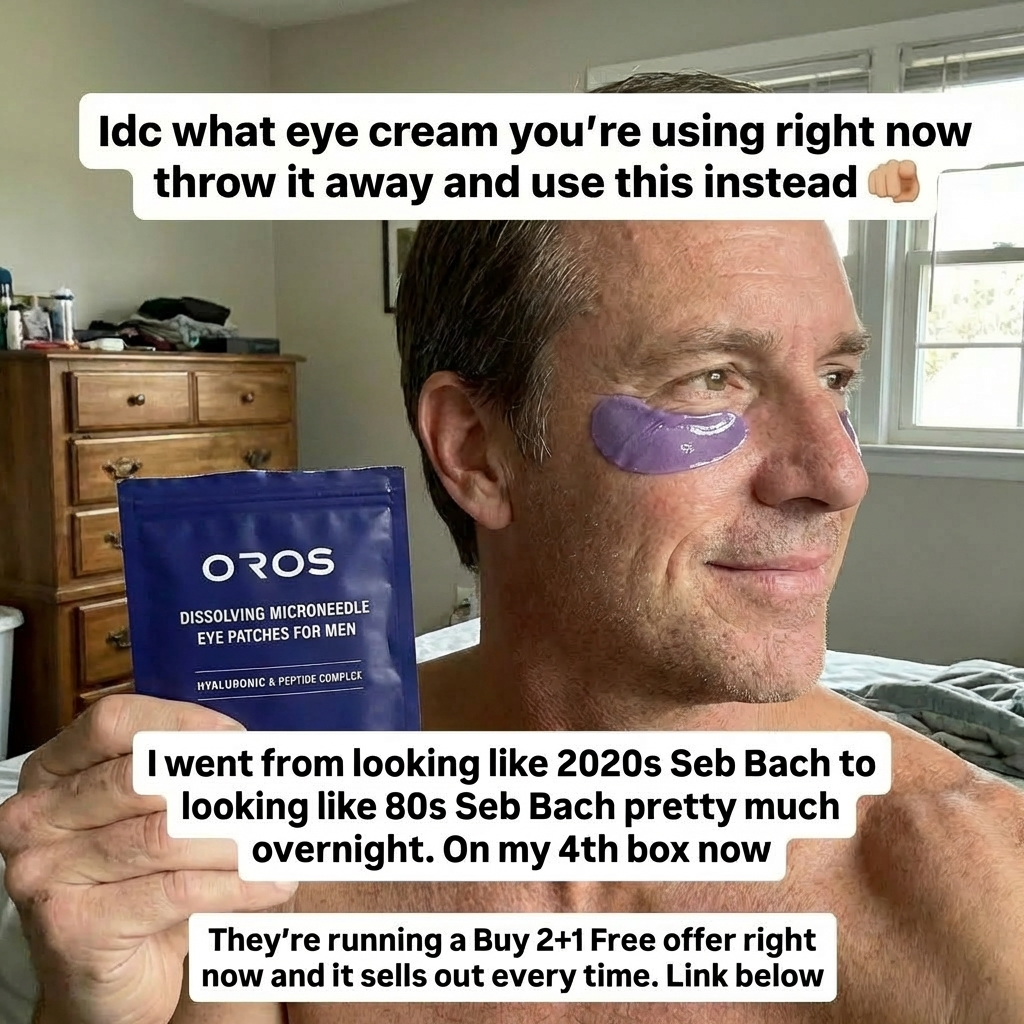
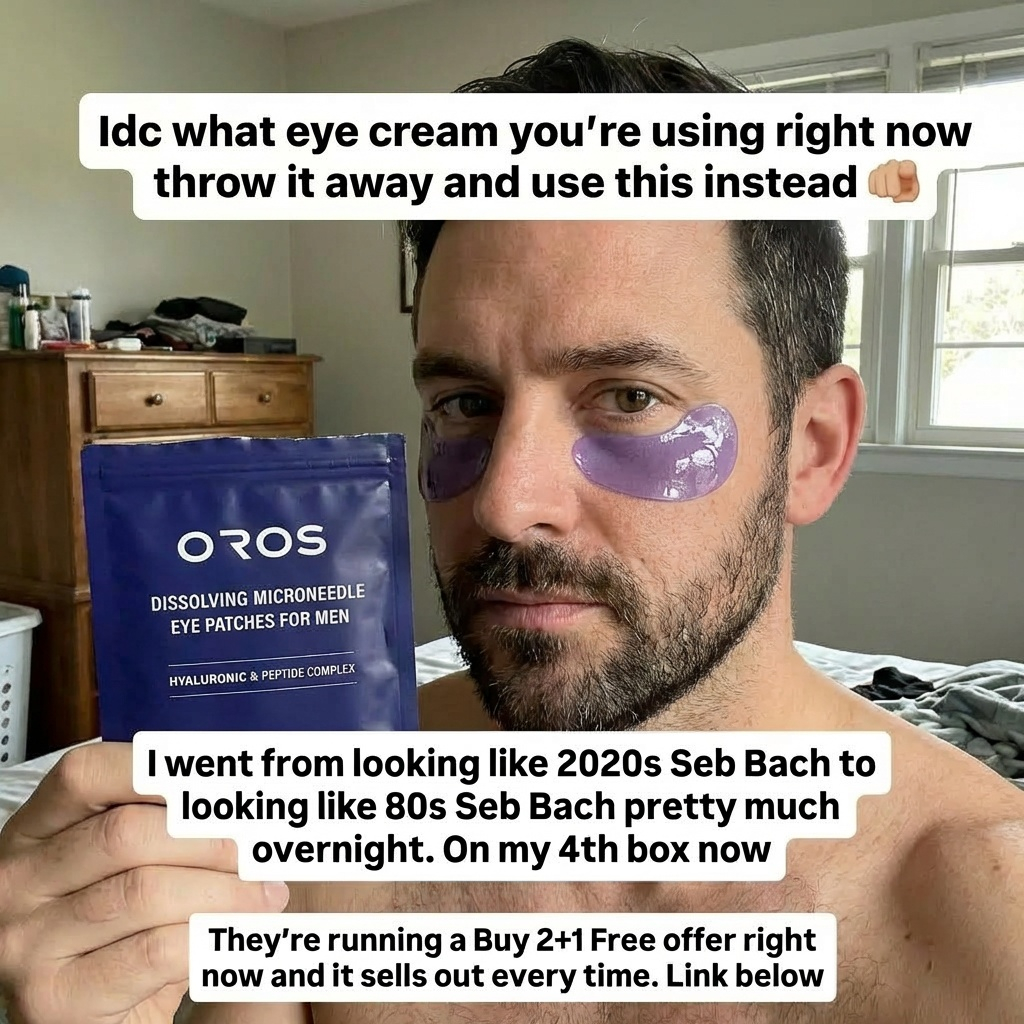
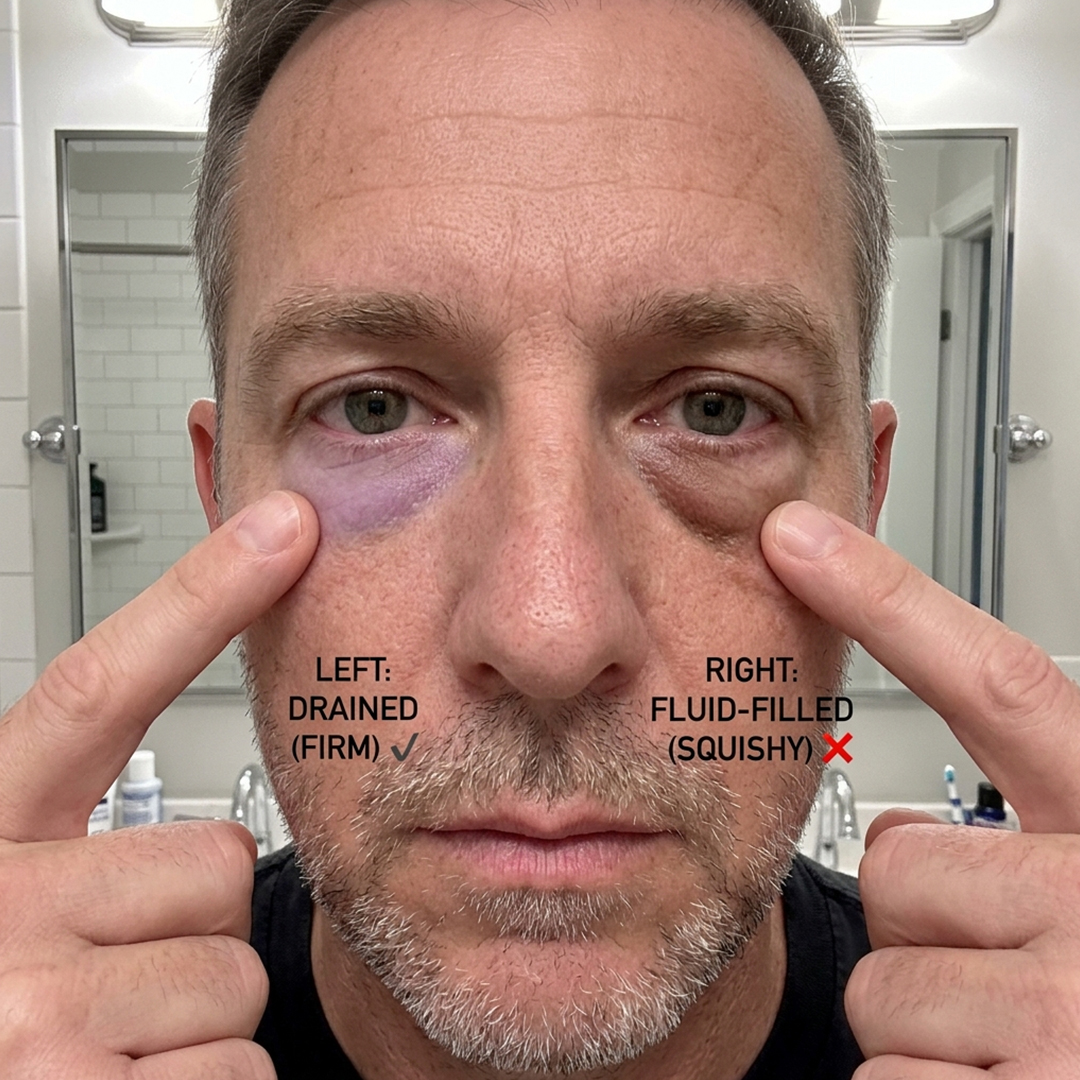
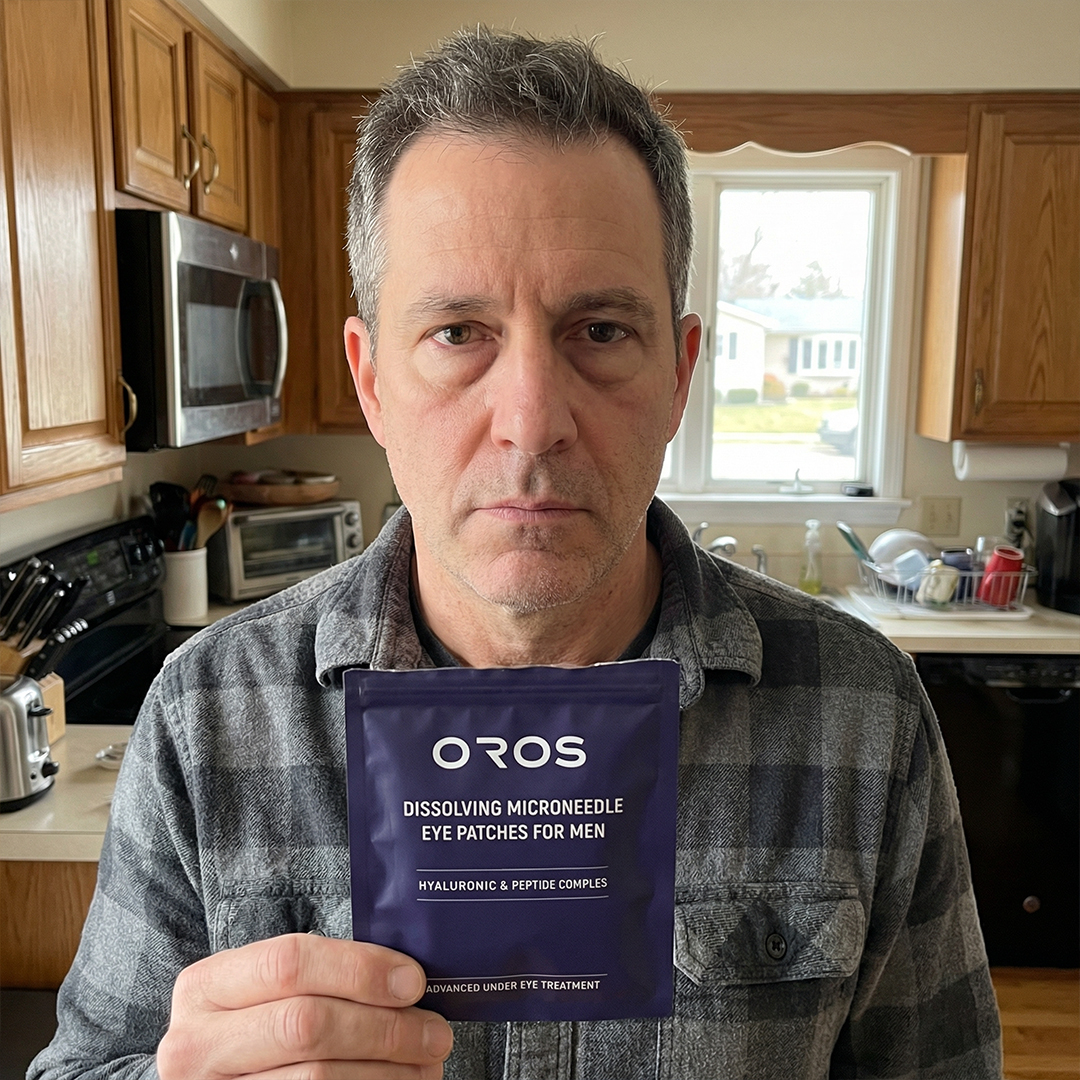
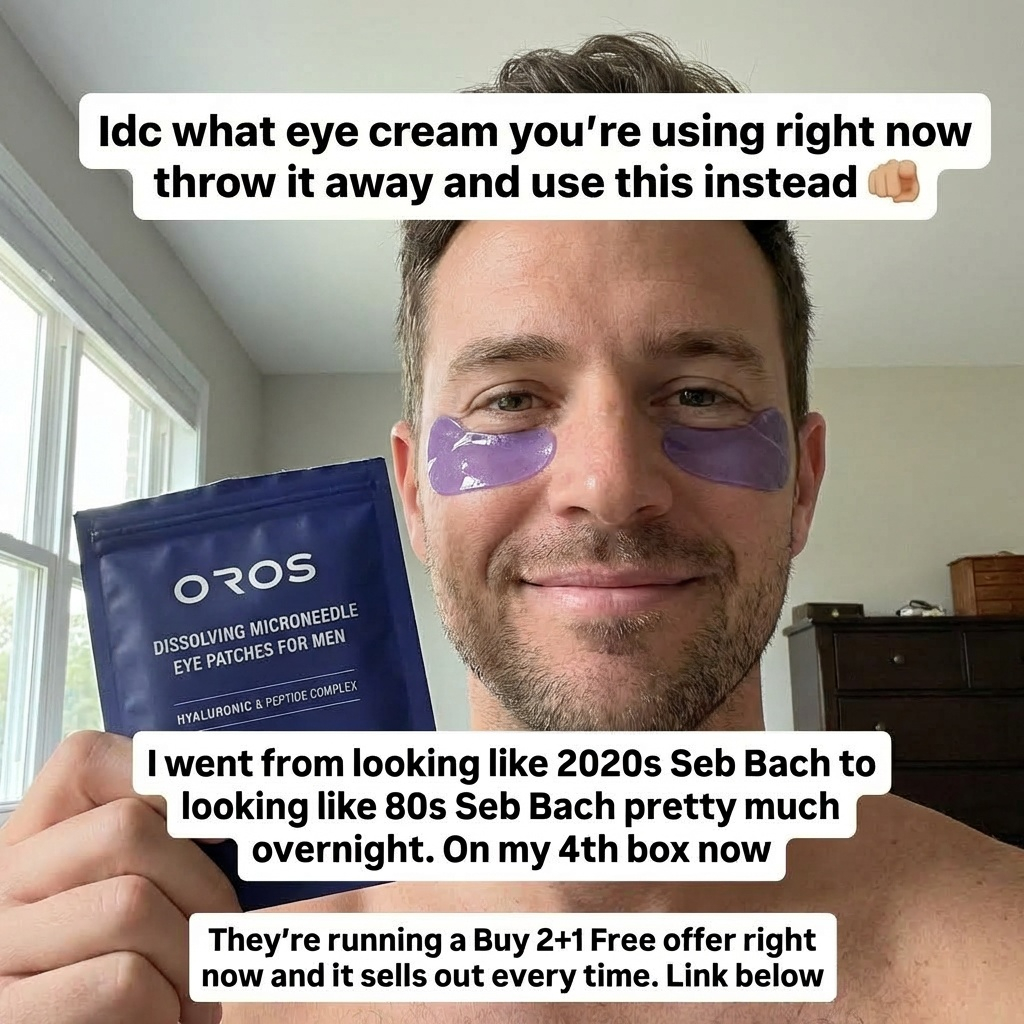
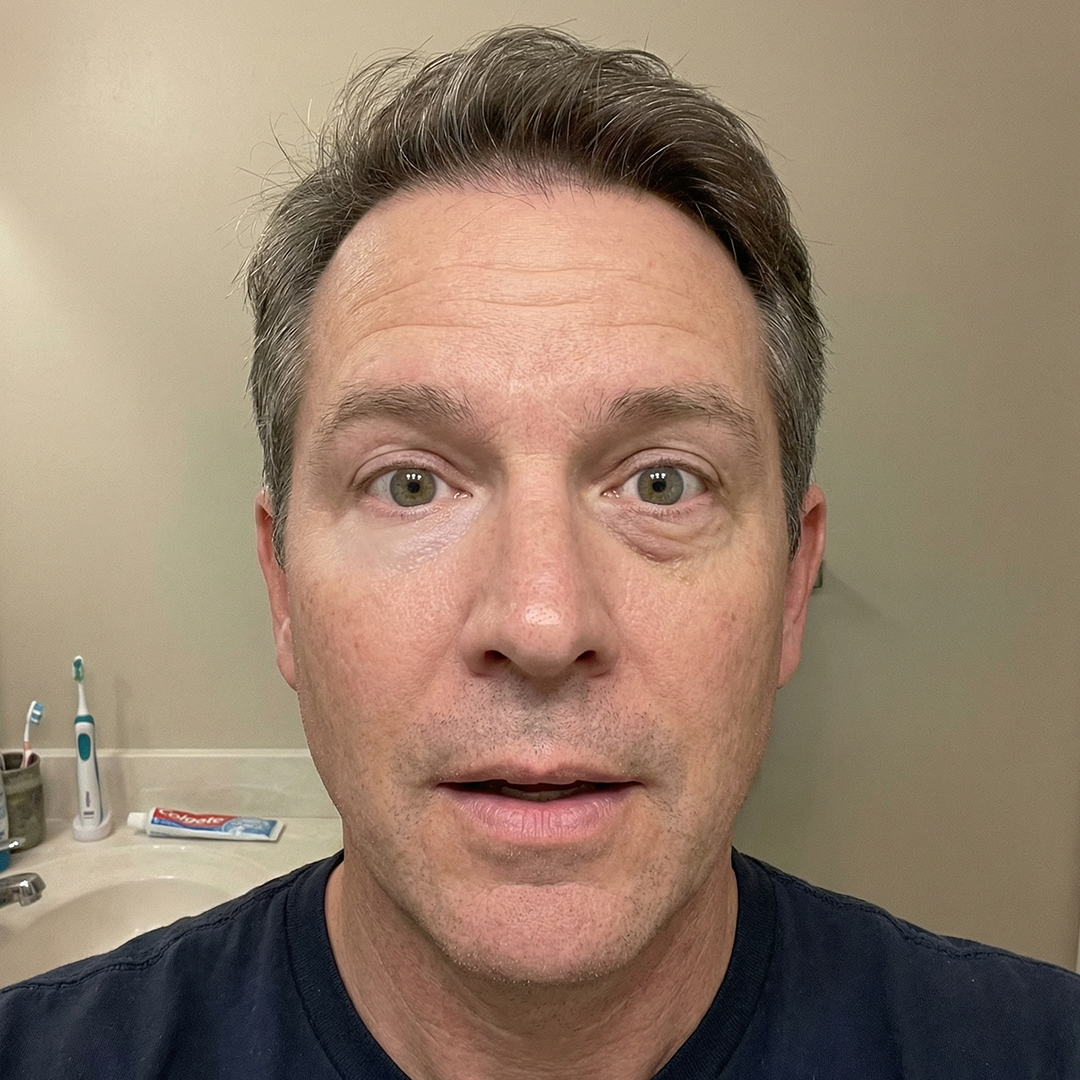
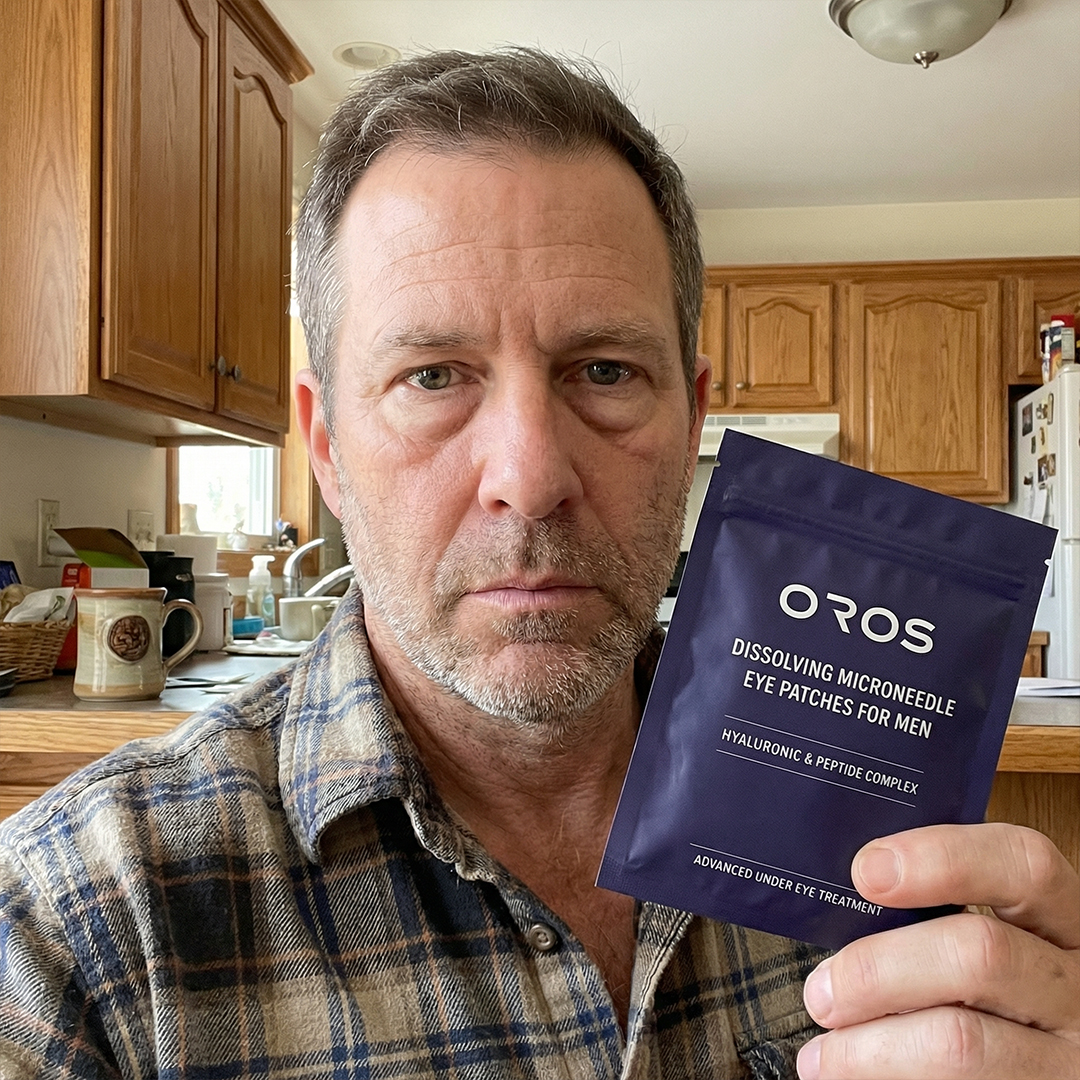
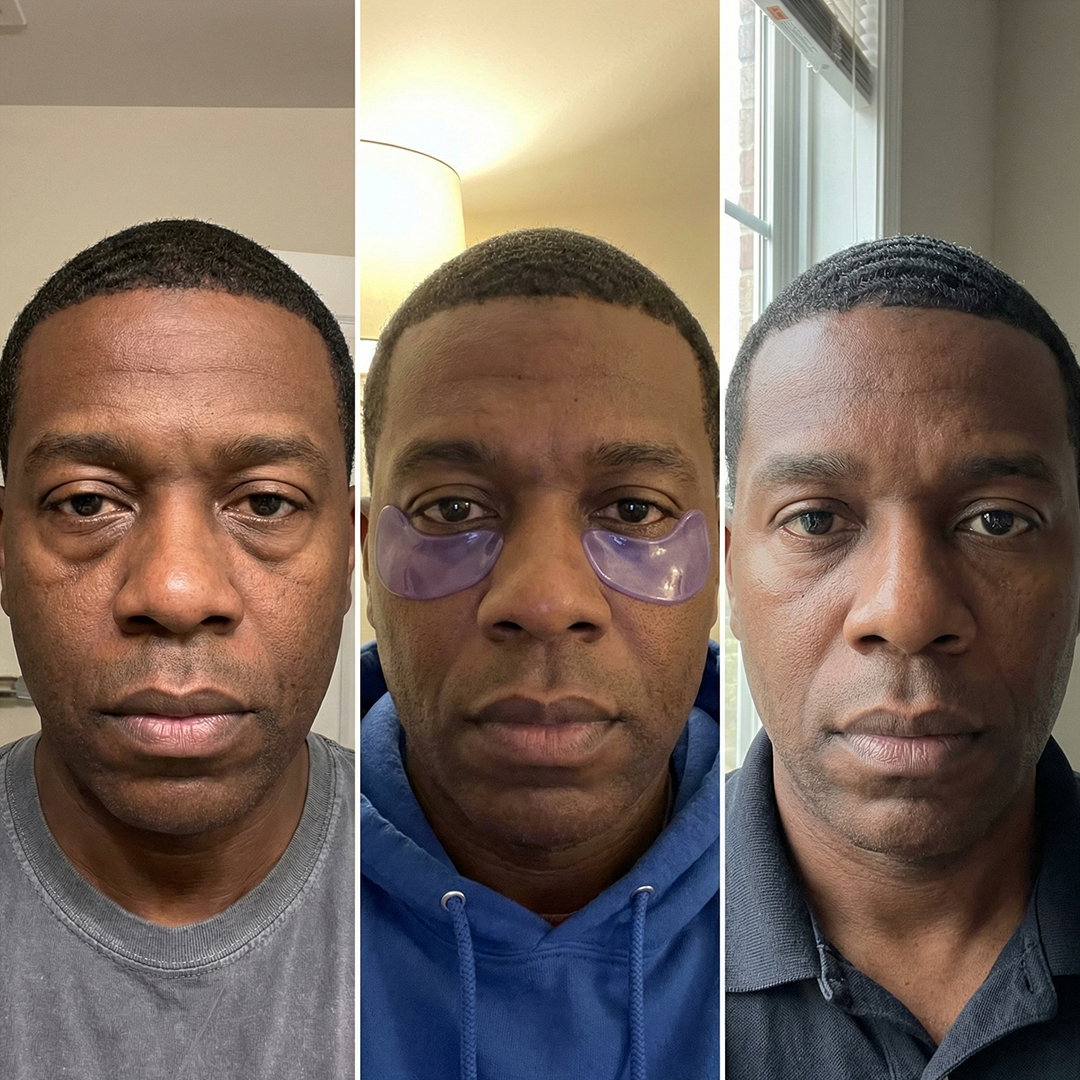
Most likely, her husband is one of your favorite actors. She's right. They don't contain the same compound. They contain something that works differently. And according to every man who's used both — something that works better. But that's not the interesting part. The interesting part is WHY a filler injection costs $1,200, needs to be repeated every nine months, and still doesn't fix the actual problem underneath your eye bags — while a dissolving patch addresses the structural mechanism that fillers don't even touch. Let me walk you through it. Because once you understand this, you'll never look at a dermatologist's quote the same way again. Filler injections use hyaluronic acid to volumize the under-eye area from the outside. A needle pushes gel beneath the skin. The tissue plumps. The hollow fills. The bag looks temporarily reduced. Then the filler dissolves. Six to nine months later, you're back in the chair. Another $1,200. The bag returns because the filler didn't fix the drainage system that caused the bag. It didn't address the stagnant lymphatic fluid. It didn't rebuild the collagen matrix. It didn't stimulate the circulation that clears the pooled blood creating those dark, bruise-like shadows. Fillers fill the hole. They don't fix the pipe. The dissolving microneedle patch takes a fundamentally different approach. Instead of injecting gel from the outside to temporarily mask the symptom, it uses 1,500 dissolving microneedles to physically penetrate the skin barrier — the concrete wall that defeats every cream — and deposit 600-Dalton peptides and 39% hyaluronic acid directly into the tissue at 0.3mm depth. The exact layer where eye bags are generated. The drainage system. The blood vessels. The collagen network. The compounds don't mask from the outside. They signal the tissue from the inside to drain trapped fluid, rebuild collapsed collagen, restore circulation, and tighten the structural scaffolding that gravity has been pulling apart for years. That's the difference. Fillers cover. Microneedles repair. And here's why the aesthetic medicine industry is terrified. A filler appointment generates $1,200 in revenue. It needs to be repeated twice a year. That's $2,400 per client, per year, recurring. A single dermatologist with 200 filler clients generates $480,000 annually from that one procedure alone. Blepharoplasty surgery generates $4,500 to $12,000 per procedure. And many patients return in three to five years because the surgery removes tissue without addressing the drainage failure — the plumbing problem — that caused the bags in the first place. The entire U.S. aesthetic medicine industry generates $18 billion annually. Under-eye procedures are among the highest-margin services offered. Now imagine a transdermal patch that addresses the structural mechanism — the mechanism that fillers mask and surgery cuts around — and makes it available to any man for the cost of a dinner for two. That's not a competitor. That's an extinction event. The man whose wife issued the statement? He'd been quoted $7,000 for blepharoplasty. He was 48 hours from booking the surgery when an engineer friend — a man who designs transdermal delivery systems for pharmaceutical companies — handed him a box of patches and said: "Don't cut your face. Engineer it." He tested it that night. One eye only. Left the other untreated. The next morning, one eye was visibly deflated. The heavy, fluid-filled pouch that had been there for years — flat. Tighter. Lighter. The untreated eye looked exactly the same. He cancelled the surgical consultation that week. By week three, both eyes matched. Bags gone. Dark circles faded. His VP stopped mid-sentence in a meeting: "Did you just get back from somewhere? You look incredible." Three other people said something similar that week. Not one of them knew about the patches. His wife didn't issue the statement because she was defending a product. She issued it because people wouldn't stop asking what he'd done to his face — and the truth was more unbelievable than the assumption. He didn't get fillers. He didn't get surgery. He used a patch that bypasses the wall every cream bounces off of — and reaches the tissue layer where the damage actually lives. A biotech analyst named Simon Vance published the full breakdown — the 500-Dalton barrier, the transdermal mechanism, the one-eye test, the industry financials, and why aesthetic medicine groups are filing complaints to try to keep this quiet. Your dermatologist won't show you this article. They have $18 billion worth of reasons not to. Read it anyway. [Read the full breakdown →]
Like this ad? Make it yours.
Crush rebuilds this exact creative around your product — your brand, your colors, your offer — in about a minute.