
Inactive· since Apr 14, 2026
- 2
- days it ran
- 0
- relaunches
Ad copy
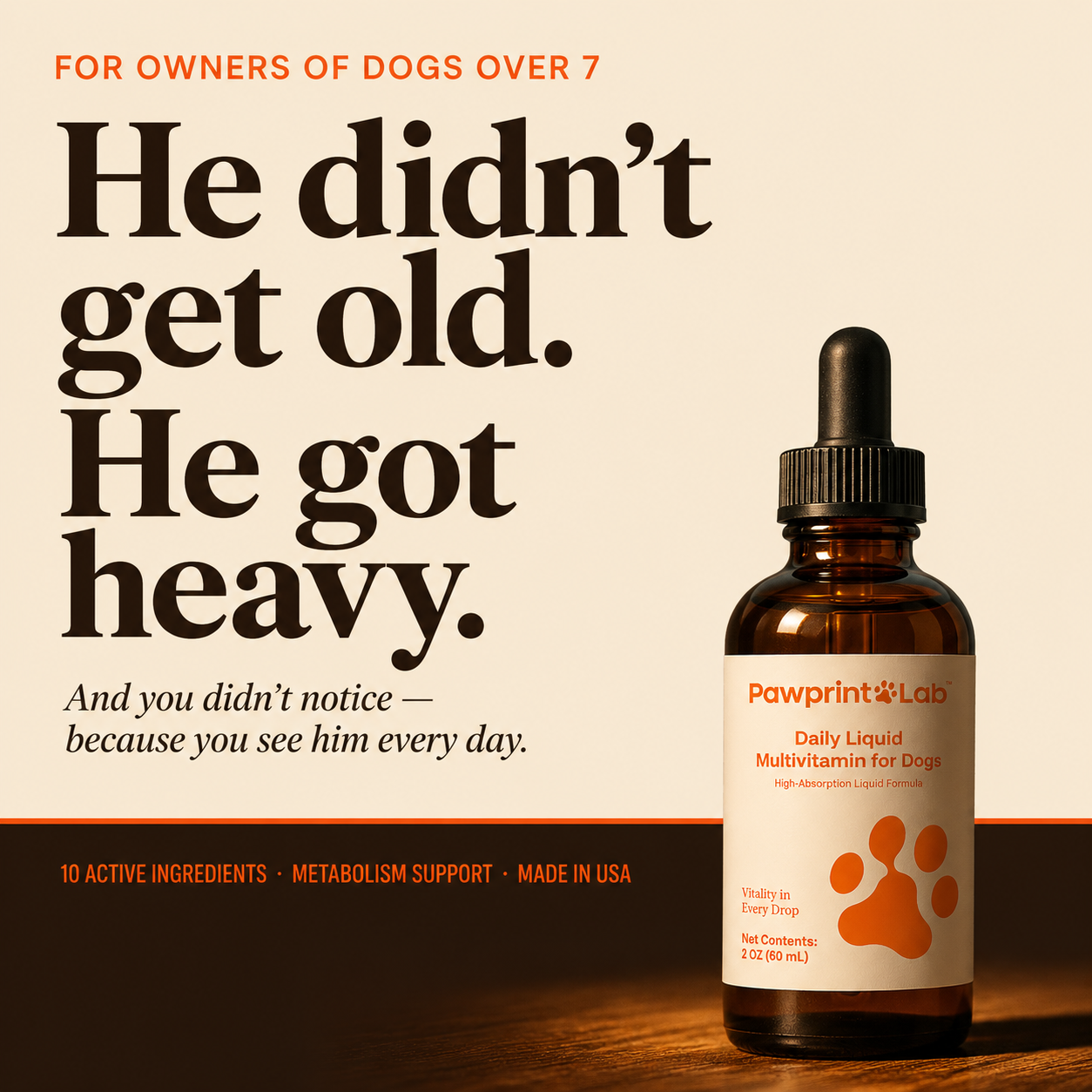
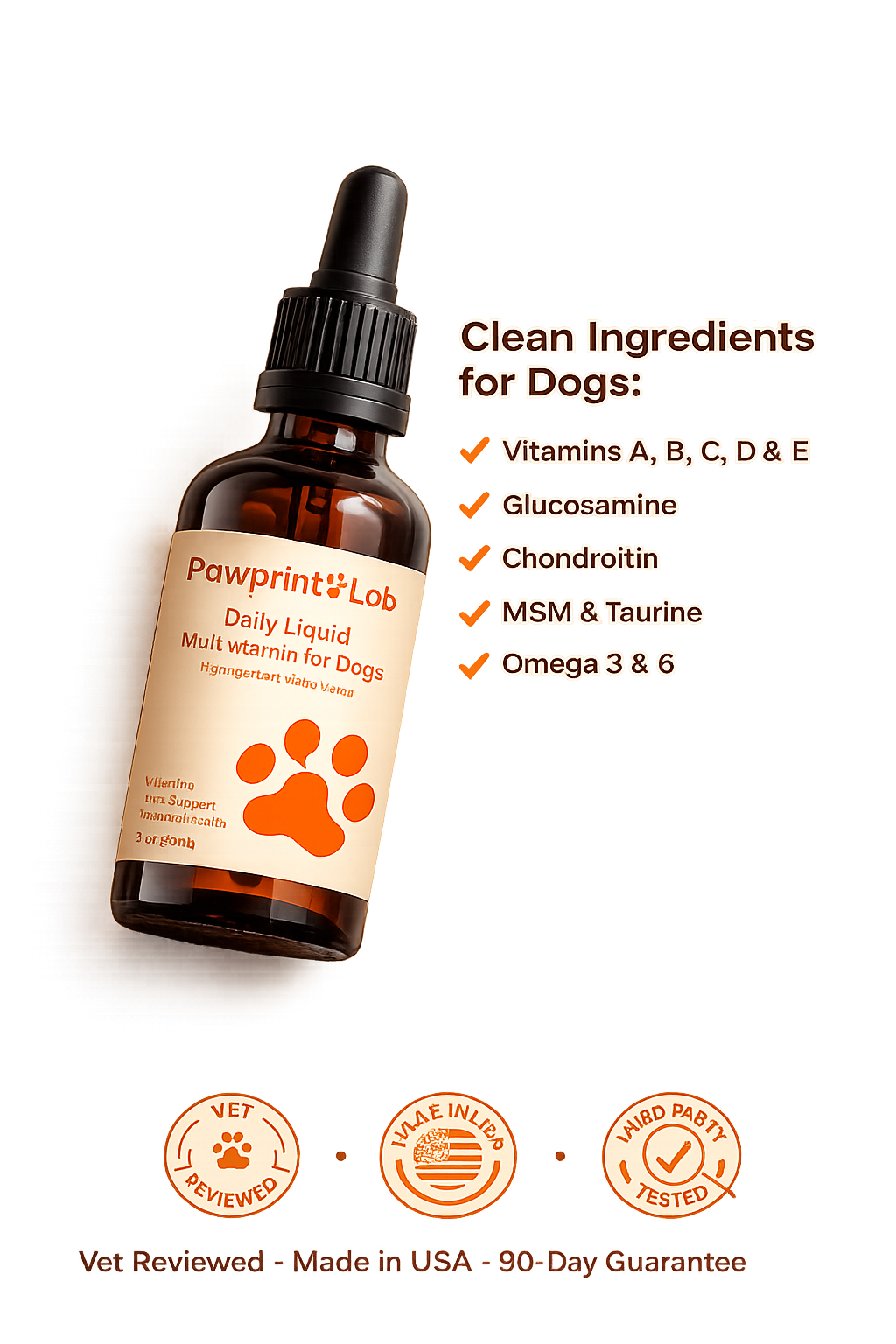
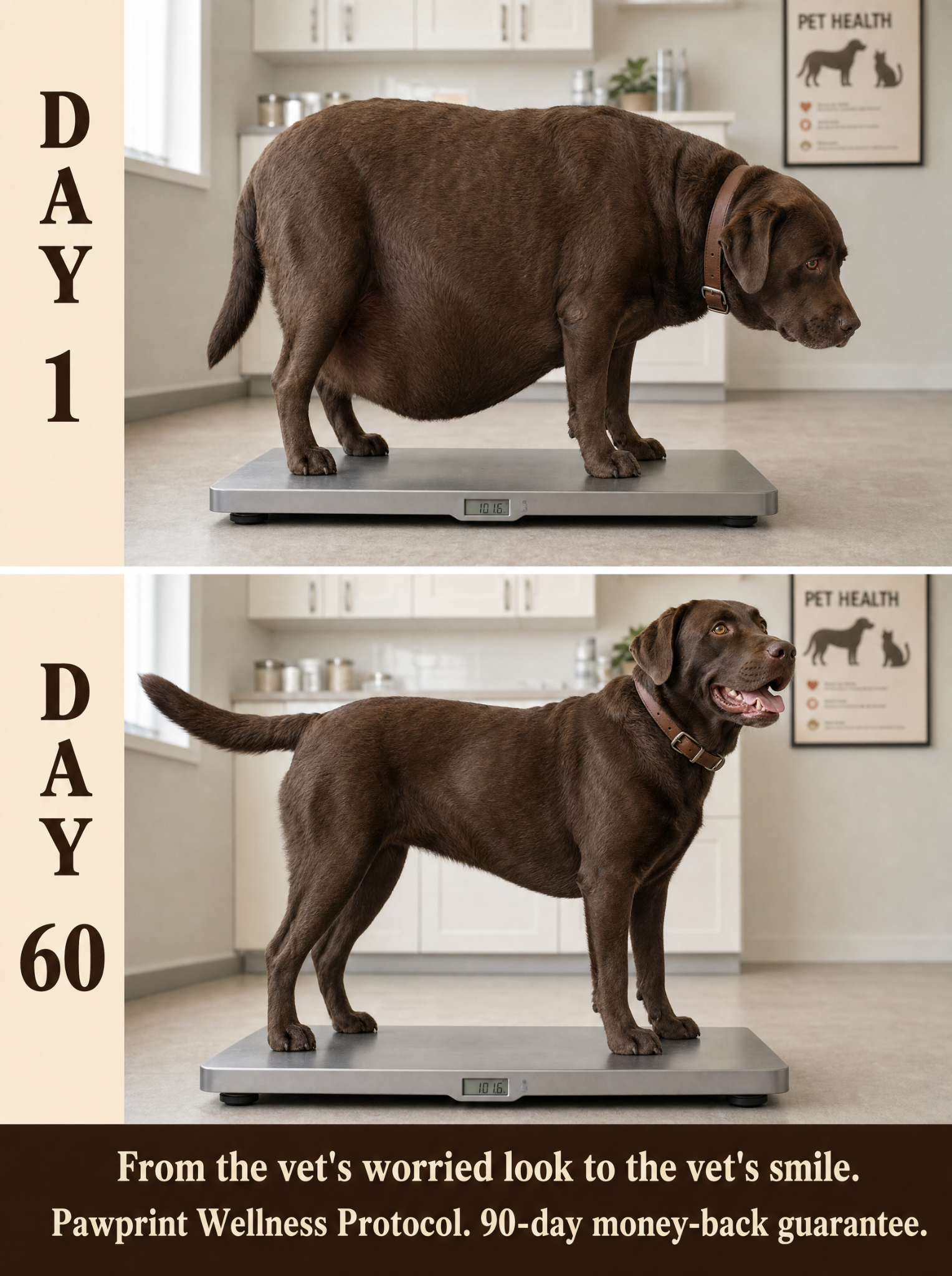
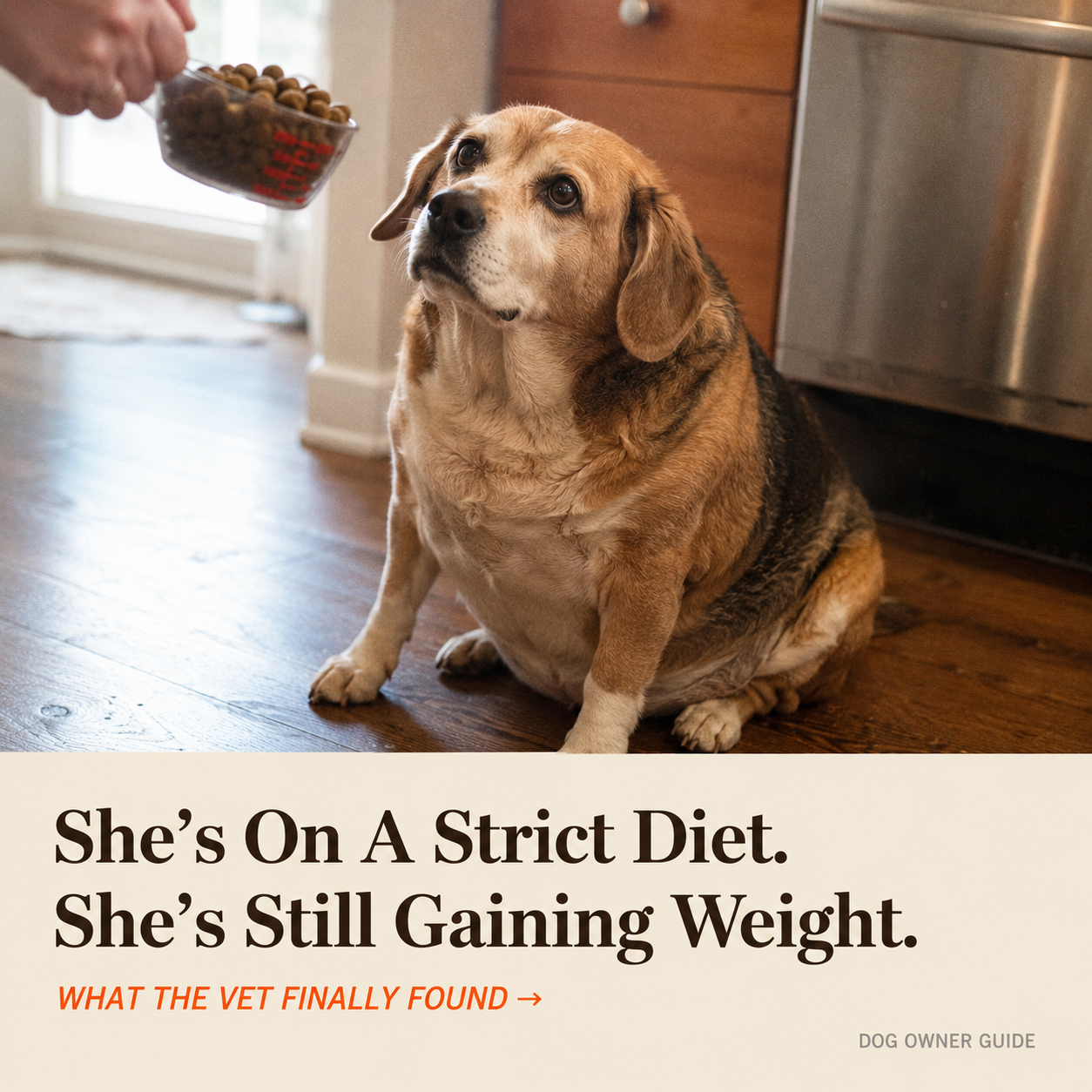
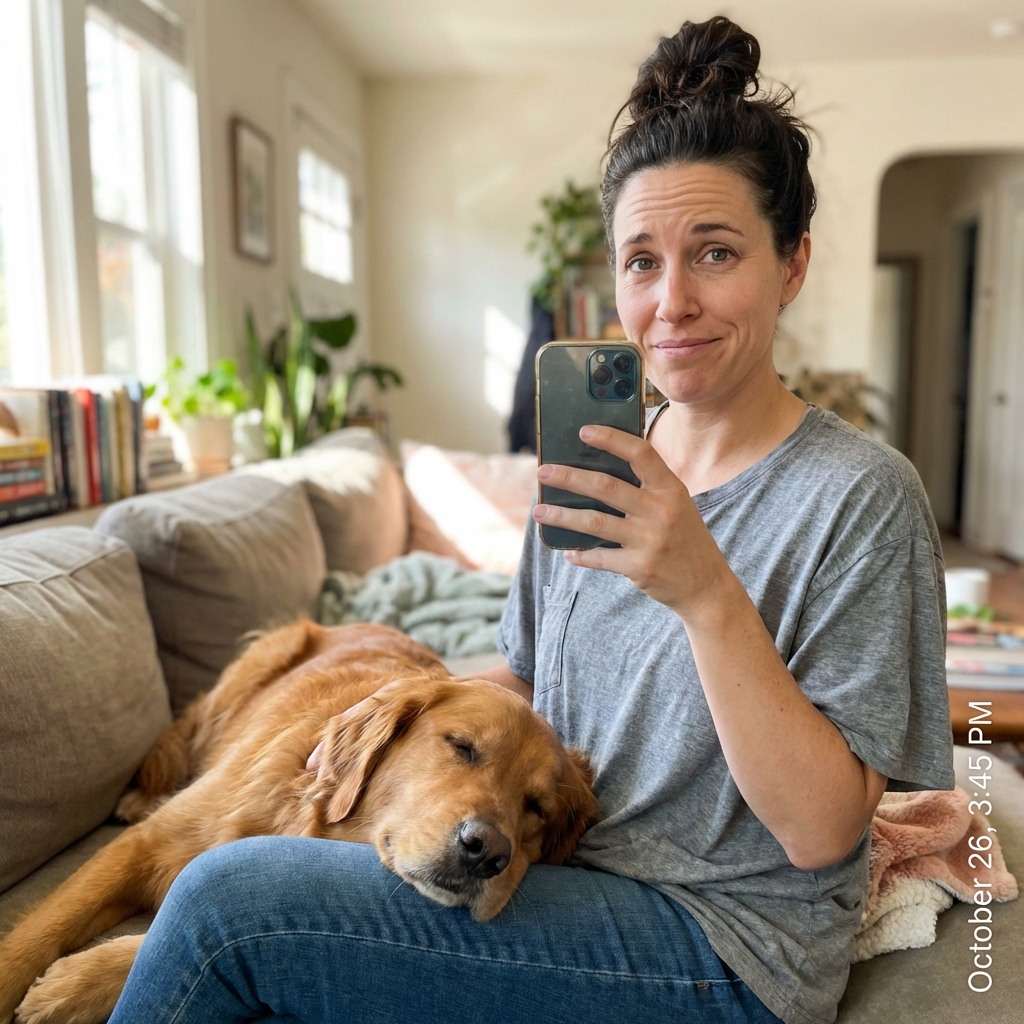
Fourth vet visit in six months. He looked at Cooper and said: "He needs to lose weight. You have to exercise him more." I wanted to cry. "Exercise him more" — he can barely make it to the end of the driveway. "Exercise him more" — he plays for about 3 minutes before getting too tired to stand. "Exercise him more" — he walks awhile and sits down and refuses to move until I carry him home. But I didn't cry. I just nodded. Again. First visit: "Let's try a diet food. Cut his calories." $85 a bag. He lost two pounds. Then stopped losing. Second visit: "Let's add a joint supplement. Glucosamine chews." $55 a month. Still couldn't walk. Third visit: "Let's start an anti-inflammatory. It'll help with the pain." $120 a month. It helped. For about two weeks. Then he stopped getting up from his bed again. Stopped wagging at the leash. Stopped trying. Fourth visit: "He needs to lose weight. You have to exercise him more." Exercise him more. That's when it hit me. I can't exercise a dog that can't move. He can't move because his joints hurt. His joints hurt because he's too heavy. He's too heavy because he can't move. And nobody had a plan for that. Diet food cuts calories. But he still couldn't walk. Joint chews gave him glucosamine. But he still couldn't get up. Pain meds masked the hurt. But his joints kept getting worse underneath. Every single thing they tried only touched one piece. Nobody looked at the whole picture. I drove home in silence. Cooper panting in the backseat. Not from exercise. From the effort of existing. That night I sat on the couch and Googled things I'd never searched before. "Dog too heavy to exercise but can't lose weight without exercise" "Dog sits down on walks and won't move" "Joint supplements not working for overweight dog" Thousands of results. Thousands of people trapped in the same cycle. The same story over and over: vet says lose weight, dog can't walk, joints keep getting worse, dog gains more weight, vet says lose weight again. Some people had been doing this for years. Exposed to years of pain meds. Thousands of dollars in diet food and joint chews that never changed anything. And their dogs were still sitting down on the driveway. Then I found a thread that was different. Someone asked: "WHY can't my dog break out of this cycle? What's actually happening inside his body?" A woman replied with a link. Said it changed everything for her. It was an article reviewed by a veterinary nutrition consultant. Not selling anything. Just explaining the science most vets never connect. I read it at midnight, sitting on the kitchen floor with Cooper snoring next to me. By the time I finished, I was shaking. Not at my vet. He was doing what he was trained to do. But he was trained to treat weight and joints as two separate problems. They're not. The article explained something so simple it made me sick: Dogs have cartilage that cushions every joint. Surrounded by synovial fluid that keeps everything moving smooth. When a dog carries extra weight, that cartilage compresses. Every single step. More pressure than the joint was built for. The cartilage breaks down. The fluid dries up. The joint grinds. That's the stiffness. The limping. The sitting down and refusing to move after 3 minutes. But here's what nobody told me: When joints hurt, dogs stop moving. When dogs stop moving, their metabolism slows down. When their metabolism slows, they store more fat — even on diet food. And that extra fat doesn't just sit there. It produces inflammatory compounds. Constantly. Flooding the joints with more inflammation. Breaking down more cartilage. The weight feeds the inflammation. The inflammation feeds the pain. The pain stops the movement. The stopped movement feeds the weight. It's not a weight problem. It's not a joint problem. It's a cycle. And nothing my vet gave me was designed to break it. Diet food cuts calories — but doesn't rebuild cartilage or reduce joint inflammation. Glucosamine chews give one ingredient — but don't address the inflammation or the metabolism. Pain meds block the signal — but the cartilage keeps grinding underneath. They're turning off the check engine light while the engine keeps seizing. That's why they work at first — the light goes off. That's why they stop working — the engine gets worse. That's why you need more medication, more diet food, more vet visits — you're treating pieces while the cycle spins faster. I sat on that kitchen floor and cried into Cooper's fur. Four vet visits. Hundreds of dollars a month. Exposed my dog to months of pain meds. And the real problem was a cycle that nobody even mentioned. The cartilage was breaking down. The metabolism was stalled. The inflammation was everywhere. And no single thing was ever going to fix it. But breaking the cycle at multiple points — at the same time — could. The article explained what actually rebuilds joint cartilage. What supports synovial fluid. What helps a dog's metabolism start burning again instead of storing. What reduces the inflammatory compounds that fat tissue pumps out. Not five different supplements. Not another prescription on top of a prescription. One formula. Designed to hit the cycle from every angle at once. I followed what it said. Found a liquid formula that matched the science. Ten active ingredients. Glucosamine and chondroitin for cartilage. Hyaluronic acid for joint fluid. Turmeric and omega-3s for inflammation. L-Carnitine for metabolic support. All in one dropper. Within 4 weeks, Cooper walked to the end of the street. The whole street. Without sitting down. Within 8 weeks, he was playing at the park again. Actually running. Not for 3 minutes — for twenty. He's lost 6 pounds in three months. Not from starvation. From finally being able to move. No more pain meds. No more $85 diet food. No more vet visits where I leave feeling like a failure. I took him back for his regular checkup two months later. Different vet this time — the younger one who'd just started. She watched Cooper trot into the exam room and said: "Is this the same dog? He's moving completely differently." I told her about the cycle. About the cartilage. About the metabolism connection. She nodded. "That makes a lot of sense. We learn about joints and weight separately. Nobody teaches us to treat them as one system." She wasn't defensive. She was genuinely curious. That's when I realized: they're not withholding information. They just weren't taught to see the whole picture. But that doesn't mean your dog has to stay trapped while the system catches up. If you're where I was — vet says lose weight, dog can't walk, joints getting worse, spending hundreds a month on things that aren't working — I want you to read the same article I found. It explains why the cycle keeps spinning, what's actually happening inside your dog's joints and metabolism, and how to break it from multiple angles at once. It's not a sales page. It's the science that changed everything for me. Read it. Then decide for yourself. 👉 https://pawprintlab.com/pages/mobility-trap Your vet isn't wrong. They're just not taught to connect the pieces. But now you know. And you can do something about it. Cooper just came back from a 20-minute walk. He's asleep on his bed. Not panting. Not stiff. Just tired the way a dog should be tired — from actually living. That's what's possible when you stop treating pieces and start breaking the cycle. I hope your dog gets there too.
Like this ad? Make it yours.
Crush rebuilds this exact creative around your product — your brand, your colors, your offer — in about a minute.