Thomas Bergmann
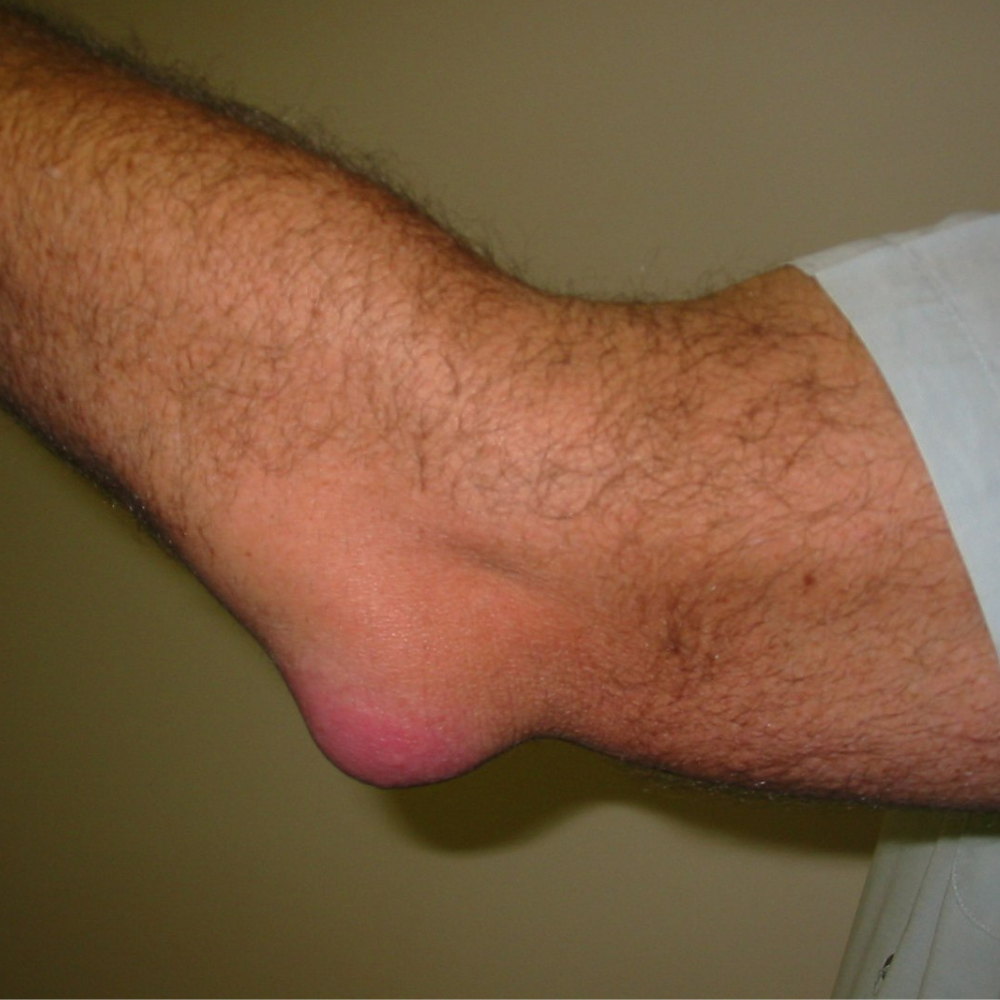
Thomas Bergmann Facebook ad: “3 Years of Chronic Pain. Gone in 3 Weeks.”
Ran for 3 days, from April 2 to April 5, 2026, the last day Crush saw it.
Run by Thomas Bergmann on Facebook. Crush is not the advertiser and does not verify its claims. See this ad in Meta's Ad Library(opens in a new tab)
Want an ad like this for your product?
Crush makes new ad images for your product from this ad: your logo, your product photo, your offer.
Trials from $19.95 USD, then $79.95 USD a month. Cancel anytime.
About this ad
- Meta Ad Library ID
- 946082214637322
- Platforms
- Facebook, Instagram, Audience Network, Messenger and Threads
- Relaunches
- 0
Ad text
Tennis elbow isn't a tennis injury. It's a grip injury. And it doesn't heal the way you've been told. The orthopedic surgeon pressed his thumb into the outside of my elbow and I nearly came off the exam table. "Classic lateral epicondylitis," he said. "Tennis elbow. Very common in men your age who lift heavy. We'll start with rest and anti-inflammatories. If that doesn't work in 6-8 weeks, we can try a cortisone injection." I was 39 years old. I'd been lifting consistently for 15 years. Never had an elbow issue in my life. Until one day, a simple set of bicep curls created this sharp, burning pain on the outside of my right elbow that made me drop the weight mid-rep. I thought I'd pulled something. Maybe tweaked a tendon. I'd rest it for a week and be fine. That was three years ago. And in those three years, I learned something that the orthopedic industry desperately doesn't want you to know: they have no effective treatment for tennis elbow except symptom management that keeps you coming back. Not because they can't help you. Because actually fixing tendon degeneration doesn't generate recurring revenue. Let me explain what happened. That bicep curl injury happened on a Monday. By Wednesday, I couldn't straighten my arm without pain. By Friday, I couldn't grip a coffee cup without this searing pain shooting from my elbow down my forearm. I did what everyone does: stopped training the upper body and rested it for two weeks. The pain decreased slightly. I went back to the gym. Lightweight, perfect form, nothing crazy. First set of rows, and the pain exploded back worse than before. So I rested for a month. Same pattern. Felt better. Tried training. Immediate regression. That's when I saw the orthopedist who told me I had tennis elbow and recommended rest and NSAIDs. Here's what nobody tells you: You cannot rest your elbow. Every single daily activity loads the extensor tendons on the outside of your elbow. Turning a doorknob. Typing on a keyboard. Picking up your phone. Pouring coffee. Shaking hands. Every. Single. Time. You. Grip. Anything. So "rest" becomes this maddening joke where you're supposed to not use your arm while living a normal life. But I tried. I really tried. I wore a compression brace during the day. Took ibuprofen religiously. Stopped all upper body training. Avoided any gripping movements. Nothing improved. And here's the part that bothered me almost as much as the pain: My handshake became pathetic. I'm a guy. I've had a firm handshake my entire adult life. It's basic. It's expected. It's how men communicate respect. But now? My handshake felt weak and painful. I'd wince when someone squeezed back. I started avoiding handshakes entirely, which made me feel less. I couldn't carry groceries without pain. Couldn't open jars. Couldn't pick up my kid without this stabbing sensation in my elbow. Forget training. I went from benching 275 to not being able to hold a 25-pound dumbbell for curls without my elbow screaming. Rows? Impossible. The pulling motion destroyed my elbow. Overhead press? Forget it. Even the bar felt like my elbow was tearing. Deadlifts? The grip required to hold heavy weight made my elbow throb for days. My entire training program collapsed. Not because of a major injury. Because of one small tendon on the outside of my elbow. So I went back to the orthopedist. He sent me to physical therapy. Eight weeks. $200 per session. Sixteen hundred dollars to do stretches and eccentric wrist extensions that did absolutely nothing to address why the tendon wasn't healing. When that failed, he recommended a cortisone injection. "It'll reduce the inflammation," he said. "Give the tendon a chance to heal." I did one injection. The pain disappeared for three weeks. I felt amazing. Started training again carefully. By week four, the pain came roaring back worse than before. I went back for another injection. Same pattern. Three weeks of relief, then complete regression. That's when I started researching what cortisone actually does to tendons. And I learned something horrifying: Cortisone doesn't heal tendons. It temporarily masks pain while actually weakening the tendon structure long-term. Study after study showing cortisone injections lead to worse outcomes, higher reinjury rates, and progressive tendon degeneration. But orthopedists keep recommending them because they provide temporary relief that keeps you coming back every few months for another shot. It's not healthcare. It's a subscription model for symptom management. I added up what I'd spent in two years of chasing their answers. The number made me sick. Physical therapy: $200 per session, sixteen sessions. $3,200. Cortisone injections: Two rounds. $600. Braces, ice packs, NSAIDs, supplements: Another $800. Almost $5,000. My elbow hurt exactly the same as when I started. That's when I realized something critical: After age 30, your body's natural ability to repair tendon damage declines dramatically. The repair mechanisms that kept your tendons resilient in your twenties, the ones that heal micro-tears overnight, maintain tendon elasticity, ensure adequate blood flow to damaged areas, they just slowly fail. Collagen synthesis slows down. Angiogenesis decreases. Growth hormone receptor sensitivity drops. Your body stops healing efficiently. And tendons at your elbow? They already have marginal blood supply. When your natural repair mechanisms decline, these tendons have almost zero chance of healing on their own. So tennis elbow, golfer's elbow, chronic tendonitis — they're not just overuse injuries that need "more rest." They're regeneration failures. And the medical system profits from that failure. So I started researching alternatives. Reddit threads. PubMed. Peer-reviewed papers on tendon regeneration. That's when I discovered BPC-157. A peptide your body naturally produces in gastric juice. Something that could trigger angiogenesis — new blood vessel formation to damaged tendons. Activate collagen synthesis. Promote tendon regeneration at the cellular level. The research was compelling. Multiple studies showing accelerated healing of tendons and ligaments. But here's where I hit a wall: Most studies used injectable BPC-157 administered directly to the injury site. And when I looked into sourcing it, I found a gray market of research chemical suppliers selling peptide powders with zero quality control. Sketchy websites. Unlabeled vials. Online forums full of people guessing at proper dosing and reconstitution. And I thought: absolutely not. I'm not injecting myself with research chemicals from some supplier in Eastern Europe just to fix my elbow. There had to be a legitimate, safe way to access this peptide. So I started researching oral BPC-157. I ordered four different oral BPC-157 supplements from major retailers. All of them claimed 99% purity. All had professional-looking labels and certificates of analysis. All were priced between $50-80 per bottle. I started with the highest-rated brand on Amazon. Took it religiously for four weeks. My elbow hurt exactly the same. No improvement whatsoever. So I switched to a different brand. Four more weeks. Zero change. Third brand. Fourth brand. Not one of them did anything. Four bottles. Four purity certificates. Sixteen weeks wasted. And my extensor tendon was still degenerating. I was ready to conclude that oral BPC-157 was complete BS. Then a friend who works in sports medicine told me to come see him. He listened to the whole story. The four brands. The zero results. The research I'd done. Then he shook his head. "You didn't fail," he said. "The formulation failed you." He pulled out a notepad and drew a simple diagram of a capsule hitting stomach acid. "Every brand you tried uses acetate salt," he said. "That's the standard BPC-157 formulation. It was developed for injection - directly into tissue, bypassing the stomach entirely. When you swallow it, your stomach acid rips the peptide apart in minutes. The molecular bonds break. By the time it reaches your small intestine, it's biologically inactive." He tapped the notepad. "You spent sixteen weeks swallowing purity certificates. Not functional peptides." "So oral BPC-157 doesn't work?" I asked. "Acetate oral BPC-157 doesn't work," he said. "There's a difference." Then he drew two lines under the capsule diagram. "You need two layers of protection. Not one. Two." Layer one: Arginate salt. Instead of acetate, the BPC-157 molecule is stabilized with Arginate. Different salt form, different molecular binding. Arginate holds the peptide structure intact through stomach acid exposure. Where acetate fragments on contact, Arginate maintains molecular integrity. Layer two: Enteric coating. A physical barrier around the capsule that prevents it from dissolving in the stomach entirely. It passes through the acidic environment untouched and only opens in the small intestine - where actual absorption happens. "Two protection layers," he said. "Arginate salt so the peptide survives acid. Enteric coating so it doesn't even have to fight the acid in the first place." He looked at me. "Every product you tried had one thing in common: acetate salt, no enteric coating. Zero protection. You were taking the right molecule in the worst possible delivery system." "Is there a product that does both?" I asked. "One," he said. "It's called TriRelease™ Double Protection. Arginate salt stabilization AND enteric coating in a single capsule. It's not a marketing term - it's a manufacturing specification. Two verified protection mechanisms." He wrote down the name of the company: MB1 Health. "They're the only ones I've seen who solved both problems," he said. "Molecular stability through Arginate salt. Physical protection through enteric coating. Every batch tested by ARL Bio Pharma for purity AND bioavailability. Not just 'is the peptide in there' but 'does the peptide arrive at the tendon in active form.'" "FDA-registered, cGMP-certified US manufacturing," he added. "This isn't gray market research chemicals. This is pharmaceutical-grade." I ordered it that night. Two capsules a day. Week 1: The constant burning ache in my elbow decreased noticeably. First real improvement in over a year. Week 2: Grip strength started returning. I could shake hands without wincing. Week 3: The sharp pain when extending my arm reduced significantly. Week 4: Did light rows for the first time in months. Elbow held. Minimal discomfort. Week 6: Pain down dramatically. Could carry groceries without issue. Handshake back to normal. Week 8: Back to benching 225. Elbow completely stable. Zero pain during or after. Week 12: Deadlifted 405 pounds. Full grip strength. No elbow pain at all. By month 4, I was training completely pain-free. Benching 275 again. Doing pull-ups. Rows. Overhead press. The tennis elbow that three different doctors told me would require cortisone injections indefinitely or eventual surgery... Completely resolved. And it wasn't because BPC-157 is some miracle drug. It's because I finally gave my body BPC-157 that actually reached the damaged extensor tendon. Every brand before TriRelease™ destroyed the peptide before it left my stomach. Two layers of protection was the difference between sixteen weeks of nothing and complete recovery. And here's what I experience now, three years after that injury, taking pharmaceutical-grade BPC-157 with TriRelease™ Double Protection daily: - Zero elbow pain. I bench, row, curl, and deadlift heavy with complete confidence. - Full grip strength restored. Handshake firm. Can carry anything without fear. - No clicking, burning, or instability. The tendon healed without surgery. - Recovery like I'm in my twenties. I'm 42 now. Minor strains heal in days instead of weeks. - No more supplement stacks. Five joint supplements replaced by two capsules a day. This isn't just about avoiding cortisone or surgery. This is about understanding that most oral BPC-157 supplements are selling you biochemical theater - products that look legitimate but deliver zero bioavailable peptide to your damaged tendons. Because the truth is, your body WANTS to heal. After age 30, it just needs help. And when you give it pharmaceutical-grade BPC-157 with TriRelease™ Double Protection - not cheap acetate formulations that break down in your stomach - it starts working the way it's supposed to. I take it every single day. Two capsules. Morning routine. Non-negotiable. And I recommend it to nearly every person I know struggling with: - Tennis elbow or golfer's elbow that won't heal - Chronic tendonitis in elbows, shoulders, or wrists - Rotator cuff issues that physical therapy can't fix - Persistent tendon pain from lifting or manual work - Grip weakness and instability - Recovery plateaus from injuries that won't respond to rest Just 2 capsules a day could help you: - Eliminate chronic tendonitis and restore full grip strength - Promote new blood vessel formation to tendons with poor circulation - Stop the cortisone cycle that's weakening your tendons long-term - Recover from training sessions in hours instead of days - Support gut health while repairing tendon tissue - Save thousands on PT sessions and injections that manage symptoms instead of fixing tissue - Avoid surgery and the chronic weakness that often follows I take it every morning. And now so do dozens of guys I know who refused to accept chronic elbow pain, cortisone dependence, or surgery. It's my daily insurance policy. Two capsules. Full strength. No fear. Repeat. That orthopedic surgeon who told me I'd need ongoing cortisone injections or eventual surgery? I ran into him at my gym six months ago. He watched me bench 275 for reps, then bang out a set of weighted pull-ups. Then he asked what I did. I just smiled and said: "I found a formulation that actually reaches the tendon." If you want to eliminate chronic tendonitis, restore full strength and grip, and break free from the cortisone cycle, I'd try MB1 Health before anything else. 👉 https://peptidesresearch.co
Where the ad sends people
lp.mb1health.com
3 Years of Chronic Pain. Gone in 3 Weeks.
Discover MB1 Health supplements for brain health, recovery, gut support & longevity. 3rd party tested, science-backed, and trusted by 50,000+ customers.
Learn more: lp.mb1health.com(opens in a new tab)