Oh Happy Plants
 Facebook ad: “Oh Happy Plants!”
Ran for 236 days, from March 9 to October 31, 2026, the last day Crush saw it.
Run by Oh Happy Plants on Facebook. Crush is not the advertiser and does not verify its claims. See this ad in Meta's Ad Library(opens in a new tab)
Make your own version of this ad
Crush makes it, launches it in your own Meta ad account, scales the winners and pauses the losers.
About this ad
- Meta Ad Library ID
- 950741550707492
- Platforms
- Facebook, Instagram and Audience Network
- Relaunches
- 0
- Niche
- Home & Garden
Ad text
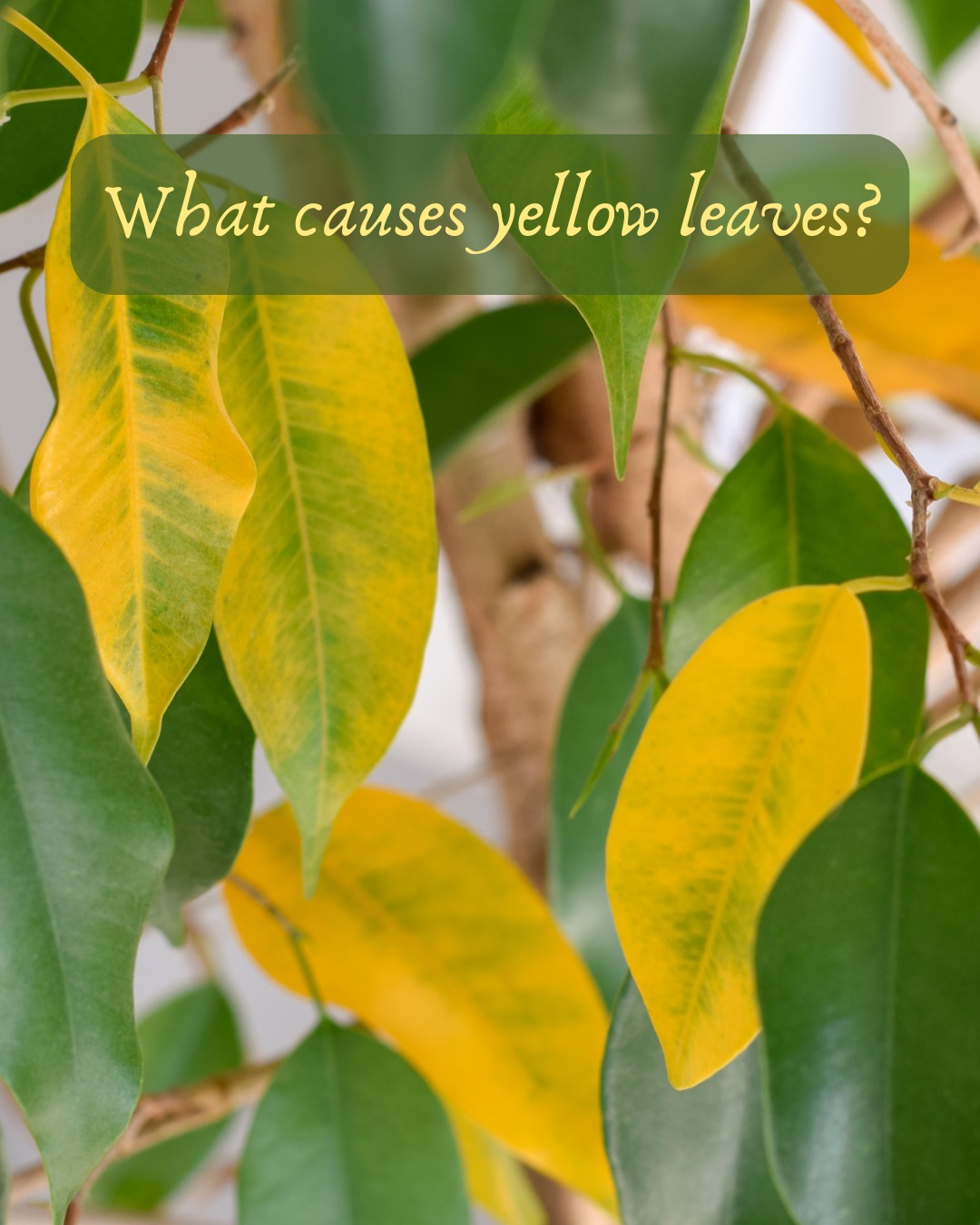
Why Are My Plant's Leaves Turning Yellow? Yellowing leaves are often blamed on overwatering, but the causes are much more varied than that. Here's a breakdown of everything that can actually cause yellow leaves. Drought (Underwatering) Yellowing is often caused by drought. Most plants can go fully dry for a day or two and be fine — you don't need to keep your plants wet at all times. However, some plants fuss quickly when dry: peace lilies and dracaena marginata (dragon trees) will wilt fast. If the oldest, lowest leaf on a plant is dying, that's usually a drought response. The plant is pulling water from that least-useful leaf to sustain the rest of itself. Don't remove those yellowing leaves until a day or two after you water — otherwise the plant will move on to the next oldest leaf. "Overwatering" Caused by Drought This is commonly misdiagnosed. What happens: a plant is underwatered, root hairs die off, and then when you water heavily to compensate, the plant can't absorb the water because those root hairs are gone. The roots can't breathe, and the plant sits in water it can't use. If mycorrhizal mycelium are also present, those fine hyphae will die too, further reducing the plant's ability to take up water. How to fix it: Water lightly and frequently after a plant has wilted, to allow root hairs to regrow. You'll know recovery is underway when the plant starts growing new leaves again — that's the signal it's satisfied with its root system. At that point, you can return to normal watering habits. "Overwatering" Caused by Insufficient Light or Low Heat Plants use water in direct proportion to how much light they receive. If a plant is moved to a dimmer spot, it will grow slower and use less water. Watering it at the same rate as before will result in wet soil the plant can't use. Most tropicals also slow or stop growing below 60–65°F, which further reduces water uptake. The science: photosynthesis uses sunlight to break apart water molecules, borrowing a hydrogen atom to convert ADP into ATP — the cell's energy currency. More light = more photosynthesis = more water used. This is also why plants need more water in summer: higher temperatures cause more transpiration through the stomata, and faster growth means more water consumed overall. Takeaway: Don't water on a fixed schedule or a fixed amount. Instead, check the soil — at the bottom of the pot, not just the top, since the bottom can stay soggy while the top looks dry. General guidance for new plants: check a 4" pot three times a week, a 6" pot twice a week, a 10" pot weekly. Any time you move a plant, check it more frequently until you understand how it's using water in its new spot. "Overwatering" Caused by Soil Pathogens Root rot doesn't appear spontaneously from watering too much — the pathogens have to already be present in the soil. They spread through contaminated water, tools, splashing between pots, or soil that's been left open to the air. The two most common culprits: Pythium – causes root rot. Signs: the plant keeps declining no matter what you do, and the soil smells swampy. Phytophthora – eats the crown (where stem meets soil). Signs: entire stems turn black from the base upward and become mushy or shriveled at the soil line. Allowing soil to dry thoroughly between waterings can help control these pathogens. They typically come from the grower, not from anything you've done at home. Also worth noting: fungus gnats do not spontaneously appear from overwatered soil. They come from infested plants or soil that was exposed to the outdoors. They have to be introduced — they don't seek out your collection on their own. True Overwatering Genuine overwatering only occurs when a plant in insufficient light is given more water than it can use before it starts affecting root health. Roots need to breathe — dense soil (like straight peat or coco coir without amendments) holds too much moisture and limits airflow. Make sure your soil mix has chunky components to allow drainage and air pockets. A saucer with an inch or two of water is fine, as long as the plant uses it up within a day or two (small plants) or two to four days (larger plants). A large plant in a small pot, in bright light with lots of foliage, can handle — and may need — more water in the saucer. A tiny plant in a large pot should not be left sitting in water. If you do accidentally overwater in otherwise healthy soil, don't panic. Drain the saucer, move the plant to a brighter spot, and it will use the water up. You don't need to repot. Yellow or Spotted Leaves from Leaf-Borne Pathogens Discolored spots — yellow-edged, brownish, grayish — are usually caused by leaf-borne fungal or bacterial infections, not root rot. Common ones include Fusarium leaf spot, anthracnose (common on snake plants), and Erwinia (causes half-rotted-looking tissue). These pathogens are usually already present on the plant when you bring it home — you didn't cause them. Growers treat regularly for fungal and bacterial issues, but once a plant goes through the stress of shipping, sitting in a dark store, and then adjusting to your home, its immune system takes a hit and these pathogens can flare up. The best thing you can do for a newly purchased plant is replicate its previous growing conditions as closely as possible — typically bright light and consistent watering — to support the transition and minimize stress. If someone online tells you yellowing or spots are "definitely overwatering," take that with a grain of salt. The actual cause is almost always more nuanced than that. BUT WAIT! THERE'S MORE! Spider mites, other pests, nutrient deficiencies/toxicities, and overexposure to sun can ALSO all cause yellowing! I cover these issues in the Houseplant Coach Podcast, but definitely click that "follow" button for more! And if you're looking for amazing soil, check out the Oh Happy Plants online store - link in bio!
Where the ad sends people
ohhappyplants.shop
Oh Happy Plants!
The best houseplant potting soil available! Learn about your plants from a professional nerd with a degree in 'figuring it out' and 11 years of professional houseplant experience. Free podcast and member community, plus INCREDIBLE houseplant care products, all linked at ohhappyplants.shop
Shop now: ohhappyplants.shop(opens in a new tab)