
Inactive· since May 5, 2026
- 24
- days it ran
- 3
- relaunches
- 676
- EU reach
Ad copy
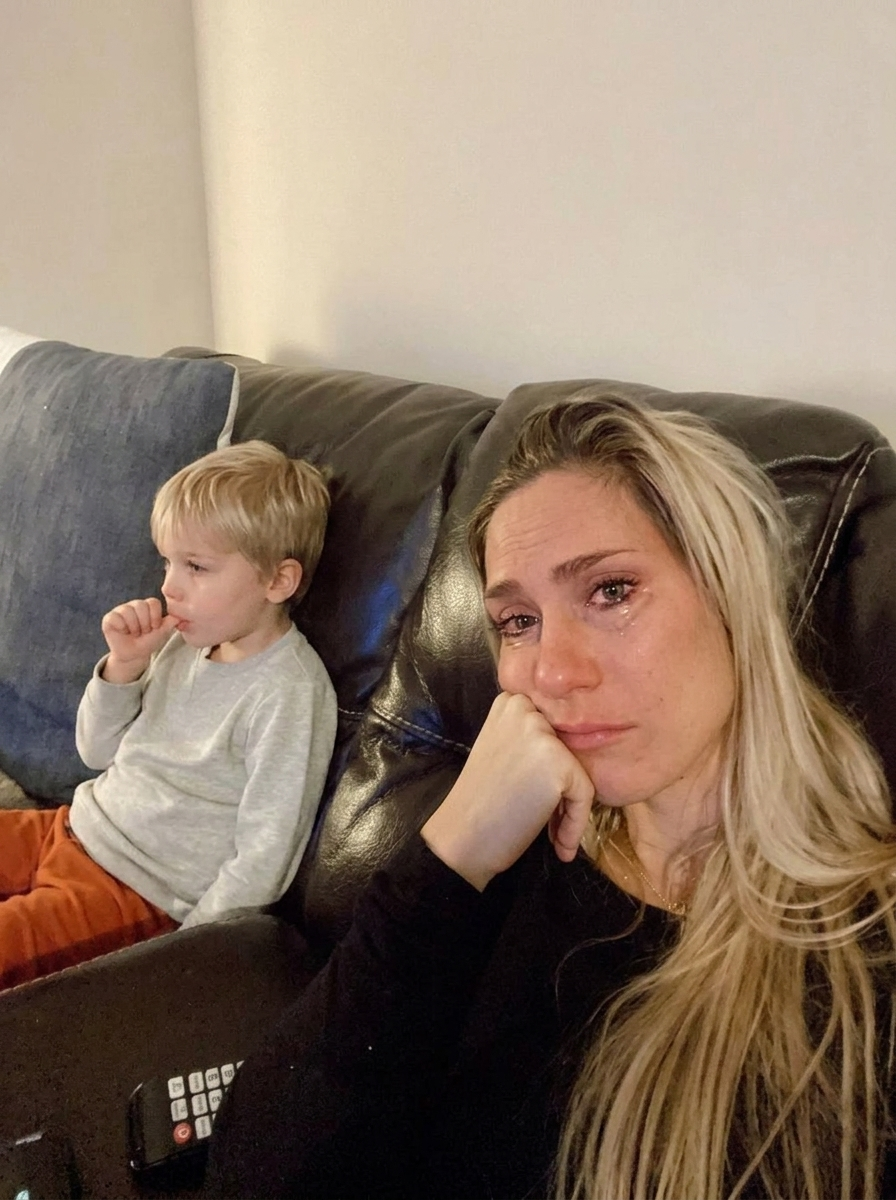
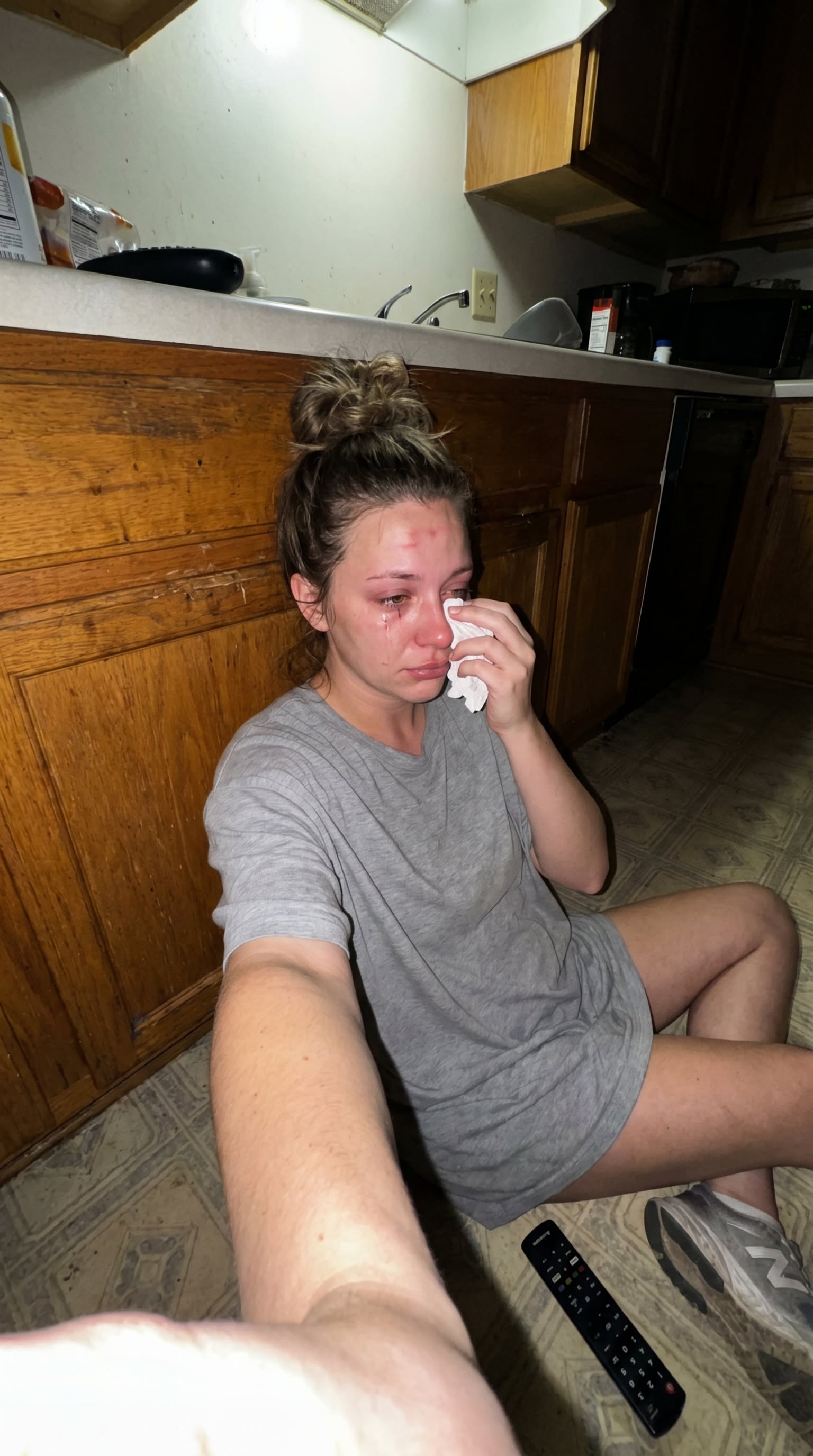
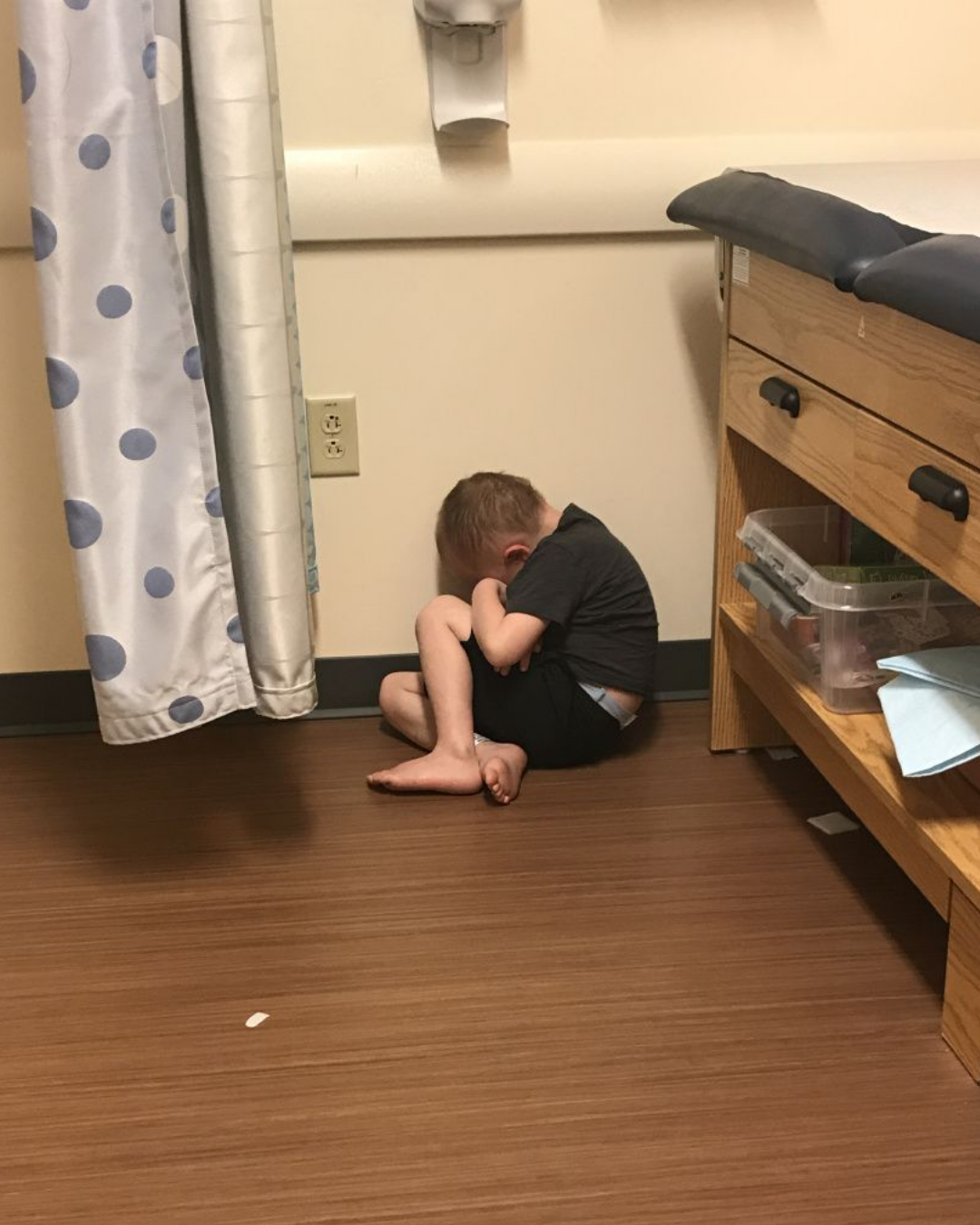
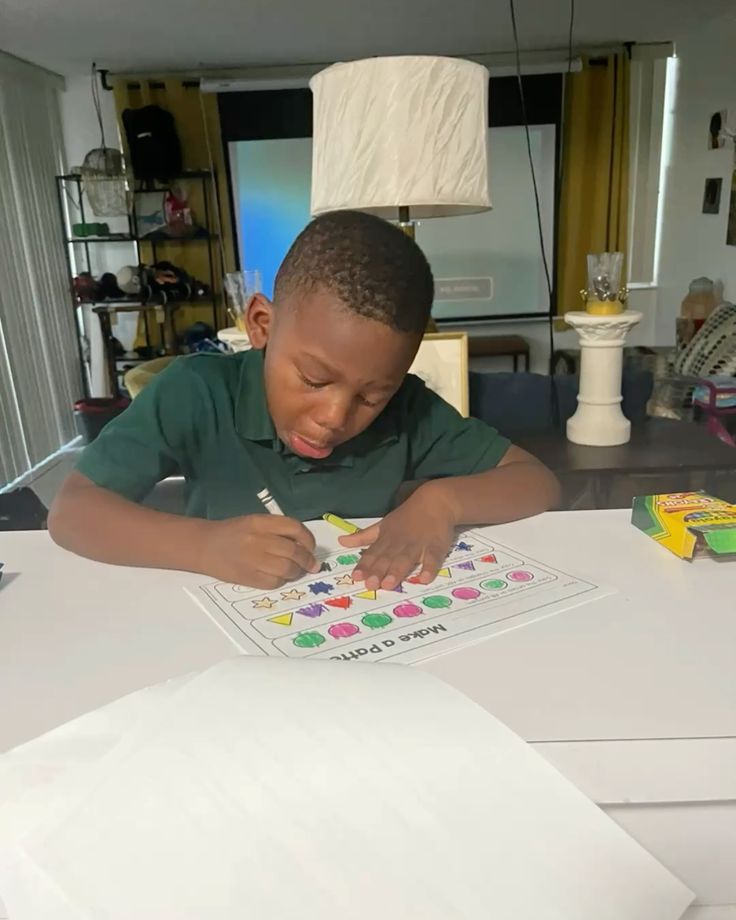
My ADHD son smashed our $2000 TV because I asked him to put his iPad down. My son is 9. He was diagnosed with ADHD at 7. And for almost two years, every single afternoon looked exactly the same. He'd walk through the front door after school and go straight past me without a word. I'd be standing right there. "Hi buddy — how was your day?" Nothing. Straight to the iPad. Bag on the floor. Shoes still on. And within sixty seconds he'd be completely zoned in. Still. Calm. Focused. The same kid who couldn't remember if he had homework to finish. The same kid who needs me to repeat every single instruction four times. But when he's watching YouTube or playing Roblox, he was a completely different child. And I used to stand in the kitchen watching him and think: He CAN focus. I can see it. So why can't he focus on anything else? But I'm exhausted. When he's not on the iPad, he's having a meltdown. Hitting his little sister. Throwing things around the house. Crying. Yelling. Screaming so hard his voice goes hoarse. And I can't make dinner. I can't help his sister with her homework. And don't even get me started on trying to get him to do his homework. That's a war I've never won. So I give him the iPad. And suddenly the house is peaceful. Quiet. Not a warzone anymore. And when I glance over and watch him. He's smiling. He's calm. He looks happy. But I know it's not good for him. Honestly, if I left him alone for a day, he would sit and watch that screen from the moment he woke up to the moment he passed out. Someone recommended I try a timer. So I'd set the timer. ———— I don't know if you know this feeling. The way your body braces before you've even opened your mouth. The way your jaw goes tight and your shoulders go up before you've said a single word. "Five more minutes, buddy." He'd hear me. "Ok." "Two minutes." Nothing. Wouldn't look up. "Okay — time's up." And then it happened. Every single time. Like a switch flipped somewhere inside his brain. The calm, still kid I'd been watching for the last hour was just gone. Face red. Body rigid. Words I won't write here. Things an eight-year-old shouldn't know how to say. One night he threw himself on the floor so hard the lamp on the side table fell over. Another night he hit himself. Not me — himself. And then froze, looking at his own hand like he didn't understand how it had happened. Because he didn't. His little sister — she's six — started disappearing when she heard the timer go off. She didn't make a scene about it. Didn't say anything. She'd just quietly pick up whatever she was holding and go to her room. She was six years old and she had learned to hide away just to survive her brother's meltdowns. I sat on the bathroom floor one night after he finally went to bed and cried until I couldn't breathe. Not because I was angry at him. Because I knew it was going to happen again tomorrow. And the day after. And I didn't know how to make it stop. The worst part? The guilt. Because I was giving him the screen just to get through the afternoon without a fight. Just to have twenty minutes to make dinner. Just to stop the screaming long enough to breathe. And then I'd lie there at night feeling like the worst mother alive for doing it. ———— I tried everything. I took the screen away for a week completely. The meltdowns were endless. And they spread to everything. Getting dressed. Brushing teeth. Dinner. It was like the screen had been the only thing holding him together. I tried the visual timers everyone recommends. Every kind. Didn't matter. The warning just gave him something to dread instead of something to prepare for. I tried reward charts. Two good days. Then an explosion so big the chart ended up in tiny pieces on the floor. I tried being calmer. I tried being firmer. Earlier bedtimes. No sugar. More outdoor time. A different routine. None of it stopped the crash that happened every day at 4pm. And nobody. Not his pediatrician, not his therapist, not a single person, could tell me why. ———— I almost gave up trying to figure it out. Then, one night, I walked into the living room. There he was. Watching YouTube. I told him dinner was ready and he needed to turn it off. "I'm not hungry." "You have to eat buddy. Turn it off now." I reached down to grab the iPad from him. He saw me do it. The next thing I know, a pillow flies past my head and he's screaming. "I'M NOT HUNGRY LEAVE ME ALONE." "I HATE YOU." "YOU'RE THE WORST MOM." I heard a loud crash. I turn around. Tears in my eyes. And that pillow that had flown past my head? Our $2000 TV had been knocked clean off the table. Smashed. Glass everywhere. I just grabbed the vacuum and cleaned it up. And he was still sat there. On his iPad. Not a care in the world. That night was the one that broke me. I posted in a Facebook group for ADHD moms at about 11pm on a Tuesday night. I just wrote exactly what was happening. The screen, the crash, the things he said, the way his sister disappeared. A mom replied within a few minutes. And what she said changed how I think about ADHD forever. And it made me realise, none of this was his fault. None of it was my fault. Because what she said was something no pediatrician will ever tell you. She said: "This is not your fault at all. What you're describing isn't a behavior problem. His brain is running on empty. And the screen? it's the only thing giving his brain some fuel." I almost scrolled past. I'd heard stuff like that before. How screens are made to be addictive. But then she kept going. She explained that kids with ADHD don't produce enough dopamine. Not by choice. Not from parenting failure. A chemical problem. Dopamine is what the brain uses to focus, stay calm, control impulses, and move through tasks. ADHD brains produce less of it to begin with. Then school burns through the little amount that's there. Six hours of sitting still, following instructions, controlling themselves, holding it together. By the time he walks through the door at 3pm, his tank is empty. The screen isn't entertainment. It's the only thing that fills the tank fast enough to feel okay. Every notification, every new level, every little moment of progress sends a burst of dopamine to a brain that's been running on fumes since lunch. That's why he can sit completely still on a screen for two hours but can't do his homework for five minutes. The homework doesn't produce dopamine. His brain just doesn't have enough to sit there and power through it. And when I turn the screen off? I'm not ending a video. I'm cutting off his brain's only supply. Abruptly. With no warning and no replacement. What I was calling a meltdown was actually just his brain latching on to the one thing it needed to survive. The screaming, the throwing, the words he didn't mean. That wasn't defiance. That was a brain in chemical crisis. That's why the timer warnings never worked. Telling a starving brain that its food is about to be taken away doesn't make the taking less devastating. That's why going cold turkey made everything worse. I removed his only coping mechanism and gave him nothing to replace it. That's why the reward charts failed. You cannot discipline a brain into producing chemicals it doesn't have. ———— I asked her what she'd done. She said she'd spent weeks going down a research rabbit hole after someone in another group mentioned saffron. Not the cooking spice. A clinical-strength extract. Specifically two ingredients called crocin and safranal. She said there were actual published studies. Real trials, in real journals, with real kids. One compared it head-to-head against ADHD medication over six weeks. It measured focus, attention, behavior, rated by parents and teachers. The results found that saffron worked just as well. But without the appetite loss. Without the personality turning into a zombie. Without any of the things that had kept me up at night every time someone mentioned medication. Because it doesn't override the brain like meds do. It supports the brain's own production of the chemicals it's been struggling to make. Dopamine — so the brain has enough of its own fuel to stick to a task without needing a screen to supply it. Serotonin — so the nervous system isn't constantly being triggered, where "time's up" sounds like a threat instead of a simple instruction. GABA — so his body and brain can actually calm down from the stimulation instead of crashing through it. Norepinephrine — so he can actually enjoy the real world after school instead of his brain going straight into survival mode, hunting for the next hit from a screen. But I'd tried endless supplements before. None of them helped. I asked her why nothing else I'd tried had worked. She said: "Because everything you tried is only designed to hit one thing. Magnesium is one pathway. Fish oil is one pathway. The brain needs all of them, at the same time. That's why they each kind of worked but none of them completely got rid of the crash. Because if you give him a boost of one chemical, it sends the other 3 into chaos. Sometimes it can make the meltdowns even worse. But clinical grade saffron has been scientifically proven to support all 4 chemicals at once." That sentence explained two years of failed gummies, capsules, pills, all in one breath. ———— She recommended a specific brand. Since those fake ones on amazon never put the right dosage of saffron in there to actually work. But the one she recommended is clinically backed. Full-dose saffron. The actual concentration used in the studies, not a decorative sprinkle on a label. In a gummy. I went and looked it up at midnight. Read everything. Looked up the studies she mentioned. They were real. I could find them. Suddenly I had hope that something might finally help. I ordered it before I went to bed. I didn't tell anyone. Not his dad. Not his teacher. Not anyone. Because I couldn't handle one more person watching me try something and waiting for it to fail. ———— He chewed the first one Monday morning. Said it tasted like candy. Week one — I didn't see much change. Maybe one fewer argument after school. Maybe slightly less yelling when I asked him to stop watching TV. But he was still having a meltdown whenever screen time was up. Week two. It was a Wednesday. He'd been on YouTube for about an hour. I walked into the living room. Stood in front of the screen. Said the words I'd been dreading saying every single day for nearly two years. "Okay bud. Time to turn it off." My shoulders went up. My jaw locked. My whole body braced the way it had been trained to. He looked up. I saw the flicker — that familiar spark that had always been the fuse. I flinched. He reached over and turned it off. Stood up. "Can I have a snack?" I stood there and didn't move. Because that had never happened. Not once. Not in two years of timers and warnings and charts and meltdowns and nights spent crying on the bathroom floor. And my body didn't know what to do when the explosion didn't come. I made him a snack. He sat at the table and told me about something funny that happened at school. Just talked to me. That night he asked me to read him a story. He curled up next to me and I read him a book about a crow and a worm who become friends. He fell asleep right by my side. I watched him breathe softly, calmly. I realised how much I'd missed my sweet child. ———— Week three, his teacher emailed. I get a knot in my stomach every time her name comes up in my inbox. Years of reading words I didn't want to read. She said he'd had an incredible few weeks. That he was finishing his work. Raising his hand. She said "Whatever medication you put him on, please keep going." I read that email in the school pickup line and cried so fast I had to pull forward before the car behind me noticed. Then just replied "No meds, just these natural saffron gummies." ———— It's been about three months now. He still watches his shows. Still loves his games. I didn't take them away. But I didn't need to. Because somewhere in those first few weeks, the relationship between him and the screen changed. It went from a need to a want. And a want has an off switch. He plays for an hour. I say "time's up." He turns it off. Not always without a comment. He's nine. But the crash is gone. The screaming is gone. The hitting is gone. The words are gone. Last week he put the screen down before I even said anything. Came and sat next to me on the couch. We just talked about dinosaurs for an hour. His little sister isn't hiding away anymore. She barely goes to her room. ———— But here's what I didn't expect. I changed too. I stopped giving him the screen to buy myself an hour of quiet. Because I didn't need to anymore. I stopped lying awake feeling guilty about it. I stopped dreading 4pm. Stopped bracing in the kitchen before I said "time's up." Stopped holding my breath every time I heard the timer. I started making dinner without my stomach in a knot. Started actually enjoying the afternoon instead of just surviving it. Started feeling like a mother instead of a referee. My household was in full defense mode before these gummies... It's like his mind has slowed down to the point where he listens and thinks about his emotions before just lashing out. We live in a different world now. A peaceful world. And I learned that, the screen was never the problem. His brain was just starving. The screen was the only thing feeding it. Once his brain had what it needed to produce its own fuel. The screen stopped being a lifeline, something he needs to survive, and went back to just being a thing he enjoys. And I stopped walking on eggshells in my own home and went back to being his happy mom. ———— I'm not here to sell you anything. Just sharing what worked for us. You don't have to take my word for it. Look up the studies yourself. They're real. You can find them. And if you want to try what changed everything for us: Saphire Happy Chews. Clinical-dose saffron. One gummy. Every morning. He thinks it's candy. Here's the link to where I got mine 👉 https://trysaphire.com/products/saphire-saffron-gummies [p.s. They have a money-back guarantee, so the only risk is the few weeks it takes to find out. I just wish someone had shown me this two years ago. So I'm telling you now.]
Taking the screen away was never going to work. Here's why.
ADHD PARENT INSIDER Trending in the US MOM BURNOUT & ADHD "I was completely burnt out from parenting my ADHD child. Now we're closer than we've ever been." "Parenting was traumatic. I was literally just surviving every single day — burnt out and exhausted. Everyone kept saying 'that's just ADH...
LEARN MORELike this ad? Make it yours.
Crush rebuilds this exact creative around your product — your brand, your colors, your offer — in about a minute.