
Active· since May 18, 2026
- 119
- days running
- 0
- relaunches
Ad copy
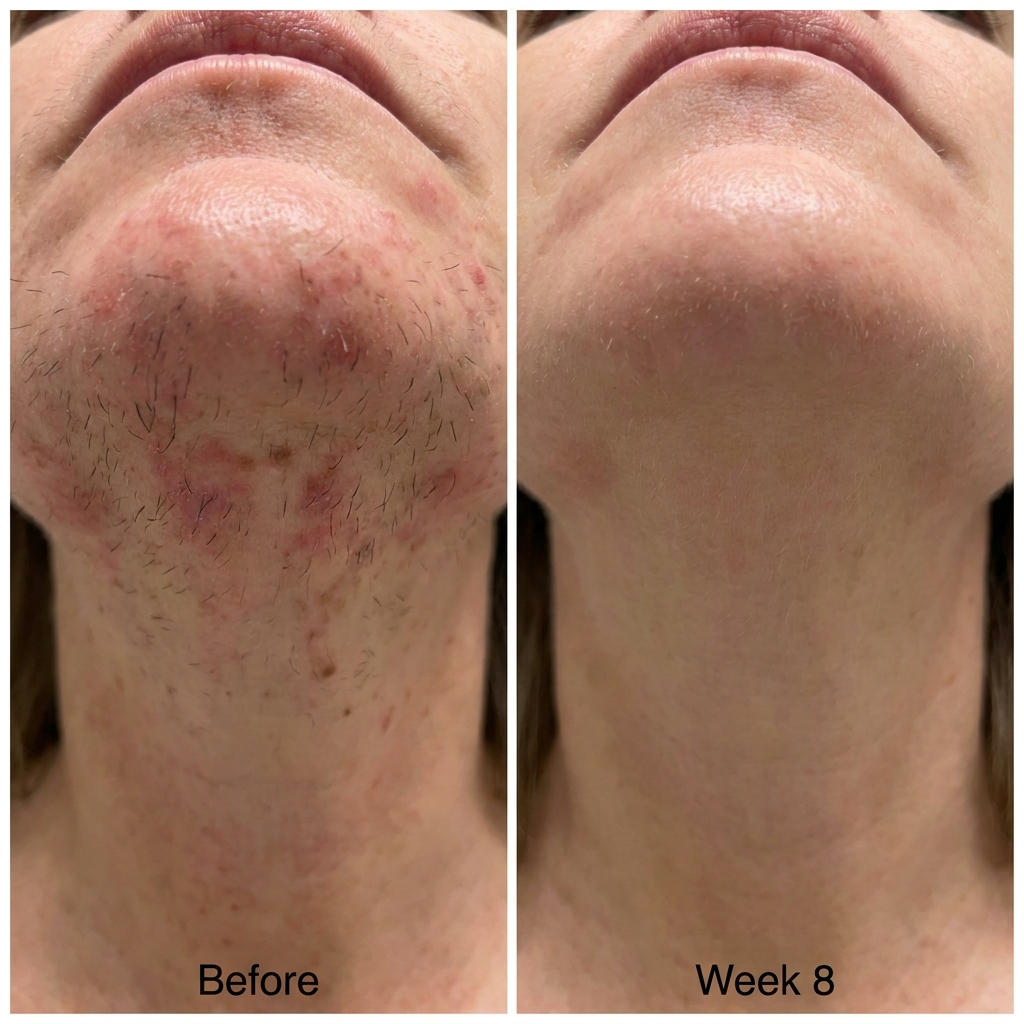
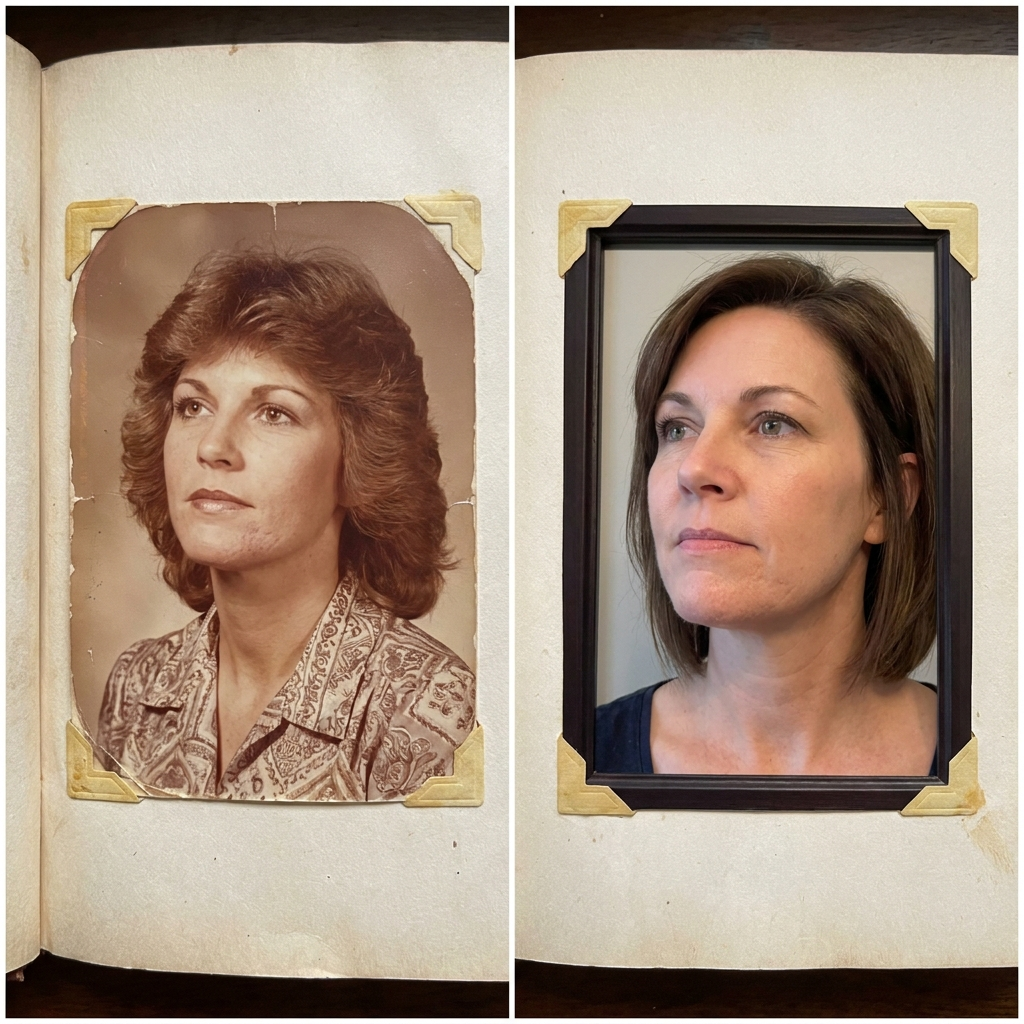
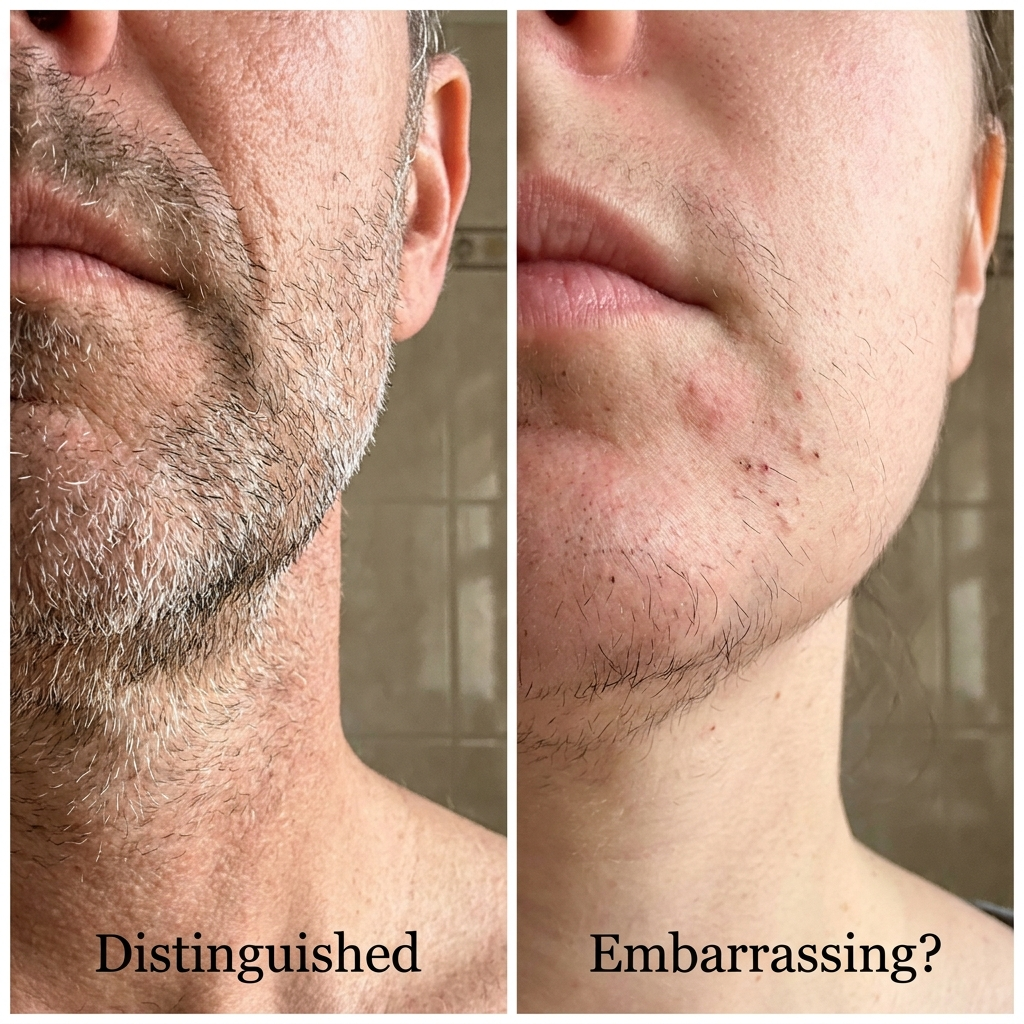
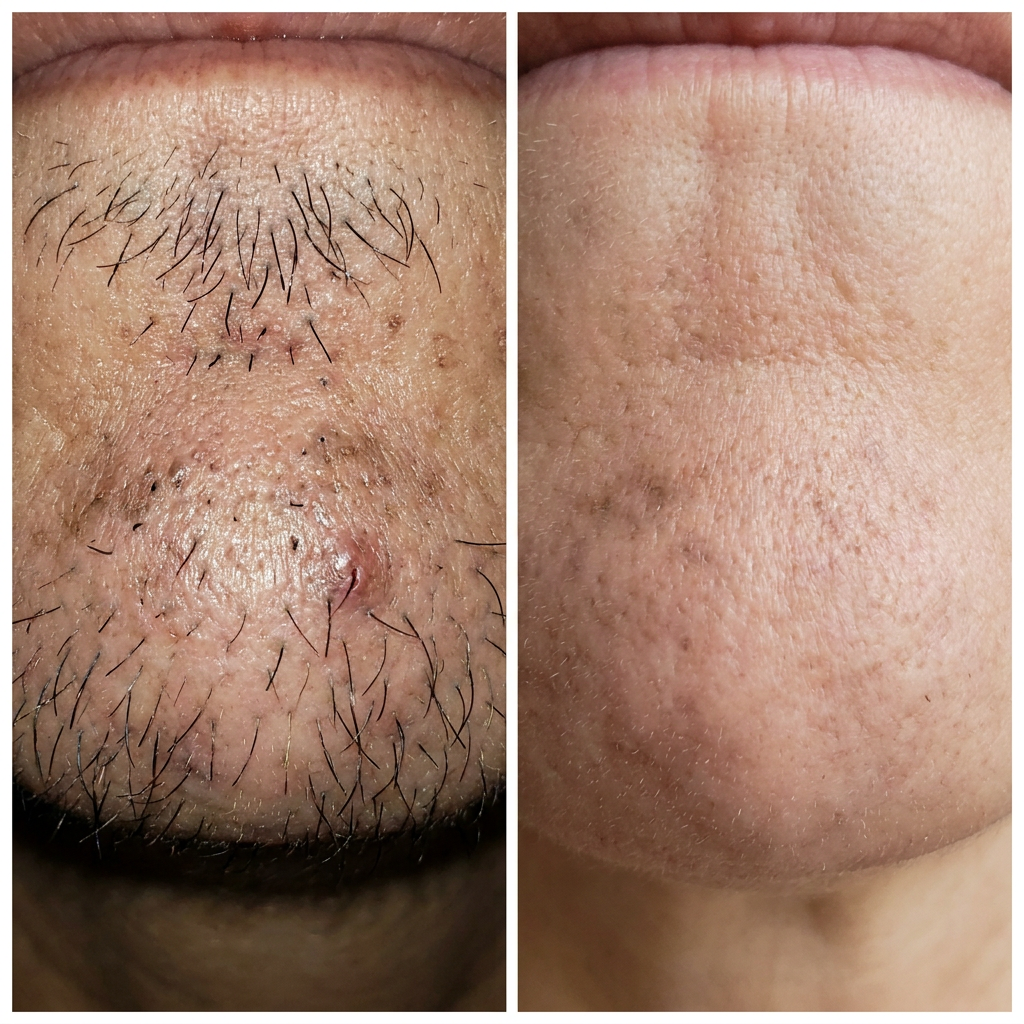
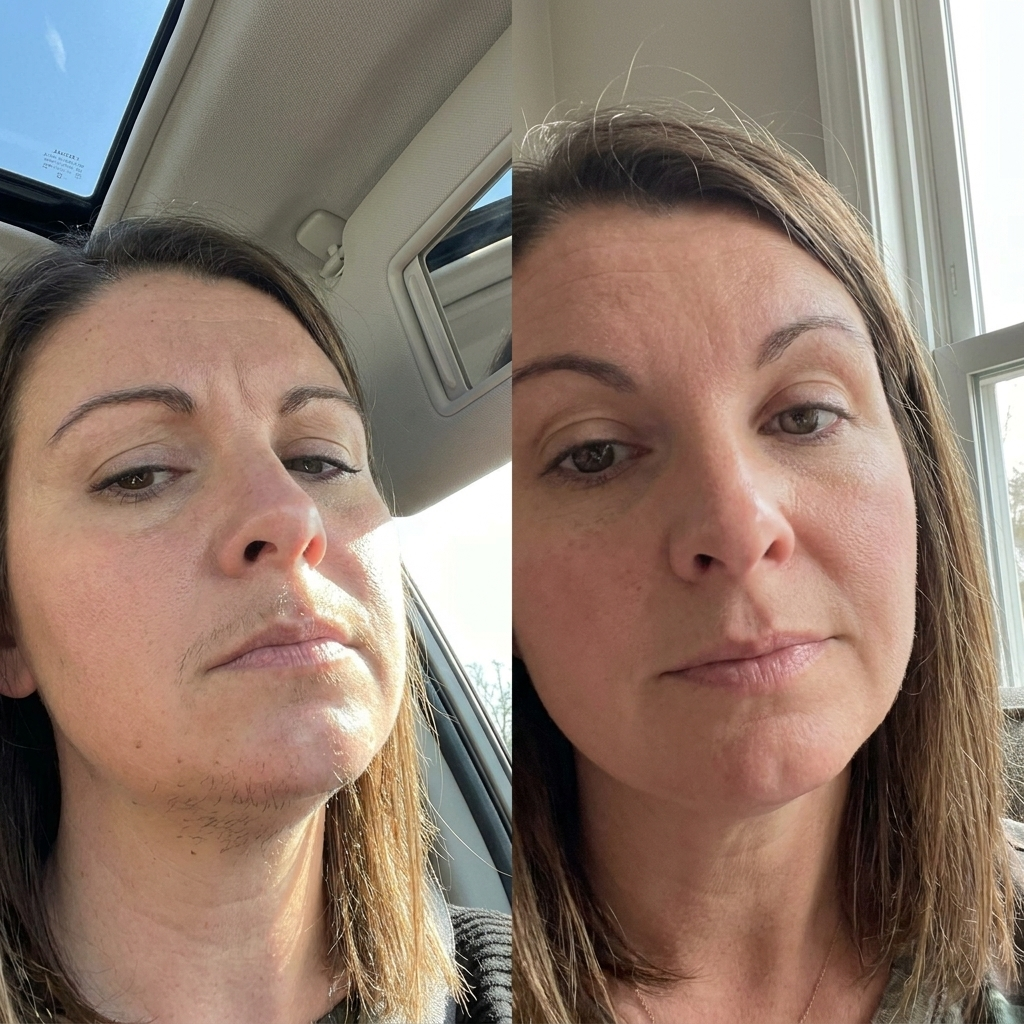
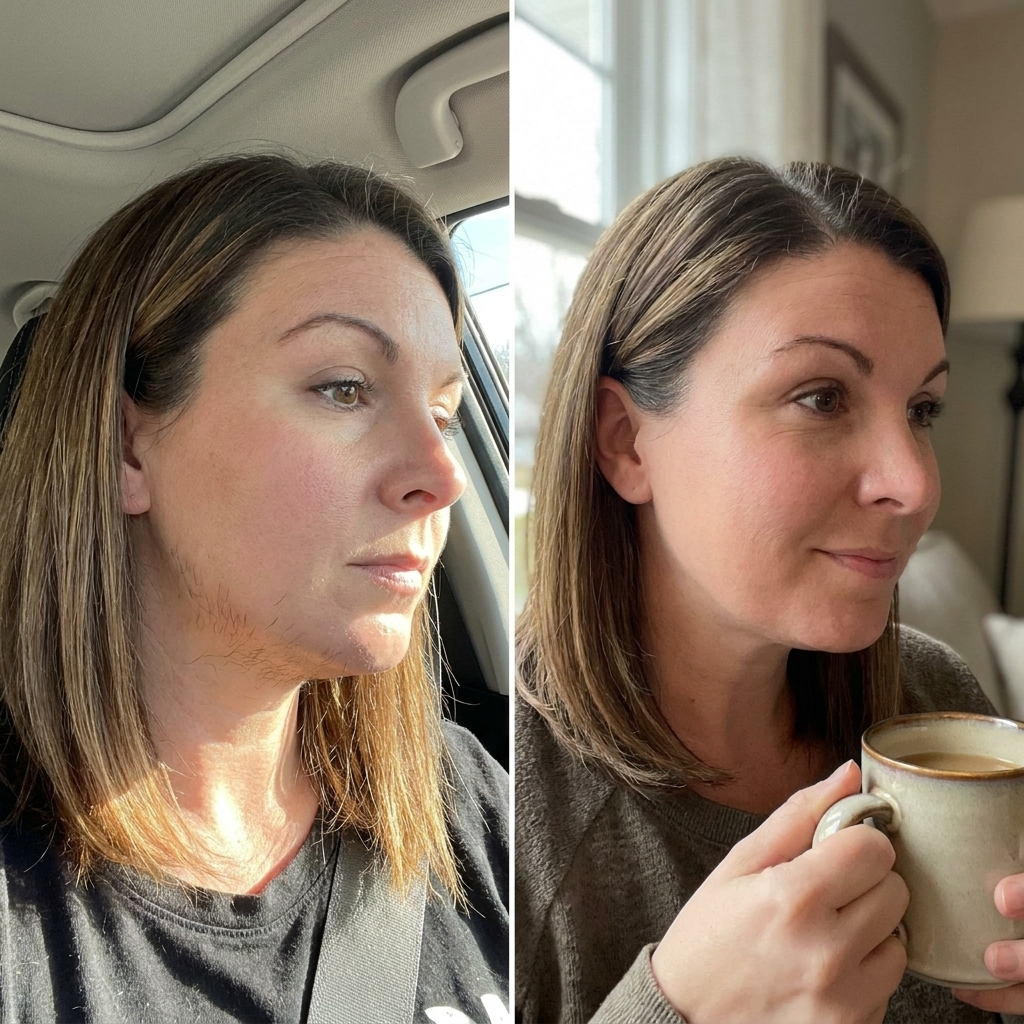
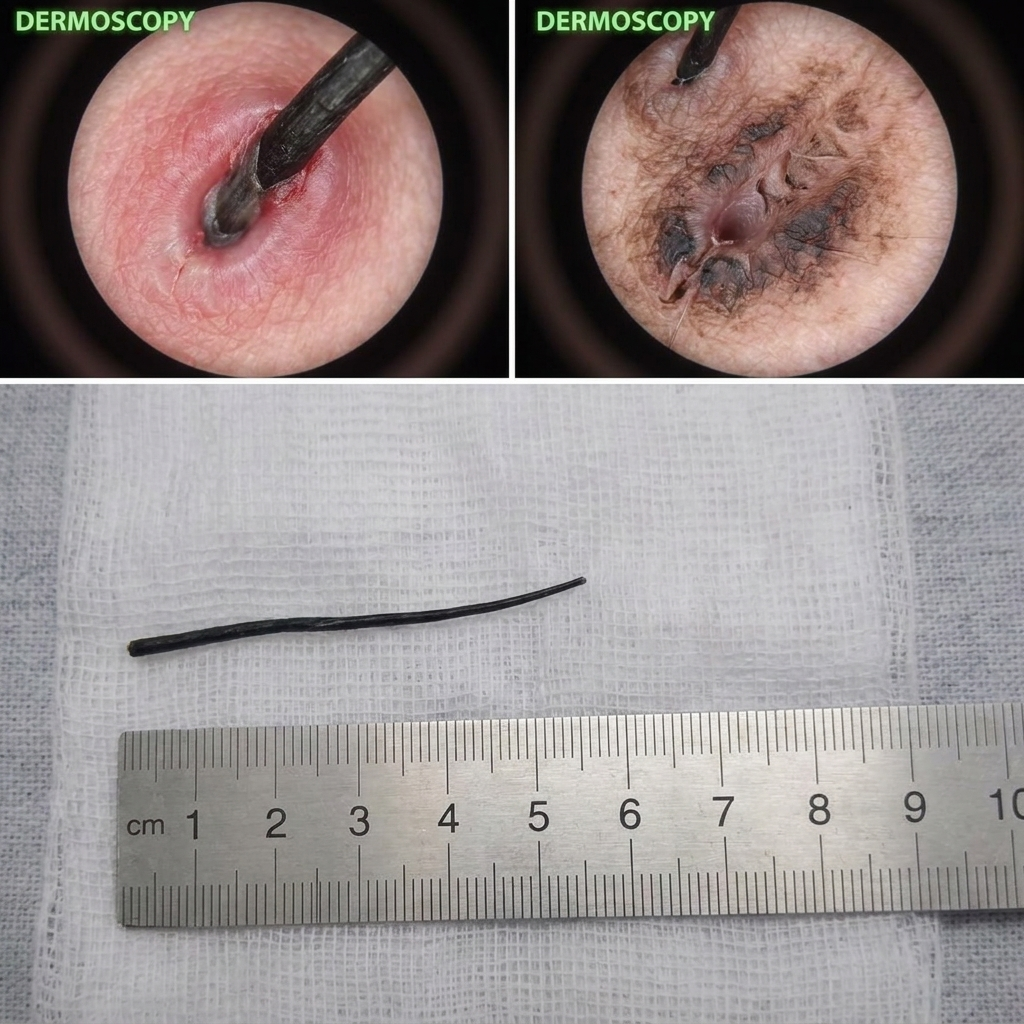
If you've been plucking your chin every morning for years, watching the hair get thicker every month, and spending hundreds on methods that clearly aren't working... I'm about to tell you exactly what your dermatologist is hiding from you and why they will NEVER tell you the truth. And by the end of this, you're gonna be pissed. Because there are three things happening right now: One. Your body is telling you something specific is happening inside your follicles. Something with a name. And it started the very first time you plucked. Two. The hair removal industry is gaslighting you into thinking it's just hormones. Just PMOS. Just part of having a hormonal condition. And three. There's a reason nobody told you your removal method is causing the thickening. And that reason isn't an accident. === So let me tell you what happened with my sister. Because her story is going to open your eyes to how messed up this really is. My sister is 42. Noticed her first chin hairs at 25 after her PMOS diagnosis. Her doctor said plucking was the standard approach. She believed him, because the hair came out, the chin looked smooth, and she felt genuinely in control for the first time since diagnosis. That was seventeen years ago. What nobody told her was what was coming next. Not right away. That's the thing. For years, everything seemed fine. She plucked every morning. Went to work. Lived her life. No red flags, no visible damage, nothing that made her look at her tweezers and think: something is wrong. Then, gradually, so gradually she didn't even notice at first, things started to shift. She went from 5 hairs to 10. Then 10 to 20. She started setting her alarm earlier. 6 AM. Then 5:45. Then 5:30. She started checking her chin in every mirror she passed. Always. She started carrying tweezers in her purse. In her car. In her desk drawer. She started saying no to spontaneous plans. No to beach trips. No to sitting by windows at restaurants. No to things she used to do without a second thought. She had a moment at a family dinner where her niece pointed at her chin and said something. She excused herself to the bathroom and didn't come back for ten minutes. She started wearing scarves indoors. Then turtlenecks in summer. And here's what she told herself, every single time: "It's just PMOS. I'm hormonal. This is what happens. My body just produces more androgens. There's nothing I can do except manage it." She had a complete explanation. And it kept her from asking the one question that would have changed everything. === When she finally went to a dermatologist, she'd already been plucking for twelve years. She saw her doctor. A dermatologist. An endocrinologist. Multiple appointments, bloodwork, the full workup. And every single one of them said the same thing. "This is very common with PMOS." "Try threading between plucks." "There are medications like Spironolactone that can help." "Facial hair with PMOS is completely normal." Normal. She's waking up at 5:30 AM, she's rearranging her entire morning around a magnifying mirror, she left a dinner early because the restaurant lighting exposed her stubble, and they're handing her a prescription and telling her it's normal. She tried Spironolactone. The dizziness hit within a week. Irregular periods by month two. And her chin hair? Still there. Still thick. Still growing back coarser every cycle. The medication suppressed the androgens, but it didn't touch what was actually happening to her follicles. And the moment she stopped taking it, every single hair came back. She tried laser. $4,200. Six sessions. Three areas came back thicker than before. She was told "some hormonal hair doesn't respond to laser." Nobody mentioned paradoxical hypertrichosis until after she'd paid. She tried threading. Every two weeks. For two years. Hair grew back faster and thicker each time. She told me: "I think it helps a little, I guess." But the thickening didn't stop. The dark spots kept spreading. The 5:30 alarm kept getting earlier. And that's when I started asking questions that nobody wants you to ask. Why didn't the laser work? She did six sessions, exactly as prescribed. Why did the Spiro suppress androgens but not stop the thickening? And why, when you actually look at the research, do women who pluck daily have progressively thicker regrowth than women with the same PMOS who don't remove their hair mechanically? If it's just hormones, those numbers should be the same. They're not. === So I went down a rabbit hole. And I found something that stopped me cold. Not on a mainstream beauty site. Those all said the same thing. Pluck. Thread. Try laser. Manage it. I found it in the actual research. Studies from dermatology institutions. Papers that had been published, peer-reviewed, sitting in medical databases for years. And what they showed was something my sister's doctors never once mentioned in any of her appointments. When you pluck, thread, wax, or laser a hair, the follicle is traumatized. Not just the hair. The follicle itself. See, the follicle isn't just a hole the hair grows from. It's a living structure with walls, blood supply, nerve endings, and a growth cycle that responds directly to mechanical injury. When you rip a hair from the root, the follicle tears. It has to. There's no other way to remove it mechanically. The body registers that as an attack. And it does what any tissue under attack does. It rebuilds. Stronger. The follicle wall gets thicker. And the hair that grows from a thicker wall is coarser, darker, and stronger than the hair that was there before. And the plucking can go perfectly. No infection, no visible damage, smooth skin every morning. And the follicle wall thickening still happens. Because that's what mechanical removal requires. And here's the part that explains everything about my sister's timeline. This doesn't happen overnight. It happens gradually. Cycle after cycle, month after month, year after year. Each pluck adds another layer of thickening to the wall. Each thread adds another round of defense response. And the compounding is so slow that you blame your hormones, your age, your genetics, anything except the method you're using every single morning. Because PMOS does cause facial hair. But PMOS alone produces manageable hair. Fine. Soft. Visible but controllable. What my sister had after 17 years wasn't PMOS hair. It was trauma hair. Wire-thick. Coarse. Dark. Growing back within hours. Her follicles didn't just produce more hair. They were rebuilt into weapons by 17 years of daily mechanical trauma. And nobody told her. === Here's what actually breaks down. Because it's not just one thing. It's three things, happening at the same time, for the same underlying reason. First, the follicle wall thickening. Every time you rip a hair from the root, the follicle wall rebuilds thicker. Over years, this compounds. A follicle that started producing fine vellus hair is now producing terminal hair three times the original thickness. It's not that your hormones got worse. It's that your follicle walls got thicker. No amount of plucking can reverse a wall that plucking built. Second, the hyperpigmentation. Every pluck triggers micro-inflammation around the follicle. That inflammation activates melanocytes, the cells that produce skin pigment. Melanin deposits form. Dark spots appear. The shadow spreads. And it doesn't fade on its own because you're re-traumatizing the same follicles every 24 to 48 hours before the melanocytes can calm down. That's the permanent shadow. That's the chin that looks dark even after every hair is removed. That's the concealer that never quite covers it. Third, the ingrown cycle. Repeated trauma distorts the follicle opening. Scar tissue forms around the channel. The hair can't exit cleanly anymore. It curls back under the skin. Gets trapped. Inflames. Creates the bumps that look like acne but aren't. And every pluck makes the scarring worse, which makes the next hair more likely to get trapped, which creates more inflammation, which creates more scarring. Three systems. All damaged by the same method. All getting worse over time as long as the trauma continues. This is why the laser didn't work. Laser adds thermal trauma on top of mechanical trauma. This is why the Spiro didn't stop the thickening. Spiro suppresses hormones but doesn't touch the follicle wall damage already done. This is why my sister spent twelve years being told it was "just PMOS" while the actual cause sat unaddressed. === And here's the part that made my blood boil. The research on follicle trauma response isn't hidden. It's in dermatology journals. The connection between mechanical hair removal and progressive follicle wall thickening has been documented for years. But in a standard dermatology appointment? Almost none of it gets mentioned. Not because doctors don't know. Because there's nothing pharmaceutical to prescribe for follicle wall thickening caused by the methods they've been recommending. There's no drug that reverses follicle wall damage. There's no pill that thins a wall that plucking built. What there IS, is a market for laser packages you'll pay $4,000+ for that trigger paradoxical thickening in up to 30% of hormonal cases. A market for threading appointments every two weeks at $40 a session that rip the same follicles your doctor never examined. A market for Spironolactone prescriptions you'll take indefinitely that suppress hormones but don't touch the follicle damage already done. A market for follow-up appointments to manage symptoms that never actually get better because the method they recommended is the method causing the problem. Your sister's chin. Your mother's chin. Your chin. All sitting on the same damaged follicle architecture, getting the same incomplete explanation, paying for the same methods that treat the hair and never touch the cause. === So I kept digging. Clinical studies. Dermatological research. Practitioners who actually understood what a traumatized follicle needs in order to heal. And what I found was that there's only one approach that can remove hair without triggering the defense response that makes it worse. Clinical-grade chemical dissolution. Not drugstore Nair. Not Veet. Not any cream formulated for fine leg hair at mass-market concentrations. Professional-strength thioglycolate that dissolves the hair protein at the surface. The follicle is never touched. No ripping. No tearing. No heat. No trauma signal sent. The wall doesn't rebuild thicker. It actually begins to thin back toward baseline. But it requires three specific steps working together. Step 1: A pre-treatment gel that opens the hair cuticle on thick hormonal hair. Without this step, clinical-grade dissolver can't penetrate coarse PMOS hair. This is the step every drugstore cream is missing. Step 2: Professional-strength dissolution at clinical-grade concentration. Not the diluted versions designed for leg peach fuzz. The actual concentration that dissolves terminal, wire-thick hormonal hair at the surface without any follicle contact. Step 3: An aftercare serum that calms the chronic inflammation, soothes the traumatized follicles, and fades the hyperpigmentation that years of plucking left behind. This is the step that stops the dark spot cycle. You need all three. In the right order. At the right concentrations. Miss any one of them and the follicle stays damaged. And most products on the market? One step. Weak concentration. Wrong hair type. === So I convinced my sister to try this. The first application took fifteen minutes. She did the pre-treatment. Applied the dissolver. Wiped it away. Applied the aftercare. When she ran her hand across her chin, she stopped. "It's smooth," she said. "Like, actually smooth. Not stubbly." I told her to wait. I'd been burned before. Four weeks in, regrowth coming back finer. Noticeably. Not the wire she'd been plucking for 17 years. Six weeks in, dark spots on her chin visibly lighter. The permanent shadow she'd had for a decade was lifting. Eight weeks in, she called me crying. She'd just sat through a family dinner, by the window, in afternoon sunlight, and didn't think about her chin once. She said: "I thought this was just my life now. I thought PMOS just did this and I had to accept it." She didn't have to accept it. She just needed someone to tell her the truth about what had actually happened to her follicles. === This is what they don't tell you after your PMOS diagnosis. Not because the research doesn't exist. Because there's no recurring revenue in telling you to stop plucking. But once you stop the trauma and give the follicles what they need to heal, everything changes. The hair grows back finer. The dark spots fade. The inflammation calms. The ingrowns stop. Your follicles were always capable of producing manageable hair. They just needed the trauma to stop and the healing to start. Support that was never offered. === I spent weeks looking for a product that actually understood this. Not a company throwing "depilatory cream" on a label at drugstore concentrations. I found Aurlux. When I looked at their system, all three steps, at clinical-grade concentration, specifically formulated for thick hormonal facial hair, I almost couldn't believe it. This wasn't a marketing team guessing. There was a clear rationale behind every tube and why the 3-step order mattered. One treatment. Fifteen minutes. Once a month. That's it. When my sister was trying drugstore creams and laser and Spiro? Over $6,000 across five years on methods that made it worse. Aurlux has everything in one system, at a fraction of that cost. And every order is protected by a 60-day money-back guarantee. === My sister has been using it consistently for five months now. The thickening? Reversed. The dark spots? Fading every week. The 5:30 AM alarm? Gone. She goes where she wants, when she wants. She doesn't check mirrors compulsively. She doesn't carry tweezers. She said last week: "I feel like myself again. Like the person I was before the hair started." === This is the protocol they never told you about after your PMOS diagnosis. Your hair didn't just get thicker because of hormones. Something specific happened to your follicles, and for the first time, you have a specific answer. There's a 60-day money-back guarantee. If it doesn't work, you get every penny back. Try one kit. Give it a month. See if your follicles respond the way my sister's did. Because your dermatologist isn't going to bring this to you. The PMOS diagnosis counseling didn't cover it. The threading appointments don't address it. And that's not going to change. But you can change it. Now you know what actually happened. And now you know what to do about it. Go get it. 👉 https://aurlux.co/pages/instantly-remove-hair
Why Your Chin Hair Keeps Getting Thicker
A dermatologist with 19 years in women's skin health reveals why your removal method is making your facial hair progressively worse...
SHOP NOWLike this ad? Make it yours.
Crush rebuilds this exact creative around your product — your brand, your colors, your offer — in about a minute.