
Active· since Apr 21, 2026
- 149
- days running
- 1
- relaunches
Ad copy
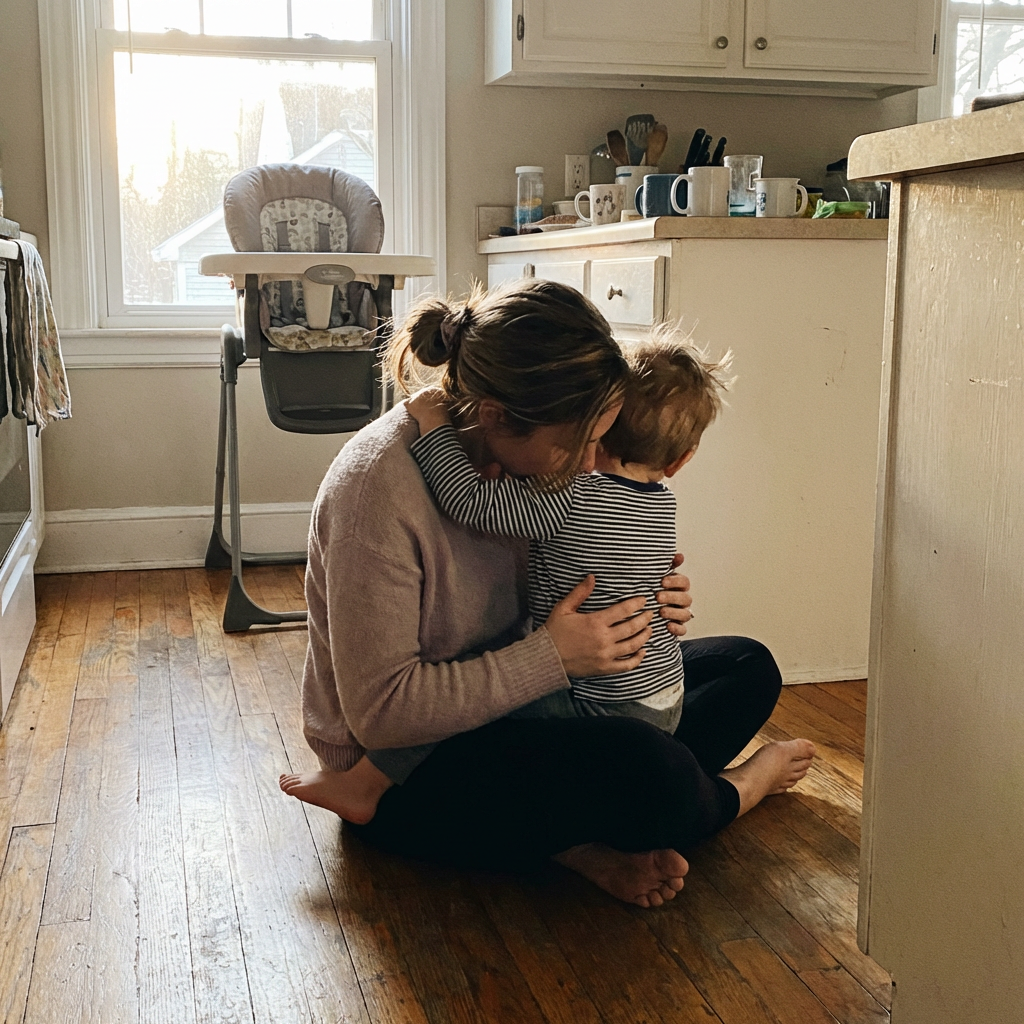
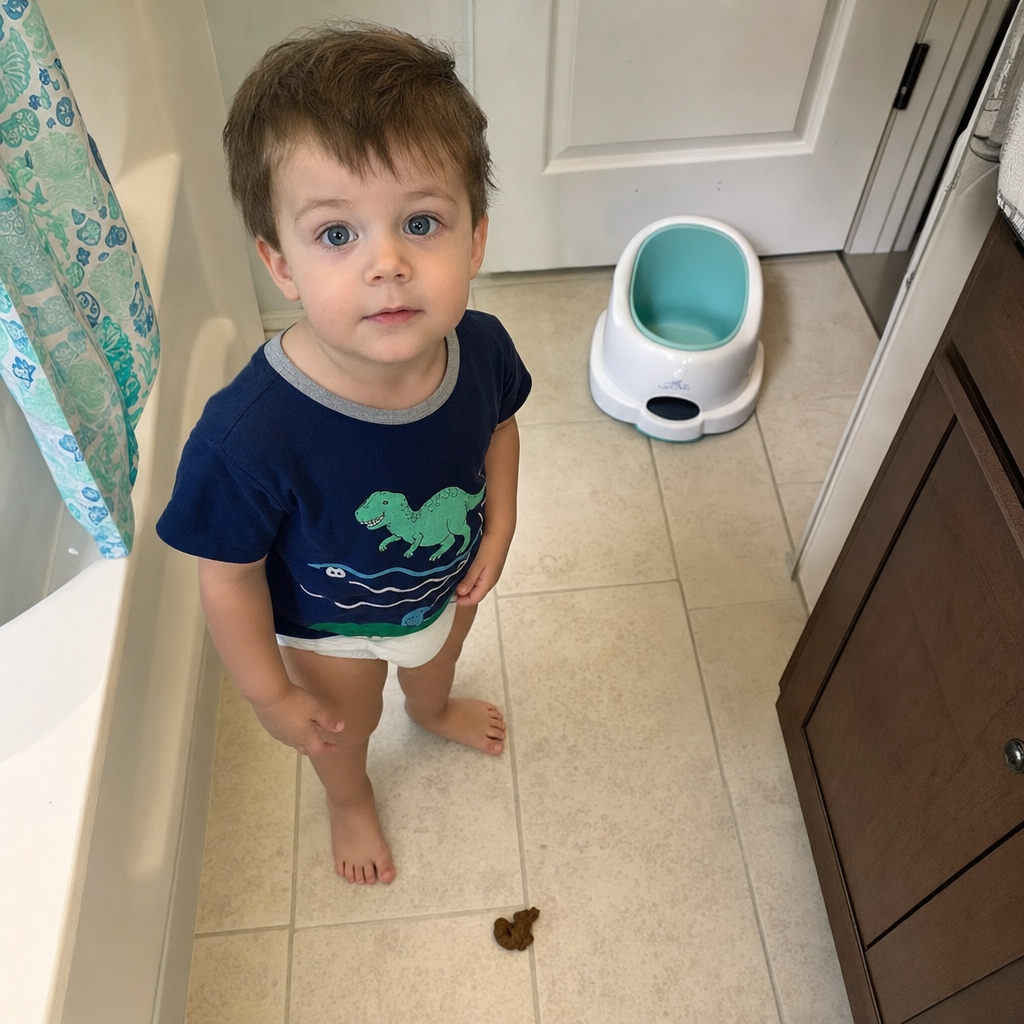
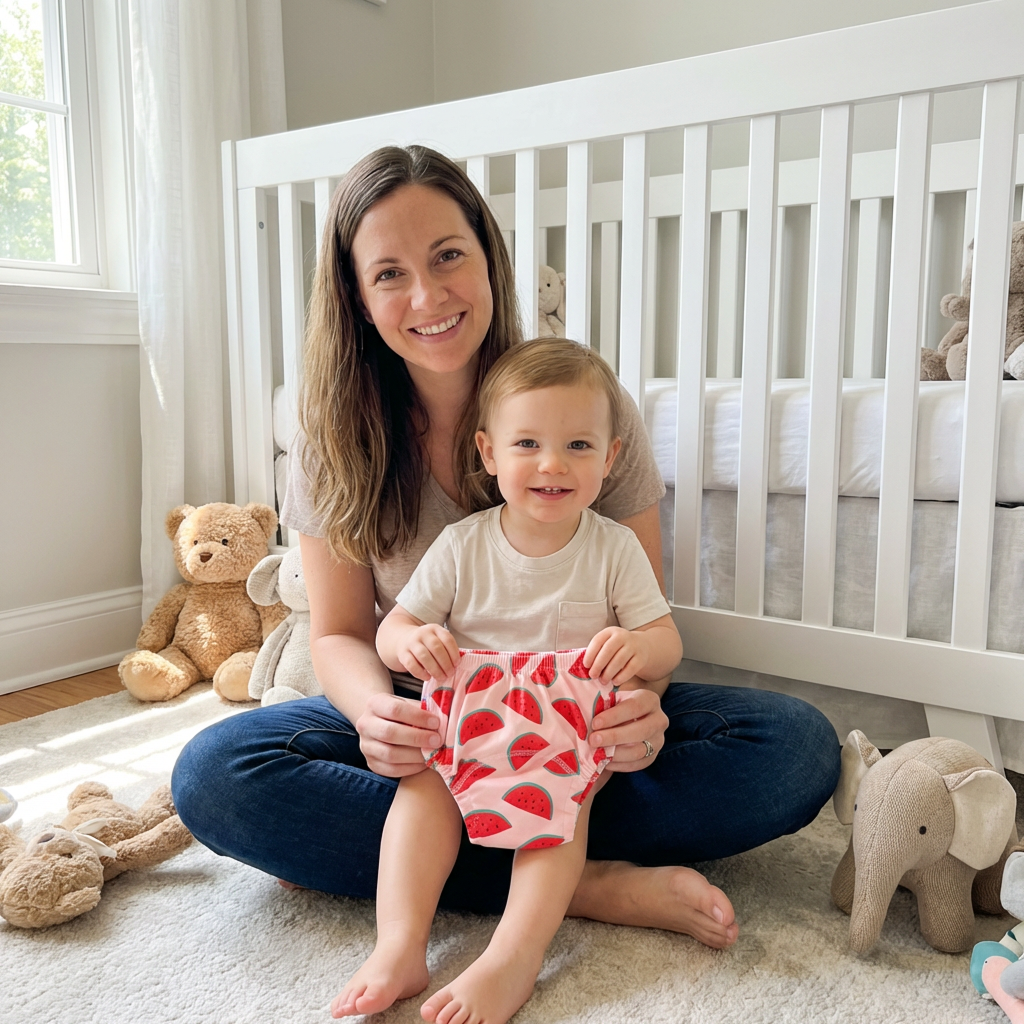
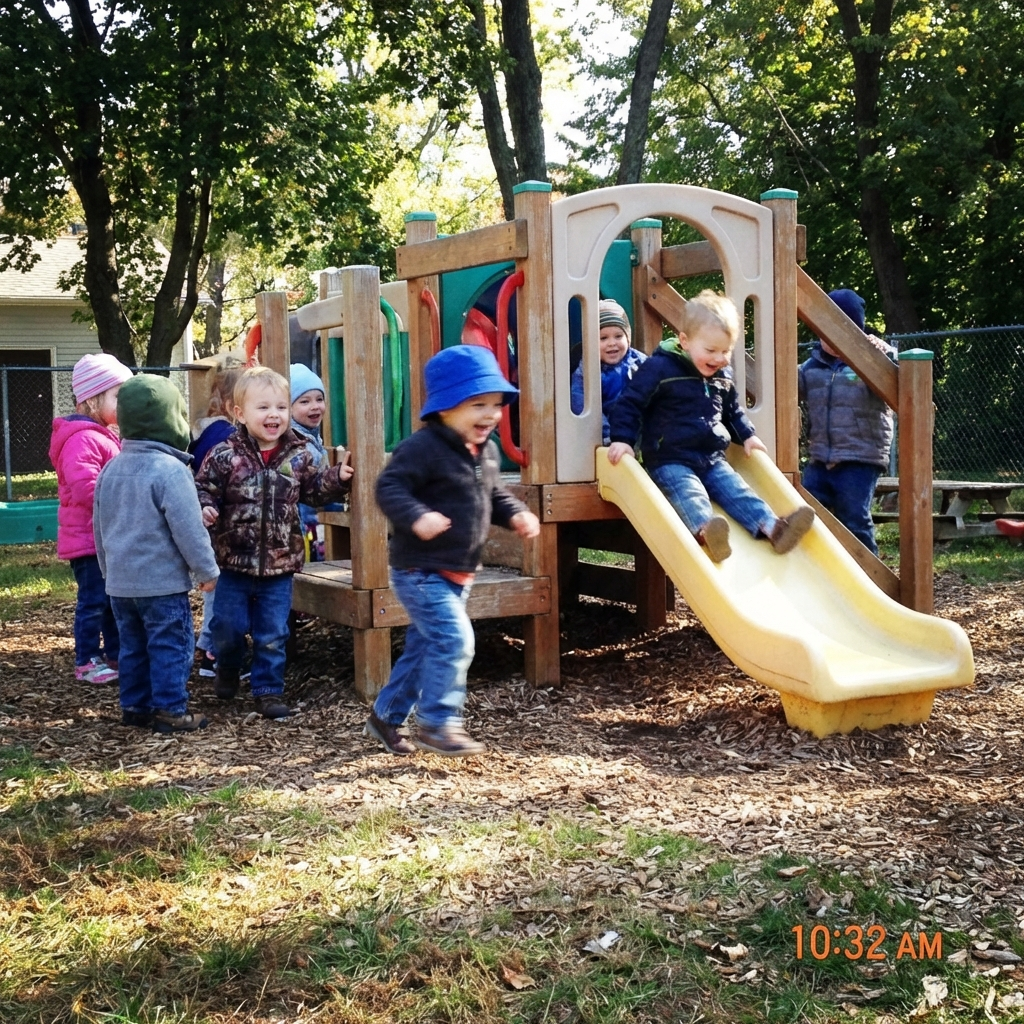
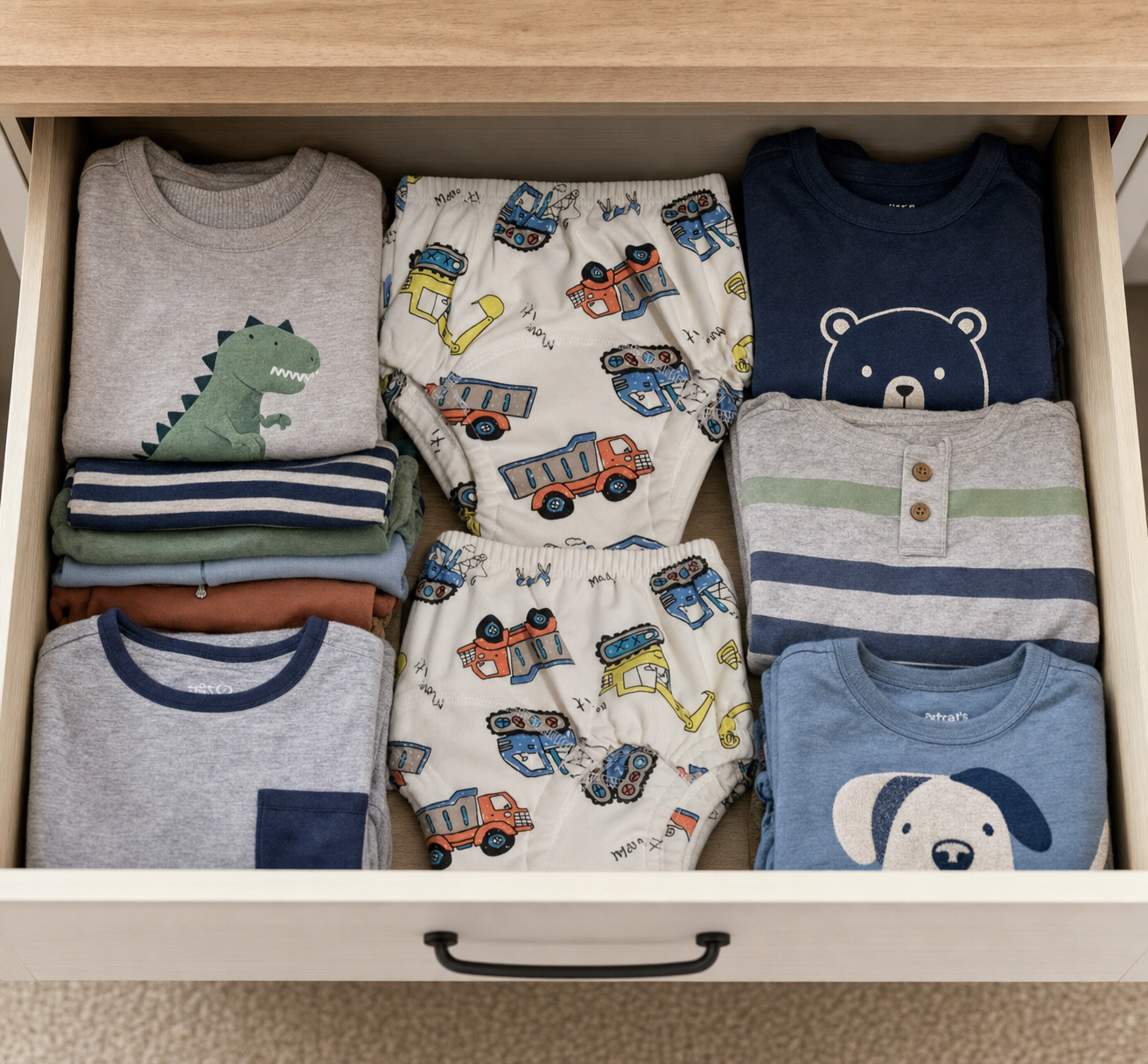
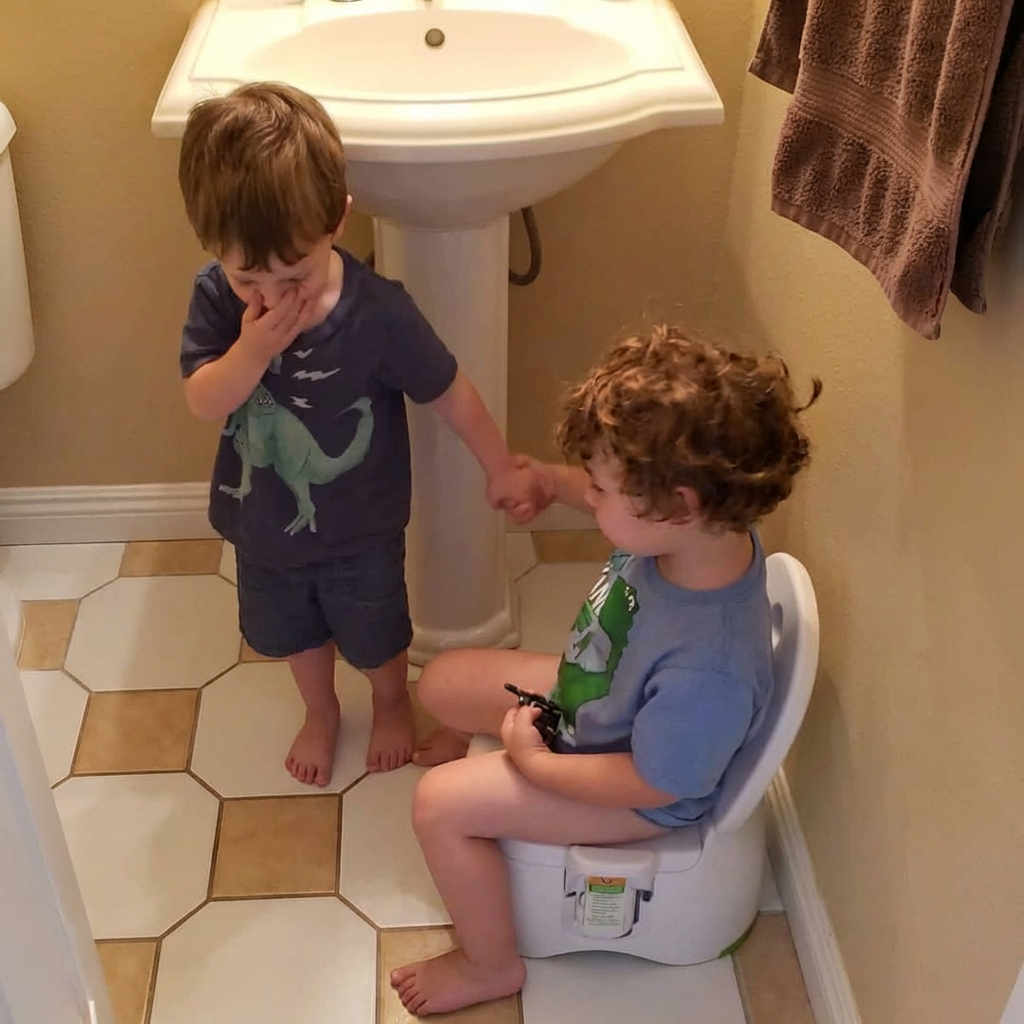
My autistic son potty trained faster than most toddlers. Not faster than most autistic toddlers. Faster than most toddlers. Period. The average child in America takes until 35 months. Ezra did it in five weeks. At 4. And the reason he trained that fast is the same thing every professional in his life told me would make it take longer. His sensory system. I need every parent to hear this. Because what I'm about to tell you is the opposite of everything you've been told. And it's the truth. — Ezra was diagnosed at 26 months. If you're an autism parent you already know what our world looks like. The specific fabrics he'll wear and the ones he'll tear off his body. The noise-canceling headphones that go everywhere with us. The weighted blanket that's the only thing that settles him at night. The food textures he won't tolerate. The hand dryers in public bathrooms that send him into a full spiral. I know Ezra better than I know myself. I can tell you which sock brands he'll tolerate and which ones make him scream. I can tell you the exact volume where background noise goes from okay to overwhelming. That he'll eat crunchy but not mushy. That he needs transition warnings before any change in routine or his whole system floods. His brain processes sensory information with extraordinary intensity. Every input gets the full treatment. Nothing slips past. Nothing gets filed as background noise. That's what makes daily life harder for him. And that's exactly what made potty training faster than any professional predicted. But I didn't know that for three years. Because for three years, every single person I trusted told me the opposite. — For three years we tried to potty train Ezra and got absolutely nowhere. Not slow progress. Not occasional wins. Nothing. His behavioral therapist designed an ABA-based toileting protocol. Scheduled sits. Data sheets. Token reinforcement. At the clinic he'd sit on the potty beautifully. Follow every prompt. Earn his tokens. But at home? Nothing transferred. He'd sit for ten minutes, get up, walk to the living room, and pee in his pull-up five minutes later. Because ABA was teaching him to follow a command. Not to feel a sensation. We tried visual schedules. Social stories. Video modeling. Sitting on the potty at the same time every day. Rewards tailored to his specific interests — three minutes of his favorite train video for every successful sit. We tried Oh Crap. Lasted less than two days. He stood in his own pee on the kitchen floor and completely panicked. For a child with sensory sensitivities, standing naked and wet on cold tile isn't a learning experience. It's terrifying. The meltdown lasted forty minutes. It took a week before he'd walk into the kitchen without shoes on. Reward charts. Sticker charts. M&Ms in a jar next to the potty. He'd sit there happily for twenty minutes watching trains on my phone. Nothing happened. He'd get up, walk away, and pee on the floor ten minutes later. Every professional said the same thing. Be patient. Autistic children take longer. His interoception is still developing. He'll get there. Three years of patience. Three years of "he'll get there." Zero progress. But this isn't a story about three years of failure. I'm telling you what we tried so you understand what DIDN'T work and why. Because the why is the whole point. Every single method had the same blind spot. They all assumed Ezra could feel when he needed to go. He couldn't. — His OT was the one who finally explained what was actually happening. She's been working with Ezra since his diagnosis. She knows his sensory profile inside and out. She's the one who figured out the weighted blanket. The compression vest for noisy environments. The brushing protocol that got him to tolerate new food textures. She's the person I trust most in his care team. Because she doesn't just manage behaviors. She understands WHY his brain does what it does. When I mentioned the potty training situation during one of his sessions, she asked one question. "What's he wearing during the day?" Pull-ups. Obviously. She said: "You just told me Ezra feels everything. Every fabric. Every texture. Every temperature change on his skin. His sensory system is incredibly responsive. So ask yourself — why can't he feel when he's wet?" I didn't have an answer. She said: "Because he CAN'T feel it. The pull-up absorbs everything in under two seconds. His skin stays completely dry. His sensory system — the same system that detects a sock wrinkle through two layers of fabric — is getting absolute silence. There's nothing to feel. The signal doesn't exist." She said there are two ways the brain learns bladder control. The first is interoception — feeling internal body signals. A full bladder. Pressure building. For a lot of children that signal is weak or delayed or inconsistent. That's what every professional had focused on. "His interoception is still developing. Be patient." But there's a second pathway. The external one. Feeling the wetness AFTER peeing. Wet against skin. Uncomfortable. Brain registers it. Brain starts connecting that feeling to what happened right before. Over time, brain learns to catch it earlier. For autistic children with weak interoception, that second pathway isn't just a backup. It's the primary learning channel. And pull-ups eliminate it completely. Every pee absorbed in seconds. Skin stays dry. Brain gets nothing. Both channels silent. Then she said the thing I need every autism parent to hear. "For a child like Ezra — a child with heightened sensory sensitivity — that second pathway should work FASTER than it does for typical children. Not slower." She said think about it. His sensory system is MORE responsive. It picks up MORE input. It processes with MORE intensity. The same sensitivity that makes sock wrinkles unbearable and hand dryers overwhelming means his brain will grab the wetness signal hard. The moment it's actually there. Because that's what his brain does. It grabs sensory information with precision and intensity that a typical brain doesn't have. For a typical child, the wetness signal is noticeable. For a child like Ezra, it should be impossible to ignore. IF it's actually there. Three years of professionals telling me his autism was the reason he couldn't train. His OT telling me his autism is the reason he'll train fast. — She told me to get him into training pants that let him feel wetness against his skin but contain everything. Nothing that creates puddles — for a sensory-sensitive child, mess and unpredictability cause anxiety that shuts learning down. Soft cotton. No tags. No seams. Something his sensory system would tolerate wearing. She recommended UpAiry training pants. Feel & Learn technology. The inside stays wet long enough for the brain to register what happened. The outside catches everything. She'd recommended them to other families with sensory-sensitive children and said the awareness shift usually starts within days. Not weeks. Days. Because sensory-sensitive brains don't respond slowly to new input. They respond intensely. I ordered them that night. — Put them on Ezra when they came. Didn't change his visual schedule. Didn't change the routine. Just swapped the pull-up and let him do his thing. He put them on without protest. Soft cotton. No tags. No bulk. He didn't even comment on the change. Mid-morning he was in the living room lining up his trains. And he stopped. Both hands went still. He sat completely motionless for about two seconds. Then he looked down at his lap. Then up at me. "Wet." Three years. Over a thousand days. Not once — not one single time — had he ever acknowledged that anything had happened. Not a look. Not a word. Not a pause. And then his face changed. He didn't just notice. He REACTED. With the full intensity his sensory system brings to everything. His face scrunched up. He pulled at the waistband. "Off. Wet. Off." The same child who supposedly couldn't feel when he was peeing was demanding to be changed immediately because the sensation was THAT loud to him. His OT was right. His sensory system didn't need to be taught to notice. It needed something TO notice. And the moment the signal was there, his brain grabbed it. Immediately. With more intensity than any typical child would have. Because that's how his brain is wired. The sensitivity that makes daily life harder for him made this part faster. — The first three days were intense. I want to be honest about that because autism parents need realistic expectations, not Instagram timelines. Ezra had four to five accidents a day. He noticed every single one. And he did NOT like the sensation. It was brand new. Unfamiliar. Uncomfortable. There were difficult moments. Moments where his sensory system was processing something it had never encountered and the overwhelm was real. I didn't push. I didn't force the potty. I let him feel it and process at his pace. Same visual schedule. Same routine. Same words every time. "Wet means pee happened. Pee can go in the potty. We'll try next time." Consistency and predictability. The two things his brain needs most. Everything else was new. The routine stayed the same. Day four. Something shifted. He started pausing right BEFORE an accident. This look would cross his face — a flash of recognition. His brain was connecting the internal pressure to what was about to happen. He didn't make it to the potty. But he moved toward it. Got up and walked in that direction. That had never happened in three years. End of week one. Making it about a third of the time. When he didn't make it, he came and told me. "Wet. Potty. Didn't make it." Full communication about a body signal that didn't exist for him two weeks earlier. Week two. Making it about half the time. Going independently sometimes. Using the visual schedule to manage the routine himself. Walking to the bathroom, pulling his training pants down, going, pulling them back up. Coming back to his trains. His BCBA watched this during a session and said "I've never seen him acquire a self-care skill this fast." And that's the line I want every autism parent to sit with. This fast. Not "for an autistic child." Not "considering his challenges." This fast. Period. Faster than the timeline his BCBA sees with ANY child. Because his sensory system isn't a limitation. It's precision engineering. And when you give precision engineering the right input, it outperforms everything else in the room. End of week three. Two accidents in four days. Both times he caught himself mid-stream and ran to finish in the bathroom. Week five. Dry days are the norm. He still has an occasional accident. But he catches it. He knows. The signal is there and his brain is using it with the same intensity it uses for everything else. — Last week he walked to the bathroom by himself. Pulled his training pants down. Went. Pulled them back up. Walked back to his trains. Didn't announce it. Didn't ask for help. Just did it. I didn't cry. I didn't cover my mouth. I just stood there and felt proud. Not relieved. Not grateful it was finally over. Proud. Proud of what his brain did. Proud of how fast it did it. Proud that the thing everyone called his biggest challenge turned out to be his biggest asset. — I'm sharing this because the narrative around autism and potty training is wrong. Every article says it takes longer. Every professional says be patient. Every support group normalizes years of struggle as just part of the journey. It doesn't have to be. Your child's sensory system is not a deficit in this area. It is a superpower. The same brain that picks up every texture, every sound, every seam, every temperature change — that brain will grab the potty training signal with more intensity than any typical child. Once it's actually there. The reason it's not there is the pull-up. Years of instant absorption. Years of zero feedback on the one channel that could actually teach them. And then everyone blamed the neurology. Your child isn't behind because they're autistic. They're behind because they're wearing something that blocks the one signal their extraordinarily responsive brain needs to learn. Now this doesn’t just apply to toddlers with autism, I feel as if it could apply to ANY toddler. These are the training pants his OT recommended: https://www.upairy.com/pages/training-underwear UpAiry with Feel & Learn technology. Soft cotton. No tags. No seams. No sensory issues wearing them. Ezra's brain responded on day one. Faster than average. Faster than expected. Faster than anyone said was possible. Because his sensory system was never the problem. It was the advantage. And I'm done letting anyone tell me otherwise.
Like this ad? Make it yours.
Crush rebuilds this exact creative around your product — your brand, your colors, your offer — in about a minute.