
Inactive· since Aug 29, 2026
- 3
- days it ran
- 0
- relaunches
Ad copy
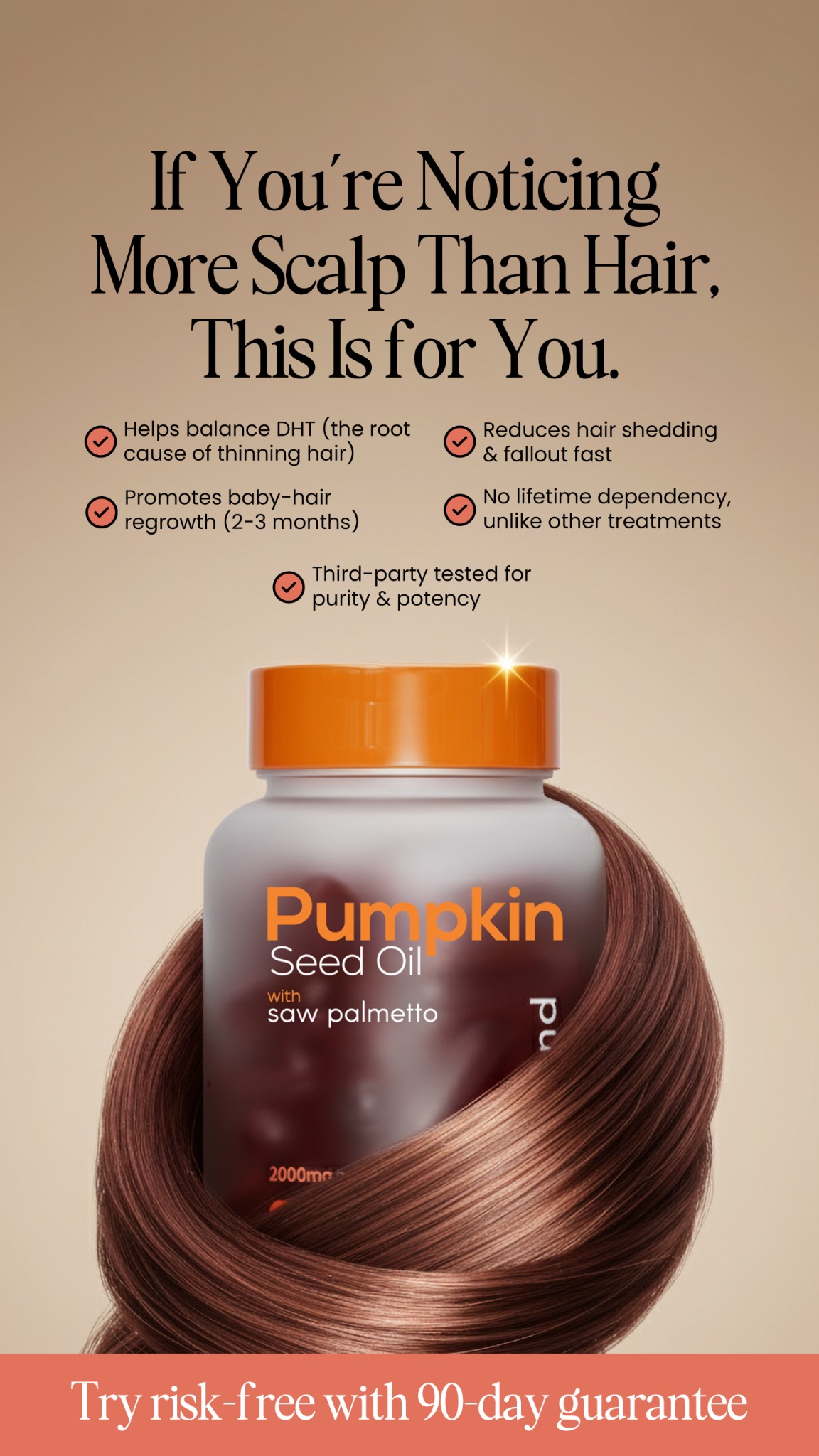
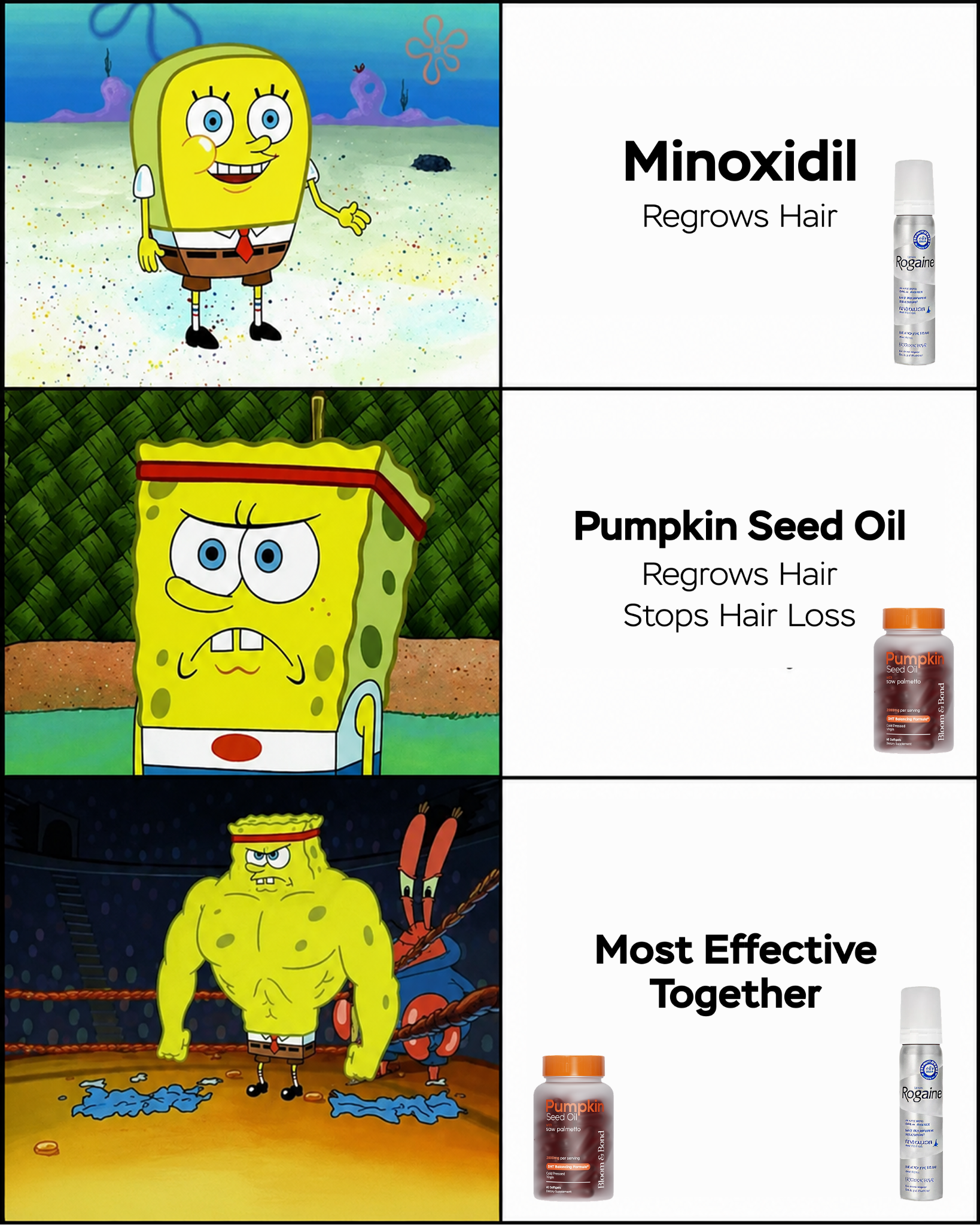
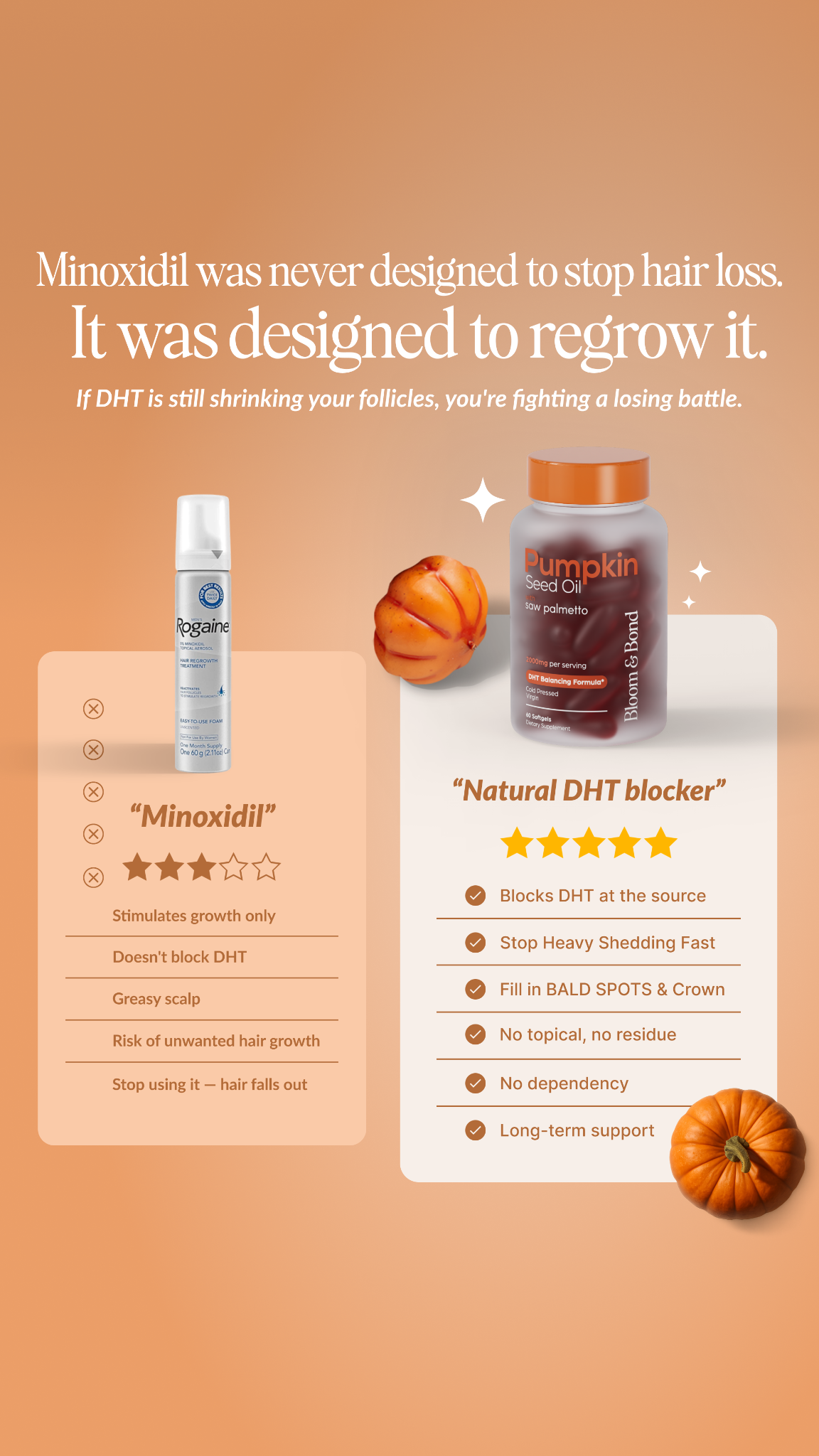
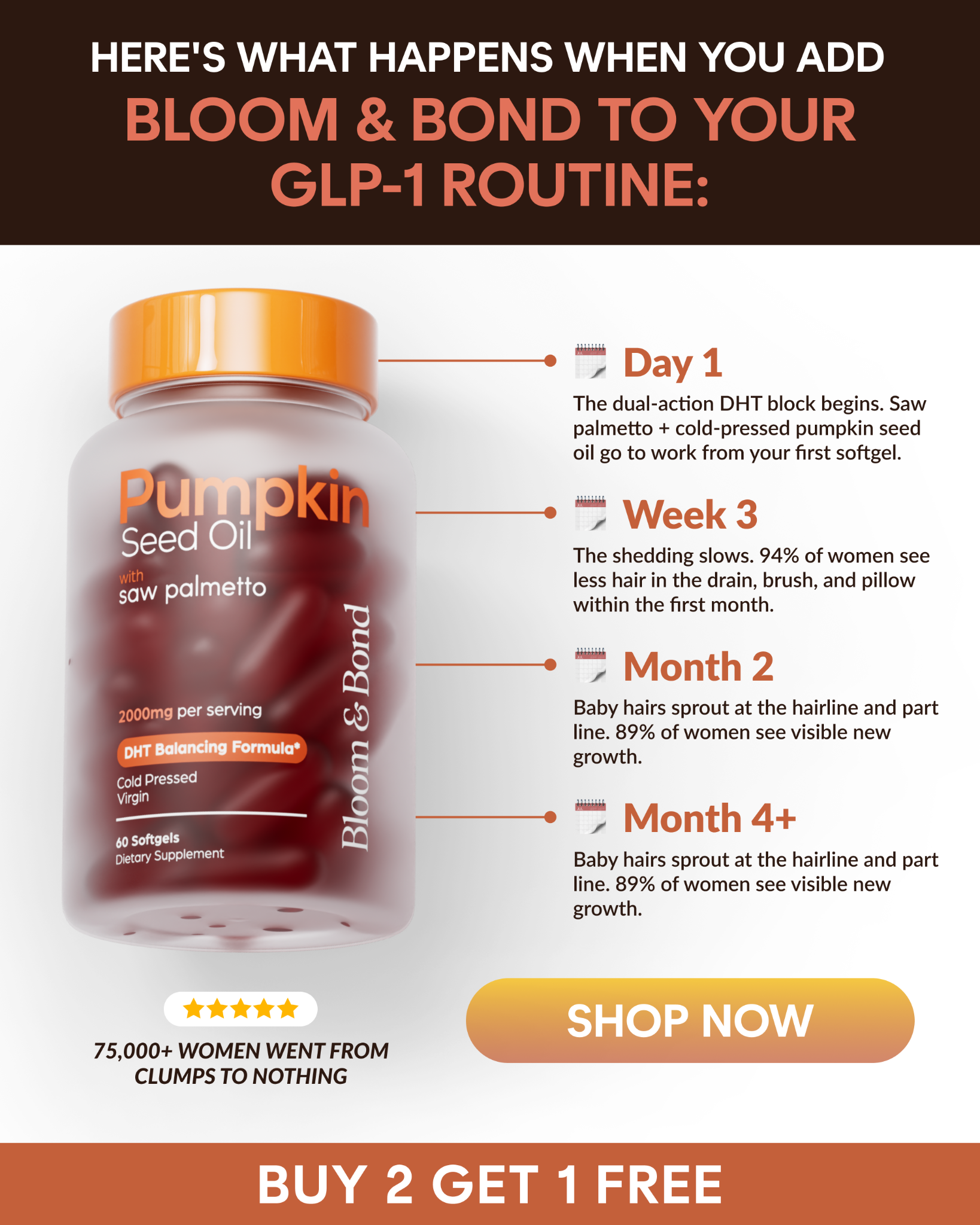
If your hair is thinning, the most important thing you can do is figure out which kind of hair loss you actually have. Because there are three common kinds. And the fix for each one is completely different. Most women I see have been treating the wrong one for years. My name is Dr. Patricia Sullivan. I've been a dermatologist for 17 years. I specialize in hormonal hair loss in women. I'm going to walk you through the three kinds the way I do with a patient sitting in my chair. By the end of this, you'll have a good idea which one is yours. And once you know that, you finally know what will actually work, and what has just been wasting your time and your money. Let's start with the one that fools almost everybody. Number one. DHT hair loss. This is the sneaky one. There are no big clumps in the shower. Nothing dramatic enough to send you running to a doctor. That's exactly why it goes untreated for years. Instead, it looks like this. Your part slowly gets wider. Month by month, until the thin white line you used to have looks more like a road. Your ponytail keeps shrinking. You used to wrap the elastic twice. Now it goes around three times, four times. Your hair tangles far more than it used to, because the strands are getting finer. And here's the one that always surprises my patients. You're standing under a bright light, and you can suddenly see straight through your hair to your scalp. That happens because DHT doesn't shed your hair all at once. It miniaturizes your follicles. It shrinks them, slowly, until each one can barely produce a hair at all. And one more sign most women never connect to their hair. Your scalp gets oilier. DHT stimulates the oil glands in your scalp to overproduce. So if you've been blaming your shampoo, it may not be your shampoo. That's DHT. Number two. Stress-related shedding. This one looks completely different. It's sudden. Heavy shedding, all over your scalp. Usually about three months after something stressful happened. It's frightening because it comes in fast and in volume. But here's the good news about this one. It very often resolves on its own once your body settles. If this is what you have, patience really can be the answer. Number three. Nutritional. If your shedding comes with other things, constant fatigue, brittle nails that keep breaking, dry skin, that points to a deficiency. This one is correctable, and simple bloodwork will tell you. Ask your doctor to check your levels. Now here's the key that sorts it out. If your thinning is mostly at the top, the temples, the crown, and along your part, and it's been slowly getting worse over months or years, that's DHT. And this is the part I need you to hear. DHT does not resolve on its own. ❌ DHT doesn't stop because you were patient. ❌ DHT doesn't stop because you took your biotin. ❌ DHT doesn't stop because your bloodwork came back normal. ❌ DHT stops when something blocks it. Stress shedding can fix itself. A deficiency can, once you correct it. But DHT is a hormone actively shrinking your follicles. And it will keep going, quietly, month after month, until something stops it. That's why "just give it time" is such painful advice for the women who actually have DHT. Time is the one thing that makes it worse. So let me tell you why this happens to so many women. And then exactly how to fix it. DHT has been in your body your whole life. For your entire adult life, estrogen kept it in check. Estrogen sits around your follicles like a shield and blocks DHT from attaching. Then your estrogen drops. For many women that's menopause, when the ovaries wind down estrogen within just a few years. The shield your follicles relied on their whole life comes down. And the DHT that was always there suddenly has direct access. It isn't that your body turned on you. It's that the shield came down. So how do we fix it? A lot of women reach for minoxidil first. Here's the problem with that. Minoxidil is a vasodilator. It widens the blood vessels around the follicle. It does not block DHT at all. So the hormone keeps attacking your follicles the entire time you use it. And the day you stop, the hair falls right back out. It's a lease you can never get out of. Not a fix. What actually works is going after the DHT itself. Two things at once. Stop your body from making new DHT. And block the DHT that's already there from attaching to your follicles. Two natural ingredients do exactly that. Pumpkin seed oil and saw palmetto. Pumpkin seed oil inhibits the enzyme that creates DHT in the first place, so your body makes less of it. Saw palmetto then blocks whatever DHT remains from binding to your follicles. One turns down the supply. The other guards the door. Two mechanisms, one formula. But here's where most women go wrong. And why they decide natural doesn't work for them. Quality genuinely matters with these two ingredients. More than almost anything else on the shelf. Most pumpkin seed oil, especially the cheap capsules on Amazon, is heat-processed. Heat destroys the very compounds that do the work against DHT. You take it for months, see nothing, and give up. It wasn't you. It was a cooked, hollowed-out version of the ingredient. And most saw palmetto uses cheap dried berry powder. It delivers almost none of the active compounds that showed up in the studies. Many are really just repackaged prostate supplements with a softer label. The brand I recommend to my patients is Bloom & Bond. I'm specific about the brand because the details are the whole game here. Their pumpkin seed oil is cold-pressed, at low temperature, so the active compounds actually survive into the capsule. It's 2,000 milligrams of concentrated extract. Not raw seed powder. And they use real saw palmetto extract, the kind that was actually tested, at a dose calibrated for women. Both ingredients, at the doses that matter, in one capsule a day. No biotin filler. No fluff. Let me tell you about one of my patients. I'll call her Kaye. She was 43, and she'd spent years watching her part get wider while nothing she tried made a difference. She had exactly the DHT pattern I described. The slow widening. The shrinking ponytail. No big shower clumps. I started her on Bloom & Bond. Three weeks in, her shedding had already slowed down. By month three, she was texting me photos of baby hairs coming back along her hairline. Here's roughly what I tell my patients to expect. And I'm honest that bodies are different, so some see it sooner and some later. ✅ Weeks 2–4: The shedding starts to slow. The drain isn't as frightening. The brush isn't as full. ✅ Weeks 4–8: Shedding reduces more noticeably. Many women tell me it's the first time in months they can wash their hair without their stomach dropping. ✅ Weeks 8–12: Baby hairs. Along the hairline and the part. New growth that actually establishes this time, because the follicle isn't under attack while it tries to grow. ✅ Month 3–4: Visible density coming back. A ponytail that feels like something again. A part that's closing. A scalp that isn't staring back at you in photos. So here's what I want you to take from this. If your hair sheds suddenly after a stressful event, you may be able to wait it out. If it comes with fatigue and brittle nails, get your bloodwork done. But if your part is widening, your ponytail is shrinking, and you can see your scalp in bright light, and it's been slowly getting worse, that's DHT. And that's the one that will not fix itself. Every month you spend treating the wrong cause is another month DHT keeps shrinking your follicles unopposed. And that damage gets harder to reverse the longer it runs. If that's the pattern you recognize, don't wait. Go after the actual cause. 👉 https://bloomandbonds.com/products/new-pumpkin-seed-oil-softgels
Like this ad? Make it yours.
Crush rebuilds this exact creative around your product — your brand, your colors, your offer — in about a minute.