
Active· since Apr 22, 2026
- 142
- days running
- 1
- relaunches
Ad copy
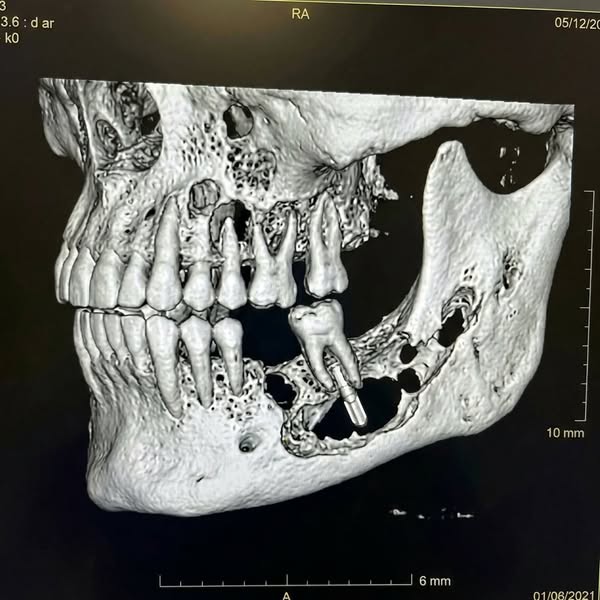
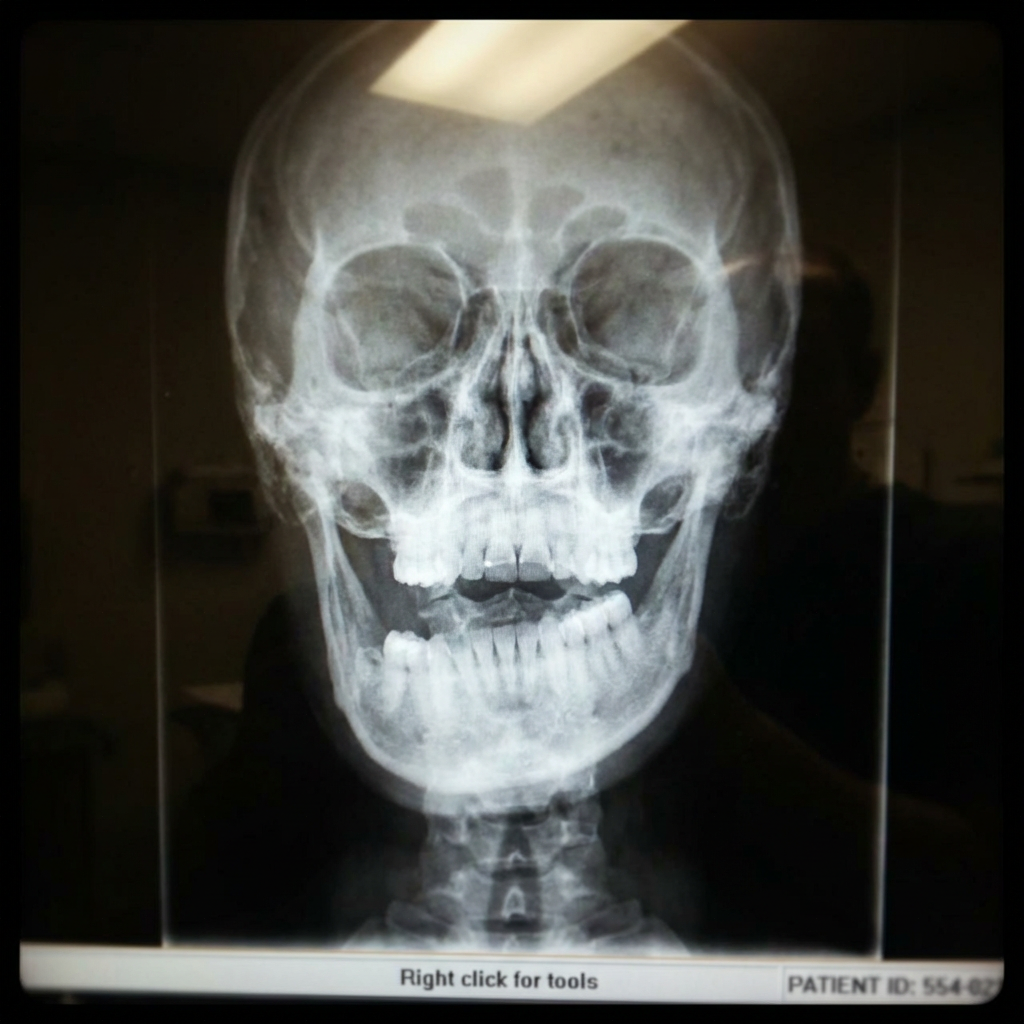
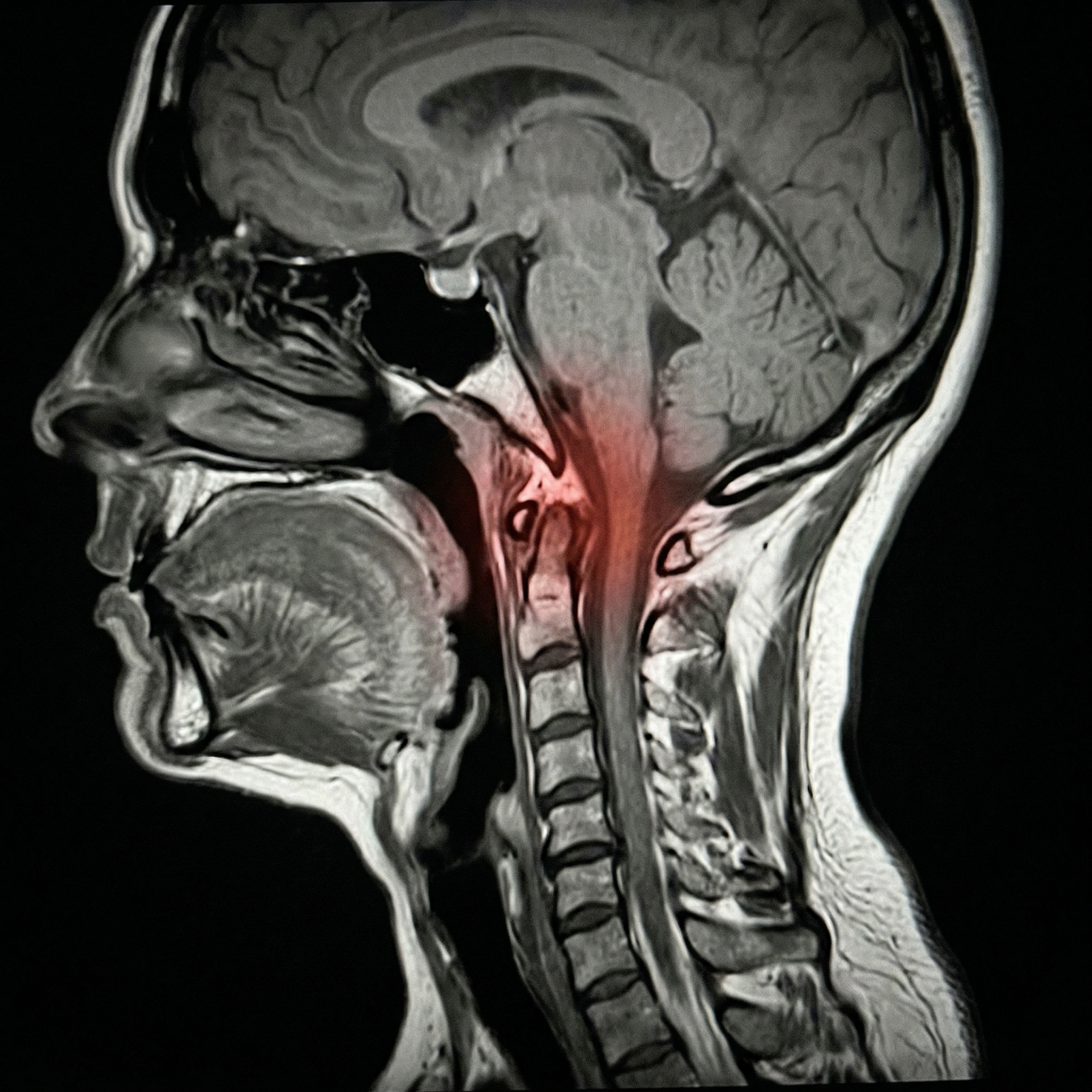
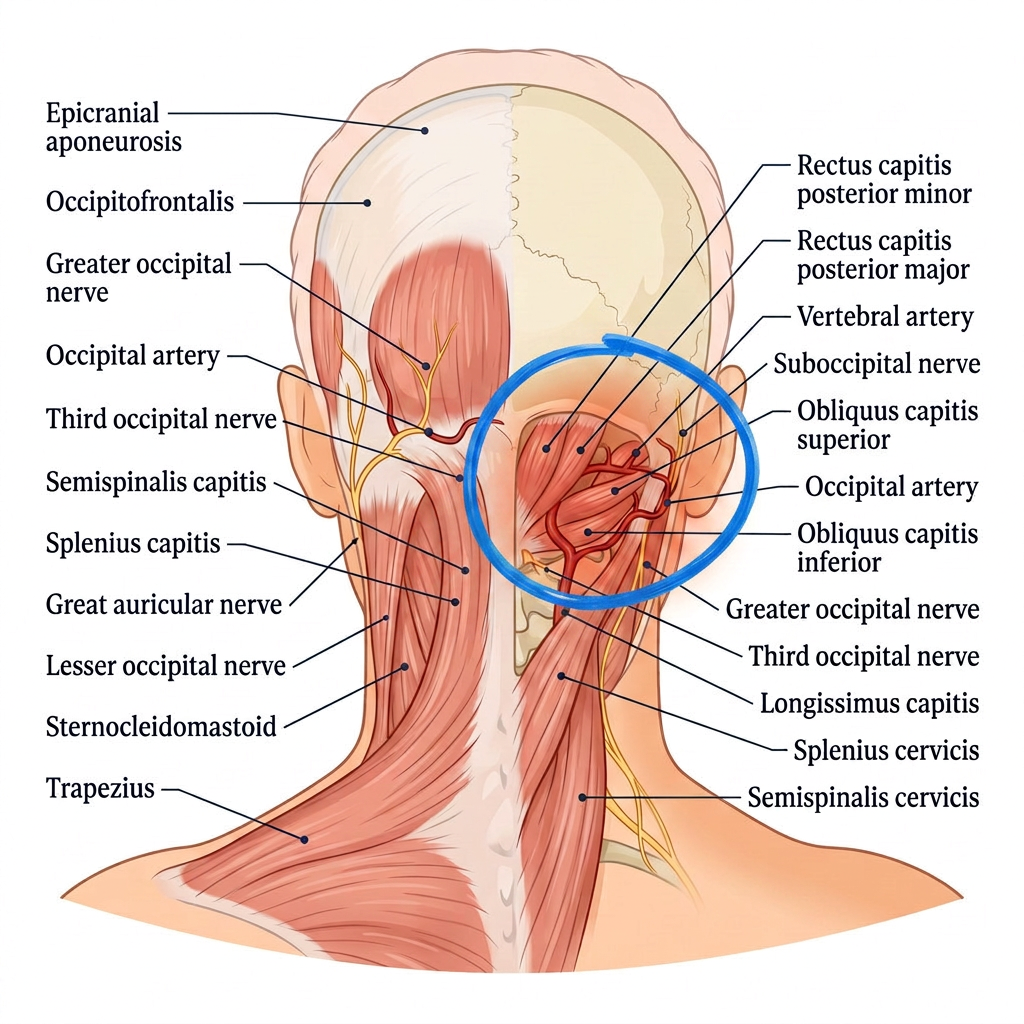
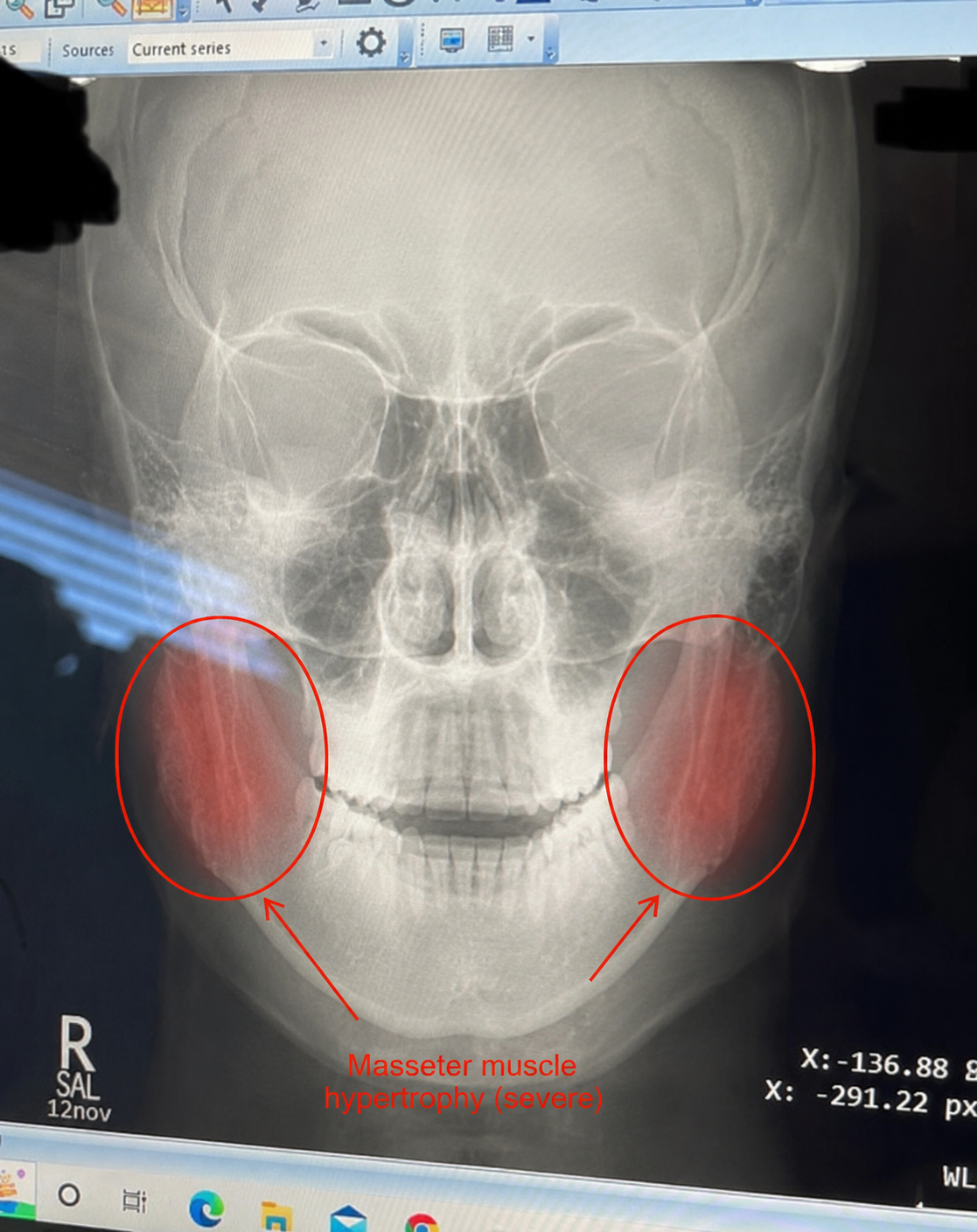
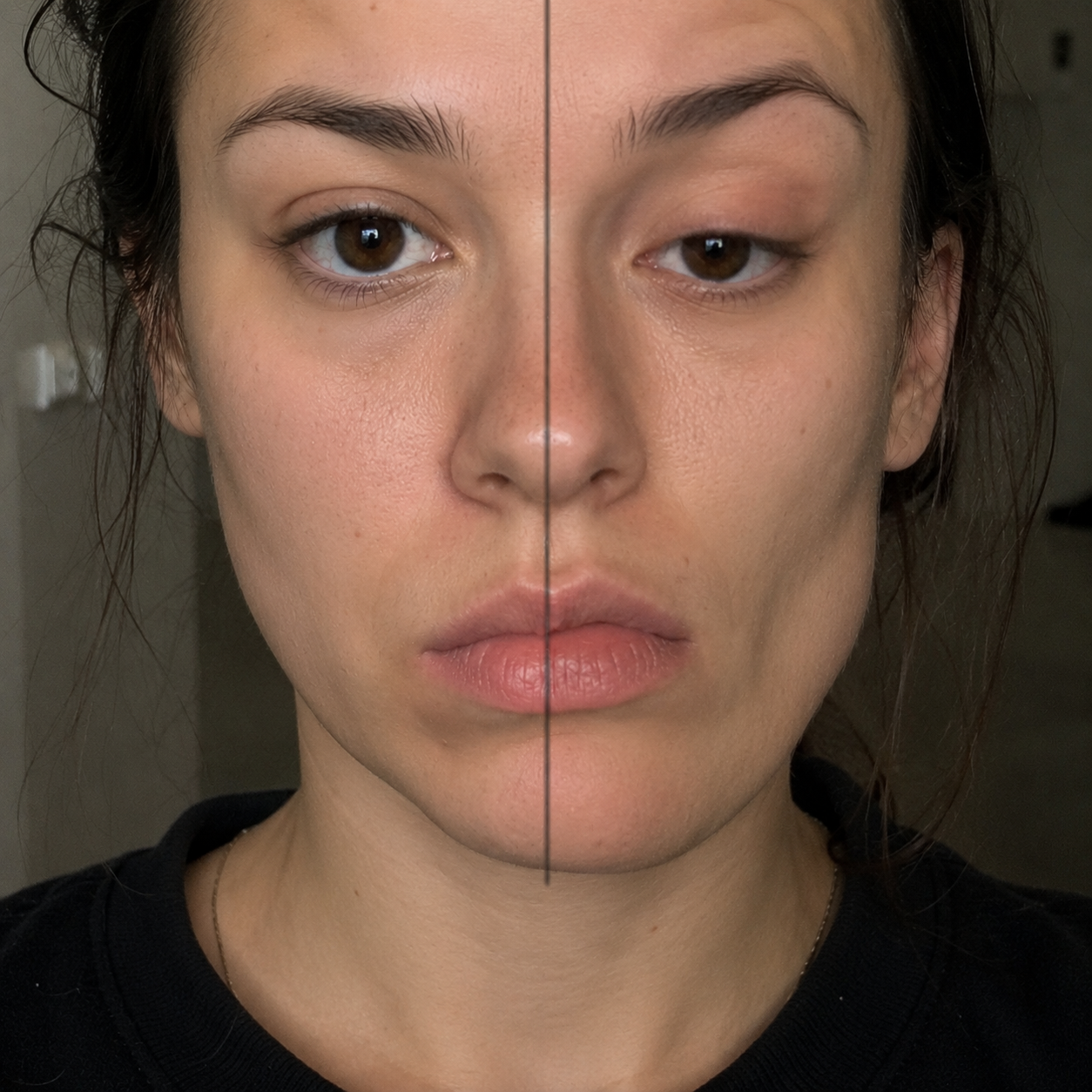
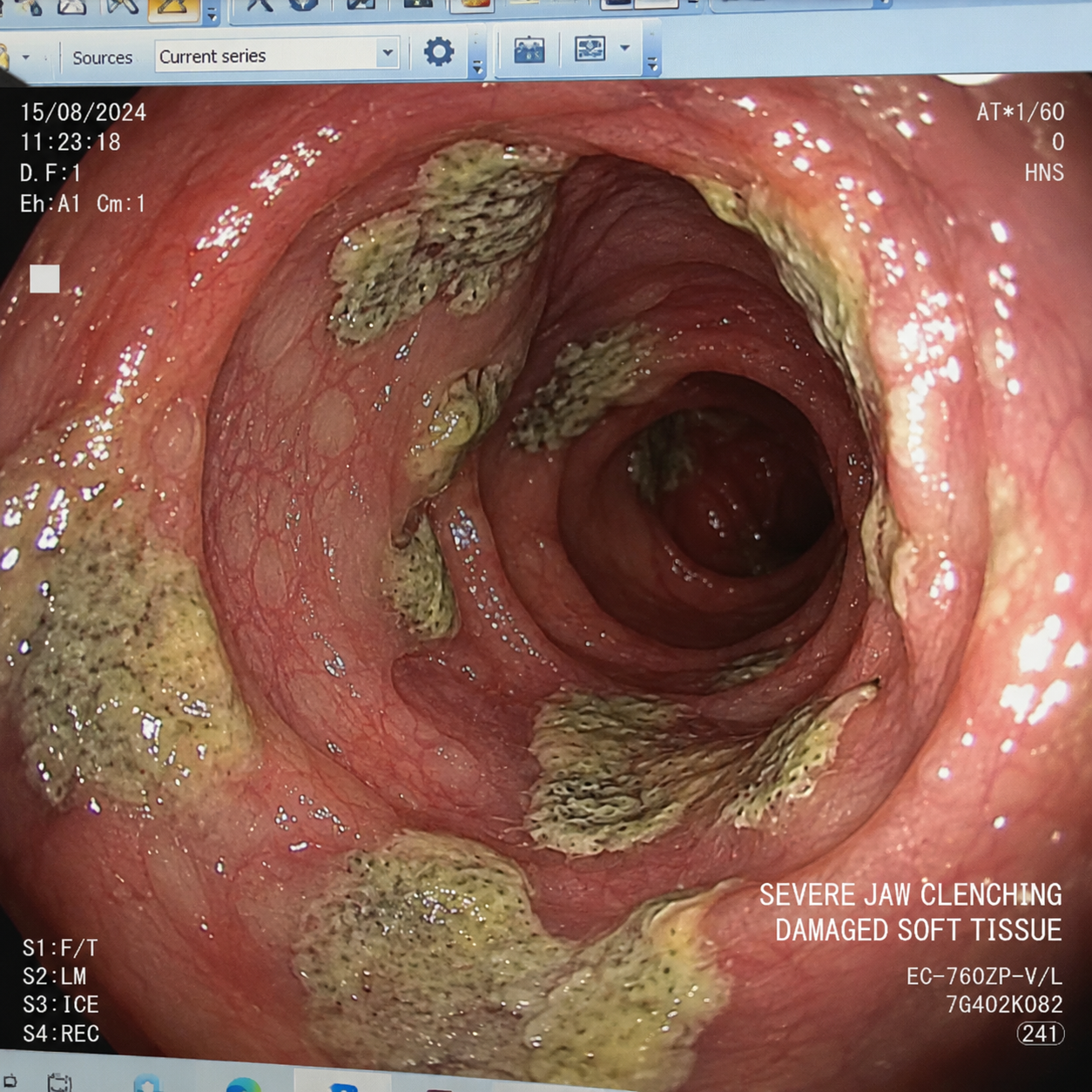
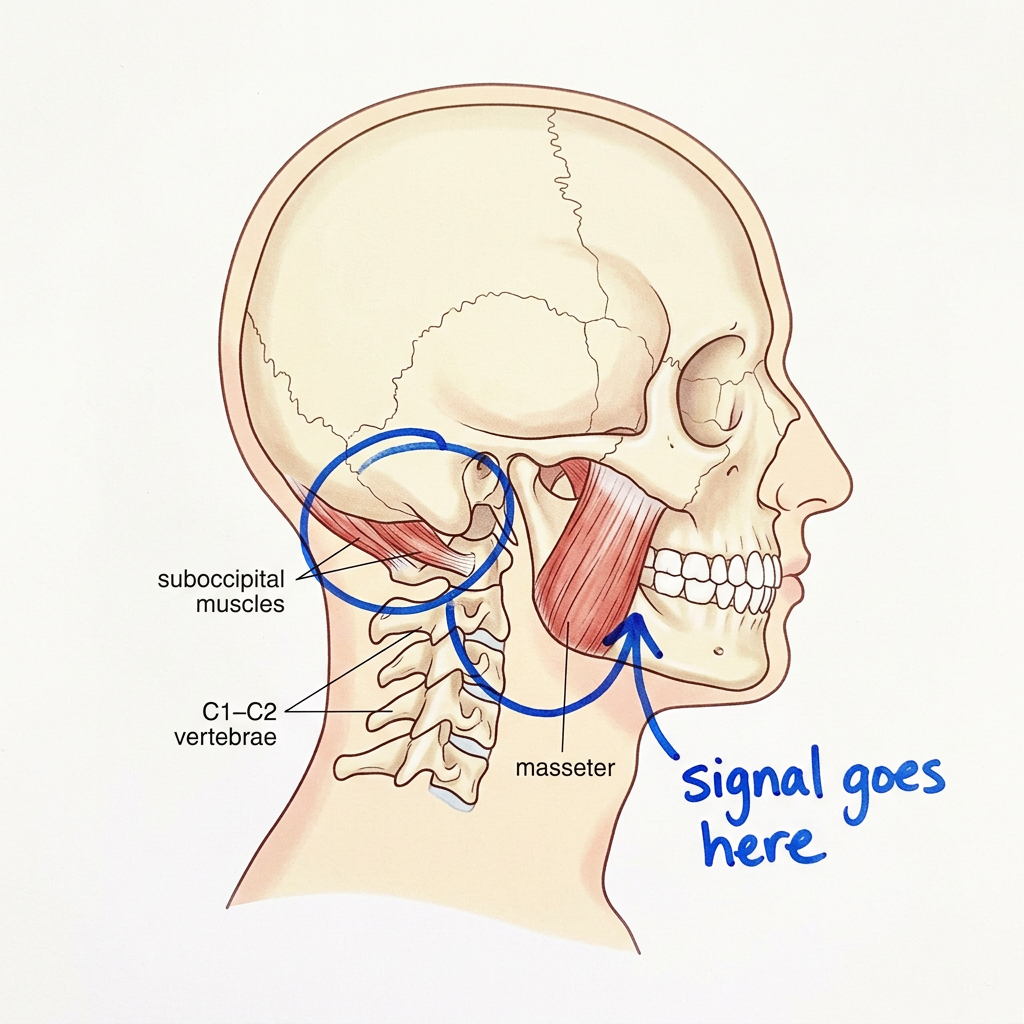
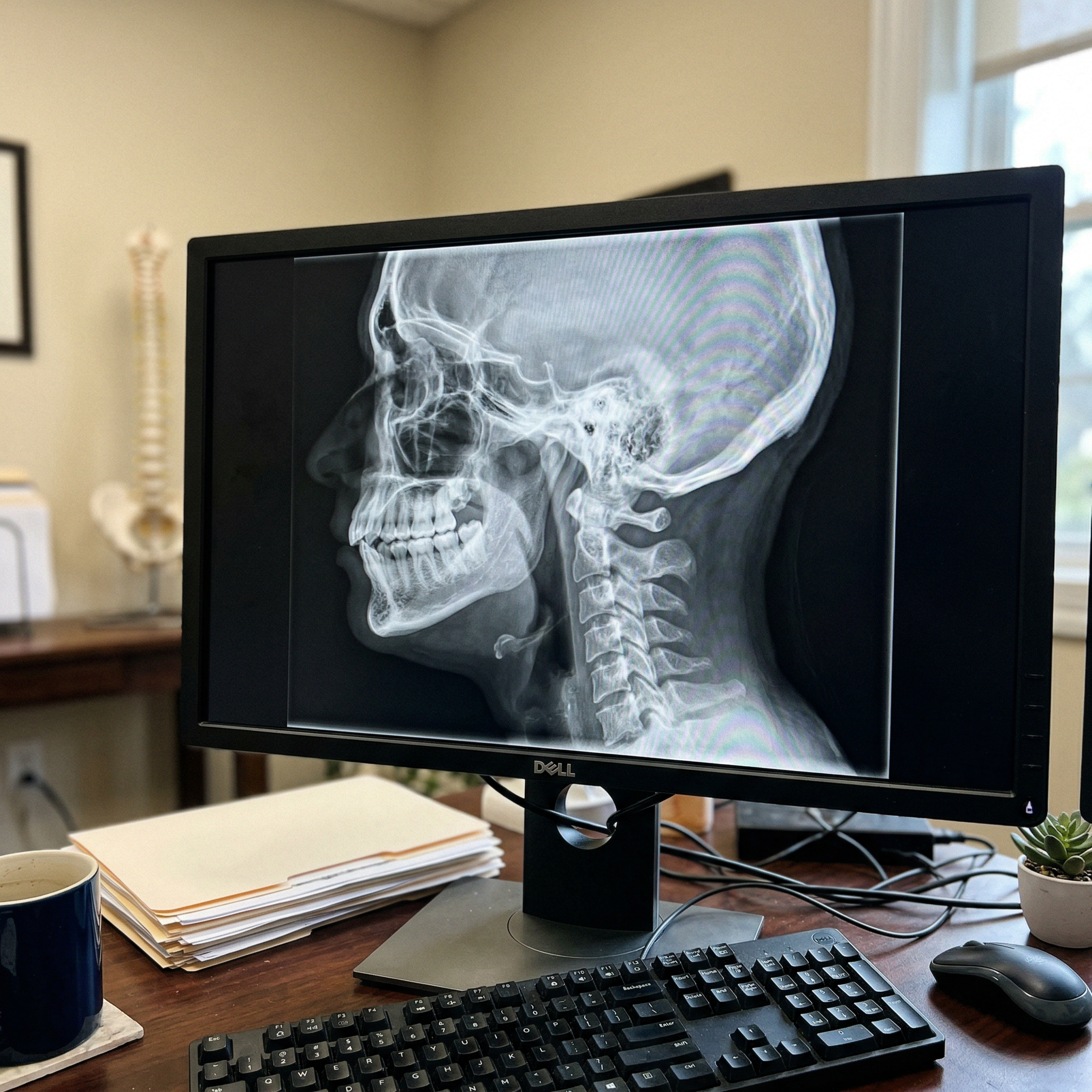
My male coworker mentioned his wrists were tingling in a Monday meeting. HR had him in an ergonomic assessment by Wednesday. New keyboard, vertical mouse, standing desk, specialist referral. All covered. I've been cracking teeth in my sleep for twelve years. I've mentioned it to my dentist, my doctor, my HR director, and three separate coworkers. I've gotten lavender oil. Meditation apps. "A lot of women clench at this age." My coworker had a tingle for two weeks. He got a specialist referral. I've had four cracked teeth, two root canals, and nine thousand dollars in failed treatments. I got mouth tape. That's when I stopped believing them. Let me tell you what I mean. My name is Diane. I'm 49. I started clenching at 37. By 41 I'd cracked my first molar. By 44, the second. Last year I cracked two more in the same twelve months. The cracks are getting closer together. Whatever is doing this is getting worse, not stabilizing. And in twelve years, nine professionals, not one of them has been able to tell me why. My dentist made me an $800 night guard when the clenching started. Custom-molded. I wore it every night for three years. I cracked two molars through it. I called him. He said, "The guard protects your teeth. It doesn't stop the clenching." Three years. That was the first time anyone told me that. So I kept looking. Botox. Three rounds. $1,800. Three weeks of relief each time, then back harder than before. Physical therapy. Twelve sessions. $2,880. Twenty minutes of loose jaw, then tight again before I made it home. A TMJ specialist who sold me a $3,200 splint. I wore it for eight months. Still clenched. Acupuncture. Magnesium. A $200 cervical pillow that gave me a stiff neck on top of the jaw pain. And a therapist my doctor sent me to because — and I want you to hear this — "sometimes jaw tension is the body's way of holding unexpressed emotions." Unexpressed emotions. I've been married for twenty-six years. I have two adult children. I manage thirty people at work. I do not have hidden feelings destroying my teeth. But every appointment, same pivot. Within two minutes their face would shift. The questions would change. How's work? Any stress at home? Have you been through perimenopause? They weren't examining me. They were diagnosing me from their chair, before their hands ever touched my neck. Stress. Anxiety. Hormones. Age. Pick one. Write a prescription. Next patient. Nine thousand, four hundred dollars. Four cracked teeth. And every single one of them told me it was my feelings. Then the thing in the conference room happened. Six months ago. Monday meeting. Software engineer on my team, mid-thirties. Good guy. Mentioned in passing his wrists had been tingling at night for two weeks. Numb when he woke up. He said it the way you'd mention your WiFi being slow. Our HR director was in the room. By Wednesday he had an ergonomic assessment on his calendar. By the following Monday he had a new keyboard. Vertical mouse. Standing desk riser. Referral to an occupational health specialist. Insurance covered it all. Company covered what insurance didn't. I sat at my desk that Wednesday and I did the math. I'd mentioned my jaw at work three times in six years. Once to a coworker — mouth tape. Once to a manager — meditation. Once at a company wellness workshop, where the instructor said in front of twelve colleagues: "A lot of women clench at this age. It's hormonal. It should pass." A lot of women. At this age. Hormonal. Should pass. Same company. Same HR department. Same insurance. My coworker got a specialist for a two-week tingle. I got mouth tape for twelve years of cracked teeth. That night I didn't search "jaw clenching treatment." I'd searched that for twelve years. I searched something I'd never searched before. Why do doctors and workplaces dismiss women's physical pain as stress. What I found explained my entire adult life. It wasn't opinion. It was study after study. Women wait an average of sixteen minutes longer in the ER for pain medication for the same severity complaint. Women are misdiagnosed with anxiety before being correctly diagnosed with a physical condition at roughly twice the rate of men. Women report a symptom to their doctor three to five times on average before it's taken seriously as physical. Three to five times. I'd reported mine nine times. I wasn't a difficult patient. I was at the average. The research kept going — published clinical papers from neurologists and upper-cervical specialists, the kind of literature that sits three specialty referrals past a standard GP visit — and the next part changed everything. It wasn't just "you've been dismissed." It was here's what's physically happening to your body while you've been dismissed. There are four small muscles at the base of your skull. Right where your head meets your neck, in the groove just under the skull ridge. They're called the suboccipitals. Press two fingers into that spot right now. That soreness. That deep, dull, aching tightness you've lived with so long you stopped noticing. That's them. These aren't like other muscles. They're the most nerve-dense muscles in your body. Their job isn't movement. Their job is to report to your brainstem. A constant status signal, running around the clock. Head position safe. Threat level low. Stand down. When they're healthy, the signal is calm. Brainstem gets "stand down" and the rest of your body — including your jaw — stays loose. But from years of desk posture, phone-staring, driving, hunching — those muscles lock up. And when they lock up, they don't just get tight. They start sending a completely different signal. They send an alarm. Not pain. You can't feel it directly. A constant, low distress signal firing into your brainstem twenty-four hours a day. Your brainstem does the only thing it knows how to do with an incoming alarm. It tells your jaw to brace. Your clenching isn't a habit. It isn't stress. It isn't hormones. It's your brainstem obeying an alarm signal from four locked muscles in your neck. Your jaw is following orders. The alarm is the problem. And here's why it gets worse, not stable. Those four muscles have been clenched so long they've cut off their own blood supply. That's not a metaphor. It's a medical term — ischemic. Blood-starved tissue. Without circulation, the knots can't get the oxygen they need to release. Without release, they stay locked. Locked muscles keep firing the alarm. Alarm keeps the neck tense. Tension keeps them starved. A closed loop. It doesn't break on its own because it physically can't. And while that loop is running, your brainstem is adapting. The brainstem adjusts to signals it receives constantly. If the suboccipital alarm has been firing for years, your brainstem slowly recalibrates its baseline. It starts treating that alarm state as normal. Which means the jaw-brace response becomes permanent mode instead of situational mode. Your body forgets what "stand down" feels like. That's why clenchers get worse, not better. Every night of untreated clenching trains your nervous system to clench harder. I cracked my first molar at 41. Second at 44. Third and fourth in the same twelve months last year. The cracks aren't random. They're getting closer together. The alarm is getting louder and my jaw is bracing harder to obey it. I read this at 1 AM at my kitchen table and I cried. Not because I was sad. Because something had finally explained the actual pattern of my life. Not stress. Not hormones. A locked set of muscles starving themselves in my neck, firing a signal, and a jaw obeying orders. Which meant there was something to fix. And it wasn't in my mouth. Now here's why every treatment I'd tried had failed. Every single one had targeted the jaw. None had touched the alarm. The night guard doesn't reduce the clenching force by a single pound. It puts plastic between my teeth. The muscles still brace at full strength. The guard just catches the impact. That's why I cracked two molars through it. It was headphones on a fire alarm. The Botox disconnects the jaw from the signal for a few weeks. The signal keeps firing. The jaw just can't respond. When it wears off, the connection restores. Back to clenching. The PT exercises stretch the muscles responding to the alarm. Not the muscles sending it. The TMJ splint changes the angle the jaw clenches at. That's it. The therapy treats a psychological problem that isn't causing this. Nine thousand dollars. Every dollar spent on the response. Not one dollar on the source. Why hasn't any doctor told you this? There is no billing code for pressing into the base of a woman's skull and saying this is where it starts. There is no recurring revenue in a one-time fix. There IS money in night guards you replace every year. In Botox every three months. In PT sessions that give you twenty minutes of relief so you keep coming back. In splints and specialists and the whole apparatus of treatments that target the response and never the cause. The system isn't designed to find the alarm. It's designed to sell you better headphones. Which meant finding the right tool was going to have to be on me. The research said those four muscles need sustained, deep pressure to release. Minutes, not seconds. Long enough for circulation to return and the tissue to actually open. Stretching can't reach them — they're too deep, buried behind the bigger neck muscles. A 30-second massage doesn't hold long enough for the blood to come back. Fingers cramp in ninety seconds. Tennis ball rolls off the spot. I needed something that could hold sustained pressure on the exact groove where those muscles sit. For ten minutes. Without me having to do anything. I searched Amazon. Found a U-shaped neck massager. 4.5 stars, eight thousand reviews. $35. Prime shipping. I ordered it that night. Used it every night for five weeks. Nothing changed. Woke up every morning the same way. Jaw locked. Teeth pressed. Headache by noon. Pulled the thing out of the closet and actually looked at it. The "nodes" were flat plastic bumps. Wide. Spaced too far apart. They pressed into my shoulders and the top of my neck. Not the suboccipital groove. The research had been specific. The pressure had to hit the exact spot where the skull meets the neck, in the groove under the skull ridge, for the full duration the tissue needs. Flat bumps three inches apart don't do that. I'd spent five weeks on the wrong tool thinking I was doing something. Meanwhile my jaw kept cracking. I threw it out. Two weeks later I was at a pilates class on a Saturday morning. Talking to the woman on the mat next to me while we rolled up our gear. Mentioned my jaw was bothering me. She was quiet for a second. "I'm a physical therapist. I specialize in the upper cervical spine." I looked at her. "Yeah. What you just described — I hear it from women in their forties and fifties constantly. Doctors dismiss it. Dentists treat the teeth. Nobody checks the neck." "Why did you specialize in that?" She paused. "My mom. She clenched for thirty years. Lost most of her molars. Every professional told her it was stress. She died of a stroke at 62 and I found her notebook where she'd been tracking her own symptoms for a decade. Nobody had listened to any of it." "I went back to school for PT specifically to treat the upper neck. Because what my mom had wasn't stress. It was her suboccipitals firing an alarm for thirty years." She pulled out her phone. "Do you want to feel what I'm talking about?" She walked behind me. Pressed her thumbs into the base of my skull. I almost came off the mat. "Yeah. That's what I figured. Those are your suboccipitals. Locked solid. They've been sending a panic signal to your brainstem for years." I asked her what to do about it. She said the muscles needed sustained gravity pressure for at least ten minutes, on the exact groove under the skull ridge, with precise node placement — the depth and spacing matters. "I can release them manually. But you'd need three appointments a week and most of my patients can't afford that." Then she said there was a tool her patients used at home in between sessions. "The Lune RestNode. Fourteen pressure nodes, positioned to the suboccipital groove. You lie on it. Your bodyweight does the work. Ten minutes a night." "Why that one and not a cheap one on Amazon?" She pulled out her phone again. Showed me something I didn't expect. I tested twelve U-shaped devices on my patients over the last two years. Most of them had nodes too wide, too flat, or in the wrong position — they pressed the trapezius instead of the suboccipitals. They didn't reach the groove.""Standard U-shaped tools sit too low — their nodes land on your trapezius and upper shoulder muscles, not the suboccipital groove. Geometry is the entire problem." "The Lune was the only one with the right geometry. Fourteen nodes spaced to actually sit in the groove where those four muscles live. And the material holds shape under bodyweight for the full ten minutes. Cheap silicone ones compress and lose pressure by minute three." "Most of my patients who use it consistently for four to six weeks don't need manual releases anymore. Their suboccipitals stay open. Their clenching stops." She sent me the link on the spot. I looked it up in the parking lot. $54. No batteries. No app. Sixty-day guarantee. I'd wasted $35 on the Amazon one. Wasted $9,000 on everything before it. What was another $54. I ordered it that afternoon. First night. Ten minutes on the bedroom floor after the dishes. Something happened in minute three that I didn't expect. A knot at the base of my skull released. Not in my mouth. Not in my teeth. In my neck. Like a fist I'd been clenching so long I'd forgotten it was clenched. I'd confused it with the shape of my own skull. It just opened. I went to bed. My teeth were apart. My tongue was resting on the roof of my mouth instead of pressed into it. My jaw was hanging slightly open. Something it hadn't done at bedtime in years. Day 3. I woke up and started the scan. The scan I'd done every morning for twelve years — how bad, can I open, how much pain. Score: almost nothing. I lay there for two full minutes because I didn't trust it. Day 7. The noon headache didn't come. I didn't notice until about 3 PM when I realized I hadn't taken an Advil since Monday. Day 10. I was at a work lunch. I ordered a burger with lettuce instead of a bun and my assistant asked why. I couldn't remember. Then I realized — I used to order it that way because my jaw got tired chewing bread. I ordered it with the bun. Day 14. My husband looked at me across the table and said you seem different tonight. I didn't know what he meant at first. Then I realized I'd been sitting at dinner for an hour without holding my face. I'd been just listening. He'd been watching me do it. Day 21. Back to the dentist for a cleaning. She pulled up the scans of the stress-fractured molars. These haven't progressed, she said. She ran her finger across the X-ray. Remember this one I said wouldn't make it another year? Still there. Stable. Keep doing what you're doing. Week 5. My sister visited. I'd cancelled dinner with her twice in the past year because my jaw couldn't handle a long meal. This time we sat at a restaurant from 7 to 10. I finished my steak. I laughed hard enough to cry. Week 8. I haven't cracked a tooth. I haven't had a noon headache. I haven't taken an ibuprofen. I haven't done the morning scan in a month. I don't need to. One more thing the research was clear about: every night of untreated clenching recalibrates your brainstem further toward alarm-as-normal. This doesn't plateau. It compounds. The longer the loop runs, the harder the reset. That's not urgency for its own sake — it's the same mechanism working against you while you wait. You don't need another appointment. You don't need another guard. You don't need another round of Botox. You need to turn off the alarm at the source. Let your suboccipitals finally get blood again. Let your brainstem recalibrate. Let your jaw stand down. That's what the RestNode does. Ten minutes a night. Lie on it. Gravity does the work. $54, one time, sixty-day guarantee. If it doesn't change how you wake up, send it back. I'm linking it directly so you don't have to dig through comments: → https://getluneco.com/products/lune™-restnode Your jaw isn't broken. Your body isn't betraying you. You're not stressed, anxious, hormonal, or dramatic. You are a woman whose body has been sending an alarm for years that no one in the system was designed to investigate. The cause is real. It's physical. It's two inches below your jaw. You can turn it off tonight. → https://getluneco.com/products/lune™-restnode
Like this ad? Make it yours.
Crush rebuilds this exact creative around your product — your brand, your colors, your offer — in about a minute.