
Stopped· since Apr 8, 2026
- 88
- days it ran
- 0
- relaunches
Ad copy
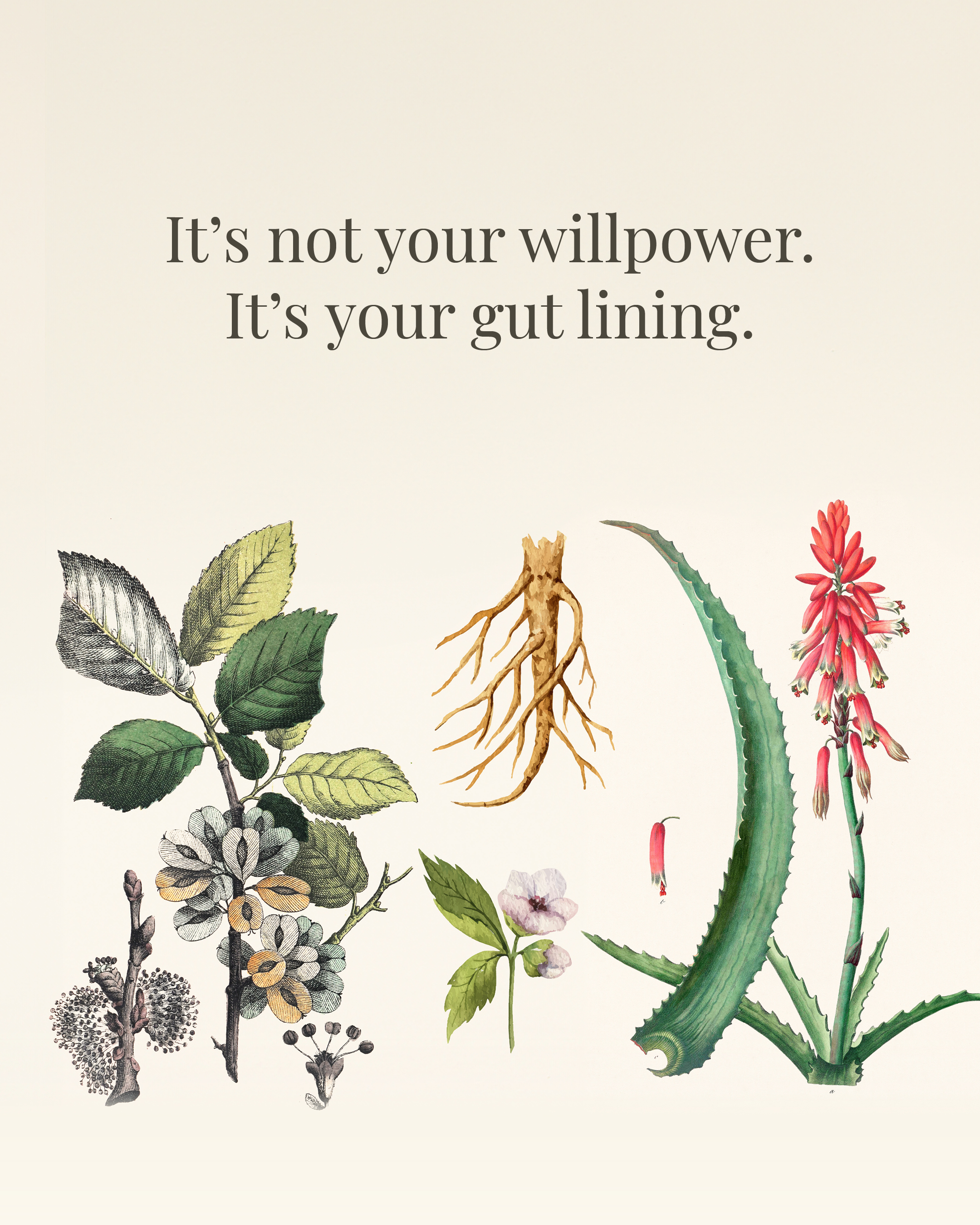
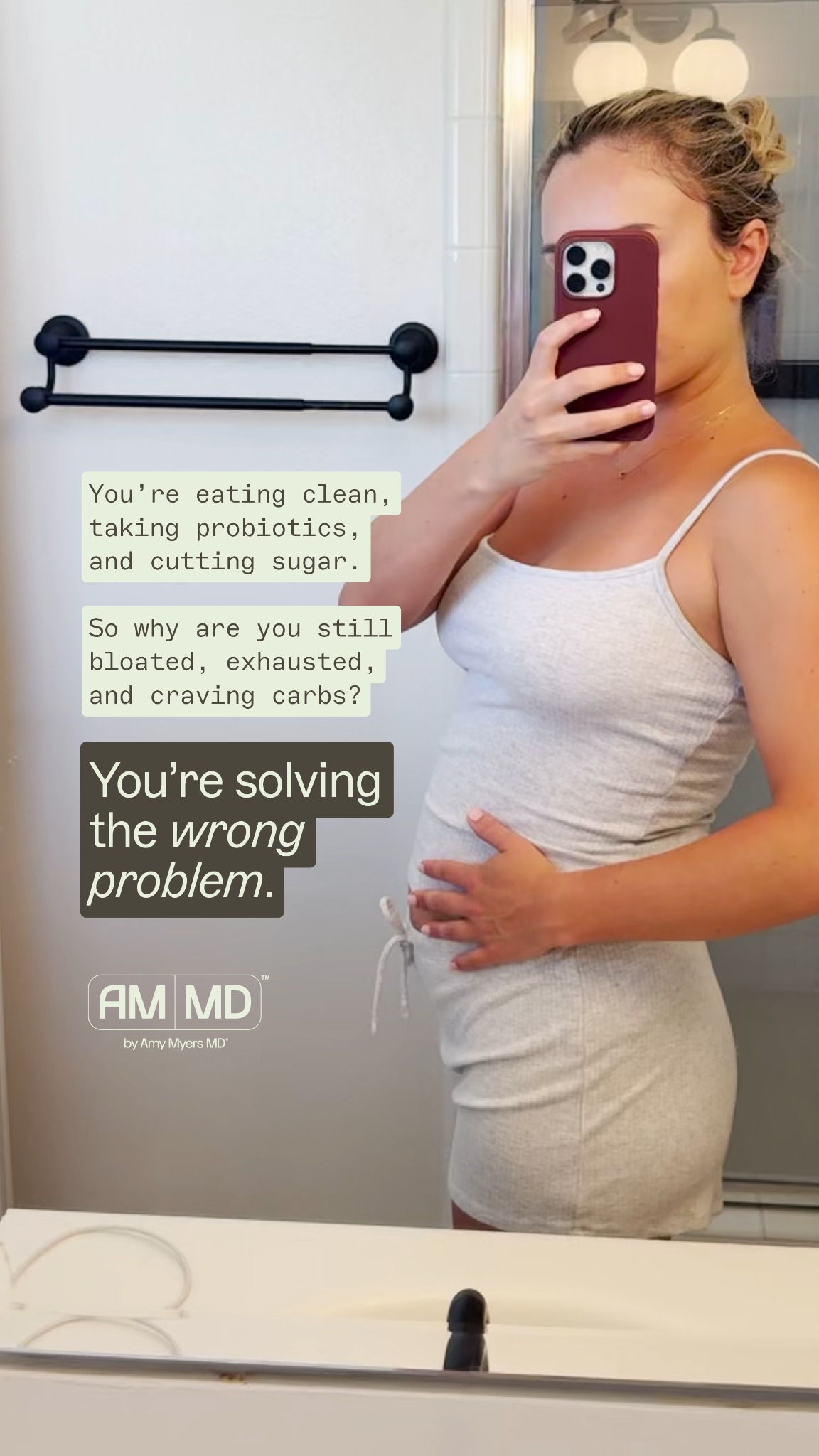
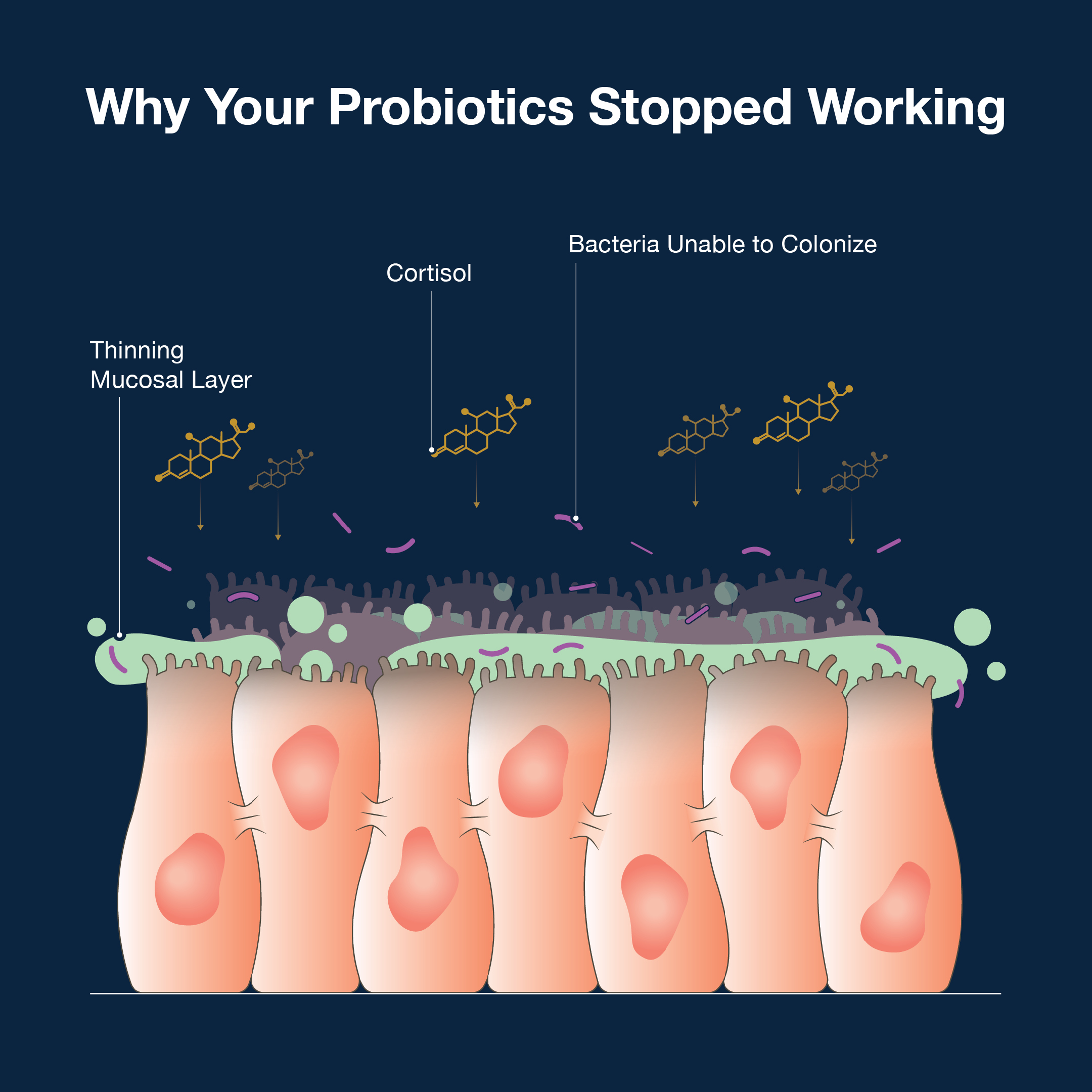
Here's something that surprises most of my patients. They come in taking a high-quality probiotic — sometimes two — and they'll tell me it worked beautifully for the first few months. Then gradually, the bloating crept back. The irregularity returned. And they're left wondering: did the probiotic stop working, or was it never really working in the first place? The answer is more nuanced than either. Think about your gut lining like a garden bed. Probiotics are the seeds — the beneficial bacteria you're planting. But if the soil itself is damaged — cracked, depleted, unable to hold moisture — no amount of seeds will take root. What damages the "soil" of your gut? Chronic stress is one of the biggest culprits. When your body stays in a stress response, it diverts resources away from digestive function. Blood flow to the gut decreases. The mucosal lining — that protective layer where beneficial bacteria need to colonize — thins out. The tight junctions between gut lining cells loosen. Your probiotics aren't failing you. They're landing on damaged ground. This is what I spent years studying in my clinical practice, and it's why I took a completely different approach to supporting gut health. Instead of adding more bacteria to a compromised foundation, I focused on supporting the foundation itself. I wrote about this in detail — how the gut lining works, why it becomes vulnerable, and what the research shows about supporting its repair. Link in comments.
Why Your Probiotics Stopped Working
The mechanism most physicians never explain — and what to do about it.
LEARN MORELike this ad? Make it yours.
Crush rebuilds this exact creative around your product — your brand, your colors, your offer — in about a minute.