Robert Callahan
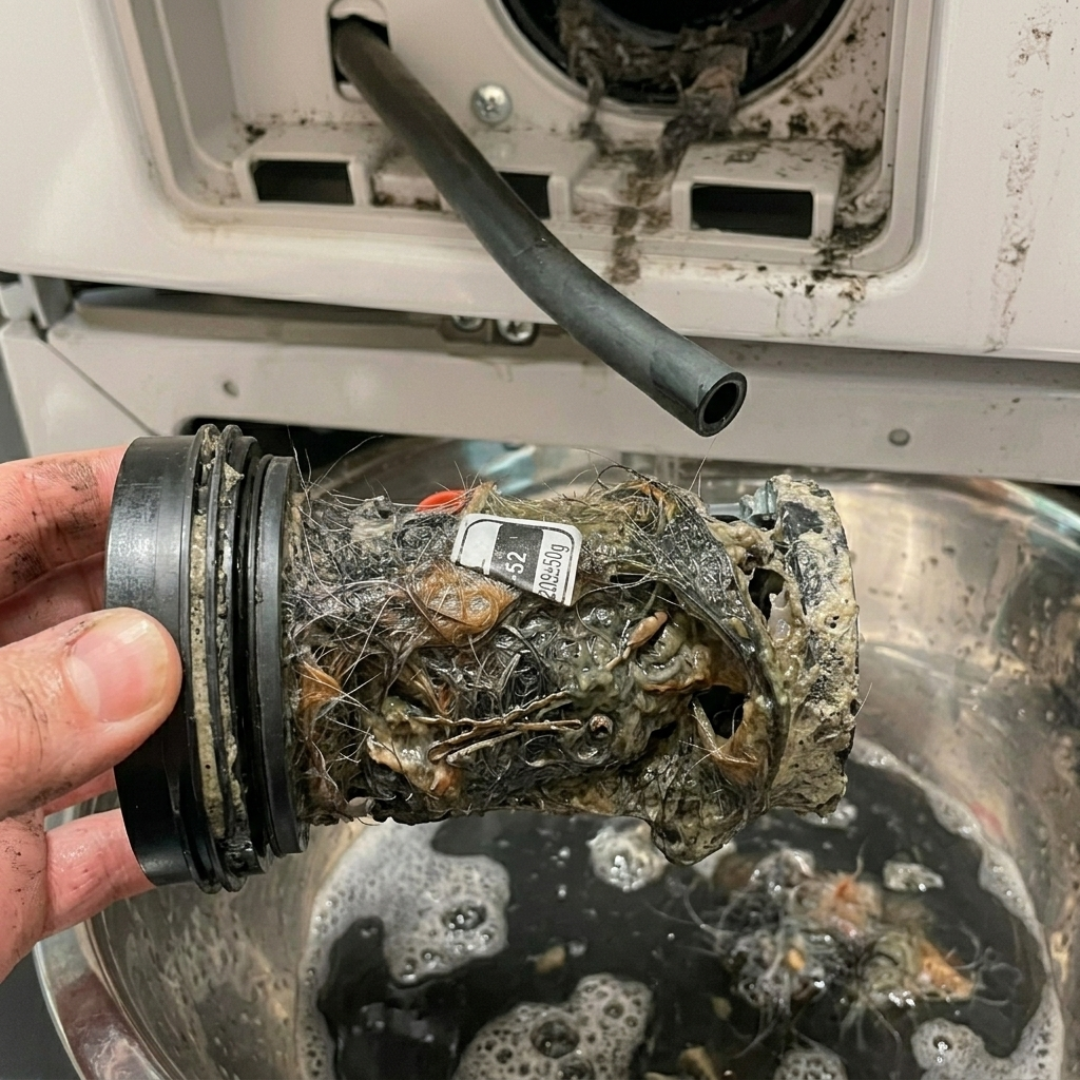
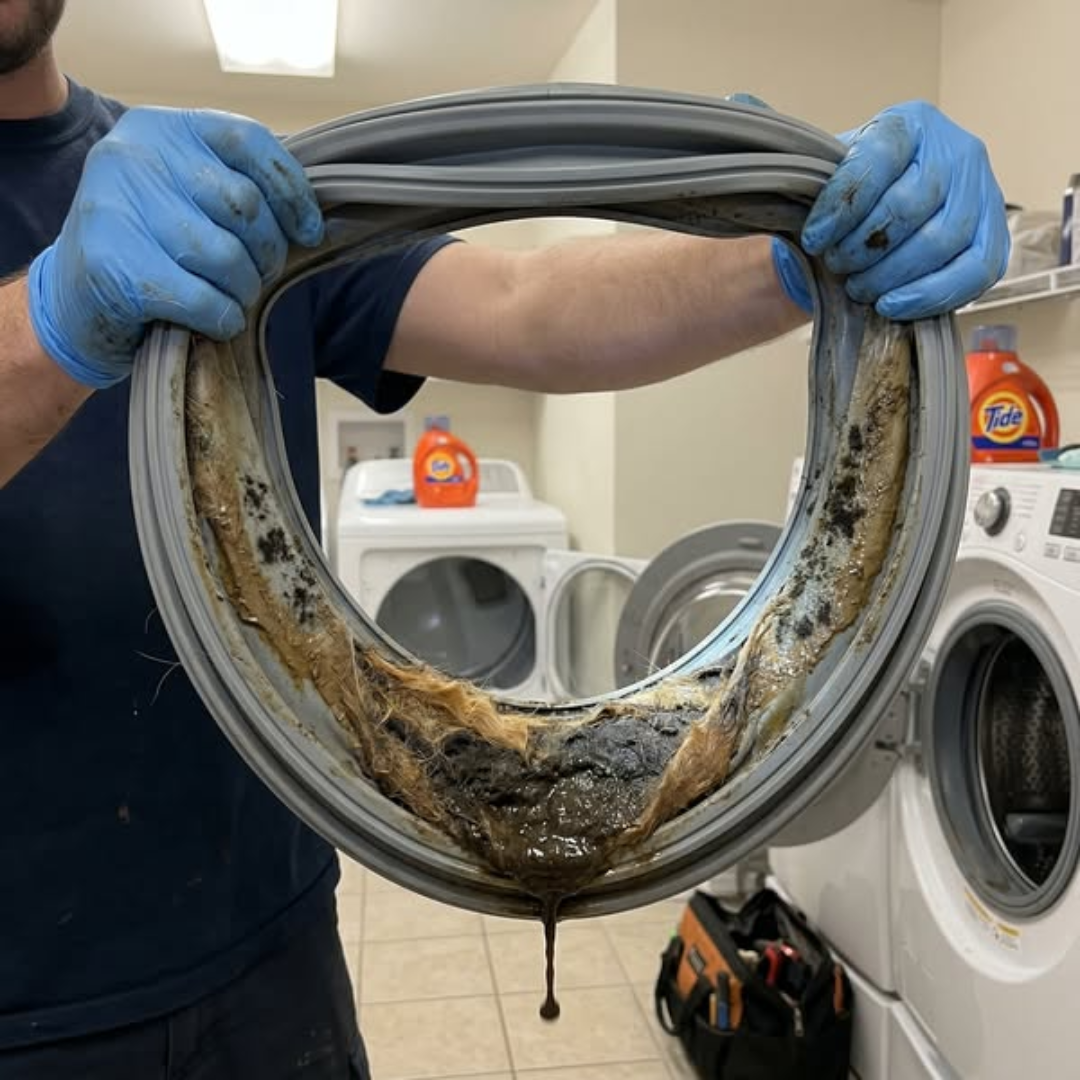
Robert Callahan Facebook ad: “This is what's in your gasket right now.”
Ran for 15 days, from April 27 to May 12, 2026, the last day Crush saw it.
Run by Robert Callahan on Facebook. Crush is not the advertiser and does not verify its claims. See this ad in Meta's Ad Library(opens in a new tab)
Want an ad like this for your product?
Crush makes new ad images for your product from this ad: your logo, your product photo, your offer.
Trials from $19.95 USD, then $79.95 USD a month. Cancel anytime.
About this ad
- Meta Ad Library ID
- 962719906464698
- Platforms
- Facebook, Instagram, Audience Network, Messenger and Threads
- Relaunches
- 0
- Niche
- Pets
Ad text
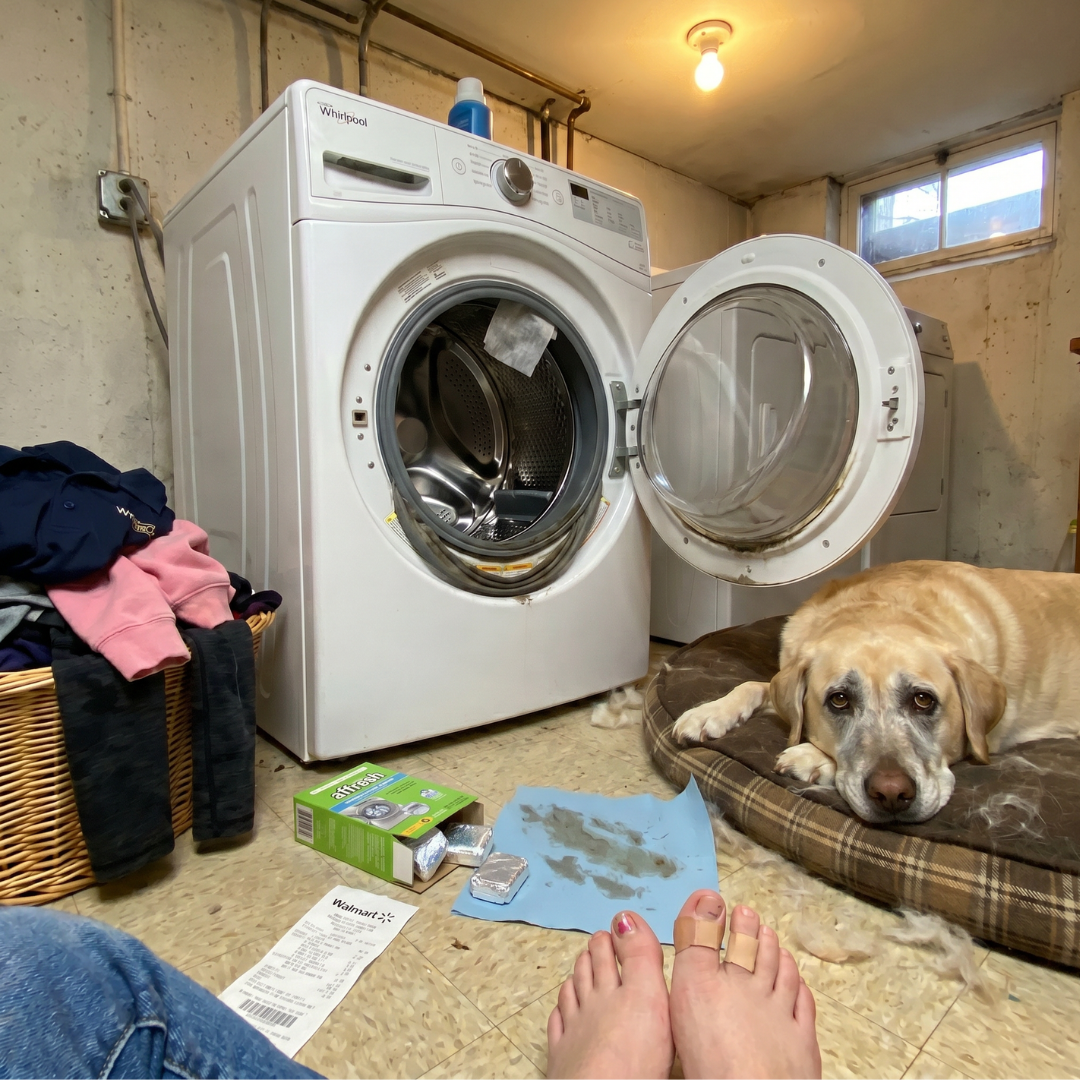
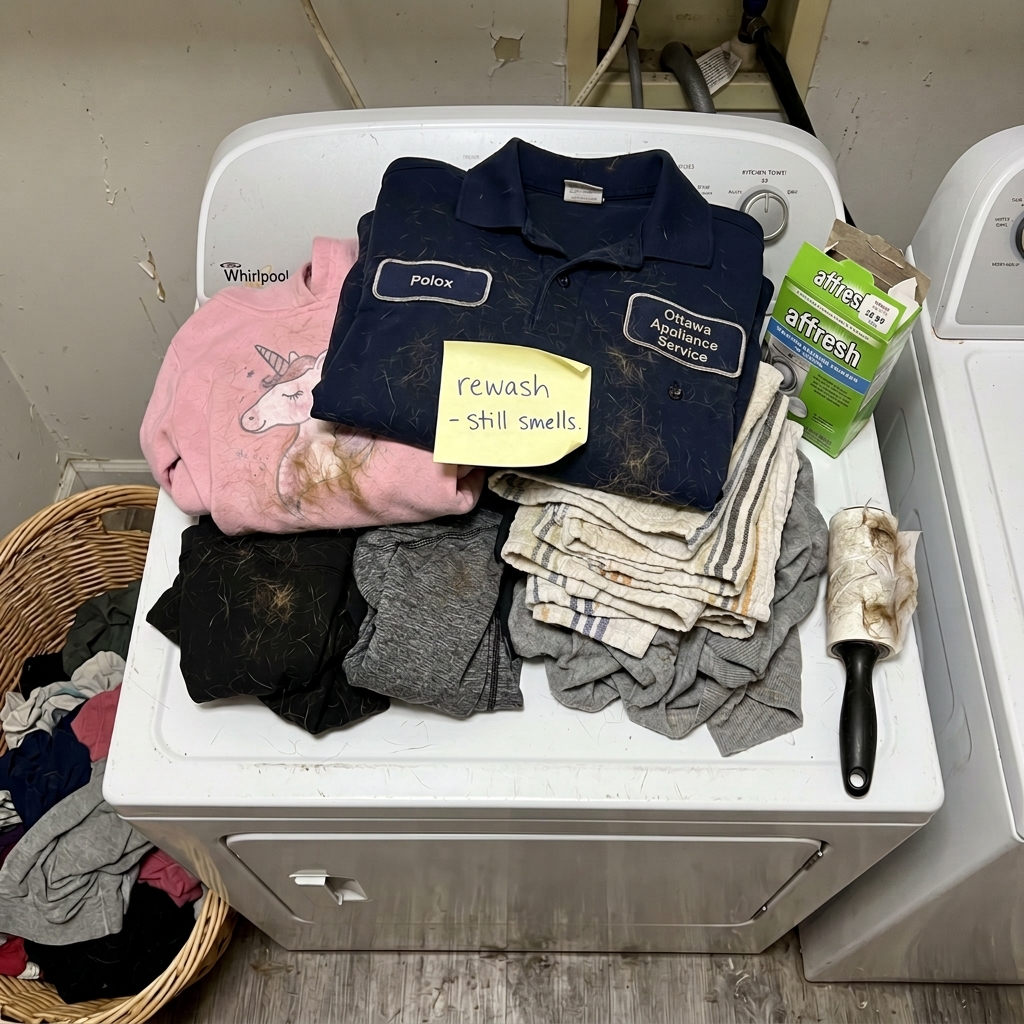
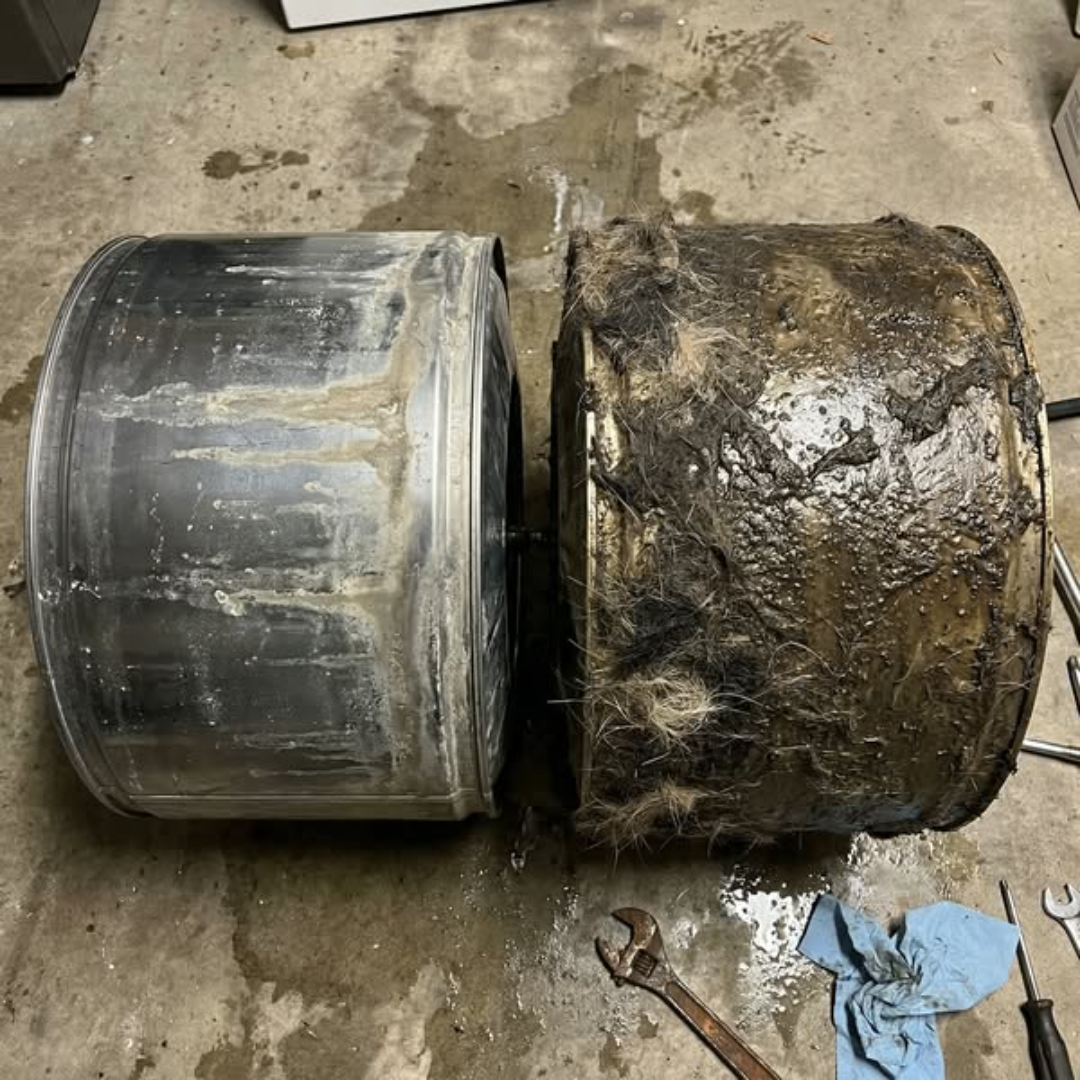
This is the part you've been scrubbing. The door gasket. The rubber seal you wipe down with a cloth, spray with bleach, work around with a toothbrush on your hands and knees. And this is what's inside it. Not on the surface you can see and reach. Inside the fold. Where the rubber doubles back on itself, traps water after every cycle, and sits warm, dark, and wet between every load you've ever run. I'm Robert Callahan. I spent twenty-seven years servicing washing machines across Ontario and Alberta. I removed more gaskets than I can count. And in pet households, they looked like this every single time. Not because those owners weren't cleaning them. Because the gasket isn't the problem. It's just the part of the problem you can see. What most pet owners don't know is that the gasket is maybe five percent of where the smell actually lives. The rest is in the sealed drainage channels behind the drum. In the outer tub wall. In the internal spaces that water travels through on every cycle but that your hands have never touched and no brush you've ever used was long enough to reach. Dog hair doesn't rinse cleanly through those sealed internal spaces. The fibres are coarser than human hair. They catch on surfaces instead of flushing through. The oils from a dog's coat don't dissolve fully in warm water. They coat the inner walls of those sealed channels, trap dander and debris, and compress, load after load, into a layer that feeds back into every wash you run. The self-clean cycle sends hot water through those channels. It runs right past what's building on those surfaces. The vinegar reaches the same spaces. But vinegar is a simple acid. It flows over that layer and drains out without breaking it down. The Affresh dissolves in the drum. It was built for soap scum and mineral deposits not the biological buildup a pet household creates in sealed internal spaces. I had a woman in Kingston call me after eleven months of getting nowhere. Two border collies. She'd wiped the gasket every single week. Bleach spray. Toothbrush in the fold. Ran the self-clean cycle twice a month. Bought three different brands of machine cleaner. Left the door open after every load exactly like the internet told her to. And her laundry still smelled wrong every time she opened the dryer. When I removed her gasket and held it up, she stared at it for a moment. Then she said: "I clean that every week." I know. And it still looked like this. Because the gasket isn't the source. It's where the buildup shows up visibly. What's feeding it is behind the drum, in the sealed spaces between the drum and the outer tub, where the water from every load carrying everything her border collies left behind was settling and building, completely untouched by everything she'd tried. (What I never said out loud but thought every time I pulled a gasket like this was that the scrubbing wasn't failing because of effort. It was failing because it was aimed at the wrong part of the machine. I watched pet owners spend hours on the five percent they could see while the ninety-five percent they couldn't kept building behind the drum, completely unreachable by anything they'd ever bought or tried.) She asked me what would actually work. And for the first time in all those years, I had something real to give her. Not something that dissolves in the drum and rinses past. Something that gets carried into those sealed internal channels during the wash cycle itself and once it reaches the buildup, breaks it apart at a level that no amount of scrubbing, no amount of bleach spray, no amount of toothbrush work on the gasket fold was ever going to match. I tested it in my own machines for two years before I told a single customer about it. Then I gave it to her. She called me back eight days later. Said she'd done laundry three times that week and hadn't checked a single item when she pulled it from the dryer. Just moved it to the basket. That was the whole call. I've been manufacturing this in Canada for seven years. And I'm closing. Not because it stopped working. Because I won't move production overseas, and the cost of doing it right here finally caught up with me. This is the last run. If you've been putting hours into the gasket and still can't get the smell out of your laundry, read this before you scrub it again. It explains exactly what's building in the parts of your machine the toothbrush never reached and why that was always where the problem actually lived. 👉 https://fello-ca.store/pages/fello-adv-v3-closure
Where the ad sends people
fello-ca.store
This is what's in your gasket right now.
fello™
Learn more: fello-ca.store(opens in a new tab)