
Inactive· since Mar 26, 2026
- 125
- days it ran
- 0
- relaunches
Ad copy
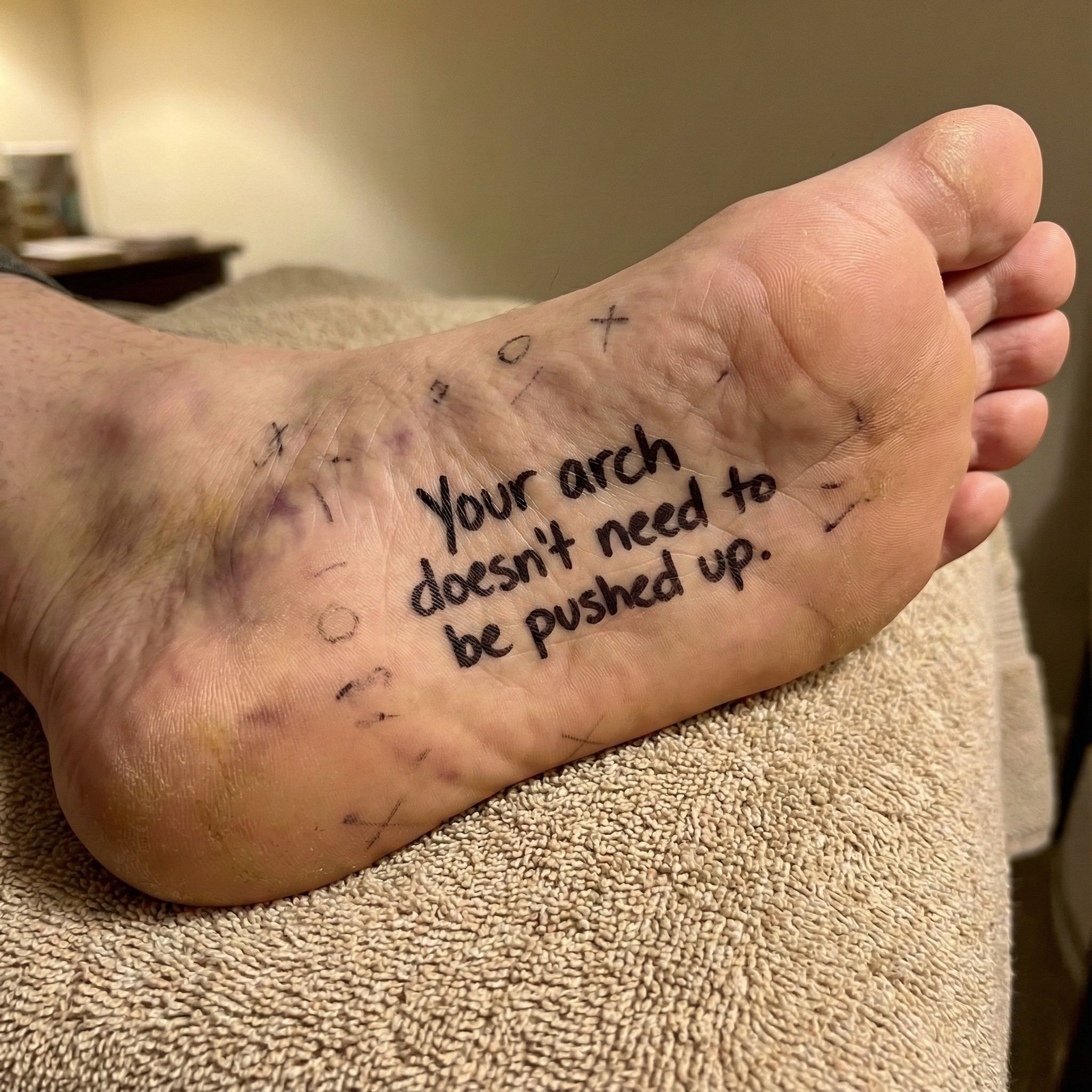
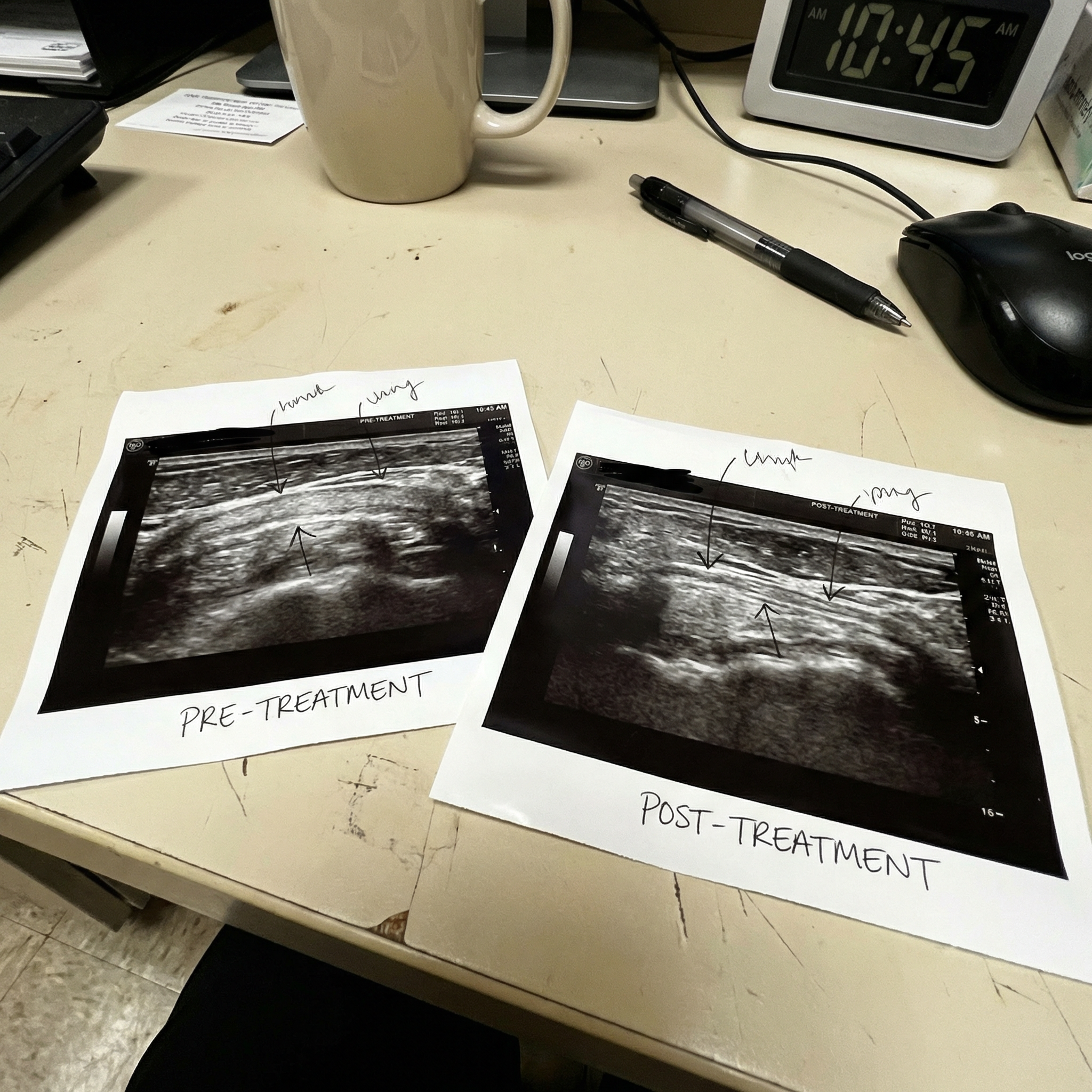
I've prescribed custom orthotics for 20 years. A patient's $27 insole made me question all of them. I'm a podiatrist. I've treated thousands of plantar fasciitis cases. I have a system. Stretching protocol. Custom orthotics. Cortisone if it's severe. Surgery as a last resort. It works for most people. But there's a group it doesn't work for. The ones who do everything right and still get worse. The ones who wear the orthotics religiously and come back every eight weeks with the same pain or worse. I had a patient like that. Linda. Fourteen months. She did every single thing I told her. Custom orthotics. $520. Wore them every day. Three cortisone shots. Twelve weeks of physical therapy. Night splint. The boot for six weeks. Nothing held. She kept getting worse. I was two visits away from recommending surgery. Then she missed three months of appointments. I assumed she'd gone to another doctor. It happens. She walked into my office on a Tuesday in October. No limp. No guarding. Standing at the front desk like it was nothing. I looked at her chart. Looked at her feet. Looked at her face. "What happened?" I said. She pulled out her phone and showed me two ultrasound images. One from her last visit with me. One from a clinic she'd gone to the week before. The difference was obvious. Fascia thickness had improved. The collagen structure looked like it was reorganizing. The tissue was healing. "What did you change?" I asked. She reached into her purse and put a pair of insoles on my desk. "These," she said. "Softr Steps. $27." I almost dismissed it. I've seen patients bring in drugstore insoles before. They never work. But I was looking at her ultrasound. I couldn't argue with imaging. So I asked her to walk for me. Down the hall and back. Normal gait. No compensation pattern. No heel avoidance. No shifting weight to the outside of her foot. She was loading her heel with full confidence. I sat down and asked her to tell me everything. She explained something I'd heard before but never applied to my own prescribing. The custom orthotics I'd given her were rigid. Hard plastic molded to her arch. They push upward into the arch with force. But her body weight pushes downward with every step. The fascia sits between those two forces. It gets stretched tighter with each step instead of being supported. I knew this biomechanically. I learned it in school. But I'd never connected it to why my most stubborn patients weren't responding to the orthotics I was prescribing. The rigid upward push wasn't supporting her fascia. It was creating a concentrated pressure point that was mechanically re-injuring the tissue with every step. 10,000 steps a day. 10,000 micro-tears. And I was telling her to wear the thing causing them every single day. The cortisone masked it. The stretching loosened the tissue temporarily. The boot immobilized her long enough for partial healing. But the second she went back into those orthotics, the cycle started again. Linda's insoles did something different. Instead of pushing up at one point, they redistribute pressure across the entire foot. Heel, midfoot, forefoot. The impact at the heel gets absorbed before it reaches the damaged tissue. No concentrated force. No tug-of-war. The fascia stays in a neutral position. It can actually heal because it's not being re-torn with every step. I spent that evening reading about pressure redistribution mechanics. Not from the company. From independent biomechanics research. The physics checked out. The next week, I had a patient who'd been on my orthotics for eleven months with no improvement. Similar case to Linda. Compliant. Dedicated. Getting worse. I told her about the pressure redistribution approach. Told her about Linda's imaging. Told her the orthotics I'd prescribed might be part of the problem. She tried Softr Steps. Six weeks later she came back and her tissue was responding for the first time in almost a year. I've done this with nine patients now. The ones where my standard protocol wasn't working. The chronic cases. The ones I was running out of options for. Seven of the nine showed measurable improvement within eight weeks. Two of them had surgery consultations scheduled. Both canceled. I'm not saying orthotics don't work. They do for many patients. But for the ones where they don't, I now understand why. And I have something else to offer before I send them to a surgeon. I still prescribe custom orthotics when the case calls for it. But for my stubborn plantar fasciitis patients, the ones who've done everything right and aren't getting better, I tell them about Softr Steps. $27. I've written prescriptions for orthotics that cost 20 times that and didn't work as well. Softr Steps. $27 right now with a 90-day money-back guarantee. shopsoftr.com If you've been doing everything your doctor told you and your feet are still getting worse, it might not be you. It might be what's on your feet. Ask your doctor about pressure redistribution. Or try it yourself for $27. Sometimes the answer isn't more treatment. It's the right treatment.
Like this ad? Make it yours.
Crush rebuilds this exact creative around your product — your brand, your colors, your offer — in about a minute.