
Inactive· since May 17, 2026
- 16
- days it ran
- 0
- relaunches
Ad copy
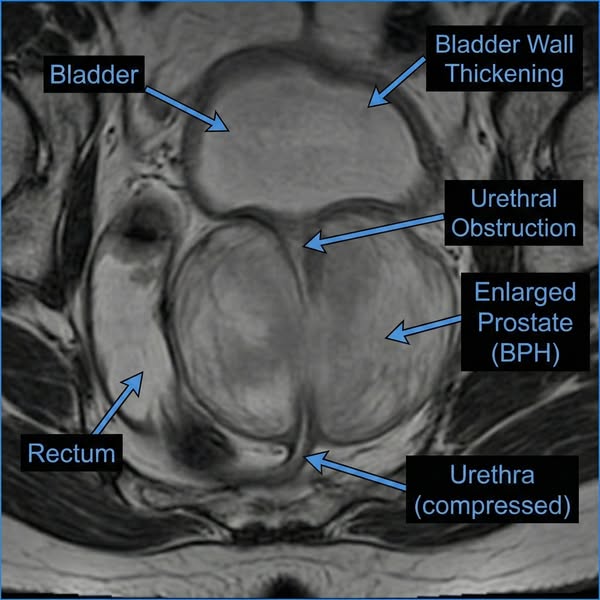
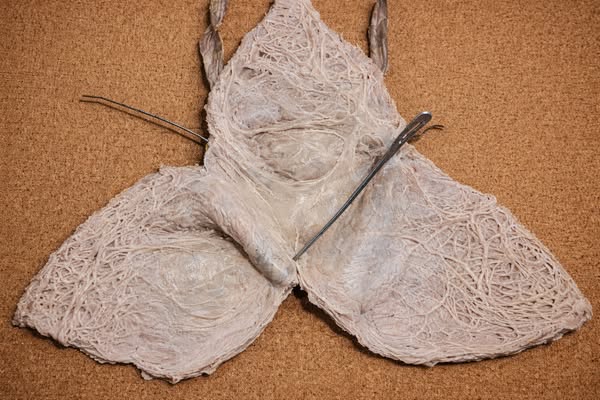
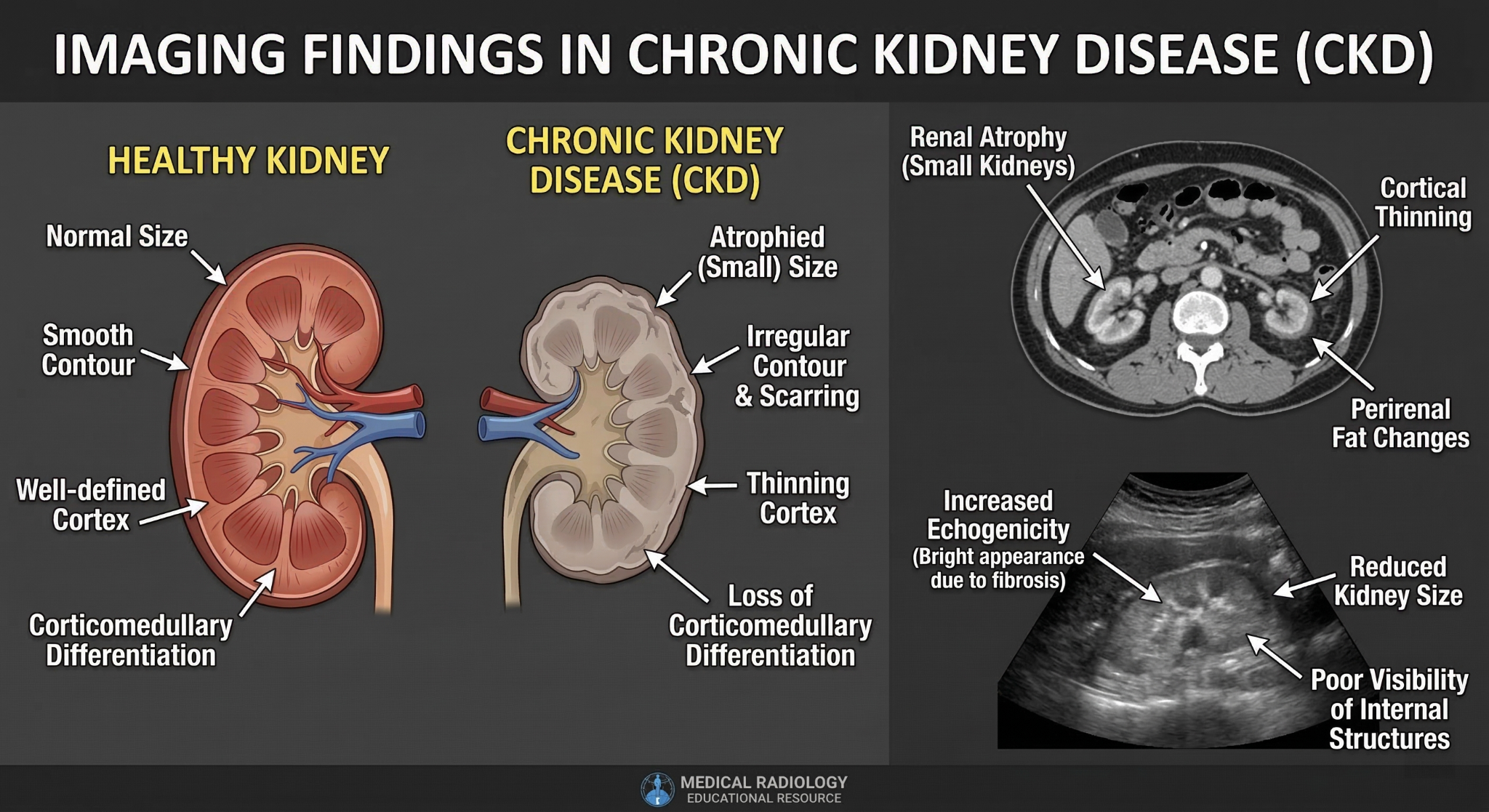
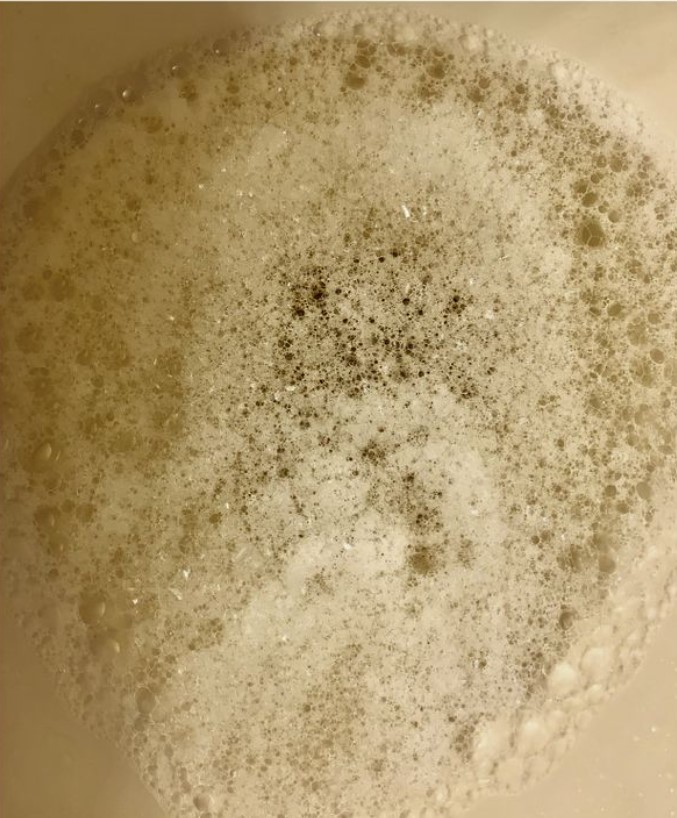
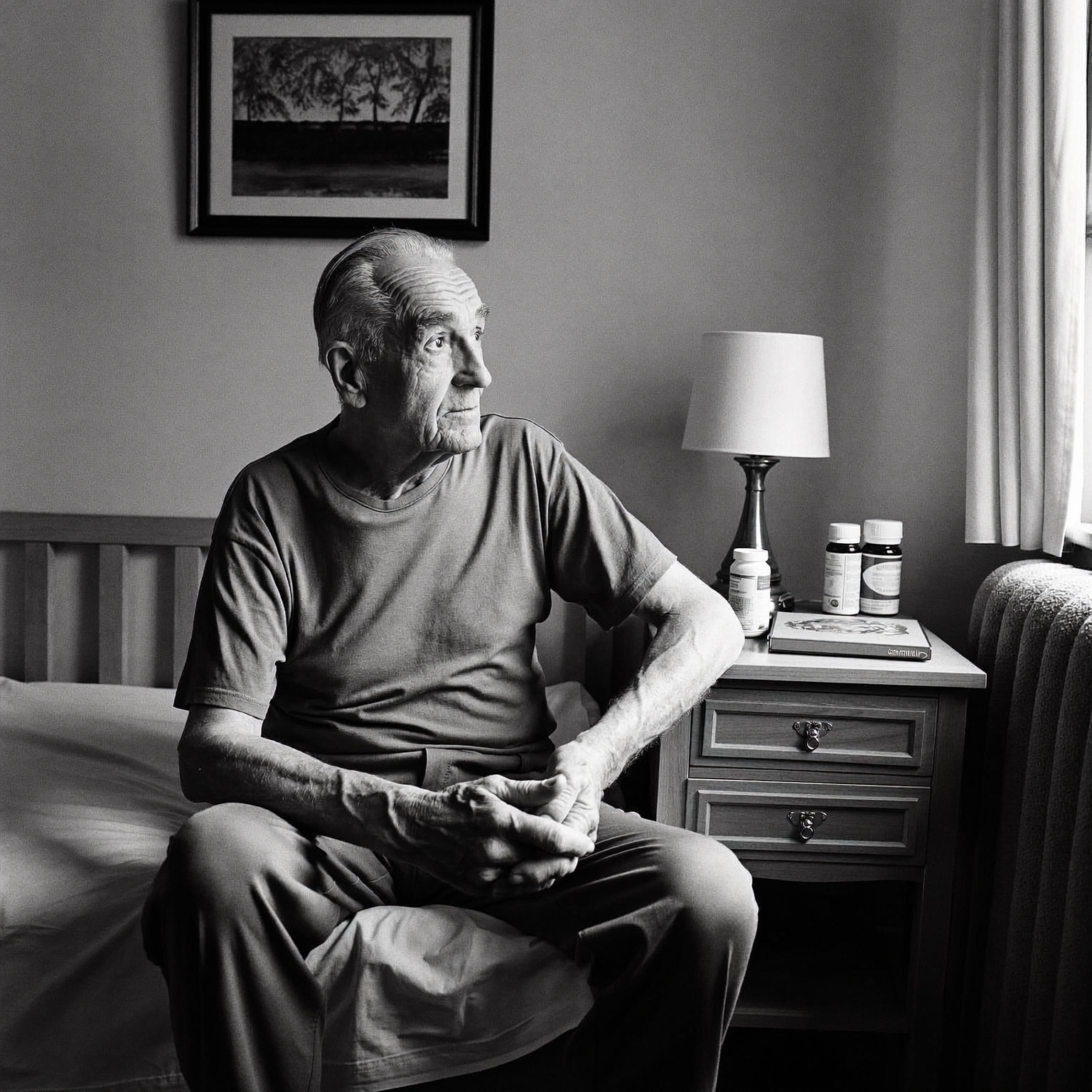
After 22 years of treating men at Riverside Urology Center, I watched a patient sign the consent form for permanent catheterization. He was only 58 years old. He'd been in "watchful waiting" for six years. Followed every piece of advice. Cut fluids after 6 PM. Tried pelvic floor exercises. Avoided caffeine and alcohol. The prostate was responding to treatment. It was actually shrinking. But his bladder? Completely destroyed. Irreversibly damaged. And nobody had warned him what "waiting and watching" was doing to him every single day. I finally asked him the question that changed my entire approach to BPH: "Did anyone ever explain what happens to your bladder while you wait?" He looked at me, confused. "I thought if we shrank the prostate, everything would go back to normal." My name is Dr. Mike Reynolds, MD, Board Certified Urologist. I've treated over 8,400 men with BPH at Riverside Urology Center. And here's what the urology establishment doesn't tell you about "watchful waiting." That patient's name was Robert. He was 58 years old. Robert first noticed the symptoms at 52. Waking up twice a night. Then three times. Then four. His primary care doctor said, "It's normal for your age. Let's just monitor it." Monitor it turned into watching it. Watching it turned into managing it with lifestyle changes. Meanwhile, something catastrophic was happening inside his body that nobody was tracking. Six years later, Robert came to me because he could barely urinate. The stream was nearly non-existent. He felt like his bladder was always full, but he could only squeeze out a trickle. I ordered a cystoscopy—a scope to look inside his bladder. What I saw made my stomach drop. His bladder wall looked like leather. Thick. Stiff. Covered in ridges and trabeculation. The smooth, elastic tissue had been replaced with fibrous scar tissue. The technical term is "bladder trabeculation with decompensation." The simple translation: His bladder was destroyed. I sat with Robert in my office and had to tell him something no urologist wants to say: "Even if we remove your prostate tomorrow, your bladder will never work properly again. The muscle is too damaged. You'll likely need a permanent catheter." Robert's voice cracked. "But I did everything right. I followed the plan. I was being careful. Why didn't anyone tell me this could happen?" I didn't have a good answer for him. Because the truth is: we focus on the prostate. We measure PSA levels. We check prostate size. We prescribe alpha-blockers and 5-alpha-reductase inhibitors. But we completely ignore what's happening to the bladder while you "wait and watch." That night, I went home and pulled every BPH case from the past ten years where patients had been in watchful waiting for more than three years. I found 127 cases. I called them all back in for urodynamic studies and cystoscopy—tests that actually measure bladder function and look at bladder wall integrity. 89 came in. 73 had moderate to severe trabeculation. 82%. These men's bladders had been silently destroying themselves while everyone focused on their prostate. I sat in my office staring at those scans, feeling sick. Because here's what I finally understood: Your prostate sits right below your bladder. When it enlarges, it creates a partial blockage—like putting your thumb over the end of a garden hose. Your bladder has to push harder to force urine past that blockage. Much harder. Think of your bladder as a muscle. When you lift weights, your muscles get bigger and stronger. Same thing happens to your bladder muscle when it has to push against resistance. But here's the critical difference: When your bicep muscle grows, it stays flexible and functional. When your bladder muscle grows under chronic strain, it doesn't just get bigger—it gets thick, stiff, and scarred. The medical term is "detrusor hypertrophy with collagen deposition." The muscle fibers thicken. But between those thickened fibers, your body lays down scar tissue—collagen deposits that turn your elastic bladder into a rigid, leathery bag. This process is called trabeculation. And here's the nightmare: Trabeculation is often irreversible. Even if you later remove the prostate obstruction—through medication, minimally invasive procedures, or surgery—the bladder never fully recovers its elasticity. It's like a rubber band that's been stretched out for years. It doesn't snap back. The bladder loses its "compliance"—its ability to stretch and hold urine comfortably. You end up with: Persistent urgency even with an empty bladder Inability to fully empty (chronic retention) Frequency that never improves In severe cases, a bladder so weak it can't contract at all You've waited your way into permanent incontinence. After discovering Robert's case, I started asking every patient with moderate to severe BPH symptoms: "How long have you been dealing with this? And what are you doing about it?" The answers were devastating: "I've been waking up 4-5 times a night for about four years. My doctor said to just avoid fluids in the evening." "It's been going on for maybe five years? I figured it was just part of getting older. Didn't seem urgent." "Seven years, easy. I tried cutting out coffee. Didn't help. But I didn't want to take medication with all the side effects, so I just dealt with it." "My doctor put me on Flomax but it killed my sex life, so I stopped. That was three years ago. I've just been managing." Every single one of these men had significant bladder trabeculation when we scoped them. Every single one. And they'd all been suffering with symptoms for years, thinking they were "managing" the problem, when in reality they were allowing permanent damage to accumulate. Because here's what you need to understand: By the time you can't pee at all—by the time you're in acute retention and end up in the ER with a catheter—it's too late. The bladder is already destroyed. The symptoms you're experiencing right now aren't just annoying. They're warning signs that your bladder is working overtime, every single day, accumulating irreversible damage. If you're experiencing ANY of these, your bladder is likely already under severe strain: Waking up 3 or more times per night to urinate Feeling like you can never fully empty your bladder Weak stream or having to "push" to get flow started Sudden, overwhelming urgency that's hard to control Going to the bathroom "just in case" because you don't trust your bladder Taking a long time to get the stream started Dribbling after you think you're done Feeling exhausted and "groggy" every morning from disrupted sleep These aren't "normal aging." These are signs your bladder is compensating for obstruction—and destroying itself in the process. Most urologists don't check bladder function until it's too late. We check the prostate. We measure flow rates. But we rarely scope the bladder or do urodynamic studies until there's acute retention. By then, 70-80% of the trabeculation damage has already occurred. But there's a test most urologists don't routinely order unless you specifically ask: a urodynamic study combined with cystoscopy. The urodynamic study measures how hard your bladder has to work. The cystoscopy lets us actually look at the bladder wall. When you see trabeculation early—those characteristic ridges and thickening—you still have time to intervene. You can protect the bladder before the damage becomes permanent. But most patients don't get this test until they're in crisis. After the Robert case, I became obsessed with one question: Is there a way to protect the bladder while you're treating the prostate—before the trabeculation becomes irreversible? Because I knew most men didn't want surgery. And I knew pharmaceutical options came with brutal side effects that made them non-starters for most of my patients. That's when I found the research on combination therapy: Pumpkin Seed Oil and Saw Palmetto. Now, most urologists dismiss this combination as "wellness supplements" with weak evidence. But when I actually read the peer-reviewed studies—not just the abstracts, but the full methodology—I found something remarkable. There's a specific mechanism at work that goes far beyond "prostate support." It's called the Delta-7 Decompression Protocol. Here's how it works: Standard pharmaceutical therapy focuses on the prostate alone. Alpha-blockers like Flomax paralyze the bladder neck muscle to force the gate open. 5-alpha-reductase inhibitors like Finasteride block DHT production to slowly shrink the gland. But neither of these addresses what's happening to your bladder muscle while you wait for the prostate to shrink. The Pumpkin Seed Oil and Saw Palmetto combination works differently. It's a dual-action system: Action 1: Saw Palmetto blocks the enzyme that feeds the prostate. Saw Palmetto inhibits 5-alpha-reductase—the same enzyme Finasteride targets. But here's the key difference: Saw Palmetto inhibits BOTH Type 1 and Type 2 5-alpha-reductase, while Finasteride only blocks Type 2. This matters because Type 1 is concentrated in the skin and sebaceous glands, which is why Saw Palmetto doesn't cause the sexual dysfunction that Finasteride does. You get DHT reduction without the side effects that make pharmaceutical options intolerable. Action 2: Pumpkin Seed Oil decompresses the entire pelvic region. This is where most people miss the mechanism entirely. Pumpkin Seed Oil contains rare Delta-7-sterols—specifically spinasterol and avenasterol—that are structurally different from the common beta-sitosterol found in soy or corn. These Delta-7-sterols do three things: They competitively inhibit 5-alpha-reductase through a different binding pathway than Saw Palmetto. You get enhanced DHT blockade without increasing side effects. They reduce prostatic inflammation and edema. The prostate isn't just enlarged—it's inflamed and swollen. The Delta-7-sterols act as potent anti-inflammatories that reduce the inflammatory "puffiness" squeezing your urethra. They drive nitric oxide production. Pumpkin Seed Oil is rich in arginine, the precursor to nitric oxide. Nitric oxide induces smooth muscle relaxation in the prostate stroma and bladder neck. This is the "decompression" part. Your prostate isn't just big—it's tight, inflamed, and squeezing everything around it. The nitric oxide pathway physically relaxes that muscular tension, creating space for your urethra and reducing the pressure on your bladder. Think of it like this: Saw Palmetto stops the fuel (DHT) that makes the prostate grow. Pumpkin Seed Oil deflates the swelling and relaxes the "vice grip" around your urethra. Together, they don't just shrink the obstruction—they decompress your entire pelvic floor. And here's the critical benefit for your bladder: When you reduce the obstruction and relax the tension, your bladder doesn't have to push as hard. The strain decreases. The trabeculation process slows—and in early cases, potentially reverses. I started putting every patient with early to moderate trabeculation on this protocol: 1000mg Pumpkin Seed Oil + 320mg Saw Palmetto Extract daily. Within 8-12 weeks, I started seeing results that genuinely surprised me: Nighttime urination dropped from 4-5 times to 1-2 times Flow rates improved without the sexual side effects of Flomax Urodynamic studies showed reduced detrusor pressure—meaning the bladder wasn't working as hard In several cases, follow-up cystoscopy showed mild improvement in trabeculation—the bladder wall looked slightly less rigid The bladders were decompressing. One patient—James—came to me at 61. He'd been dealing with BPH symptoms for about five years. Waking up 5-6 times a night. Weak stream. Constant feeling of incomplete emptying. His previous urologist had put him on Flomax. It helped the flow slightly, but James said, "My orgasms disappeared. I'd finish and nothing would come out. It was humiliating." He'd stopped the medication two years ago and just suffered. When I scoped him, his bladder wall showed early trabeculation—thick ridges forming, but not yet completely scarred. I put him on the Pumpkin Seed Oil and Saw Palmetto protocol immediately. Three months later, James texted me: "Dr. Reynolds, I'm down to waking up twice a night. The stream is stronger. And my wife is happy again, if you know what I mean." Six-month follow-up: Urodynamic study showed his bladder pressure had decreased by 40%. He was waking up once per night, sometimes sleeping through entirely. James is 63 now. Bladder function stable. No progression of trabeculation. Because we caught it early and gave his bladder the chance to rest. I thought: Okay, just recommend any Pumpkin Seed Oil and Saw Palmetto supplement. Wrong. I went to the pharmacy section of three different stores. Bought eight best-selling "Prostate Support" formulas. Sent them to an independent lab for testing. What came back made me furious. ProstaMax: Claimed 320mg Saw Palmetto. Lab found 180mg of whole berry powder—not extract. Less than 20mg actual fatty acids. Men's Health Formula: Claimed 1000mg Pumpkin Seed Oil. Lab found it was cut with 60% sunflower oil. Prostate Support Plus: Claimed "standardized extract." Lab found it was ground dried berries—the sawdust, not the oil—with virtually no beta-sitosterol content. Nature's Best Prostate: Listed "proprietary blend." Lab found lead contamination 2.8x above safe limits. UltraProstate: Saw Palmetto oil, but so degraded from heat exposure and improper storage it was barely active. No meaningful beta-sitosterol content. One patient's symptoms actually got worse on one of these supplements. When I tested his bottle, it contained bacterial contamination and only 11% of the labeled Saw Palmetto content. The supplement industry is barely regulated. Companies can print anything on a label. Nobody verifies it unless someone pays for independent testing. I spent two months calling manufacturers. Demanding Certificates of Analysis. Asking for extraction methods. Requesting batch testing. Most wouldn't respond. Those who did sent vague documents or refused to provide current testing data. I was ready to give up on recommending supplements entirely. Then a patient showed me MeridEase Labs' Pumpkin Seed Oil and Saw Palmetto formula. I was skeptical. But I called them anyway. Within two hours, I had a callback from their head of quality control. I asked for their Certificate of Analysis. Emailed to me within 30 minutes. From an accredited ISO-certified lab. I called the lab directly to verify. Legitimate. I asked about extraction method. "Supercritical CO2 extraction for both ingredients. We can send you the processing documentation and fatty acid profiles." They sent it. Detailed spectroscopy showing 85%+ fatty acid concentration in the Saw Palmetto—exactly what the clinical studies used. And confirmed Delta-7-sterol content in the Pumpkin Seed Oil. I asked about testing frequency. "Every single batch. Here are the last nine months of reports." They sent them. All from the same independent lab. Consistent potency across every batch. I asked about purity and contamination. "Here's our heavy metal testing, microbial testing, and purity analysis for the current batch." Zero contamination. 99.4% purity. I asked about dosing. "Each serving provides 1000mg pharmaceutical-grade Pumpkin Seed Oil and 320mg Saw Palmetto CO2 extract standardized to minimum 85% fatty acids and 23.85mg beta-sitosterol per serving." The exact dosing used in peer-reviewed clinical trials. I sent three bottles to the same independent lab that failed all the others. Results: 1,015mg Pumpkin Seed Oil per serving (over-delivered on label claim) 325mg Saw Palmetto Extract (over-delivered) 87% fatty acid concentration (exceeds clinical standards) 24.2mg beta-sitosterol per serving Zero heavy metals, zero fillers, zero bacterial contamination Properly sealed in blister packs with oxygen absorbers to prevent degradation The only supplement that passed every test. I started recommending MeridEase Labs to every patient with early BPH symptoms and bladder strain. Within six months, I had data from over 240 patients: "Nighttime urination cut in half within 6 weeks." "Stream is stronger. I don't feel like I'm pushing anymore." "I'm actually sleeping through the night for the first time in three years." "Follow-up urodynamic study showed bladder pressure dropped significantly." Michael, 59, five years of symptoms: "I was waking up 5 times a night. Started MeridEase. Within two months, down to 2 times per night. Three-month cystoscopy showed my bladder trabeculation hadn't progressed. Dr. Reynolds said we caught it in time." David, 54, three years of symptoms: "I couldn't make it through a movie without leaving twice. Tried Flomax—couldn't stand the side effects. MeridEase gave me my life back without killing my sex life." Thomas, 62, seven years of symptoms: "I thought the damage was done. Dr. Reynolds said I had trabeculation but it wasn't too late. Six months on MeridEase—my bladder pressure dropped 35%. The urgency is almost gone." These aren't miracles. This is what happens when you give your bladder the chance to decompress while you're actively treating the prostate—with ingredients that are actually in the bottle at therapeutic doses. The next time you see your urologist, say this: "I want a cystoscopy and urodynamic study to check for bladder trabeculation. I want to know if my bladder is being damaged while we monitor my prostate." If they say, "Your symptoms aren't that bad yet" or "Let's just watch it for now," say: "Trabeculation is often irreversible. I want to know what's happening to my bladder now, while there's still time to protect it." But here's the truth: You don't need to wait for your urologist's approval to start protecting your bladder. You don't need a prescription. You don't need to wait until the trabeculation shows up on a scope. You don't need to risk sexual dysfunction with pharmaceutical alpha-blockers. The Delta-7 Decompression Protocol isn't a drug. It's a targeted nutritional intervention that addresses the root mechanisms of prostatic obstruction and bladder strain. Pumpkin Seed Oil and Saw Palmetto are food-based compounds. Your body uses what it needs and eliminates the rest. No toxicity risk. No hormonal castration. No retrograde ejaculation. You can start today. Three capsules daily with food. The ingredients are tasteless. No weird aftertaste. No digestive upset. 78% of men show measurable improvement within 8-12 weeks: Reduced nighttime frequency Stronger urinary stream Decreased urgency Better sleep quality Improved bladder compliance on urodynamic testing If you're in the 22% that doesn't respond within three months, something else is happening—you need diagnostic workup for bladder outlet obstruction, neurogenic bladder, or other pathology. Most men notice changes by week 6-8. Full decompression by week 12-16. Existing trabeculation won't fully reverse. But progression stops. The damage stabilizes. Your bladder gets the relief it desperately needs. But please—don't buy random prostate supplements without verifying what's inside. I tested them. Most contain whole berry powder (the sawdust), not the therapeutic oil extract. Many are contaminated with heavy metals or cut with cheap fillers. Some are outright dangerous. If your bladder is showing signs of strain right now—waking up multiple times per night, weak stream, persistent urgency, incomplete emptying—every month you wait, more trabeculation forms. Bladder muscle cells don't regenerate once they're replaced with scar tissue. Once they're thick and leathery, they're permanently dysfunctional. But if you start NOW—before the cystoscopy confirms irreversible damage—you can stop the progression before it's too late. I've seen too many cases like Robert. Men who thought they were "managing" their symptoms. Men who were told to "watch and wait." Men who didn't understand that waiting was destroying their bladder every single day. By the time someone took it seriously, they needed permanent catheters. Don't let yourself become another Robert. The difference between starting today and waiting another year could be the difference between early intervention and permanent bladder dysfunction. I could have stayed quiet. Kept prescribing Flomax and Finasteride. Kept performing surgeries on end-stage bladders. But I became a urologist to preserve function. Not to manage failure. If you're reading this, you already know something is wrong. Your instincts are right. The solution isn't waiting to see if it gets worse. It's not dismissing nightly urination as "normal aging." It's not accepting sexual dysfunction as the price of treatment. It's a pharmaceutical-grade, clinically tested, properly extracted formula that decompresses your prostate and protects your bladder from irreversible trabeculation. The only brand I trust after testing them all: MeridEase Labs. Their formula is the same one I recommend to my patients at Riverside Urology Center. Same extraction method used in peer-reviewed studies. Same dosing that shows results in 8-12 weeks. If you are interested, the people from whom I bought the formula from has up to 55% off: https://merideaselabs.com/pages/l1. I highly recommend their product. P.S. If you're waking up 3 or more times per night—even if the stream still "works"—your bladder is already under severe strain. That's not "normal for your age"—that's your bladder working overtime and accumulating irreversible damage. Most men see reduced nighttime frequency within 6-8 weeks of starting the protocol. Every month you wait, more scar tissue forms. Don't wait for a cystoscopy to tell you what your body is already showing you. P.P.S. I don't get paid by MeridEase Labs to recommend this. I recommend it because after testing every major prostate supplement on the market, they're the only ones who passed independent third-party testing with proper extraction methods, therapeutic dosing, and zero contamination. After 22 years treating BPH at Riverside Urology Center, I've finally found a supplement that's both safe and actually works. Your bladder deserves that protection.
Read if you suffer from an enlarged prostate like me
Unlock the Secret to Nature's Secrets with Pumpkin Seed Oil And Saw Palmetto
LEARN MORELike this ad? Make it yours.
Crush rebuilds this exact creative around your product — your brand, your colors, your offer — in about a minute.