Susan Johnson
 Facebook ad: “Read This If You Had A Knee Replacement”
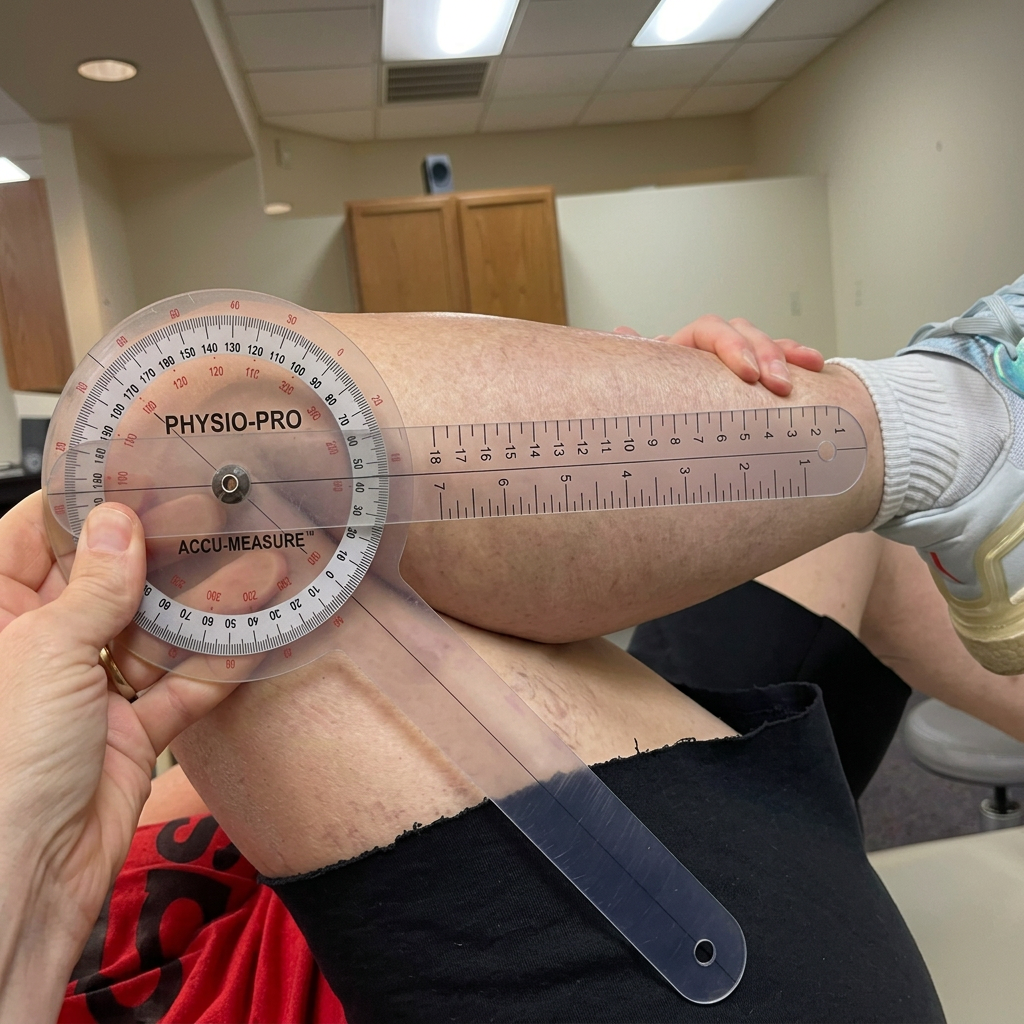
Ran for 16 days, from August 11 to August 27, 2026, the last day Crush saw it.
Run by Susan Johnson on Facebook. Crush is not the advertiser and does not verify its claims. See this ad in Meta's Ad Library(opens in a new tab)
Make your own version of this ad
Crush makes it, launches it in your own Meta ad account, scales the winners and pauses the losers.
About this ad
- Meta Ad Library ID
- 964870389345906
- Platforms
- Facebook, Instagram, Messenger and Threads
- Relaunches
- 0
Ad text
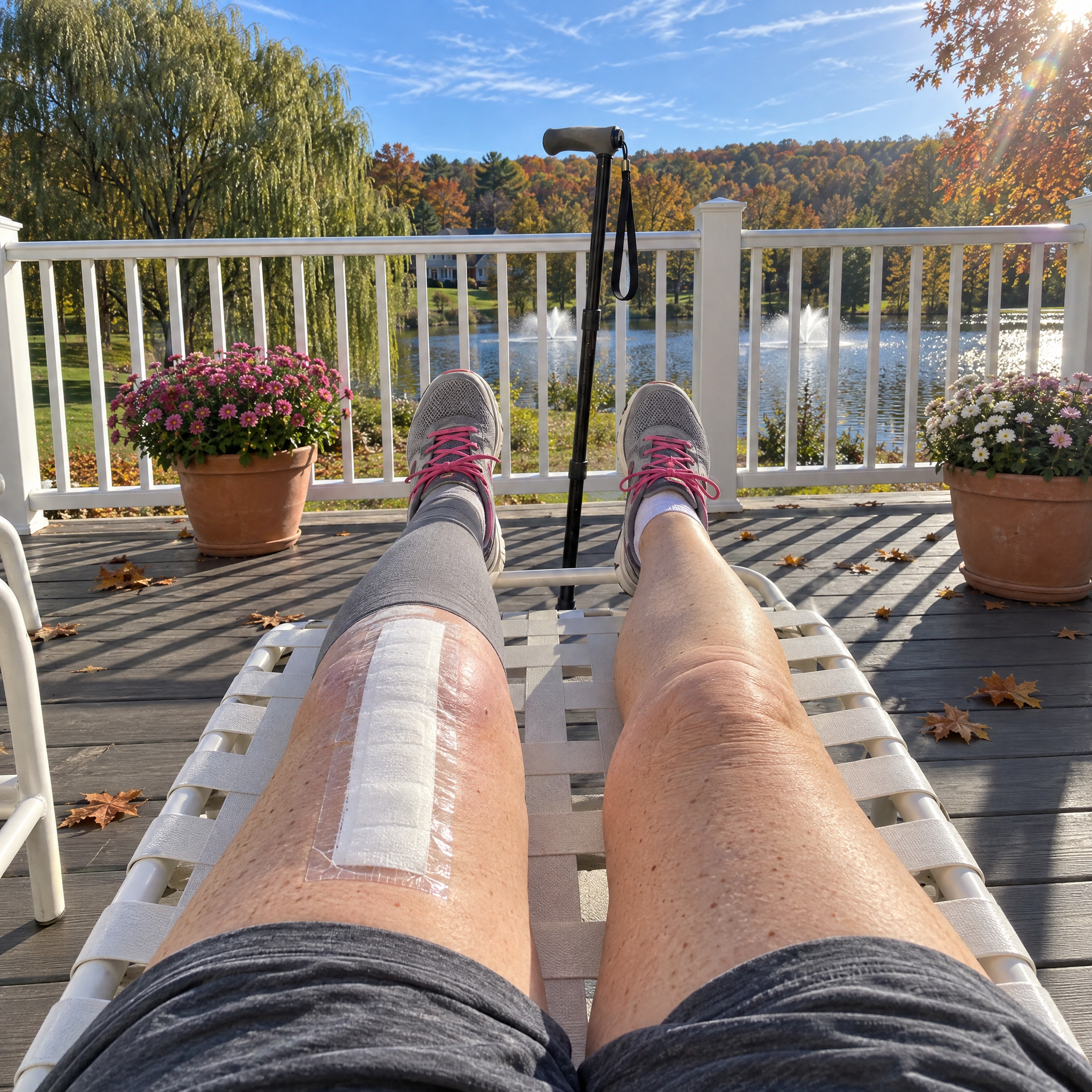
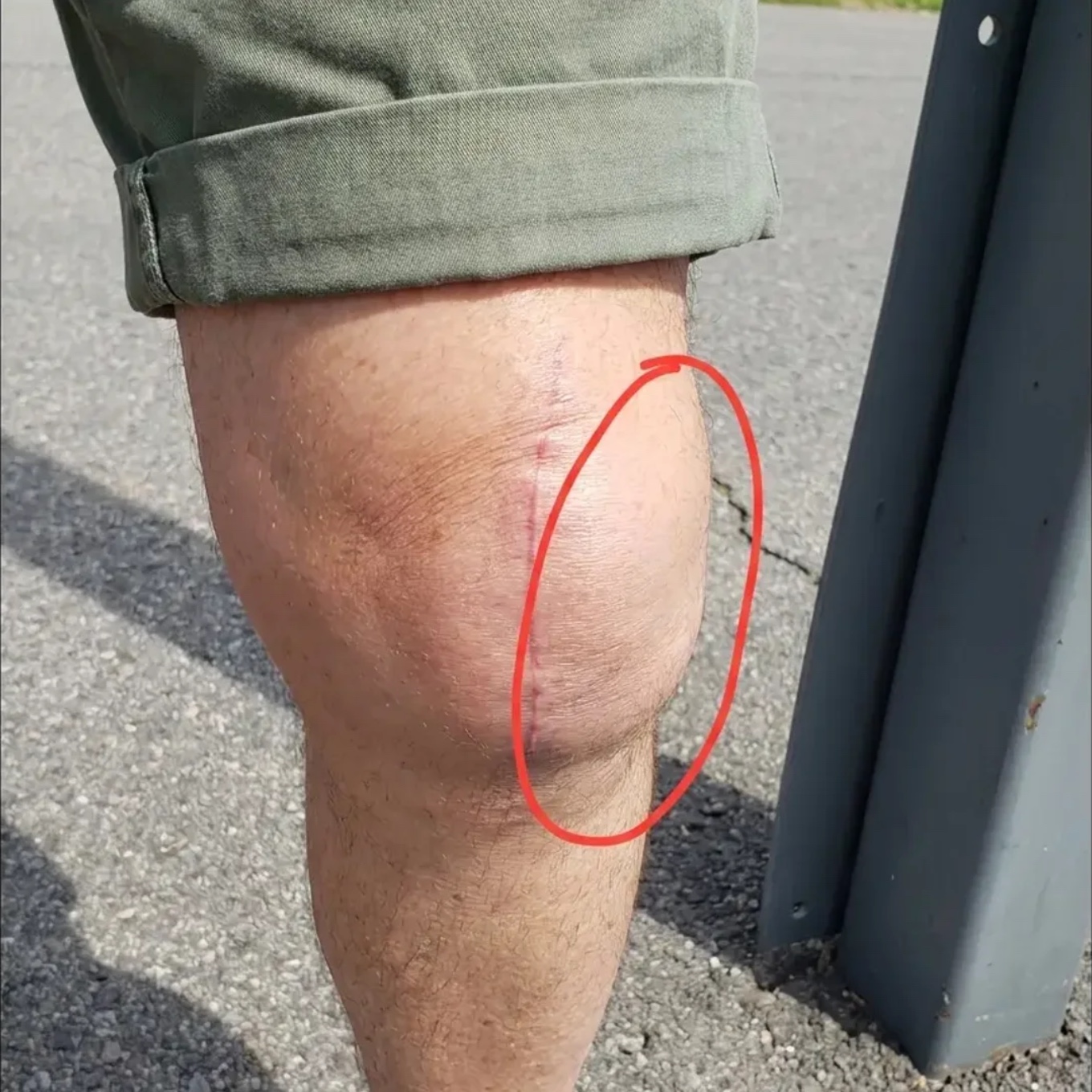
Ever wonder why some people are walking normally six weeks after knee replacement, while others are still in pain a year later? It is one of the most frustrating parts of recovery. Reading the success stories online. Hearing about the neighbor who was back on the golf course in two months. Seeing someone in the waiting room who got the same surgery, with the same surgeon, three months ago, and they seem fine. Meanwhile, for others, the knee still burns. It still wakes them at night. It still stiffens after sitting. It still makes stairs feel like a risk. Months after surgery. Sometimes more than a year. The natural question is: what are those people doing right that I am doing wrong? Most people assume it comes down to one of five things. Age. Attitude. The surgeon. The type of implant. Or how hard they worked in physical therapy. All five assumptions are wrong. There are 60-year-olds still in serious pain at 10 months. And 75-year-olds walking comfortably at three. My name is Susan Kerrigan. I spent 25 years as an orthopedic surgical nurse, assisting in over 1,500 knee replacement surgeries. And I can tell you exactly why some people recover easily and others do not. I can tell you because I watched it happen from three feet away for a quarter of a century. And then it happened to me. Here's what I saw from the OR that most people will never be told. When I was assisting in the operating room, I saw the same surgery produce completely different recoveries in people who looked identical on paper. Same age. Same weight. Same implant. Same surgeon. Same procedure, performed the same way, on the same morning. One would be walking without a limp at six weeks. The other would still be in burning pain at eight months. The surgeons could not explain it consistently. The physical therapists could not explain it. In twenty-five years, not one person in that OR could give me a consistent answer. The X-rays never showed a difference. Both implants looked perfect. Both joints were stable. But I could see something during surgery that nobody talked about after surgery. Every knee is surrounded by thousands of tiny nerve endings. They are woven through the cartilage, the soft tissue, the skin, everything around the joint. Before surgery, cartilage cushioned the joint and protected those nerve endings from direct contact with hard surfaces. During surgery, I watched that cartilage get removed. I watched the metal implant go in. I watched the incision get closed around tissue that had just been cut, stretched, retracted, and sutured. In some people, the nerve endings around the implant would settle down during recovery. They would recalibrate to the new surface. The signals would quiet. Recovery felt smooth. In others, those nerve endings never settled. They remained exposed. Hypersensitive. Pressing against a hard metal surface that was never there before. Firing constantly. Burning, tingling, aching signals that no X-ray would ever detect because there was nothing structurally wrong with the implant. Hundreds of times. And every single time someone looked at me and asked why they were still hurting when the X-ray looked perfect, I had nothing. NOTHING. That still bothers me. What I did not know yet was that there was a way to reach those nerve endings directly. Then, at 63, I had my own left knee replaced. My recovery was not the easy one. I did everything right. I followed the protocol I had watched thousands of men and women follow. I kept up with PT. I iced. I elevated. I took the medication on schedule. I did the exercises even when I did not want to. And at four months, the burning around my scar was still waking me at 2 AM. The stiffness every morning took fifteen minutes to walk off. I will be honest. There were mornings I hated that knee. Stairs made me hold the railing with both hands. Getting out of the car required a strategy I had to think through every single time. One morning my daughter had to drive me to a follow-up because I did not trust my own leg in the parking lot. I sat in her passenger seat thinking: I spent 25 years helping people in this exact situation. Now I am one of them. My surgeon said the implant looked perfect. Range of motion was on track. Everything was fine. “Fine” That word drove me crazy. But I knew it was not fine. Nothing about 2 AM burning is fine. Because I had spent 25 years watching this exact pattern in the OR. I knew what had happened to the nerve endings around my implant. I knew they had not settled. I knew they were pressing against the metal, firing signals that my surgeon would never see on a scan. And I knew that painkillers, ice, PT, and time were not designed to fix that specific problem. I had watched too many people try all four and fail. And now I was one of them. What I searched for instead. Because I understood the problem, I knew exactly what the solution needed to do. It needed to reach the nerve endings directly. Not the muscles. Not the joint. Not the inflammation. The nerve endings themselves. I needed something that could calm them down. Interrupt the pain signal at the source. Reduce the overreaction that was keeping them in a hypersensitive state. I started researching electrical nerve stimulation. Not the standard TENS units with adhesive pads that I had watched hundreds try and abandon. I had seen that story too many times. The pads spread the signal across the whole knee, but the pain is almost always one specific spot. The setup took fifteen minutes. Most of the people I worked with over 60 tried it once, got frustrated, and put it in a drawer. I needed something that could deliver stimulation directly to one point. The exact point that burned. The exact spot along the scar. The precise nerve endings that were firing. That is when I found counter-frequency therapy. The concept made immediate sense to me. Targeted electrical pulses delivered directly to the nerve endings at the point where the pain is strongest. The pulses calm the nerve endings down. They stop the pain signal from reaching the brain. Not by masking it like a painkiller. By addressing the nerve endings that are producing it. This was the mechanism I had been looking for. The question was finding a device that could deliver it properly. Most of the devices I found were standard TENS units repackaged with new marketing. Pads and wires. I dismissed those immediately. I spent the next three weeks searching. Not casually. Seriously. The way a nurse researches when she is the one in pain. I barely slept some of those nights. I read clinical papers on electrical nerve stimulation for post-surgical pain. I read online forums where people described trying every device on the market and what actually helped versus what did not. I called two of my former colleagues from the OR, both retired, and asked what they had seen work in the years since I left. One of them had been through the same surgery and the same difficult recovery. She had tried three different TENS units and returned all of them for the same reasons I expected. I kept coming back to the same problem. The method existed. Counter-frequency therapy made sense as a mechanism. But most of the devices delivering it were either too broad, too complicated, too flimsy, or not designed for the specific problem I was trying to solve. Then I found TheraPulse. Pen-shaped. No pads. No wires. No complicated settings. Direct point-by-point contact with the exact spot that hurts. Press the tip on the nerve ending that is firing, hold for 60 seconds, move to the next point. One hand. No setup. No help needed. After 25 years of watching people struggle with pad-and-wire setups, this was the first device I had seen that was designed the way it should have been designed all along. Simple enough that a 75-year-old with stiff hands could use it at 2 AM without waking anyone. Precise enough to reach the one spot that nothing else could reach. I ordered it. What happened when I used it: I was skeptical even with my professional background. Twenty-five years in orthopedics teaches you that most things that promise relief do not deliver it. The first time I used it, I pressed it on the burning spot along my scar for 60 seconds. I felt a gentle pulsing sensation. Nothing dramatic. Nothing painful. Twenty minutes later I realized the burning had quieted. Not gone. But noticeably lower. Like someone had turned the volume down from an eight to a four. I actually stopped what I was doing and just sat there. Paying attention to it. Waiting for it to come back. It did not. Not for another hour. It came back later that night. But that was the first time in four months that anything had reduced that specific burning, even temporarily. By the end of the first week, the 2 AM wake-ups went from every night to three nights. The burning during the day was softer. Not gone, but manageable in a way it had not been before. By week three, I was going down the stairs without gripping the railing with both hands. Getting out of the car without strategizing every movement. The morning stiffness still showed up, but it cleared in five minutes instead of fifteen. By week six, I slept through the night five nights out of seven. The burning was still there if I pressed on the scar, but it was not waking me. My daughter brought my granddaughter over that weekend. She is three. She pulled my hand and said 'floor, Nana.' I got down on the carpet with her for the first time since my surgery. My daughter took a photo without telling me. She sent it to me that night with one word: 'finally.' I am not going to say the pain is completely gone. I still have moments. But the difference between month four, when I was questioning whether the surgery was a mistake, and month six, when I started feeling like myself again, was TheraPulse. Nothing else changed. I did not add new exercises. I did not take new medication. I just used the pen every morning and every night for 60 seconds. What I tell people now: When someone in my life has a knee replacement and asks me for advice, I tell them two things. First, if recovery is going well, do not worry. Your nerve endings settled. You are one of the lucky ones. Second, if it has been three months or more and the knee still burns, still aches, still wakes you at night, still makes stairs feel like a decision, and the X-ray looks perfect, it is not your fault. You are not failing at recovery. Your nerve endings did not settle. And nothing in the standard recovery plan was designed to address that. That is not the end of the world. It just means you need something that reaches those nerve endings directly. Thousands have tried TheraPulse in the last year. It comes with a 60-day guarantee. If it does not help, send it back. I kept mine. It is on my nightstand. I still use it most nights. One thing I will mention. Ribliss is not a large corporation. They are a small company and they sell out regularly. When I ordered mine, it shipped in two days. When I tried to order one for a friend a month later, it was backordered for three weeks. If you are reading this and the link below still shows it in stock, I would not wait. They also have a summer sale running right now that I did not get when I ordered mine. I paid full price and I would pay it again. Here is why so many people over 60 are switching to it after knee replacement. Click here to read the full article. https://ribliss.com/pages/7-rw-postkr-revamp-kp P.S. My colleague Linda, the one who tried three TENS units and returned all of them, finally ordered a TheraPulse after I would not stop talking about mine. She called me on day four. She said the burning along her scar had been constant for eleven months. That morning she woke up and it took her a full minute to notice it was not there. She whispered it to me on the phone like she was afraid of jinxing it. She has not returned hers either. She keeps it on her nightstand now. Every morning before her first step, every night before bed.
Where the ad sends people
ribliss.com
Read This If You Had A Knee Replacement ☝️
Ribliss
Learn more: ribliss.com(opens in a new tab)