
Inactive· since May 28, 2026
- 63
- days it ran
- 0
- relaunches
Ad copy
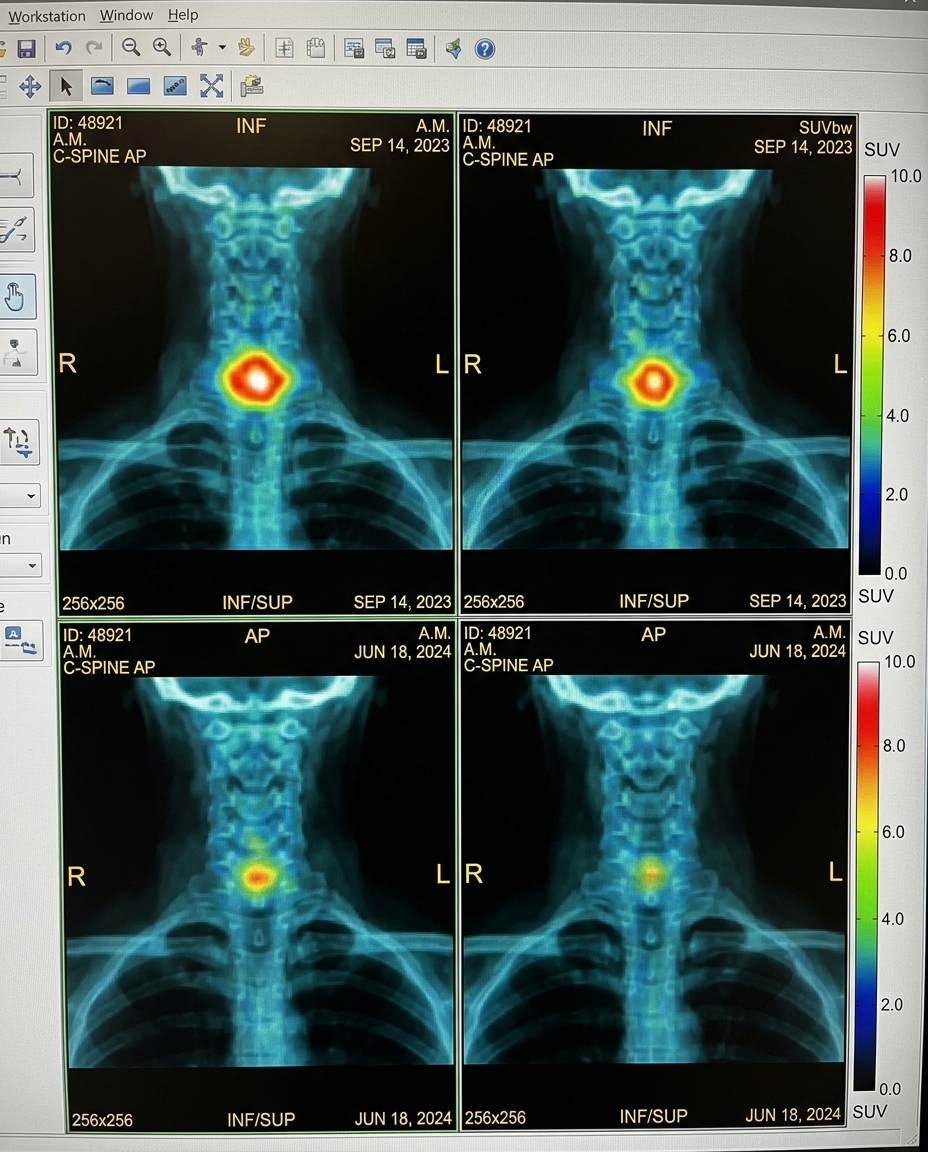
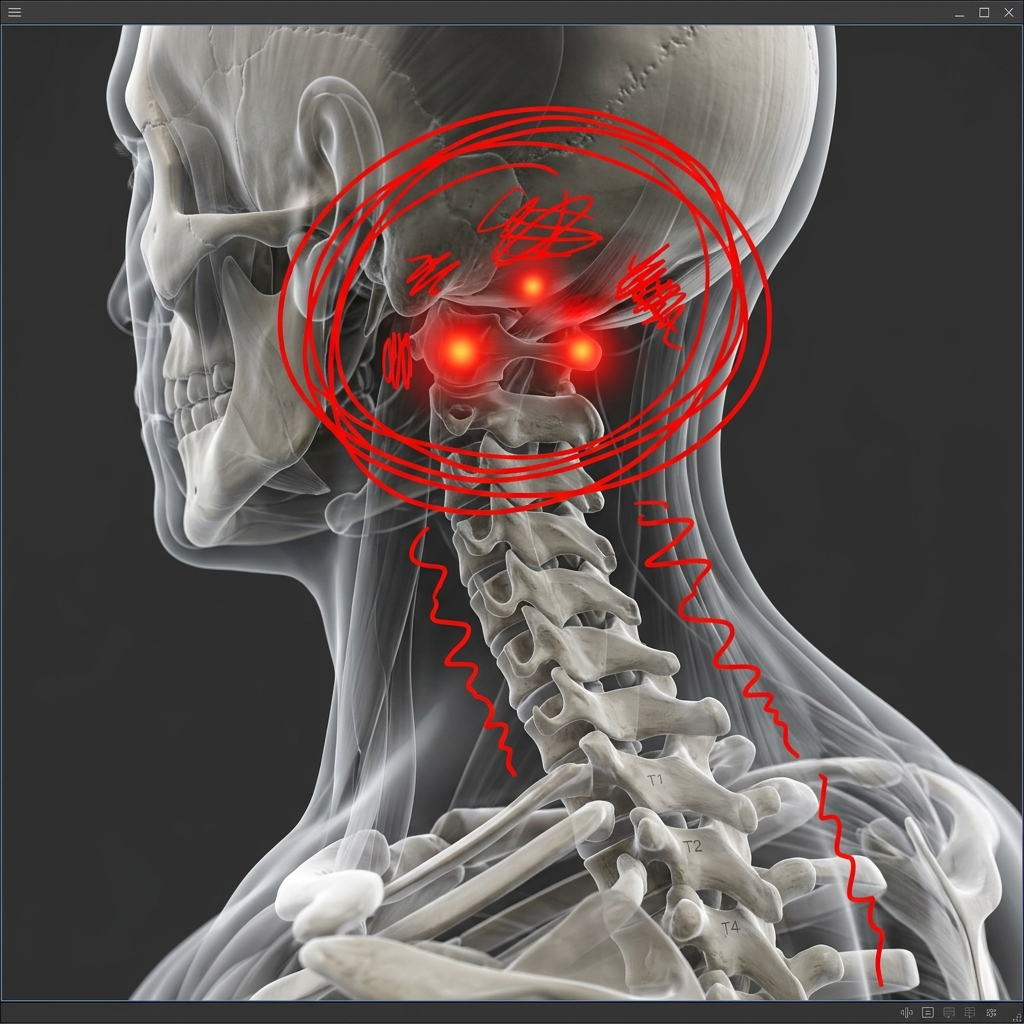
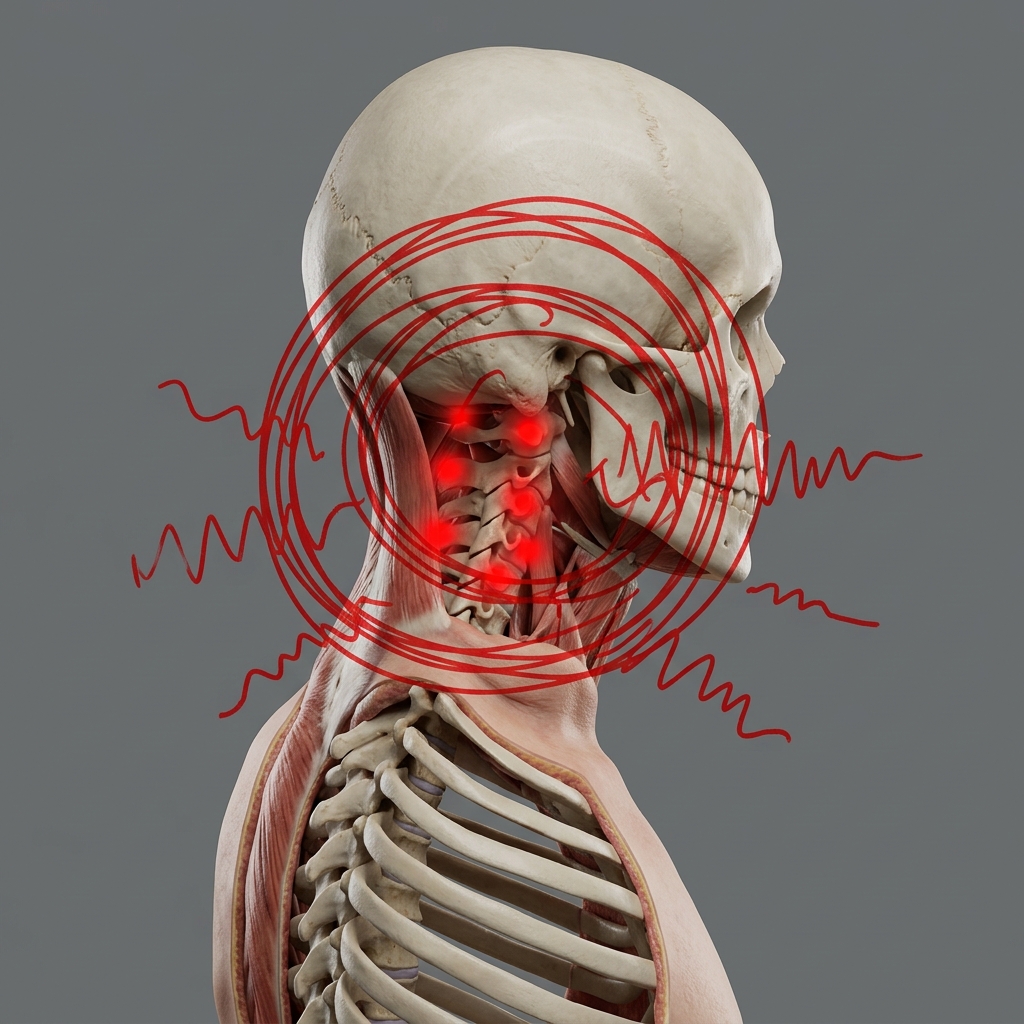
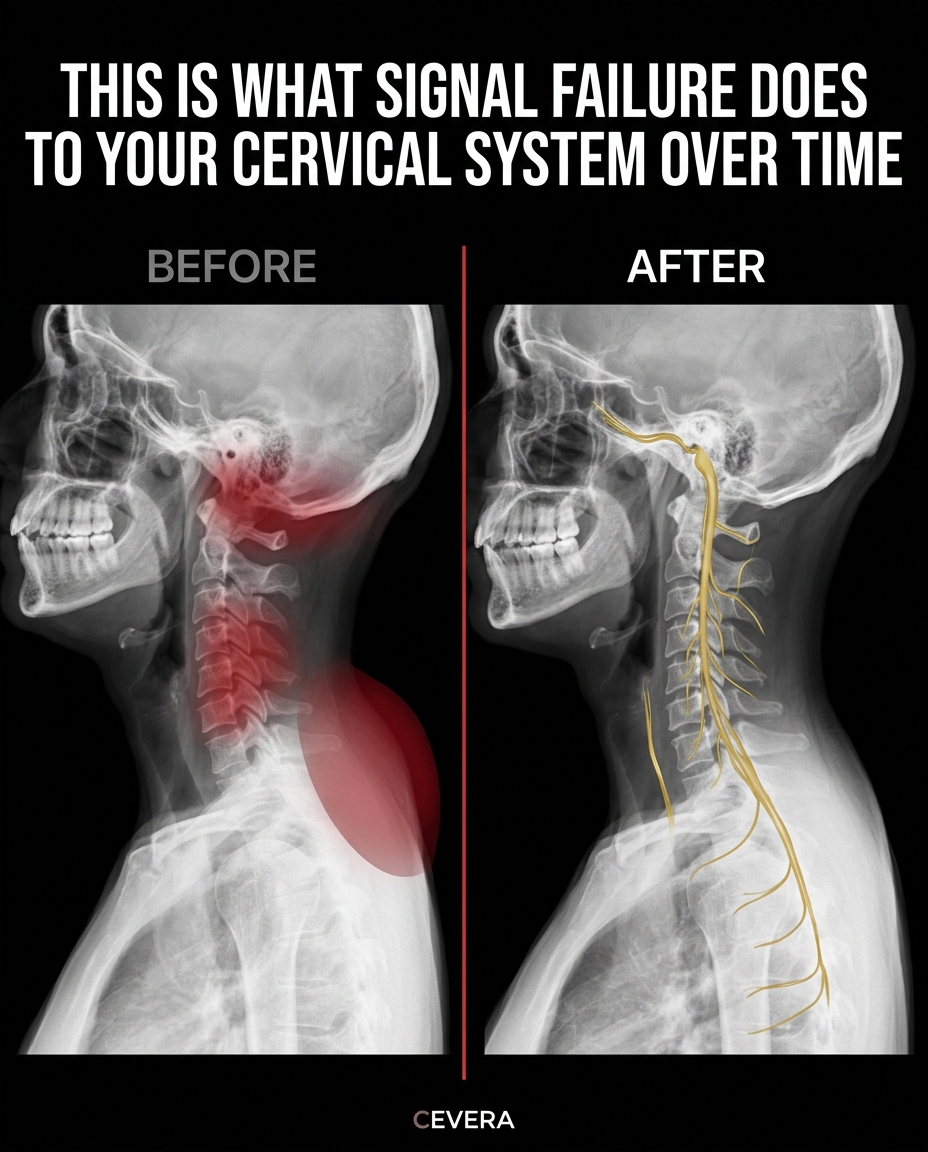
I almost said no to the boy who gave my husband his neck back. He was seventeen, sitting in a window seat at a foster home in Indiana, on his last weeks before the system would spit him out for good. If I'd known, the day we brought him home, that he was the reason my husband would still be standing straight at sixty-five — I would have held him a little longer in the doorway. Looked at him a little harder. Taken a breath. But I didn't know. I just helped him carry his bag up to his new room and called him down to dinner. His name is Tomas. He's eighteen now. He's a paramedic trainee at the community college, four months into the program. He's tall in a way he hasn't grown into yet. He still asks before he opens the refrigerator. He says "ma'am" to the cashier at the grocery store every Saturday morning. He calls my husband Henry "Dad" since the second month he was here. He calls me "Mom" since the third. He'd been in the foster system since he was nine. Henry and I had visited the children's home twice already by the time I met Tomas. We'd sat across from a counselor named Margaret for three months working through paperwork. We'd met eleven children. We'd made no decision. Margaret had told us most couples needed three or four visits before a child clicked. She said it without pressure. She was just telling us how it usually went. The third visit, in September, Margaret took me down a hallway to a small private room at the back of the home. Tomas was sitting on a chair with a worn paperback in his lap. He was a month from his eighteenth birthday. A month from aging out of the system with nowhere to go. Margaret had stopped putting him in front of visiting couples a year earlier. "Seventeen-year-olds don't get adopted," she'd told me. "I'm not going to break his heart again." I'd seen him in the common room on my second visit. I almost said nothing. I asked anyway. I'm going to tell you why I asked, because the answer matters. It's not because I was being noble. I'd like to say I was. I wasn't. Henry and I had tried for a child for fourteen years. Four miscarriages. The last one when I was thirty-eight. After that one my doctor used the word "unlikely" in a way that meant "never." It took us another twenty-six years to walk into a children's home. We talked about it sometimes. We never got further than talking. Some grief takes longer than you expect to do anything with. I was sixty-four by then. Henry was sixty-five. We knew we were almost too old. I had a hole in my chest the size of a child. Tomas had a hole in his the size of two parents who didn't live long enough. That was the whole reason. We needed each other. That's all. Tomas asked me what I did for a living. I told him I worked at the public library three days a week. His eyes flickered. "Do you read books at work?" he asked. I told him only sometimes. Mostly I check books in and out for other people. "What's your favorite book?" I told him To Kill a Mockingbird. He nodded. The way he nodded was the way an adult nods when he's filing information away to look at later. "My favorite is The Boxcar Children. I have it in my bag." He pulled a worn paperback out of a small canvas duffel at his feet. Set it on his knee. There was other stuff in the bag. A small photograph, worn soft at the edges. A toothbrush in a plastic case. A spare pair of socks rolled into a ball. A few folded papers — birth certificate, foster placement records, the things you carry when you don't know what's coming next. We brought him home four weeks later, two days before his birthday. Henry drove. I sat in the passenger seat. Tomas sat in the back with the canvas bag in his lap. We'd asked him if he wanted to put it in the trunk. He said no, very quietly. The bag stayed on his lap the entire two-hour drive. The first three months were not easy. I won't tell you they were because that wouldn't be true. He had nightmares the first six weeks. He'd wake up at three in the morning and I'd hear him in the kitchen drinking water, then putting the glass back exactly where he'd found it. He never wanted us to know. He didn't trust Henry until October. October was when Henry sat him at the workbench and showed him how to plane a piece of pine. Something about Henry's hands doing the work for him without rushing — something about the patience of a man who knew what he was doing — broke through. He started calling Henry "Dad" two weeks after the shop. He started calling me "Mom" the night I made meatloaf. He said "Mom, can I have seconds?" and I almost dropped a serving spoon on the floor. By December he was bringing me coffee in the morning before his first class. He'd set it on the little table by my reading chair without saying anything. Just put it there and walk past. That was the kind of son he was. Henry is sixty-five years old. He's been a carpenter since he was eighteen. Forty-seven years at the bench. He owns a small custom cabinet and millwork shop with his name on the sign — Henry Whitaker Custom Woodworks. His foreman is a man named Curtis who's been with him for twenty-four years. Henry built every piece of furniture in our house. He built the pulpit at First Methodist. He's made cradles for the new babies in this town for as long as we've lived here. He's also been on a twice-weekly adjustment protocol for eight years. His practitioner says his measurements look fine. But his body is not cooperating the same way anymore. The forward pull doesn't quit. By 7 PM he's been calculating his angle in every room he walks into. His ease in the world is gone. He angles away from cameras at family gatherings. Curtis has started arranging the shop photos so Henry is never front and center. They both pretend I don't know. I know. Four months after Tomas came home, Henry came back from his practitioner appointment and didn't speak for three hours. That night he told me he was thinking about stepping back from the shop. His practitioner was a woman named Dr. Reid who had known Henry for fifteen years. Dr. Reid had told him his measurements were stable. But his tissue was consolidating and the forward pull was becoming a permanent part of how he moved through the world. "Henry, this is just aging. Your body's telling you it's time to manage expectations." Henry had nodded, shaken her hand, and driven home. He sat at our kitchen table and told me he'd built that shop with his hands — and now he was becoming someone who apologized for his own reflection. He didn't cry. Henry doesn't cry. He just looked at the salt shaker for a long time. Tomas was at the table when Henry told us about the appointment. He didn't say anything. He just listened. He watched Henry the way a paramedic trainee watches anything — taking inventory. Two days later, in the kitchen while I was washing dishes, he asked me how long Henry had been on the adjustment protocol. I told him eight years. He nodded once and went up to his room. That was a Tuesday in late February. On Thursday afternoon Tomas drove past Henry's shop on his way home from a clinical rotation at the hospital. He parked across the street. Sat in the car. Watched through the open bay door for ten minutes. Henry was trying to lift a length of red oak — the kind of work he used to do without thinking — and now he was pausing halfway through to adjust his angle, the way he adjusted his angle everywhere now. Curtis was twenty feet away pretending not to watch. Tomas drove home without stopping in to say hello. He went up to his room and called me from his cell phone even though I was downstairs. "Mom?" I dried my hands on a dish towel. "Mom — can we eat dinner together this Sunday? Just you and Dad and me. I want to talk to you about something." He'd never called me from upstairs before. "Tomas — what is it?" "I'd rather show you on Sunday. I've been working on something. Just promise me you'll listen to all of it before you say anything." "I promise." He came downstairs ten minutes later for dinner like nothing had happened. I didn't tell Henry about the call. I just told him Tomas wanted Sunday dinner to be a sit-down. Sunday came. I made pot roast. I set the table with the good plates. Henry asked me why and I said "Because it's Sunday and our son asked us to." Henry looked at me for a long moment and then went out to the shop until dinner. Tomas came down at 5:45 wearing a clean shirt. He had a manila folder under his arm. He set it on the kitchen counter. He hugged Henry for a long time when Henry came in from the shop. We ate. Tomas had two helpings and apologized and asked for a third. He cleared the table and started the dishes. I stopped him and told him to sit. I served pie. Apple, with vanilla ice cream. Henry pushed his plate back and folded his hands on the table the way he does when he's full and content. He looked at Tomas. "All right, son. What's in the folder?" Tomas got up. Got the folder. Sat back down. Set it in front of him. Didn't open it yet. "Dad. Mom. I almost didn't bring this. I held the folder at the top of the stairs for ten minutes deciding whether to come down with it." "I'm not a doctor. I'm a paramedic trainee. I might be wrong about all of this." He took a breath. "But I'm going to tell you what I found. And I'm asking you to listen all the way to the end before you tell me whether I'm crazy. Because I think this matters." He opened the folder. He didn't start with Henry. He started with his mother. "Dad. Mom. I have to tell you about my biological mother. I don't talk about her because what I remember is hard to talk about. She didn't die young. She disappeared while she was still alive. And I've been carrying something for a year and I should have told you sooner." He laid out the photographs first. His biological mother — Magda Kovacs — had been a social worker in her forties. Warm, loud, the kind of woman who organized the neighborhood block party every summer and knew everyone's children by name. Tomas had a photograph of her at a birthday party — someone's backyard, streamers, a cake. She was laughing with her head thrown back. Her arms were around two women he didn't recognize. She was wearing a red dress with an open neckline. "This is who she was when I was five," Tomas said. He set the photograph down and placed another one next to it. Same woman. Seven years later. Standing at the edge of a family gathering — the kind of position you take when you're not sure you belong in the frame. Turtleneck in July. Hair worn down and forward. Not looking at the camera. "This is who she became." The silence in the room was complete. "Her neck hump started becoming visible when I was around six or seven. She never talked about it. She attended her appointments. Her practitioner said her measurements were stable. She did her exercises. She wore the braces. She did everything right." "But I watched her world get smaller every year." "The block parties stopped. The red dresses disappeared. She started doing school pickup from the car instead of walking to the gate. She stopped coming to my school events — not because she didn't want to be there. Because she didn't want to be seen." "By the time I was nine, she barely left the house except for groceries and appointments." "She wasn't sick. She wasn't in pain. She was ashamed. Of something that was getting worse despite everything she was doing about it. And nobody — not one practitioner in all those years — ever told her that the thing driving the progression had never been directly addressed." He picked up the photographs and held them side by side. "The woman in the red dress at the birthday party. And the woman at the edge of the frame in a turtleneck in July. Same person. Eight years. And a protocol that managed the measurement while the real cause kept advancing underneath." "She died of breast cancer when I was nine. But I'd already lost her years before that. I lost her to a wardrobe that reorganized itself around one problem that nobody ever actually fixed." "I went into the foster system. I carried that photograph for nine years." He set them both on the table. "And then I came here. And I watched Dad start doing the same thing." He looked at Henry. "Dad. You angle away from every camera now. You stopped standing at the front of the shop photos with Curtis. You came home from that appointment and talked about stepping back from the shop — not because your hands don't work, not because your mind doesn't work, but because something is changing in how you move through the world and nobody is addressing why." He paused. "I lost my biological mother to that. I'm not losing my second father to it." He pulled out a thinner folder of notes. Pages with words he'd looked up. Definitions in pencil in the margins. "I know how this is going to sound," he said. "I'm an eighteen-year-old paramedic trainee telling you that a practitioner with thirty years of experience is missing something. I get how that sounds." "I read until I understood. I might still be wrong. If I am, tell me and I'll drop it. But please. Hear me out first." "The practitioner has been treating the wrong thing the whole time. For Magda and for Dad." "Your neck hump keeps building because your deep cervical muscles have been switched off. That's it. That's the whole thing. After decades of accumulated forward load — screens, driving, looking down — those muscles become overloaded. Your brain shuts them off to protect them. This is called neuromuscular inhibition. Once those muscles go quiet, your head has nothing holding it back. It drifts forward. Your body builds tissue at the base of your neck to absorb the load." "Adjustment protocols mobilize the joint above the inhibited muscles. That's their mechanism. The position improves temporarily. Then the inhibited muscles pull the head forward again within 48 hours. You adjust and drift. Adjust and drift. Forever." "Imagine a door that keeps swinging open because the spring inside is broken. Instead of fixing the spring, you push it closed every two weeks. For a while it looks like progress. But the spring is still broken. The door keeps swinging. And you keep pushing it closed and calling that management." "That's what eight years of adjustments has been doing. Pushing the door closed. While the spring that was supposed to hold it — the brain-muscle signal — stays broken underneath." He pulled out another printout. "And here's the part that explains Magda. And explains why Dad steps back from every camera. And why the wardrobe reorganizes itself around one problem while the practitioner keeps saying the measurements look stable." "When the joint mobilization temporarily improves the position, the nervous system gets a signal that external input is managing the problem. The deep cervical muscles receive less reason to stay active. They atrophy further. The inhibition deepens. The measurements may look stable. But the muscles that are supposed to be doing the holding have been getting quieter the entire time." "That's why Magda kept getting worse despite perfect compliance. The protocol was addressing the joint. The inhibition was advancing underneath. Silently. Until the woman in the red dress became the woman at the edge of the frame." He closed that section of the folder. "I started looking for what actually restores the brain-muscle signal. Not what manages the position. What restores the signal." "And I found it." He pulled out a third section of printouts. "Electrical muscle stimulation — EMS. Not a massager. Not a generic TENS device. Clinical-grade EMS calibrated to reach the deep cervical motor nerves directly." "Unlike adjustment, which mobilizes the joint above the inhibited muscles, EMS bypasses the broken brain-muscle signal entirely. It delivers electrical pulses directly to the inhibited muscle fibers. The muscles are forced to activate regardless of what the brain is or isn't signaling. The motor nerves that have been going quiet for years — EMS reaches them directly and forces them to fire again." "Unlike exercises, which ask inhibited muscles to respond to a signal that isn't reaching them, EMS doesn't ask. It activates. Directly. At the source." "I found a company called Cevera. 8 unique massage programs and 19 adjustable intensity levels — engineered specifically for cervical muscle reactivation. 15 minutes, whenever it suits you. Not a clinic visit. Not a twice-weekly appointment. 15 minutes at home, any time." "Third-party tested. 90-day money-back guarantee." He set the printout down. "That was the missing piece. The signal that Magda's body had been starving for. The protocol was pushing the door closed. The EMS was fixing the spring." He closed the folder. "I bought a device at the start of the semester." "I tried it myself first. I'm eighteen, I don't have a neck hump, but I wanted to understand what it did. Within the first session I felt something in the base of my neck that I hadn't expected. A specificity. Like something had found the right address." "That was the only test I needed." He reached into his bag and pulled out a second box. Pushed it across the table to Henry. "Dad. The second one I bought for you. It's been sitting on my desk for three weeks waiting for me to find the courage to come over here with this folder. You took me in when nobody else was going to. You're the reason I have a bedroom and a last name and a community college acceptance letter." "I am asking you to use this for me. 15 minutes a day, whenever it suits you. For me. Please." Henry didn't say anything for a long moment. He looked at the device. He looked at Tomas. He looked at the two photographs on the table — Magda in the red dress, laughing with her head thrown back. Magda at the edge of the frame in a turtleneck in July. He picked up the device. "Son. I'll use it. Tonight." Henry took it from the box. I got him a glass of water from the sink. He used it for 15 minutes at the kitchen counter, standing the way he always stood at a counter — slightly forward, slightly angled. Old habit. About 17 minutes later he set it down and looked at me with an expression I hadn't seen in years. He said: "Caroline. My neck feels different." Day five — a Friday — Henry came into the kitchen and poured his coffee without adjusting his angle at the window. I was already awake. I'd been awake watching him for twenty minutes the way I've been watching him for three years, holding my breath every morning, waiting to see how he'd carry himself today. He poured the coffee. Turned to look out the window. Fully. Without positioning himself first. I sat at the kitchen table and didn't say anything. But I saw it. I've been watching that neck for three years. I saw it. Day eight, I noticed him at the shop from the doorway. He was talking to Curtis and he turned his head to look at something on the far bench. All the way. Without pausing first. Curtis noticed too. I could see it in how Curtis kept his eyes on his work but went very still for a moment. Week two, the morning adjustment Henry did automatically — the slight repositioning before entering any room where someone might see him — I noticed it happening less. I noticed it at dinner one night. We'd been talking for forty-five minutes and he hadn't adjusted once. He just sat there. At the table. Present. Week three, I came home and found a photo on the kitchen counter. Curtis had taken it at the shop that morning. Henry at the bench, sawdust in the air, looking up at whoever took the picture. Head back. Shoulders open. Standing the way he used to stand. I picked up the photo and looked at it for a long time. Week four, Henry suggested we go to the Millers' anniversary dinner. He hadn't wanted to go to a social event in over a year. Not because he didn't like the Millers. Because he'd stopped wanting to be seen. He wore his good shirt. He stood at the front of every photo. He was in three of them before I realized he'd stopped calculating his angle entirely. Week seven, Henry's appointment with Dr. Reid. She measured his forward head position. Stopped. Measured again. A third time. "Henry." Her voice was careful. "Your tissue is softer. Your forward head position is down 1.3 centimetres. What did you change?" Henry told her. Everything. Tomas. The folder. Magda's photographs. The neuromuscular inhibition research. The difference between mobilizing the joint and restoring the brain-muscle signal. Cevera. All of it. Dr. Reid listened without interrupting. When Henry finished, she was quiet for a long moment. Then she said: "Henry. Eight weeks ago I told you to manage your expectations. I was wrong. I'm not going to tell you that today. Whatever you're doing — I want to see you back here in three months." Henry walked out of that office and called me from the parking lot. He didn't say anything at first. Just breathed. Then he said: "Caroline. I don't have to step back. I don't have to disappear." I was standing in our kitchen. I slid down against the cabinet until I was sitting on the floor. I cried the kind of cry you cry when something you thought was gone comes back. Not sad crying. The other kind. Four months after Tomas brought the folder, I drove out to the shop on a Saturday afternoon. I parked in the gravel lot and walked around to the side door. Henry was at the back bench. The light was coming through the window above him at an angle that made the sawdust in the air look gold. He was looking up at something Curtis was pointing to on the far wall. His head was back. I stood in the doorway and watched him and my throat closed up. He saw me. Walked over. "Curtis took that photo last Tuesday," he said. "He showed it to me this morning." He pulled out his phone. The same photo I'd found on the kitchen counter. Henry at the bench. Head back. Shoulders open. Standing the way he used to stand. "I look like myself," he said. He said it quietly. The way you say something you'd stopped believing was possible. I walked over and put my hand on his shoulder while he looked at the photo. I drove home that day and I thought about how close everything had come to going differently. If Tomas had aged out of the system the week he turned eighteen instead of the month after we adopted him. If I hadn't asked Margaret about the boy who didn't get put in front of visiting couples. If Tomas hadn't watched Henry through the shop window that Thursday afternoon. If he hadn't called me from upstairs that night. If he'd left the folder on his desk. Every one of those decisions was a hinge. A place where Henry would be sitting at home right now, stepping back from the shop, disappearing behind his own adjustment protocols the way Magda disappeared behind hers. I'm telling you this because I think you might be where I was four months ago. Watching someone you love slip away in small pieces. Watching their practitioner celebrate a measurement while the person you married disappears behind a wardrobe that reorganizes itself around one problem nobody is fixing. Blaming aging. Blaming posture habits. Blaming everything except the one thing you've been trained to trust completely. If your husband has been on adjustment protocols for years and he's stopped wanting to be in photos — if he angles himself before entering rooms — if his ease in the world is quietly narrowing — if his practitioner says "everything looks stable" while everything clearly isn't — the measurement might not be the whole story. It wasn't Henry's whole story. It hadn't been Magda's. If you're on a protocol yourself and something inside you knows this isn't right — that the tissue shouldn't keep building, the forward pull shouldn't be this constant, the wardrobe shouldn't keep reorganizing — trust that feeling. The practitioner has been watching the chart. You've been living the body. You're closer to the truth than the measurement is. Cevera. 15 minutes a day, whenever it suits you. The EMS delivers the direct cervical muscle reactivation your body has been starving for — the signal restoration your protocol has been working around instead of addressing. No more wardrobe calculation. No more stepping to the edge of every frame. No more woman at the edge of the gathering in a turtleneck in July. Henry is standing at the front of photos again. He's in three of them from the Millers' dinner. None of that was possible four months ago. All of it is possible now. 👉 https://trycevera.com/pages/adv2-womens-wellness-report — Dorothy Callahan P.S. — If you're the wife reading this and your husband has been on adjustment protocols for years and something in him has been quietly narrowing — you're not imagining it. You're not being dramatic. You're not overreacting. You've been watching something real. You've been watching what I watched. Trust what your eyes have been seeing. P.P.S. — Tomas drove down to Columbus three weeks ago to see Theresa — Magda's older sister. She's seventy-eight. She's been on twice-weekly adjustment protocols for eleven years. The same forward pull. The same wardrobe calculation. The same quiet disappearance from her own photographs. Tomas sat at her kitchen table for an entire afternoon and walked her through what he walked us through that Sunday in March. He brought her a Cevera. She used it before he left. She called me Tuesday night. "Caroline," she said, "I haven't stood like this since before Magda stopped coming to family gatherings." She wants to drive up here for Christmas. She'll be the first family of Tomas's biological side to ever sit at our table. P.P.P.S. — Here's what I'd tell you to do: have him use it for 15 minutes. Whenever it suits him. Set a timer for 20 minutes after. If you don't notice something shift — a lightness in how he's holding his head, a quiet in how he's carrying himself — then maybe this isn't for you. But if you notice it — and almost everyone does — that's not placebo. That's the brain-muscle signal being restored for the first time. Something his adjustment protocol has never done and never will. The tissue improvement takes weeks to show up on assessment. But that first-session shift? That's his body telling you: finally — something that actually gets where it needs to go. P.P.P.P.S. — Cevera has a 90-day money-back guarantee. If his measurements don't improve, every penny back. No questions asked. Compare that to the adjustment protocol on his calendar — which comes with an indefinite commitment and a practitioner who watches the measurement instead of the man. Henry was on twice-weekly sessions for 8 years. Nobody offered a refund when the protocol managed his joint while his inhibition advanced silently underneath. The system doesn't do refunds. Cevera does. P.P.P.P.P.S. — Cevera is a small company. They sell out. I keep two devices in the house now — one for Henry, one as backup. If his next assessment is in 30 to 60 days and you want him to walk into that appointment with real measurements instead of the same managed acceptance — check if they have stock today. Not next week. Now. Every day without addressing the inhibition is another day the signal stays broken. Don't let the next appointment be the thing that takes him back. P.P.P.P.P.P.S. — Do not forget about their 90-day money-back guarantee. 👉 https://trycevera.com/pages/adv2-womens-wellness-report
Fix Your Neck Hump at the Source
Cevera Posture Release Pulse is a next-generation EMS device designed to selectively reactivate the inhibited deep cervical muscles in your neck — at the source, right where neck hump progression actually starts.
LEARN MORELike this ad? Make it yours.
Crush rebuilds this exact creative around your product — your brand, your colors, your offer — in about a minute.