
Active· since May 12, 2026
- 126
- days running
- 0
- relaunches
Ad copy
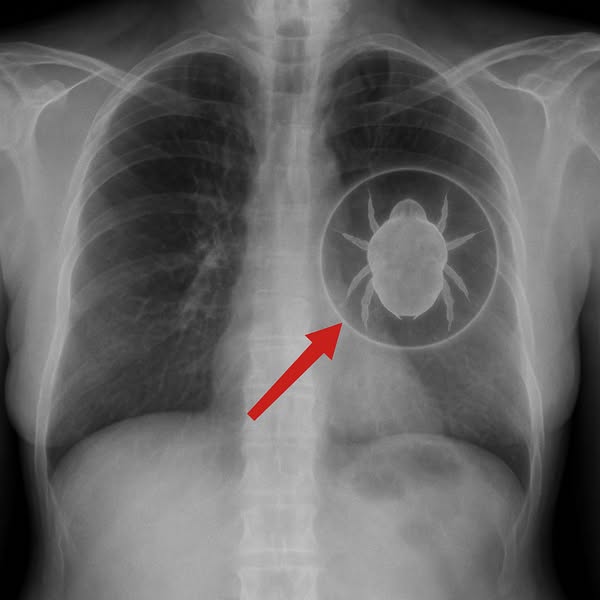
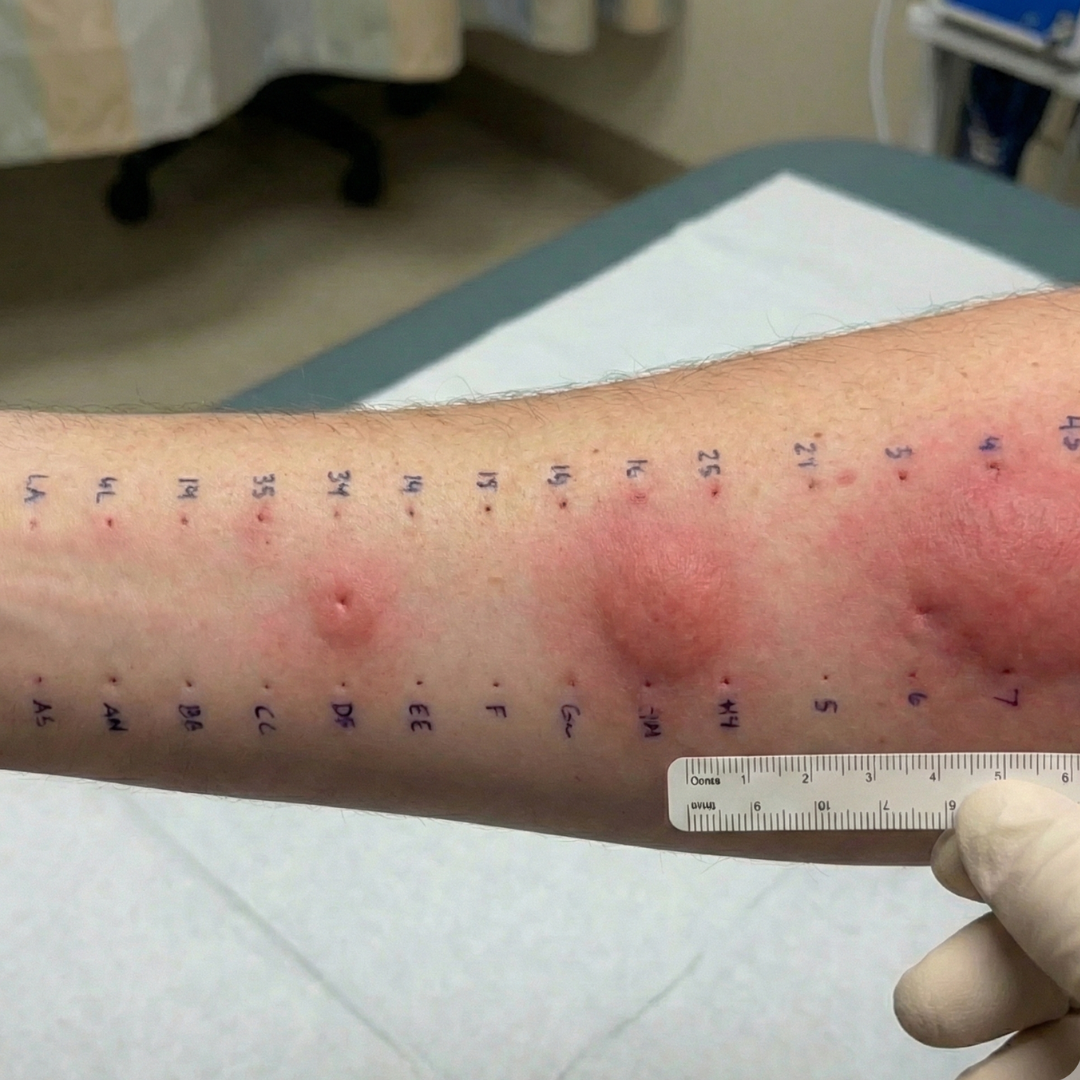
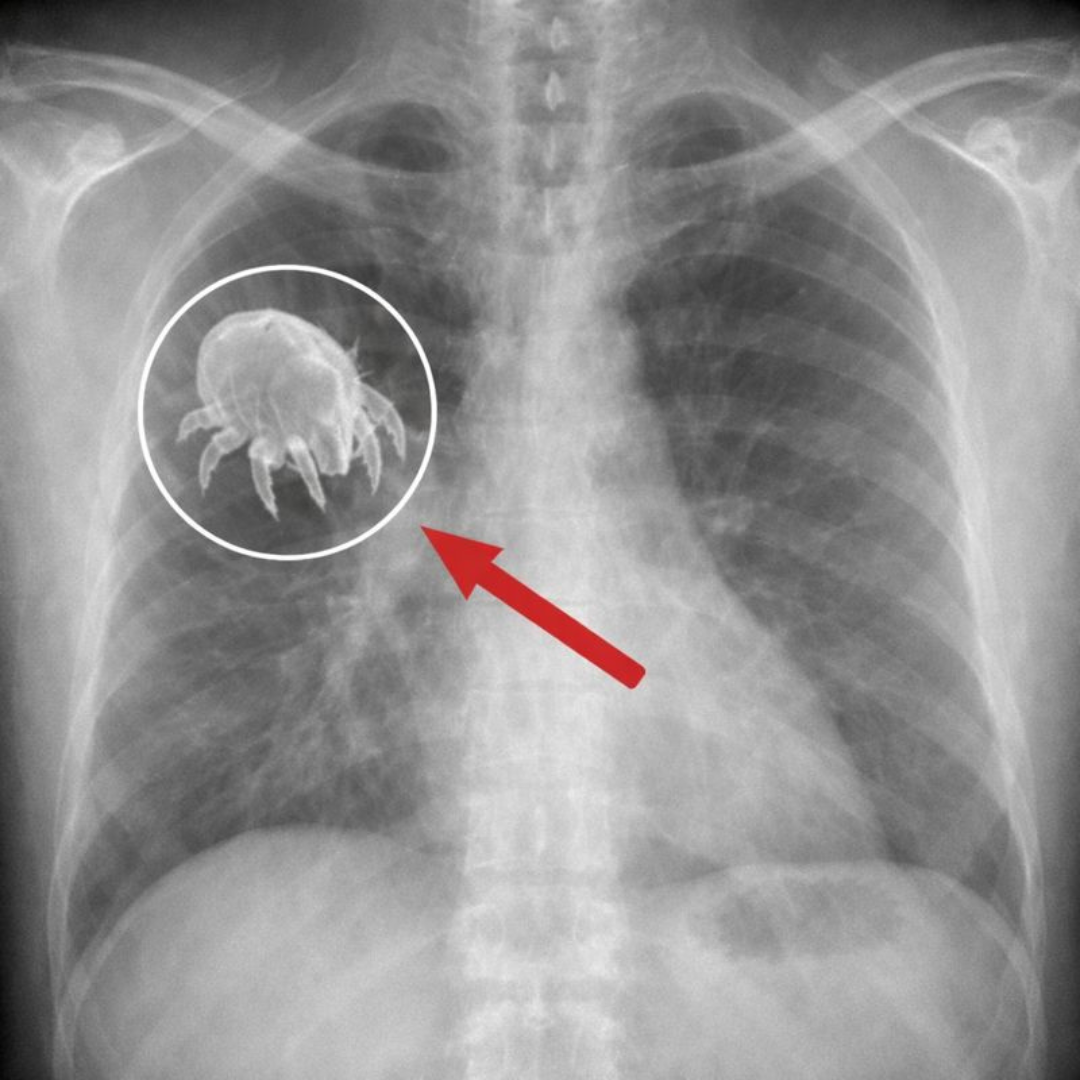
I worked for 23 years as a pulmonologist before I understood what I was really looking at. The pattern was always the same. A patient came in at age 45 with “just allergies.” Nothing serious. Maybe some seasonal sneezing, occasional chest tightness. We prescribed antihistamines. They felt better. Case closed. Ten years later, they were back. This time with asthma. Moderate, manageable. We added an inhaler to their treatment. More medications. More follow-ups. They adapted. Another decade. COPD. Oxygen therapy. Pulmonary rehab. Their world shrank with every labored breath. I witnessed this progression hundreds of times. And for years, I accepted it as inevitable aging. The natural decline of lung function. Just part of getting older. Until I read a study that changed everything. It was a 20-year longitudinal analysis from the Karolinska Institute that followed patients with untreated indoor allergies. The findings were clear: Chronic allergen exposure doesn’t just trigger symptoms—it causes progressive airway remodeling that directly predicts future lung disease. The mechanism was clear. The timeline was predictable. The outcome was preventable. And I realized I had been treating the wrong thing for two decades. I wasn’t treating “allergies.” I was witnessing the early stages of chronic respiratory disease developing in real time—and prescribing medications that masked symptoms while the underlying damage continued unchecked. The study showed that patients with more than three years of untreated indoor allergies developed measurable airway changes: epithelial thickening, subepithelial fibrosis, smooth muscle hypertrophy. These are not temporary inflammations that go away. They are permanent structural changes. And once they begin, every exposure to allergens makes the next stage more likely. The progression is mechanical: Chronic allergen exposure leads to persistent inflammation, which leads to airway remodeling, which leads to bronchial hyperreactivity, which leads to asthma, which leads to progressive obstructive lung disease. What disturbed me most was this: Most of my patients had no idea this was happening until stage 3 or 4. They felt fine between allergy attacks. The medications worked. Life went on. But at a cellular level, their airways were being systematically remodeled with every breath. The study identified the primary culprit: the Der p 1 allergen protein from dust mite waste. This is not “dust.” It’s a specific glycoprotein that is directly toxic to airway epithelial cells. It doesn’t just trigger an immune response—it actively breaks down the protective barrier in your airways. And it’s constantly airborne. Microscopic particles floating in indoor air, especially during months when homes are sealed against the cold. You breathe it in every minute of every day. Your cleaning doesn’t remove it from the air. Your medications don’t stop it from causing damage. You’re just masking symptoms while structural changes progress silently. I spent that evening reviewing my current patient cases through this new perspective. How many of them were in stage 1 or 2 right now? How many could I actually prevent from progressing if I addressed the root cause instead of symptom management? The answer scared me. At least 60% of my allergy patients were on the same trajectory I had seen develop hundreds of times. The next morning, I brought the study to our department meeting. “We need to have different conversations with our allergy patients,” I said. “We’re not just treating seasonal discomfort. We’re looking at the early stages of chronic lung disease.” One of my colleagues, Dr. Eriksson, who specializes in environmental lung medicine, nodded immediately. “I’ve been telling patients this for years,” he said. “The problem is that telling them isn’t enough. They can’t afford professional air remediation. Consumer air purifiers are expensive, noisy, require constant maintenance. Most just keep taking pills.” “What do you recommend?” I asked. “Continuous source removal,” he said. “Not filtration—removal. Remove allergen particles from the air before they can be inhaled.” He explained that several major hospitals, including our own respiratory ICU, use negative ion technology for exactly this purpose. It works differently than HEPA filters. Instead of passively capturing particles that happen to pass through, it actively seeks out and binds to airborne particles at the molecular level. Negatively charged ions attach to positively charged allergen particles. The bond makes them too heavy to remain airborne. They fall onto surfaces where they can be wiped away. It’s continuous, automatic removal. No filters to clog. No maintenance cycles. No moving parts to break. “We use it in the ICU because it removes up to 99% of airborne particles, including Der p 1 protein, at a microscopic level,” said Dr. Eriksson. “It’s especially effective for vulnerable respiratory patients.” “Why aren’t we prescribing this to allergy patients?” I asked. “Because until recently, it was only available in industrial medical systems. But now there are consumer devices using the same technology. Small plug-in units. I’ve been recommending them to high-risk patients over the past year.” That evening, I went home and researched everything I could find about residential negative ionization. The science was solid. Multiple studies confirmed effectiveness for allergen reduction. The technology was proven in clinical environments. And several companies were now producing compact units specifically for home use. I found an Australian company named AeroPure, that used medical-grade ionization technology in small plug-in devices. I ordered three for my own home. Not because I had allergies—but because I wanted to understand what I’d be recommending to patients. The devices arrived two days later. I placed one in the bedroom, one in the living room, one in my home office. Small white units, barely noticeable. I plugged them in. A faint blue LED indicated they were working. No noise. No airflow. Nothing dramatic. Honestly, I wasn’t sure anything was happening. But over the next two weeks, I noticed changes. The air felt different. Cleaner somehow. Less of that stale smell I hadn’t even realized was always there. My wife, who has mild seasonal allergies, mentioned her morning congestion was gone. “Did you change something?” she asked. I showed her the devices. “These little things?” She was skeptical. “They remove allergen particles at the molecular level,” I explained. “Continuously, automatically. No filters, no maintenance.” The following Monday, I started recommending them to patients who fit the risk profile: those with a family history of asthma or COPD, those with indoor allergies for more than three years, those currently managing symptoms with only antihistamines, and those without source-control measures in place. I was very clear: “This isn’t about comfort. This is about preventing progressive lung disease. You are in the early stages of a predictable trajectory. We can stop it now—or manage increasingly severe symptoms over the next 20 years.” Most patients took it seriously when framed that way. One patient, a 54-year-old man with a family history of COPD, returned for follow-up three months later. I ran the same lung function tests we had done previously. His airway reactivity had improved. Inflammatory markers were significantly reduced. “What changed?” I asked, though I suspected I knew. “I got those ionizers you recommended,” he said. “Three of them. Bedroom, living room, office. They’ve been running constantly for three months.” “Any other changes? Medications? Diet? Exercise?” “Nothing else. Just those.” I looked at his results again. The improvement was measurable and significant. This wasn’t symptom relief. This was actual reversal of early airway inflammation. Over the next six months, I saw the same pattern repeatedly. Patients who implemented continuous allergen removal showed objective improvements in lung function. Reduced inflammation. Reduced hyperreactivity. Those who continued with medication alone kept progressing—slowly, but predictably. The difference was not subtle. I’m sharing this because I know there are people reading this who are exactly where many of my patients were. You have “harmless allergies” that have persisted for years. You manage symptoms with over-the-counter medications. You have a family history of asthma or COPD. You wonder if you’re heading down the same path. You might be. The progression is well-documented and highly predictable. But it’s also preventable—if you address the root cause instead of masking symptoms. I’m not saying you should stop your medications. I’m saying medications alone do not prevent the structural changes happening in your airways every time you breathe allergen-laden air. You need source control. Continuous removal of the particles causing chronic inflammation. For most of my patients, that means negative ion technology running 24/7 in the spaces where they spend the most time. It’s not complicated. It’s not expensive. It doesn’t require lifestyle changes or constant attention. You plug them in. They work automatically. You forget about them. That’s the entire intervention. And based on what I’ve seen in clinical follow-ups over the past 18 months, it’s the difference between preventing lung disease and managing it for the rest of your life. I am a doctor—but I am not your doctor. I cannot diagnose you through a screen or prescribe specific treatments. But I can tell you what the research shows, what I’ve observed clinically, and what I recommend to my own patients in similar situations. If you have indoor allergies and a family history of respiratory disease, you are in the early stages of a well-documented progression. The question is not whether you should do something. The question is whether you act before the damage becomes permanent—or after. Prevention is easier. It’s also far more effective. You can learn more about the specific technology I recommend to my patients here: https://aeropure.com.au/pages/mites-10-reasons-v2 What you do with that information is up to you. But after 23 years of watching people progress from allergies to COPD because they didn’t understand what was really happening, I felt obligated to share what I’ve learned. Your respiratory health 20 years from now is determined by what you breathe today. Choose accordingly.
Like this ad? Make it yours.
Crush rebuilds this exact creative around your product — your brand, your colors, your offer — in about a minute.