
Inactive· since Jun 1, 2026
- 27
- days it ran
- 0
- relaunches
Ad copy
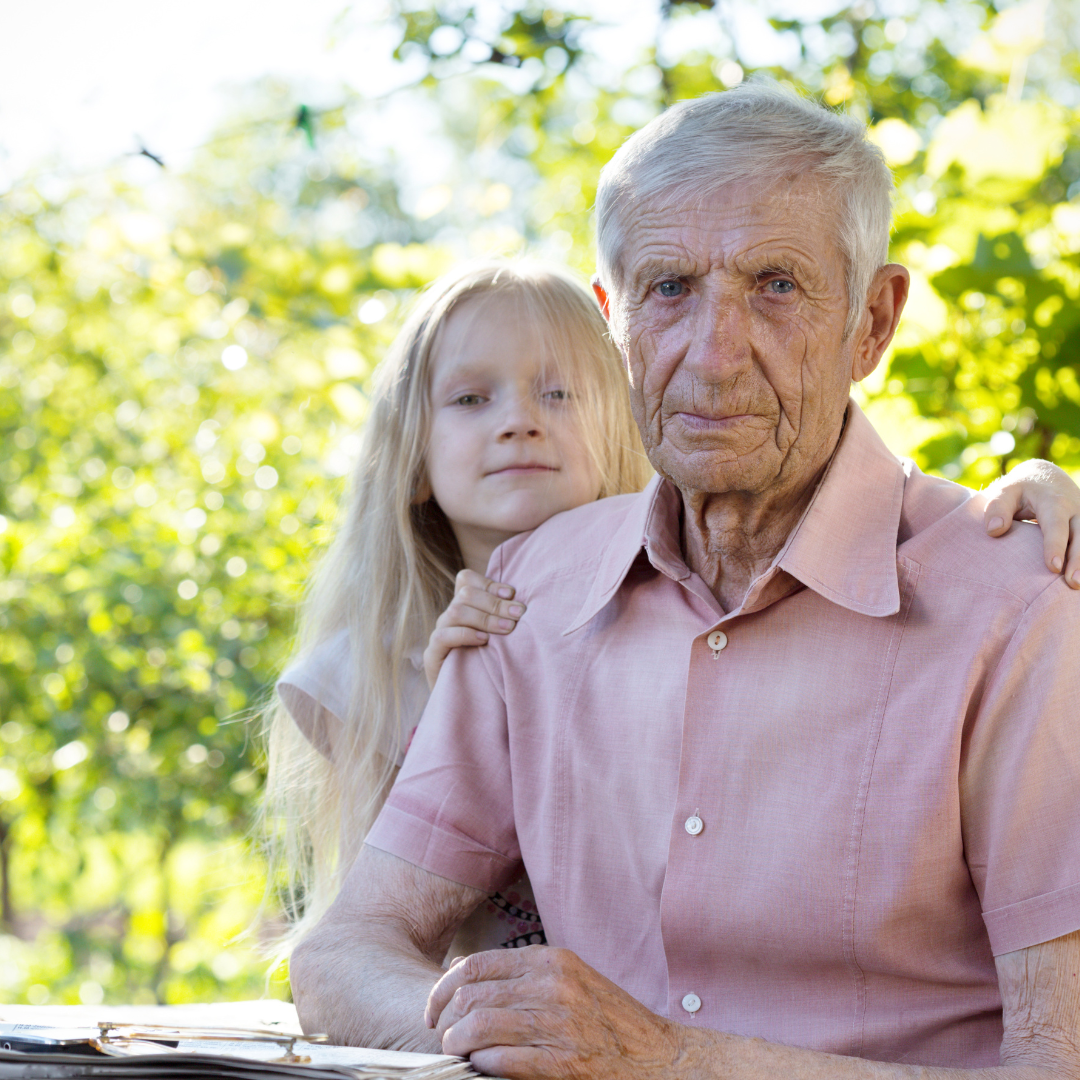
Mark never expected a stroke to take away something as simple as smiling for a photo. The stroke was over. He survived. His doctors were happy with his progress. His family was grateful he was still here. But every time someone pulled out a camera... Mark stepped aside. Or volunteered to take the picture. Or smiled with his lips closed. Because the man staring back at him in photos didn't feel like him. The left side of his face drooped. Food collected in his cheek. Coffee sometimes leaked from the corner of his mouth. His speech sounded different when he was tired. And every conversation seemed to require more effort than it used to. The hardest part? Nobody else seemed to understand. Friends would say: "You look great." Family would say: "At least you're alive." And while both things were true... Mark secretly missed the person he used to be. The truth is... Many stroke survivors are taught how to walk again. How to use an arm again. How to regain independence. But facial recovery is often overlooked. The smile. The speech. The drooling. The confidence. The identity. The fact is... Facial weakness after stroke is not just a muscle problem. It is often a communication problem between the brain and the facial muscles. And when those signals become disrupted... The smile may not move naturally. Speech can feel harder. The mouth may leak when drinking. The face may feel heavy, tight, or disconnected. And many people are left believing: "This is probably as good as it gets." So they stop trying. Or they spend years bouncing between random exercises, YouTube videos, and conflicting advice. Meanwhile... They avoid family photos. Avoid video calls. Avoid speaking up in meetings. Avoid smiling naturally. And slowly begin shrinking their lives around the limitations. But the good news is... The brain can continue learning. Even months. Even years. After a stroke. And when Mark learned how to focus on retraining the brain-to-face connection instead of simply trying harder... Things started changing. His facial control improved. His speech felt easier. His confidence grew. But the biggest change wasn't physical. It was emotional. For the first time since his stroke... He stopped worrying about his face every minute of the day. And one afternoon, when his granddaughter asked for a picture together... He didn't step behind the camera. He got in the picture. Because this was never just about a smile. It was about confidence. Connection. Identity. And feeling like himself again. This is for stroke survivors who: Avoid photos because they don't recognize their smile. Feel embarrassed by drooling, facial weakness, or speech changes. Get frustrated when food collects in their cheek. Feel exhausted constantly thinking about their face. Want to speak more clearly. Want to smile more naturally. Want to feel comfortable being seen again. And this is especially for people who are ready to invest in a high-level, proven recovery program because they are serious about improving facial movement, communication, confidence, and quality of life. But this is NOT for people looking for a miracle overnight solution. It is NOT for people unwilling to practice consistently. It is NOT for people who want another collection of random exercises without understanding the brain science behind recovery. And it is NOT for people unwilling or unable to financially invest in specialized coaching, support, tools, and structured guidance to improve recovery outcomes. Because lasting progress usually comes from having the right strategy and support. That is exactly why this free masterclass was created. For Stroke Survivors Still Avoiding Photos, Struggling With Facial Weakness, Drooling, Or Speech Changes Months Or Years Later... Discover The 15-Minute "Facial Recovery Roadmap" That Helps The Brain Reconnect To Facial Muscles So They Can Restore Facial Symmetry, Improve Speech Clarity, Reduce Drooling, And Feel More Like Themselves Again (Even After Being Told "This Is As Good As It Gets") Inside this free training, viewers will discover: Why facial recovery after stroke is often not a strength problem. The hidden mistake that may be reinforcing poor movement patterns. Why some traditional approaches leave people feeling stuck. And the brain-based recovery system helping stroke survivors rebuild confidence, communication, and facial control. Click below to watch the free masterclass.
Most stroke survivors are grateful to be alive. But many secretly miss the person they were before the stroke.
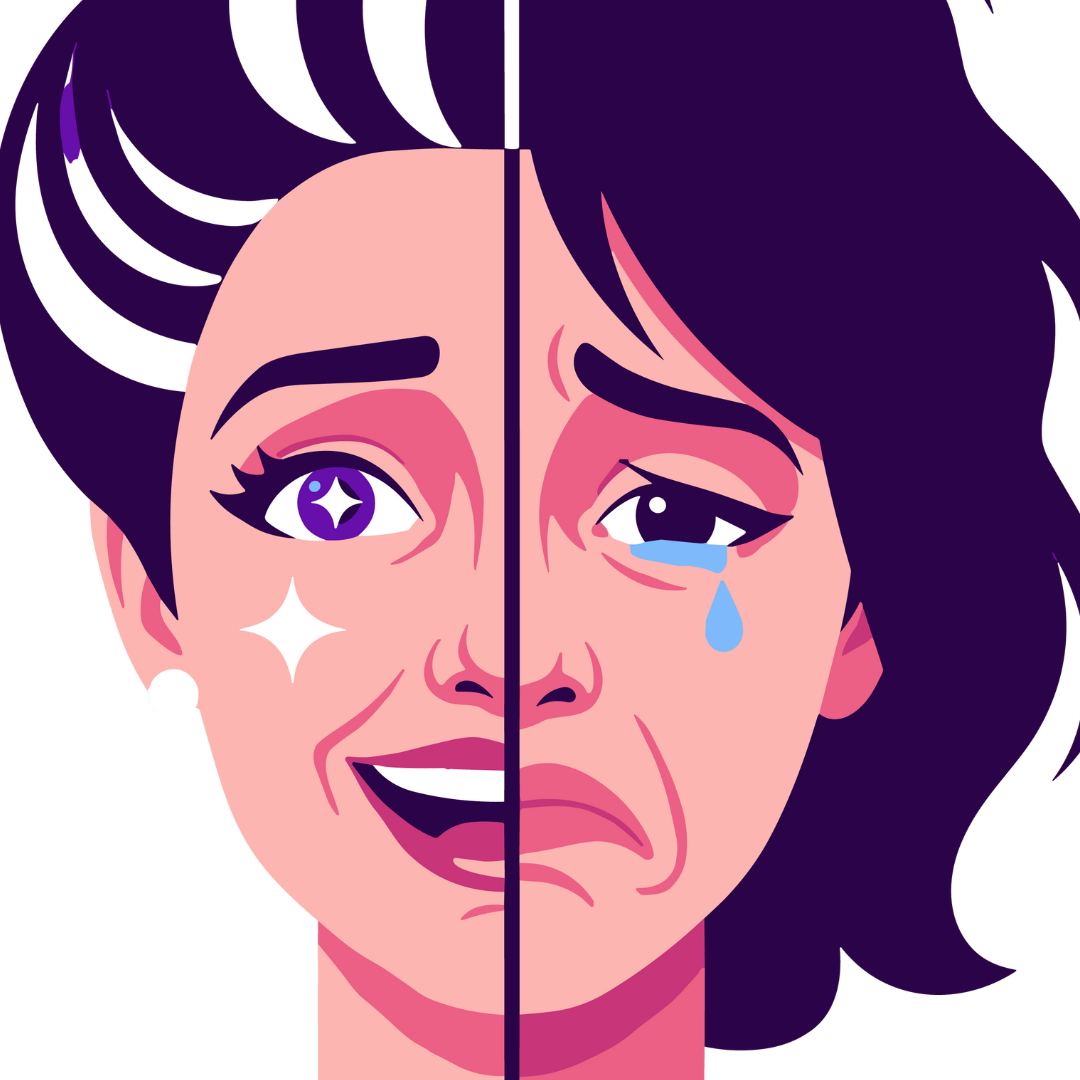
Discover the Brain-Based System Helping People to Smile, Speak, and Feel Like You Again—Even Years After Bell's Palsy, Stroke or Nerve Injury
SEE DETAILSLike this ad? Make it yours.
Crush rebuilds this exact creative around your product — your brand, your colors, your offer — in about a minute.