
Inactive· since Jun 2, 2026
- 14
- days it ran
- 1
- relaunches
Ad copy
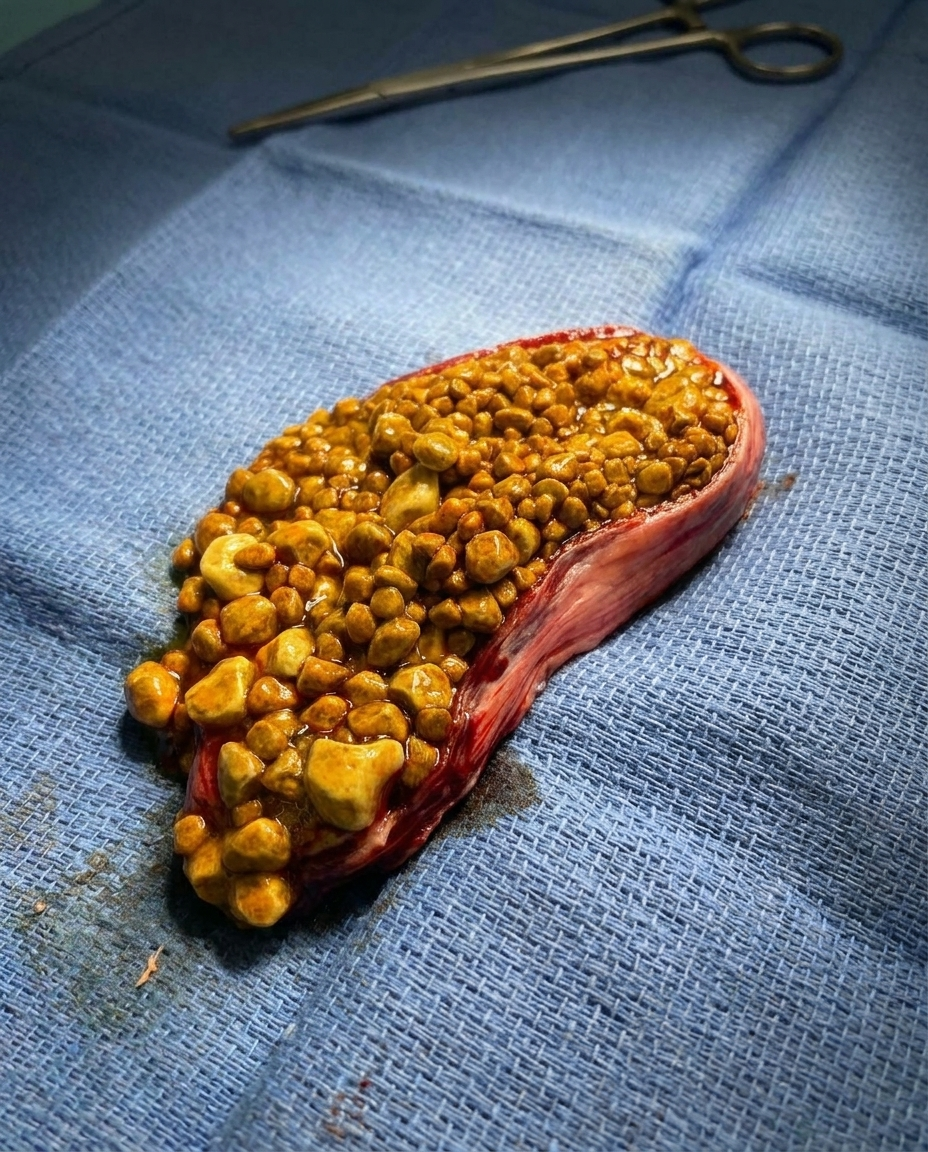
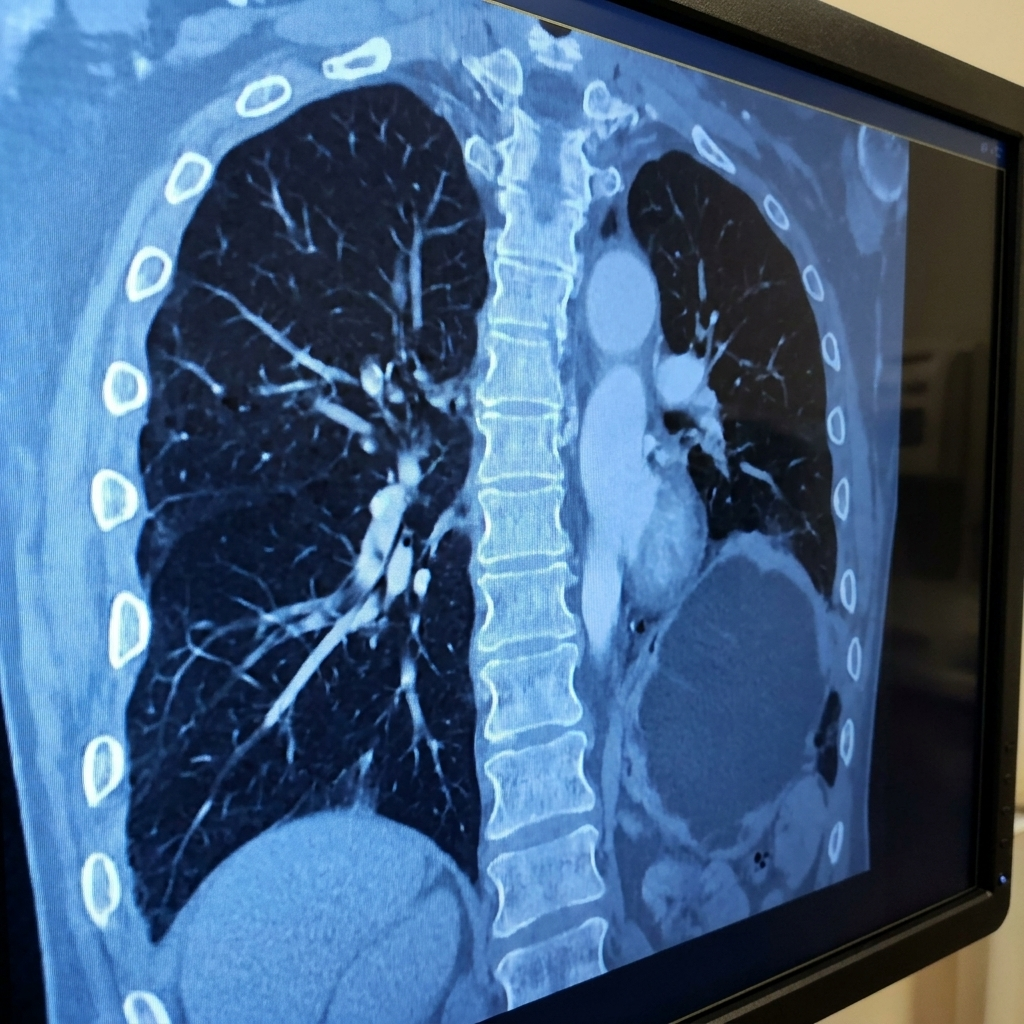
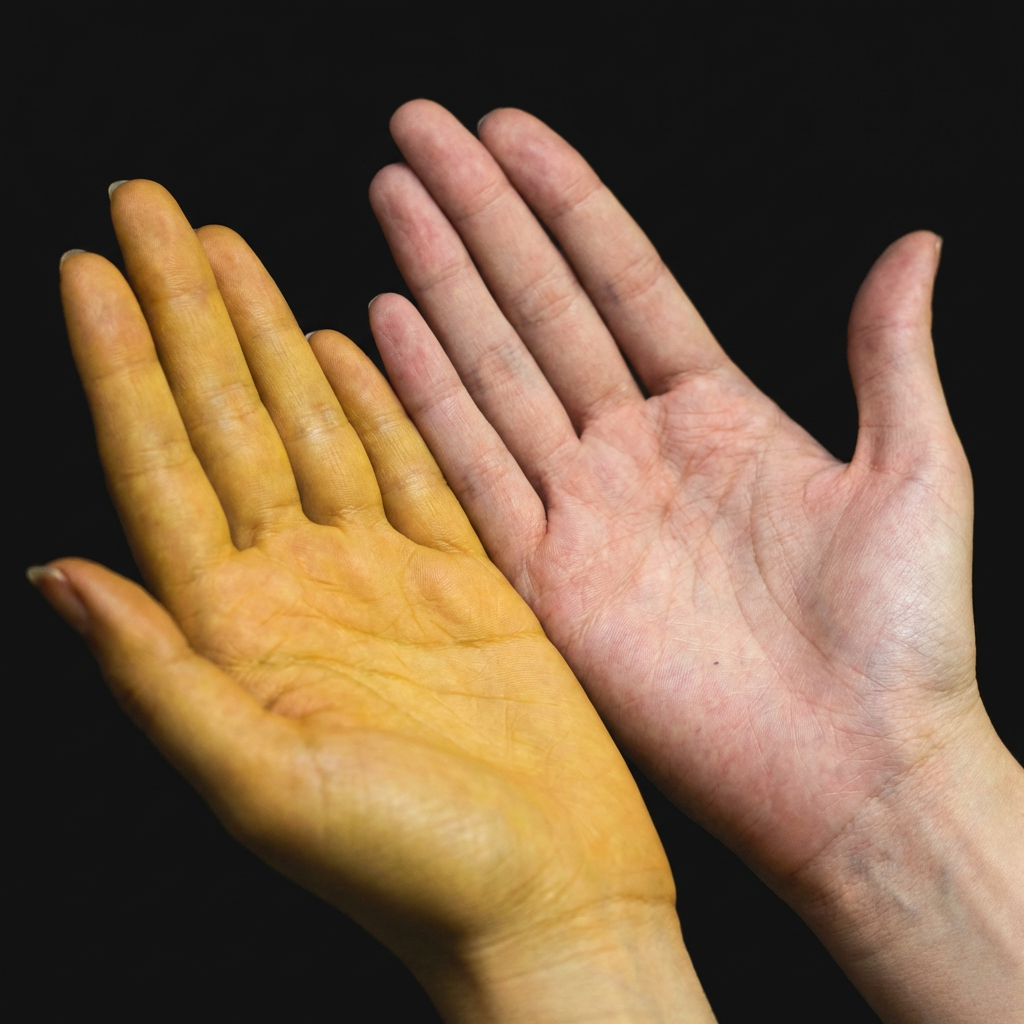
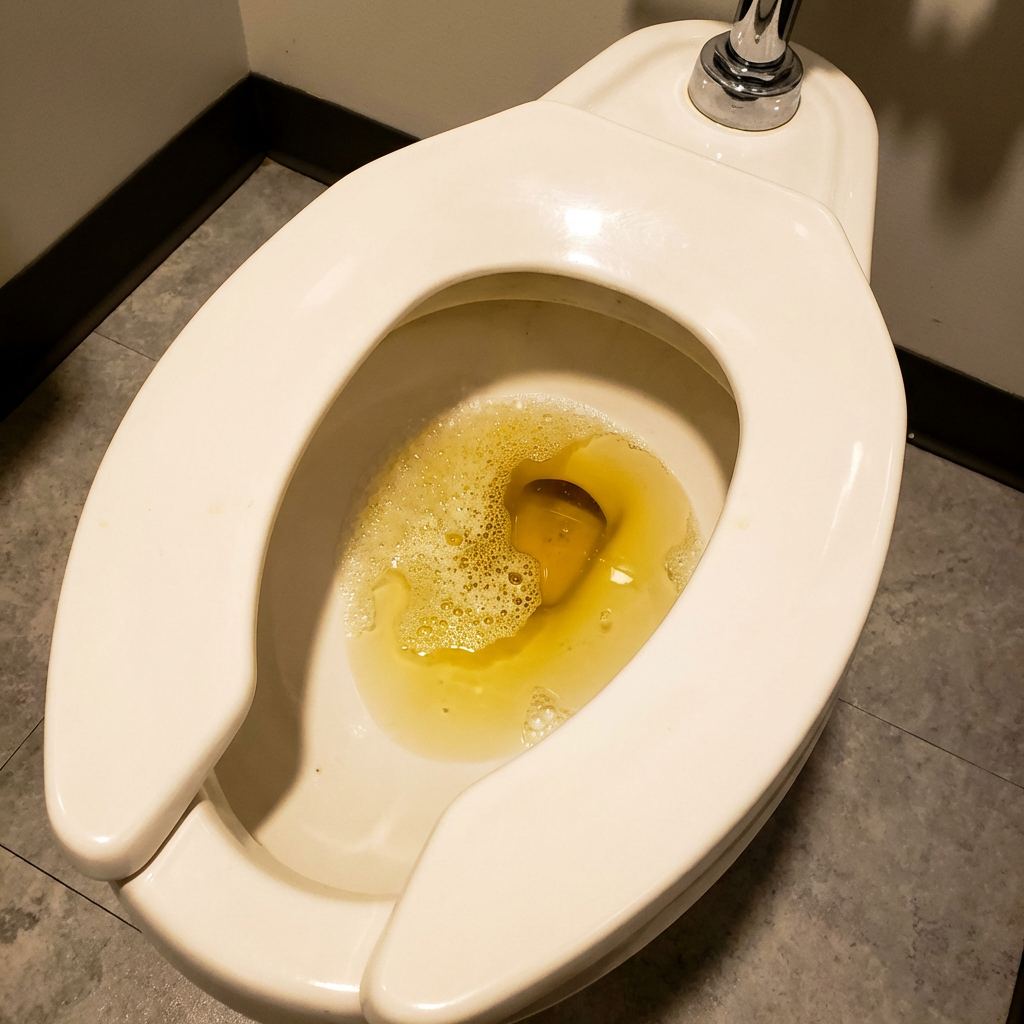
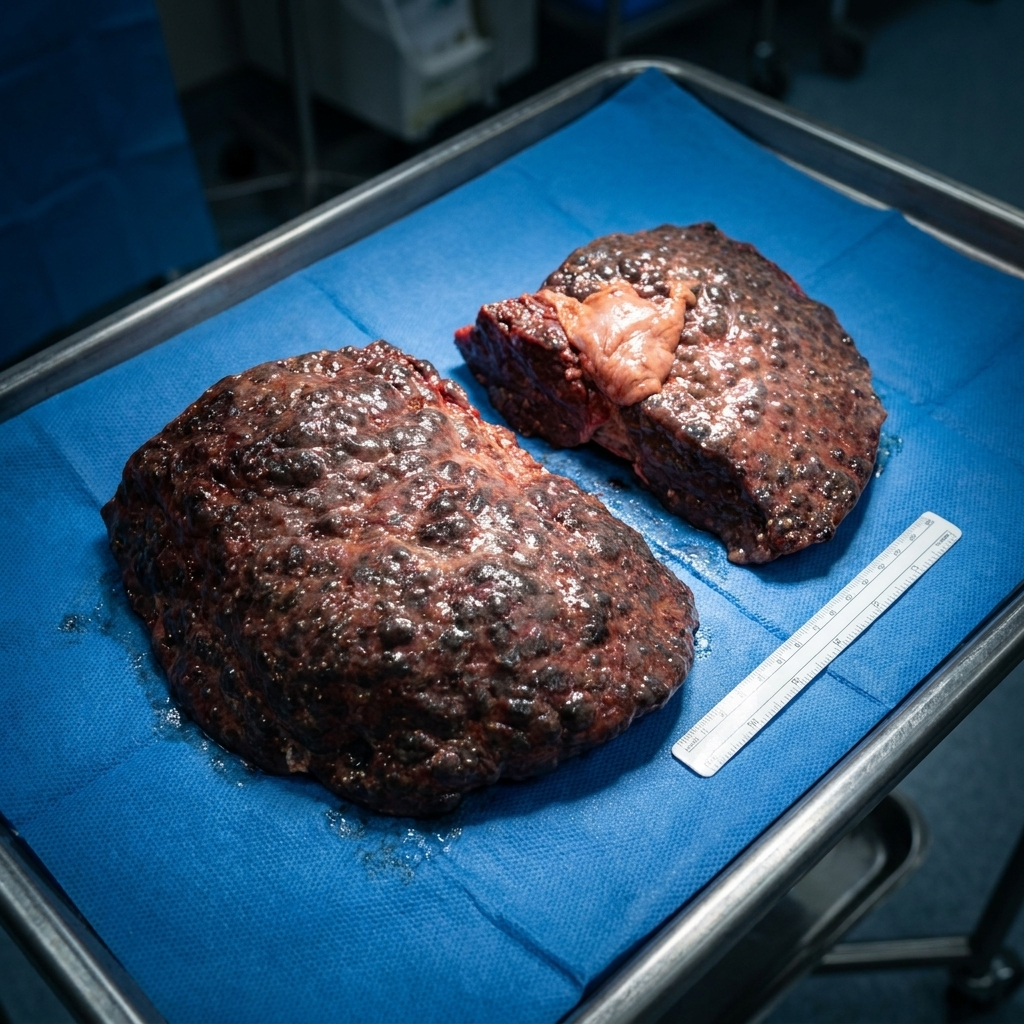
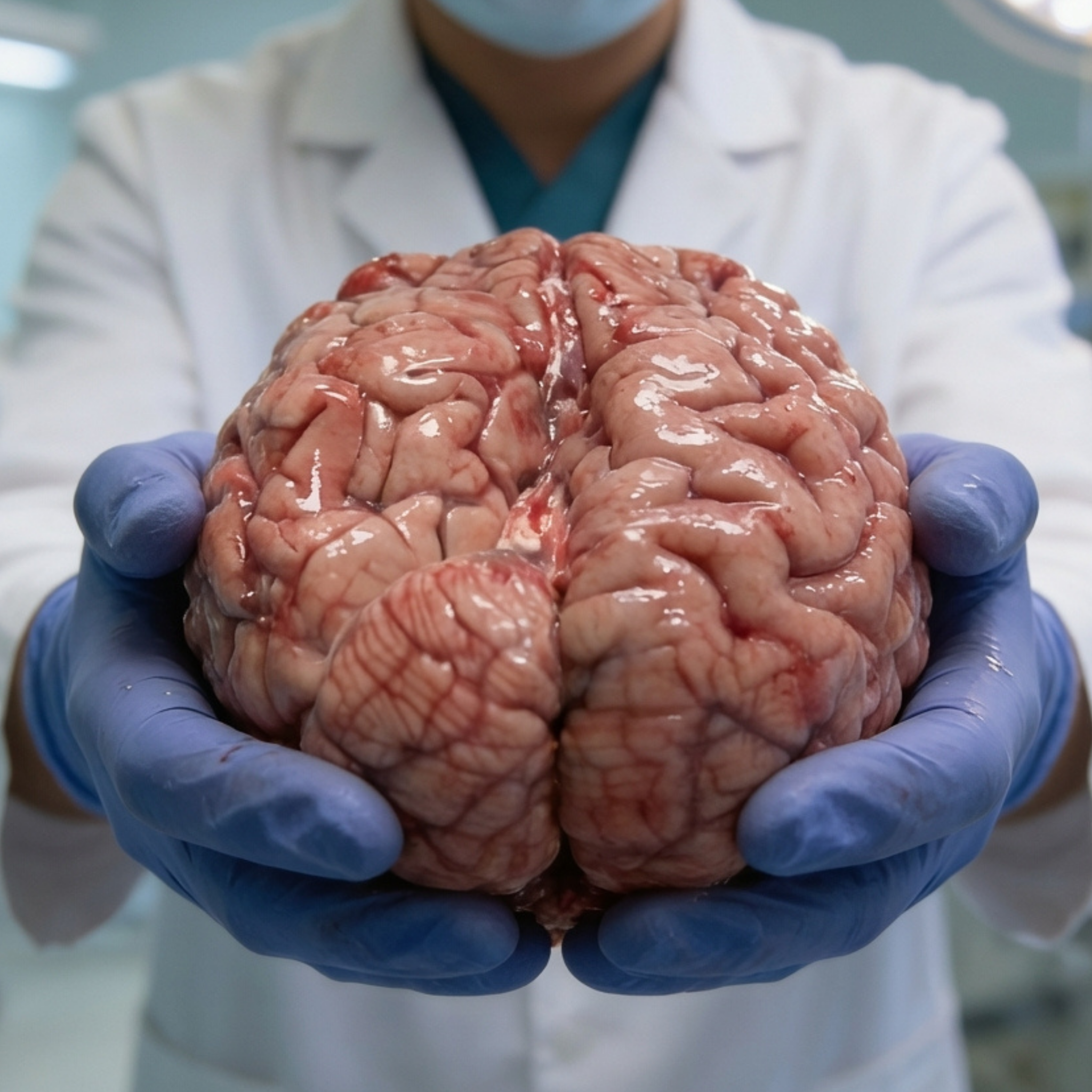
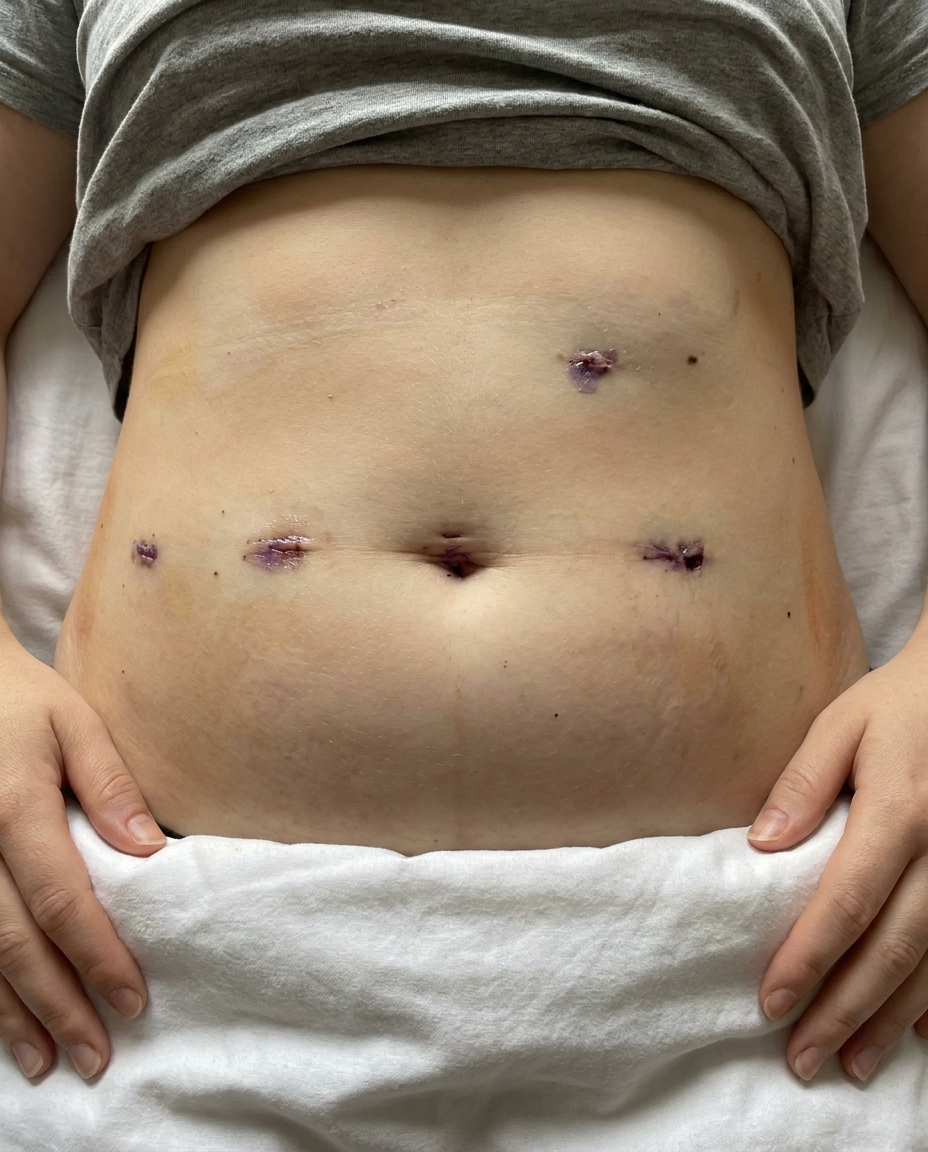
If you're a woman who has had her gallbladder removed and you have pain in the right side of your upper body, you feel nauseous all the time, and you don't trust a fart because of the bowel movement that might follow... I'm about to tell you exactly what's happening inside your body that nobody warned you about. And by the end of this, you're going to be furious. Because there are three things happening right now: One: Your liver is telling you that compensating for a missing gallbladder has quietly started to catch up with you. Two: Nobody calls it a problem because your scans came back normal, so you have no idea how much damage has accumulated. And three: Going low-fat isn't fixing it, because the problem isn't what you eat. It's the quality of the bile your liver produces now that there's no gallbladder to regulate it. So let me tell you what happened with my sister, because her story is probably gonna sound familiar. She had her gallbladder removed when she was 48. The surgeon told her it was routine, one of the most common procedures he did. She'd be home in a day and back to normal in two weeks. She was told the gallbladder was basically useless. That people live completely normal lives without one. That she didn't need to change anything long-term. Nothing that ever felt like a concern afterwards. Nothing that ever made her think she needed to worry. But somewhere around six months after surgery, things started changing. A meal she'd eaten her whole life would send her running to the bathroom within twenty minutes. Not "I feel uncomfortable" running. "There is no warning, I have thirty seconds" running. The kind where you question what just happened because there's no way a normal dinner should do that to you. Her belly started growing even though nothing else in her life had changed. Same diet. Same exercise. Same everything. But her midsection kept expanding. She'd look four months pregnant by dinner no matter what she ate. Didn't matter if it was salad or grilled fish or literally nothing. By evening her stomach would distend like something inside her was swollen. She stopped wearing fitted dresses. Started buying flowy tops. Angled her body in every photo. Avoided certain restaurants because the lighting made her bloated belly impossible to hide. Brain fog so bad she'd lose words mid-sentence. She'd be talking to someone and just... stop. The word she needed would vanish. She'd stand there searching her brain for basic vocabulary. Started writing everything down because she couldn't trust her own memory anymore. She used to be sharp. Built her career on being the person who remembered everything, who could recall details from meetings six months ago. Now she was forgetting conversations from yesterday. Her husband would tell her something and she'd have zero recollection of it 24 hours later. She started genuinely worrying it was early dementia. Exhausted by early afternoon every single day. Didn't matter if she slept six hours or nine. She'd hit this wall where her brain just shut off. She'd be staring at her computer screen reading the same email over and over because nothing was processing. She'd come home from work and collapse on the couch, too tired to do anything but scroll her phone until she fell asleep. That dull ache on her right side, where the gallbladder used to be, that became so constant she stopped noticing it was there. Some days it would flare up sharp enough to make her wince. Other days it was just this low-grade pressure that never shifted, no matter what she tried. The acid reflux that had appeared out of nowhere after surgery. A burning working its way up through her chest and into her throat that she'd never had before. Some nights bad enough to wake her up. She'd mentioned it to her doctor. Was told it was probably unrelated. And her skin. Random itching that would wake her up at 3am scratching her forearms. Redness she'd never had before. Looking puffy and aged in ways that seemed to happen overnight. She'd look in the mirror and not recognize the tired, bloated, foggy person staring back. She blamed the surgery recovery taking longer than expected. Stress. Not sleeping enough. Working too hard. "Just getting older." That's what women are told, right? Every symptom we have gets blamed on hormones or age. The women around her were dealing with similar things. They'd compare notes about digestion and energy levels and how their bodies didn't bounce back the way they used to. Normal stuff after a procedure, they told themselves. Then she went back for routine blood work and her doctor said something that stopped her cold: "Your liver enzymes are elevated. Your ALT is borderline high." She looked at her and said: "Stick to a strict low-fat diet. Take milk thistle. We'll monitor it and recheck in six months." Monitor it. Those words should have been a red flag, but she didn't know that yet. She was shocked. Elevated liver enzymes? She'd had surgery to solve the problem. She was eating carefully. She was doing everything right. How could her liver be struggling? But she did what she was told. Cut fat out of her diet as much as she possibly could. No butter, no oil, no avocado, no cheese, nothing. Lost a few pounds. Took the milk thistle religiously, twice a day, just like the bottle said, for eight months straight. Her belly stayed bloated. Her energy stayed crashed. Her brain stayed foggy. That ache on her right side stayed constant. And when she went back six months later? Her ALT had barely budged. Her doctor shrugged and said: "Keep doing what you're doing. We'll check again in six months." Keep doing what she's doing? What she's doing ISN'T WORKING. She'd essentially stopped eating anything she enjoyed. She'd lost weight. She'd taken their supplement. And her liver was still struggling. Her symptoms were still there. Nothing had actually changed. That's when I realized something was seriously wrong, and the low-fat diet wasn't going to fix it. So I started researching. Not wellness blogs. Not influencers hawking detox teas. Actual medical journals. Hepatology research. Studies on bile quality and liver function after cholecystectomy. I needed to understand what was actually happening inside her body. And what I found made me furious that nobody had ever explained this to her. Here's what's actually happening inside your body after your gallbladder is removed. Your gallbladder had two jobs. Everyone tells you the first one: storing bile. What nobody tells you is the second one. It concentrated bile. It took thin bile from the liver and concentrated it to five to ten times its original strength. And it regulated exactly when and how much was released, in precise calibrated amounts, at the exact moment food arrived in your duodenum. It was not passive storage. It was active regulation. When it was removed your liver became solely responsible for producing, concentrating, and releasing bile entirely alone. The problem is your liver was only ever designed to produce it. It was never designed to concentrate it or regulate its own release. Those were the gallbladder's jobs. When she was younger, this process worked beautifully. Eat tonight, digest tomorrow, no lasting damage. Her body was resilient and efficient. But here's what nobody tells you. Your liver doesn't just produce bile and make waste disappear. It produces inflammatory byproducts. Damaged proteins. Metabolic debris. And all of that waste needs to go somewhere. Your liver has a drainage system. It produces approximately half of all the lymphatic fluid in your entire body. There's a whole network of tiny vessels running through your liver tissue whose job is to flush out toxins, inflammatory waste, dead cells, and metabolic debris. When you're young and your drainage system works efficiently, this waste gets cleared out quickly. Bile flows properly. Your liver stays clean. But without the gallbladder to regulate bile composition and release, something starts happening. The liver produces thinner, weaker bile that drips continuously and unregulated into the intestine. Immune cells accumulate in the tissue. Fibrin proteins build up. Inflammatory debris starts piling up at the exit routes. Each meal adds a little more strain to a system that's already struggling to keep up. One missed meal? No problem. A year of bile dripping unregulated without a gallbladder to compose and time it? The buildup becomes significant. And slowly, month by month, your liver's drainage vessels become congested. Sluggish. Blocked with accumulated debris that never got fully cleared. By the time the symptoms appear, the drainage system that used to keep bile flowing properly is now running at a fraction of its capacity. It's like a highway with half the lanes closed. Traffic that used to flow freely is now backed up for miles. And this is when the symptoms appear. Not because she suddenly started eating badly. But because her drainage system finally hit a tipping point. The bathroom urgency happens because thin, poorly-timed bile is dripping continuously into her intestine. Her colon can't reabsorb it fast enough. Her digestive system doesn't know how to manage it. The urgency is that signal. The bloating happens because her liver is swollen and congested. Waste that should drain is trapped inside the tissue, pressing outward against everything around it. The exhaustion happens because toxins that should be cleared are recirculating through her bloodstream over and over, making her feel sluggish even when she hasn't eaten anything rich in days. The brain fog happens because those recirculating toxins affect her cognitive function. Her brain is literally dealing with waste products that should have been eliminated but weren't. The acid reflux happens because bile is backing up into her stomach and esophagus, continuous unregulated bile with nowhere to go, burning tissue that was never designed to handle it. That ache on her right side? That's her liver, under sustained load managing a job it was not designed to do alone, pressing against the capsule that surrounds it. That's why the low-fat diet didn't fix it. She stopped adding new stress to the system, which was smart. But she didn't clear what was already trapped. She was protecting a liver that was drowning in accumulated waste. Like putting better gas in a car with clogged filters. The fuel quality doesn't matter if nothing can flow through. And this is what made me lose my absolute mind. Doctors KNOW about hepatic lymphatic drainage. It's in the research literature. It's established science. Your liver producing half the body's lymph fluid is not controversial. It's in medical textbooks. But unless you're in end-stage liver failure with fluid literally filling your abdomen, a condition called ascites, they don't address lymphatic function. At all. Why? Because there's no pharmaceutical drug for hepatic lymphatic drainage. You can't patent botanical compounds. There's no billion-dollar molecule to prescribe. There IS money in prescribing cholestyramine indefinitely at $150 a month. Antispasmodics for the cramping it causes. PPI drugs for the bile reflux. Gastroenterologist visits at $400 every six months to "monitor" her numbers while they climb. Ultrasounds. Endoscopies. Blood panels. An endless cycle of testing without actually fixing anything. And eventually, if her liver gets bad enough? Hepatology referrals. NAFLD. Liver enzyme surveillance. Tens of thousands in medical costs. A lifetime of monitoring without fixing. See how that works? Manage every stage of the decline. Never fix the drainage that would let her liver do its job properly. So her doctor told her to eat low-fat. Take milk thistle. And "monitor it." Monitor it. While her drainage system stays congested and the symptoms continue. Milk thistle contains silymarin, which protects liver cells from damage. That's real. It's documented in the research. But milk thistle CANNOT unclog your drainage vessels. It cannot clear the accumulated inflammatory debris from your lymphatic channels. She'd been protecting cells that were already suffocating in their own waste. Like putting a screen protector on a phone that's waterlogged from the inside. The protection is useless when the damage is trapped with nowhere to go. So I kept digging. I needed to find what actually restores drainage. I was reading hepatology journals. Clinical studies on lymphatic congestion. Research on herbal compounds that have been documented to move stagnant lymph fluid. Talking to practitioners who actually understand this mechanism. And I found specific botanical compounds that have been used, some for centuries and some validated in modern clinical trials, to actually unclog hepatic lymphatic drainage. Four compounds kept coming up again and again: Dandelion Root: clinically shown to increase bile production and flow, opening the primary elimination channel so trapped fluid and metabolic waste can actually leave your liver instead of recirculating. In one study, dandelion root extract reduced liver injury markers more effectively than silymarin, the active compound in the milk thistle she'd been taking for eight months with no results. Dandelion doesn't just protect cells. It opens the exit door. Burdock Root: eliminates the toxic debris that accumulates when your lymphatics can't drain. Research shows it works through the Phase I and Phase II liver detoxification pathways simultaneously, supporting the upstream processing that determines what the bile actually contains and clearing what has accumulated when that processing has been burdened. It's been used in traditional medicine for centuries as a liver purifier, and now we understand the mechanism. It clears what's already in your system. Bromelain: a proteolytic enzyme from pineapple that breaks down the inflammatory proteins and fibrin deposits physically blocking your lymphatic vessels. A systematic review of randomized controlled trials confirmed it significantly reduces IL-6, COX-2, CRP, and edema. It doesn't just reduce inflammation. It dissolves the physical blockage that's been accumulating for months. Cleavers: this is the big one. It's literally called "the lymphatic tonic herb" in the British Herbal Pharmacopoeia. It's been used since ancient times specifically to move stagnant lymph fluid. The research calls it "nature's lymphatic broom" because it sweeps accumulated debris through sluggish drainage channels. Observational trials showed measurable reduction in lymphatic congestion. And here's what I also found: these aren't the only compounds that matter. The research showed several other ingredients are essential for complete drainage restoration: Echinacea purpurea: documented as a lymphagogue, meaning it specifically activates lymphatic circulation and clears stagnant immune cells from congested tissue. This isn't generic immune support like they sell it for. It's targeted lymphatic activation. When your drainage has been sluggish for months, you need something to actually turn the system back on. Rutin: a five-year clinical study showed it strengthens fragile lymphatic vessel walls and prevents chronic venous insufficiency from progressing. Your drainage system needs structural support, not just activation. Weak vessels lead to leakage and incomplete clearance. Rutin rebuilds the infrastructure. Lemon Peel: contains D-limonene which activates both Phase I AND Phase II liver detoxification simultaneously. This is critical. Most detox products, including those useless liver detox teas, only trigger Phase I. Phase I converts toxins into intermediate metabolites that are actually MORE toxic than the originals. Without Phase II to complete the process, you're making things worse. Lemon Peel ensures complete detoxification. Kelp Extract with Fucoxanthin: and this is the one that stopped me cold. A randomized controlled trial. 151 women. With NAFLD, non-alcoholic fatty liver disease. Fucoxanthin significantly reduced liver fat, body weight, liver enzymes, AND triglycerides over 16 weeks. Not theory. Not animal studies. Measured results in actual women with actual liver dysfunction. Published in Diabetes, Obesity and Metabolism. I finally understood what had to happen. I needed to clear the accumulated drainage congestion, not just protect cells that were already drowning. So I started sourcing these compounds. All eight of them. And here's the thing that surprised her. She didn't have to follow that miserable low-fat diet anymore. Because she'd learned that the problem was never about the fat she was eating. The problem was a drainage system that had been struggling for months and had never been cleared. And after about two weeks? The nausea in the mornings started easing. The first morning she woke up without immediately feeling sick she texted me before she'd even had coffee. After three weeks? The bathroom urgency started lifting. She stopped mapping toilet routes before she left the house. She drove somewhere without planning around bathroom access first. She didn't mention it to me. I noticed because she stopped mentioning it. After six weeks? That ache on her right side, the one she'd gotten so used to that she forgot it wasn't normal, went quiet. She pressed on the spot out of habit one morning and there was nothing there. She pressed harder. Still nothing. She called me and I could hear she was crying. The exhaustion started breaking. She made it to 4pm without crashing. Then 5pm. Then she started having energy in the evenings again, something she hadn't experienced in months. After eight weeks? She ran labs. Her ALT had dropped from borderline to completely normal. Her doctor pulled up her previous results to compare and said: "What did you change?" She told her about the hepatic lymphatic drainage compounds. She'd never heard of them. Wrote down the names. Said she'd look into it. That's the state of medicine. The research exists. The mechanism is documented. And most doctors have never heard of it. She wasn't broken. Her liver was drowning in accumulated waste. And she finally drained it. Now here's the thing. When I first started sourcing all these compounds for her, I had to find them separately. Eight different bottles from eight different companies. Some from Amazon where the quality was questionable. Some from health food stores with different concentrations. I was measuring doses. Trying to figure out which brands were actually legitimate. Spending over $200 a month just on supplements. It was exhausting and expensive and unsustainable. Then I found a company that had actually put it all together properly. I spent weeks researching supplement companies. Looking at ingredient quality. Clinical dosing. Third-party testing. Whether they had anyone with actual scientific knowledge behind their formulas. Because the supplement industry is a disaster. Most companies slap "gallbladder support" on a bottle of cheap milk thistle and charge whatever they want. No lymphatic targeting. No understanding of the mechanism. No proper doses. Just marketing. I needed to find a company that had ALL the compounds in the hepatic lymphatic drainage protocol. That used clinical doses, not trace amounts designed to look good on a label. That was third-party tested for purity. That wasn't charging $200 a month. I was scrolling through my phone one night, still researching, still trying to find a better solution than eight separate bottles, and I saw someone in a post-cholecystectomy support forum mention a company called Nuclea Labs. So I went to their site. Ready to be disappointed like I had been with every other supplement I'd looked at. And I almost dropped my phone. They had a lymphatic drainage formula with EVERY SINGLE COMPOUND. Echinacea purpurea at 1000mg equivalent. Dandelion Extract at 700mg equivalent. Burdock Root at 600mg equivalent. Cleavers Extract at 500mg equivalent. Bromelain, Rutin, Lemon Peel, and Kelp Extract standardized to 10% Fucoxanthin. Clinical doses. Every one of them. But that's not even the part that got me. When I looked into who formulated this, they had people who actually understood the science behind hepatic lymphatic drainage. People who understood the mechanism. Who built this formula specifically for people dealing with bile quality failure, liver congestion, and all the symptoms that come with a liver compensating alone after cholecystectomy. They weren't throwing random herbs in a bottle with "liver support" on the label. They'd mapped every ingredient to either bile quality or lymphatic drainage or both. Nothing random. Nothing filler. Every compound targeting the drainage mechanism that low-fat diets and milk thistle and every other standard recommendation had completely ignored. And here's where I really lost it: When I was buying those eight compounds separately? $200+ a month. Questionable quality. Inconsistent dosing. Exhausting to manage. Lymphatic Flow by Nuclea Labs had ALL of them. In one formula. At clinical doses. For a fraction of that. And right now they're running buy two get one free, just $68 for three full pouches, with free shipping included. That's eight months, more than enough time to clear what's been accumulating and see the shift in how your liver is functioning, and you're saving over $140. She's been taking it for six months now. The bathroom urgency is gone. She eats out. She accepts invitations. She drives without mapping toilet routes first. The bloating is gone. She gets to the end of dinner and her stomach is flat. She stopped buying clothes specifically to hide her belly. The ache on her right side is gone. She has stopped pressing on the spot. The habit disappeared because the thing that prompted it disappeared. The acid reflux is gone. She sleeps through the night. She stopped keeping antacids on the bedside table. The exhaustion is gone. She works a full day and comes home with energy for the evening. The brain fog is gone. She's sharp again. Present. Herself. Last weekend she called me. Said she'd put on a fitted dress for the first time in years. Didn't think twice about it. Didn't angle her body in photos. Just... existed in her body without constant awareness of how bloated she looked. She said she'd stood there for a moment looking at herself in the mirror and realized: I spent months thinking my body was just broken. That this was just life after surgery now. That I'd have to give up everything I loved and still feel terrible. I wasn't broken. My liver was drowning. And nobody once told me I could drain it. Here's what I need you to understand: You didn't do anything wrong. You had a routine surgery, the most common abdominal procedure performed. You did everything they told you. You followed the diet. You took the supplement. You monitored it. Nobody warned you that the gallbladder was actively concentrating and regulating the bile your liver produces. Nobody explained that without it your liver would be doing two organs' work alone and producing thinner, weaker, less effective bile as a result. Nobody told you that a low-fat diet alone wouldn't be enough once the drainage started to back up. The damage doesn't announce itself. It builds quietly. Month by month. Meal by meal. Until one day you realize you can't eat what you used to eat. Your belly won't go down. Your energy is gone. Your brain is foggy. And nothing you try seems to help. Going low-fat helps stop new strain on the system. That's important. But it doesn't clear the accumulated buildup that's already clogging your drainage. You need to drain it. Your liver handled the surgery. The anesthetic, the recovery, the adjustment. It handled the first few months. Quietly compensating. Picking up the slack. It's not handling years of this alone. Because the drainage system is full. The channels are congested. There's no more capacity to compensate. But here's the thing: you don't have to follow a low-fat diet for the rest of your life. You don't have to accept that these symptoms are just how things are now. You don't have to accept that "monitor it" is the only answer left. You have to clear the buildup. Restore the drainage. Give your liver the support to do its job properly again. And once you do that? You might find the bathroom urgency eases. Your belly goes down. That ache on your right side finally goes quiet. The acid reflux that appeared after surgery disappears. Your energy comes back. Your brain works again. That's what happened to my sister. That's what's happening to the women she's shared this with. Link below. See if they're in stock. Because nobody else is going to tell you this. Your surgeon will say the surgery was successful. Your doctor will say the numbers are normal. And your liver will keep compensating alone while you wonder why nothing helps. You have to save yourself. 👉 https://getnuclea.com/products/lymphatic-flow-softgels
Like this ad? Make it yours.
Crush rebuilds this exact creative around your product — your brand, your colors, your offer — in about a minute.