Conny Brown
 Facebook ad: “Sleep Through the Night Again”
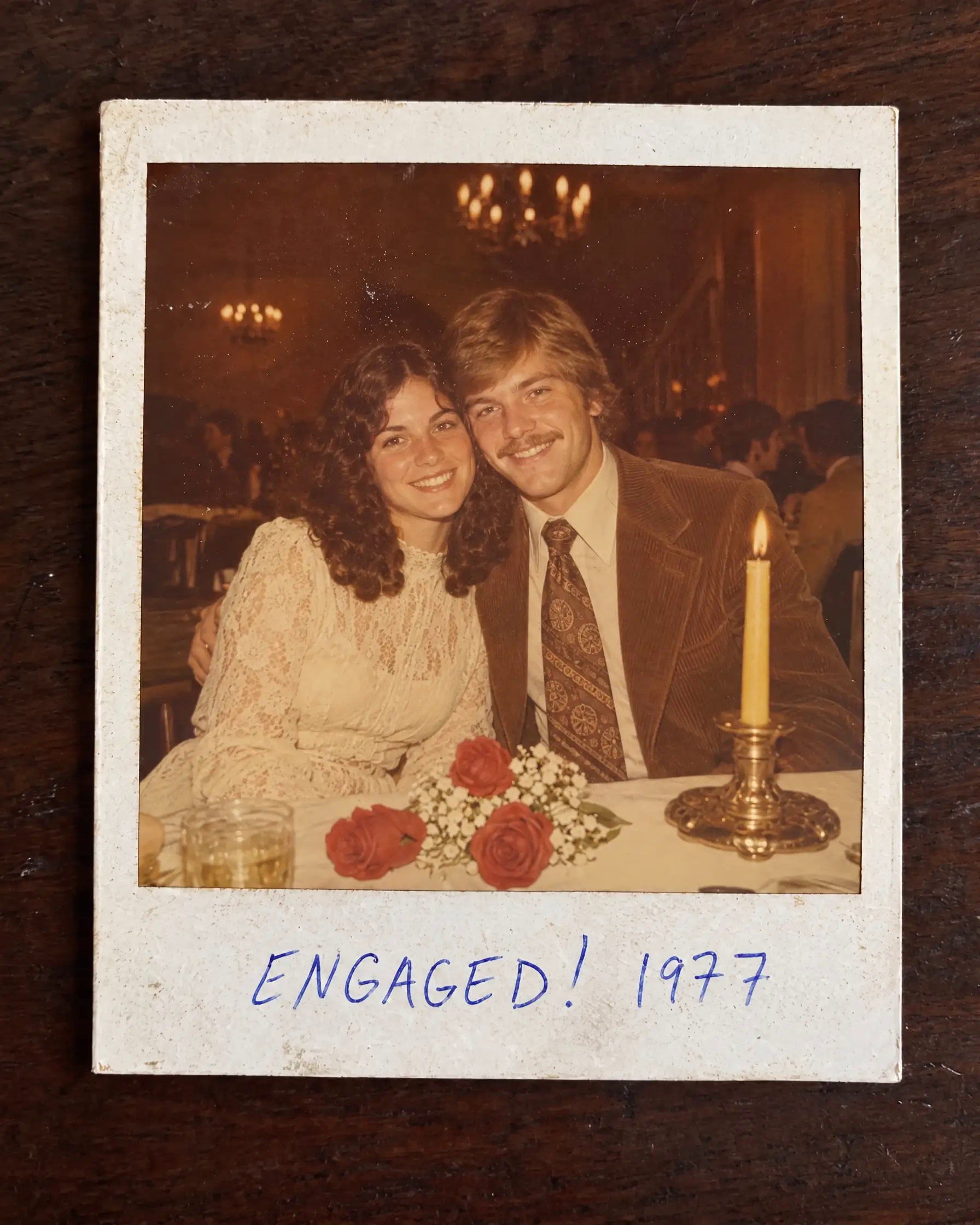
Ran for 26 days, from October 26 to November 20, 2026, the last day Crush saw it.
Run by Conny Brown on Facebook. Crush is not the advertiser and does not verify its claims. See this ad in Meta's Ad Library(opens in a new tab)
Make your own version of this ad
Crush makes it, launches it in your own Meta ad account, scales the winners and pauses the losers.
About this ad
- Meta Ad Library ID
- 970654816102928
- Platforms
- Facebook, Instagram, Audience Network, WhatsApp and Threads
- Relaunches
- 0
Ad text
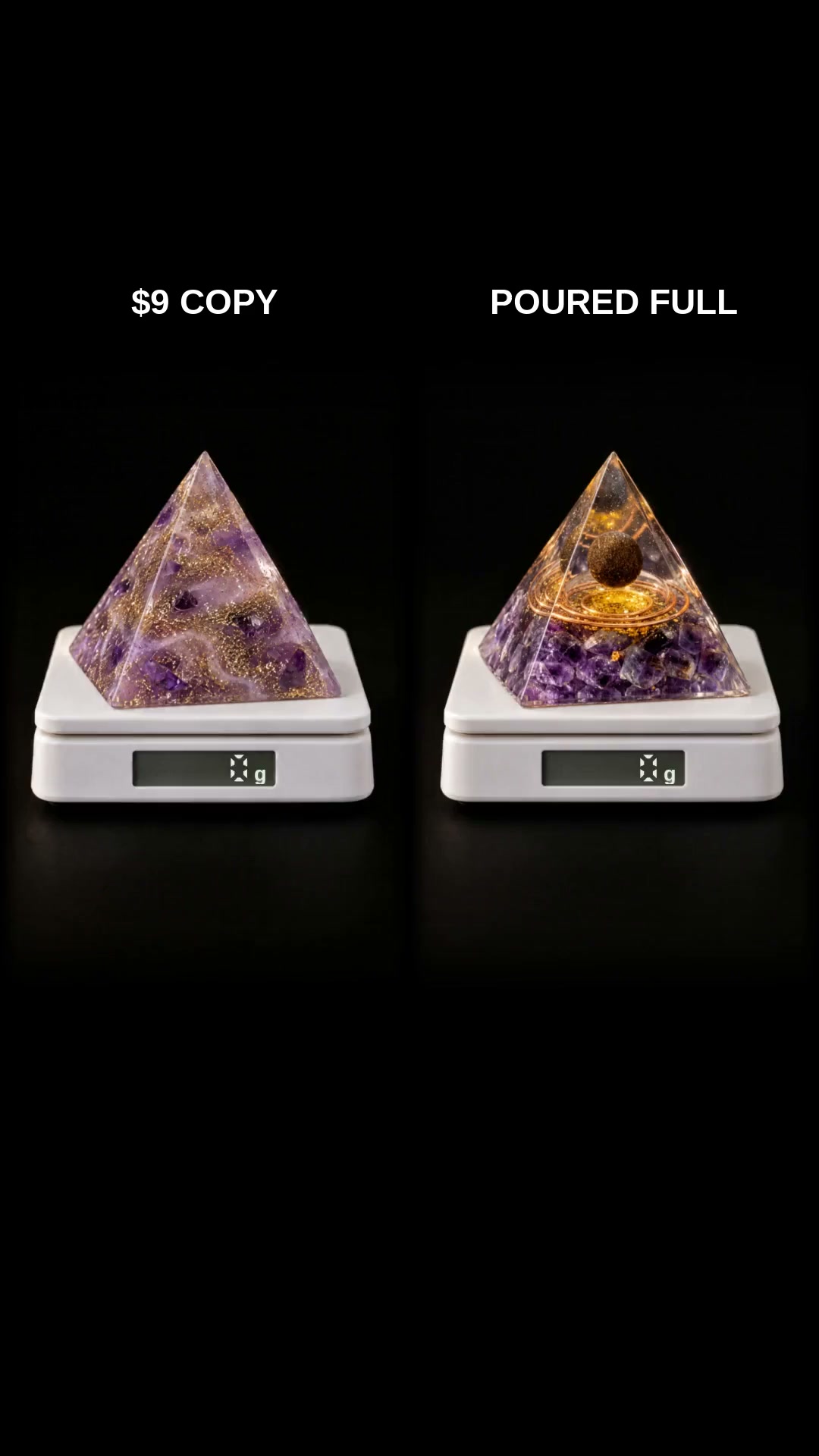
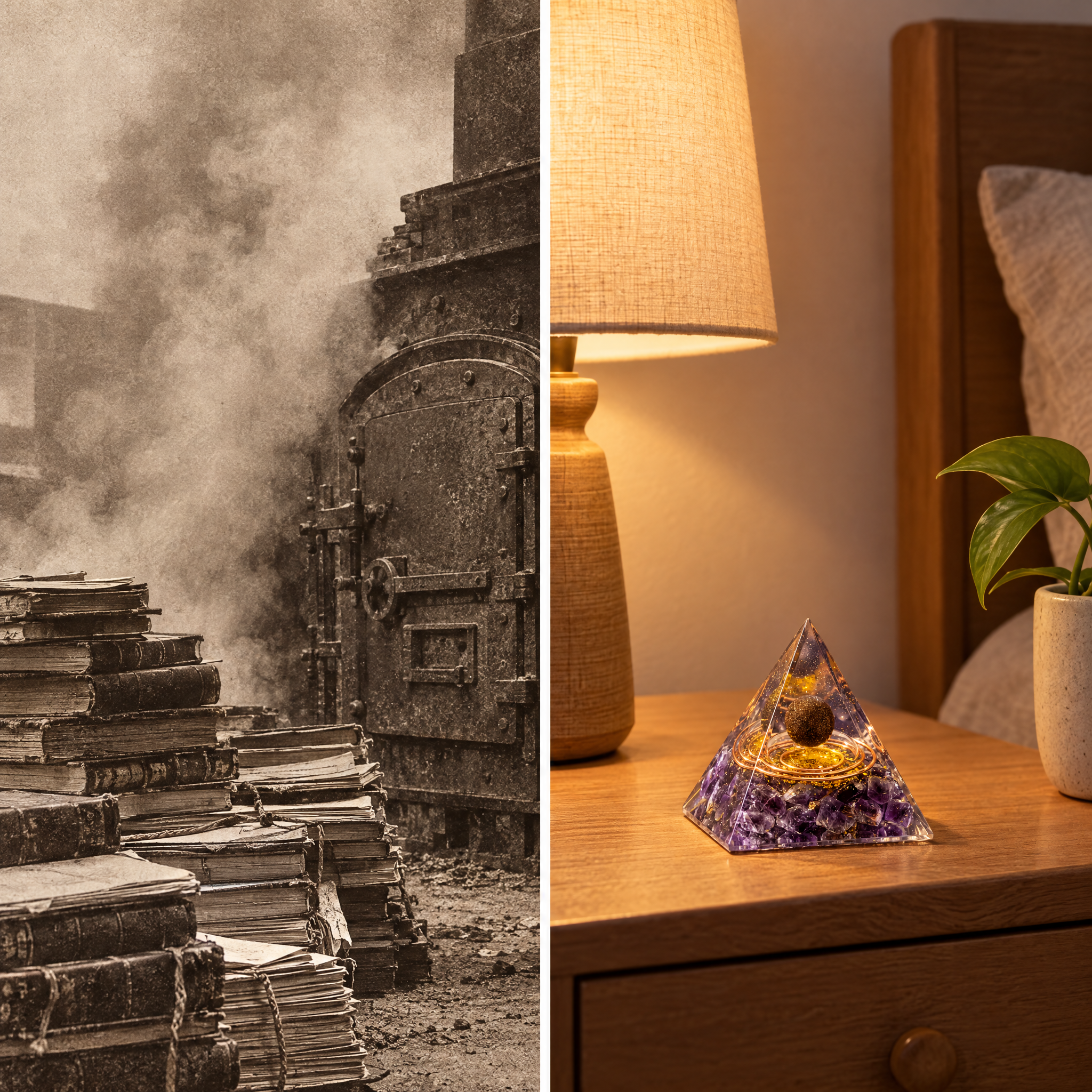
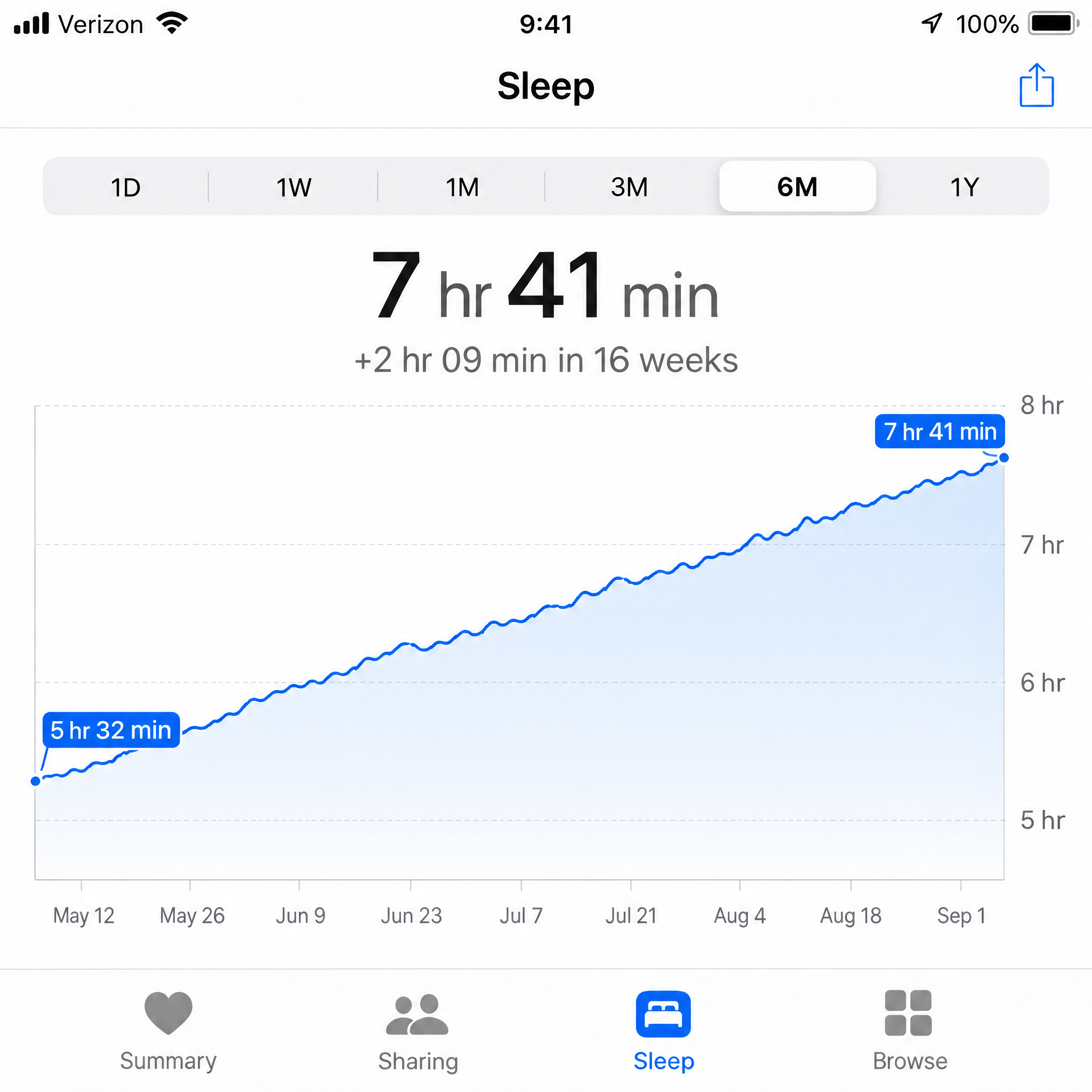
Three days before our wedding, I heard my fiancé whisper "I love you" into the phone to another woman. Forty-nine years later, his letter found me. Daniel. Seventy-two years old, and that name still catches in me like a fishhook. We met in the summer of 1976 at the Montgomery County Fair. He was working the ring-toss booth to pay for his last year of college, and I won five times in a row. He leaned over the counter and said, "Nobody wins five in a row. What's your trick?" I said, "Wrist. You're all throwing with your elbow." He stared at me like I'd solved something he'd been working on for years. Then he laughed, so loud the man at the corn dog stand turned around. I was gone on him by the end of that fair. He proposed that Easter. My father shook his hand for a full minute. His mother hugged me and wouldn't let go. The Methodist church on Third Street had us down for Saturday, September 17th, 1977. My aunt and I sewed my dress ourselves, on her kitchen table, three evenings a week all summer. I took the waist in twice, because I was too happy to remember to eat. Three days before the wedding, I went over to Daniel's apartment early to drop off the guest book. The door was open a crack. I heard his voice in the kitchen. Low. Careful. The voice he used with me. "I love you. You know I do. I'll have the money to you Saturday morning. No. She can't know. Not ever." I stood in the hallway with the guest book against my chest. On the counter I could see the bank envelope. Our envelope. Eleven hundred dollars we'd saved for two years, for a deposit on our first place. I didn't knock. I didn't say his name. I didn't throw the guest book at him, though I thought about it. I walked back down the stairs and sat in my car. Nine minutes. The DJ said 4:12 before one song and 4:21 after the next, and I can still hear both. Then I drove home. At my parents' table that night I wrote a letter that took three drafts and most of the night. "Daniel. I came by this afternoon. I heard you on the phone. I heard what you said to her, and I saw our envelope on the counter. Don't come to the house. Don't call. If I hear your voice I'll give in, and I can't give in to this. I would have married you tomorrow. That's what I can't forgive. But I won't stand in a church and promise my life to a man who whispers 'I love you' to someone else three days before." I taped my ring inside the fold. At one in the morning I slid it under his door. By sunrise I-75 was taking me south with my whole life in the back seat. I crossed into Kentucky before I let myself stop for gas. I was 23. I met Gene nineteen months later, at a library book sale in Lexington. He was holding the last copy of a book I wanted, and he handed it to me before I even asked. Gene and Daniel had nothing in common, and I think that's why I let him in. Daniel talked. Gene listened. Daniel was a spark. Gene was a slow, steady flame you could warm your hands on. We married in the spring of 1980. Small wedding. My mother kept a handkerchief in her fist the whole ceremony and never once used it. We had 44 years. A son and a daughter. Five grandchildren. And a backyard garden Gene built for me, four raised beds out of old fence boards, because one evening I said I missed my mother's tomatoes. I said it once. He had his faults. He burned the toast every single morning for 44 years and ate it anyway. He left every cupboard door in the kitchen open, like a man who'd never once been hit in the head by one. He whistled the same three songs, badly, every time he washed the car. After that many years, love isn't a feeling. It's a temperature. Not a wildfire. A woodstove. He kept the whole house warm. It started in the garden. Gene's tomatoes were famous on our street. The grandkids called his beds "the Salad Bar." Every April, without fail, he'd have seed packets lined up on the windowsill by size. One April I opened the kitchen drawer and found the seed packets still in it. Unopened. It was the end of the month. I found him in the living room. "You planting this year?" He took so long to answer, I thought he hadn't heard me. "Next week, maybe." Next week came. The packets stayed in the drawer. The beds grew weeds that summer. Then they grew nothing at all. After the garden, the nights. Gene had slept badly for a few years. I'd tuned it out, like a faucet you keep meaning to fix. One night I woke at 3:20 and his side of the bed was cold. I found him standing at the kitchen window in the dark, a glass of water in his hand, staring out at the yard. Not at anything. Just out. "Gene? What's wrong?" "Nothing. Can't sleep." "Every night this week, honey." "Old men don't need much sleep, Jo." And he smiled. He'd doze off in his armchair at four in the afternoon, mouth open, the TV talking to nobody. And at three in the morning he'd be wide awake again, standing at that window. It wasn't old age. I just didn't know what else to call it. Our grandson Ben came for Sunday dinner. He was ten. Gene adored him. The Salad Bar was Ben's name for it. Gene asked him how his baseball game went. Ben told him everything: the double in the fourth, the catch he almost made, the coach who yelled. Fifteen minutes later, over the green beans, Gene asked him again. "So how'd the game go, buddy?" Ben looked at me across the table. His face had gone very still, and very kind. I gave him the smallest shake of my head. Go on, sweetheart. Ben turned back to his grandpa and told the whole game again, every play, like he'd never told it before. Ten years old, and already covering for him. That final year, it got worse. I came downstairs at six one morning and found Gene at the kitchen table in yesterday's shirt. He hadn't come to bed at all. "Honey? Did you sleep?" "Some." He didn't look up. "Do you want eggs?" "Not hungry." His coffee went cold beside his elbow. I wiped the clean counter three times over, so I'd have a reason to stay. I couldn't make myself leave him alone in that kitchen. Four mornings that week. His doctor had sent him for a sleep study at the hospital. One night in a lab, wires glued to his head, a nurse watching on a screen down the hall. It came back "unremarkable." "Normal for his age," the doctor said. And he wrote Gene a prescription for a sleeping pill. The pill knocked him out by ten. He woke at three anyway. And he was in a fog until noon. Normal. Unremarkable. His age. I started to hate those three words. Because the man in my kitchen, with seed packets rotting in a drawer and a ten-year-old covering for him at dinner, was not normal. Gene died two winters ago. His heart, the doctor said, at 76. Peacefully, they told me. I remember thinking: when was the last time he did anything peacefully at night? After the funeral, the silence in the house had weight. I couldn't go out to the garden. I couldn't sit in his armchair, and I couldn't bring myself to shift it an inch. His travel mug sat in the dish drainer for five months. Putting it in the cupboard would have meant signing something. I was 70, and the woodstove had gone out. And I wasn't sleeping either. Up at three, every night, just like him. I told myself it was grief. The letter came on a Thursday this past spring. A plain envelope. Handwriting I almost knew. I nearly put it in the trash with the catalogs. Then I saw the return address. Chillicothe, Ohio. An hour from the town where I grew up. A place I hadn't let myself think about in almost fifty years. I sat down on the stairs and opened it. "Dear Joan, The woman on the phone that afternoon was my sister. Ruthie. She was nineteen and expecting, and her husband was not a kind man. She was leaving him that weekend, and she needed money for a bus ticket and a room in Columbus where he'd never find her. I gave her our envelope. She made me swear on our mother's grave I wouldn't tell a soul, not even you, because if word got back to him, he'd come after her. I was going to tell you after the wedding. On the drive to the lake. I had it all planned. I found your letter on my kitchen floor the next morning, with the ring taped inside. I called every Joan in three phone books for six years. Then I made myself quit. You'd decided, and it wasn't my place to undo it. There was never anyone else. Not really. Ruthie passed in March. She made it out. She became a nurse. She had three kids and eight grandkids, and every one of them exists because of that envelope. The secret isn't mine to keep anymore. I'm 75. My number is below. Call, or don't. Either way, I wanted you to know the truth before I run out of time to tell it. Daniel" I read it until the paper went soft at the folds. I hadn't cried like that at Gene's funeral. I hadn't let myself. Forty-nine years. Forty-nine years I believed Daniel had lied to me. Forty-nine years, all of it decided in nine minutes behind a steering wheel, listening to a DJ read the time. His sister. Ruthie. Running from a man who hurt her, with our wedding money in her purse. And I'd run too. From the one person who was helping her run. Ten days later I was on Route 35 heading north. I kept glancing at the dashboard clock the whole way, the same habit I'd picked up from that radio in 1977. Three hours, six minutes. I stayed in his driveway with the engine off for ten minutes. My hands wouldn't stop shaking. I'd changed my earrings twice before I left the house. The door opened, and I forgot every word I'd planned to say. I'd pictured a cane. A careful, slow old man. Like Gene had been, at the end: the shuffle in his slippers, the eyes that took a second to find you, the hand on the wall for balance. Daniel stood in that doorway at 75, and he was awake. There's no better word for it. Awake. His back was straight. His eyes were bright and quick and found mine right away. He pulled me into a hug that nearly knocked my glasses off, and his arms were strong. When he stepped back to let me in, he moved like a man who knew exactly where his feet were. "I baked a pie," he said. "Don't get excited. I bought it and took it out of the box." I laughed and nearly cried at the same time. His house was full of light. Books on every wall. A Reds game murmuring on an old radio in the kitchen. And on the dining table, a model sailing ship, half built, its rigging thinner than thread. While I sat down, he threaded a line through a pulley the size of a grain of rice. No glasses. No tremble. First try. He moved around that kitchen like a man of fifty. Reaching for plates without looking. Pouring without a drop on the counter. We talked until the light went orange on the bookshelves. Six hours, and it felt like one. We talked about Ruthie, the bus to Columbus, the nurse she became. We talked about the forty-nine years. I told him about Gene. The garden. The burned toast. The cupboard doors. The whistling. Daniel never once tried to measure himself against Gene. He asked about the tomatoes. He asked which songs Gene whistled. He let Gene be a good man in his own house. And then, without meaning to, I told him the rest. "Gene's final years were so hard. He wasn't himself. He couldn't sleep. He'd be up at three every night, standing at the kitchen window in the dark. Then he'd fall asleep in his chair in the afternoon. He was foggy. He forgot things. He asked Ben about the same ballgame twice in one dinner. I kept telling myself it was only..." I couldn't finish. "His age," Daniel said, gently, like he'd heard it before. "His age. That's what they told us. I believed it." Daniel turned his cup a quarter turn on the table. "Did they give him anything for it?" "A sleeping pill. For six years. They did a sleep study first. It came back unremarkable." Daniel put his mug on the table. "Let me tell you about my own retirement. I taught physics at the high school here for 34 years. The year I retired, I stopped sleeping too. Up at three every night, heart going like I'd run up the stairs. Wide awake for no reason. My doctor did what Gene's did. Wrote me a prescription for the same kind of pill. That bottle sat next to my toaster for seven days." "Thing is, I'd watched my brother-in-law Gil on those pills for years. Gil had changed. Out cold by ten, up at three anyway. Foggy until lunch. He fell in the hallway one night on the way to the bathroom and didn't remember getting up. His doctor said it was his age too." I thought about Gene at the kitchen window. "So I never opened the bottle. I'm a science teacher, Joan. I wanted to know why a man who sleeps like a baby in a tent on a fishing trip wakes up at three every night in his own bed. Nobody could tell me. So I went and found out." He pulled the notepad from beside the telephone and took a pencil from the jar. He drew a little stick figure lying in a bed. "This is you, asleep. You think you shut off at night. You don't. Your heart, your brain, every nerve in your body runs on small electrical signals. All night long. And at night, your body's job is to turn them down, one layer at a time, until you reach deep sleep. That's where you repair. That's where the fog clears out of your head. That's where you get your morning from." He drew a box around the bed. The bedroom. "Now. What's in Gene's bedroom?" I didn't know what he meant. He drew a little box on the dresser. "Is there a router in there?" I nodded. He drew arcs coming out of it. Then a phone on the nightstand, with arcs. A meter on the outside wall, with arcs. Then, along the edge of the page, more arcs and more arcs. "The neighbors," he said. "Every house on the street has its own." By the time he stopped, the little stick figure was buried in lines. "This is the room Gene was trying to sleep in. Every one of these is a signal pulsing through that room, through the bed, through him, all night. Fifty, sixty sources on an ordinary street. Your body doesn't know they're harmless. It only knows something is moving around it in the dark. So it keeps one eye open. It never gets the all-clear to stand down." He tapped the stick figure's head. "That's your three a.m. Around then your sleep runs at its lightest. And a body that's been on guard all night trips its own alarm. You're wide awake for no reason. Except there is a reason. It's in the room." I stared at the page. "And the pill?" He scribbled hard over the stick figure. "It knocks out the lights. You go unconscious. But every one of these lines is still here. And underneath, your body is still on guard. So you're out cold, but you're not resting. That's why Gene woke at three anyway. And that's why he was foggy until noon. The pill handles the hours. It never touches the room." He watched my face. "And this is the part that gets me, as a science teacher." He drew a second bed, in a second box. A clean box. No arcs at all. "The sleep study. Where do they do it? In a lab. One night, in a hospital room, often with no router at the bedside and nobody's phone on the nightstand. They study you everywhere except the place you actually sleep. So of course it comes back unremarkable. The room that's keeping you awake was never in the study." I felt something cold go down my back. He drew a loop, an arrow running round after itself. "And it's a circle. A bad night, so you need coffee. Coffee, so you're wired at bedtime. Wired, so the phone comes to bed with you. The phone in bed is one more signal by your head. One more signal, a worse night. Then a pill on top of it all, so you can't feel the mornings anymore. Round and round. The pill never breaks that circle, because it never goes near the room." "Six years of a man looking fine in a chart, and the whole time..." He let the sentence go. I finished it in my head anyway. I thought about Gene. Normal. Unremarkable. His age. Standing at the kitchen window at three in the morning with a glass of water he never drank. "What did you do instead?" I could barely hear myself. "I went looking for something that works on the room, not on me. Something that changes what that room does to a sleeping body, so the body can finally stand down by itself, instead of being knocked flat by a pill." "What about melatonin?" I asked. "Half my church takes it." "Everybody tries that first," he said. "It's the wrong end of the problem. Melatonin tells your body it's nighttime. Your body already knows it's nighttime. It's been making its own melatonin for seventy-some years. It was never short of it. The problem was never something missing inside you. The problem is the room around you. Taking more melatonin in a room full of signal is like turning down the lamp so you can sleep through a smoke alarm. You can dim it all you want. The alarm's still going. Aimed at the wrong thing." "Then what does work?" "Something aimed at the room. And it came from somewhere a physics teacher had no business looking." He turned the page over. "The files of a doctor the government put in prison." I just looked at him. "Wilhelm Reich. A doctor who did his research here in the 1940s. He measured an energy field around the human body. He called it orgone. And he found you could gather it and calm it with layers: metal held inside organic material. He built whole boxes out of those layers. People who sat in them slept deeper and felt clearer." "Then the FDA went after him. Took him to court in 1954. In 1956 they burned his books. Burned them, Joan. In America. He died in a federal prison the year after." "A doctor in prison." "Believe me, I heard how that sounded. I'd have laughed at it the year before I retired. I didn't believe a word of it until I set it next to physics I'd taught to sixteen-year-olds for 34 years." He drew a small crystal on the fresh page. "Squeeze a quartz crystal, and it gives off an electric charge. Squeeze it and hold it, and it keeps giving off that charge, steady. It's called the piezo effect. It's how every quartz watch on earth keeps time. That isn't fringe. That's on the final exam." He drew the crystal again, inside a little triangle, and wrapped a spiral around it. "Now put Reich's layers together with that. Metal held in resin pulls in the chaotic charge around it and gives it back calm. Set a quartz crystal in the middle while the resin cures, and as the resin hardens it shrinks tight and squeezes that crystal for good. Now there's a steady charge at the core that never shuts off. Wind copper around it, and copper spreads it out into the room. That's orgonite." He drew the bedroom again. The bed. The router. The phone. The arcs. And on the nightstand, a small triangle. The arcs went into it, and came out the other side as smooth, slow waves. "Here's what makes it different from everything else people try. Every gadget you can buy for this blocks. A sticker on the phone. A pouch. A mesh canopy over the bed. Foil behind the headboard. I tried the canopy, by the way. Here's the trouble. Blocking doesn't make a signal vanish. It bounces it. Right back into the room you're sleeping in." "And you can't block fifty sources anyway. You'd have to wrap your whole house in tinfoil, and you'd still have the phone on your nightstand." He tapped the little triangle. "This doesn't block. It transmutes. The signals still come in. But what fills the room changes. The storm settles. And the body finally gets its all-clear. It stands down. It goes deep. And when you go deep, everything else follows: the fog, the mood, the energy, the three a.m." He laid the pencil across the page. "It isn't something added to you. It's something lifted off you, so your body can do the one thing it has always known how to do." Gil in the hallway. Gene at the window. A pill turning off the lights while the room kept humming. "So I'll just turn the Wi-Fi off at night," I said. "Tried it," he said. "A whole summer. I put the router on a timer, off at ten, on at six. And it helped, some. But my neighbors have 22 networks between them, and they don't turn theirs off. The cell tower out on Route 23 doesn't. The meter on my wall doesn't. You can't unplug the street. So you change what your room does with all of it, every hour you're asleep, without thinking about it. Something that sits on the nightstand. No plug. No battery. Nothing to remember. You set it down, you go to bed." "So I'll just order one of those pyramids online." "Same idea I had," he said. "I bought three. Junk, all three of them. And that almost ended the whole thing for me. Here's why." "One," he said, and tapped the table. "Most of them are hollow, or close to it. A thin shell of resin, a sprinkle of glitter, a few flakes of foil that look like copper in the photo. No real crystal inside. Hold one and it weighs about as much as a bar of soap." "Two. The quartz. The whole thing works because the crystal is under pressure. In a real one, the crystal is set into the resin while it's poured, and the resin squeezes it as it cures, and holds it that way for good. Drop a loose chip into a cold mold and nothing is squeezing anything. Pretty on a shelf. Useless by a bed." "How would I even know?" He disappeared into his bedroom and came back holding something small. A purple pyramid. He put it in my palm. "Heavy, isn't it?" It was. It pulled my hand down. "About 120 grams. Smaller than your fist. Now hold it up to the window." I did. Inside, I could see it all. A copper spiral, wound by hand, catching the light. Chips of real amethyst. A dark smoky crystal near the top. Fine metal shavings all through the resin, like sand in a snow globe. "That's the test, Joan. Anybody can take a pretty picture of glitter. Nobody can fake weight. Trust your hand, not the photo." He pulled the notepad back, wrote a name in capital letters, and drew a box around it. SPIRAD. "Took me three tries to find one that was real. This one is. Real Brazilian amethyst. A smoky quartz crystal, squeezed in the resin as it cures. A copper spiral wound by hand, one at a time. Metal shavings all the way through. Poured by hand in small batches, which means sometimes you wait for the next one." He tapped the box. "That's all there is to it. Real crystal under real pressure, real copper, and enough weight in your hand to prove it. Set it by the bed and go to sleep. The rest of what's for sale is glitter, or melatonin aimed at the wrong thing." The pyramid sat heavy in my palm. Across from me sat Daniel. Seventy-five years old. Straight back. Bright eyes. Hands steady enough to rig a ship the size of a loaf of bread. Joking about a pie from a box. And I pictured Gene at our table. Gene at 76. Seed packets in the drawer. A glass of water at the kitchen window at three in the morning. Asking Ben about the same ballgame twice. A year younger than Gene was when he died. The same three a.m. One choice, made differently, a decade back. "When did you last wake up at three?" I asked him. He thought about it. "Honestly? I couldn't tell you. Years. I go down at half past ten, and most nights I don't open my eyes until quarter past six. I never opened that bottle. My doctor put the prescription back in his drawer a long time ago." At the door, Daniel tore the pages off the pad, the stick figure, the arcs, the little triangle, the name in its box, folded them in half, and pressed them into my hand. "Humor an old physics teacher," he said. "Keep your doctor in it. But give it sixty nights." I drove home in the dark with the folded pages on the passenger seat, one hand on them at every stoplight, like they might blow away. At home I pulled out the folder of doctor's papers I hadn't opened since the funeral. Near the top was the note from my own visit the month before, the one I'd made because I hadn't slept since Gene died. "Sleep maintenance insomnia. Wakes 3-4 a.m. nightly, unable to return to sleep. Recently widowed. Spouse had long history of insomnia, on hypnotic therapy. Recommend starting a sleep medication. Follow up in 4 weeks." I read it again, slower. Recently widowed. Spouse had long history of insomnia. Gene's bad nights had followed me into my own file. And through six years of pills, nobody had asked him one question about the room he slept in. I put the paper down and walked upstairs to our bedroom. I hadn't really looked at it in two years. Gene's side of the bed. His reading lamp. His dresser. And on his dresser, three feet from his pillow, the router. Our son had moved it there six years before, so the TV in the bedroom would stream the ballgames without stopping. Gene had been so pleased. Six years. Three feet from his head. The same six years. I sat down on his side of the bed and opened the Wi-Fi list on my phone. On our quiet little street, it found 19 networks. I sat there a long time. Daniel's pages were still on the passenger seat of my car. I almost left them out there. Instead I went out to the car, brought them in, and stayed up until two in the morning on my laptop, checking every word he'd said. Wilhelm Reich. The FDA case. The burned books. The piezo effect. Why shielding bounces a signal instead of stopping it. Every piece checked out. Court records from the 1950s. A physics chapter any high schooler could read. Nothing recent about any of it. None of it really hidden. Just never set side by side. And nobody had ever set it next to Gene. My doctor's line kept running in my head. Recommend starting a sleep medication. I could see how simple that road was. Fill it. Take one at ten. Out cold by eleven. And trust that unconscious meant rested, the way I trusted it for Gene for six years, and never once look at the room. Then I thought about Daniel at 75, threading a pulley the size of a grain of rice on the first try. And Gene at 76. A glass of water at the window. A garden full of weeds. The same three a.m. One man knocked out. One room changed. I picked up Daniel's pages. I ordered that night. They had a Buy 2, Get 1 Free, so I got three: one for my bedroom, one for the living room where I read, and one I didn't know yet who it was for. I bought a little spiral notebook at the drugstore to keep on the nightstand. And I booked a visit with my doctor for two months out. The box came five days later. Before I set it down anywhere, I ran Daniel's test. I held it in my palm and felt it pull my hand down. I held it up to the kitchen window and found the copper spiral, the amethyst, the dark crystal near the top. The real thing, in my own hand. Not a photo. Not a promise. I set it on my nightstand, between my pillow and the dresser where the router still sat. Then I walked out the back door to Gene's garden, to the raised beds he built me out of old fence boards, and sat down on the edge of one. I hadn't sat there once since the funeral. I had no idea what would happen. Daniel had told me there'd be no jolt. This isn't a pill, he'd said. It won't knock you out. You'll notice the room before you notice yourself. I stayed out there until my coffee went cold. That night I woke at 3:40. Later than usual, but awake. I wrote it in the notebook. The next night, 4:15. I wrote that down too. Seven nights in, the room had changed. I can't put it better than this: it felt like the moment a car alarm down the street finally stops, and you notice your shoulders have been up around your ears for an hour. That morning weight in my head, the fog I'd put down to grief, started to thin. I beat my alarm awake. Two years, and that was the first time. Three weeks in, I was sleeping until six, four nights out of seven. I took my coffee out to the garden every morning. I bought tomato starts at the hardware store and planted Gene's beds, badly, the way he'd have laughed at. There was a tiredness I'd carried so long I thought it was just my body now. It started going too. One afternoon I looked up from a library book and realized I'd read forty pages without going back to reread a single one. A little thing. I'd lost it so long ago I'd forgotten I ever had it. And the times in that drugstore notebook kept creeping later. 3:40. 4:15. 5:05. 5:50. Then whole nights with no time written down at all, because I never woke up to write one. Maybe part of it was a widow finally getting out of the house. I'll grant that. Good days pile on each other when you're 72. But the notebook didn't lie, and the notebook started changing before the garden did. Sixty days on, I was back in her office. I handed her the notebook. She turned the pages slowly. Then she turned back to the first page and started over. "In the spring you were up at three or four every night." "Yes." "These last three weeks you're sleeping to six." "Most nights." "And the fog you told me about?" "Mostly gone. I read in the afternoons again. I planted tomatoes." She set down her pen. "So what's different?" "A pyramid on my nightstand. And two months of times in my own hand. I'd like to skip the pills and keep logging, if that's all right." She was quiet for a long time. She turned one more page. "Bring it in next time. I'd like to see it. But I'll be honest with you. I'm not starting anybody on a sleep medication with a log like this. Don't change a thing. Come back after the new year." I held it together through the waiting room. In the car, I didn't. Not because of the notebook. Because Gene's study was unremarkable too. Six years of pills. And in all that time, nobody asked about the room he slept in. Knocked out and rested got treated like the same word. And the thing keeping him up sat on his dresser, three feet from his head, where no test was ever going to find it. He was normal. He was unremarkable. He was his age. And he stood at that kitchen window at three in the morning for six years. Forty-nine years don't come back. That phone call doesn't un-happen. The page under his door stays slid. Gene doesn't get his garden back, or his nights, or one more morning of burned toast. What I get to pick is tomorrow night. And so do you. Maybe you're reading this at 3am, the screen too bright, the house dark. Maybe someone is snoring next to you. Maybe that side of the bed is empty now. If Gene's kitchen window looked familiar, keep reading. Maybe somebody told you the three a.m. is your age. Maybe a sleep study said unremarkable. Maybe there's a bottle in your nightstand that gets you through the hours but never gives you a morning. And "normal" sounds wrong to you, even if you can't explain it. Picture two roads. One road looks like Gene's. The pill handles the hours. The doctor says normal. And the room never gets looked at, because no test looks at the room and no one writes a prescription for it. Give it five years. Maybe ten. The seed packets stay in the drawer. You find him at the kitchen window at three in the morning with a glass of water. You hear him ask the same question twice at Sunday dinner, and your eyes meet your grandson's across the table, and you shake your head, barely. Someday you'll look back for the night it all began and find nothing to point at. Age, you'll decide. The other road looks like Daniel's. Your doctor stays in it. But the hours stop being the only thing anyone treats. The room gets its turn. One small pyramid on the nightstand. One cheap notebook. And sixty days later you're drinking your coffee out in the garden, and the fog has thinned, and the times in your notebook get later every week, until there are nights with no time written at all. Sixty nights. Then look at your notebook. Ten years ago, Gene needed someone at that kitchen window to tell him about the room. It should have been me. That part is past. This part I can still do: pass it to you. 👉 https://sanctuary.spirad.com/amethyst-emf/sales P.S. Daniel still keeps his on his nightstand, next to the old radio. It sat in my palm the same afternoon I learned about Ruthie, and the room, and how long I'd spent running from nothing. I keep mine between my pillow and the dresser where the router still sits. And Spirad isn't the hollow, glittery kind you find for twelve dollars online. It's heavy, real Brazilian amethyst and hand-wound copper around a squeezed quartz crystal. My first wake-up went from 3:10 to past six in sixty days, and my doctor saw no reason to start the pills with nights like these. P.P.S. If you order, here's what I'd do. When it comes, hold it before anything else. Feel the weight. Find the copper spiral and the amethyst with your own eyes. That tells you it's the real one. Then set it on your nightstand, between your pillow and the nearest thing with a blinking light. Keep a notebook by the bed and write down the time you first wake up. Don't expect a jolt. It won't knock you out. What you'll notice first is the room. Then, over a week or two, your mornings. Then the times in your notebook. If you've tried melatonin, magnesium, white noise and blackout curtains and felt nothing, those things weren't useless. They were aimed at you, not at the room. Don't trust a feeling. Trust the times in your own handwriting. P.P.P.S. My daughter Amy called last month. Her husband had been up at three every night for a year, and his doctor had just written him a prescription. What did I think, she wanted to know. So I told her about Daniel. About Gene. About a sleep study done in a room nobody sleeps in. Her husband kept the prescription in his wallet and asked his doctor if he could try a pyramid first, with his sleep tracked every week. That was the third one from my order. So now there are three nightstands with one on them: Daniel's, mine, and Amy's, on her husband's side, with his doctor following along. The room doesn't care how old you are. P.P.P.P.S. Spirad gives you 60 days. Keep it by your bed for sixty nights, and if your nights aren't better, send it back and they refund the full price once it's back with them. Daniel said sixty nights, and sixty nights is about what a notebook needs to tell the truth. You lose nothing finding out. P.P.P.P.P.S. Spirad is a small shop. Every pyramid is poured by hand in small batches, with the crystal set while the resin cures. There's no shortcut for that, and it's the very reason it works. Once a batch sells, you wait for the next pour: their last one sold out in 72 hours, I found out when I went back for a spare. Right now they're running Buy 2, Get 1 Free, plus 25% off with the code FALL25, and shipping is free over $50. If you've got a doctor's appointment coming, or he does, look tonight while there's stock. Every night you spend handling only the hours is one more night the room goes untouched. P.P.P.P.P.P.S. One more thing, about Gene, and the window, and Ben retelling a ballgame so his grandpa wouldn't feel small. This isn't a sad story, not really. Forty-four years I slept next to a good man whose nights everyone called normal. Then one afternoon in Ohio I watched a 75-year-old rig a ship without his glasses, because ten years ago he refused to stop at "normal" and looked at his bedroom instead. Two men had the same three a.m. One of them asked what was in the room. Ask it. Bring your doctor along. And remember you have 60 days. 👉 https://sanctuary.spirad.com/amethyst-emf/sales
Where the ad sends people
sanctuary.spirad.com
Sleep Through the Night Again
The Spirad Amethyst Pyramid transmutes the EMF around your bed, for deeper sleep, a calmer mind and clearer mornings while you rest.
Learn more: sanctuary.spirad.com(opens in a new tab)