
Inactive· since Apr 9, 2026
- 13
- days it ran
- 3
- relaunches
Ad copy
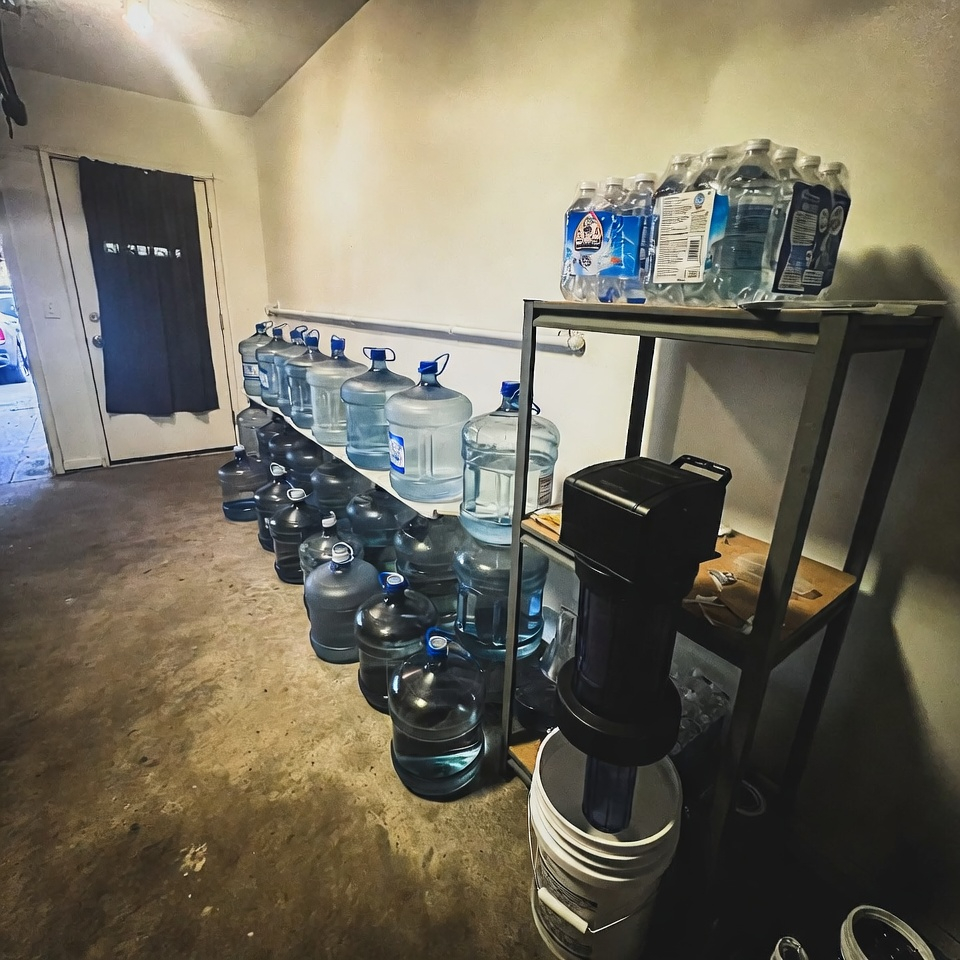
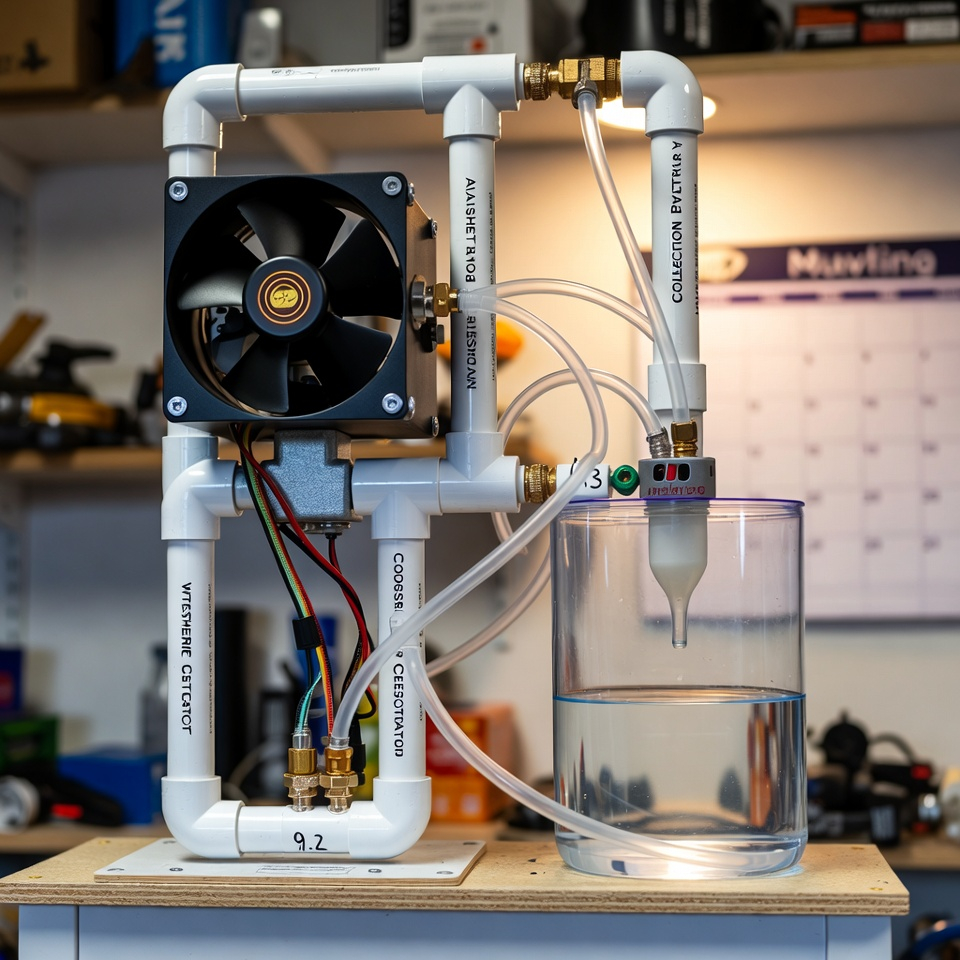
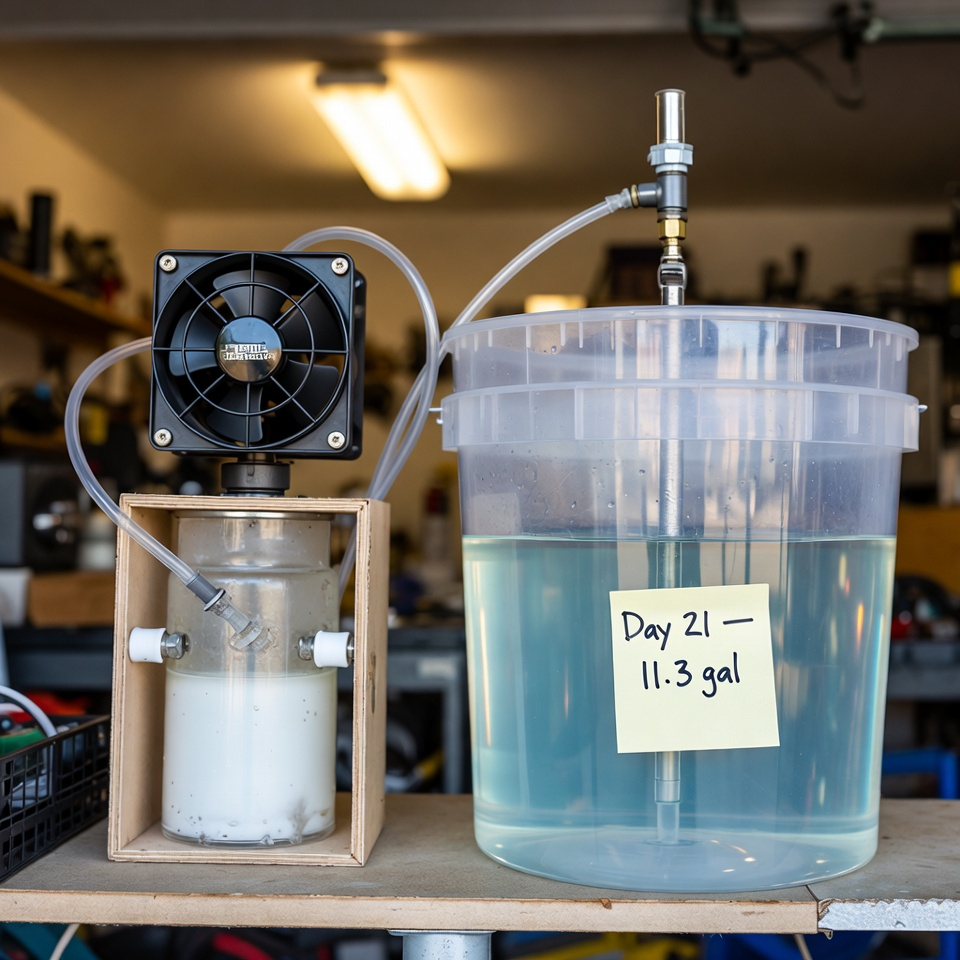
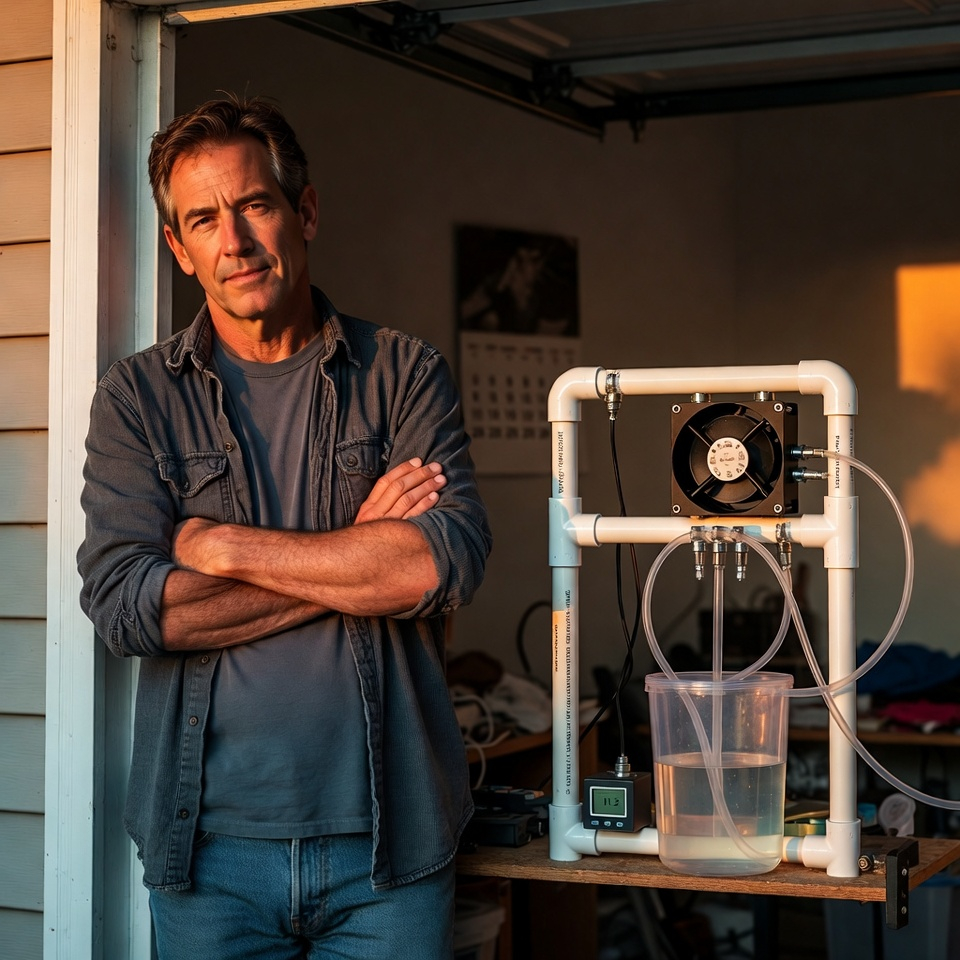
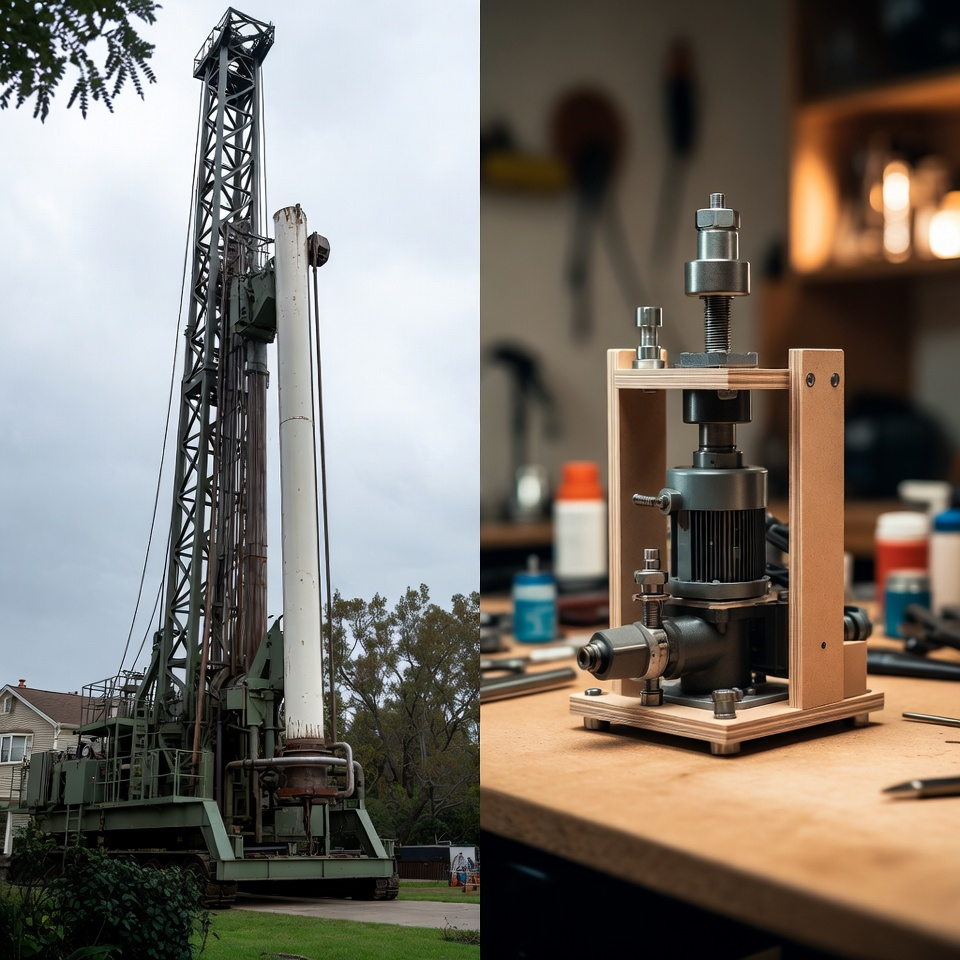
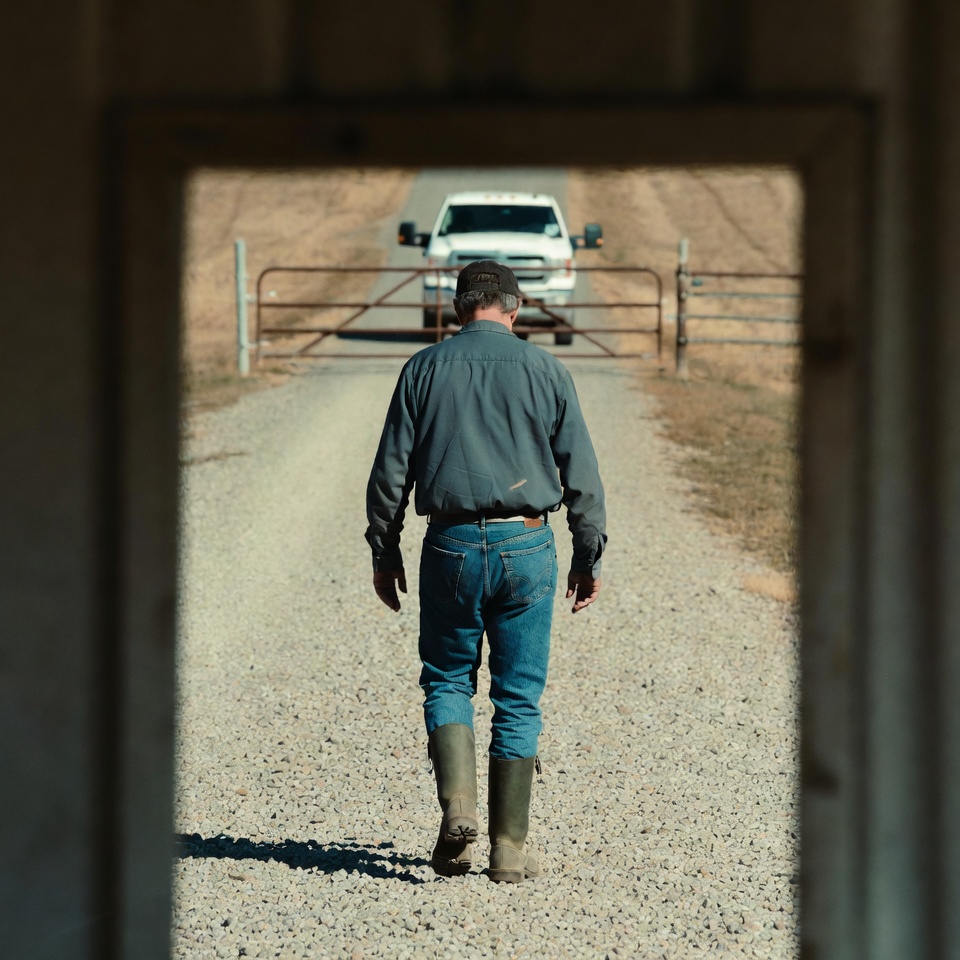
I spent $11,000 drilling a well on my own land. A lawyer friend told me last month that my state still owns the water in it. I haven't been able to think about much else since. I'm 47. Self-employed. I own two acres in rural Tennessee that I bought specifically to be left alone. I work for myself, answer to nobody, and have spent the better part of the last decade quietly removing every dependency I could find from my life. Sold the city house. Cut the subscriptions. Got out from under every system that wanted a monthly payment in exchange for something I could do myself. I thought water was handled. I drilled the well. I installed a whole-house filter. I told myself that chapter was closed. Then my lawyer friend explained prior appropriation doctrine to me, and I realized I'd spent $13,000 building a cage with a slightly longer leash. Here's what most people who buy rural land never find out until it's too late. In most Western and many Southern states, the water beneath your property doesn't belong to you. It belongs to the state. You have a use right — meaning they allow you to pump it, for now, under current conditions, subject to change. If there's a drought emergency. If a municipality needs reallocation. If the regulatory framework shifts. They can restrict your usage or cut you off entirely. No compensation. No meaningful appeal. The law was written before anyone asked your opinion, and it applies to every well on every acre you'll ever own. I sat with that for a while. I'd bought the land to get free. I'd drilled the well to get free. I'd spent $13,000 and what I actually bought was the right to use their water until they decided otherwise. The cage just got bigger. That's all that happened. I went back through everything I'd looked at for off-grid water. Tried to find the exit I'd missed. Municipal supply — obviously not. That's the whole point of leaving. Rainwater catchment — regulated in my state, and what comes off a roof isn't clean without serious treatment. Cisterns and storage tanks — fine for backup, useless as a primary source, and still dependent on rainfall I can't control. Larger commercial water systems — starting at $15,000 and still drawing from a ground source the state has jurisdiction over. Every option I looked at was still inside the fence. Different gate, same fence. I remember the specific moment I understood how deep this went. I was standing in my yard — my yard, on my land, that I own outright — and a county vehicle pulled up to the gate. Inspector. Wanted to check my well usage records. Politely, professionally, with the full legal authority to be there whether I liked it or not. I was polite back. I let him do his job. I walked him out and watched his truck disappear down the road. Then I stood there for a long time and thought about what it meant that a stranger could show up on my land, on a clear Tuesday afternoon, to monitor what I was pulling from my own ground. I'd built a life designed around the word no. No landlord. No employer. No HOA. No utility company with a monthly invoice and a shutoff valve. I'd said no to all of it. And I'd somehow missed that water — the most basic thing, the thing nothing else works without — was still on their terms. That was the cost of what I hadn't solved. Not money. The integrity of everything else I'd built. One open door in a house I thought was locked. I told myself I'd find the real answer or admit there wasn't one. Either way, I was done pretending the well was good enough. I wasn't looking for it the night I found it. I was reading through a thread on a homesteading forum — the kind of back-and-forth that goes on for pages — and someone had posted something I almost scrolled past. They weren't selling anything. No link, no product, no pitch. Just a statement: the only water source currently outside every state water rights framework in the country is atmospheric moisture. No prior appropriation. No riparian rights. No permit system. No regulatory body. Because when the water rights laws were written, nobody had a device that could extract vapor from the air at a useful scale. The law has a hole in it. And the hole is the size of the sky above your property. I read that three times. My first reaction was skepticism. If this was real, why didn't more people know about it? Why wasn't it everywhere? My second reaction, once I started pulling on the thread, was that the answer to that question was exactly what I should have expected. The technology exists. The military has been using condensation-based water extraction on submarines and in field operations for decades. NASA adapted the same principle for the International Space Station. A civilian version — compact, buildable, affordable — was in development in the early 2000s. The patents were filed. The prototypes worked. And then, quietly, the project disappeared. The patents were absorbed. The lab was shut down. The people involved went dark. I'm not a man who reaches for conspiracy explanations. I prefer the simpler answer. And the simple answer here is that free, ungovernable, atmospheric water was a threat to infrastructure revenue, and infrastructure revenue has friends in regulatory offices. That's not a theory. That's just how markets protect themselves. What mattered to me was that the underlying physics was real and had been demonstrated at military and aerospace scale. Air contains water vapor. Always. Condensation can be induced mechanically. The water that comes out is clean. The process doesn't require ground access, rainfall, pipes, or permission from anyone. I found a set of decoded blueprints — schematics adapted from original military engineering documents, translated into a civilian build with a parts list under $110. They called it the Atmospheric Condensation Blueprint. I'd been wrong about the well. I wasn't going to be wrong about this by not trying it. I'm not someone who second-guesses himself much, but I'll tell you I was cautious with this one. I've been burned before by things that looked right on paper. I built it over a Saturday. Spent $81 on parts. The assembly was straightforward until about two-thirds through, when a fitting I'd sourced locally turned out to be a slightly different size than the schematic assumed. Spent an hour problem-solving that. Considered binning the whole thing. Went back to the support documentation. Found a note about regional parts variation I'd missed on the first read. Substituted correctly. Kept going. Day one, nothing visible. The unit was running. I left it alone. Day four, I checked the reservoir before heading out to work on the fence line. There was water in it. Close to two liters. No taste. No smell. I ran it through my existing filter out of habit, tested it. Clean. I didn't say anything to anyone for the first two weeks. I wanted numbers before I made any claims. End of week two, a friend came by — another guy who's been working on getting off-grid, same mindset as me. He noticed the unit and asked what it was. I explained the basic principle. He looked at the reservoir and said: "So this just runs. Every day. And they have no record of it, no meter on it, nothing." That was the first time I heard it said out loud. And that was the moment I knew this was the right answer. By week three I was consistently pulling between nine and fourteen gallons a day. Enough for everything I need on this property. Enough that I turned the well pump to backup status and stopped thinking about the county inspector. The well is still there. I'm not tearing it out. But I haven't run it as a primary source in two months. What's running is a device that pulls water from air that belongs to no jurisdiction, no utility, no regulatory body that currently exists. That's not a workaround. That's a structural exit. I spent a long time looking for the door that led completely outside the fence. I looked at wells and tanks and cisterns and catchment systems and every one of them was still inside it — different gate, same fence. The atmospheric source is the first thing I've found that isn't inside the fence at all. There's no fence there. The law was never written for it. I own my land. Now I own my water. That's what I came out here for. I can't lay out the full blueprint here. The specific configuration that optimizes output for different humidity conditions, the purification and storage process that makes the water reliable for long-term use, and the parts substitution guide that saved my build when the standard fitting didn't match — those details are in a short presentation that covers the Atmospheric Condensation Blueprint from start to finish. It explains exactly how the extraction process works, why it sits outside every water rights framework currently on the books, and how to build the whole system for under $110 in a single weekend. I don't know how long it stays up. Information that closes a legal loophole this cleanly tends to attract attention from people who'd rather the loophole stayed unknown. If you've been doing what I was doing — spending money and time on water solutions that still leave you inside someone else's system — it's worth 12 minutes to see the one that doesn't. Link is below.
How I Found the One Water Source on My Own Land That the State Has No Legal Authority to Touch — And Built It for Under $110
Answer 5 questions. We'll show you exactly which solution you're missing — and why everything else you've looked at was still inside someone else's system.
LEARN MORELike this ad? Make it yours.
Crush rebuilds this exact creative around your product — your brand, your colors, your offer — in about a minute.