Brian Davidson
Brian Davidson Facebook ad: “It Might Not Be Insomnia”

Ran for 20 days, from June 4 to June 24, 2026, the last day Crush saw it.
Run by Brian Davidson on Facebook. Crush is not the advertiser and does not verify its claims. See this ad in Meta's Ad Library(opens in a new tab)
Make your own version of this ad
Crush makes it, launches it in your own Meta ad account, scales the winners and pauses the losers.
About this ad
- Meta Ad Library ID
- 972682072348180
- Platforms
- Facebook, Instagram, Audience Network, Messenger and Threads
- Relaunches
- 0
Ad text
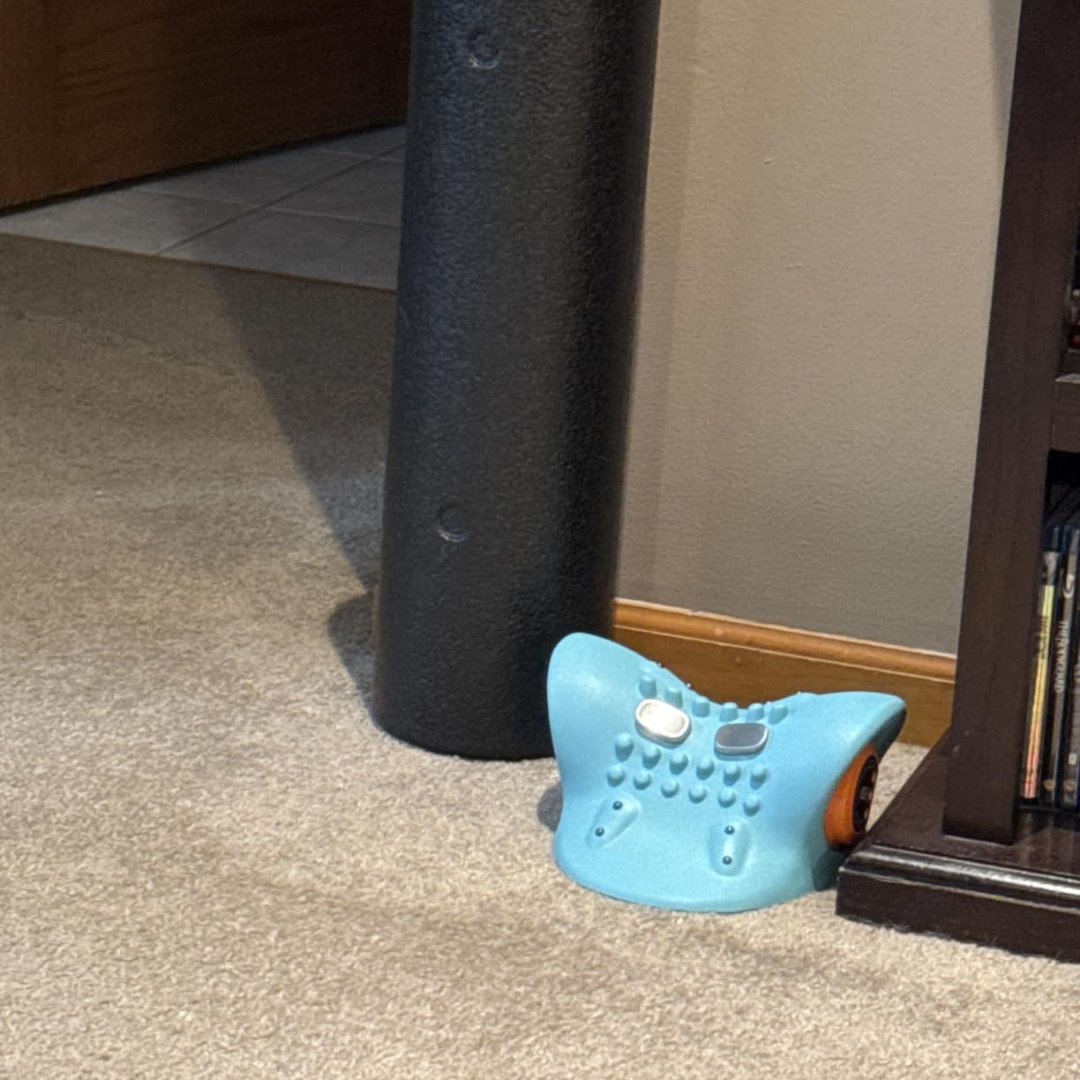
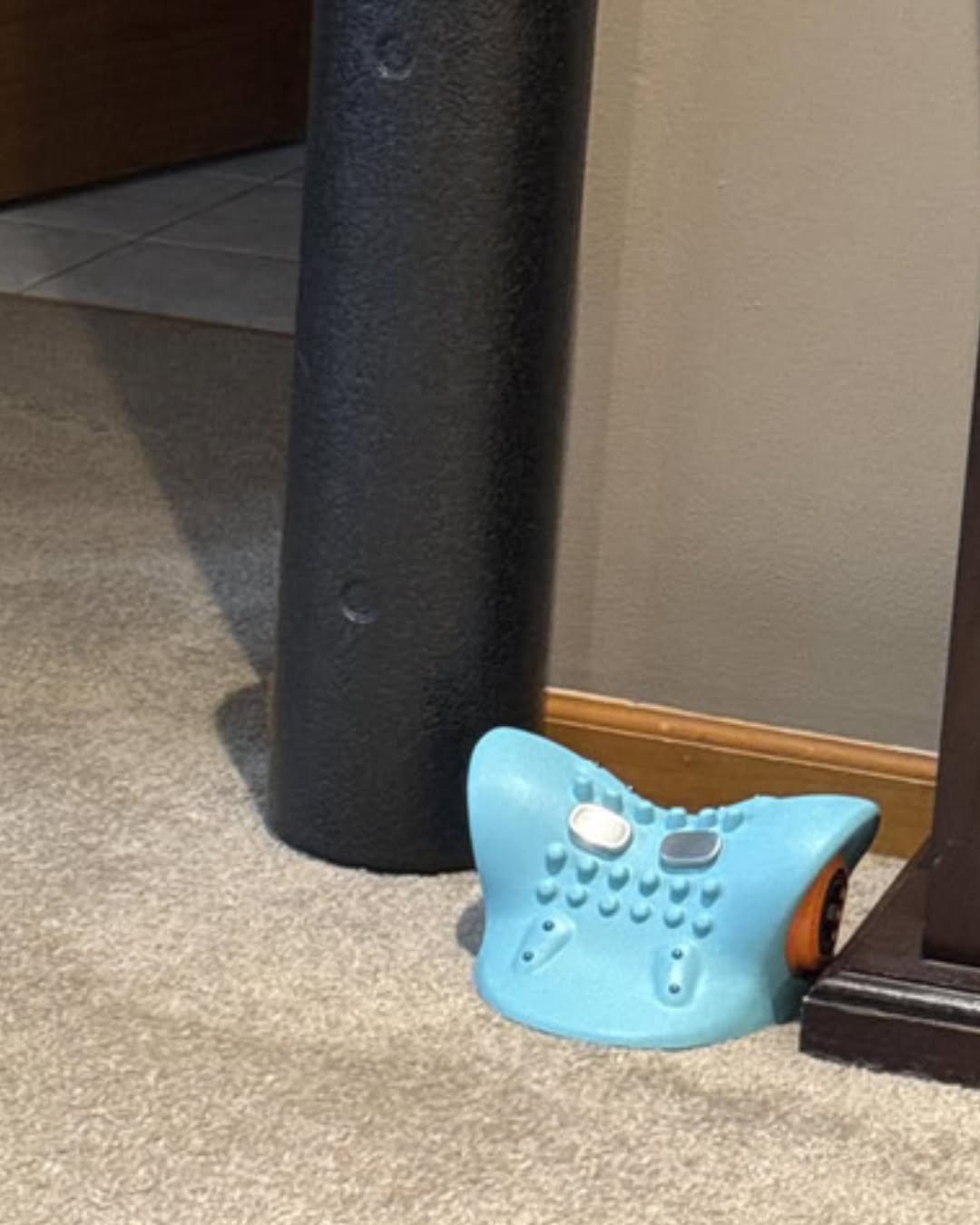
My doctor diagnosed me with chronic insomnia at 44. Five years on every sleep treatment available. Ambien. Lunesta. CBT-I therapy. All failed. Three different sleep specialists failed. Then I found out why — and my sleep went from 3 broken hours per night to 7-8 solid hours in 6 weeks. My uncle lost himself at 56. I'm 47. Six months ago, my sleep specialist closed the exam room door. The click echoed. He sat down. Pulled up my sleep study results without looking at me. "Brian. We can't keep adjusting your sedatives. Your insomnia isn't responding. We need to start discussing stronger medications and potentially a sleep restriction protocol. You're becoming treatment-resistant." My throat constricted. The exhaustion pressed down on me like a weight. Stronger medications. My uncle went through years of this. Fifteen years of escalating treatments leading to the same endpoint. His sharpness went first. Brilliant architect. Raised me after my parents' divorce. By year 6, he was taking sleeping pills nightly. By year 10, he was on multiple medications. By year 12, he couldn't design anymore — the cognitive fog was too thick. Year 13: Lost his architecture firm. Year 15: Moved into assisted living at 63. Doesn't really recognize me now. Just stares out windows. The sleep deprivation that got worse. And worse. And worse. Ambien failing. Melatonin failing. Sleep restriction failing. Year 6: Chronic insomnia. Year 10: Cognitive decline visible. Year 13: Career gone. Year 15: The man I knew — gone. His neurologist's words, clinical and cold: "Chronic sleep deprivation causes neurodegeneration. The brain never got a chance to clear metabolic waste. The damage accumulates." Fifteen years of watching his mind starve for sleep. The man who taught me to draft blueprints, who helped me through college, who was sharper than anyone I knew — completely hollowed out. His insomnia consumed him despite doing everything the doctors said. I sat in my car in the parking lot. Couldn't turn the key. Just gripped the steering wheel. The sleep study results crinkled in my jacket pocket. I pulled them out. Stared at them. Sleep efficiency: 42%. REM sleep: Severely fragmented. Deep sleep: Almost none. Diagnosis: Chronic refractory insomnia. My hands shook. My wife was putting our daughter to bed when I walked through the door. "Hey. What did the doctor say?" The words stuck. I handed her the results without speaking. Chronic refractory insomnia. She read it. Her face went white. Both hands covered her mouth. Tears welling. "No." Her voice cracked. "Brian, I watched what happened to your uncle. Year after year. The confusion. The forgetting. I can't watch you fade like that. Our daughter can't lose you like that." She couldn't finish. Turned away. Shoulders shaking. That night I lay awake. The ceiling fan rotated. Over. And over. And over. Red numbers glowed on the clock: 11:53 PM. Rolled over. 1:27 AM. Again. 2:48 AM. At 3:34 AM I gave up. Went downstairs. Sat at the kitchen table. Opened my laptop. The screen's blue glow hurt my exhausted eyes. I typed: why can't I sleep even on medication The search results loaded. My chest tightened. Every site: Sleep hygiene. Cognitive behavioral therapy. Avoid screens. Keep a sleep diary. The exact advice I'd been following for five years. The exact advice my uncle followed for fifteen years. I clicked deeper. Medical journals. Why does insomnia become treatment-resistant? Article after article. "Vagus nerve compression at C1-C2 disrupts parasympathetic signaling required for sleep initiation and maintenance..." "Despite evidence that cervical nerve compression interferes with vagal tone in 30-40% of chronic insomnia cases, most sleep specialists do not address this mechanism..." "Sedatives suppress consciousness but do not restore the vagus nerve function necessary for true restorative sleep..." My uncle's face flashed in my mind. The Ambien bottles. The confusion. The assisted living facility. The blank stare when I visit. I searched: ambien not working still can't sleep Forums loaded. Post after post: "I've tried every sleep medication. Still awake every night." "My sleep doctor says it's just severe insomnia. Nothing helps." "CBT-I made mine worse." A forum post: "My husband has been on sleep meds for four years. Still only sleeps 3-4 hours. Doctors say just keep trying different medications." My heart hammered against my ribs. I closed the laptop. Rubbed my face with both hands. What do I do? I wasn't going to follow my uncle's path without trying everything first. Three days. Five days. Seven. My wife found me at my desk one evening, surrounded by printed neurology journals. "Brian. What are you doing?" "Researching." "The doctors said—" "The doctors said my uncle needed stronger sleep medications too. Didn't help him sleep. Just made his last years a foggy march toward losing himself completely." Her chin trembled. "But what if there's nothing else? What if you keep declining?" "What if I go through fifteen years like he did? What if I spend over a decade losing my mind while medications destroy what's left?" She had no answer. That weekend I searched everything. Natural sleep support. Clinical studies. Research papers. Vagus nerve dysfunction appeared everywhere. Studies on cervical compression. Disrupted parasympathetic tone. Research from multiple universities showing sleep restoration when cervical tension is released. Real universities. Real science. Not fringe pseudoscience. Monday morning I ordered a neck massager on Amazon. 4.1 stars. Over 5,000 reviews. Seven weeks later. My sleep: Still broken. 3-4 hours per night. I tried acupuncture. Craniosacral therapy. Eight sessions each. Nine weeks. Never missed an appointment. Sleep: Still terrible. Maybe 4 hours on a good night. Minimal change. My next follow-up appointment was approaching fast. Three weeks. Then two. Then one. Every time I lay awake at 3 AM, staring at the ceiling, feeling my brain slowly deteriorating from sleep deprivation — I saw my uncle. The confusion. The forgetting. The assisted living facility. Stage by stage by stage. Ten days before my appointment, I stood in a health supplement store. Sleep support aisle. Endless products. All useless. Two men talking one aisle over. "—problem isn't the sedatives. Most treatment-resistant insomnia isn't neurochemical at all. It's vagus nerve compression at C1-C2 — the muscles are strangling the nerve that controls your sleep-wake cycle. You need deep cervical release." I walked over. "What did you say about the vagus nerve?" The older man turned. Name badge: "Neurologist — Sleep Disorders Specialist." "Sedatives knock you unconscious. But they don't restore vagus nerve function. And without vagal tone, your body can't enter true restorative sleep. 30-40% of 'chronic insomnia' cases are actually vagus nerve compression — tight neck muscles crushing the nerve at the base of the skull. The medications can't fix that." My chest tightened. "I've been on sleep medications for five years. Still only sleeping 3-4 hours per night." "The clinical research on vagus nerve stimulation used deep cervical muscle release — heat to relax surface muscles, EMS to reach C1-C2, and a specific traction angle. Most home devices don't have all three. They can't reach deep enough to decompress the vagus nerve." "The products don't say any of this." "They don't have to disclose efficacy. Just 'neck massager.'" He pulled out his phone. "Only one device I recommend for vagus nerve dysfunction. Neckline. Heat, EMS, and 26-degree traction angle. Designed specifically for C1-C2 release. FDA-registered." Specifications. Clinical design. Exact angle verified. "How do I know it actually works for sleep? I'm out of time." "Within the first few weeks you'll notice you're falling asleep easier — the racing thoughts quieting, the anxiety reducing, more minutes of actual sleep. Those are signs the vagus nerve is decompressing. Then at 6-8 weeks you'll have consolidated sleep. You'll wake up feeling rested. You'll have real data." I pulled out my phone. Ordered it standing there. The package arrived two days later. I used it that evening. Fifteen minutes at the base of my skull. Sat on my couch. One week: I fell asleep in 25 minutes instead of the usual 2 hours. Two weeks: I slept 5 hours straight. No waking up at 2 AM staring at the ceiling. The racing thoughts at bedtime? Quieter. Three weeks: I had 4 nights in a row of 6+ hours sleep. My wife noticed I wasn't dragging through the morning. Didn't comment. Just watched me. Six weeks in — I realized something: I'd slept 7-8 hours for 12 nights straight. I stood in the kitchen. Looked at my sleep tracker. Solid blocks of deep sleep. REM cycles completing. Nothing broken. No waking at 3 AM. No staring at the ceiling. No brain fog. No exhaustion. I called my wife from the kitchen. "I slept eight hours last night," I said. Silence. Then a sob. "Oh thank God. Thank God, Brian." Eight weeks later: Seven to eight hours every night. That was eight weeks ago. My sleep this morning? Solid. Still improving. No cognitive decline. No confusion. No lost career. No watching myself follow my uncle's exact path into assisted living. I'm not following my uncle's path. Yesterday I worked a full 10-hour day, came home, played with my daughter, had a conversation with my wife where I was actually present — and fell asleep naturally at 10:30 PM. Something I couldn't do for five years. She found me reading to our daughter at bedtime. "Honey, you look... clear. Like you're actually here." My throat tightened. My eyes burned. Because the answer was I am. If you're reading this, you see yourself in my story. Your sleep medications aren't working despite taking them exactly as prescribed. Your uncle or father or brother — or someone you love — lost themselves to chronic insomnia. You watched it. You know what it looks like. Your sleep specialist is starting to mention stronger medications or sleep restriction protocols. You've Googled "why can't I sleep even on medication" at 3 AM. Found the same generic advice. Felt paralyzed. You've tried Ambien. Lunesta. CBT-I. Nothing moved the needle. Here's what I want you to know: If I hadn't overheard that conversation in the supplement store, I'd be starting stronger sedatives right now. Following my uncle's path exactly. Stage by stage. The cognitive fog that never lifts. The confusion. The assisted living facility. Fifteen years of watching my life disappear while I wait for treatments that might never work. But I had a choice I didn't know existed. I chose to decompress the vagus nerve compression that was destroying my sleep — not just labeled correctly, but designed correctly. That choice changed everything. If you're where I was six months ago — terrified of losing your mind, desperate for something that actually works — try Neckline. Track your sleep. Give it an honest trial. Your future self will thank you. I tried two other neck devices before Neckline. None worked. Here's why Neckline did: Heat + EMS + Traction Angle (Not Just Massage) Standard devices use surface massage or vibration. Cheap and ineffective. But surface massage can't reach C1-C2 — the deep cervical muscles compressing the vagus nerve that controls your sleep-wake cycle. Neckline uses heat to relax surface muscles, EMS to reach deep C1-C2 tension, and a 26-degree traction angle to decompress the vagus nerve. They reach your deep cervical structures. They work. 26-Degree Traction Angle (Clinically Designed) Research studies used a specific angle to decompress C1-C2 and restore vagal tone effectively. Most devices use random angles — no vagus nerve decompression, no sleep restoration. Neckline is designed at exactly 26 degrees. The angle clinically proven to release deep cervical compression and restore parasympathetic function. Vagus Nerve Decompression System Within the first few weeks: You fall asleep easier, racing thoughts quiet, sleep minutes increase. Signs the vagus nerve is decompressing. At 6-8 weeks: Sleep is consolidated. You wake up rested. Measurable evidence in your sleep tracker. I didn't have to wonder. I could track it. Count it. See it in my sleep data. Try Neckline for up to 30 days. Track your sleep. If you're not satisfied for ANY reason — if you're not falling asleep easier — if your sleep quality doesn't improve — if you don't believe this is working — contact customer service for a full refund. No questions asked. You risk absolutely nothing. You're at a crossroads right now. One path: Continue the medications. The sedatives. The sleep restriction protocols that don't address vagus nerve compression. Watch your sleep stay broken month after month. Eventually, the stronger medication conversation becomes unavoidable. Another path: Do what I did. Decompress the vagus nerve that's been disrupting your sleep. Track your sleep quality. Give it an honest 30-day trial with zero financial risk. I chose the second path. It saved me from following my uncle's path. From the cognitive decline. From the assisted living facility. From years of losing myself while medications failed. It gave me my life back. Six months ago, I was paralyzed. My sleep medications weren't working. My sleep specialist was talking about stronger sedatives. I was the same age my uncle was when his cognitive decline became impossible to hide. I sat at my kitchen table at 3:34 AM reading about vagus nerve compression, C1-C2 dysfunction, and why every treatment I'd tried was targeting the wrong mechanism. I felt trapped. Like there was no good choice. Just a slow inevitable slide toward the same fate my uncle suffered. But I was wrong. There was a third option I didn't know existed. If you're where I was — medications failing, terrified of losing your mind, desperate for something that actually works — try Neckline. Track your sleep. Give it an honest 30-day trial. Your future self will thank you. https://neckline-us.com/neckline-usa/adv — Brian Davidson P.S. — My sleep went from 3-4 broken hours per night to 7-8 solid hours within 6 weeks. Your timeline might be different. But you won't know unless you try. P.P.S. — Every night you don't sleep is another night of neurodegeneration. Every night the damage accumulates. Don't wait until your sleep specialist says stronger medications are the next step. Order now.
Where the ad sends people
neckline-us.com
It Might Not Be Insomnia
June 2025 — New research is exposing a huge problem in medicine: doctors are missing the real cause behind symptoms like dizziness, blurred vision, and anxiety.
Learn more: neckline-us.com(opens in a new tab)